Looking for hardware solutions that meet European / American standards?
Use this guided inquiry modal to move from a generic quote form to a clearer technical conversation. Buyers can choose whether they need pricing, CAD / 3D files, or OEM / ODM support before sharing contact details.
Compatibility-first design across door / window systems
Repeatable production with clear inspection checkpoints
Documentation and change control for long-running programs
Responsive engineering support for fit and field feedback
I’ve seen this play out more times than I care to admit: the architect signs off on a sleek hardware set, the GC shaves a few bucks off the opening package, the installer swaps fasteners because the right ones aren’t in the truck, and by the first hard winter snap—or the first season of salt haze—the callbacks start stacking up like unpaid tabs. Then everyone points at the door. Convenient, right?
Three months later.
And here’s the ugly truth: the door slab usually isn’t the first thing betraying the assembly. The lock is. Or more specifically, the lock body, the keepers, the screws, the cut edges, the finish stack, the shim job, the alignment—basically all the boring stuff brochure writers never want to talk about. Security sells. Service life doesn’t. That’s backwards, and I frankly believe the industry knows it.
What’s the point of a “premium” opening if the hardware starts binding the moment the frame walks a hair out of square?
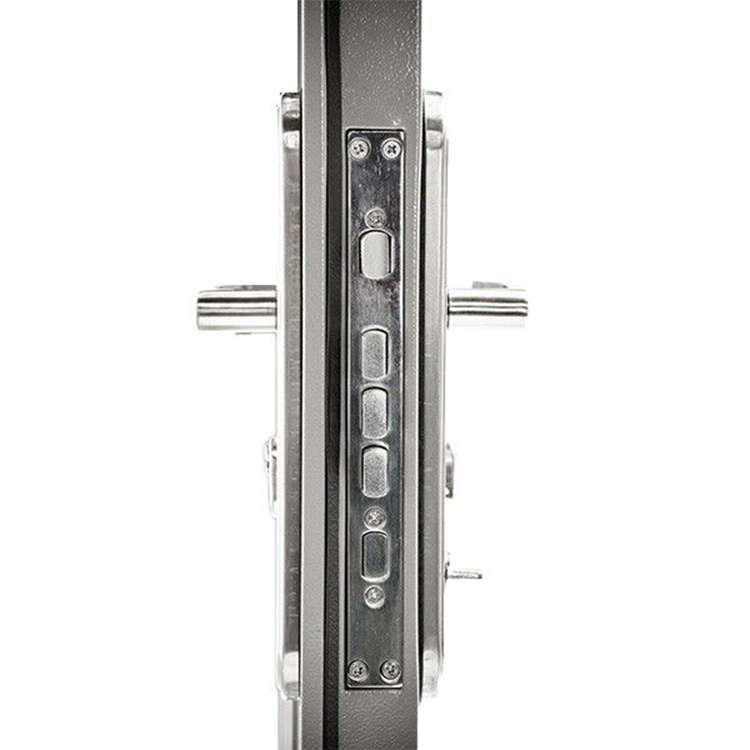
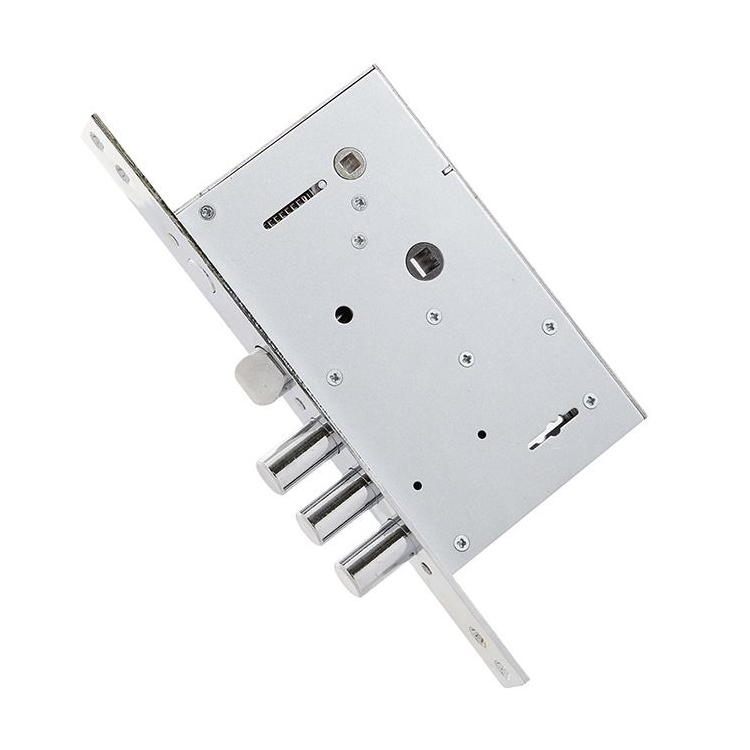
That’s why multi point locks matter. Not because they sound fancy. Not because they give sales reps a nice talking point. Because they spread load, pull the panel into the gasket line at multiple engagement points, and help keep the seal package doing its job when the weather gets nasty and the building starts moving the way buildings always do. Which they do. Always.
And weather isn’t getting gentler. According to NOAA, the U.S. recorded 27 billion-dollar weather and climate disasters in 2024, and the 2020–2024 average hit 23 events per year, miles above the old baseline. That’s not background noise anymore; that’s your spec environment whether the owner likes hearing it or not.
That matters.
Coastal exposure, same story—just nastier chemistry. NOAA’s annual outlook says U.S. coastal communities could be looking at 55 to 85 high-tide flooding days per year by 2050 on average. People hear “flooding” and think dramatic event. I think routine chloride loading, repeated wet-dry cycling, and hardware finishes getting chewed up long before anyone expected. Different lens. More useful one.
Table of Contents
What actually makes a lock climate ready
Let me say it plainly: a climate-ready multipoint system isn’t a vibe, and it definitely isn’t a powder-coat colorway with a confident product page. It’s a coordinated hardware package that keeps compression, alignment, and operability under stress—real stress, not showroom stress—using the right substrate metals, sane coatings, decent tolerances, and field adjustability that doesn’t turn into a swearing contest on site.
That’s the real deal.
But most “lock failures” I see aren’t single-component failures at all. They’re assembly failures wearing a lock-shaped mask. The frame is out. The keeper pack is off. The installer over-torqued one point and left another floating. Drainage was an afterthought. Somebody mixed plated steel with aluminum and called it value engineering. Then winter rolls in, the lube thickens, seal drag goes up, the panel shrinks or swells just enough, and suddenly the owner thinks the lock is junk.
Maybe it is. Maybe it was doomed from bid day.
In cold-weather work, I care first about seal compression, low-temp consistency, and how much forgiveness the keeper geometry gives me after the building settles into itself. That’s not glamorous talk, but it’s the stuff that keeps cold air from ghosting through the margin at 6 a.m. in January. The U.S. Department of Energy points directly to sealing around windows, skylights, and doors as part of real envelope performance and notes that air sealing cuts leakage, improves comfort, and reduces heating and cooling costs. That tracks exactly with why a well-set multipoint system outperforms the usual cheap single-latch arrangement when the goal is an actually tight opening—not a nominally closed one.
Tiny gap. Big problem.
Coastal work? Different beast. Now I’m watching chloride exposure, galvanic pairing, fastener compatibility, edge protection, and whether the so-called “marine grade” claim applies to the entire active set or just one visible trim piece the marketing team likes photographing. FEMA guidance for coastal corrosion points toward Type 304 or 316 stainless steel in coastal environments, and federal building guidance is still pretty blunt about corrosion-resistant metals where exposure demands it. If the system still leans on thin decorative plating over ferrous guts, don’t call it climate ready. Call it temporary.
Cold projects fail differently than coastal projects
Cold punishes movement. Salt punishes chemistry. Same opening, different death spiral.
I remember one spec review where everyone in the room kept obsessing over finish samples—satin this, matte that, “architectural black” whatever—while nobody wanted to talk about tolerance stack-up, keeper adjustment range, or whether the screws were even in the same corrosion family as the rest of the active hardware. That’s the trade sometimes. We’ll spend 20 minutes on sheen and zero on survivability.
Then the field reminds us.
Reuters reported that during a January 2024 winter storm, about 811,000 homes and businesses across 12 states lost power as a brutal cold blast moved in. When that kind of weather hits, every weak opening starts telling on itself—draft lines, stiff throws, latch drag, gasket chatter, frame shift. The “worked at handover” defense becomes laughable.
It happens fast.
And the coast doesn’t wait for a perfect storm to expose cheap hardware decisions. Reuters reported that Hurricane Helene’s 2024 damage estimates ranged from $15 billion to more than $100 billion, with storm surge reaching 8 to 10 feet in some coastal areas and 15 feet in others. People read numbers like that and jump straight to glazing and roof assemblies. Fair. But the opening hardware still has to cycle, seal, and survive contamination, wetting, and frame movement after the event—not just before it. That’s where weak multipoint packages get exposed.
The specification points I would not compromise on
Here’s my bias: I spec to failure mode, not catalog poetry. Always have. That makes some product reps uncomfortable, but I’m not here to protect feelings.
If the project is inland and cold, I want adjustable keepers, stainless faceplates and screws, a lock body that doesn’t get gummy at low temperature, and enough compression control to keep the perimeter seal working without overloading the handle set. If the project is coastal, I want the metallurgy story first—what’s 304, what’s 316, what’s plated, what’s exposed, what’s buried, what’s isolated, and what’s going to look terrible by year two if somebody gets lazy.
No mystery here.
Project condition
What I would specify for multi point locks
What I would avoid
Why it matters
Cold inland residential or mixed-use
Adjustable keepers, stainless faceplate/fasteners, low-temp compatible lubricant, consistent compression on head/mid/foot points, tested compatibility with door seal package
Single-point latch sold as “good enough,” non-adjustable strikes, vague finish-only specs
You need repeatable air sealing and tolerance for seasonal movement
Coastal projects near salt exposure
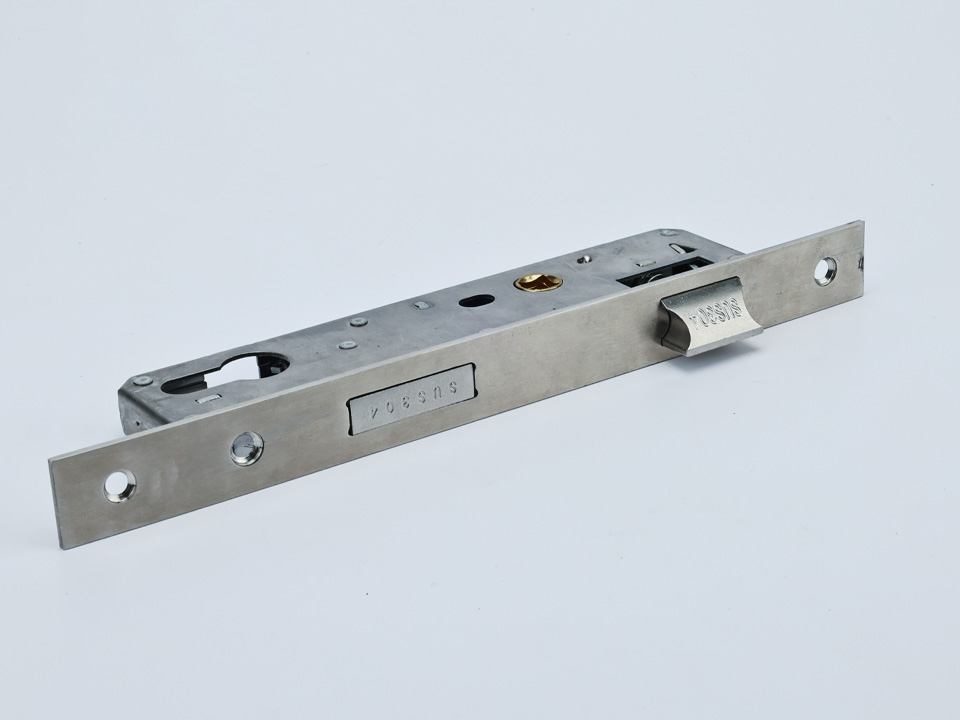
304 or 316 stainless at exposed/load-bearing hardware, isolated dissimilar metals, corrosion-resistant screws, sealed cut edges, drainage-aware installation
Decorative plated steel, mixed metals without isolation, exposed zinc-heavy parts in spray zones
Chlorides attack weak finishes fast, and galvanic pairing turns small mistakes into service calls
Cold + coastal projects
Marine-grade corrosion package plus cold-weather operability, tight machining tolerances, robust gasket compression, field adjustability after install
Generic “multipoint” language with no materials schedule, no service protocol, no assembly testing
This is where brochures go to die
Large project procurement
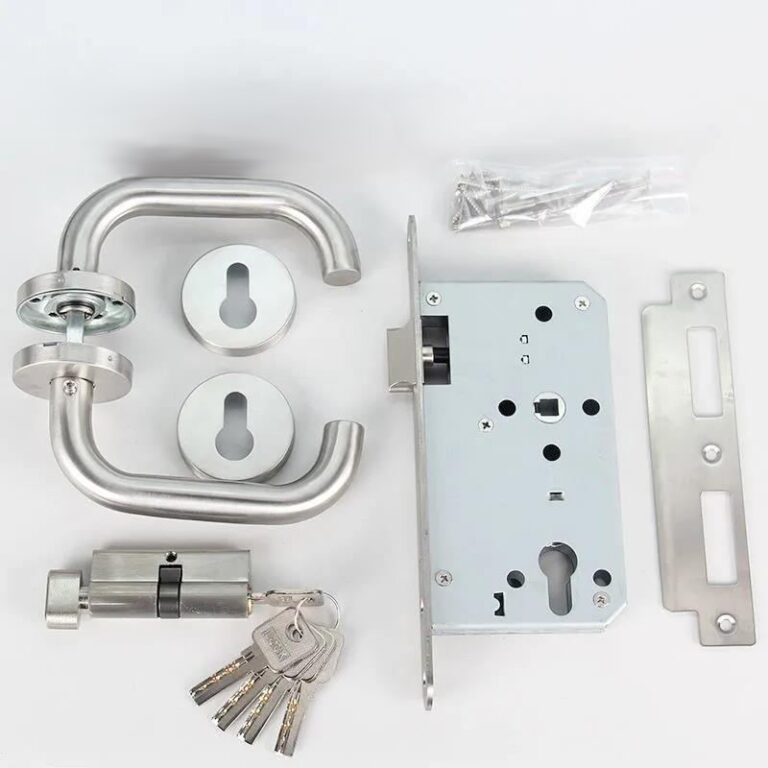
Lock body, keepers, screws, handles, finish, and service kit listed as one coordinated package
Substitutions split across vendors
Fragmented sourcing creates alignment and warranty chaos
And yes, I’m conservative about coastal exposure—maybe more than some people like. But if FEMA guidance is comfortable talking about stainless steel nails within 3,000 feet of saltwater, I’m certainly not going to play roulette with door hardware in that same band. Not on my projects. Not if I can help it.
The part spec writers ignore: handles, compatibility, and finish drift
This is where jobs go sideways. Quietly.
You can spec a decent lock strip and still wreck the opening by pairing it with bargain-grade operating hardware, mismatched spindle geometry, or finishes that look coordinated on the submittal sheet but age differently in the field. I’ve seen gorgeous mockups turn into Franken-hardware within a year because somebody treated handles like accessories instead of load-transferring parts with actual consequences.
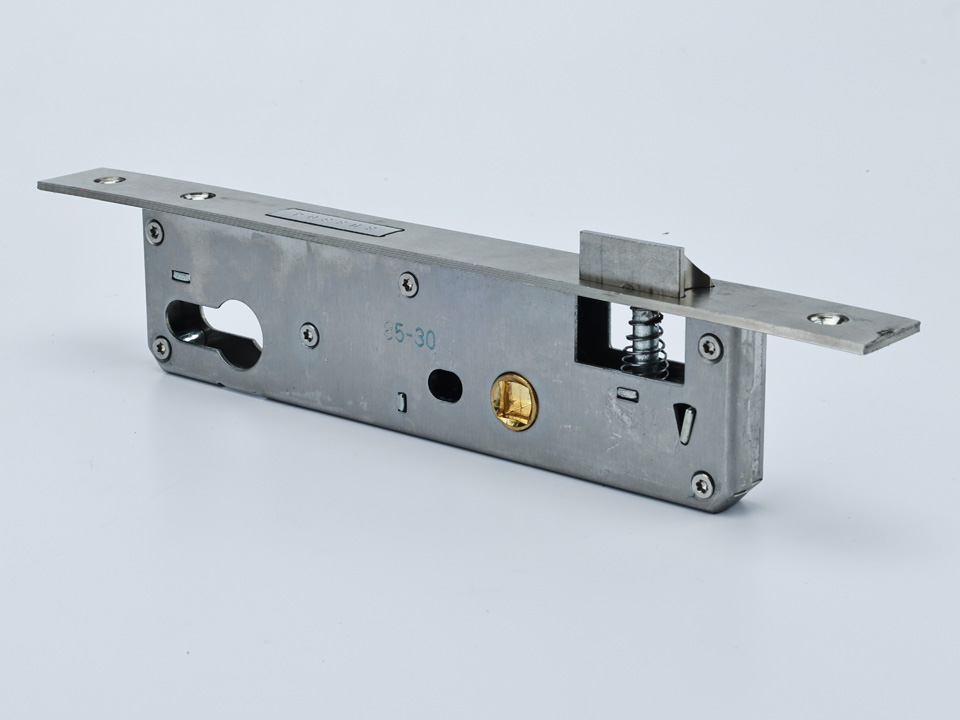
Custom jobs are even less forgiving. When the opening package needs tighter tolerance control, a better alloy story, or just more consistency from batch to batch, I’d rather source through a custom aluminum alloy casement window handle supplier or a customized black window lever handle supplier than pretend commodity hardware will magically behave like project-specific hardware because the quote came in lower.
And for projects that care about finish coordination across multiple elevations, units, or product families, I’d rather sort that headache in preconstruction with a four-color window spindle handle supplier than wait until occupancy, when every mismatch becomes somebody else’s fault and nobody can remember who approved the substitution.
What “best” actually means for coastal homes
People ask for the best multi point locks for coastal homes all the time. I get why. It sounds efficient. It isn’t.
Best by what metric? Salt resistance after 24 months? Compression stability after seasonal movement? Ease of service when the keeper pack shifts? Parts availability? Handle torque? Corrosion at the screw heads? Because those answers don’t always point to the same product, and pretending otherwise is exactly how mediocre specs get written.
Here’s my answer anyway: the best coastal multipoint system is the one whose materials schedule, keeper geometry, screw spec, finish chemistry, drainage logic, and install sequence all work together without forcing the field crew to improvise. That’s it. Not sexy. Not trendy. Reliable.
I also don’t trust the phrase “marine grade” unless the paperwork tells me where that grade actually lives. Is it the faceplate only? The fasteners too? The keepers? The gearbox internals? Are we talking 304 or 316 stainless? Did anyone isolate dissimilar metals at the contact points? Federal guidance has been warning about galvanic corrosion for years, and it still gets ignored because it’s less photogenic than a nice black finish.
That’s the dirty little secret.
FAQ
What are climate ready multi point locks?
Climate ready multi point locks are door locking systems engineered to keep the slab aligned, maintain even compression against weather seals, and resist corrosion or stiffness during freeze-thaw cycles, salt exposure, wind-driven rain, and normal building movement by using multiple locking points, corrosion-resistant materials, and adjustable hardware components.
After that, here’s the ugly truth: the phrase means almost nothing unless the schedule names the metals, fasteners, keeper setup, and door-assembly compatibility. Otherwise it’s ad copy with better posture.
Are multi point locks better for coastal homes?
Multi point locks are generally better for coastal homes because they pull the door tight at several locations, improve weather-seal performance, distribute operational loads more evenly, and give specifiers a better path to use corrosion-resistant components throughout the active hardware set rather than relying on one latch and one vulnerable point.
But don’t romanticize them. If the system mixes weak finishes, random screws, or incompatible metals, you’ve just bought a more expensive failure. NOAA’s coastal flooding outlook isn’t subtle about where exposure is heading.
How do I choose multi point locks for cold climates?
To choose multi point locks for cold climates, prioritize systems that maintain smooth low-temperature operation, allow keeper adjustment for seasonal movement, create consistent gasket compression across the full height of the door, and are installed as part of a serious air-sealing strategy instead of being treated like a standalone hardware upgrade.
From my experience, the smartest question isn’t “Which lock is best?” It’s “Was this opening built and installed straight enough for any good lock to do its job?” DOE’s guidance on air sealing gets right to that bigger picture.
What materials should I specify for coastal door locks?
For coastal door locks, specify corrosion-resistant metals such as 304 or 316 stainless steel for exposed and stressed components, use compatible fasteners, isolate dissimilar metals where necessary, and avoid decorative plated ferrous parts in salt-exposed assemblies where chloride attack and galvanic corrosion can shorten service life very quickly.
That’s the practical answer. The cheaper answer is usually the one that turns into red rust, sticky operation, and a warranty argument nobody budgeted for.
Ready to spec smarter?
If the project sits in a freeze zone, a salt zone, or that miserable overlap where both are waiting for you, stop treating the lock like trim. Build the hardware schedule around movement, moisture, chloride load, and service reality—then coordinate the handles, finishes, and fasteners so the whole opening behaves like one system instead of a pile of hopeful parts. That’s how you cut callbacks before they ever hit the inbox.