

fschier-administrator
Global Hardware Sourcing Trends for Window and Door Manufacturers in 2026
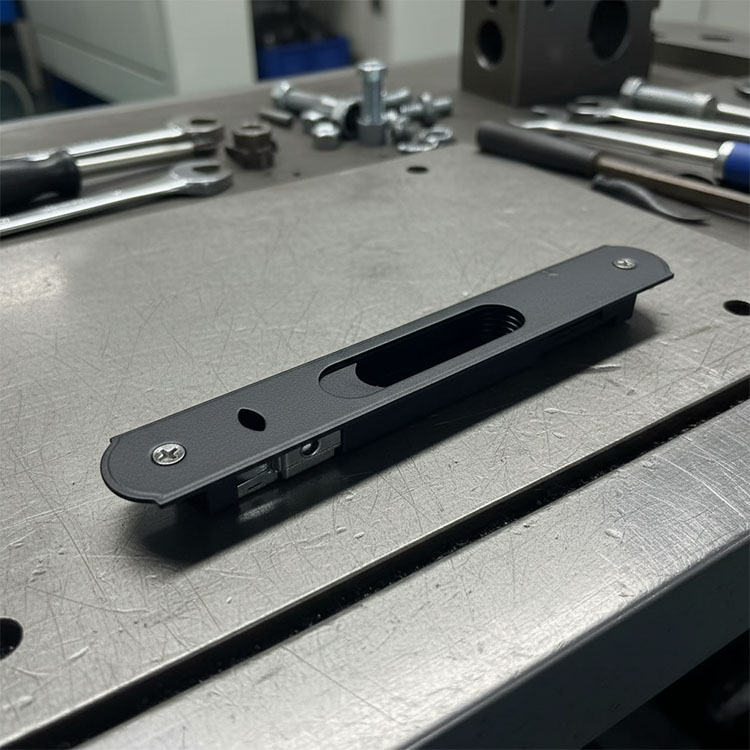
Global window and door hardware sourcing is changing fast. Freight volatility, U.S. tariff pressure, assembly-level compliance scrutiny, and climate-driven performance demands are forcing manufacturers to rethink where they buy locks, handles, hinges, and accessories—and how they qualify suppliers.
How to Verify Hardware Compliance for Aluminum Windows and Doors
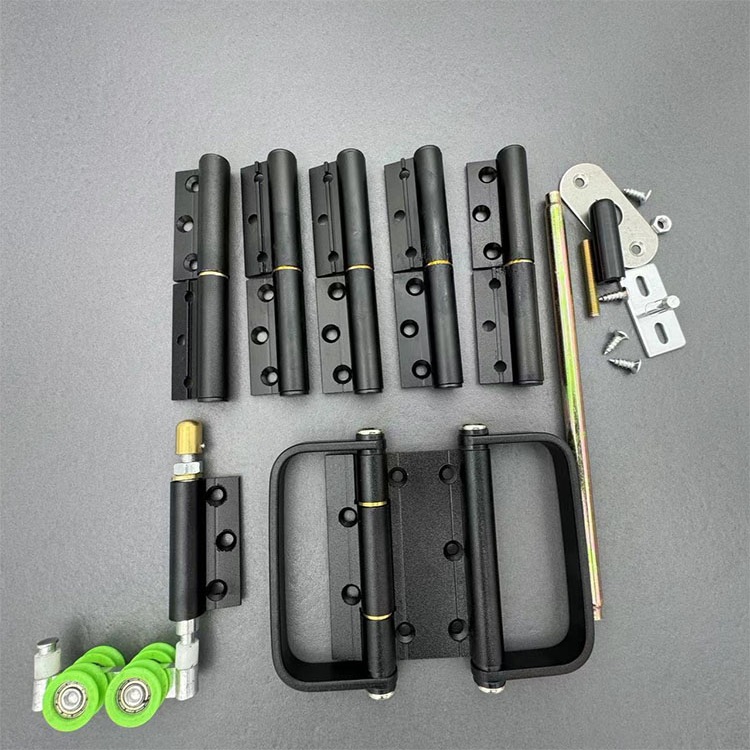
Most hardware “compliance” claims collapse the moment you ask one rude question: compliant to what, exactly, and for which tested assembly? This guide shows how I verify aluminum window hardware compliance and aluminum door hardware compliance before a submittal becomes a warranty fight.
Specifying Frame Tolerances to Prevent Hardware Binding
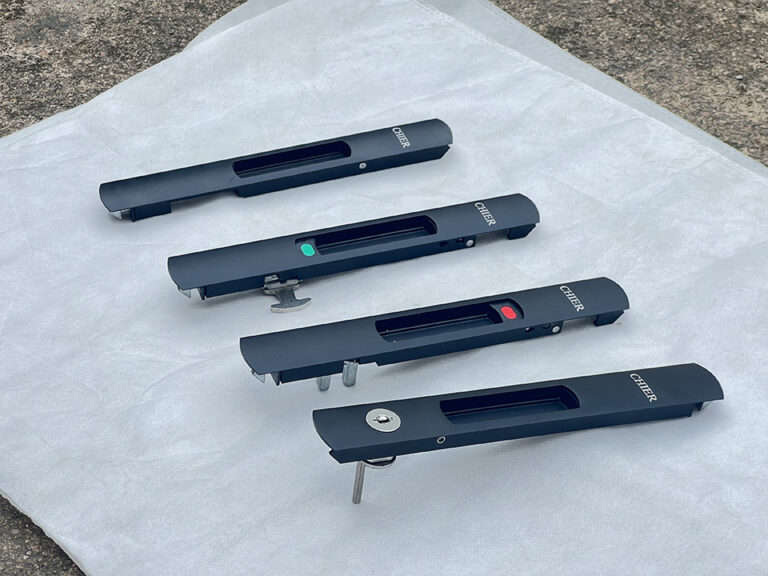
Most “hardware failures” start as geometry failures. This piece shows how door frame tolerances, clearances, and accessibility dimensions decide whether a package works or bleeds money.
Visual Part ID Guides for Window And Door Hardware Teams
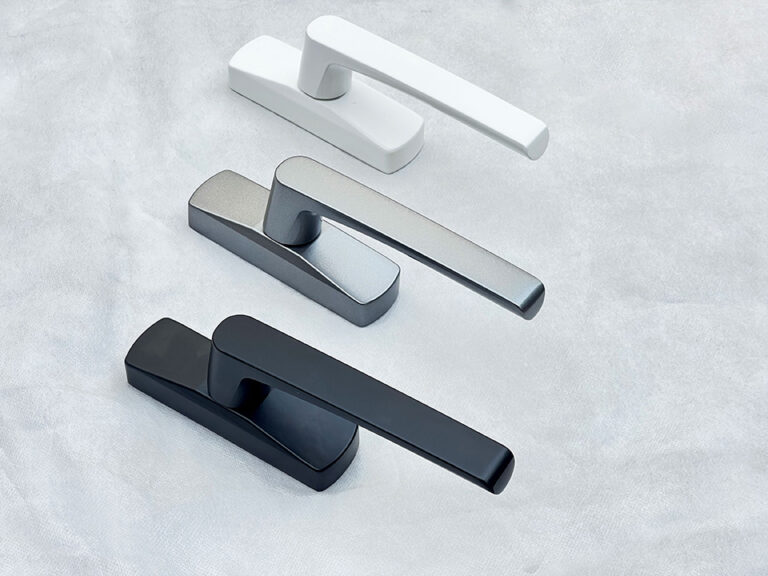
Most hardware teams do not lose margin on price first; they lose it on bad identification. This piece explains how visual part ID guides should work when the job involves recalls, replacements, finish matching, and service deadlines.
Test Standards Checklists for Multi Point Lock Qualification
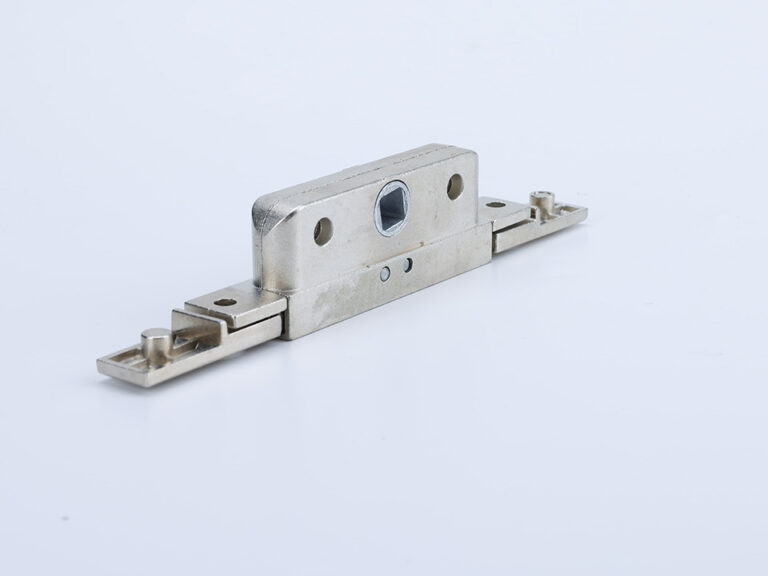
Most teams do not fail multipoint lock qualification because they lack a lock. They fail because they mistake a component for a system, then discover the difference under load, weather, impact, or field complaints.
Designing Misuse Tolerant Multi Point Locks for Real Users
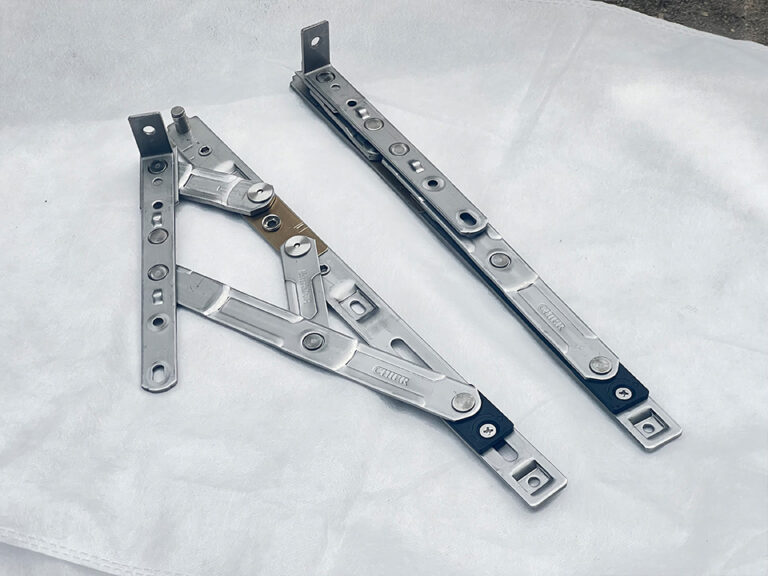
Most multi point locks are engineered for ideal behavior, not for tired people, renters, kids, installers, or older adults. This piece explains why misuse tolerance beats spec-sheet bragging, and how better handle geometry, clearer feedback, and simpler access logic produce safer hardware.
Using Multi Point Locks to Hit Energy & Air Tightness Targets
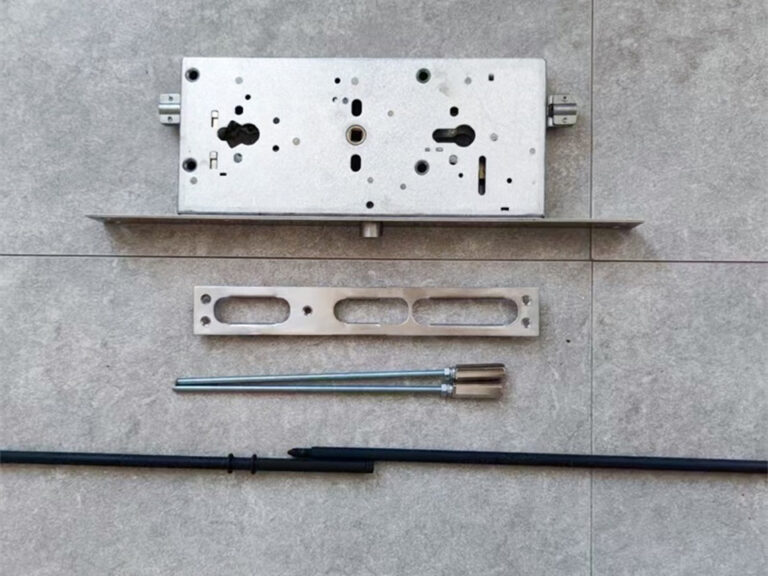
Most teams chase insulation numbers and forget the hardware that actually forces an operable panel into its seal. This piece argues that multi point locks are often the quiet difference between a good spec and a failed blower-door test.
Preventing Defective Finishes & Corrosion in Window Hardware
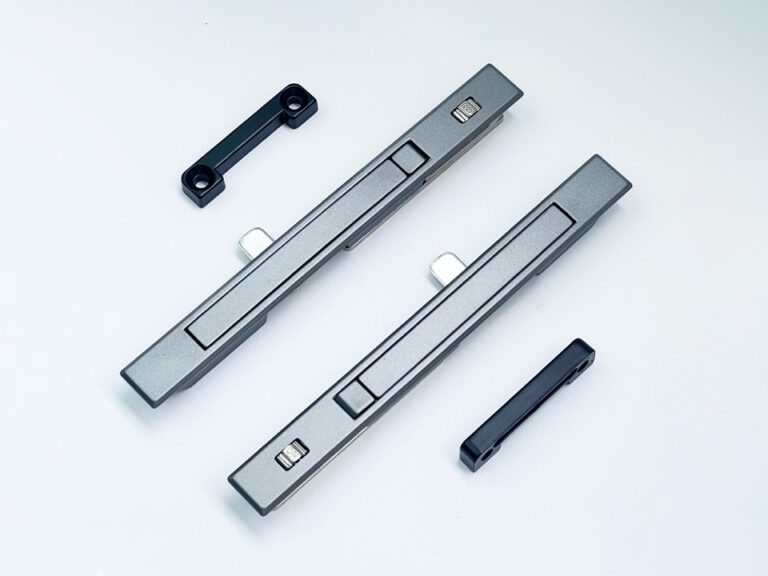
Most window hardware corrosion is not a weather problem. It is a specification problem—bad alloy decisions, weak pretreatment, thin coatings, and lazy validation dressed up as “premium finish.”
Window Hardware Compliance: Egress Codes & PAS 24 Standards
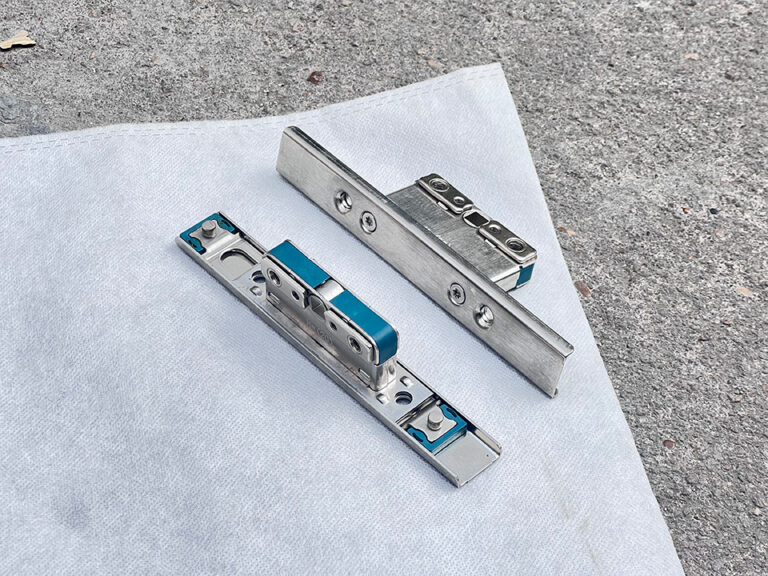
Most teams treat egress and PAS 24 as if they naturally work together. I don’t, because one is about getting out fast and the other is about keeping intruders out, and the hardware choice decides which side wins.
Climate Ready Multi Point Locks for Cold and Coastal Projects
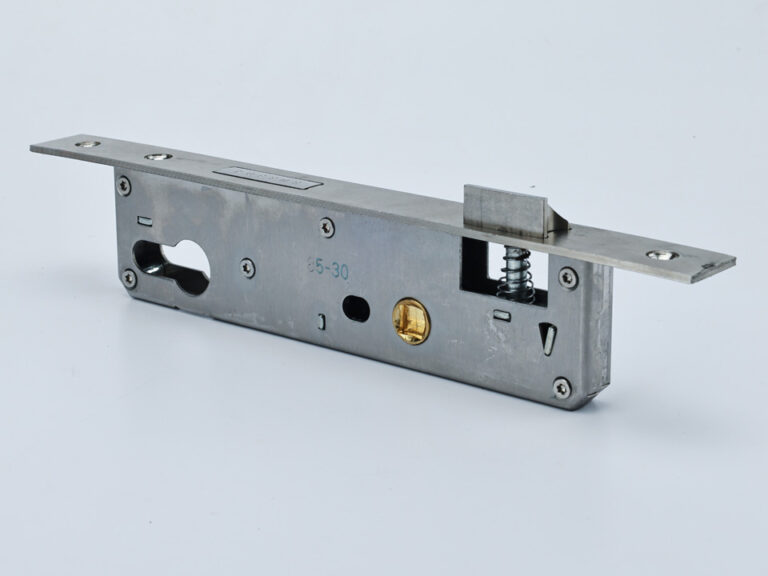
Most hardware copy talks about security and finish. I’m more interested in what still works after freeze-thaw cycles, salt air, wind-driven rain, and a bad install crew.
Serviceable Multi Point Locks: Reducing Lifetime Cost
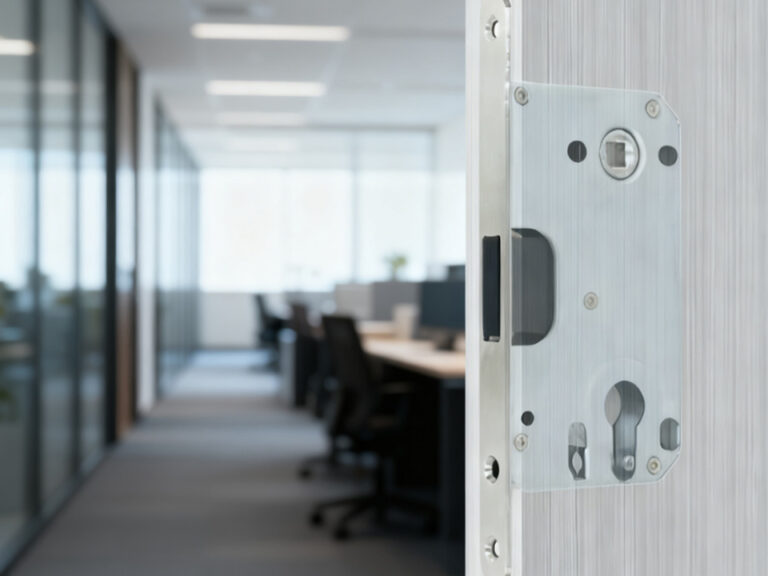
Most buyers still compare multi point locks by unit price, which is exactly how they get trapped in higher lifetime cost. I make the case for serviceable hardware, standardized parts, and maintenance-first specification using recent public-sector evidence.
Managing Legacy Balances and Tilt Latches on Aging Windows
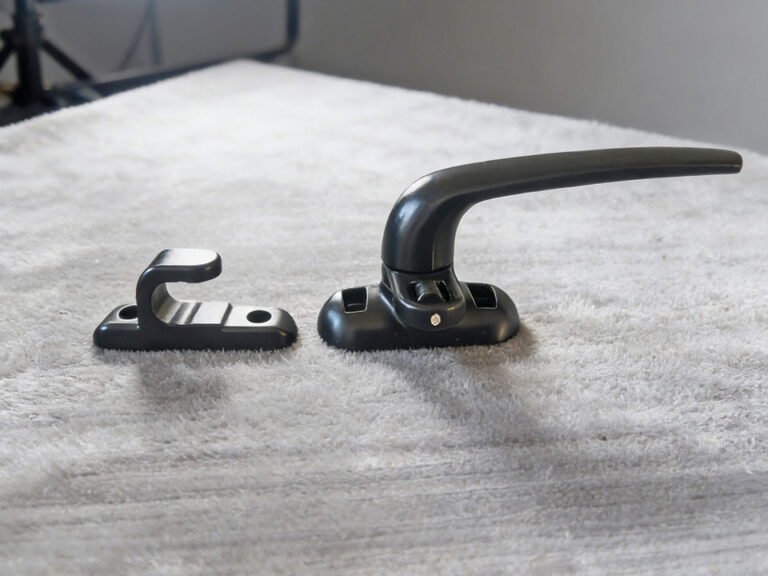
Most old windows do not fail all at once; they fail in sequences—tilt latch first, balance next, sash alignment after that. I break down how to diagnose legacy balances, avoid bad replacement decisions, and source compatible hardware before a repair turns into a full-window bill.