Designing Sliding Hardware that Feels Smooth But Locks Strong

Smooth sells fast. But in this category, the ugly truth is that buyers notice glide in the showroom, yet they punish weak locking six months later, when panel sag, hook-bolt misalignment, cheap zinc castings, and soft strikes turn a premium-looking system into a warranty file nobody wants to own. Who pays for that mistake?
I’ve watched too many factories overspend on rollers and underbuild the lock path. That is backwards.
Table of Contents
The market keeps rewarding the wrong priority
We all say “user experience.” Fine. But buyers rarely separate feel from security the way engineers do. They judge the whole mechanism. If the panel floats nicely but needs a shoulder-check to engage the lock after seasonal movement, the product is not premium. It is unfinished.
And there is a sourcing problem hiding inside that design problem. When teams buy components in isolation, one vendor tunes the roller, another sells the handle, a third pushes a lock body, and nobody owns stack-up tolerance across the full system. That is how you get a smooth demo unit and a bad production run.
A lot changed in 2024 as well. The U.S. Trade Representative said tariff rates on certain steel and aluminum products from China were increased to 25% in 2024, which matters because even a small cost swing can tempt buyers to downgrade alloys, wall thickness, or finishing steps at exactly the wrong point in the bill of materials.
What “smooth” really means in sliding hardware design
It is not magic. It is controlled resistance, tight manufacturing discipline, and boring material decisions that sales teams almost never mention even though those decisions decide whether the system still feels expensive after humidity, dust, shock loading, and installer abuse. Want the short version?
Smooth sliding door hardware usually comes from five things working together:
- consistent wheel hardness and profile
- track straightness and finish quality
- balanced panel weight distribution
- damper timing that does not fight the last 80–120 mm of travel
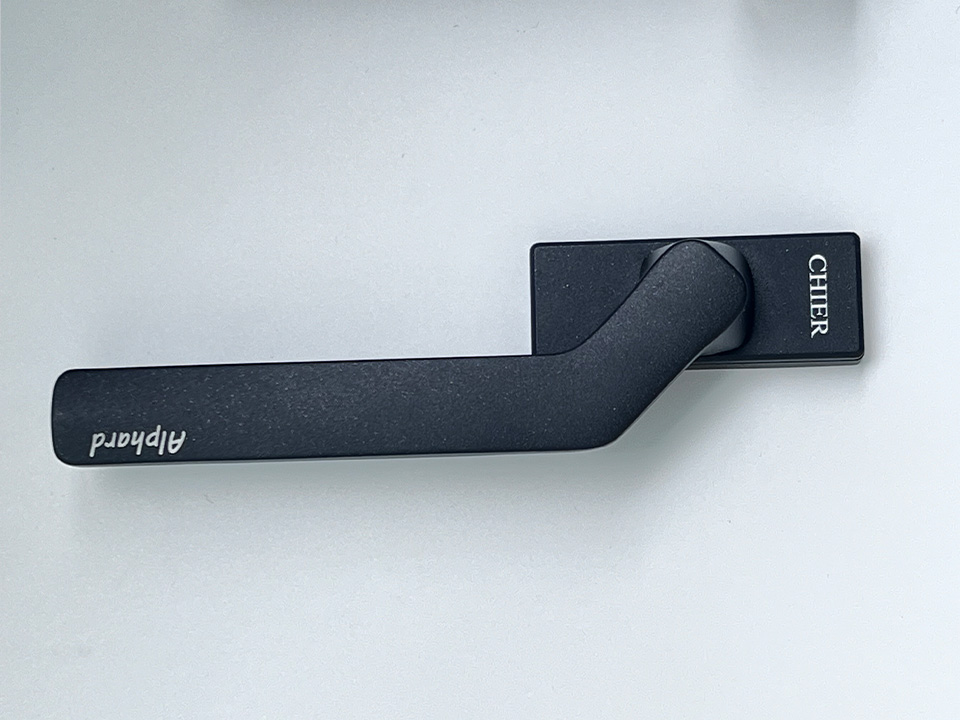
- handle and lock geometry that do not torque the sash off line
That last one gets ignored. I think it is one of the dirtiest secrets in this business. A lock can ruin glide because engagement force distorts the meeting stile or pulls the panel laterally into a track condition it was never tuned for.
This is why I would rather source a system package than a box of “compatible” parts. A purpose-built soft close damper hardware for sliding doors helps only when the roller set, sash mass, and stop geometry were designed around the same closing profile.
Locks fail at the interfaces, not in the brochure
Here is the hard truth. Most locking sliding door hardware does not fail because the CAD drawing was stupid; it fails because hook projection, strike depth, panel deflection, fastener pull-out, and frame tolerance were never validated as a system under abuse, contamination, and imperfect installation. That is where real products live, isn’t it?
I do not trust “strong lock” claims unless I can map the full load path. Hook bolt to strike. Strike to reinforcement. Reinforcement to frame. Frame to wall or cabinet structure. Miss one interface and the lock looks robust while the system stays weak.
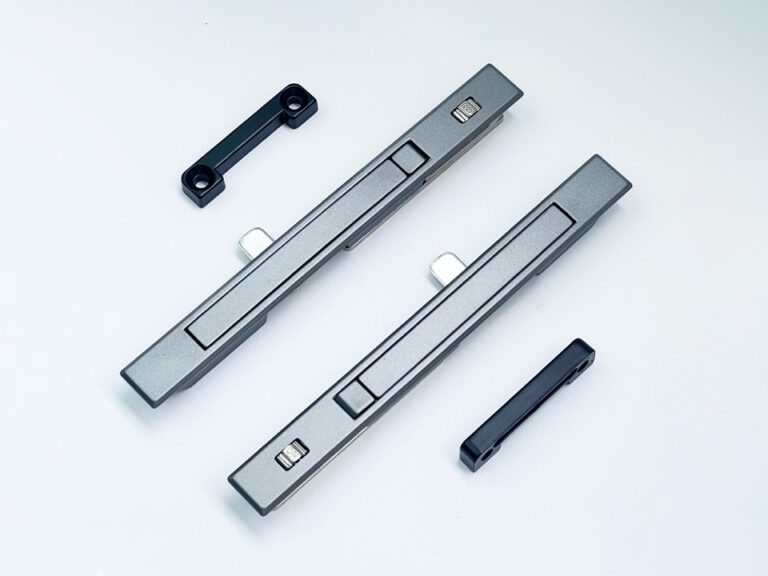
That is exactly why narrow-profile products deserve more scrutiny, not less. The slimmer the sightline, the less room you have for forgiveness. A double hook lock for ultra-narrow sliding doors can be the right answer, but only if the strike pocket, backset, and frame reinforcement were designed for repeated side-load, not just static engagement.
And yes, recalls matter because they tell you where manufacturers cut corners under real-world pressure. In late 2023, CPSC posted a recall alert covering MI vinyl sliding glass doors due to a serious injury hazard during hurricane conditions, a reminder that “door performance” is never just a lab-story issue.
Hardware sourcing is where premium products quietly win or die
I’ll say it plainly. If your purchasing team still treats hardware sourcing as a last-stage price negotiation instead of an engineering function, you are not managing risk; you are leasing it, and the invoice usually arrives as field failure, delayed shipments, or one ugly distributor meeting too late to fix anything. Sound familiar?
When I review suppliers, I care less about pretty catalogs and more about these questions:
- What alloy is actually running in mass production: SUS 304, 201, zinc, aluminum blend?
- What is the salt-spray target, and what was the real pass rate on the last three lots?
- What is the roller cycle test load, and was that with contamination introduced?
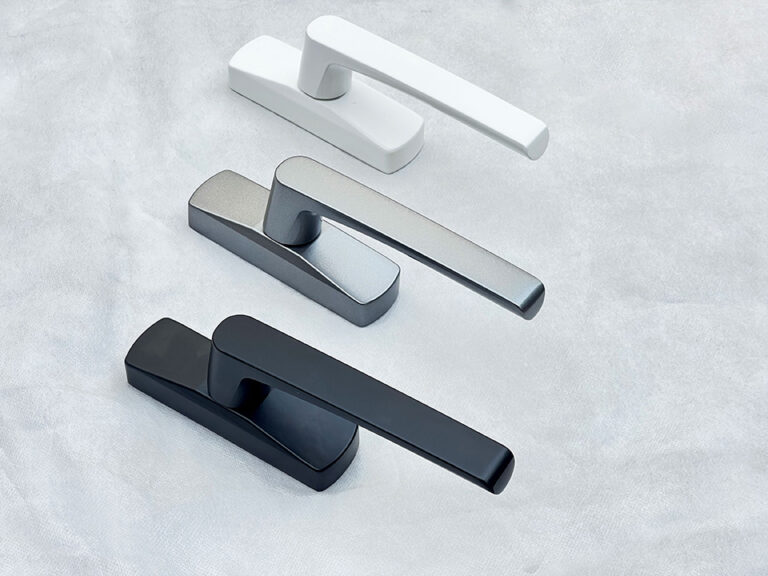
- How much handle torque shifts panel alignment at lock engagement?
- What is the Cp/Cpk on the strike pocket and hook projection dimensions?
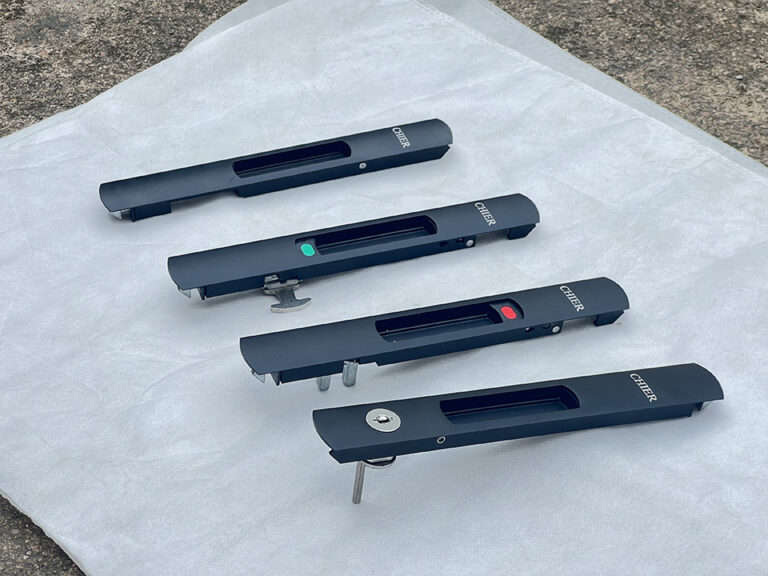
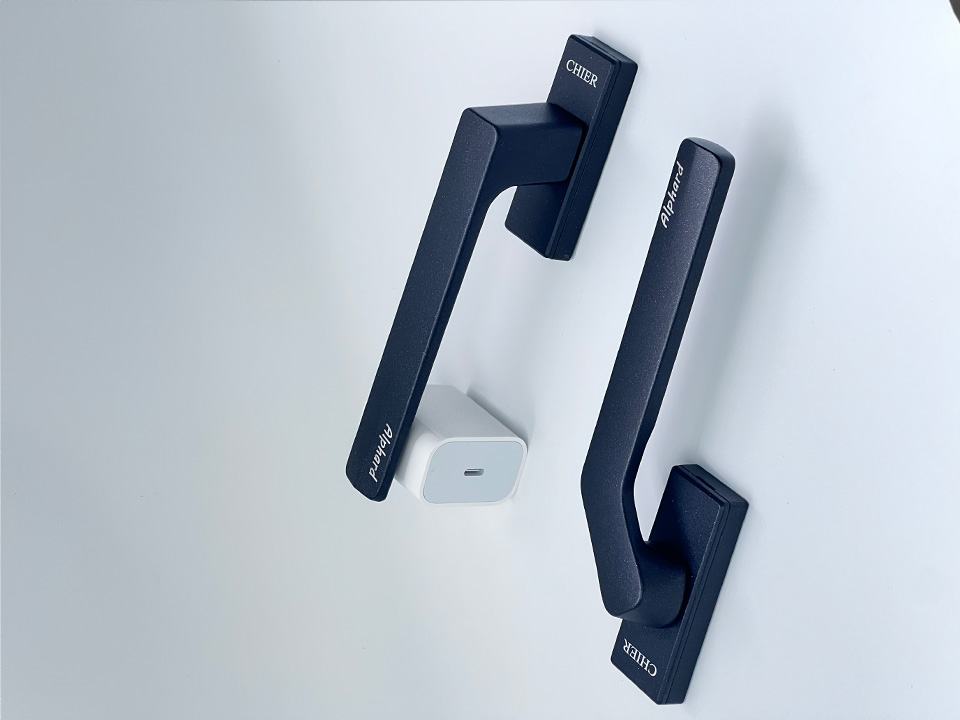
That is also why a specialist component like a recessed flush sliding door lock and handle can outperform a cheaper generic substitute even if the rendering looks similar. In the field, the recessed pull depth, finger clearance, spindle stability, and hook alignment decide whether users call the system refined or annoying.
The strongest systems are usually less dramatic
No fireworks here. The best sliding hardware rarely relies on heroic locking force; it relies on geometry, repeatability, material stability, and controlled panel motion so the user never has to fight the mechanism at the exact moment the lock should feel decisive and final. That is the trick.
I prefer designs that separate these functions:
- Rollers carry and stabilize.
- Dampers decelerate.
- Guides control lateral play.
- Locks secure without dragging the panel into position.
When a lock is asked to “correct” a poor sliding path, the lock becomes a bandage. Bandages cost money.
For cabinet and interior applications, that separation becomes even more obvious. A slim sliding door handle with lock for cabinets works well when finger pull, latch feel, and panel travel were all tuned for lighter loads and shorter travel distances. Copy that geometry onto a heavier architectural panel and you get false confidence.
Smooth versus strong is a fake tradeoff
I’m not buying it. The industry likes to pretend there is a noble compromise between effortless glide and serious locking, but most of the time the tradeoff is fake and the real issue is that one supplier optimized tactile feel while another supplier quietly dumped the tolerance burden onto the installer. Why dress that up?
A secure sliding track system should be designed so that closing travel naturally presents the lock to its strike without a lateral shove. That usually means better anti-lift control, cleaner track tolerances, smarter wheel geometry, and less reliance on user-applied force.
Below is how I frame the decision when evaluating options.
| Design Priority | Cheap Approach | Better Approach | What Happens in the Field |
|---|---|---|---|
| Glide feel | Soft roller only | Roller + track finish + guide control | Cheap version feels good early, then gets noisy |
| Lock strength | Bigger hook alone | Hook + reinforced strike + frame stability | Cheap version “locks” but loosens under abuse |
| Closing action | No damping | Tuned soft-close matched to panel mass | Untuned systems slam or stall near latch |
| Narrow sightline | Shrink hardware body | Re-engineer load path and fasteners | Slim looks premium, weak internals fail faster |
| Corrosion resistance | Basic coating claim | Verified substrate + finish process | Finish defects show up before one wet season ends |
| Sourcing | Buy parts from many vendors | Source tested subsystem | Multi-vendor stack-up creates blame games |
The component choices I would not cheap out on
Three parts matter. Rollers, strike reinforcement, and the handle-lock interface deserve disproportionate money because they shape daily feel, security, and return rates all at once, which is why I usually trim cost somewhere else before I downgrade those three. Why gamble there?
If I were building a practical sourcing stack for this category, I would start with:
- a validated damper package such as soft close sliding door hardware for controlled end travel
- a reinforced locking option such as custom sliding door latch lock hardware where repeated engagement matters
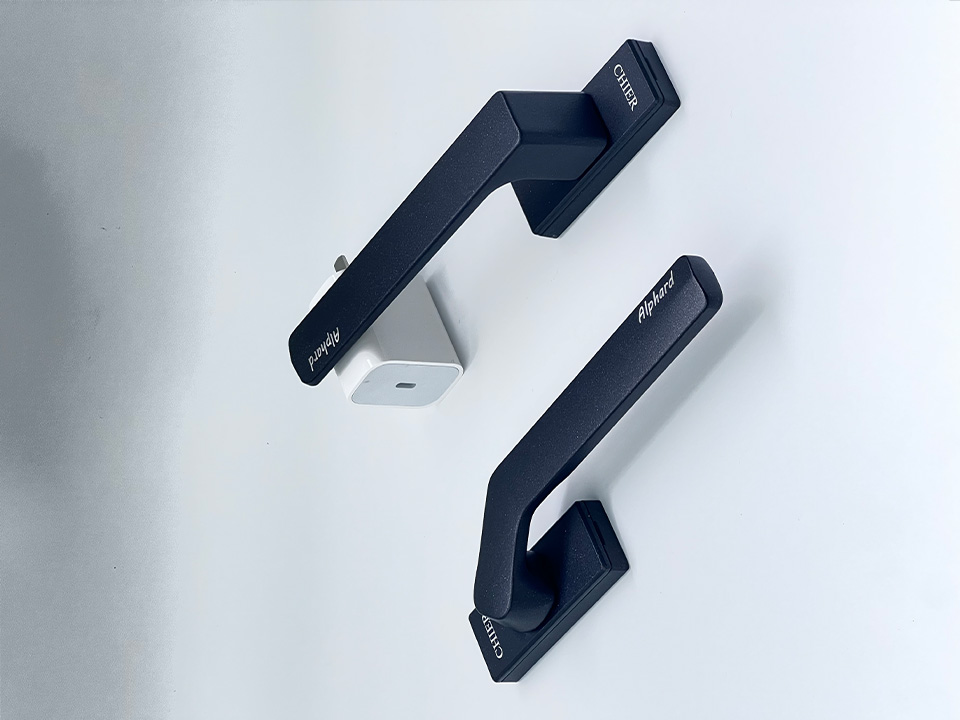
- a profile-specific solution such as flush lock handle hardware for sliding windows when minimal projection and clean aesthetics matter
That mix is not glamorous. It works.
What recent data says about risk, cost, and specification discipline
Numbers cut through nonsense. The Bureau of Justice Statistics says the National Crime Victimization Survey samples about 240,000 persons in roughly 150,000 households each year, which is why specifiers still lean on opening security as a credibility issue rather than a styling issue alone; the opening is not decorative, it is part of a home’s exposure profile
On the cost side, the Bureau of Labor Statistics reported final demand prices rose 3.3% in 2024 on an unadjusted basis, and that kind of inflation pressure is exactly when weak sourcing teams start shaving material and finish quality under the excuse of “market alignment.” I have seen that movie. It ends badly.
So no, I do not admire the cheapest quote. I admire the quote that survives 18 months of real use without making the brand look cheap.
FAQ
What is the best way to design sliding hardware that feels smooth but locks strong?
I would start with panel mass, track straightness, wheel material, anti-lift control, and strike reinforcement. Then I would test closing force at the final 100 mm of travel, because that is where bad systems reveal themselves.
What makes smooth sliding door hardware feel premium?
In plain English, the system should feel boringly dependable. No chatter. No scrape. No fake softness that disappears once dust gets into the track.
What is locking sliding door hardware supposed to do in real-world use?
I look for lock designs that do not force the user to pull or twist the panel into place. If the hand is doing alignment work, the system design is already compromised.
How do I choose between soft close sliding door hardware and a standard sliding setup?
Soft close sliding door hardware is the better choice when panel weight, user safety, perceived quality, and noise control matter enough to justify tighter engineering and higher component cost. Standard setups still work, but only when travel is short, panel mass is modest, and impact at closure will not damage alignment or finish.
My bias is obvious: for premium residential, hospitality, and better cabinet systems, I would pick a tuned damper almost every time. Untuned soft-close, though, is worse than none.
What is the biggest hardware sourcing mistake in sliding hardware design?
The biggest hardware sourcing mistake is buying rollers, locks, handles, and dampers as separate low-cost items without owning tolerance stack-up, material compatibility, and cycle validation across the full assembly. That saves pennies in procurement and burns dollars in claims, rework, and reputation damage later.
I have seen teams boast about shaving 8% off component cost while quietly adding installer pain, inconsistent lock bite, and field noise. That is not savings. That is deferred embarrassment.
If you are building or buying sliding systems and want fewer callbacks, stop treating glide and lock strength as separate conversations. Source the mechanism like a system, specify it like you expect abuse, and be honest about where cheap parts always show up first: in the hand, in the track, and in the return rate.