Procura soluções de hardware que cumpram as normas europeias e americanas?
Utilize este modal de inquérito guiado para passar de um formulário de orçamento genérico para uma conversa técnica mais clara. Os compradores podem escolher se precisam de preços, ficheiros CAD / 3D ou suporte OEM / ODM antes de partilharem os detalhes de contacto.
Conceção que privilegia a compatibilidade entre sistemas de portas e janelas
Produção repetível com pontos de controlo de inspeção claros
Documentação e controlo de alterações para programas de longa duração
Suporte de engenharia reativo para feedback de ajuste e de campo
Amostragem: protótipos + validação da instalação + controlos funcionais
Falar com o nosso chefe
No. 8 South Sanjian Development Zone, Bajia, Jinsha, Danzao Town, Nanhai District, Foshan, Guangdong, China
Já vi demasiados compradores fingirem que esta categoria é simples, como se uma maçaneta fosse uma maçaneta e uma fechadura fosse uma fechadura, quando, na realidade, um backset errado, uma suposição de espaçamento de orifícios descuidada ou uma diferença de acabamento pode congelar toda uma produção e transformar um “pequeno problema de hardware” numa fuga de margem que ninguém quer ter. Porque é que isto continua a acontecer?
Índice
Porque é que as ferragens para janelas e portas de pátio são tão difíceis de encontrar
Chamamos-lhe “ferragens para janelas e portas de pátio”, mas esse rótulo esconde uma verdade desagradável: raramente está a comprar uma peça. Está a comprar uma interface entre as tolerâncias do perfil de alumínio, o peso da folha, a exposição à corrosão, a capacidade de instalação, a pressão do código local e a urgência da substituição. Se falhar uma variável, a peça pode chegar a tempo, parecer bem na caixa e falhar no terreno. Já vi esse filme. Acaba mal.
E os riscos não são teóricos. A Comissão de Segurança de Produtos de Consumo dos EUA diz que cerca de 9 crianças morrem e milhares ficam feridas em quedas de janelas a cada ano, razão pela qual batentes, restritores e hardware de travamento compatível não são detalhes decorativos, mas controles de risco. Ao mesmo tempo, o Joint Center for Housing Studies de Harvard informou que as despesas com remodelações e reparações se mantiveram muito acima das normas pré-pandémicas, mesmo após os declínios em 2023 e 2024, pelo que o mercado de substituição continua a ser muito real, muito ativo e muito implacável. Acrescente a pressão comercial sobre os insumos de alumínio e produtos derivados, e os erros de abastecimento ficam mais caros, não menos.
A verdadeira intenção de pesquisa por trás do fornecimento de hardware
Se eu estivesse a comprar hoje, dividiria a categoria em quatro grupos antes de pedir um orçamento a um fornecedor: hardware de funcionamento, hardware de bloqueio, hardware de segurança e hardware de controlo de movimentos. A maioria das equipas de aprovisionamento não segue esta disciplina e depois pergunta-se porque é que os prazos de entrega são estranhos e as amostras voltam “quase certas”. O quase certo é caro.
Como adquirir ferragens para janelas sem erros dispendiosos de especificação
Em primeiro lugar, defina a aplicação, não o nome da peça. “Fechadura de porta deslizante” é uma linguagem preguiçosa. Um resumo melhor diz: porta de pátio de alumínio de estrutura estreita, requisito de fecho de gancho duplo, acabamento preto, exposição à humidade costeira, ciclo de vida pretendido, requisito de cilindro e folga do puxador. Este parágrafo elimina metade do ruído que os fornecedores nos lançam.
Em segundo lugar, especifique a compatibilidade em torno de dimensões que, de facto, impedem os negócios. Espaçamento entre furos de centro a centro. Backset. Manipulação. Espessura da folha ou do painel. Grau do material. Padrão de acabamento. Expectativa de névoa salina. Material de base. Estes são os números que interessam. Não o título de marketing.
Em terceiro lugar, deixar de tratar o hardware de substituição de janelas e portas como acessórios de canalização. Os sistemas antigos são feios. As antigas SKUs desaparecem. As ferramentas mudam. As descrições de exportação tornam-se vagas. A “fechadura em forma de meia-lua” de uma fábrica é a versão incompatível de outra fábrica, com uma diferença de 2 mm, que vai gastar o seu orçamento de mão de obra numa tarde.
Prefiro partir do ponto de falha para trás. Começa com a queixa. Trinco solto. Vedação incompleta. Pega descaída. Fechadura a prender-se. Batida da porta. Desalinhamento após movimento térmico. Em seguida, faça corresponder a arquitetura das ferragens ao problema em vez de comprar por fotografia.
As principais categorias de ferragens para janelas e portas de pátio
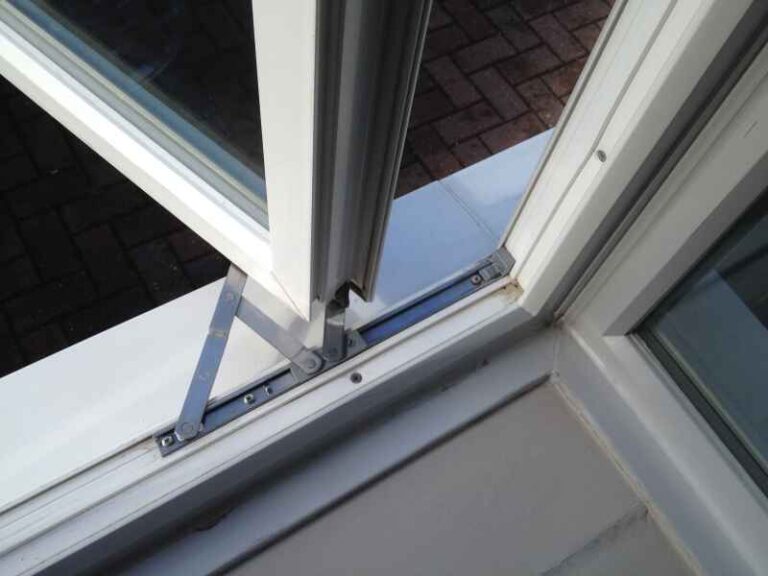
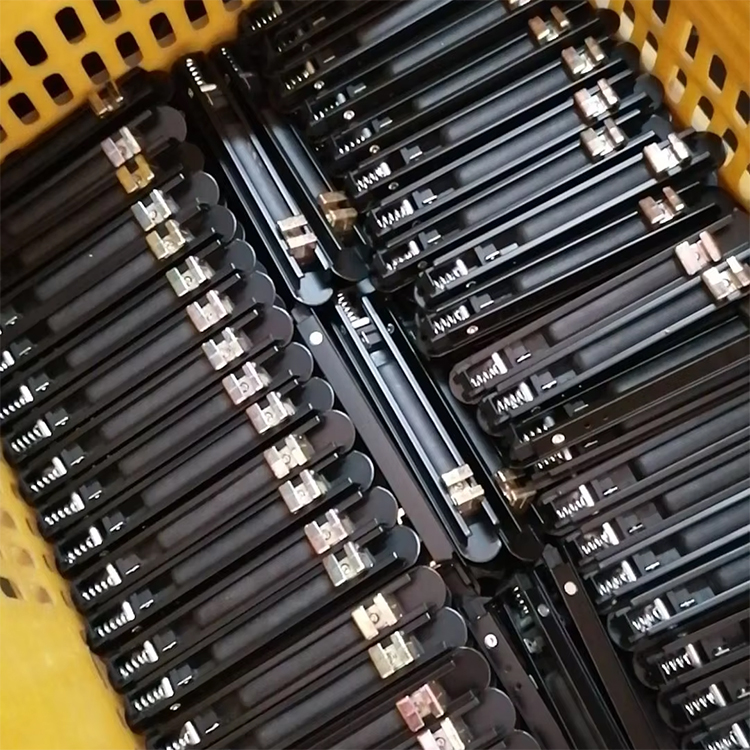
É por esta razão que, no caso dos sistemas de batente, prefiro indicar ao comprador uma opção de estribo de fricção verificada como esta dobradiça de fricção para janela em aço inoxidável do que deixá-los comprar uma dobradiça genérica e rezar para que a geometria funcione. O mesmo se aplica aos conjuntos de fechaduras de substituição em portas deslizantes: um comprador que sabe que precisa de um mecanismo de mola deve procurar um conjunto de fecho de mola para janela de correr em vez de colocar “window lock” numa folha de cálculo e esperar por problemas.
As melhores ferragens para portas de pátio para sistemas finos, deslizantes e de utilização intensiva
Agora, o lado da porta do pátio fica ainda mais desleixado.
As pessoas adoram falar de estética, preto mate, linhas de visão finas, puxadores embutidos. Ótimo. Mas o dinheiro está na retenção, não na aparência. Nos sistemas de correr modernos, as melhores ferragens para portas de pátio são normalmente as que preservam o alinhamento, controlam a energia de fecho e bloqueiam sem problemas com pequenos movimentos da estrutura. É por isso que presto atenção a aspectos como ferragem de fecho suave para portas de correr metálicas e sistemas de fecho de formato estreito, como um fechadura de gancho duplo para portas de correr ultra estreitas. As portas de perfil fino parecem elegantes até que uma fechadura barata comece a fazer barulho ao fim de seis meses. Nessa altura, a elegância torna-se cara.
Uma estrutura prática para a escolha de peças de ferragens para janelas e portas
Eis a comparação de que a maioria dos compradores precisa, mas que raramente faz.
Cenário de aprovisionamento
O que os compradores normalmente pedem
O que devem especificar
Principal risco se for vago
Melhor jogada de compra
Ferragens de substituição para caixilhos
“dobradiça de janela”
comprimento do braço, altura da pilha, ângulo de abertura, carga, grau de inox
arrastamento da folha, desgaste prematuro
verificar primeiro a geometria da escora de fricção
Substituição da fechadura da janela de correr
“trinco de janela”
espaçamento entre furos, mão, perfil do detentor, com chave/não com chave
incompatibilidade de campo
corpo da fechadura e detentor como um conjunto
Fechadura de porta de pátio para caixilho fino
“fechadura da porta de correr”
número de ganchos, largura do perfil, tipo de cilindro, acabamento, espessura da porta
fraco envolvimento, chamadas de retorno
fonte por perfil de armação e abertura de fechadura
Gerir o projeto de atualização
“pega preta”
centros de fixação, especificações do fuso, padrão de revestimento, classe de corrosão
desajuste cosmético, problemas de ajuste
solicitar desenhos de acabamento e montagem
Projeto de porta de pátio de grande utilização
“ferragem de fecho suave”
peso do painel, distância de deslocação, objetivo do ciclo, envelope de montagem
falhas de batida, queixas de ruído
qualificar o amortecimento para a massa real do painel
O que torna um fornecedor fiável de ferragens para portas de pátio
É aqui que a seleção de fornecedores deixa de ser teatro.
Um fornecedor credível para o aprovisionamento de ferragens para janelas deve responder rapidamente a questões dimensionais, mostrar desenhos sem dramas e compreender que os compradores de substituição precisam de compatibilidade com versões anteriores, enquanto os compradores OEM precisam de repetibilidade de processos. Se apenas puderem enviar fotografias de luxo, afaste-se. Se não puderem indicar claramente os graus dos materiais, afaste-se mais depressa.
Como avaliar a compatibilidade antes de comprar
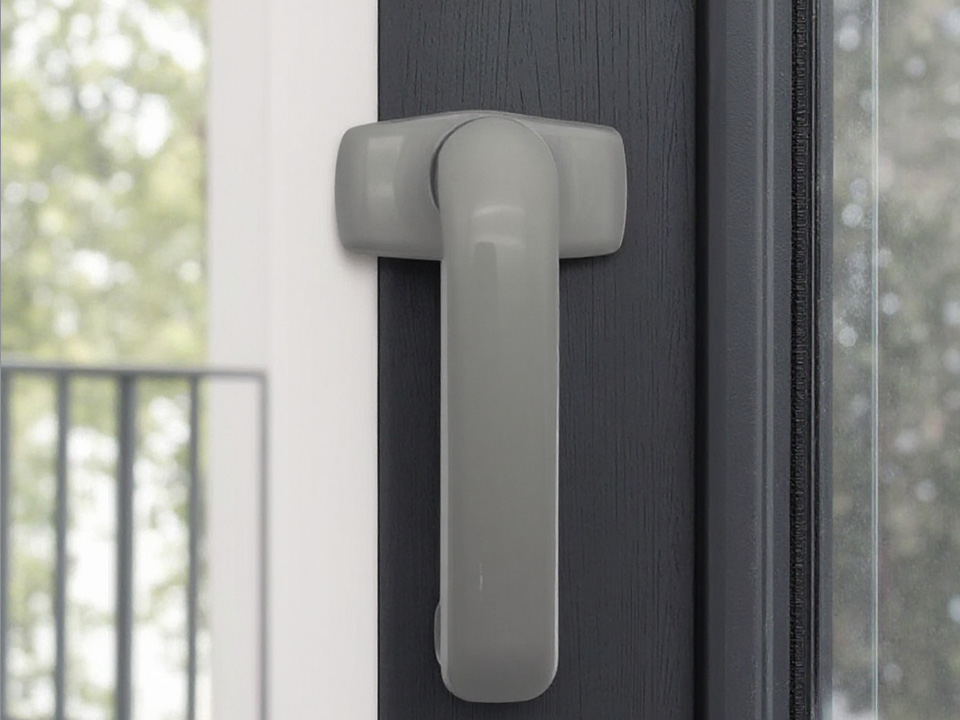
Também tenho uma opinião forte sobre os acabamentos. O preto mate vende. Toda a gente sabe isso. Mas se estiver a comprar ferragens em preto mate para ambientes costeiros ou de elevada humidade e ninguém mencionar o método de revestimento, a preparação do substrato ou os testes de corrosão, não está a adquirir, está a jogar. Para projectos em que a aparência é tão importante como a adaptação, prefiro analisar uma opção definida como estas puxadores de alumínio para janelas de batente em preto mate do que negociar a partir de um quadro de humor e esperar que a consistência do lote se mantenha.
E para o trabalho de substituição, os sistemas com chave são muitas vezes onde os custos disparam silenciosamente. Uma equipa de compras encomenda um corpo de fechadura, depois lembra-se da geometria da maçaneta e descobre que o perfil da fechadura mudou. Isso é coisa de amadores. Se o caso de utilização for claro, comece por peças integradas, como um puxador de alumínio para trinco de janela em forma de meia-lua ou um fechadura de alumínio personalizada para puxadores de janelas para que o seu mapa de abastecimento reflicta a forma como os instaladores resolvem efetivamente o trabalho no local.
O que os compradores não entendem sobre as ferragens para janelas e portas de substituição
A razão pela qual as peças de ferragens para janelas e portas são “difíceis de obter” não é o facto de as fábricas não as poderem fabricar. O que acontece é que os compradores muitas vezes não conhecem o conjunto exato de ferragens que estão a substituir, os distribuidores desinfectam a linguagem técnica em termos vagos de catálogo e a pressão do prazo de entrega força a aprovação antes de a compatibilidade ser comprovada. A cadeia de fornecimento não é inocente, mas a secção de compras é normalmente o primeiro local do crime.
Hardware de substituição vs. OEM: O que muda no processo de sourcing
Isso é ainda mais importante em 2026, porque a pressão sobre os preços não desapareceu. A Reuters relatou em março de 2025 que as tarifas expandidas de aço e alumínio dos EUA estavam definidas para atingir quase $150 bilhões em produtos derivados, incluindo fixadores e componentes industriais, o que diz algo simples: categorias adjacentes a metais podem se mover rapidamente quando a política comercial muda. Se o seu modelo de aprovisionamento depende de compras à vista de última hora, está a criar fragilidade no sistema.
Então, o que é que faz com que as ferragens para janelas e portas de pátio sejam fáceis de adquirir?
Três coisas. Identificação limpa. Disciplina da família. Honestidade dos fornecedores.
Uma identificação clara significa fotografias, dimensões, sintomas de avaria e contexto de instalação. A disciplina da família de peças significa que agrupa o hardware em sistemas e não em SKUs aleatórios. Honestidade do fornecedor significa que recompensa o fabricante que diz “isto não é compatível” antes de fazer a encomenda, e não aquele que diz sim a tudo e deixa o instalador a descobrir a verdade.
Também faço uma recomendação fora de moda: manter uma caixa de cemitério física de peças de substituição avariadas. Não são fotografias. Peças reais. Marcadas com dimensões, nomes de projectos, datas de instalação e notas de avaria. As melhores equipas de sourcing que conheço fazem isto porque a memória é fraca e as famílias de produtos antigos confundem-se. O hardware deixa impressões digitais. É preciso um registo.
FAQ: Fornecimento de ferragens para janelas e fornecedores de ferragens para portas de pátio
O que são ferragens para janelas e portas de pátio?
As ferragens para janelas e portas de pátio são o conjunto completo de peças mecânicas que permitem que uma janela ou porta abra, feche, bloqueie, guie, restrinja ou suavize o movimento, incluindo puxadores, fechaduras, dobradiças, rolos, estribos de fricção, limitadores, retentores e amortecedores adaptados a um sistema de caixilho específico e a condições de instalação.
Na prática, não se trata de uma categoria, mas de um conjunto de componentes interdependentes. Se um elemento se desviar alguns milímetros, todo o sistema operativo pode ficar danificado. É por isso que os compradores devem procurar por aplicação, dimensões e compatibilidade e não por nomes genéricos de produtos.
Como é que posso adquirir ferragens para janelas sem encomendar a peça errada?
A aquisição correta das ferragens para janelas significa identificar o tipo de funcionamento, medir as dimensões exactas de fixação e de encaixe, fazer corresponder as ferragens ao material do caixilho ou da folha e confirmar os requisitos de acabamento, manuseamento e segurança antes de iniciar a comparação de preços.
Eu acrescentaria mais um passo: documentar o modo de falha. Foi uma falha de flexão, de fixação, de engate deficiente do fecho ou corrosão? Isso diz-lhe se precisa de uma substituição equivalente ou de uma atualização das especificações. Demasiados compradores comparam preços antes de verificarem a geometria, e é assim que as peças baratas se transformam em instalações caras.
Quais são as melhores ferragens para portas de pátio para projectos de substituição?
As melhores ferragens para portas de pátio para trabalhos de substituição são as que correspondem à geometria original da estrutura, mantêm um encaixe seguro sob movimento normal, sobrevivem ao ambiente do local e reduzem a improvisação do instalador, combinando a precisão do encaixe com um desempenho previsível a longo prazo.
Isso significa que um acabamento vistoso é secundário. Preocupo-me mais com o engate do gancho, o alinhamento do rolo, o comportamento do ciclo, o desempenho do revestimento e o perdão da tolerância. Uma fechadura fina que tem um aspeto bonito mas que se desalinha após uma expansão sazonal não é um hardware de primeira qualidade; é um incómodo de primeira qualidade.
Porque é que as ferragens de substituição para janelas e portas são mais difíceis de obter do que as ferragens OEM?
A substituição de ferragens de janelas e portas é mais difícil de obter porque o sistema original pode ter sido descontinuado, as convenções de nomenclatura variam consoante o fornecedor, as medições no terreno são imperfeitas e o comprador está muitas vezes a tentar corresponder à compatibilidade antiga em vez de especificar um padrão de ferragens novo e limpo.
Os projectos OEM começam com autoridade: um conjunto de desenhos, uma lista de materiais, um objetivo de produção. Os projectos de substituição começam com incerteza, desgaste e informação parcial. É por isso que os compradores de substituição mais inteligentes pensam como investigadores, não como compradores.
Facilitar a aquisição de ferragens para janelas e portas de pátio
Pode continuar a tratar esta categoria como uma compra de acessórios de pouca importância. Muitos fazem-no. Depois pagam por isso em chamadas de retorno, mão de obra desperdiçada e distribuidores zangados.
Ou podes abastecer-te como um adulto.
Se quiser menos erros e decisões mais rápidas em relação a pedidos de cotação, crie a sua próxima lista de hardware com base em dados de aplicação exactos e comece com as famílias de peças certas, e não com etiquetas de catálogo vagas.