
multi point locks
Designing Misuse Tolerant Multi Point Locks for Real Users
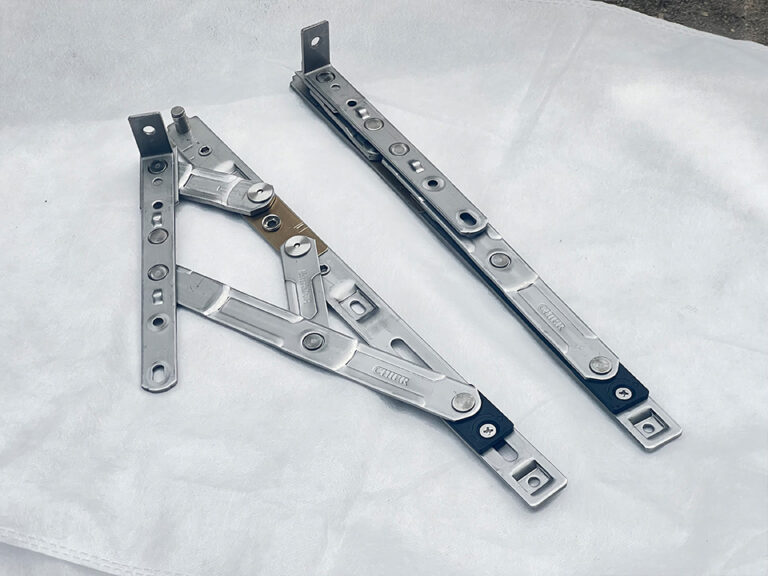
Most multi point locks are engineered for ideal behavior, not for tired people, renters, kids, installers, or older adults. This piece explains why misuse tolerance beats spec-sheet bragging, and how better handle geometry, clearer feedback, and simpler access logic produce safer hardware.
Using Multi Point Locks to Hit Energy & Air Tightness Targets
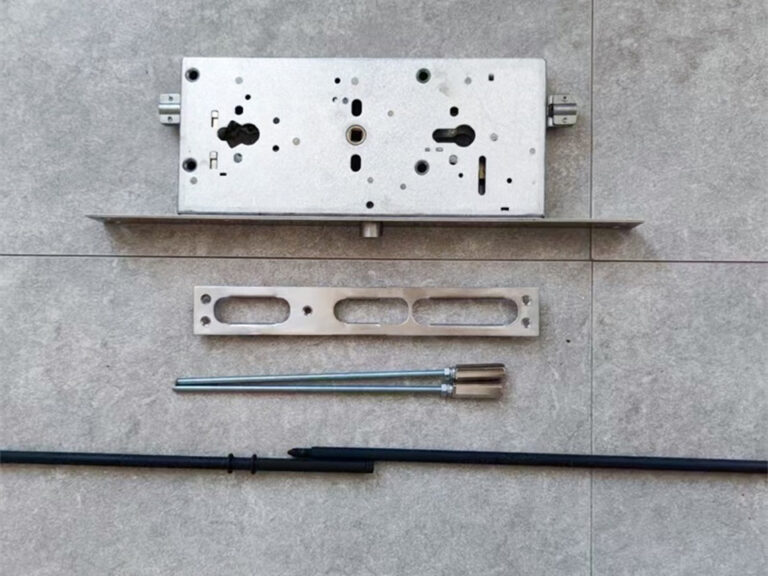
Most teams chase insulation numbers and forget the hardware that actually forces an operable panel into its seal. This piece argues that multi point locks are often the quiet difference between a good spec and a failed blower-door test.
Climate Ready Multi Point Locks for Cold and Coastal Projects
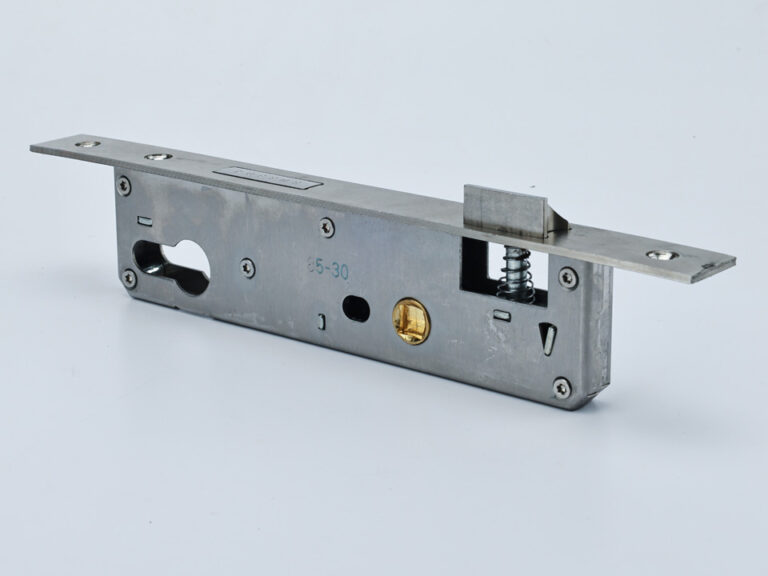
Most hardware copy talks about security and finish. I’m more interested in what still works after freeze-thaw cycles, salt air, wind-driven rain, and a bad install crew.
Serviceable Multi Point Locks: Reducing Lifetime Cost
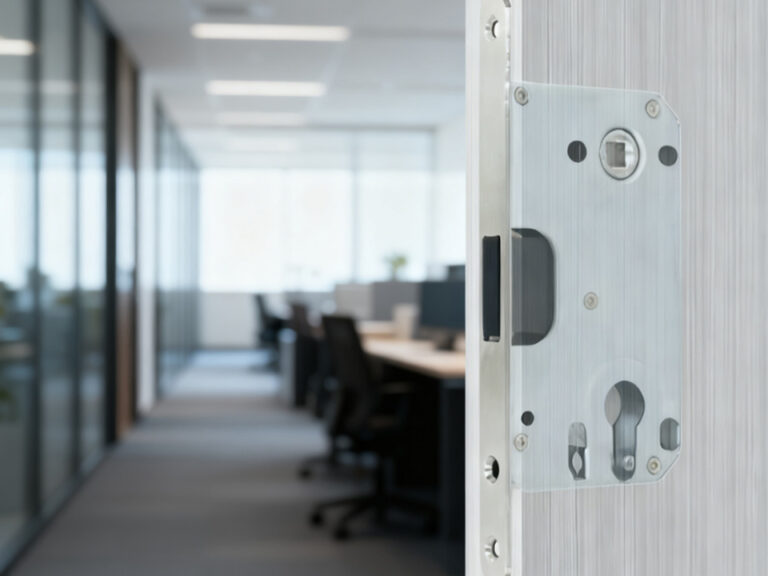
Most buyers still compare multi point locks by unit price, which is exactly how they get trapped in higher lifetime cost. I make the case for serviceable hardware, standardized parts, and maintenance-first specification using recent public-sector evidence.
Why Multi Point Locks Fail Early in Real Projects
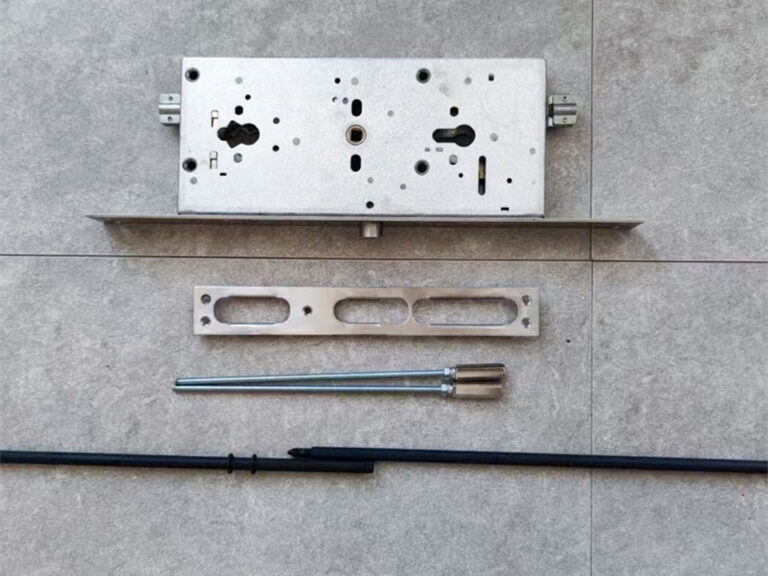
Multi point locks rarely die from one dramatic defect. In my experience, they fail because sourcing, door geometry, installation tolerance, and cheap cylinders collide in the field.
Designing Multi Point Locks for High Cycle Duty
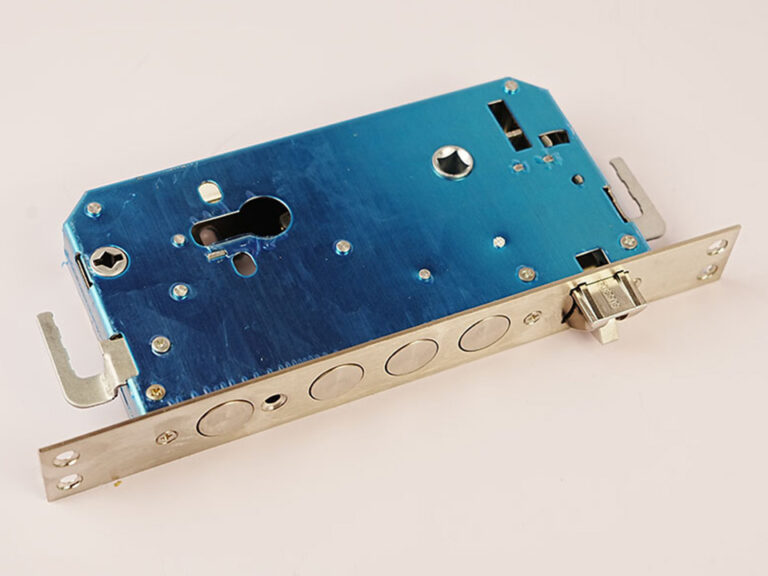
Most multi point locks are not designed to survive punishing cycle counts, dirty environments, and sloppy installation tolerances. I break down what actually matters in design, where manufacturers cut corners, and how to avoid expensive field failures.