Using Multi Point Locks to Hit Energy & Air Tightness Targets

Most teams miss it. We obsess over U-values, center-of-glass performance, insulation thickness, and HVAC sizing, then let a tall operable door close on one weak latch point with sloppy strike alignment and uneven EPDM gasket compression, which is exactly how expensive envelope packages lose cheap blower-door battles. Want the blunt version?
I’ve seen this movie before. A project team will spend heavily on glazing upgrades, tape every sheathing seam like surgeons, and still bleed air at the latch edge because nobody treated the lockset as a pressure-management device instead of a security add-on, and yes, I think that mistake is more common than many door schedules admit.
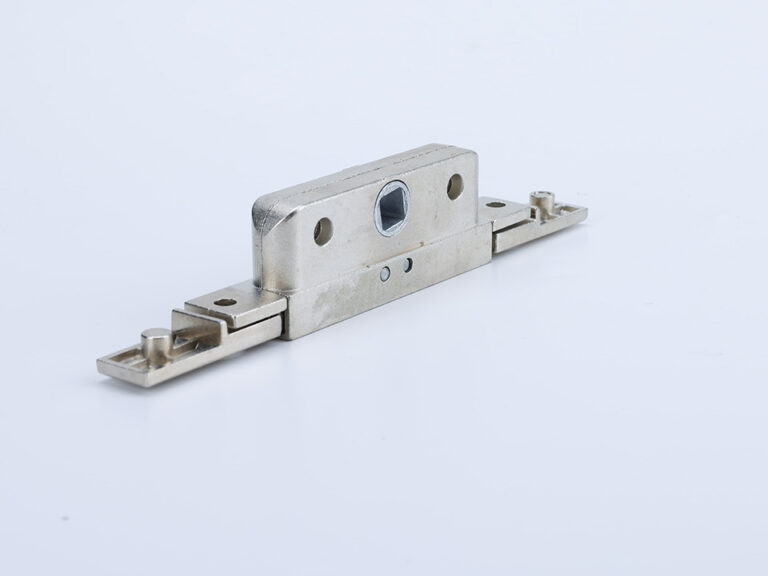
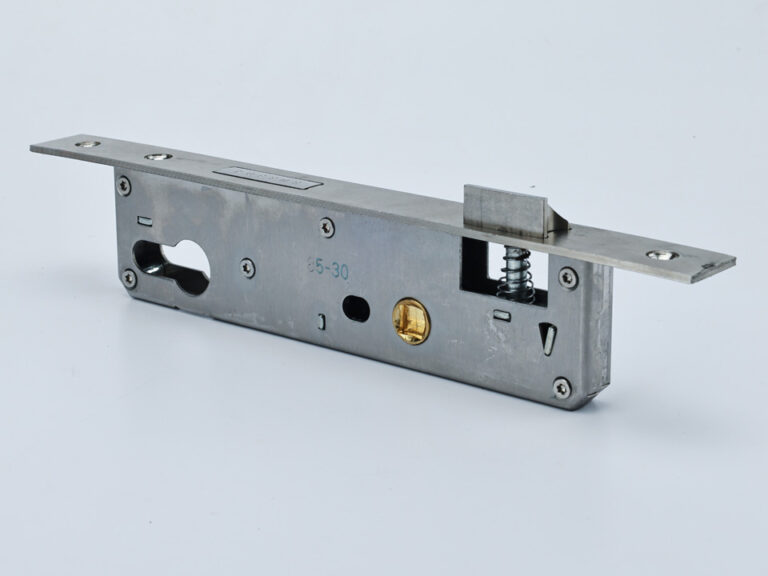
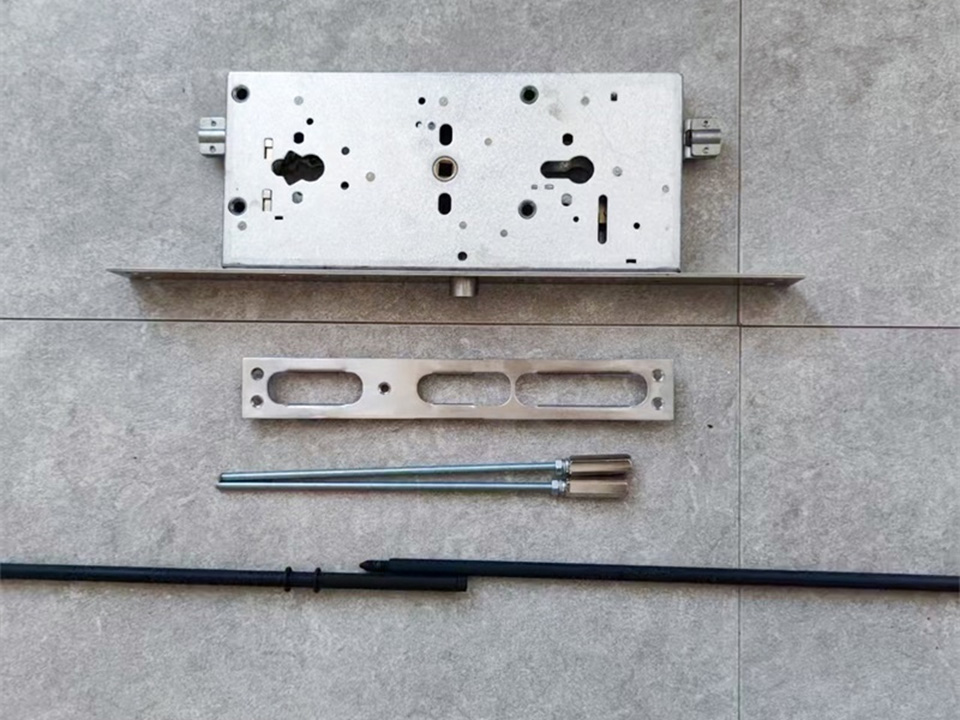
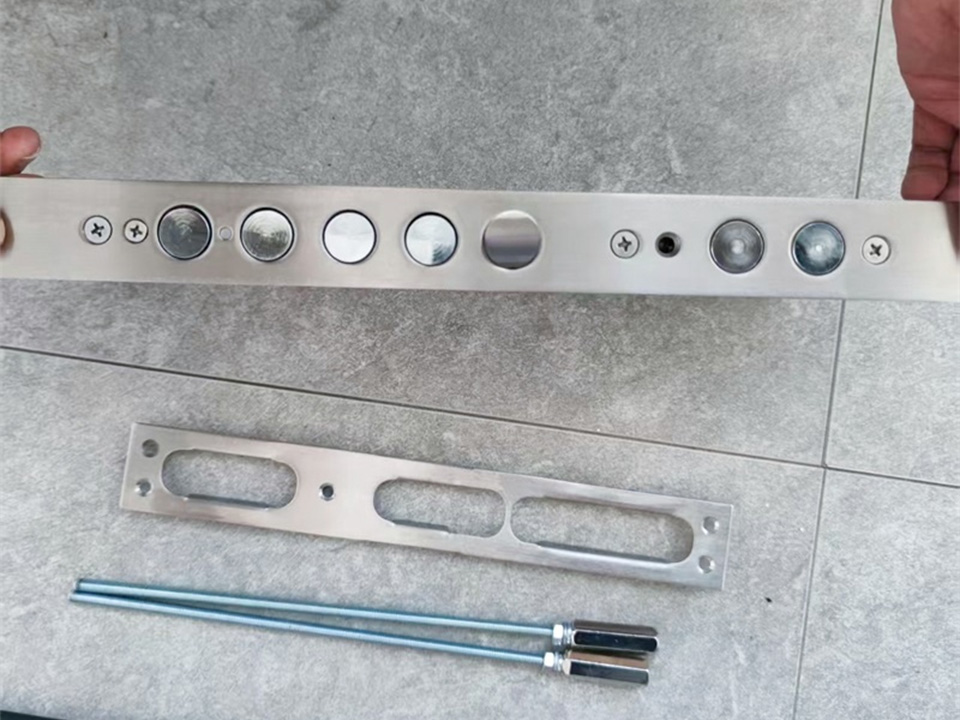
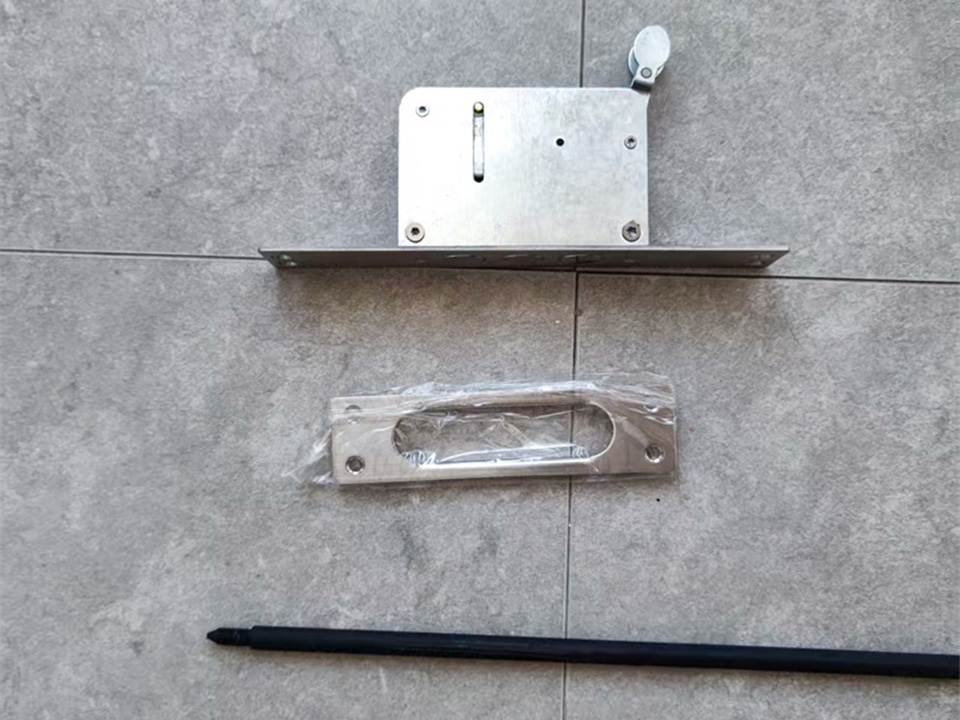
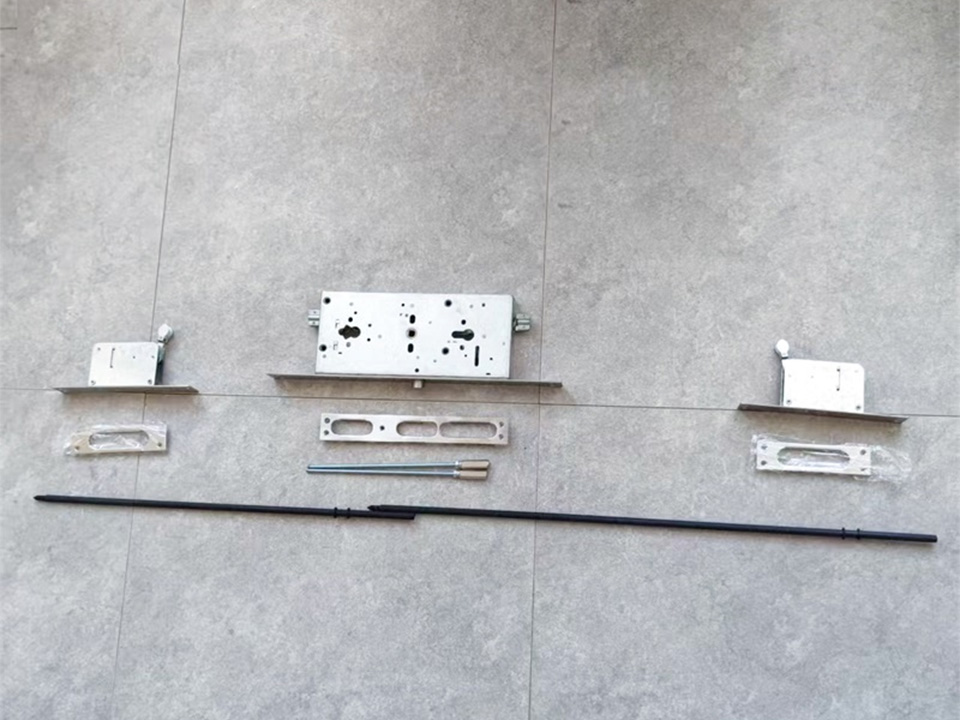
A multi point lock is not magic. But it is the hardware that pulls a slab into the frame at multiple locations—head, mid-height, and threshold or lower stile—so the weatherseal gets uniform contact instead of the fake, brochure-perfect contact you only have on day one in the shop.
Table of Contents
Why multi point locks matter when the target gets serious
Here is the part the industry soft-pedals. The thermal performance of door locks is rarely about a few hundred grams of metal conducting heat through the leaf; it is usually about whether the hardware can hold repeatable gasket compression under pressure, building movement, hinge wear, and user abuse at 50 Pa. That is the real fight.
DOE’s current guidance still treats weatherstripping as the right air-sealing approach for moving components such as doors and operable windows, and its Home Energy Rebate rules make ventilation materials rebate-eligible only when a home also receives air sealing work or already achieves low leakage, around 3 ACH50 by IECC reference. That tells you the federal logic in plain English: tighter openings and controlled ventilation are a package deal, not separate conversations.
And the code pressure is getting less forgiving, not more forgiving. DOE’s analysis of the 2024 IECC shows residential leakage tightening from 5.0 to 4.0 ACH50 in climate zones 0-2, while the tougher cold-climate path lands at 2.5 ACH50 in climate zones 6-8, with balanced heat- or energy-recovery ventilation requirements added in climate zones 5-8 at a minimum 65% sensible recovery efficiency. You do not hit numbers like that consistently by treating door closure force as an afterthought.
What the field data actually says
The best recent proof is not a hardware brochure. In a 2024 NREL report on aerosol envelope sealing, researchers evaluated 32 residences—17 single-family and 15 multifamily units across California and Minnesota—and reported an average leakage reduction of 47%. Their modeling found that taking a home from 15 ACH50 to 3 ACH50 can deliver 8% to 35% source-energy savings, with colder climate zones seeing the largest benefit. That is not a rounding error. It is budget-grade performance.
Another 2024 NREL paper made the point even harder: insulation starts paying off more meaningfully when infiltration gets below ACH50 5, and the combined insulation-plus-air-sealing case produced much larger resilience gains than insulation alone. So when someone tells me the lock hardware is “just hardware,” I hear a person who still thinks R-value can rescue uncontrolled leakage. It cannot.
And owners feel this now. Reuters reported that U.S. summer cooling bills for June through September 2024 were expected to hit $719, up from $476 a decade earlier, with Texas and nearby states around $858. When bills move like that, leakage at the perimeter stops being a nerdy commissioning issue and becomes a finance issue.
Where multi point locks earn their keep
This is where I get opinionated. Security is the sales pitch; compression is the real value.
A good multipoint system spreads pull-in force along the slab so the latch side does not bow away between a single deadbolt and a compression corner. On tall entry doors, balcony doors, and other high-aspect-ratio operables, that matters because the weakest section is usually not the center of the panel. It is the neglected edge where frame tolerance, hinge sag, gasket memory, and user force stack up.
Most leakage failures are boring. They come from door-set geometry, not from exotic physics: a head corner that never fully seats, a threshold transition that was shimmed badly, a strike plate set too proud, a weatherseal selected for catalog thickness instead of compressed thickness, or a closer/latch combination that lets occupants leave the panel “almost closed.” Multi point locks do not solve bad geometry, but they do give a good geometry a way to stay good.
The hardware ecosystem around the lock matters more than people admit
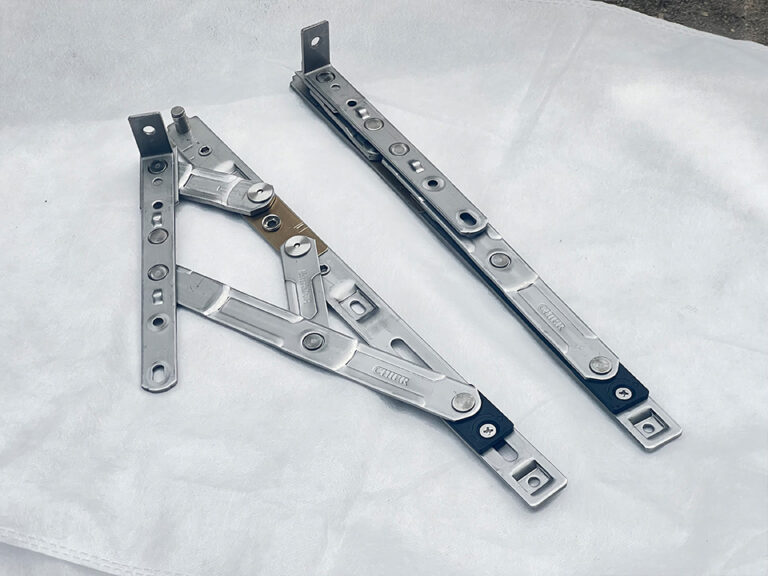
I would not spec a multi point system in isolation any more than I would spec triple glazing with a junk frame. On operable windows, I want aluminum casement window handles that keep sash pull-in consistent paired with stainless window friction stays that keep the sash tracking where the gasket line expects it to land.
On sliders, the weak point is repeatability. That is why sliding window sash lock and flush pull hardware and sliding window spring latch lock sets are not cosmetic choices; they affect whether the panel closes to the same seal pressure on the hundredth cycle as it did on the first. On larger sliding openings, soft-close sliding door damper hardware can help protect alignment drift that slowly wrecks weatherseal contact over time.
That is the insider point. Air tightness lives in the repeatability of the closing action. Not in the render. Not in the sales sheet. In repeatable contact pressure.
The decision matrix I use
| Opening condition | Typical hardware approach | Seal compression quality | Air-tightness risk | My view |
|---|---|---|---|---|
| Standard hinged door with single-point latch | Latch at one location, local pull-in only | Low to moderate | High on tall or slightly warped slabs | Acceptable for basic work, weak for low-leakage targets |
| Hinged door with multi point locks | Pull-in at multiple points along the stile | High | Lower, assuming frame and gasket are correct | Best default when the project is serious about ACH50 |
| Sliding panel with basic latch only | Limited seating force, variable user closure | Moderate | Moderate to high | Often oversold in specs |
| Sliding panel with latch plus soft-close control | Better closure repeatability and seating consistency | Moderate to high | Lower | Worth it on larger or frequently used panels |
| Casement or awning with proper handle and friction-stay control | Better sash alignment and gasket contact | High | Lower | Often the quiet hero in window leakage performance |
The table is intentionally blunt. A multi point lock will not rescue a bent frame, a bad threshold, or dead weatherstripping. But when geometry is decent, it raises the odds that the opening performs like the energy model assumed it would.
Why owners should care about the money, not just the metric
The incentive picture is better than many spec writers realize. IRS guidance for the 2024 Energy Efficient Home Improvement Credit lists up to $1,200 for insulation and air sealing, up to $500 for exterior doors, and up to $600 for windows and skylights under the annual limits. So the market is already pricing envelope tightening as mainstream value, not niche green theater.
But I would still say this: do not buy multi point locks because a tax credit exists. Buy them when the opening size, leakage target, user frequency, and gasket strategy justify compression control. Otherwise, you are just swapping hardware SKUs and calling it engineering.
FAQ
Do multi point locks improve air tightness?
Yes. A multi point lock improves air tightness by pulling a hinged door or operable sash into the gasket at several locations, which makes compression more uniform and reduces leakage paths caused by panel bowing, latch-side gaps, or uneven closure force across the opening. That matters more as leakage targets tighten toward 3.0 ACH50 and below, where small perimeter failures stop being “background noise” and start deciding the result.
Are multi point locks enough to pass a blower-door test?
No. A blower-door-ready opening is a complete assembly in which the slab, frame, threshold, hinges, strikes, weatherstripping, and installer tolerances all work together, because lock hardware can create compression but cannot correct warped components, bad shimming, seal damage, or poor threshold detailing. That is why I treat the lock as one control in a chain, not as the whole answer.
What air-tightness target should most projects design around?
A practical air-tightness target is one that matches or beats the code path for the climate zone and is backed by hardware, gasketing, and ventilation choices that can survive real use, not just lab assumptions or commissioning-day luck. Under DOE’s 2024 IECC analysis, the modeled residential thresholds tighten to 4.0 ACH50 in climate zones 0-2, remain 3.0 in climate zones 3-5, and drop to 2.5 in climate zones 6-8, with balanced recovery ventilation added in colder zones.
Can I retrofit a multi point lock onto an existing door?
Sometimes. A retrofit multi point lock is a conversion that replaces or supplements a single-point latch so the slab is pulled into the weatherseal at several locations, but it only works when straightness, hinge geometry, strike alignment, and gasket condition are good enough to accept the added compression. I would retrofit when the slab is stable, the frame is worth keeping, and blower-door misses are clearly perimeter-related; I would replace the whole unit when the geometry is already lost.
Final word
This is my unpopular view. If your project is chasing stricter energy and air tightness targets, the lockset should be discussed in the same meeting as the gasket, threshold, blower-door goal, and ventilation strategy. Anything else is theater.
So stop buying door hardware by finish sample and unit price alone. Build the opening like you mean the ACH50 number, and start with the parts that actually control closure pressure: the lock, the hinges, the sash control, and the sealing interface around them.