
Window & Door Hardware Design
Specifying Frame Tolerances to Prevent Hardware Binding
Most “hardware failures” start as geometry failures. This piece shows how door frame tolerances, clearances, and accessibility dimensions decide whether a package works or bleeds money.
Visual Part ID Guides for Window And Door Hardware Teams
Most hardware teams do not lose margin on price first; they lose it on bad identification. This piece explains how visual part ID guides should work when the job involves recalls, replacements, finish matching, and service deadlines.
Preventing Defective Finishes & Corrosion in Window Hardware
Most window hardware corrosion is not a weather problem. It is a specification problem—bad alloy decisions, weak pretreatment, thin coatings, and lazy validation dressed up as “premium finish.”
Window Hardware Compliance: Egress Codes & PAS 24 Standards
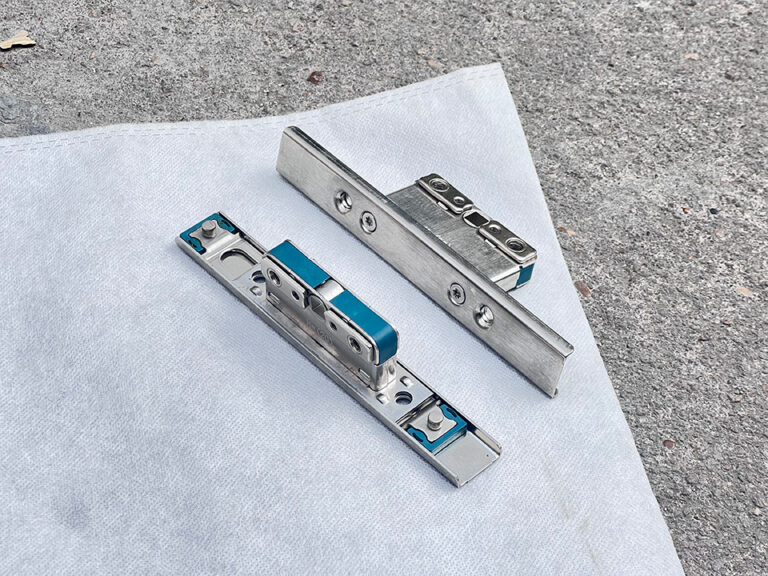
Most teams treat egress and PAS 24 as if they naturally work together. I don’t, because one is about getting out fast and the other is about keeping intruders out, and the hardware choice decides which side wins.
Managing Legacy Balances and Tilt Latches on Aging Windows
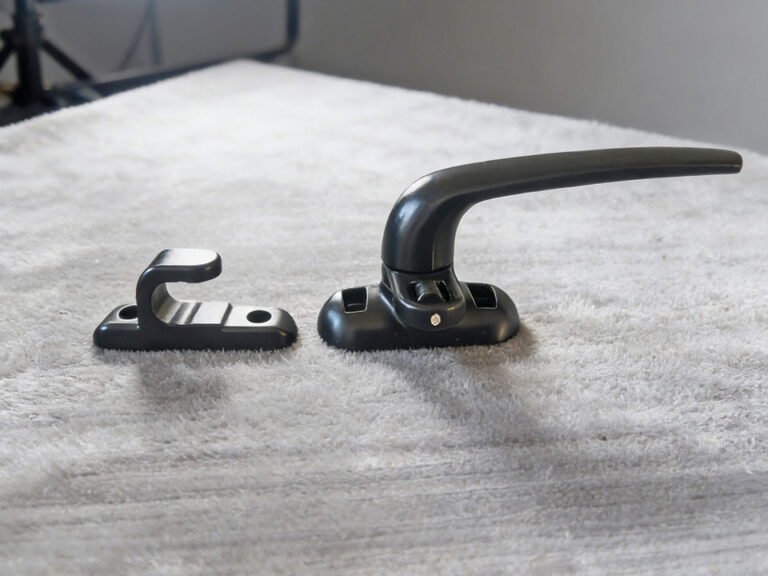
Most old windows do not fail all at once; they fail in sequences—tilt latch first, balance next, sash alignment after that. I break down how to diagnose legacy balances, avoid bad replacement decisions, and source compatible hardware before a repair turns into a full-window bill.
Vetting China Based Window Handle Suppliers Professionally
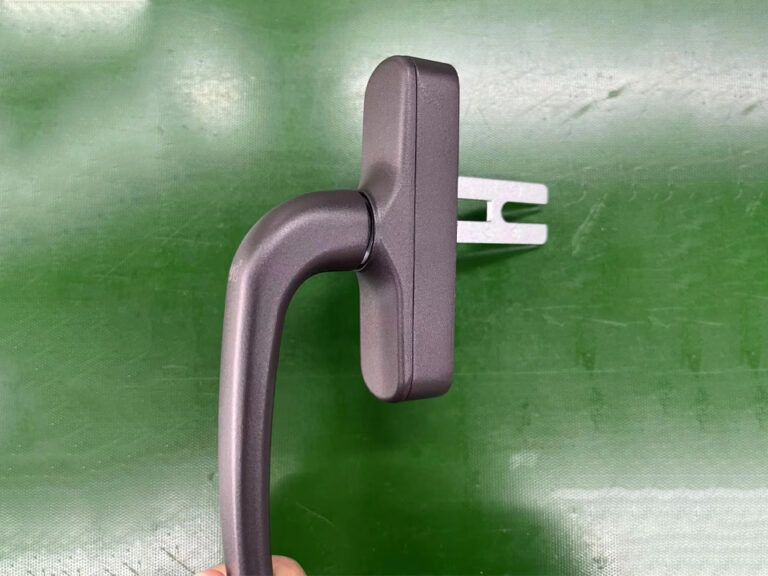
Most buyers do not fail because China is risky. They fail because they confuse a polished sales process with a controlled manufacturing process, then discover the difference after the container lands.
Balancing Aesthetics and Security in Steel Door Hardware
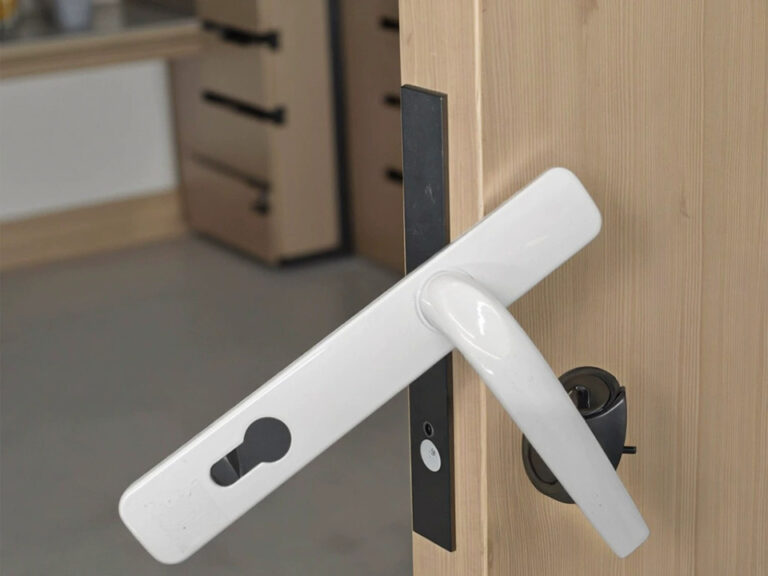
In steel door hardware, the real failure is rarely choosing aesthetics over security; it is pretending the two can be evaluated separately. This piece explains how serious buyers, specifiers, and OEM teams should judge steel door hardware when appearance matters but weakness is unacceptable.
Choosing Between Stainless and Coated Steel in Coastal Hardware
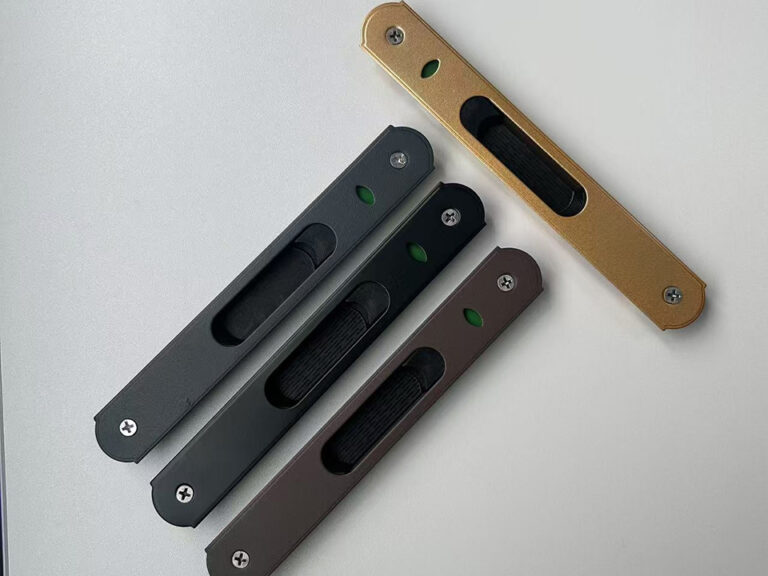
In coastal hardware, material mistakes do not fail politely. They pit, stain, seize, and come back as warranty claims. I break down where stainless wins, where coated steel still makes financial sense, and where spec sheets quietly lie.
Hidden Supply Chain Risks When Sourcing Window Hardware Abroad
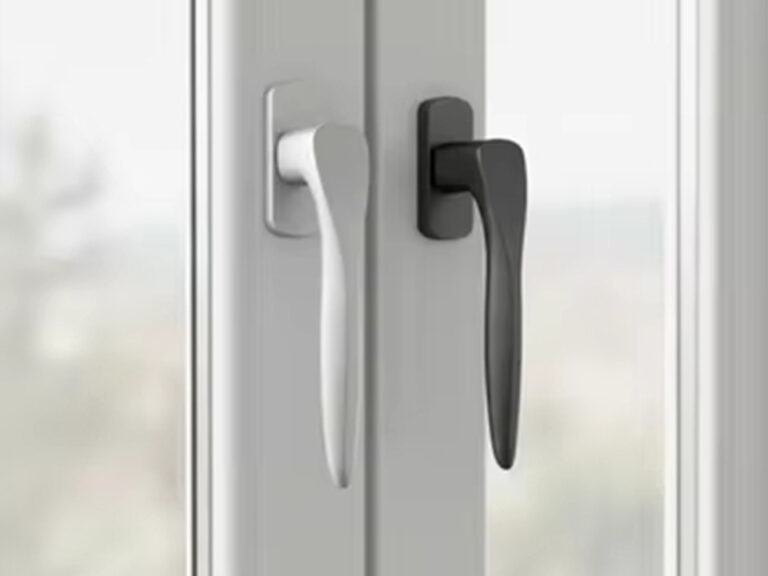
Most buyers think the danger sits in price, lead time, or freight. I don't. The nastiest failures in window hardware sourcing abroad usually hide in metallurgy, paperwork, subcontracting, and the silence between PO confirmation and container loading.
Integrating Window Hardware in Thermally Broken Door Profiles
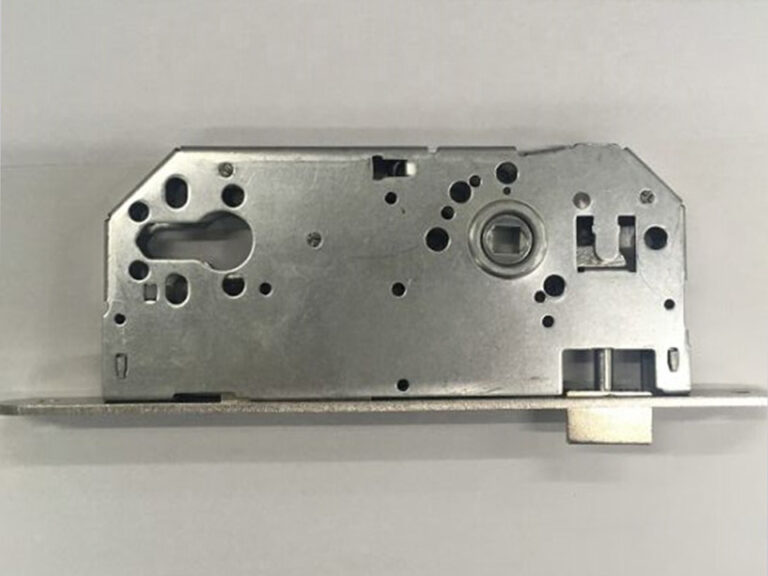
Most failures in thermally broken door profiles do not begin on the jobsite; they begin in sourcing, stack-up math, and lazy hardware assumptions. I break down where compatibility collapses, what buyers miss, and how to spec hardware that actually survives fabrication and use.
Structuring OEM/ODM Window Hardware Partnerships that Scale
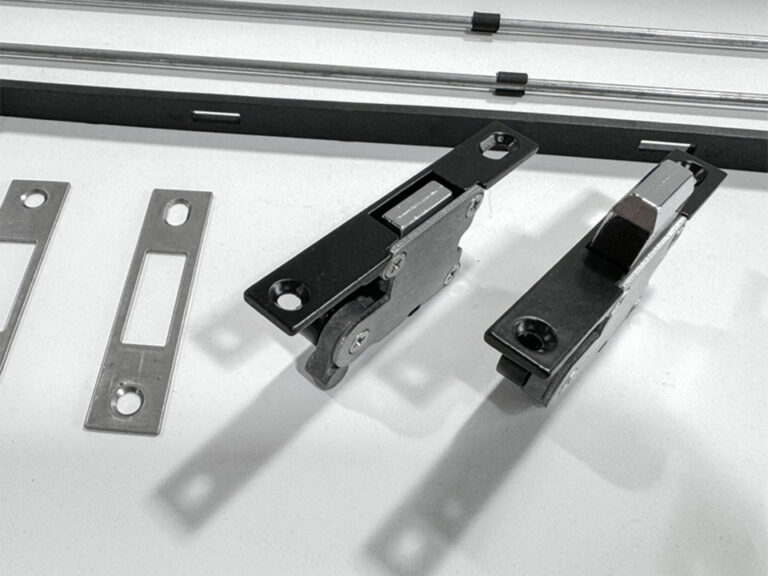
Most OEM/ODM window hardware deals fail quietly: bad drawings, vague tolerances, weak change control, and fake scale. I’ve seen the pattern enough times to say this plainly—hardware sourcing only works when the partnership model is built for margin defense, quality repeatability, and ugly demand swings.
When to Design Custom Extrusions vs Use Catalog Profiles

Most teams choose the wrong extrusion path for emotional reasons, not commercial ones. I break down when custom extrusions earn their die cost and when catalog profiles save cash, time, and credibility.