Window Hardware Compliance: Egress Codes & PAS 24 Standards

I see this constantly. A supplier, a fabricator, or a rushed spec writer treats a handle, hinge, or lock as if it carries compliance on its own, when the ugly truth is that escape performance and security performance live in tension and only the tested, installed, correctly operated window set has any real standing. Why do people still write hardware schedules as if part numbers can argue with a building inspector?
My view is blunt: window hardware compliance is not a shopping exercise. It is risk control. If the opening is meant to serve escape and rescue, the hardware has to permit fast, obvious, non-fussy operation under stress; if the project also wants PAS 24-aligned security, the same hardware cannot create dead-end resistance for the lawful occupant. I have watched submittals collapse because someone loved the word “secure” more than the word “usable.”
Table of Contents
Egress and PAS 24 do different jobs
This is where the market gets slippery. Egress rules are life-safety rules, which means the real questions are simple but unforgiving: can the sash open far enough, can an occupant operate it quickly, can they do that without a key or special knowledge where the local code demands free escape, and does the hardware allow the opening to remain usable in the exact configuration installed on site? PAS 24, by contrast, is a security test regime for the full assembly. Not the romance of the brochure. The tested set.
So when somebody says a handle is “PAS 24 compliant,” I usually flinch a little. Handles do not pass PAS 24 in isolation. Windows and doorsets, assembled and tested as systems, do. That distinction matters more than most sales copy will admit, because a perfectly decent handle can still sit inside a badly specified locking arrangement, the wrong hinge geometry, weak reinforcement, or an installation detail that ruins both security and escape performance.
And yes, I am opinionated here. A bedroom escape window with overcomplicated locking logic is bad work, even if the hardware looks premium and photographs well.
The hardware decisions that actually move the needle
Specifiers love headline claims. Inspectors care about operation. Those are not the same thing.
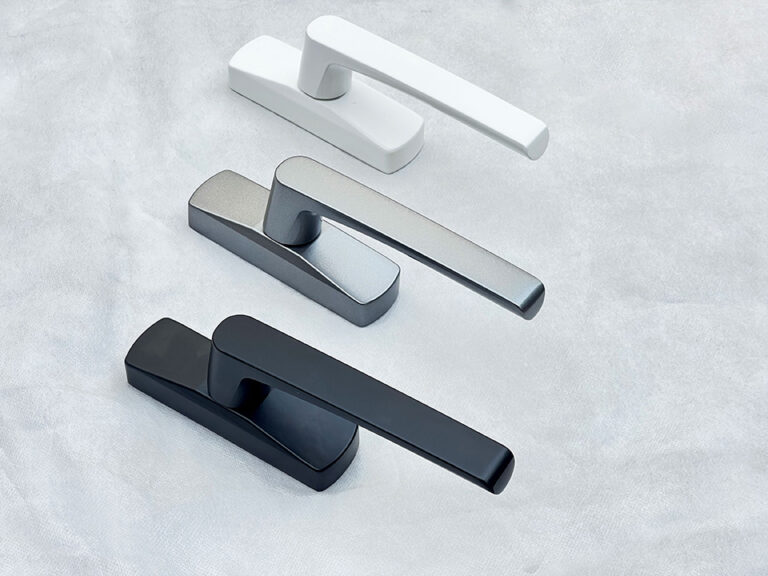
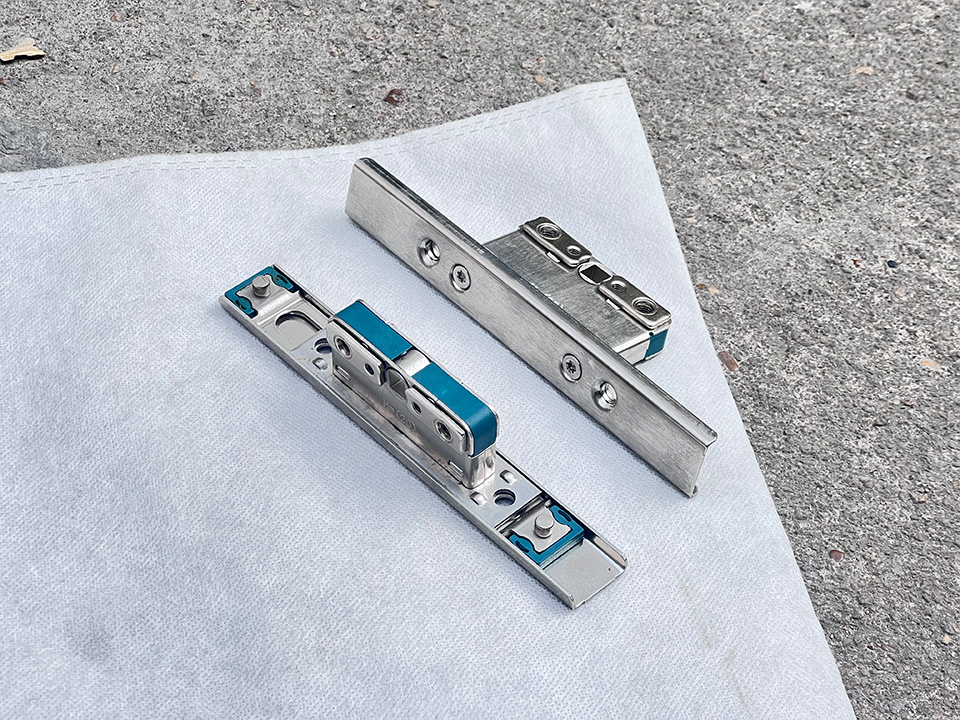
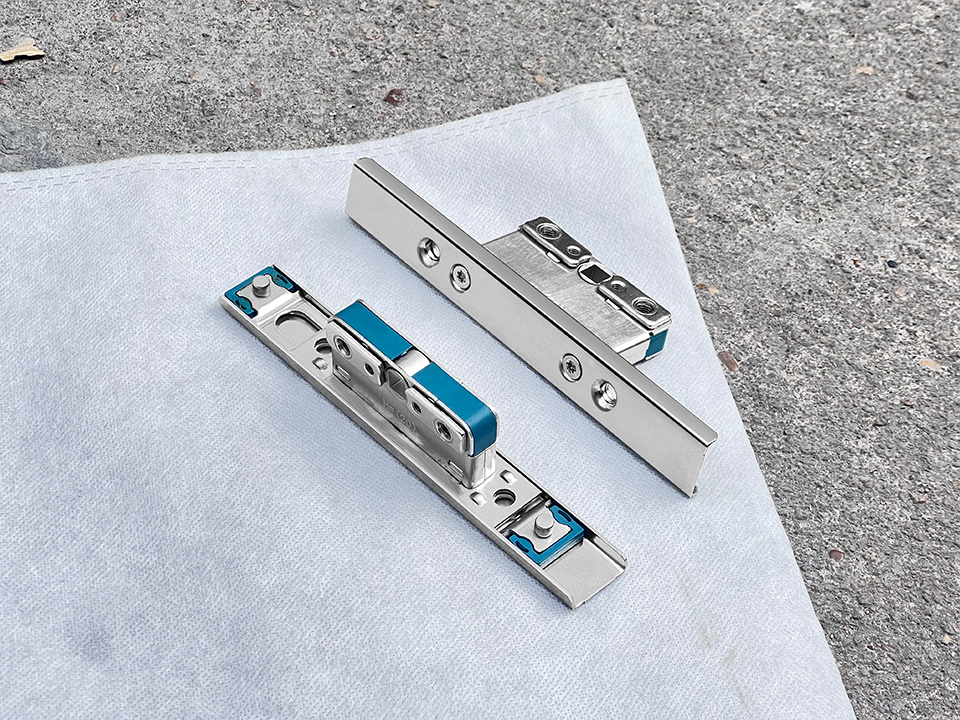
For outward-opening casements, the handle and hinge pairing is where many teams get exposed. A handle might look robust, but if the hinge path, opening angle, or restrictor logic stops the clear escape opening from being achieved in practice, the window is functionally non-compliant even before anyone argues about documentation. That is why I would look first at components like matte-black aluminum casement window handles for compliant escape windows and stainless window friction stay slot hinges for controlled egress openings as part of one operating set, not as disconnected purchase lines.
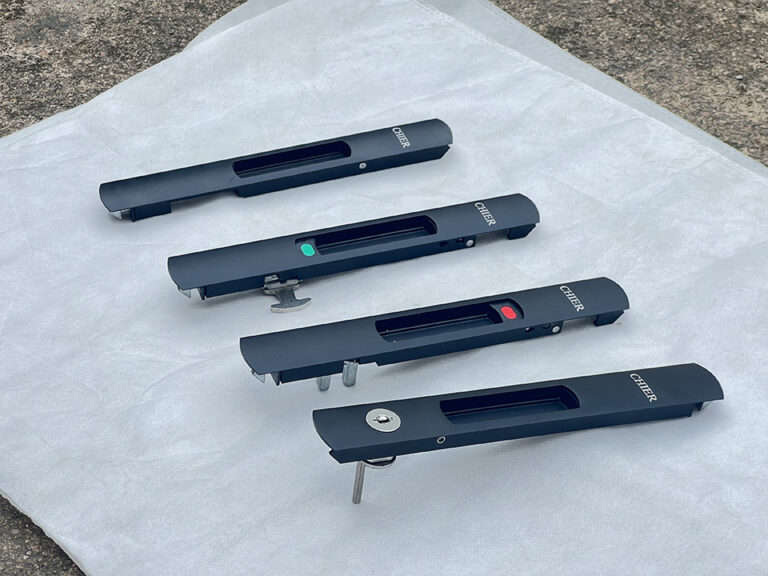
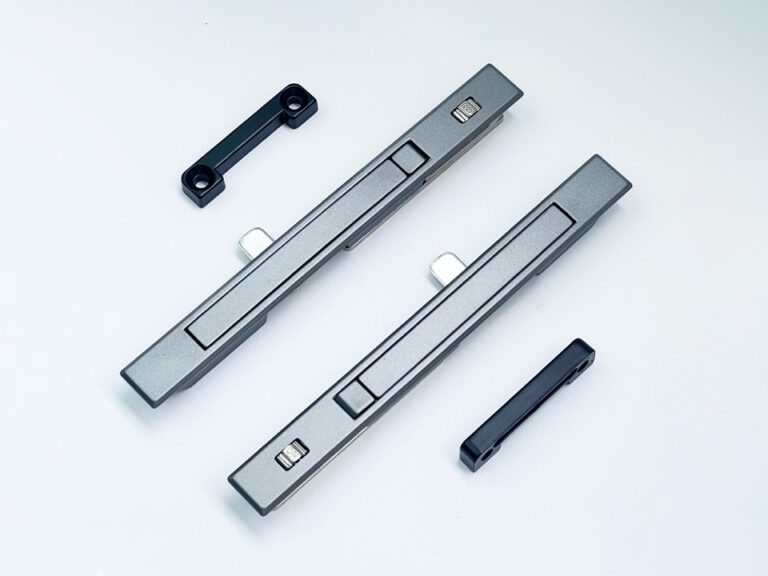
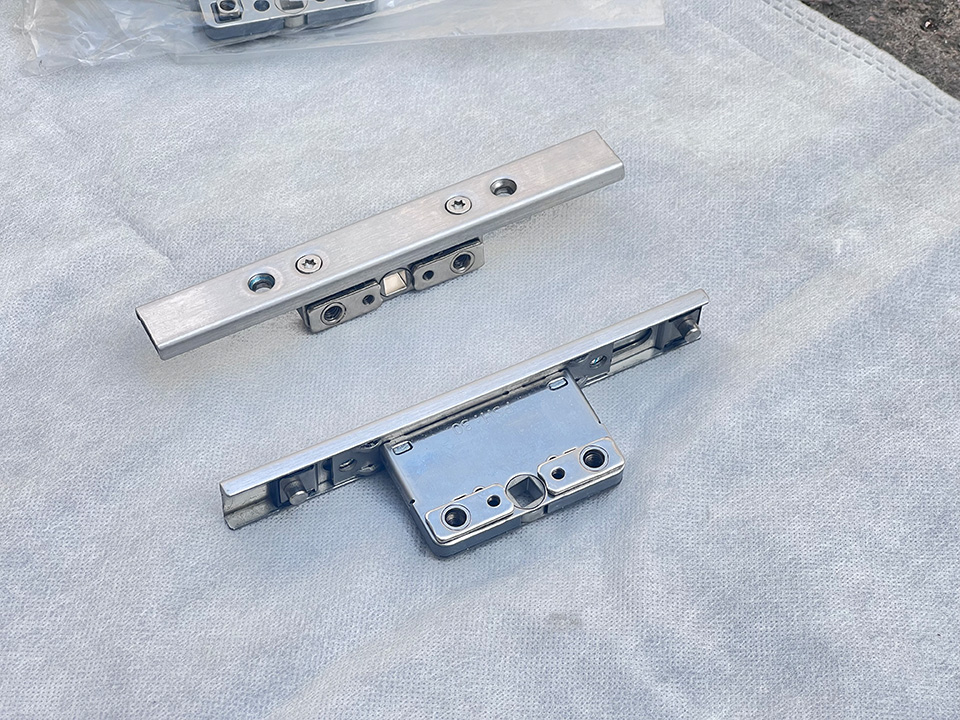
Sliding units create a different headache. The weak point is often not raw strength but release logic, latch reliability, and whether the sash can be opened to the required escape position without sticking, misalignment, or hidden secondary steps. I would rather review a sliding specification twice than sign off on one blindly, especially when it depends on sliding window sash locks for building code compliant windows or sliding window spring latch lock sets for secure sliding egress windows that need to balance secure retention with obvious occupant release.
That is the hard truth. The better the security story gets, the more discipline you need around emergency operation, user familiarity, and the final installed opening geometry.
Where specifications usually go wrong
I have seen five repeat failures, and they are boring because they keep happening.
The first is category confusion: teams assume a “security window” is automatically an “egress window.” It is not. The second is hardware isolation: they approve a handle, latch, or hinge without tying it to the tested sash, frame, reinforcement, glazing, and lock-point arrangement. The third is dimensional fantasy: the drawing shows one clear opening and the built unit delivers another after stops, restrictors, handles, weathering details, and installation tolerances take their cut. The fourth is operational friction: what opens smoothly on a sample board feels very different after site installation, paint build-up, seal compression, or minor distortion. The fifth is human behavior: nobody reads a six-step escape sequence at 3:17 a.m.
But there is another failure nobody likes to admit. Sales teams sometimes push “best window hardware for PAS 24 compliance” as if there were a universal shopping basket. There isn’t. A hardware set is only as good as the tested system, the use case, and the local code path. I would never sign a high-risk opening schedule on the strength of a generic “best” claim.
What compliant window hardware really means in practice
In practice, window hardware compliance means you are checking four layers at once: escape function, security resistance, durability under repeated use, and fit with the actual window type. Casement, tilt-turn, top-hung, side-hung, and sliding systems do not fail in the same way, so they should not be reviewed with the same lazy checklist. A casement escape window can be ruined by hinge geometry. A sliding escape window can be ruined by latch logic. A secure window can be ruined by substitution. A beautifully written spec can be ruined by site adjustment.
I also think too many people ignore finish and corrosion context until late. Not because finish alone determines compliance, but because a corroded or binding component gradually turns a theoretically compliant escape window into a slow, sticky, high-friction mess. That is why product category matters beyond aesthetics. If I am reviewing frequent-use openings in harsh exposure, I care far more about long-term operation than brochure sheen.
Compliance matrix for real-world specification work
| Compliance issue | Egress focus | PAS 24 focus | Hardware most involved | Common mistake |
|---|---|---|---|---|
| Opening function | Fast, intuitive occupant release and sufficient escape opening | Resistance to forced entry during attack testing | Handles, hinges, restrictors, latches | Specifying secure hardware that adds hidden steps |
| Tested scope | Local code acceptance for the installed opening | Whole-window or whole-doorset performance, not single parts alone | Complete assembly, including lock points and reinforcement | Treating one handle as proof of PAS 24 |
| Sliding windows | Clear travel, reliable release, no jam points | Lock integrity, sash retention, attack resistance | Sash locks, spring latch lock sets, rollers | Ignoring release logic under panic use |
| Casement windows | Clear opening geometry and easy single-action use where required | Secure closing, locking point engagement, forced-entry resistance | Casement handles, friction stays, restrictors | Choosing hardware before checking hinge path |
| Substitutions | Must preserve operation and opening size | Must preserve tested configuration | All substituted items | Late-stage value engineering without retest review |
| Site reality | Operation after installation, sealing, alignment, and use | Security after installation and adjustment | Install method plus all moving parts | Approving samples, not the final installed condition |
My rule for sorting hardware fast
I use a simple filter, and it saves time.
If the window is part of an escape strategy, I ask whether the occupant can understand and operate the hardware instantly, under poor visibility, under stress, and without a manual. If the answer is fuzzy, I stop. Then I ask whether the same hardware package sits inside a properly evidenced security story for the full unit rather than a marketing claim attached to one shiny component. If that answer is fuzzy too, I stop again.
That approach annoys people. Fine. It also prevents expensive call-backs, rejected submittals, and the quiet panic that hits a project team when building control, a fire consultant, and the fabricator all realize they were each assuming somebody else had checked the opening logic.
The uncomfortable overlap: security sells, escape saves
Here is my unpopular take: the market rewards security language more aggressively than safety language because “enhanced security” sounds premium while “easy emergency escape” sounds basic, and yet when things go wrong, it is the second one that decides whether a window helped or harmed the occupant. Is that cynical? Maybe. Is it wrong? I don’t think so.
So when you are working through how to comply with window egress codes, stop treating hardware as decorative engineering. Review the actual user journey. Touch the opening. Test the release sequence. Check the sash path. Confirm whether the specified compliant window hardware for casement escape applications still behaves the same after the friction stay hinge system used in the frame is installed and adjusted. On sliding units, confirm whether the building code compliant sliding sash lock setup still feels obvious and clean when paired with the spring latch lock hardware package.
Because that is the entire fight. Not brochure compliance. Operational compliance.
FAQs
What is window hardware compliance?
Window hardware compliance is the process of selecting, configuring, and installing handles, hinges, stays, locks, latches, and restrictors so the finished window assembly satisfies local life-safety rules, performs reliably in daily use, and, where required, aligns with tested security performance such as PAS 24 without creating an unsafe escape sequence. In plain terms, it means the hardware cannot be judged on looks or part numbers alone. The real test is whether the complete installed opening does what the project says it must do.
Does PAS 24 mean a window also meets egress rules?
No, PAS 24 is a security performance standard for a tested window or doorset assembly, while egress compliance is a life-safety requirement based on local rules covering opening size, release method, user operation, and escape usability, so one approval does not automatically satisfy the other or cancel the need for separate review. I would never let a team conflate those two. It is one of the fastest ways to get false confidence into a schedule.
Which hardware items matter most for egress window code requirements?
The hardware items that matter most for egress window code requirements are the parts that control opening size, occupant release, movement path, and hold-open behavior, which usually means handles, friction stays or hinges, restrictors, sash locks, latches, and any secondary locking devices that can slow or obstruct emergency escape. If one piece adds confusion, drag, or an extra step, it deserves scrutiny even if it looks strong on paper.
How do I specify compliant window hardware without getting trapped by marketing claims?
The safest way to specify compliant window hardware is to review the full window type, user scenario, local code path, tested security evidence, installation detail, and final operating sequence together, then reject any product claim that describes a single component as if it alone proves assembly-wide compliance. I would also demand that substitutions preserve both opening behavior and security evidence, not just finish, cost, or nominal function.
What is the best window hardware for PAS 24 compliance?
The best window hardware for PAS 24 compliance is the hardware set that has been integrated into a properly tested, correctly fabricated, and faithfully installed window assembly for the intended opening type, because PAS 24 is not a beauty contest for individual parts but a performance outcome for the complete secured system. That answer annoys people who want a shortcut. It is still the honest answer.
If you are reviewing a spec, a tender package, or a substitution request, treat window hardware compliance like a systems problem, not a catalog problem. Start with the operating reality, match the hardware to the window type, and then make the security story prove itself instead of assuming it.