Looking for hardware solutions that meet European / American standards?
Use this guided inquiry modal to move from a generic quote form to a clearer technical conversation. Buyers can choose whether they need pricing, CAD / 3D files, or OEM / ODM support before sharing contact details.
Compatibility-first design across door / window systems
Repeatable production with clear inspection checkpoints
Documentation and change control for long-running programs
Responsive engineering support for fit and field feedback
Modern Aluminum Window Handles Are Not Small Decoration
Handles get ignored.
I have watched procurement teams spend three weeks debating profile color, glass thickness, gasket compression, and thermal break structure, then approve aluminum window handles from a catalog photo in under ten minutes, as if the user’s hand will not expose every lazy decision after installation. Why does the smallest touchpoint so often carry the biggest embarrassment?
Here is the hard truth: most “modern” handles are modern only from three meters away.
Up close, many are too thin to grip, too sharp at the contact edge, too weak at the spindle interface, too vague in the locked position, or finished with a coating that looks premium until cleaners, sweat, UV, and installation scratches start doing their quiet damage. I do not trust a handle because it is black. I do not trust it because it is slim. I trust it when the geometry, material, finish, operating force, and lock logic all agree with the window system.
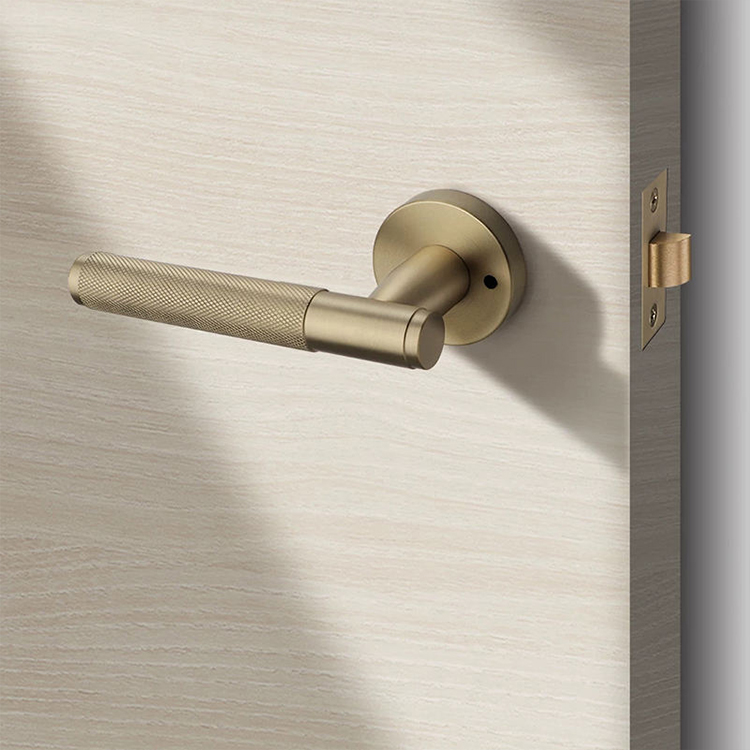
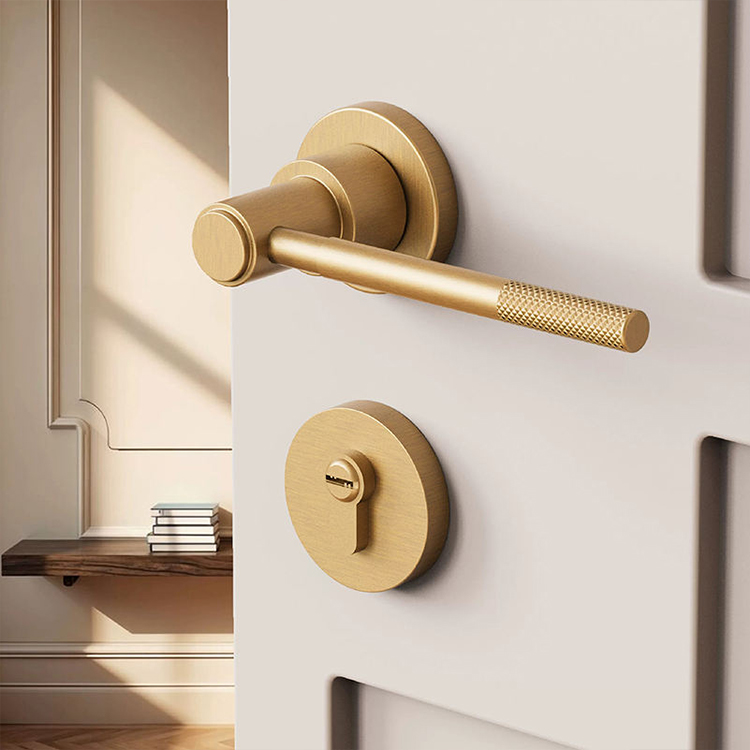
That is why I would start with the actual door and window handles catalog before sketching anything. Not because a catalog should dictate the design, but because a serious catalog tells you what manufacturing families already exist: fork handles, spindle handles, casement window handles, sliding window flush handles, lift-slide handles, latch handles, and private-label variants.
Modern design is restraint with evidence.
A clean handle on an aluminum window should look quiet, but it should not feel weak. It should sit naturally on slim aluminum frames without swelling into fake luxury. It should give the user a clear hand target, a smooth rotation path, and a final locked feel that says “done” without needing a sticker, a manual, or a salesperson.
Table of Contents
The Design Brief I Would Actually Accept
If someone asked me how to design handles for aluminum windows, I would not begin with mood boards. I would begin with use.
Who opens the window? How often? With dry hands, wet hands, gloves, weak grip, or one hand while holding a child? Is the window a casement, awning, tilt-turn, sliding panel, or project-specific hybrid? Is the handle mounted on a narrow aluminum sash where every extra millimeter looks clumsy? Is it going into a hotel, school, apartment tower, coastal villa, or commercial office?
Small part. Big consequences.
The U.S. Access Board’s ADA guidance for operable parts says hardware should be usable with one hand and should not require tight grasping, pinching, wrist twisting, or more than 5 lbf of operating force, which is not written specifically for every residential aluminum window handle but is still a useful design discipline for anyone who claims to care about real users ADA operable parts guidance. If your minimalist window handles need fingertip gymnastics, they are not modern. They are hostile.
And safety is not theoretical either. In April 2026, the U.S. Consumer Product Safety Commission reported an estimated 5,600 children aged 12 and under were treated in emergency departments in 2024 after falling from windows, and about one in three required hospitalization CPSC window safety data. A handle does not solve window safety by itself, but bad handle design can make opening control, locking confidence, and restricted ventilation worse.
So the brief should be written like this:
Design modern aluminum window handles that match the frame language, operate comfortably with one hand, support clear lock-state feedback, avoid sharp contact edges, protect finish integrity, fit the spindle or latch system without tolerance gambling, and remain manufacturable at the target annual volume.
That sounds less romantic than “sleek architectural hardware.” Good. It is also how fewer warranty claims happen.
Shape Comes First: Geometry Before Finish
The handle body should not be designed as a sculpture. It should be designed as a controlled lever.
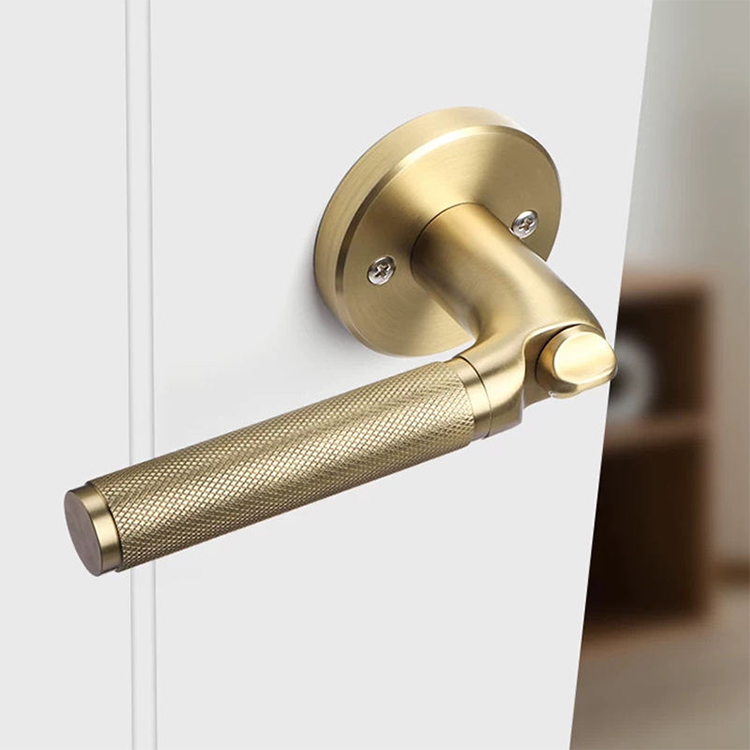
For casement window handles, I usually want enough lever length to create usable torque without turning the handle into a visual barbell. The thumb side needs a softened landing surface. The underside should allow finger confidence without creating a dirt trap. The neck transition matters because that is where cheap handles often feel weak, even when the body looks strong.
But the backplate matters too.
A long rectangular plate can make a handle look technical and stable on aluminum frames, especially when the sash sightline is also straight and architectural. A smaller rosette can feel cleaner, but it exposes more alignment error and can look underfed on commercial frames. A concealed fixing system looks better, yes, but only if the service path remains realistic. I have seen “beautiful” concealed designs become ugly when installers strip screws, scratch caps, or force mismatched spindles because the design team wanted silence where the factory needed access.
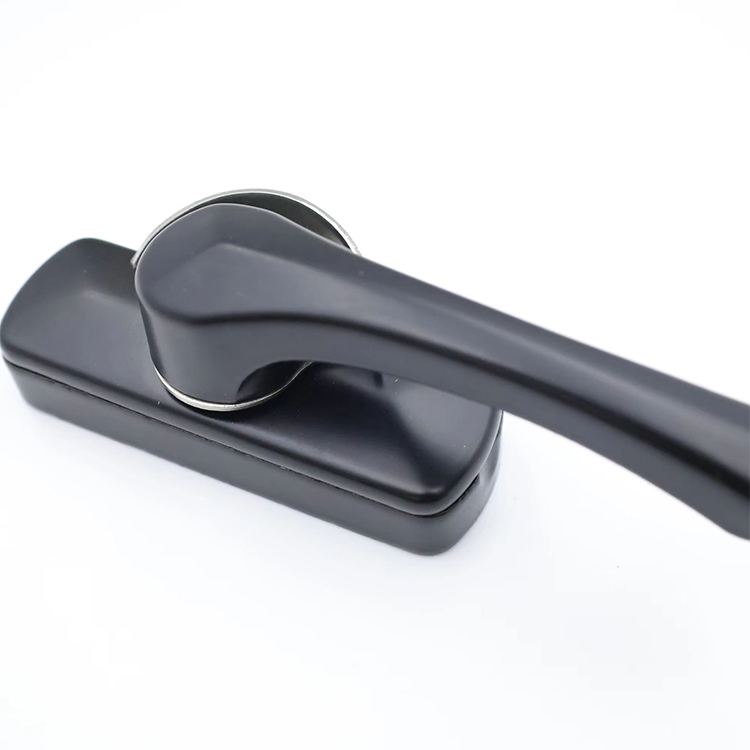
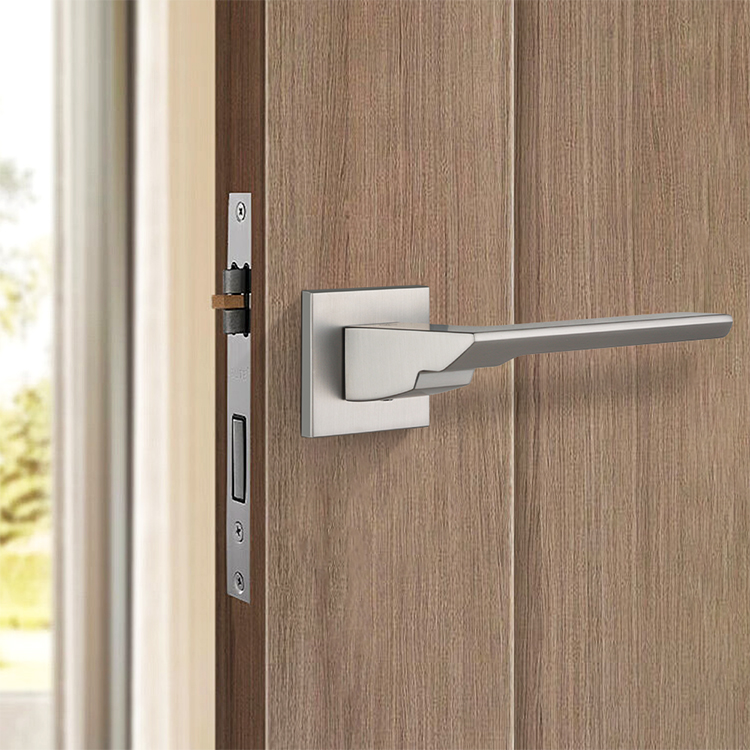
For a useful benchmark, compare a slim black casement style like the black aluminum casement window handle with a cleaner metallic spindle form like the modern aluminum casement window spindle handle. The first leans into matte architectural contrast; the second works when the project wants a quieter metal tone. Neither answer is universally best. The frame, market, finish system, and user all get a vote.
The Material Story: Aluminum Is Not One Thing
“Aluminum handle” is a lazy phrase.
A proper aluminum window hardware specification should separate die-cast aluminum, extruded aluminum, machined aluminum, zinc alloy alternatives, stainless steel inserts, steel springs, spindle materials, fastener plating, and coating chemistry. If a supplier quote says only “aluminum alloy,” I mark it as incomplete. Every time.
The material science is real. A NIST-hosted ASM chapter notes that aluminum has a density of about 2.7 g/cm³ and forms a thin aluminum oxide film, Al₂O₃, that helps resist progressive oxidation NIST aluminum alloy reference. That sounds reassuring, but it does not mean every aluminum window handle is ready for salt air, alkaline cleaners, sweaty hands, coating abuse, or poor fastener pairing.
The oxide layer is not magic.
If you specify matte black aluminum window handles for coastal apartments and then allow unknown pretreatment, bargain coating thickness, plated carbon-steel screws, and no cleaning instructions, do not act surprised when the finish becomes the first visible failure. A better move is to use a disciplined material selection guide for aluminum window handles before the sample approval meeting, not after the first complaint.
Here is the blunt version: finish approval without substrate and process approval is theater.
Handle Types Compared: Where Each Design Wins and Fails
The best handles for aluminum windows depend on the opening type, not just the style direction. Minimalism can work on a fixed visual system, but operating hardware lives under load, repetition, misalignment, and human impatience.
Handle Type
Best Fit
Design Strength
Common Failure
My Opinion
Casement window handles
Side-hinged aluminum casement windows
Good leverage, clear rotation, strong lock feedback
Best all-around choice when the geometry is honest
Fork handles
Narrow profiles and specific hardware systems
Compact, technical look, controlled movement
Can feel awkward if grip clearance is too tight
Good for experienced buyers, risky for lazy specs
Spindle handles
Casement and compatible door-window systems
Simple interface, clean visual options
Cheap spindle material creates wobble over time
Strong choice when tolerances are controlled
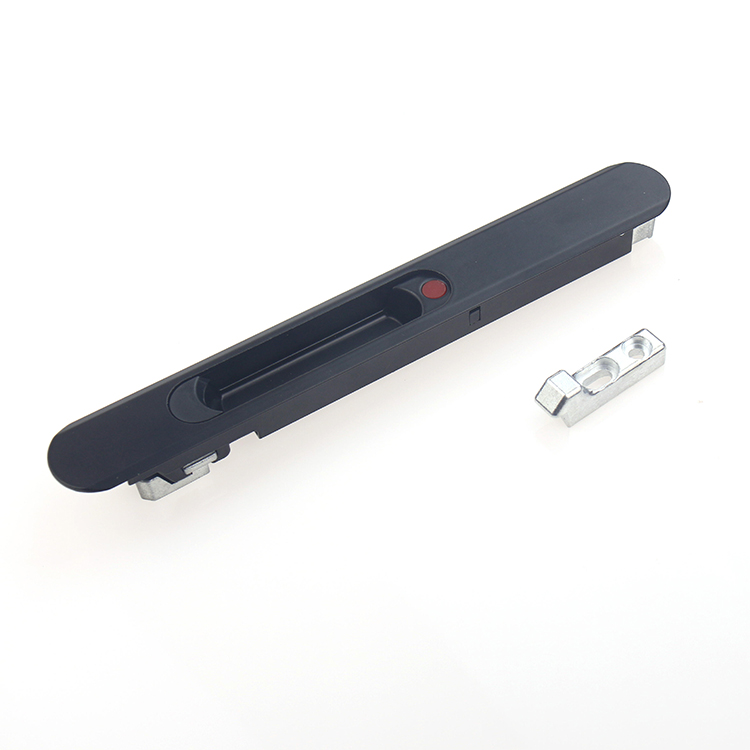
Recessed window pull handles
Sliding aluminum systems
Low projection, clean panel movement
Poor finger clearance, dirt buildup
Excellent when tested on the actual panel overlap
Lift-slide handles
Heavy sliding systems
Better force transfer for larger panels
Overbuilt look on small frames
Do not use unless the panel weight justifies it
Locking latch handles
Safety-sensitive or commercial projects
Clear locking role and user confidence
Tiny latch parts, weak tactile feedback
Worth specifying when restriction and locking matter
The table looks simple. The field is not.
On a real project, the “best” handle is usually the one that makes the opening type obvious. Casement systems want controlled lever movement and confident compression. Sliding systems want finger clearance and low projection. Tilt-turn systems need state clarity because confusion can damage hardware faster than wear.
If you are building a custom program instead of picking an off-the-shelf SKU, the OEM/ODM hardware program is where I would push the conversation, especially if you need DFM review, tolerance strategy, sample validation, packaging control, and long-term revision discipline.
Finish: The Black Handle Trap
Black sells.
Black also exposes poor decisions.
Matte black modern aluminum window handles look excellent on white, gray, bronze, and natural aluminum frames. They photograph well. They make a builder’s showroom feel more expensive. They also show scratches, dust, cleaner residue, edge polishing, and installation damage faster than many lighter finishes.
That does not mean black is bad. It means black is honest.
If you are specifying black aluminum handles, ask for finish process details before approving the sample. Powder coating, anodizing, e-coating, and hybrid systems do not fail in the same way. Cleaning chemistry matters. Packaging matters. Screwdriver access matters. Installers matter. I would rather have a slightly less dramatic black handle with proven pretreatment and packing discipline than a gorgeous sample that gets destroyed before handover.
The black aluminum handle maintenance guide is useful here because it says the quiet part out loud: black handles usually fail from vague finish approval, poor maintenance rules, cleaner attack, and jobsite damage, not because “black” itself is weak.
So ask the supplier for:
Alloy or base material confirmation
Pretreatment method
Coating type and target thickness
Salt spray or corrosion evidence where relevant
Adhesion test method
Cleaning restrictions
Packaging method for exposed surfaces
Fastener material and plating
Batch traceability
Boring? Maybe. But boring documents beat beautiful returns.
Compliance, Safety, and the Part Nobody Wants to Own
Most handle failures are not dramatic. They are slow.
A little wobble. A little rubbing. A handle that does not fully seat. A latch that feels uncertain. A locked position that users misread. A child opens a window farther than expected. A hotel guest forces a tilt-turn handle through the wrong sequence. A maintenance team sprays the wrong cleaner for six months. Then everyone asks who approved the hardware.
I know the answer. Usually, everyone did.
For aluminum window hardware, compliance should not be reduced to a logo, a PDF, or a supplier sentence that says “tested.” The smarter route is assembly-level verification. The handle, spindle, lock, sash, keeper, screws, profile, and installation detail all interact. A handle can be well-made and still be wrong for the window.
Use a structured hardware compliance guide for aluminum windows and doors when you are dealing with commercial programs, export markets, or projects where inspectors, developers, insurers, or brand owners will ask for proof. I have no patience for suppliers who treat compliance as a decoration. Neither should you.
And do not separate handle design from energy performance either. The U.S. Department of Energy says heat gain and heat loss through windows account for 25%–30% of residential heating and cooling energy use DOE window efficiency guidance. A handle is not the glass package, but poor locking compression, weak closing feel, and bad keeper alignment can undermine the window’s real-world sealing behavior.
That is the detail buyers miss.
Cost Pressure Is Now a Design Input
Aluminum pricing is not background noise.
In March 2026, Reuters reported that LME aluminum hit a four-year high of $3,418 per metric ton after Gulf supply disruptions, while the Strait of Hormuz risked further disruption to a regional production hub accounting for 23% of non-Chinese supply Reuters aluminum market report. That matters to handle design because volatile metal cost pushes factories toward thinner walls, cheaper substrates, aggressive substitutions, and quiet changes in coating or fasteners.
So here is my unpopular opinion: design teams should treat material volatility as a design constraint, not a purchasing department problem.
If your modern handle can only survive when every supplier uses the best alloy, best coating, best spindle, and best screw package without deviation, your design is fragile. A better design defines controlled alternates. It identifies critical-to-quality dimensions. It locks the spindle interface. It names the finish stack. It sets minimum wall thickness where grip strength and screw retention demand it. It prevents silent substitution.
A strong RFQ for aluminum window handles should include:
That is how modern aluminum window handles move from “nice sample” to repeatable production.
My Design Rules for Modern Aluminum Window Handles
Rule 1: Never Let Slim Become Weak
Minimalist window handles should look controlled, not starved. A handle that is too thin may photograph well, but the user reads weakness through grip flex, edge pressure, and vague rotation. Leave enough section thickness at stress points, especially near the neck, spindle boss, screw zones, and latch interface.
Rule 2: Match the Frame’s Visual Grammar
Aluminum windows usually have clean lines, flat planes, and controlled edges. The handle should respect that language. A swollen decorative lever on a slim architectural frame looks like a bad transplant. A sharp rectangular handle on a soft traditional frame can look equally wrong.
Rule 3: Design for the Last 15 Degrees
The last part of handle travel tells the user whether the window is locked, sealed, or half-finished. If the final movement feels mushy, users either overforce the handle or leave the window improperly secured. That is where callbacks start.
Rule 4: Do Not Hide Bad Ergonomics Behind Finish
A premium finish cannot rescue a handle that hurts the hand. Rounded contact edges, finger clearance, thumb support, and one-hand operation matter more than whatever color is trending this month.
Rule 5: Test on the Real Window
A handle tested alone is only a component. A handle tested on the final aluminum window system is evidence. Use the actual sash weight, gasket compression, locking points, keeper alignment, screw positions, and installation tolerance before signing off.
FAQs
What are modern aluminum window handles?
Modern aluminum window handles are operating hardware designed for aluminum window systems with clean geometry, controlled grip comfort, reliable locking feedback, suitable material strength, and finish durability that matches contemporary architectural frames while supporting daily opening, closing, ventilation, and security needs. In practice, they are not just decorative parts; they are the user’s main physical interface with the window.
Good modern handles usually use disciplined lines, subtle projection, smooth tactile edges, and a finish that matches the frame system. The better ones also respect manufacturing reality, because a handle that cannot be produced consistently will not stay modern after the first production run.
What is the best material for aluminum window handles?
The best material for aluminum window handles depends on opening type, exposure, finish target, cost level, and load requirements, but aluminum alloy with controlled coating, stainless steel or reinforced spindle parts, proper fasteners, and verified corrosion protection is often the most balanced specification for modern aluminum window systems. The wrong answer is any supplier quote that simply says “aluminum.”
For coastal or high-humidity projects, I would ask harder questions about pretreatment, coating adhesion, screw pairing, and salt-spray evidence. For high-cycle commercial use, I would pay close attention to spindle wear, screw retention, and internal spring or latch quality.
How do I design minimalist window handles without making them uncomfortable?
Minimalist window handles should be designed with enough lever length, rounded contact edges, clear finger clearance, stable wall thickness, and obvious lock-state feedback so the handle looks visually quiet without becoming difficult, sharp, weak, or confusing in daily use. Minimalism fails when designers remove the features users need to operate the window naturally.
My rule is simple: reduce visual noise, not human comfort. A flat, thin, sharp lever may look beautiful in a rendering, but if it creates pressure points or poor torque, it is not premium hardware.
Are casement window handles different from sliding window pull handles?
Casement window handles are usually rotational lever mechanisms that help lock, unlock, and compress a hinged sash, while sliding window pull handles are typically grip or latch components designed for panel movement, finger clearance, and low projection along overlapping aluminum tracks. They solve different mechanical problems, so copying one design language onto the other often creates poor usability.
For casement windows, I care about lever torque, spindle fit, gasket compression, and final lock feel. For sliding windows, I care more about recessed grip depth, panel overlap, latch access, and whether the user can pull without scraping knuckles.
How do I choose the best handles for aluminum windows in a commercial project?
The best handles for aluminum windows in a commercial project are chosen by matching the handle to the opening type, user access, operating force, locking system, frame geometry, finish exposure, compliance expectations, replacement strategy, and supplier documentation rather than selecting only by appearance or unit price. Commercial projects punish vague specifications faster than residential showrooms do.
Ask for drawings, material confirmation, finish process details, sample testing, tolerance notes, packaging controls, and change-control commitments. A cheap handle with weak documentation can become expensive once it reaches a hotel, apartment block, school, or façade project.
Your Next Step: Stop Approving Pretty Samples
If you are designing or sourcing modern handles for aluminum windows, do not approve the next sample because it looks clean on a desk.
Put it on the actual window. Measure the hand clearance. Check the last 15 degrees of motion. Confirm the spindle. Scratch-test the finish responsibly. Ask what alloy is being used. Ask how the coating is applied. Ask what happens when the project moves from 200 samples to 20,000 units. Then compare the answer against the aluminum window handle product range and send the serious requirements into the OEM/ODM hardware development process.
Modern is not a shape.
Modern is the discipline to make aluminum window handles look clean, feel honest, lock clearly, survive the jobsite, and still behave properly after the architect, importer, installer, and end user have all had their turn with them.