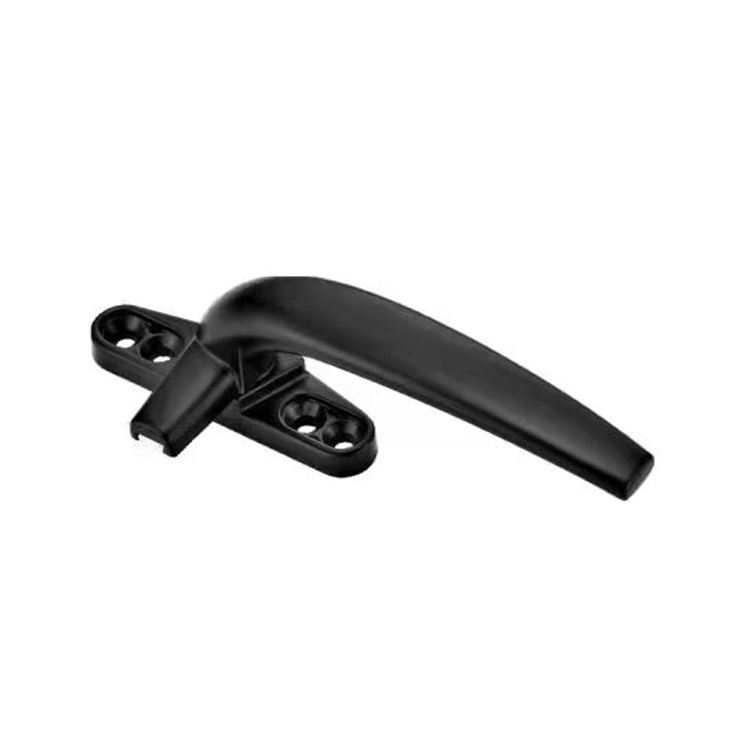
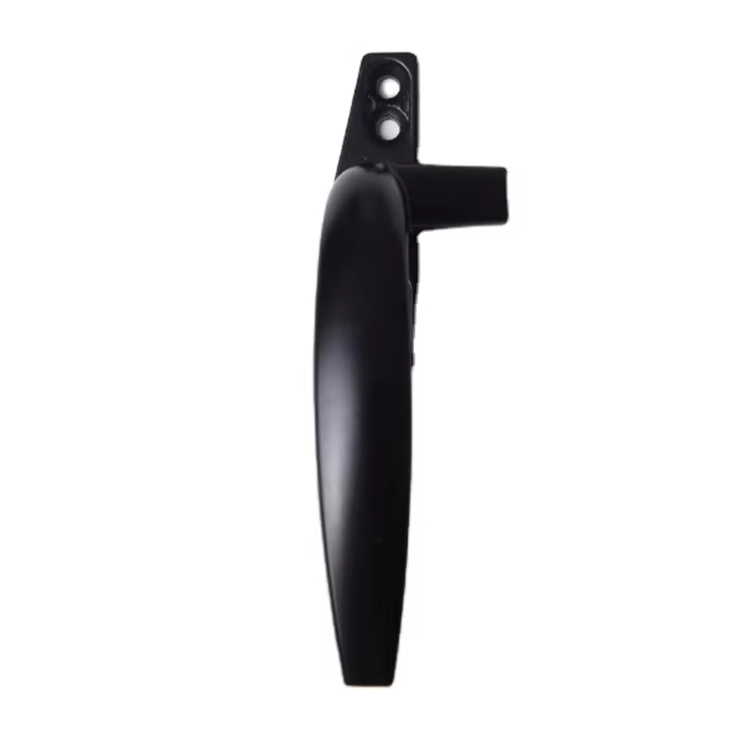
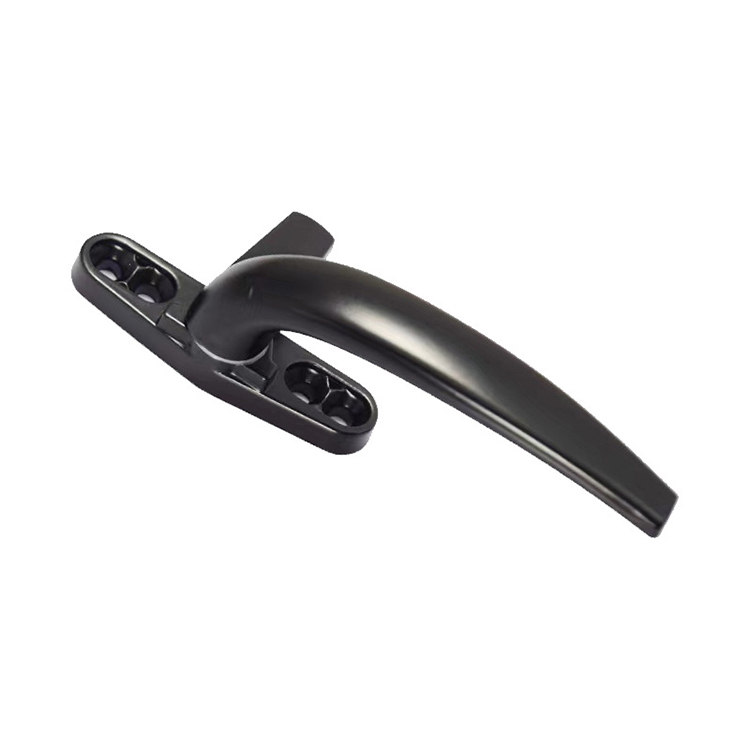
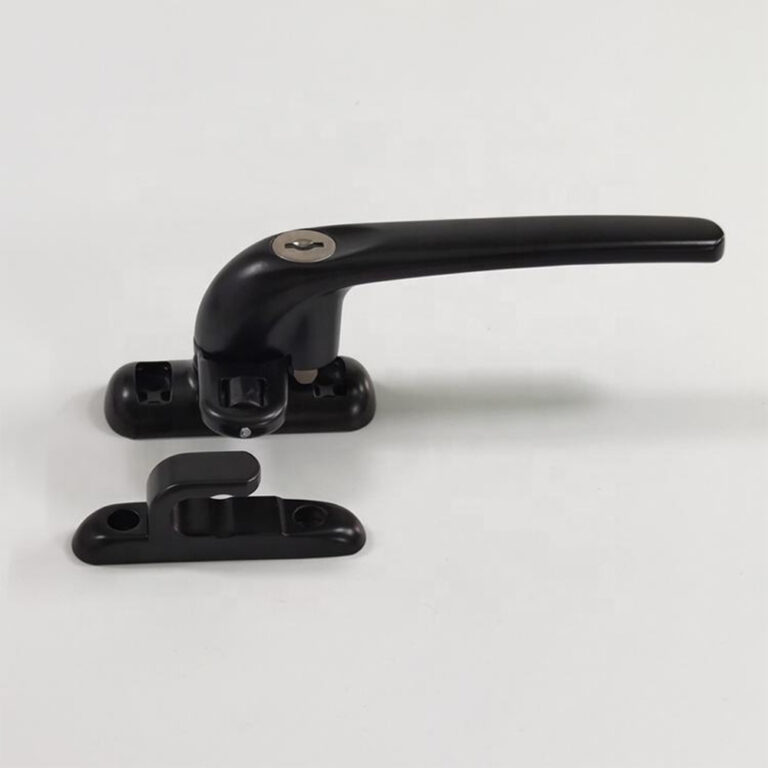
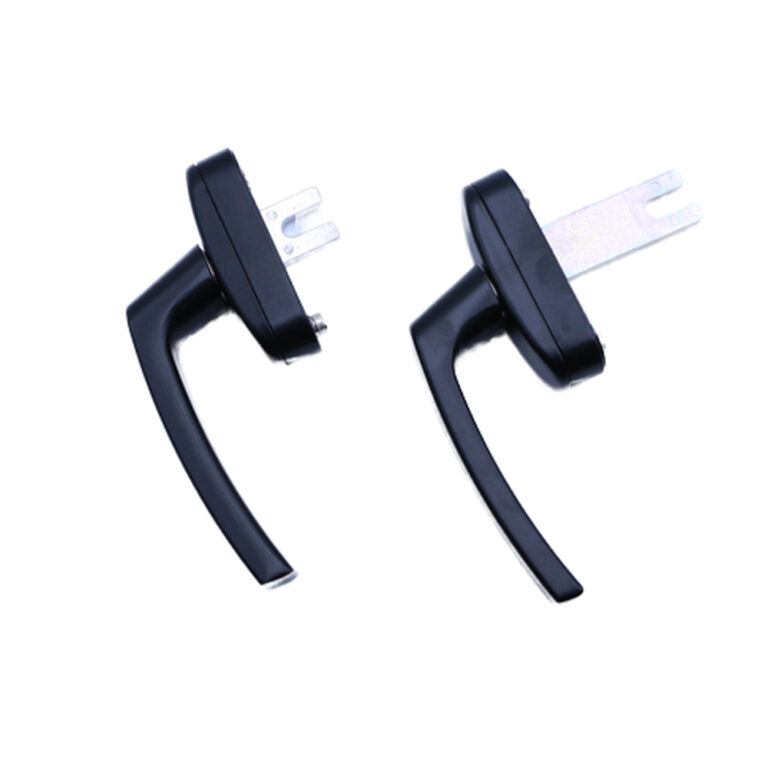
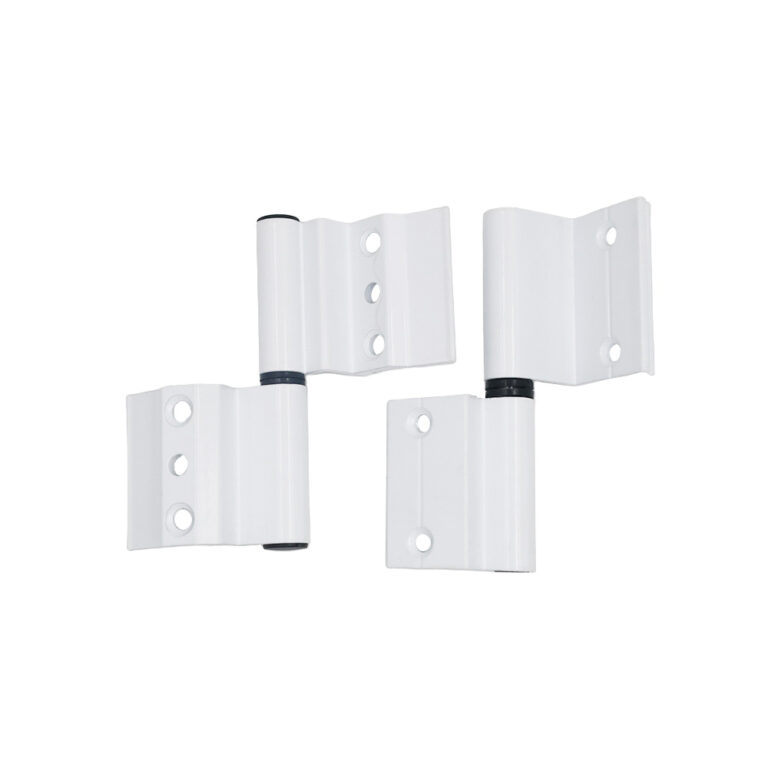
Looking for hardware solutions that meet European / American standards?
Use this guided inquiry modal to move from a generic quote form to a clearer technical conversation. Buyers can choose whether they need pricing, CAD / 3D files, or OEM / ODM support before sharing contact details.
Compatibility-first design across door / window systems
Repeatable production with clear inspection checkpoints
Documentation and change control for long-running programs
Responsive engineering support for fit and field feedback
When a window handle spindle is several millimetres wrong, the handle may still bolt onto the sash and look perfectly acceptable from the room, yet the mechanical relationship behind that backplate can already be compromised because the drive is barely engaging the gearbox or is being forced against its internal stop.
So why do replacement buyers still start with color and handle shape?
I think the answer is uncomfortable: window hardware is often purchased as decoration when it should be specified as a mechanical interface.
That mistake is especially common with an espag window handle spindle. A spindle is not simply a metal square sticking out of the handle. It transfers the torque from your hand into the gearbox or espagnolette mechanism inside the sash. If that connection is wrong, everything downstream becomes suspect.
Too short and you lose engagement.
Too long and you create interference.
The correct window handle spindle length sits between those two failure modes.
And there is no universal magic number.
That point is backed by actual product engineering rather than guesswork. ERA’s Universal Maxim Multi-Spindle Window Handle is supplied with five different spindle lengths: 9 mm, 15 mm, 30 mm, 43 mm and 55 mm. The same handle platform therefore has to accommodate dramatically different profile and gearbox relationships. ERA also states that the handle has been endurance tested beyond 50,000 cycles and meets BS EN 1670 Grade 3, including 96-hour corrosion resistance testing.
That is the clue buyers should pay attention to.
The handle can be standardized.
The spindle length often cannot.
Window Handle Spindle Length Is a Mechanical Interface, Not a Catalog Detail
A spindle-driven window handle creates a mechanical chain:
hand → lever → spindle → gearbox → espagnolette mechanism → locking points
Every part depends on the previous interface doing its job.
The spindle has to enter the gearbox far enough to transfer operating torque reliably. But it also needs enough axial clearance that the spindle tip does not bottom out before the handle base seats against the sash.
That sounds obvious.
It isn’t in purchasing.
When I evaluate a replacement specification, I use a simple rule: if the buyer cannot tell me the spindle length, spindle section, mounting centers and interface type, the handle has not actually been specified yet.
A photograph isn’t enough.
A finish code isn’t enough.
Even having the old handle in your hand isn’t enough if nobody measures it.
CHIER makes the same compatibility issue visible in its door and window handles manufacturing program, where spindle design, mounting position and fit are treated as controlled product variables rather than cosmetic options. That matters because window profiles vary across uPVC, aluminum and timber systems, while replacement hardware has to meet whatever geometry already exists inside the sash.
Why a Window Handle Spindle Too Short Fails
A window handle spindle too short does not necessarily fail dramatically.
That is what makes it dangerous from a quality-control perspective.
It may work.
Sort of.
The spindle may engage only the front of the gearbox
Imagine the drive socket inside the gearbox as a square tunnel. A correctly fitted spindle enters that tunnel far enough for its flats to transfer torque over a meaningful contact area.
Shorten the engagement and the contact area drops.
Now the edges do more work.
Under low operating force, everything can feel normal. But add gasket compression, sash misalignment, cold-weather stiffness or a resistant locking point, and that shallow engagement becomes much less forgiving.
This is why I dislike the phrase “it turns, so it fits.”
No.
Turning once proves almost nothing.
Partial engagement can create intermittent symptoms
A short spindle can produce symptoms such as:
The handle turns but the lock occasionally fails to travel fully.
The handle works when the sash is open but slips when the sash is closed.
The mechanism feels inconsistent from one operating cycle to another.
The spindle corners or gearbox drive surfaces begin showing localized wear.
The user compensates by pushing or pulling harder on the lever.
That last behavior matters.
Users adapt to bad hardware surprisingly quickly. They pull the sash inward. They lift the handle. They wiggle it. Then, months later, someone decides the gearbox has “suddenly failed.”
Often, it wasn’t sudden.
Short spindle problems get misdiagnosed as lock problems
This is one of the harder truths in replacement hardware: technicians frequently replace the component showing the symptom rather than identifying the interface producing it.
Handle slips?
Replace the handle.
Still slips?
Replace the gearbox.
Still stiff?
Adjust the sash.
Sometimes all three operations happen before anyone measures the spindle.
For professional buyers, that is expensive nonsense.
When evaluating replacement or production hardware, CHIER’s OEM/ODM window handle development process is more sensible: define the application, profile, mating hardware and critical dimensions before releasing a product. The site specifically treats spindle or fork interfaces as part of casement-handle compatibility.
That is how a spindle should be purchased—as an interface dimension.
Why a Window Handle Spindle Too Long Fails
People tend to understand “too short.”
Too long gets less respect.
After all, more spindle means more engagement, right?
Wrong.
A window handle spindle too long can reach the end of the gearbox drive cavity before the handle base reaches the sash.
Then the spindle becomes a spacer.
And the installer usually reacts in the worst possible way: by tightening the screws harder.
Bottoming out changes the load path
A properly fitted backplate should seat as designed against its mounting surface.
If the spindle bottoms first, screw tightening can start forcing the handle assembly against an internal interference rather than simply clamping the base to the profile.
Possible results include:
A handle base that does not sit flush.
Rocking or uneven contact around the backplate.
Unexpectedly stiff handle rotation.
Screw preload being used to overcome spindle interference.
Distortion of a plastic or thin-wall sash surface.
Unwanted axial force transmitted into the gearbox.
A mechanism that becomes freer when the screws are loosened.
That final symptom is worth remembering.
If the handle becomes noticeably easier to turn when its fixing screws are backed off slightly, stop treating the screws as the problem. Check the spindle length and mounting geometry.
Do not leave the screws loose as a “repair.”
That only creates another failure.
A long spindle can mimic a stiff gearbox
This is where diagnosis becomes interesting.
Suppose a handle is smooth when removed from the sash.
The gearbox also turns freely with an appropriate test tool.
But once the handle is screwed down, rotation becomes stiff.
What changed?
The assembled stack.
That points directly toward dimensional interference: spindle projection, base geometry, fixing position, gasket thickness or another part of the mounted interface.
This is why the best spindle length for a uPVC window handle is not “the longest one that fits into the hole.”
It is the length that provides secure drive engagement without bottoming out in the installed assembly.
Too Short vs Correct vs Too Long: The Failure Pattern
Spindle condition
What happens inside the window
Typical symptom
Main risk
What I would check first
Too short
Spindle enters the gearbox only partially
Slipping, intermittent drive, incomplete lock movement
Concentrated wear and unreliable torque transfer
Existing spindle projection and gearbox engagement
Correct length
Spindle achieves usable engagement without reaching the internal stop
Handle sits flush and operates consistently
Normal service wear
Confirm operation with sash open and closed
Too long
Spindle reaches its internal limit before the handle seats correctly
Stiffness, proud backplate, operation changes with screw tension
Axial loading, distortion and binding
Compare spindle projection with available gearbox depth
Wrong section/interface
Spindle does not correctly match the gearbox drive
Excess play or no drive at all
Damage to both spindle and gearbox
Spindle cross-section and mating-drive dimensions
Correct spindle, wrong handle geometry
Drive works but mounting or lever geometry conflicts with the sash
Loose base, obstruction, poor clearance
Installation and usability problems
Fixing centers, base size, projection and handing
The table exposes an important point: spindle length is only one dimension in the fit stack.
You still have to verify the rest.
How to Measure Window Handle Spindle Length Without Guessing
If someone asks me how to measure window handle spindle length, I do not start with the new handle.
I start with the installed system.
1. Remove the existing handle carefully
Open the window if the mechanism allows it.
Rotate or remove any screw cover.
Remove the mounting screws while supporting the handle so it does not drop or twist against the profile.
Pull the handle straight away from the sash.
Do not start levering it sideways with a screwdriver unless you are prepared to damage the profile.
2. Measure from the rear mounting face to the spindle tip
For a conventional replacement spindle handle, measure the exposed spindle projection from the back face of the handle base—the surface that contacts the window—to the tip of the spindle.
Do not measure from the front of the backplate.
Do not include decorative cover thickness that sits outside the mounting plane.
And write the value down in millimetres.
If the existing handle operated correctly before another component failed, that measurement is a strong replacement reference. It is not infallible, because the previous handle itself may have been wrong, but it is much better evidence than judging by eye.
3. Measure the spindle section as well as its length
Length alone does not identify the interface.
Measure:
Spindle width.
Spindle height if it is not square.
Shape of the drive.
Any chamfered or rounded end.
Retention feature, if present.
Whether the spindle is fixed, removable or interchangeable.
This is where buyers often confuse “same length” with “same spindle.”
They are not equivalent.
4. Measure the fixing centers
Measure center-to-center between the fixing holes.
Then check the base footprint.
A handle with the correct spindle but the wrong fixing geometry is still the wrong handle.
CHIER’s technical download and drawing center specifically calls out mounting-center drawings, base dimensions, spindle information, handing and hardware interfaces as model-specific technical data buyers should verify before machining, installation or procurement.
That is exactly the document set I would want for an OEM project.
5. Check actual gearbox depth if the original specification is uncertain
This is where professional diagnosis separates itself from DIY guesswork.
If you suspect the old spindle was already incorrect, do not automatically copy it.
Determine the distance from the handle mounting plane to the gearbox’s usable drive zone and internal stop. Use the gearbox manufacturer’s drawing, an approved sample, a controlled depth measurement or another documented method appropriate to the mechanism.
The objective is simple:
enough insertion for reliable torque transfer, but enough clearance to prevent the spindle from bottoming.
I deliberately do not give a universal “leave X millimetres” rule here.
Why?
Because that would be fake precision. Gearbox geometry varies.
6. Test with the sash open before loading the lock
Fit the replacement handle and operate it with the sash open.
Look for smooth travel and a positive operating feel.
Then close the sash and repeat the test under normal locking load.
If the behavior changes dramatically only when closed, you may be dealing with sash alignment, keeper position, gasket compression or lock resistance rather than spindle length alone.
The spindle gets blamed for plenty of problems it did not cause.
Good diagnosis cuts both ways.
uPVC Window Handle Spindle Length: Why “Standard” Is a Dangerous Word
The phrase uPVC window handle spindle length often appears beside another word: standard.
I use that word carefully.
Certain interface dimensions are widely used across espagnolette hardware, but window profile depth, reinforcement position, gearbox design, handle base construction and replacement requirements still vary. ERA’s current multi-spindle replacement product is a useful real-world example precisely because one pack includes 9, 15, 30, 43 and 55 mm spindles for different applications.
ERA has also publicly described its replacement range as covering profile requirements from 9 mm to 55 mm, specifically to reduce the need for installers to research or cut individual spindle lengths.
Five lengths.
One handle family.
That should kill the idea that appearance identifies compatibility.
For a replacement espag window handle spindle, I want at least these dimensions recorded before purchase:
Existing spindle projection.
Spindle cross-section.
Fixing centers.
Backplate dimensions.
Handle orientation or handing where relevant.
Gearbox type.
Available installation depth.
Any required key-locking or non-locking function.
If you are specifying thousands of windows instead of replacing one, add drawing revision, tolerance, inspection method and approved sample reference.
What the Safety Data Does — and Does Not — Prove
Window hardware articles have a bad habit of using injury statistics irresponsibly.
I will not do that.
The U.S. Consumer Product Safety Commission reported on April 7, 2026 that an estimated 5,600 children aged 12 and under were treated in emergency departments in 2024 after falling from windows. CPSC also reported at least 25 deaths between 2021 and 2023, with 80% of those fatalities occurring between May and October. You can read the 2026 CPSC National Window Safety Week release directly.
Those figures do not prove that incorrect spindle length caused those incidents.
That distinction matters.
What they prove is that window operation and window safety are not trivial subjects. CPSC recommends window guards, stops and other measures for fall prevention; a correctly operating handle and lock should be treated as one component within the wider window system, not as a substitute for dedicated fall-prevention hardware.
The regulatory picture makes the same system-level point from another direction.
England’s Approved Document Q on security in dwellings, last updated on November 22, 2024, states that covered windows and doors should be sufficiently robust and fitted with appropriate hardware to resist physical attack.
Again, this is not a regulation that specifies your spindle length.
It is stronger than that.
It shows why pretending a hardware interface is “close enough” is poor engineering. The finished window—not the isolated handle—has to perform.
Replacement Window Handle Spindle Problems Buyers Commonly Miss
Copying the visible handle but not the hidden interface
Two white lever handles can look nearly identical.
Behind them, one might use a completely different spindle projection or mounting arrangement.
This is why catalog-image sourcing causes so many unnecessary samples.
If you are comparing commercial sources, start with an actual window and door handle manufacturer specification rather than picking a silhouette first and asking whether it can somehow be made to fit afterward.
Measuring overall spindle length from the wrong reference point
A dimension without a datum is not a specification.
“30 mm spindle” means very little if one person measures from the rear mounting face while another measures from some internal shoulder.
Draw the datum.
Dimension the projection.
Then nobody has to interpret your intent.
Assuming a longer spindle can always be cut
Sometimes it can.
Sometimes the product is explicitly designed that way.
But do not turn a product-specific installation method into a universal rule.
If trimming is permitted, make a square cut, remove burrs and confirm the final dimension. A rough hacksaw end jammed into a gearbox is not craftsmanship.
Ignoring screw length after changing spindle configuration
Change one interface dimension and another part of the stack may change with it.
Check screw engagement.
Check reinforcement.
Check whether the mounting face has actually seated.
Hardware systems punish isolated thinking.
Approving the sample with no dimensional record
This one irritates me.
A buyer receives a sample. It works. Everyone signs off. Six months later, production arrives and somebody says the spindle “looks a little different.”
Compared with what?
If sample approval does not capture spindle projection, mounting centers and the other critical-to-quality dimensions, it is not real approval. It is memory.
For larger programs, CHIER’s factory audit and inspection approach is relevant because it ties approved drawings and samples to dimensional, fit and operating checks during production.
That is the level of control a spindle deserves.
How I Would Specify a Window Handle Spindle for Production
For a one-off replacement, matching a known-good original handle may be sufficient.
For OEM production?
Not even close.
My specification would include:
Spindle interface type — square, blade, fork or other defined geometry.
Nominal cross-section — dimensioned on the drawing.
Spindle projection — measured from an explicit mounting datum.
Permitted tolerance — agreed between handle and gearbox requirements.
Material and finish — including any corrosion requirement relevant to the assembly.
Tip geometry — square cut, chamfer, radius or other feature.
Retention method — fixed, press-fit, clipped, interchangeable or another approved design.
Fixing centers and base geometry — because spindle compatibility does not rescue a mismatched backplate.
Mating gearbox reference — model, drawing or approved sample.
Functional acceptance test — handle operation on the real or representative sash assembly.
Drawing revision — so the next production lot does not quietly inherit a different spindle.
Approved physical sample — retained where the sourcing program justifies it.
Then test the assembly.
Not just the handle.
That difference is everything.
CHIER’s broader door and window hardware range is useful in this context because a handle does not work alone; it has to coordinate with locks, latches, hinges and the rest of the window system.
FAQs
What is window handle spindle length?
Window handle spindle length is the distance the square or shaped drive projects from the back of the handle base into the window’s gearbox, and the correct length is the one that gives reliable drive engagement without bottoming out, spacing the handle off the sash, or preloading the mechanism.
In practical terms, measure from the mounting face of the handle to the spindle tip. Do not choose a replacement solely from the visible handle design because the hidden spindle projection can differ even when two handles look almost identical.
What size spindle do I need for a window handle?
The right spindle size for a window handle is the length and cross-section that match the existing gearbox, sash profile depth, handle base, and mounting geometry, so the spindle enters far enough to transmit torque but stops short of bottoming against the internal drive cavity when the fixing screws are tightened.
If the original handle worked correctly, measure it as your first reference. When the old specification is uncertain, verify the gearbox and profile dimensions instead of automatically duplicating the old part.
How do I measure window handle spindle length?
To measure window handle spindle length, remove the existing handle and measure from the rear mounting face of the handle base to the spindle tip, then verify the spindle cross-section, screw centers, base dimensions, and actual gearbox depth before ordering a replacement or cutting a longer spindle to size.
Record the measurement in millimetres and photograph the handle beside a ruler or caliper if the information is being sent to a supplier. For an OEM order, put the dimension and its datum directly on the drawing.
What happens if a window handle spindle is too short?
A window handle spindle that is too short is a drive bar that does not enter the gearbox deeply enough to maintain stable torque transfer, which can cause slipping, partial lock movement, rounded spindle corners, intermittent operation, or a handle that appears normal until higher closing force is required.
A classic diagnostic sign is a handle that operates the mechanism with the sash open but becomes unreliable when the window is closed and the locking system encounters real resistance.
What happens if a window handle spindle is too long?
A window handle spindle that is too long is a drive bar whose projection exceeds the usable gearbox depth, so tightening the handle can make the spindle bottom out, hold the backplate away from the sash, distort the mounting condition, create stiffness, or transfer unwanted axial load into the lock mechanism.
Check for a base that will not sit flush or a handle that suddenly turns more freely when the mounting screws are loosened. Those symptoms justify checking spindle interference before blaming the gearbox.
Can I cut a replacement window handle spindle to length?
You can cut some window handle spindles when the manufacturer designs them for trimming, but the finished length must still match the gearbox and mounting geometry, the cut end should be square and deburred, and you should never assume every replacement spindle is intended to be shortened merely because it is longer than the original.
Where interchangeable spindle systems are available, using the specified replacement length can reduce cutting errors. ERA’s multi-spindle approach, for example, provides five defined spindle options from 9 mm through 55 mm rather than relying on one universal projection.
Your Next Step: Specify the Spindle Before the Finish
If you remember only one thing, make it this:
Do not order a window handle until you know what is happening behind the backplate.
Measure the spindle projection. Confirm the drive interface. Check the mounting centers. Verify the gearbox. Test the handle with the sash open and closed.
And for OEM or wholesale work, put those dimensions on the drawing.
If you are developing or replacing window handles across a larger product program, send CHIER your profile drawing, reference sample, spindle dimensions, mounting details and target application through the CHIER hardware inquiry channel. Ask for compatibility to be reviewed before production—not after a container of handles has already arrived.
A spindle that is too short can fail to drive.
A spindle that is too long can create interference.