Looking for hardware solutions that meet European / American standards?
Use this guided inquiry modal to move from a generic quote form to a clearer technical conversation. Buyers can choose whether they need pricing, CAD / 3D files, or OEM / ODM support before sharing contact details.
Compatibility-first design across door / window systems
Repeatable production with clear inspection checkpoints
Documentation and change control for long-running programs
Responsive engineering support for fit and field feedback
Because a friction stay must support a moving sash through its full opening arc while controlling friction, maintaining gasket compression, clearing the profile, and surviving repeated wind-assisted movement, selecting one by nominal length alone is a tidy shortcut that often produces an untidy failure.
Why would anyone approve a hinge before calculating what it must carry?
I would not. In my review of friction stay hinge charts, the pattern is blunt: a 16-inch stay is not automatically stronger than every 12-inch stay, and two sashes with the same weight may need different hardware because their width, height, aspect ratio, opening direction, and centre of gravity differ.
The practical answer is simple. Select window friction stays through five linked checks: opening type, all-up sash weight, sash dimensions, profile geometry, and tested product limits. Then verify stack height, opening angle, corrosion grade, fixing method, and any egress or restriction function before releasing the order.
The Hard Truth About Friction Stay Hinge Size
A friction stay’s nominal size usually describes track length, not a universal load class. That distinction matters.
One manufacturer may rate a 16-inch top-hung stay for a 25 kg sash, while another product family may publish a different limit because the arm geometry, steel thickness, rivets, slider, track section, fixing pattern, test method, and intended profile differ. There is no honest industry-wide rule that says “12 inches equals X kilograms.”
The February 2026 ERA Standard Friction Stay technical sheet proves the point. Its chart gives separate maximum sash sizes and weights for top-hung and side-hung use, even when the nominal stay length is the same. The sheet also states 13 mm and 16.5 mm stack-height options and identifies testing to BS EN 13126-6 for variable-geometry stay hinges.
Here is the model-specific data from that sheet:
Application
Nominal stay size
Max sash width
Max sash height
Max sash weight
Approx. opening angle
Top-hung
6 in / 152 mm
750 mm
350 mm
9 kg
60°
Top-hung
8 in / 210 mm
1200 mm
350 mm
11 kg
64°
Top-hung
10 in / 261 mm
1200 mm
400 mm
16 kg
60°
Top-hung
12 in / 311 mm
1200 mm
550 mm
19 kg
66°
Top-hung
16 in / 414 mm
1200 mm
750 mm
25 kg
87°
Top-hung
20 in / 516 mm
1200 mm
1000 mm
28 kg
43°
Top-hung
24 in / 616 mm
1200 mm
1200 mm
39 kg
39°
Side-hung
12 in / 311 mm
600 mm
1100 mm
22 kg
60°
Side-hung
16 in / 414 mm
600 mm
1250 mm
28 kg
87°
Treat this table as evidence of how a proper chart works, not as a universal friction stay weight chart. Copying these numbers onto another brand, steel grade, stack height, or profile system would be bad engineering.
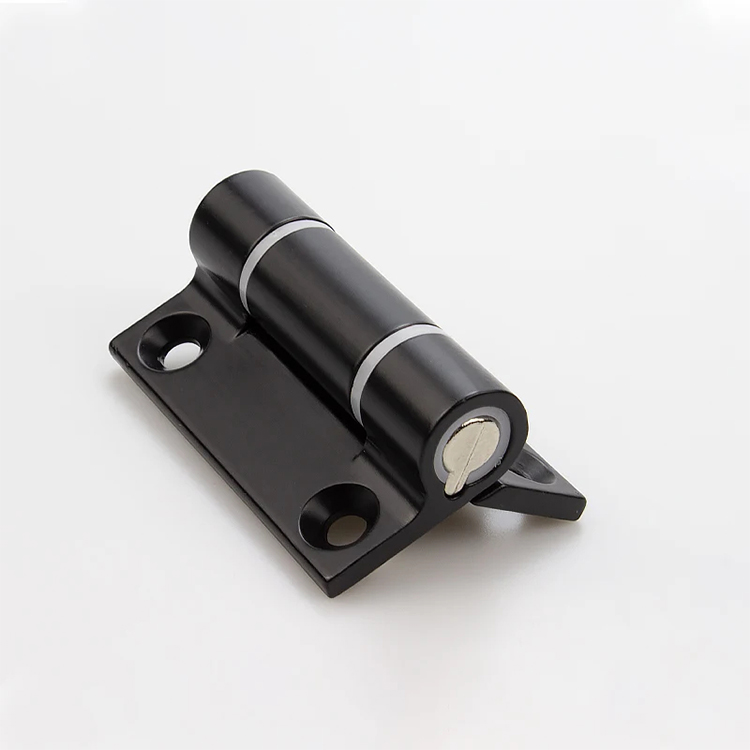
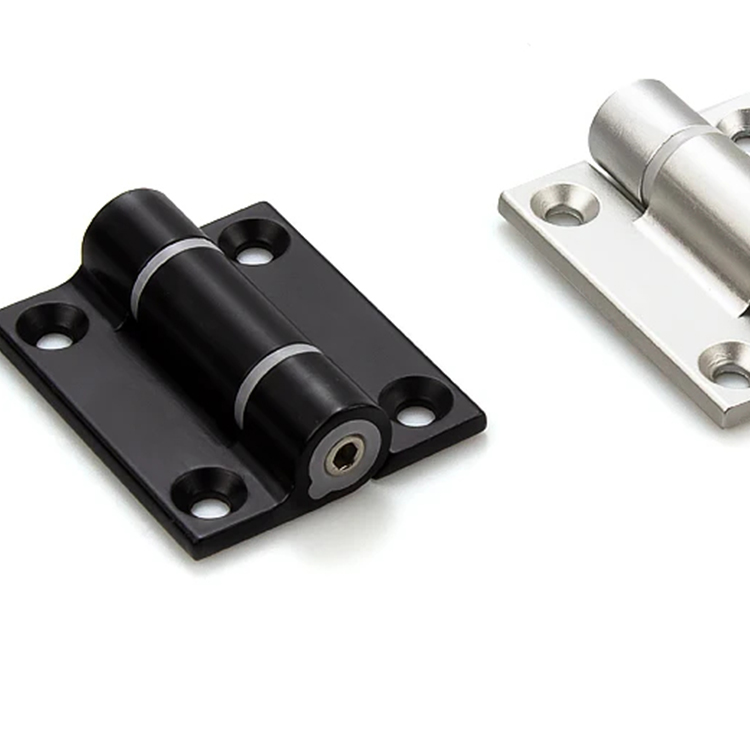
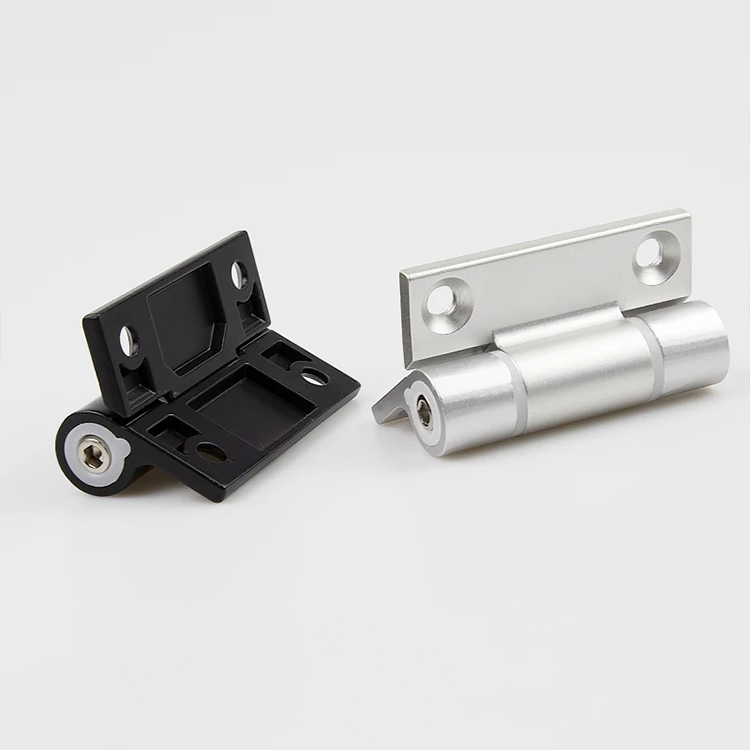
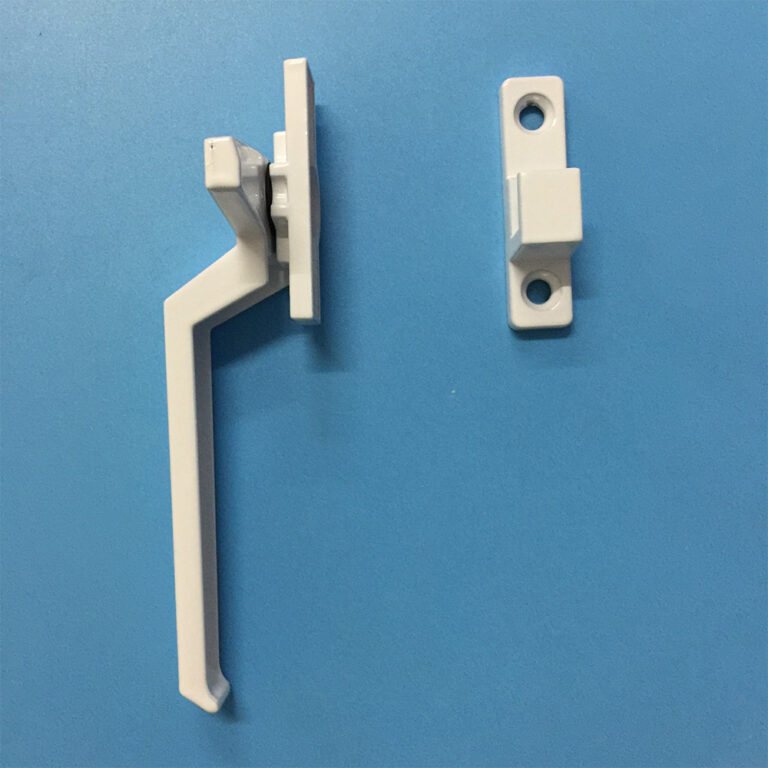
For CHIER applications, start by reviewing the available window friction stays and projecting hinges, then submit the actual sash and profile data for model-level verification rather than ordering from the product photo.
Calculate the Real Sash Weight Before Choosing the Hinge
The hinge carries the finished moving sash. Not just the glass.
I use this procurement formula:
Total sash mass = glass mass + sash-profile mass + hardware mass + seals, beads, inserts, reinforcement, and attached accessories
For ordinary float glass, Guardian Glass gives a density of 2,500 kg/m³, which converts to 2.5 kg/m² for each millimetre of glass thickness. A 4 mm pane therefore weighs about 10 kg/m², and a 4-16-4 insulating glass unit contains roughly 20 kg/m² of glass before the spacer, sealant, sash profiles, beads, and hardware are added.
Worked Sash-Weight Example
Assume a top-hung aluminium sash with:
Visible glass size: 800 mm × 1100 mm
Insulating glass unit: 4-16-4
Aluminium sash, beads, corners, seals, and reinforcement: 4.2 kg
Handle, lock parts, stays, and fixings: 0.8 kg
The glass area is:
0.8 m × 1.1 m = 0.88 m²
The two 4 mm panes give 8 mm total glass thickness:
0.88 × 8 × 2.5 = 17.6 kg of glass
The estimated finished sash mass is:
17.6 + 4.2 + 0.8 = 22.6 kg
That 22.6 kg figure is the starting load for hinge selection. It is not permission to choose a product marked “23 kg” and walk away. The window-system designer still needs to account for manufacturing tolerances, wind exposure, operating cycles, fixing strength, profile stiffness, and the project’s required design margin.
And here is another hard truth: using glass size instead of finished sash size can corrupt both the weight calculation and the geometry check. Ask for three separate dimensions—overall sash width, overall sash height, and glass size—and label them clearly on the drawing.
Use a Seven-Gate Selection Method
I prefer a gate system because it stops buyers from jumping straight to price. A stay passes every gate, or it does not enter the sample build.
1. Confirm Top-Hung or Side-Hung Operation
Top-hung and side-hung sashes load the linkage differently. A top-hung sash projects outward from its upper edge; a side-hung casement rotates from a vertical edge.
The same nominal 12-inch stay can therefore carry different maximum dimensions and weights depending on orientation, as the ERA chart shows.
Write the handing and opening view on the drawing. “Casement hinge” is too vague.
2. Record the Finished Sash Dimensions
Measure overall sash width and height, not only the aperture. Then check the aspect ratio.
A tall, narrow 22 kg side-hung sash creates a different moment and fixing demand from a short, wide 22 kg top-hung sash. Weight answers only one question. Geometry answers the rest.
3. Calculate the All-Up Moving Mass
Use the final glazing build-up. Include laminated interlayers, decorative grids, reinforcement, corner keys, glazing beads, locks, handles, and any attached restrictor or actuator.
Do not estimate an IGU as though it were a single pane. That mistake can cut the calculated glass mass nearly in half.
4. Match Both Weight and Dimensional Limits
A sash must sit below the manufacturer’s maximum weight, maximum width, and maximum height for the exact product code. Passing two out of three is still a failure.
This is where many friction stay hinge size guides become misleading. They sort products by inches, then hide the dimensional envelope in a second table or technical drawing.
5. Match Stack Height and Profile Clearance
Stack height is the closed thickness of the folded hinge assembly. Common published options include 13 mm, 16 mm, 16.5 mm, and 17 mm, but the correct value comes from the window profile and system manual, not personal preference.
ERA’s standard range lists 13 mm and 16.5 mm options, while the Mila friction hinge guide describes 13 mm and 17 mm as standard stack heights for parts of its range.
Too tall, and the sash may sit proud, leak, or fight the lock. Too short, and the linkage may foul the channel or pull the sash out of its intended sealing line.
6. Confirm Opening Angle and Special Function
A 24-inch stay does not automatically provide the widest opening. In the ERA example, the 16-inch top-hung model is listed at about 87°, while the 24-inch model is about 39°. Longer tracks can support taller sashes yet produce a smaller opening angle because the linkage geometry changes.
Specify the required clear opening, ventilation position, cleaning access, and handle reach. For emergency escape, use a tested egress configuration. For controlled ventilation or fall prevention, use a purpose-designed restriction system.
7. Validate Material, Fixings, and Testing
Ask for the steel grade, corrosion test, cycle test, rivet construction, adjustment method, fixing-hole layout, screw specification, and test report that applies to the offered SKU.
“Stainless steel” is not a complete specification. Neither is “heavy duty.”
The ERA sheet, for example, identifies Austenitic SS 304 as an option for its 8-to-24-inch standard stays and lists a POM slider. Details at this level should appear in the approved SKU specification rather than remain buried in a general sales description.
CHIER’s quality-control and testing process provides a framework for linking inspection points to the approved drawing, sample, dimensions, function, finish, and packaging standard. For profile-specific development, use the OEM/ODM hardware review to align drawings, samples, revision ownership, inspection requirements, and repeat-order controls before production.
When Heavy-Duty Friction Stays Are the Honest Choice
Heavy-duty friction stays are not simply longer versions of standard stays. They normally use a wider or reinforced structure, altered link geometry, stronger pivots, more demanding fixings, or a profile-specific mounting arrangement to support larger or heavier sashes.
The Mila guide explicitly describes its heavy-duty hinges as wider than standard hinges, profile-specific, and intended for larger casement windows. That is a useful definition because it focuses on system design rather than attaching a vague label to an ordinary stay.
Use a heavy-duty product family when the finished sash:
Sits near a standard stay’s published limit
Exceeds any published dimensional limit
Carries thick laminated or acoustic glazing
Faces demanding wind exposure
Shows unacceptable deflection during system testing
Requires a reinforced, profile-specific mounting arrangement
But do not upgrade blindly.
A heavier hinge can shift the weak point into the aluminium profile, screw engagement, corner joint, sash stiffness, or frame fixing. I would rather see a 30 kg sash on a properly tested 40 kg system than on an anonymous “60 kg heavy-duty” hinge with no profile drawing and no credible test evidence.
Within the CHIER range, a compact four-bar window friction stay may suit a different channel and sash envelope from an adjustable-slider friction stay. The visible arm count is not enough to choose between them; buyers should compare track length, folded stack, pivot geometry, fixing positions, opening direction, and target load.
Safety Functions Are Not Optional Extras
A friction stay controls and supports movement. It does not automatically qualify as a fall-prevention restrictor, emergency-egress hinge, or security device.
The UK Health and Safety Executive says that, in health and social-care settings where people could fall, suitable windows should generally be restricted to an opening of 100 mm or less, and restrictors should require a special tool or key for disengagement.
The consequences are documented. A UK Ministry of Justice Rule 43 report describes a hospital inpatient who died after falling from a second-floor window when a single-hook restrictor was overcome. The Department of Health responded by warning providers to inspect windows and consider stronger or secondary restrictors.
In the United States, published Consumer Product Safety Commission data reported an annual average of about eight deaths and 3,300 emergency-department-treated injuries among children aged five and younger from window falls, with about 34% requiring hospitalisation.
The data are older, but the design lesson has not aged: a screen is not a guard, and unrestricted opening can create a severe hazard.
These sources address fall prevention, not sash-load selection. Keep the two tasks separate, then satisfy both. A sash can have correctly sized friction stay hinges and still fail the project’s safety requirement.
For broader specification work, CHIER’s fenestration hardware compliance guidance can sit alongside the product drawing, target-market code review, and project-specific test plan.
The Buying Data I Would Refuse to Proceed Without
A professional friction-stay enquiry should include enough information for the supplier to reject the wrong model. That is a feature, not a problem.
Send this data in one package:
Required input
What to provide
Why it matters
Opening type
Top-hung or side-hung; inward or outward; left/right handing
Determines linkage orientation and load path
Sash dimensions
Overall width and height in mm
Checks the product’s dimensional envelope
Glass build-up
Example: 4-16-4 IGU, 6.38 laminated, or 8 mm tempered
Drives glass mass
Finished sash mass
Measured prototype mass or itemised calculation
Sets the static load target
Profile sections
Sash and frame CAD/PDF with channel dimensions
Confirms stack height, clearance, and fixing support
Required opening
Angle, clear opening, ventilation stop, egress, or easy-clean
Filters the hinge function
Environment
Inland, coastal, industrial, or high humidity
Guides material and corrosion requirements
Performance target
Cycle test, corrosion grade, security, and wind/load tests
Defines the evidence needed
Fasteners
Material, diameter, length, thread, and engagement depth
Connects hinge rating to real installation strength
Annual volume
Sample, pilot, and forecast quantity
Supports tooling, inspection, and packaging planning
Add photos of the existing stay only as supporting evidence. Photos distort scale and hide stack height. A dimensioned profile section beats ten phone pictures.
Common Friction Stay Selection Mistakes
Choosing by Sash Height Alone
Sash height can help narrow the track length, but weight, width, opening type, and the product chart still control the decision.
Assuming Longer Means Stronger
The published load can rise, flatten, or change with geometry. Longer stays may also reduce the opening angle.
Ignoring Whether the Rating Applies to a Pair
Confirm whether the stated maximum sash mass applies to one stay or one fitted pair. Most window applications use a pair, but catalogue wording varies.
Using Glass Weight as Sash Weight
The aluminium, reinforcement, beads, seals, locks, handle, and fasteners all move with the sash.
Treating the Friction Screw as a Load Upgrade
The adjustment screw changes operating friction. It does not turn an under-rated hinge into a higher-capacity hinge.
Mixing Safety and Support Claims
A restricted opening, egress function, easy-clean release, security hinge guard, and sash-support rating are separate performance claims. Ask for evidence for each one.
FAQs
What Size Friction Stay Do I Need?
The correct friction stay size is the shortest tested model that fits the sash profile and meets the exact top-hung or side-hung limits for finished sash weight, overall width, overall height, stack height, opening angle, fixing pattern, and required safety function without exceeding any published value.
Start with the manufacturer’s chart, not a generic inch rule. For replacement work, also measure the closed track length, stack height, hole positions, and opening geometry. For new systems, approve the stay only after a fitted sample operates smoothly and the sash seals evenly.
How Much Weight Can Window Friction Stays Support?
Window friction stays can support only the sash mass stated for the exact product code, orientation, dimensions, stack height, and tested window system; published examples range from light single-digit-kilogram sashes to 30 kg, 40 kg, or more, but no single capacity applies to all stays sold under the same nominal length.
The ERA standard example ranges from 9 kg for a 6-inch top-hung model to 39 kg for a 24-inch top-hung model, while its side-hung examples list 22 kg and 28 kg for 12-inch and 16-inch sizes. Those values cannot be transferred to another supplier’s product.
Are 16-Inch Friction Stays Stronger Than 12-Inch Friction Stays?
A 16-inch friction stay is not inherently stronger than a 12-inch friction stay because capacity depends on the complete hinge design, steel section, rivets, slider, arm geometry, orientation, sash dimensions, profile fixing, and test evidence; length mainly describes the track and influences fit, support geometry, and opening angle.
Within one tested product family, the 16-inch model may carry more. Across different brands or standard, restricted, easy-clean, and egress variants, that assumption can fail.
How Do I Calculate Window Sash Weight?
Window sash weight is the total moving mass of the glazing, sash profiles, reinforcement, beads, seals, corner components, locks, handles, restrictors, fasteners, and attached accessories; for float glass, estimate glass mass as area in square metres multiplied by total glass thickness in millimetres multiplied by 2.5 kg/m²/mm.
Whenever possible, weigh the completed prototype sash with a calibrated scale. A measured figure catches forgotten components and differences between the drawing and the production build.
When Should I Use Heavy-Duty Friction Stays?
Heavy-duty friction stays should be used when a sash exceeds a standard stay’s published mass or dimensional envelope, approaches the limit with little engineering allowance, carries thick laminated or acoustic glazing, faces demanding wind exposure, or requires a profile-specific reinforced hinge system validated by drawings, fixings, samples, and performance tests.
Do not select the heavy-duty label by itself. Demand the exact sash chart, stack height, profile requirements, fastener specification, cycle test, corrosion evidence, and fitted-system approval criteria.
Send the Sash Data Before You Ask for a Price
Do not begin with, “How much is a 16-inch friction stay?”
Begin with the finished sash width, height, measured or calculated mass, glazing build-up, opening type, target angle, stack height, profile drawing, environment, test requirements, and annual volume.
Then ask CHIER to compare suitable window friction stay options, identify the exact model, review the mounting interface, and prepare a sample-validation plan.
That approach takes longer than guessing from a catalogue thumbnail.