Skorzystaj z tego trybu kierowanego zapytania, aby przejść od ogólnego formularza wyceny do bardziej przejrzystej rozmowy technicznej. Kupujący mogą wybrać, czy potrzebują wyceny, plików CAD / 3D, czy wsparcia OEM / ODM przed udostępnieniem danych kontaktowych.
Konstrukcja zapewniająca kompatybilność systemów drzwi i okien
Powtarzalna produkcja z wyraźnymi punktami kontrolnymi
Dokumentacja i kontrola zmian dla długotrwałych programów
Responsywne wsparcie inżynieryjne w zakresie dopasowania i opinii w terenie
Większość zespołów blefuje. Zatwierdzają zgodność okuć okiennych i drzwiowych na podstawie schludnej etykiety, dopracowanego pliku PDF i dostawcy, który twierdzi, że “przetestowano zgodnie ze standardem”, mimo że prawdziwa odpowiedź leży w dokładnym montażu, dokładnym zakresie rozmiarów, dokładnym typie napędu, dokładnej logice zamka, dokładnym wzmocnieniu i dokładnych szczegółach instalacji, które będą istnieć na miejscu po wyprodukowaniu i zamontowaniu. Co się stanie, gdy inspektor poprosi o dowód powiązany ze zbudowaną jednostką, a nie z broszurą?
Powiem wprost: zgodność okuć do okien aluminiowych rzadko jest tracona podczas spotkania sprzedażowego. Jest ona tracona podczas zastępowania, leniwego przeglądu i cichego założenia, że klamka, zawias lub przekładnia mogą odziedziczyć zgodność przez skojarzenie. To nonsens. FGIA twierdzi, że program certyfikacji AAMA Gold Label opiera się na niezależnych testach reprezentatywnych próbek, dalszych inspekcjach zakładów i umieszczeniu w katalogu certyfikowanych produktów, podczas gdy aktualny przegląd NAFS opisuje AAMA/WDMA/CSA 101/I.S.2/A440 jako neutralną materiałowo podstawę certyfikacji stolarki otworowej uznawaną przez IBC i IRC. Przydatne? Tak. Wystarczająca sama w sobie? Nie.
Papier ma znaczenie. I nie dlatego, że biurokracja jest piękna, ale dlatego, że złe decyzje sprzętowe stają się kosztowne dopiero po tym, jak oszklenie, transport, instalacja, oddzwonienia i przerzucanie winy już spaliły budżet. Dlaczego tak wielu kupujących wciąż prosi o próbkę, zanim poprosi o dokumentację?
Kiedy chcę uzyskać dowód w postaci modelu w kształcie regulatora, patrzę na twardy język ustawowy. Statut Florydy 553.842 zezwala na zatwierdzenie produktu poprzez zatwierdzony znak certyfikacji lub wykaz, zatwierdzony raport z testów laboratoryjnych, raport z oceny produktu lub podpisaną i zapieczętowaną ocenę architekta lub inżyniera. Takiej postawy oczekuję w każdym przeglądzie zgodności okuć do drzwi aluminiowych: pokaż mi łańcuch dowodów, a nie fragment zdania na siódmej stronie katalogu.
Oto lista kontrolna zgodności okien i drzwi, której naprawdę ufam:
Punkt weryfikacji
Co sprawdzam
Akceptowalne dowody
Czerwona flaga, której nigdy nie ignoruję
Ścieżka kodowa
Jurysdykcja, typ projektu, obowiązek wyjścia, obowiązek wymuszonego wejścia, narażenie na huragan lub wybrzeże
Sekcja specyfikacji, uwaga do kodu, podstawa zatwierdzenia
“Zgodność na całym świecie”
Status certyfikacji
Kod producenta, typ etykiety, status na liście, klasa wydajności
Wpis CPD, znak certyfikacji, zrzut ekranu listy
Etykieta bez śladu w katalogu
Testowany zakres
Dokładny montaż, wymiary, typ napędu, logika blokowania, zabudowa szyby
Akredytowany raport laboratoryjny lub raport z oceny
Test na “podobnej” jednostce
Zestawienie materiałów sprzętowych
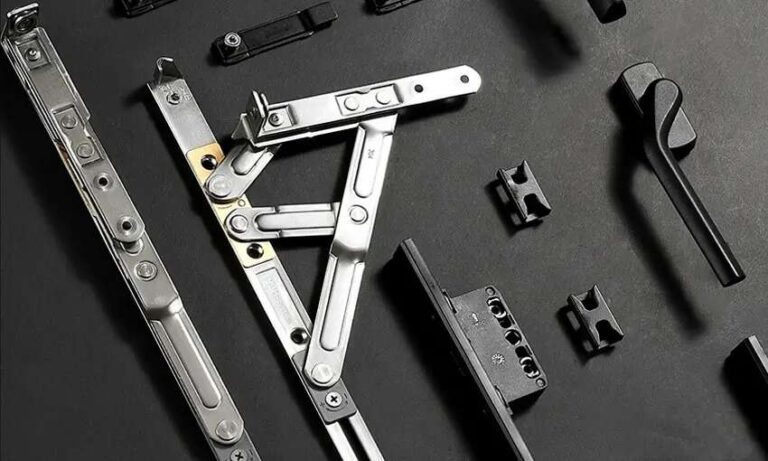
Klamki, zawiasy, przekładnie, uchwyty, ograniczniki, elementy złączne
BOM, rewizja rysunku, harmonogram części
Zastąpienie po zatwierdzeniu
Logika wykończenia i korozji
Specyfikacja powłoki, obróbka wstępna, parowanie podłoża, klasa ekspozycji
Specyfikacja wykończenia, mgła solna lub podsumowanie korozji
Gdzie zwykle ginie zgodność aluminiowych okuć okiennych
Tolerancja zabija pierwsza. Aluminiowe skrzydło może mieć przyzwoitą klamkę, odpowiedni trzpień i przyzwoitą skrzynkę zamka, a następnie nadal nie działać, ponieważ geometria zawiasów, ugięcie skrzydła, pozycja zaczepu, kompresja uszczelki lub ułożenie profili nigdy nie zostały ponownie sprawdzone po wyprodukowaniu i dostosowaniu w miejscu instalacji. Dlaczego zespoły obsesyjnie sprawdzają wykończenie, a następnie pomijają geometrię operacyjną, która faktycznie decyduje o tym, czy urządzenie otwiera się, uszczelnia i ucieka zgodnie z przeznaczeniem?
Widziałem to zbyt wiele razy, by być uprzejmym. Producent zamienia wrzeciono 7 mm na wrzeciono 8 mm, przesuwa uchwyt o 1,5 mm, dodaje ogranicznik, aby uspokoić obawy dotyczące bezpieczeństwa, i nagle urządzenie nie zachowuje się już tak, jak w testowanej konfiguracji. Wtedy wszyscy są zszokowani. Ja nie jestem zszokowany. Jestem znudzony. To jest dokładnie powód, dla którego wewnętrzny odczyt Określanie tolerancji ramki w celu zapobiegania wiązaniu sprzętu liczy się bardziej niż kolejne zdjęcie glamour produktu.
Korozja postępuje powoli. Zestaw okuć może wydawać się gładki w pierwszym dniu i okazać się uparty sześć miesięcy później, ponieważ system powlekania był cienki, obróbka wstępna była słaba, połączenie łączników było niewłaściwe lub klasa ekspozycji została potraktowana jako refleksja zamiast wkładu projektowego. Właśnie dlatego sformułowanie "zgodność okuć okiennych z aluminium" umieściłbym tuż obok sformułowania "zgodność okuć okiennych z aluminium". Zapobieganie wadliwym wykończeniom i korozji okuć okiennych. Zgodny otwór, który ulega zatarciu po ekspozycji na chlorki, nie jest zgodny w żadnym poważnym sensie. Jest to odroczona awaria.
A oto część, której dostawcy nie lubią słuchać: Certyfikat AAMA dla okuć okiennych jest często omawiany tak, jakby samo okucie nosiło odznakę w izolacji. Zazwyczaj mocniejsze dowody dotyczą certyfikowanej konfiguracji produktu, a nie swobodnie pływającej dźwigni, zawiasu lub zatrzasku odłączonego od testowanej jednostki. To rozróżnienie sprawia, że połowa rynku staje się niechlujna.
Trzy przypadki, które obnażają mit
Pella udowodniła, że marka premium nie ratuje złych mechaników
Wycofanie produktu z rynku ma charakter edukacyjny. Pozbawiają produkt głosu marketingowego i redukują go do zagrożeń, zakresu i środków zaradczych. Chcesz czystszej lekcji niż ta?
W dniu 21 grudnia 2023 r. CPSC poinformował, że około 12 000 okien skrzydłowych z serii Pella Architect zostało wycofanych, ponieważ skrzydło mogło odłączyć się od ramy i spaść. Zawiadomienie dotyczyło wentylowanych skrzydeł drewnianych i aluminiowych w określonych rozmiarach i kombinacjach okuć, a instrukcja publiczna była dosadna: trzymaj okna zamknięte i zablokowane do czasu naprawy. Tak właśnie wygląda rzeczywiste ryzyko, gdy pakiet okienny przestaje zachowywać się zgodnie z dokumentacją.
Upadki okien nie są kwestią poboczną i mam dość traktowania ich w ten sposób
Bezpieczeństwo jest źle sprzedawane. Bezpieczeństwo jest promowane agresywnie. Zgadnij, któremu z nich poświęca się więcej uwagi podczas spotkań zakupowych?
W maju 2024 r. UC Davis Health napisał, że około ośmioro dzieci w wieku pięciu lat i młodszych umiera, a około 3300 odnosi obrażenia każdego roku w Stanach Zjednoczonych w wyniku upadków z okien. Ten sam artykuł podkreśla, że ekrany nie zapobiegają upadkom i zaleca ograniczniki okienne, które ograniczają otwarcie do czterech cali. Tak więc, kiedy sprawdzam, jak zweryfikować zgodność okuć okiennych i drzwiowych, dbam o urządzenia kontrolujące otwieranie, logikę ograniczników i czytelne dla użytkownika działanie zwalniające, a nie tylko odporność na atak.
Przełęcz laboratoryjna wciąż może przegapić burzę
Dane testowe pomagają. O tym, czy są wystarczająco pomocne, decyduje kontekst testu. Bez tego kontekstu wynik pozytywny może stać się bardzo kosztowną bajką na dobranoc.
W podsumowaniu badań Komisji Budowlanej Florydy z 2024 r. dotyczącym wnikania wody przez przesuwane szklane drzwi stwierdzono, że istniejące znormalizowane testy mogą nie symulować odpowiednio prawdziwego deszczu napędzanego wiatrem oraz że typowe protokoły ciśnienia projektowego 15% w normach TAS 202 i AAMA były zbyt niskie dla obciążeń związanych z wnikaniem deszczu, z jakimi mogą się spotkać przesuwane szklane drzwi podczas rzeczywistych huraganów. Nie odczytuję tego jako niszowego przypisu dotyczącego wybrzeża. Odczytuję to jako ostrzeżenie dla każdego kupującego, który myśli, że “zdał test” kończy rozmowę.
Systemy inspekcji są węższe niż sugeruje większość marketerów
Audyty są prawdziwe. Ale nie każdy audyt sprawdza to, co myślisz, że sprawdza. Zaskoczony?
HUD 2023 Standardy inspekcji NSPIRE zostały stworzone w celu ujednolicenia oczekiwań dotyczących jakości mieszkań w różnych programach, jednak Protokół kontroli NSPIRE mówi, że obsługiwane okna z mechanizmami blokującymi znajdującymi się ponad osiem stóp nad podłogą lub podestem nie muszą być fizycznie sprawdzane pod kątem prawidłowego działania i podlegają jedynie ocenie wizualnej. Nie oznacza to, że zasada ta jest słaba. Sprawia, że obowiązek weryfikacji przez kupującego jest jeszcze bardziej oczywisty.
Co sprawdzam, zanim uwierzę dostawcy
Utrzymuję ten proces w prostocie, ponieważ rynek staje się śliski, gdy pytania są niejasne.
Po pierwsze, dopasowuję deklarowany standard do zadania. Zgodność z normami NAFS dla okien i drzwi, PAS 24, EN 15685, wymagania dotyczące odporności na uderzenia i lokalne wymogi w zakresie bezpieczeństwa nie są wymiennymi sloganami. Po drugie, weryfikuję dokładny wykaz lub raport w odniesieniu do dokładnej konfiguracji jednostki, a nie produktu podobnego. Po trzecie, sprawdzam harmonogram sprzętu w odniesieniu do przetestowanego BOM i geometrii instalacji. Po czwarte, zmuszam do rozmowy na temat warunków terenowych: ciężaru skrzydła, ścieżki zawiasu, powrotu klamki, zatrzaśnięcia zatrzasku, pozycji uchwytu, kompresji uszczelki, logiki odwadniania i kompatybilności łączników. Następnie zadaję pytanie, którego nikt nie lubi: co zmieniło się po teście?
To cała moja filozofia. Podejrzliwy? To dobrze. Chcę podejrzliwości w tej pracy.
Najczęściej zadawane pytania
Co to jest zgodność okuć okiennych i drzwiowych?
Zgodność okuć okiennych i drzwiowych jest udokumentowanym dowodem na to, że klamki, zawiasy, zamki, przekładnie, ograniczniki i elementy mocujące działają wewnątrz przetestowanego, zaakceptowanego przez przepisy zespołu i nadal spełniają wymogi bezpieczeństwa, ochrony, trwałości i jurysdykcji projektu po wyprodukowaniu, zainstalowaniu i zidentyfikowaniu dokładnej konfiguracji produktu. W praktyce oznacza to zgodność z etykietą, listą, raportem i zainstalowaną jednostką, a nie zaufanie do pojedynczego numeru części.
Jak sprawdzić zgodność okuć do okien aluminiowych przed zakupem?
Aby zweryfikować zgodność okuć do okien aluminiowych przed zakupem, należy poprosić o wykaz certyfikatów, raport z akredytowanego laboratorium lub raport z oceny, zestawienie materiałów, harmonogram okuć, ograniczenia rozmiarów, specyfikację wykończenia, instrukcje montażu oraz oświadczenie wskazujące dokładny typ napędu i układ blokady pasujący do zatwierdzanej jednostki. Następnie sprawdź listę w katalogu i odrzuć wszelkie “równoważne” zamienniki, które znajdują się poza łańcuchem dowodowym.
Czym jest certyfikat AAMA dla okuć okiennych?
Certyfikacja AAMA dla okuć okiennych zwykle oznacza, że okno, drzwi lub komponent znajdują się w ramach certyfikacji FGIA, gdzie reprezentatywne próbki są niezależnie testowane, a produkcja jest kontrolowana, ale najmocniejszy dowód nadal dotyczy certyfikowanej konfiguracji produktu, a nie pojedynczej klamki lub zawiasu sprzedawanego samodzielnie. Dlatego zawsze proszę o przedstawienie certyfikowanego zakresu, a nie tylko logo.
Czy zgodność okien i drzwi z wymaganiami NAFS oznacza, że same okucia są zgodne z tymi wymaganiami?
Zgodność z NAFS dla okien i drzwi dowodzi, że zdefiniowany zespół stolarki otworowej spełnia wymagania dotyczące wydajności, takie jak powietrze, woda, konstrukcja i kryteria związane z klasą w testowanej konfiguracji, ale nie błogosławi automatycznie każdej późniejszej wymiany okuć, zmiany wymiarów lub skrótu montażowego dokonanego po wydaniu pliku testowego. Zespoły przechodzą pomyślnie. Późniejsze niechlujne zamiany kończą się niepowodzeniem.
Jak sprawdzić etykiety AAMA na aluminiowych oknach i drzwiach?
Aby sprawdzić etykiety AAMA na aluminiowych oknach i drzwiach, należy dopasować dane etykiety i kod producenta do katalogu certyfikowanych produktów FGIA, potwierdzić zgodność typu, klasy i oceny operatora z przesłanym dokumentem oraz upewnić się, że fizyczne wymiary jednostki i zestaw okuć mieszczą się w certyfikowanym zakresie. Jeśli ścieżka katalogu zostanie przerwana, zakładam, że ryzyko właśnie wzrosło.
Co powinno znaleźć się na liście kontrolnej zgodności okien i drzwi?
Poważna lista kontrolna zgodności okien i drzwi obejmuje jurysdykcję i ścieżkę kodową, walidację etykiet, zakres raportu z testów, zestawienie materiałów okuć, specyfikację wykończenia i korozji, zgodność łączników i podłoża, geometrię otworu, funkcję wyjścia, logikę bezpieczeństwa, metodę instalacji i weryfikację działania po instalacji na rzeczywistym urządzeniu. Jeśli brakuje jednego z tych elementów, lista kontrolna ma charakter dekoracyjny.
Następny krok
Zrób to teraz. Wyślij jedną wiadomość e-mail do dostawcy i poproś o dokładną listę FGIA lub równoważną, pełną podstawę testów lub oceny, zestawienie BOM sprzętu, specyfikację wykończenia, instrukcję instalacji i zaznaczone potwierdzenie, że oferowana jednostka jest zgodna z testowaną konfiguracją bez żadnych zamienników.
I bez ogródek.
Jeśli odpowiedzą błyszczącymi zdjęciami, niejasnymi słowami, takimi jak “ta sama jakość” lub przyciętą etykietą bez ścieżki katalogowej, zatrzymaj zatwierdzenie. Nie “oddzwaniaj”. Nie “monitoruj wydajności”. Po prostu przestań. W tej branży najtańszym błędem jest odmowa podpisania umowy.