Procura soluções de hardware que cumpram as normas europeias e americanas?
Utilize este modal de inquérito guiado para passar de um formulário de orçamento genérico para uma conversa técnica mais clara. Os compradores podem escolher se precisam de preços, ficheiros CAD / 3D ou suporte OEM / ODM antes de partilharem os detalhes de contacto.
Conceção que privilegia a compatibilidade entre sistemas de portas e janelas
Produção repetível com pontos de controlo de inspeção claros
Documentação e controlo de alterações para programas de longa duração
Suporte de engenharia reativo para feedback de ajuste e de campo
Amostragem: protótipos + validação da instalação + controlos funcionais
Falar com o nosso chefe
No. 8 South Sanjian Development Zone, Bajia, Jinsha, Danzao Town, Nanhai District, Foshan, Guangdong, China
Um protótipo bem acabado pode parecer leve nas mãos de um comprador quando está solto sobre uma mesa de reuniões, mas tornar-se difícil de manusear, incómodo ou quase inutilizável assim que for ligado a uma caixa de engrenagens, pressionado contra uma vedação de EPDM, colocado junto a uma ranhura profunda e instalado numa folha ligeiramente desalinhada.
Então, o que é que estamos a aprovar: uma forma ou um sistema operativo?
A ergonomia das manivelas das janelas é frequentemente reduzida a bordas arredondadas e a uma vaga referência a um “aperto confortável”. Considero esse padrão vergonhosamente baixo. Uma manivela de janela verdadeiramente ergonómica deve proporcionar vantagem mecânica suficiente, espaço suficiente para a mão e uma resistência de manuseamento suficientemente baixa ao longo de todo o ciclo de abertura e fecho.
A maçaneta não pode ser avaliada isoladamente. O mesmo se aplica à fechadura.
A ergonomia começa atrás do punho
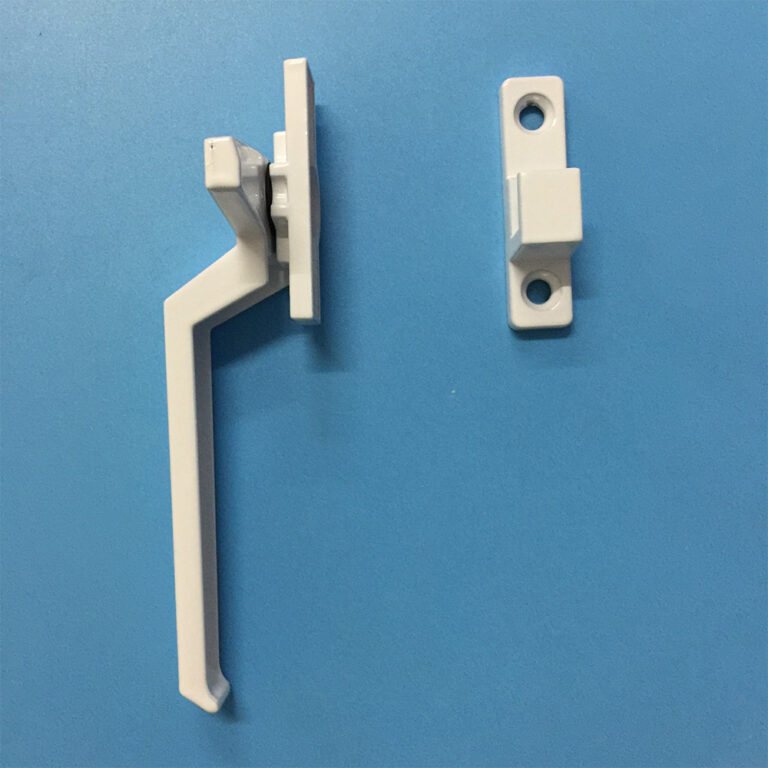
A alavanca visível é apenas a interface do utilizador. Por trás dela encontra-se uma cadeia mecânica que pode incluir um eixo ou um garfo, uma caixa de velocidades, hastes, cames, ganchos, retentores, dobradiças, suportes de fricção, vedantes contra intempéries, elementos de fixação e o próprio perfil da janela.
Cada peça contribui para o atrito, a variação das tolerâncias ou a carga.
É por isso que um comprador que compare puxadores para janelas de batente do tipo «cam», «espag», «fork-drive» e «spindle-drive» deve começar pela interface oculta, em vez de pela silhueta da alavanca. Duas pegas podem parecer quase idênticas, embora transmitam o binário através de geometrias de ligação completamente diferentes. Da mesma forma, o próprio sistema de orientação da CHIER trata a folga, a arquitetura de bloqueio, a força de manobra e o ajuste de montagem como campos de especificações interligados, em vez de detalhes isolados de catálogo.
O torque revela tudo.
Quando um puxador se move suavemente com a folha aberta, mas fica pesado depois de a folha fechar, o problema reside normalmente no alinhamento do encaixe, na posição da dobradiça, na compressão da junta, na deformação da folha ou na geometria da moldura. Quando a resistência persiste com a folha aberta, é mais provável que se trate de atrito interno, corrosão, contaminação, mau encaixe ou desgaste da caixa de engrenagens.
Esta comparação entre a aba aberta e a aba fechada é um dos testes de diagnóstico mais rápidos que existem. O guia detalhado sobre alinhamento, compressão e lubrificação do fecho da janela explica por que razão nunca se deve atribuir a culpa a um puxador antes de todo o conjunto ter sido testado sob carga.
Um manípulo duro não é sinal de segurança. Na maioria das vezes, é sinal de desperdício de energia.
Comprimento da alavanca: a vantagem mecânica tem um preço
Uma alavanca mais longa reduz a força manual necessária para produzir um determinado binário. A relação é simples:
Binário = Força aplicada × Raio efetivo da alavanca
Ou:
T = F × r
A expressão “raio de alavanca efetivo” é importante. Não corresponde necessariamente ao comprimento total moldado do punho. Trata-se da distância perpendicular entre o eixo de rotação e o ponto onde o utilizador aplica efetivamente a força.
Considere um sistema que requeira 2,0 N·m do binário máximo:
Raio efetivo da alavanca
Força manual necessária
Força aproximada
60 mm
33,3 N
7,5 lbf
80 mm
25,0 N
5,6 lbf
100 mm
20,0 N
4,5 lbf
120 mm
16,7 N
3,8 lbf
A melhoria parece óbvia. Ao aumentar a alavanca de 60 mm para 100 mm, a força manual necessária diminui em cerca de 40%.
Mas mais tempo não significa, automaticamente, que seja melhor.
Uma maçaneta de janela mais comprida pode colidir com o rebordo, a persiana, a rede mosquiteira, a folha adjacente ou o acabamento da parede. Além disso, aumenta o momento fletor aplicado ao colo da maçaneta, à base, aos parafusos de fixação, ao eixo, ao garfo e à entrada da caixa de engrenagens. Pior ainda, a alavanca adicional pode permitir que os utilizadores forcem uma fechadura desalinhada a percorrer os seus últimos graus, transferindo os danos para partes mais profundas do sistema.
Essa é a verdade incómoda do setor: uma alavanca longa pode fazer com que um mecanismo defeituoso pareça temporariamente aceitável.
Por que razão o comprimento total é uma especificação errada
Rejeitaria um desenho que indicasse apenas o “comprimento da pega”.”
Uma especificação defensável deve incluir:
Localização do eixo de rotação
Raio efetivo até à zona prevista de pressão da mão
Comprimento útil do punho
Secção transversal da alavanca
Espessura do pescoço
Folga entre a alavanca e o quadro
Ângulo máximo de rotação
Posições bloqueadas, liberadas e em aberto
Limites de carga estática e de binário excessivo
Binário máximo de funcionamento em condições de instalação
O melhor design ergonómico de uma maçaneta de janela não é a alavanca mais longa. É a alavanca mais curta que permite aplicar a força de manobra necessária, mantendo ao mesmo tempo espaço para a mão, margem estrutural, resposta controlada e compatibilidade com a janela circundante.
E sim, a aparência continua a ser importante. Simplesmente vem em segundo lugar, depois da mecânica.
Folga de aperto: a dimensão que a maioria dos desenhos omite
Uma alavanca pode ser suficientemente comprida e, mesmo assim, ser muito incómoda de utilizar.
Porquê? Não há espaço.
A folga de manuseamento da maçaneta da janela é o espaço tridimensional utilizável disponível para os dedos e as articulações dos dedos antes, durante e após a rotação. Inclui a distância por baixo da alavanca, atrás do punho, ao lado do caixilho e ao longo de todo o percurso da alavanca.
Uma pega fina que obriga a apertá-la com a ponta dos dedos não é sinónimo de qualidade superior. Trata-se de um erro de design.
A folga deve ser verificada ao longo de toda a rotação
A folga estática apresentada numa alçado frontal não é muito reveladora. A folga mínima pode ocorrer a 30°, a 60° ou durante o movimento final de bloqueio, e não na posição de repouso do puxador.
A avaliação deve incluir:
Entrada com o dedo por baixo da alavanca
Espaço livre entre os nós dos dedos e o quadro
Posição do polegar junto aos botões ou aos cilindros das chaves
Distância livre em relação às tampas dos parafusos e às bordas da base
Interação com cortinas, persianas e redes mosquiteiras
Interferência entre caixilhos ou montantes adjacentes
Pontos de aperto no colo da pega
Espaço livre ao usar luvas de trabalho leves
Não existe um valor universal para a distância livre da maçaneta que se adapte a todos os perfis e grupos de utilizadores. Um programa prático de protótipos poderia comparar 30 mm, 35 mm e 40 mm lacunas, mas esses valores devem ser considerados como condições de teste e não como valores de conformidade automáticos.
A mão é que decide.
Um estudo laboratorial disponível através do Biblioteca Nacional de Medicina dos EUA constatou que a geometria, o tamanho e o material da superfície do cabo alteravam significativamente a produção de binário. O binário máximo foi indicado como sendo de aproximadamente 25% mais elevado com pegas elípticas em vez de circulares, 7% mais elevado com pegas maiores em vez de médias e 31% mais elevado com superfícies de borracha em vez de alumínio. Não se tratou de um teste a puxadores de janelas, pelo que não deve ser tomado como referência para normas de fenestração. No entanto, desmonta a suposição simplista de que a forma e a textura da superfície são meras escolhas estéticas.
Os designs embutidos e de perfil baixo exigem uma análise mais aprofundada
Os acessórios embutidos podem reduzir a saliência e são adequados para sistemas estreitos ou de correr. Podem também limitar o acesso dos dedos, concentrar a pressão nas pontas dos dedos e exigir um aperto em gancho que os utilizadores com menos força não conseguem manter.
A comparação entre puxadores embutidos, recuados e de montagem à superfície é útil porque enquadra a projeção, a acessibilidade, os requisitos estruturais e a aderência como compromissos interligados. Um recesso pouco profundo pode parecer elegante numa representação, mas falhar imediatamente quando testado por um utilizador com flexibilidade limitada dos dedos.
O mais bonito não é necessariamente o que tem melhor desempenho.
Binário de funcionamento: meça a curva, não apenas um valor conveniente
“Força de funcionamento: aprovado” não é um relatório de ensaio sério.
O binário de manobra da manivela da janela varia ao longo do curso. A força inicial necessária para iniciar o movimento pode diferir do binário de manobra durante o movimento, do engate final do retentor, da compressão da junta, da carga no batente final e do movimento de inversão.
No mínimo, eu registaria:
Binário de ruptura
Este é o binário máximo necessário para iniciar o movimento a partir do repouso. Um binário de arranque elevado pode indicar atrito estático, travões encravados, aderência das juntas, corrosão, lubrificante inadequado ou molas internas sobrecarregadas.
Binário de funcionamento
O binário de funcionamento é a força necessária ao longo do curso relativamente livre da alavanca. Qualquer variação ou oscilação pode indicar a existência de hastes dobradas, engrenagens com atrito excessivo, canais contaminados, mau alinhamento do eixo ou contacto irregular das cames.
Binário de engate
Este é, frequentemente, o valor mais revelador. O binário aumenta frequentemente à medida que as cames, os ganchos, os parafusos ou as alavancas encaixam nos seus encaixes e empurram a folha contra a vedação contra intempéries.
Um pico acentuado na fase final não é um “efeito de retroalimentação positiva”. Pode tratar-se de uma colisão.
Torque de retorno e torque inverso
A pega também deve ser testada durante o desbloqueio da fechadura. As molas de retorno, os batentes, as juntas comprimidas, a folga e as interfaces de acionamento danificadas podem produzir resultados diferentes em direções opostas.
As condições de teste que eu exigiria
Condição de teste
O que isso revela
Problema oculto comum
Apenas a pega
Resistência básica do rolamento e do trinco
Fundição com acabamento irregular, mola ou atrito interno
Mecanismo ligado, caixilho aberto
Resistência da caixa de velocidades e da transmissão
Engate deficiente do fuso, haste dobrada, contaminação
A faixa está fechada, os selos estão acionados
Binário máximo real instalado
Erro do fecho, sobrecarga da junta, queda da folha
Amostra de produção nominal
Desempenho previsto do projeto
Valor de aprovação de referência
Conjunto com limites de tolerância
Robustez de fabrico
Falha de empilhamento
Após os ensaios de ciclos
Desgaste e afrouxamento
Oscilação, aumento do atrito, perda de engate
Após o condicionamento à corrosão
Resistência ambiental
Falha no revestimento, grippagem, danos na superfície
A medição deve ser realizada utilizando um transdutor de binário calibrado ou uma chave dinamométrica alinhada com o eixo de rotação real. O relatório de ensaio deve identificar o modelo da maçaneta, o raio da alavanca, a direção da força, o dispositivo de fixação, o estado da folha, a quantidade de amostras, a temperatura, as unidades de medida, o histórico de ciclos e o limiar de aprovação/reprovação.
Caso contrário, o número é praticamente inútil.
Publicado pela CHIER Processo de controlo de qualidade e de ensaio de puxadores de janela distingue corretamente o ajuste dimensional, o binário de funcionamento, a resistência estática, a durabilidade cíclica, a avaliação do acabamento e o controlo de alterações. Exige ainda que a amostra, o dispositivo de fixação, o valor-alvo e os critérios de aceitação sejam definidos antes do ensaio. Esse é o nível mínimo de rigor de que um programa de um fabricante de equipamento original (OEM) necessita.
A regra dos 5 lbf: o que as orientações da ADA dizem realmente
É aqui que os departamentos de marketing se tornam imprudentes.
O Normas da ADA de 2010, Secção 309.4, estabelecem que as peças operacionais protegidas devem poder ser manuseadas com uma só mão, não devem exigir um aperto firme, nem o ato de beliscar ou torcer o pulso, e não devem exigir mais do que 5 lbf, ou 22,2 N, da força de ativação.
A linguagem específica do Windows é ainda mais direta. O Departamento de Justiça análise e comentários sobre as Normas da ADA de 2010 explica que, quando são disponibilizadas janelas que se podem abrir aos utilizadores do edifício, pelo menos uma janela num espaço acessível deve ter mecanismos de comando em conformidade com a Secção 309. Em seguida, esclarece um ponto controverso: o o fecho da janela fecha-se sozinho tem de cumprir o requisito de funcionamento de 5 lbf.
Isso não constitui uma declaração universal de que todas as maçanetas de janelas residenciais em todo o mundo devam funcionar com uma força inferior a 5 lbf. É necessário confirmar o tipo de edifício em causa, a jurisdição, o âmbito da acessibilidade, a adoção dos códigos locais e a função da janela.
Mas eu utilizaria 5 lbf como um parâmetro de referência sério na conceção, mesmo nos casos em que tal não seja obrigatório por lei.
Há outra armadilha. A força não é o binário.
Uma força tangencial de 22,2 N aplicada num raio efetivo de 100 mm gera aproximadamente 2,22 N·m de binário. A mesma força aplicada a 60 mm gera apenas 1,33 N·m. Por conseguinte, uma especificação que indique apenas “máximo de 5 lbf”, sem definir onde e como a força é aplicada, deixa margem para ensaios inconsistentes.
O alcance também é importante. O U.S. Access Board define um intervalo de alcance sem obstruções para as partes operáveis de 15 a 48 polegadas, com restrições adicionais nos casos em que um obstáculo aumente a profundidade de alcance. A ergonomia do punho pode, por isso, falhar antes mesmo de o utilizador tocar na alavanca.
Os acessórios para janelas adaptados às pessoas com deficiência não são uma funcionalidade destinada a uma minoria
O setor continua a falar sobre ferragens para janelas acessíveis como se estas se destinassem a um mercado especializado muito reduzido.
Os números dizem o contrário.
De acordo com o Indicadores de artrite do CDC, estima-se que 58,5 milhões de adultos norte-americanos têm artrite, enquanto 25,7 milhões relatam limitações de atividade relacionadas com a artrite. O CDC também cita uma projeção de 78 milhões de adultos com artrite até 2040.
Essa população inclui proprietários de habitações, hóspedes de hotéis, inquilinos, doentes hospitalares, pessoal escolar, funcionários de escritório, instaladores e técnicos de manutenção. Exclui também muitas pessoas com lesões temporárias, força de preensão reduzida após uma cirurgia, doenças neurológicas, mãos frias, mãos molhadas ou perda de força relacionada com a idade.
Portanto, não, a facilidade de utilização não é uma melhoria destinada a um nicho de mercado.
Trata-se de uma competência básica em matéria de produtos.
Uma pega acessível melhora, em geral, a usabilidade para todos, uma vez que evita o uso de pegadas estreitas, posições extremas do pulso, picos de força elevados e ações simultâneas. O desafio reside em preservar essa usabilidade em simultâneo com a segurança, a estanqueidade às intempéries, a resistência estrutural e um design compacto.
Esse equilíbrio tem de ser concebido. Não basta acrescentá-lo como uma frase na brochura.
Uma especificação para um puxador de janela que eu aprovaria
Uma especificação ergonómica credível para puxadores de janela deve descrever o utilizador, o mecanismo, a janela e o método de ensaio.
Gostaria de receber as seguintes informações antes de aprovar o equipamento de produção ou a produção em série:
Geometria
Registe o comprimento total da alavanca, o raio efetivo da alavanca, a zona de preensão útil, a secção transversal, os raios das arestas, a geometria do colo, a projeção da base, o ângulo de rotação e a folga mínima ao longo de todo o percurso.
Interface de funcionamento
Identifique se a alavanca utiliza um eixo quadrado, uma forquilha plana, uma forquilha de dois dentes, uma came direta, uma lâmina ou outro formato de acionamento. Registe a profundidade de engate, os centros de fixação, as tolerâncias de ligação e a folga permitida.
Sistema instalado
Defina as dimensões da folha, o peso da folha, o material da moldura, a configuração das dobradiças ou dos fechos de fricção, o mecanismo de acionamento, os pontos de fecho, os retentores, o material da junta, a compressão da vedação, o sentido de abertura e a exposição ambiental prevista.
Aceitação ergonómica
Defina limites específicos para cada projeto relativamente ao binário máximo, binário de arranque, ponto de aplicação da força de operação, folga de preensão, risco de esmagamento, utilização com uma só mão, posição do pulso e feedback tátil.
População de validação
Não faça os testes apenas com o engenheiro que concebeu a pega. Recorra a pessoas com diferentes tamanhos de mão, forças de preensão, idades e mãos dominantes. Inclua utilizadores que não tenham recebido instruções sobre a forma correta de segurar a pega.
Um design que só funciona depois de ser explicado já é, por si só, um fracasso.
Controlo da produção
Associar a amostra aprovada a uma revisão controlada do desenho, a um plano de inspeção, a um método de ensaio de binário, a um requisito de ciclo, a uma especificação de material, a um sistema de acabamento, a um método de embalagem e a um processo de aprovação de alterações.
Para os compradores OEM, O programa de fabrico de puxadores para portas e janelas da CHIER abrange o estilo personalizado do punho, o tamanho, a montagem, o design do eixo, o acabamento, a produção de amostras e a produção em série. Essas discussões devem ter início antes de a geometria da alavanca ficar definida nas ferramentas de produção.
FAQs
O que é a ergonomia dos puxadores das janelas?
A ergonomia das maçanetas de janela consiste na conceção da geometria da alavanca, do acesso ao punho, da força manual necessária, da postura do pulso, do feedback e do alcance, de modo a que o utilizador possa destravar, rodar e fechar uma janela com segurança com uma só mão ao longo de todo o ciclo de funcionamento, incluindo a compressão realista da vedação e o desalinhamento do caixilho.
Deve ser avaliado com base na janela completa e não apenas numa amostra isolada do puxador. O comprimento da alavanca, a área de preensão útil, a textura da superfície, o atrito do mecanismo, a posição do retentor e o alinhamento da folha influenciam, todos eles, a experiência final do utilizador.
Qual é o melhor comprimento para a alavanca de uma maçaneta de janela?
O comprimento ideal da alavanca da maçaneta de janela é o raio efetivo mais curto que mantém a força máxima de operação dentro dos objetivos do projeto em termos de utilizador e acessibilidade, preservando simultaneamente a folga, a resistência estrutural, a proporção visual e o controlo do fecho; deve ser selecionado com base no binário medido do sistema, e não copiado do catálogo de um concorrente.
Uma alavanca mais comprida reduz a força exercida pela mão, mas pode aumentar o risco de colisão, a tensão nos componentes e a capacidade do utilizador de forçar uma fechadura defeituosa. Registe a distância entre o eixo de rotação e a zona real de pressão da mão, e não apenas o comprimento total decorativo.
Qual deve ser a distância livre de preensão de um puxador de janela?
A folga do punho da manivela da janela é o espaço mínimo desobstruído à volta e por baixo da alavanca que permite que os dedos e as articulações entrem, envolvam a alavanca e a movam ao longo de toda a rotação sem ficarem presos, sem roçarem na moldura, sem baterem nas persianas e sem terem de agarrar com a ponta dos dedos; não existe um valor universal em milímetros que se adapte a todos os perfis.
Verifique a folga utilizando protótipos físicos e mãos de vários tamanhos. Verifique todos os ângulos da alavanca, não apenas a posição de repouso, e inclua rebordos próximos, ecrãs, persianas, caixilhos adjacentes, tampas de parafusos, cilindros de fechadura e pontos de aperto no pescoço do puxador.
Como se mede o binário de funcionamento da maçaneta de uma janela?
O binário de funcionamento do manípulo da janela é medido através da aplicação de um transdutor de binário calibrado ou de uma chave dinamométrica no eixo definido do manípulo, registando os valores de arranque, de funcionamento, de binário máximo de engate, de fim de curso e de retorno, com a folha tanto aberta como fechada, repetindo-se depois o ensaio em várias amostras e condições de tolerância.
Os relatórios devem identificar o raio de alavanca efetivo, o dispositivo de fixação, a direção da força, a configuração da janela, o estado da vedação, a quantidade de amostras, a temperatura, o histórico de ciclos e os critérios de aceitação. Testar apenas a maçaneta solta permite avaliar apenas a maçaneta — e não o sistema de janela instalado.
Como é que se pode reduzir o binário de funcionamento da manivela da janela?
Reduzir o binário de manobra da manivela da janela implica eliminar a resistência desnecessária de toda a cadeia de manobra — rolamentos da manivela, engate do eixo ou da forquilha, caixa de engrenagens, hastes, cames, retentores, dobradiças, vedantes e alinhamento da moldura — antes de aumentar o comprimento da alavanca, uma vez que uma alavanca mais longa pode ocultar defeitos ao mesmo tempo que aumenta as cargas noutros pontos.
Comece por comparar o funcionamento com a folha aberta e com a folha fechada. Corrija a queda incorreta da folha, a colisão com o encaixe, a compressão excessiva da vedação, a contaminação, a corrosão, as peças de transmissão deformadas e a lubrificação inadequada antes de substituir a alavanca.
O limite de 5 lbf previsto na ADA aplica-se aos puxadores das janelas?
A conformidade com a norma ADA relativa aos puxadores de janelas significa que uma janela que deva ser operável num espaço acessível deve ter os seus comandos dentro dos intervalos de alcance aplicáveis e poder ser operada com uma só mão, sem necessidade de agarrar com força, beliscar, torcer o pulso ou aplicar uma força de ativação superior a 5 lbf; o âmbito do projeto e a adoção da regulamentação local ainda carecem de confirmação.
O Departamento de Justiça afirmou expressamente que o próprio fecho da janela deve estar em conformidade quando se aplicam a Secção 229 e a Secção 309. Uma vez que a força e o binário são grandezas diferentes, a documentação dos ensaios deve também definir o raio da alavanca e a direção da força.
Transformar a ergonomia numa especificação quantificada
Deixem de aprovar puxadores de janela com base no acabamento, em fotografias ou em alegações sem fundamento sobre um manuseamento confortável.
Meça o raio efetivo da alavanca. Trace o contorno completo do espaço livre. Registe o binário de libertação e o binário máximo de engate. Realize o teste com a folha aberta, fechada, condicionada e montada dentro dos limites de tolerância. Em seguida, repita a avaliação com utilizadores que não tenham participado na conceção do produto.
Para uma nova maçaneta OEM, um programa de substituição ou um sistema completo de janelas de alumínio, envie o desenho do perfil, a interface da fechadura, os dados da folha, a força de manobra pretendida, o espaço livre, os requisitos de acabamento, o volume anual e as expectativas em termos de ensaios através da CHIER’s Pedido de informação sobre um projeto de ferragens para portas e janelas.