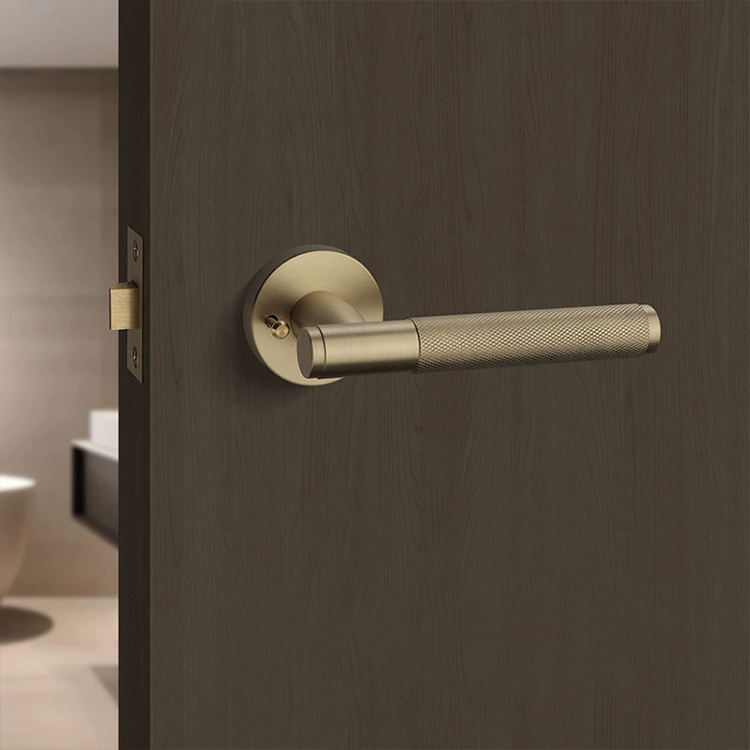
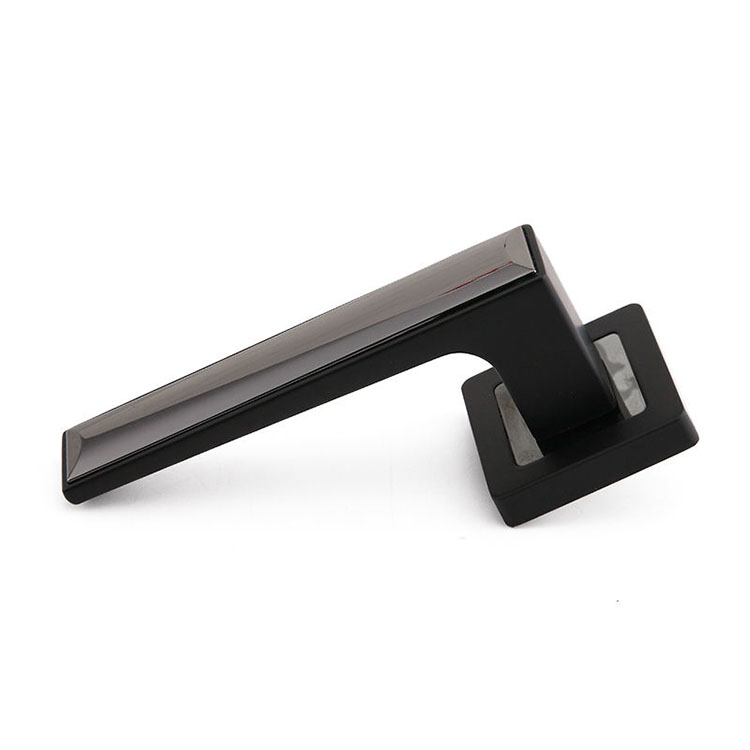
Procura soluções de hardware que cumpram as normas europeias e americanas?
Utilize este modal de inquérito guiado para passar de um formulário de orçamento genérico para uma conversa técnica mais clara. Os compradores podem escolher se precisam de preços, ficheiros CAD / 3D ou suporte OEM / ODM antes de partilharem os detalhes de contacto.
Conceção que privilegia a compatibilidade entre sistemas de portas e janelas
Produção repetível com pontos de controlo de inspeção claros
Documentação e controlo de alterações para programas de longa duração
Suporte de engenharia reativo para feedback de ajuste e de campo
Amostragem: protótipos + validação da instalação + controlos funcionais
Falar com o nosso chefe
No. 8 South Sanjian Development Zone, Bajia, Jinsha, Danzao Town, Nanhai District, Foshan, Guangdong, China
I have watched buyers spend serious money on glass panels, aluminum profiles, matte-black handles, and glossy catalog photos, then ruin the whole user experience with a sliding door that slams, rebounds, rattles, or stops two millimeters short because nobody respected the closing phase. Why does this still happen?
Because the industry often treats the sliding door damper as an accessory. I think that is wrong. A damper is the part that controls the last emotional second of the door.
When a customer slides a wardrobe door, balcony door, cabinet door, hotel partition, or aluminum-framed interior panel, they do not mentally separate the rail, roller, latch, guide, buffer, and soft-close unit. They feel one thing: quality. If the door glides smoothly but finishes with a bang, the entire system feels cheaper than it is.
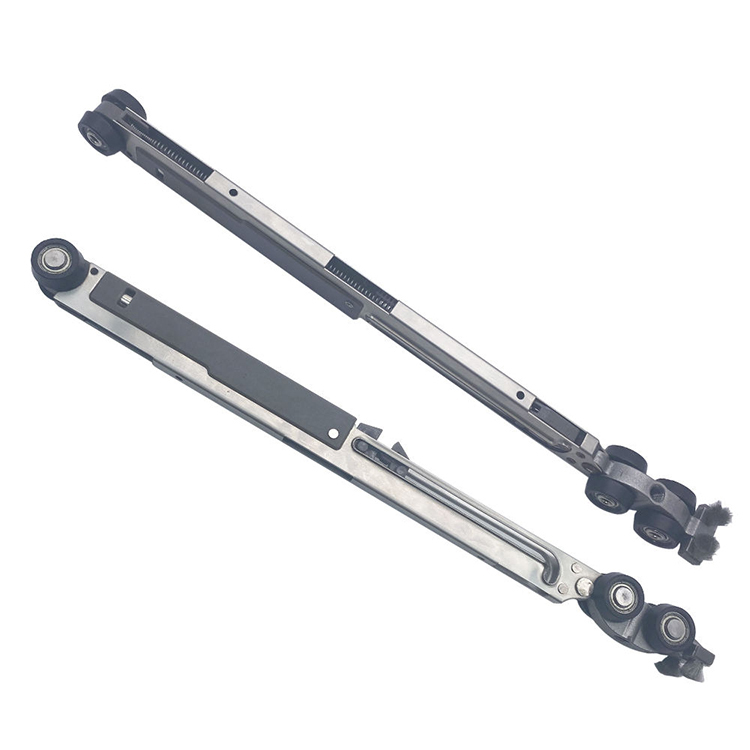
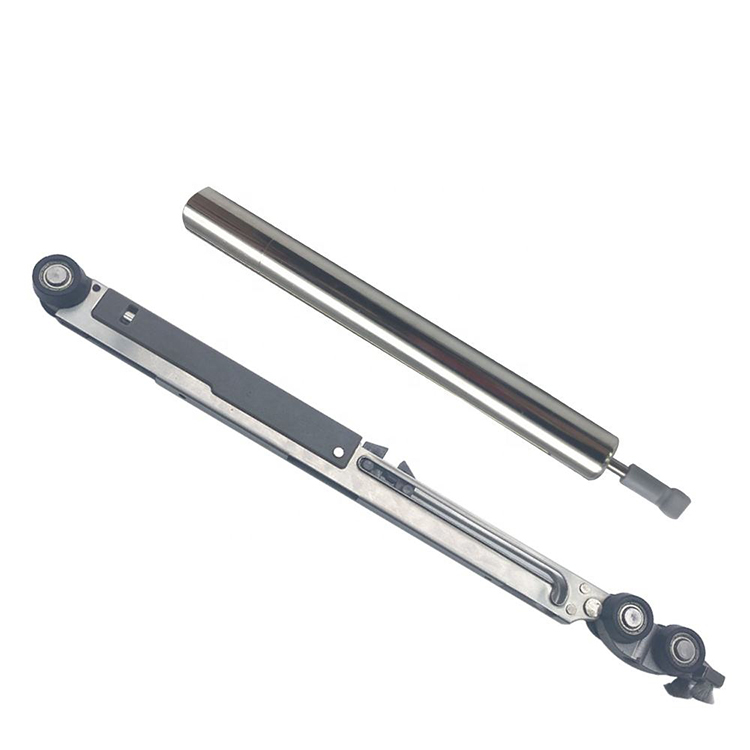
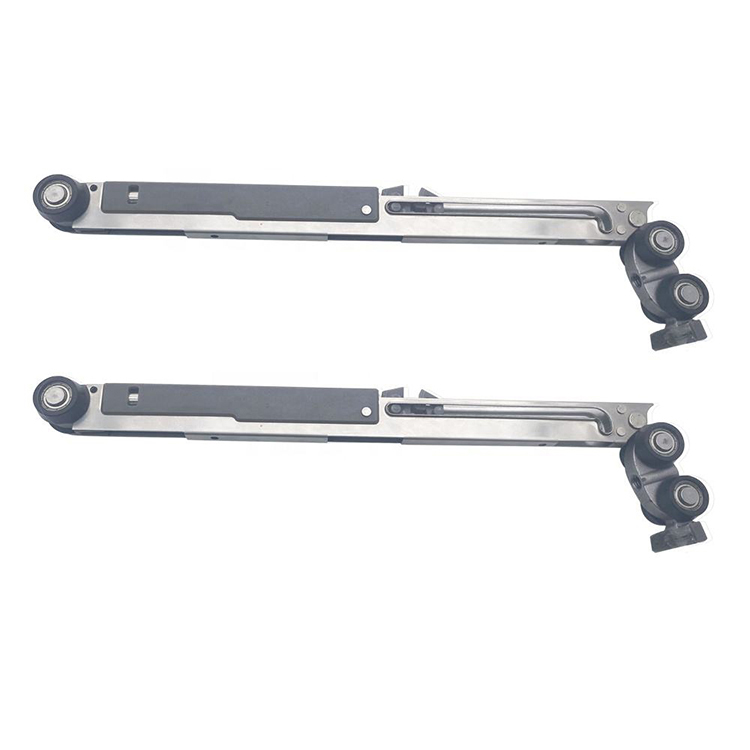
That is why a properly matched Chier metal sliding door soft close damper hardware should be discussed early in the specification, not after the rail supplier has already frozen the design. The product page describes the damper’s job plainly: it captures momentum from heavy sliding doors or windows and decelerates them into a quieter, controlled close. (Foshan Chier)
No glamour here. Just control.
Índice
What a Sliding Door Damper Actually Does
A sliding door damper is a mechanical motion-control device that absorbs closing energy, slows the door near the end of travel, and pulls or guides the panel into a controlled final position instead of letting it slam into the frame, stopper, latch, or adjacent panel.
In plain English, it takes the violence out of the last 50–100 mm.
A soft close sliding door mechanism usually combines a spring, catch hook, piston, housing, and mounting bracket. The user pushes the panel. The damper engages. The spring captures the door. The hydraulic or friction-control element bleeds off speed. The door closes with a slow, quiet pull.
Parece simples. Mas não é.
The hard truth is that a sliding door soft close damper is only as good as the system around it: panel weight, roller quality, rail straightness, installation tolerance, door thickness, latch geometry, frame stiffness, and user force. I have seen “premium” projects fail because the damper was chosen by catalog photo instead of panel mass and travel behavior.
For OEM buyers, this is where the wider window and door accessories category matters. A damper should not be isolated from handles, latches, locks, guides, and rail-end stops. The category page positions these parts as engineered door and window hardware for reliable OEM supply, which is exactly the mindset this component needs. (Foshan Chier)
The User Experience Problem Nobody Wants to Price Correctly
Most sliding door complaints are not dramatic. They are small annoyances repeated thousands of times.
A door slams at 11 p.m. A wardrobe panel bounces open. A child pulls too hard. A hotel guest hears the next room’s closet door. A showroom visitor feels a harsh stop and quietly decides the product is “not premium.”
And yes, safety belongs in the same conversation as feel. A U.S. pediatric injury study using National Electronic Injury Surveillance System data estimated that 1,392,451 children aged 17 or younger received emergency treatment for door-related injuries from 1999 through 2008—about one injury every four minutes in the United States. The study is not about sliding dampers specifically, but it is a loud warning about uncontrolled door motion and pinch/impact risk. Read the data in Children Treated in United States Emergency Departments for Door-Related Injuries, 1999–2008. (Sage Journals)
Would I claim a damper solves every door injury risk? No. That would be marketing theater.
But would I specify a hydraulic sliding door damper on high-frequency residential, hospitality, senior living, school-adjacent, or wardrobe systems where uncontrolled closing is predictable? Yes, absolutely.
The U.S. Access Board’s ADA guidance is another useful signal, even though it deals mainly with accessible routes and door requirements rather than wardrobe dampers. The guide lists door closer timing of 5 seconds minimum from 90° to 12° e um 5 lbf maximum opening force for many manual doors, showing that controlled movement and low user effort are not cosmetic preferences; they are part of accessible design thinking. See the official U.S. Access Board guide on entrances, doors, and gates.
Sliding Door Damper vs Sliding Door Buffer: Stop Confusing Them
A sliding door buffer is usually a passive impact absorber. A sliding door damper actively controls movement.
That difference matters.
A rubber bumper may reduce impact noise at the very end of travel. It does not manage speed. It does not pull the door into the final position. It does not compensate for the user who shoves the panel harder than the showroom demo assumed. A proper sliding door soft close damper changes the closing behavior before impact happens.
User Experience Issue
Basic Sliding Door Buffer
Sliding Door Damper
Spec Detail I Would Check
Door slamming
Reduces final impact only
Slows the door before impact
Capture distance, damping force, panel weight range
Here is my unpopular opinion: if a buyer asks for the “best sliding door damper” without providing panel weight, rail type, door material, travel distance, expected annual cycles, temperature range, and mounting constraints, they are not sourcing. They are gambling.
The Real UX Gains: Noise, Safety, Force, and Trust
1. Quieter Closing Changes the Room
Noise is not just a decibel number. It is a signal.
A sliding wardrobe door damper can make a bedroom feel calmer because it removes the hard stop from daily use. A cabinet damper can make a kitchen feel better built. A hotel sliding door damper can stop one guest from waking another guest through a shared wall.
The World Health Organization notes that excessive environmental noise is linked with annoyance, sleep disturbance, hypertension, ischemic heart disease, tinnitus, cognitive impairment, and other health concerns. A sliding door is not traffic noise, obviously. But in product design, intermittent interior impact noise still shapes how people judge comfort. See the WHO’s environmental noise guidance. (世界卫生组织)
Small sounds matter.
2. Controlled Motion Feels Safer
A soft close sliding door mechanism reduces the speed of the moving panel near the strike side. That does not make the door child-proof. It does not remove all pinch points. But it makes the final motion less aggressive.
That matters in homes with children, senior living projects, clinics, hospitality rooms, schools, rental apartments, and high-frequency wardrobe systems.
The GAO reported in July 2022 that falls were the leading cause of death from unintentional injury among older adults in 2020, and that assessing and modifying the home environment can help prevent falls. Again, a sliding door damper is not a fall-prevention program. But smoother, lower-force, quieter home hardware belongs to the same design logic: reduce sudden movement, reduce awkward force, reduce surprise. See the GAO report Older Adults and Adults with Disabilities: Federal Programs Provide Support for Preventing Falls. (美国政府问责办公室)
3. The Door Feels More Expensive Than the Hardware Cost
This is where procurement teams get too clever and too cheap.
A damper may be one of the smaller line items in a sliding door assembly, yet it heavily influences the user’s judgment of the whole product. The hand remembers the close. The ear remembers the slam. The shoulder remembers the force.
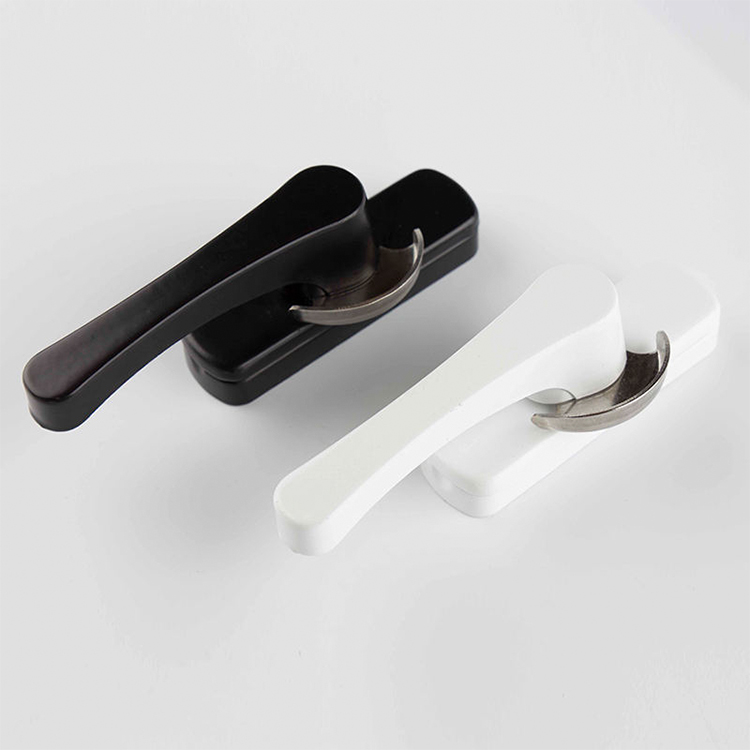
That is why I would pair the damper discussion with user-facing components such as puxadores de portas e janelas, because the handle starts the interaction and the damper finishes it. If the handle feels controlled but the panel crashes shut, the experience is inconsistent.
And inconsistency is where trust dies.
Where Sliding Door Dampers Earn Their Keep
Wardrobes and Closets
Sliding wardrobe door dampers are often the easiest UX win. Wardrobe doors are used daily, often early in the morning or late at night, and users tend to operate them distracted, half-awake, or with one hand.
A damper helps the door close without the sharp bang that makes cheap furniture feel cheaper. For private-label wardrobe brands, I would treat the soft close sliding door mechanism as a brand-protection part, not an upsell.
Aluminum and Glass Sliding Doors
Glass and aluminum systems punish bad closing behavior. Heavier panels carry more momentum. Narrow frames can amplify sound. Poor end stops can create an ugly metallic hit.
If the system also uses a latch, such as a stainless steel sliding door latch lock for aluminum and glass systems, then the damper has another job: help the panel arrive predictably so the latch does not fight misalignment. The latch page describes smooth operation and reliable security for sliding doors and windows, which is exactly where uncontrolled closing can become a fit-and-feel problem. (Foshan Chier)
Sliding Windows and Compact Panels
Not every sliding panel is a full door. Smaller sliding windows, cabinet panels, and recessed systems still benefit from controlled motion when the user expects quiet and precision.
O conjunto de fecho de mola para janela de correr is a useful adjacent example because it focuses on slim, recessed, daily-use operation. Its product page talks about the press, glide, and seating moment—exactly the micro-interactions that decide whether hardware feels refined or flimsy. (Foshan Chier)
How Do Sliding Door Dampers Work in the Real World?
A sliding door damper works by catching the moving panel near the end of its travel, transferring the door’s kinetic energy into a controlled spring-and-piston action, and slowing the final movement so the door closes gently rather than striking the frame at full user-applied speed.
That is the textbook answer. The field answer is uglier.
If the rail is bowed, the damper may engage late. If the roller resistance is too high, the soft-close unit may not pull the panel fully shut. If the panel is overweight, the piston may get overwhelmed. If the installer ignores fixing centers by 1.5 mm, the catch hook may scrape, click, or miss.
A decent spec should ask for:
Panel weight range, such as 20 kg, 40 kg, 60 kg, or 80 kg
Left-hand, right-hand, or double-side closing behavior
Minimum and maximum capture distance
Pull-in force after engagement
Cycle test target, such as 20,000, 50,000, or 100,000 cycles
Rail compatibility and fixing center tolerance
Temperature behavior, especially for hydraulic damping oil
Corrosion exposure, including indoor dry, bathroom humidity, or coastal air
Replacement access after installation
I do not trust soft-close samples that only work on a bench rail. I want them tested inside the actual profile system with the actual door mass, actual guide, actual latch, and actual installer tolerance.
The Procurement Trap: Buying Dampers by Unit Price
So let us talk about money.
The cheapest sliding door damper can look wonderful in an RFQ spreadsheet. It can also become expensive after returns, field adjustments, replacement parts, customer complaints, and brand damage. The painful part is that the buyer who saved 18 cents per unit rarely sits on the service call.
For OEMs, the damper should be reviewed with the same seriousness as lock geometry. Chier’s guide to choosing door handles for multi-point lock systems makes this point in another hardware category: measurements, spindle size, screw centers, handing, and compatibility decide whether a part works. Dampers deserve the same discipline. (Foshan Chier)
My basic damper approval checklist is blunt:
Approval Item
O que eu quero ver
Porque é que é importante
Panel weight match
Tested range, not vague “heavy duty” claims
Wrong damping force causes slamming or incomplete close
Mounting drawing
Fixing centers, bracket depth, rail position
Installation tolerance decides engagement quality
Cycle data
20,000+ cycles minimum for light use; higher for OEM programs
Soft close failure appears after repetition
Material statement
Steel, zinc alloy, POM, nylon, stainless steel, or specified plastic
Unknown materials become warranty surprises
Damping type
Hydraulic, friction, spring-assisted, or hybrid
Closing feel changes by mechanism
Service access
Replaceable without destroying the door
No-access designs are hostile to maintenance
Latch coordination
Tested with lock or catch geometry
Smooth close is useless if the latch misaligns
Finish and corrosion plan
Salt-spray or humidity logic where needed
Bathrooms, coastal markets, and humid regions expose weak parts
The Best Sliding Door Damper Is Not Universal
The best sliding door damper is the one matched to the door assembly, not the one with the loudest catalog claim.
For a 12 kg cabinet panel, an overpowered unit can feel jerky. For a 70 kg glass sliding door, an underpowered unit is decoration. For a sliding wardrobe door, silence and smooth pull-in may matter most. For an aluminum balcony-style panel, alignment, latch arrival, and endurance may matter more.
That is why I dislike generic “best” lists in hardware sourcing. They ignore the door.
A real buyer should send drawings, panel weight, rail section, roller type, door thickness, installation method, expected usage, target market, and packaging requirements. If you want CAD, manuals, or documentation before approving a specification, the Foshan Chier download center is the kind of resource I would check before committing to volume.
FAQs
What is a sliding door damper?
A sliding door damper is a motion-control hardware component that slows a sliding door during the final closing stage, absorbs impact energy, and helps the panel finish quietly and predictably instead of slamming into the frame, latch, stopper, or neighboring door panel.
In practice, it is the hidden part that makes the door feel more expensive. Users may not know its name, but they notice the difference when it is missing.
How do sliding door dampers work?
Sliding door dampers work by engaging the moving panel near the end of travel, using a spring, catch, and hydraulic or friction-based damping element to capture momentum, reduce speed, and guide the door into a controlled soft-close position.
The important detail is timing. If the catch engages too early, the door feels heavy. If it engages too late, the panel still hits hard.
Is a sliding door soft close damper worth it?
A sliding door soft close damper is worth it when the door is used frequently, carries enough mass to slam, sits near sleeping or working areas, serves children or older users, or represents a premium product where noise and closing feel affect perceived quality.
I would not automatically add one to every cheap utility panel. But for wardrobes, glass systems, hotel rooms, cabinets, and OEM door lines, skipping it often feels short-sighted.
What is the difference between a sliding door buffer and a hydraulic sliding door damper?
A sliding door buffer is usually a passive bumper that cushions impact at the end of travel, while a hydraulic sliding door damper actively slows the door before impact by using controlled resistance to reduce speed and improve closing behavior.
A buffer says, “hit me softer.” A damper says, “do not hit that hard in the first place.” That is a very different user experience.
How do I choose the best sliding door damper?
The best sliding door damper is chosen by matching the damper to panel weight, rail geometry, catch position, closing direction, latch behavior, usage frequency, installation tolerance, corrosion exposure, and service access rather than choosing by appearance, generic load claims, or lowest unit price.
Ask for drawings. Ask for cycle data. Ask for a tested sample inside your actual door profile. Anything less is guesswork with packaging.
Os seus próximos passos
If you are specifying sliding doors for an OEM line, renovation program, wardrobe system, aluminum/glass door project, or private-label hardware range, stop treating the sliding door damper as a small optional part.