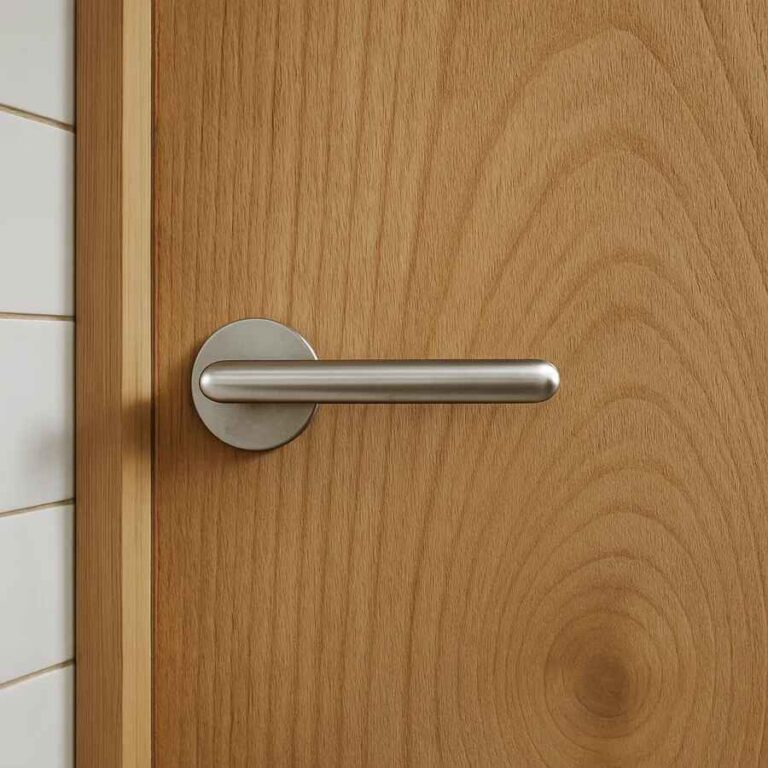
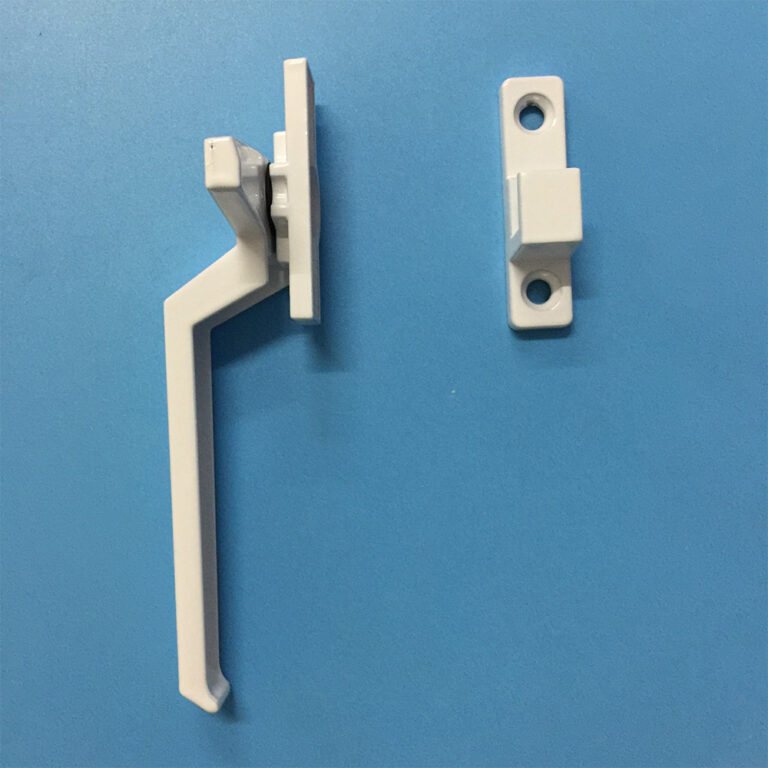
Ищете аппаратные решения, соответствующие европейским/американским стандартам?
Используйте этот модальный запрос, чтобы перейти от общей формы предложения к более четкому техническому разговору. Покупатели могут выбрать, нужны ли им цены, файлы CAD / 3D или поддержка OEM / ODM, прежде чем сообщать контактные данные.
Совместимость с другими дверными и оконными системами
Повторяющееся производство с четкими контрольными точками
Документация и контроль изменений для долгосрочных программ
Оперативная инженерная поддержка по вопросам подгонки и обратной связи на местах
Тем не менее, полная спецификация аппаратных компонентов для алюминиевой дверной или оконной системы должна объединять в одном контролируемом документе такие сведения, как механические интерфейсы, эксплуатационные нагрузки, размеры профилей, степень подверженности коррозии, требования к доступности, порядок замены, количество в упаковке, результаты испытаний и версии поставщиков.
Почему так много компаний до сих пор отправляют поставщикам таблицы с тремя столбцами?
Скажу прямо: большинство «спецификаций материалов» для оборудования на самом деле не являются спецификациями. Это просто списки закупок, замаскированные под инженерные документы.
“Чёрная ручка, четыре петли, один замок” — этого может хватить, чтобы узнать примерную цену. Но этого явно недостаточно для изготовления, проверки, установки, обслуживания и повторного заказа алюминиевой дверной или оконной системы без неприятных сюрпризов.
Правильная спецификация на двери и окна должна давать ответы на пять вопросов:
Какая именно деталь требуется?
Где это можно разместить?
Какие эксплуатационные характеристики он должен обеспечивать?
Как будет проверяться соответствие требованиям?
Что происходит, если деталь или чертеж изменяются?
Если упустить хотя бы один из этих моментов, риск никуда не исчезнет. Он просто переместится на более поздний этап, где его устранение обойдется дороже.
Спецификация комплектующих оборудования — это контрольный документ, а не список покупок
Спецификация комплектующих — это контролируемый технический документ, содержащий перечень всех закупаемых, изготавливаемых и упаковываемых компонентов, необходимых для сборки одной утвержденной конфигурации двери или окна.
Сюда входят такие очевидные элементы фурнитуры, как ручки, петли, замки, коробки, ролики, защелки и крепежные элементы. Сюда также входят детали, о которых покупатели обычно забывают:
Шпиндели и соединительные стержни
Угловые приводы и удлинительные штанги
Прокладки и подкладки
Устройства, предотвращающие подъем
Ограничители и устройства регулирования открытия
Втулки, шайбы, зажимы и стопорные кольца
Упорные пластины и регулировочные винты
Прокладки под накладками или основаниями фурнитуры
Резьбовые фиксаторы
Требования к смазке
Идентификационные этикетки
Шаблоны установки
Номера запасных частей
Количество в упаковке и в картонной коробке
Мелкие детали приводят к серьезным сбоям.
Отсутствие фиксирующего зажима стоимостью 0,08 евро может привести к тому, что дверной узел стоимостью 600 евро перестанет функционировать. Незафиксированное изменение диаметра шпинделя на 2 мм может привести к тому, что целый контейнер ручек будет выглядеть правильно, но они так и не будут входить в зацепление с редуктором. Замена винта на оцинкованный может вызвать коррозию рядом с алюминиевым профилем, который в остальном имеет отличную отделку.
Именно поэтому я начинаю с системы, а не с каталога.
Прежде чем выбирать отдельные SKU, ознакомьтесь с доступными дверные и оконные ручки, дверные и оконные петли, и аксессуары для окон и дверей в виде семейств связных компонентов. На сайте эти семейства разделены для удобства навигации, однако готовое отверстие должно функционировать как единое целое.
Закрепите архитектуру системы перед вводом артикулов
Худший момент для выяснения логики подключения — это после того, как поставщик уже предоставил коммерческое предложение на оборудование.
Для начала определите полную конфигурацию двери или окна. Прежде чем приступить к составлению спецификации, я использую одностраничный идентификационный лист системы.
Запись:
Название системы или платформы
Тип двери или окна
Открывание внутрь или наружу
Работа левой или правой рукой
Одностворчатая, двустворчатая или многостворчатая конструкция
Фиксированные, распашные, маркизные, раздвижные, поворотно-откидные, подъемно-раздвижные или складные конструкции
Габаритные размеры рамы
Размеры и масса створки
Серия алюминиевых профилей
Толщина стекла и расчетная масса застекленной створки
Конструкция с терморазрывом
Целевое значение сжатия прокладки
Целевой рынок и условия установки
Требования к безопасности, доступности, защите от ветра, воды, огня или к эвакуационным путям
Расчетный срок службы и целевое количество рабочих циклов
Серия «Finish Family» и линейка глянцевых покрытий
Не пишите “стандартное окно с распашной створкой”.”
Не существует универсального стандартного окна с распашной створкой. Жилая створка размером 600 × 900 мм и коммерческая створка размером 1 400 × 2 200 мм могут иметь одно и то же торговое название, но при этом требовать совершенно разных петель, расстояния между точками запирания, крутящего момента при открывании, ограничителей и способов крепления.
Соберите набор алюминиевой дверной фурнитуры
Для типичной алюминиевой двери на петлях может потребоваться:
Ручка-рычаг, ручка-тяга или антипаниковая фурнитура
Накладки или задние панели
Шпиндель и крепежные винты
Замковая коробка или редуктор
Цилиндр и винт для крепления цилиндра
Передняя панель
Защелка и ригель
Верхние и нижние удлинительные стержни
Крюки, ролики, болты или фиксаторы грибовидной формы
Фиксаторы или защелки
Петли, шарниры или скрытые петлевые узлы
Доор-клозер или напольная пружина
Принадлежности для порогов и уплотнений
Задвижки для неактивных стволок
Координатор дверей для парных створок
Ограничитель или устройство удержания в открытом положении
Крепежные детали, прокладки и регулировочные элементы
Каждый элемент должен соответствовать профилю двери, направлению открывания, массе створки, направлению открывания, отделке и утвержденной испытательной конфигурации.
Соберите набор алюминиевой оконной фурнитуры
Для типичного окна с распашной створкой или поворотно-откидной створкой может потребоваться:
Рабочая рукоятка
Шпиндель
Коробка передач или эспаньолетта
Шаттерны
Угловые подачи
Фиксирующие кулачки, ролики или грибовидные штифты
Сохраняет
Фиксаторы, петли или комплекты поворотных и откидных петель
Подъемник створки
Неправильное обращение с устройством
Ограничитель или устройство безопасности для детей
Компонент, предотвращающий резкое закрытие или подъем
Компонент положения вентиляции
Крепежные элементы и прокладки
Защитные колпачки
Шаблоны установки
Ручка — это лишь видимая часть. Именно система, расположенная под ней, определяет, будет ли створка равномерно сжиматься, обеспечивать водонепроницаемость, работать без заклиниваний и оставаться исправной.
14 полей в спецификации, которые я ни за что не оставил бы пустыми
Описание детали само по себе является недостаточным доказательством. Каждая строка должна содержать достаточно информации, чтобы специалисты отделов проектирования, закупок, контроля качества, сборки и послепродажного обслуживания могли идентифицировать одну и ту же деталь без дополнительных толкований.
Поле «Список материалов»
Обязательные данные
Что происходит, когда его нет
Номер артикула
Уникальный идентификатор строки спецификации
В чертежах и протоколах осмотра не допускается упоминание одного и того же узла
Внутренний артикул
Артикул подконтрольной компании
При закупках возникают дубликаты или неофициальные позиции
Артикул поставщика
Точный код производителя
Повторные заказы зависят от имен, фотографий или воспоминаний
Пересмотр
Изменение чертежа или технического задания
Старые и новые версии смешиваются
Описание компонента
Функциональное, однозначное имя
“Термины ”замок“ и ”шарнир» имеют разное значение для разных команд
Приложение
Тип двери/окна, способ открывания, расположение
Визуально похожая деталь используется не в той системе
Передача
Влево, вправо, в обоих направлениях, внутрь, наружу
Детали поставляются механически несовместимыми
Количество в комплекте
Точное количество единиц и единица измерения
Выявляются недостачи при упаковке и ошибки в расчетах
Размеры интерфейса
Расстояние между защелками, расстояние между центрами, шпиндель, схема расположения отверстий, высота стопки
Фурнитура не подходит к алюминиевому профилю
Материал
Сплав, полимер, марка нержавеющей стали или подложка
Прочность и коррозионные характеристики становятся непредсказуемыми
Отделка
Цвет, метод обработки, класс покрытия, блеск, текстура
Компоненты не совместимы или не выдерживают воздействия
Требования к производительности
Нагрузка, крутящий момент, количество циклов, безопасность, коррозия, усилие
Поставщик заменяет деталь на более дешевую, но менее прочную
Протокол проверки
Чертеж, отчет, сертификат, метод проверки
“Утверждено” невозможно доказать впоследствии
Справочная информация по услугам
Артикул замены и примечания по совместимости
Для ремонта на месте требуется полная замена аппаратных компонентов
Мое строгое правило простое: если незаполненное поле может повлиять на соответствие требованиям, функциональность, безопасность, внешний вид, соответствие нормативным требованиям или согласованность при повторном заказе, то оно не является необязательным.
Указывайте интерфейсы, а не только компоненты
Ошибка выбора оборудования на уровне интерфейсов.
Даже высококачественная ручка может выйти из строя, если её шпиндель слишком короткий. Прочная петля может ослабнуть, если винты закреплены недостаточно прочно. Правильно обработанный редуктор может заклиниться, если толщина покрытия или допуски по профилю приводят к смещению плоскости установки.
Таким образом, для каждого основного элемента аппаратного обеспечения должна быть разработана спецификация интерфейса.
Соединение рукоятки и шпинделя
Запись:
Сечение шпинделя, например 7 × 7 мм или 8 × 8 мм
Материал шпинделя
Длина шпинделя
Глубина заделки
Центры крепления ручек
Размеры розетки или задней панели
Диаметр винта, шаг, класс качества и длина
Угол поворота
Требования к возвратной пружине
Выступ и зазор
Передача
Расстояние между цилиндрами (если применимо)
Ни в коем случае не соглашайтесь на формулировку “шпиндель входит в комплект”. «Входит в комплект» не является техническим требованием.
Соединение между замковым корпусом и редуктором
Запись:
Обратный ход
Расстояние от рукоятки до центра цилиндра
Ширина и толщина лицевой панели
Форма лицевой панели
Глубина замкового корпуса
Размер следящего элемента шпинделя
Расположение отверстий под винты
Направление защелки
Вылет ригеля или крючка
Тип соединения стержня
Рабочий ход
Требуемый крутящий момент
Вовлеченность вратарей
Справочник по профильной обработке
Для многоточечных систем также необходимо указать количество точек фиксации, положения центров, общую длину лицевой пластины, длину удлинительных стержней и допустимый диапазон регулировки для каждого фиксатора.
Соединение шарнира и фрикционного фиксатора
Запись:
Максимальная испытанная или утвержденная масса створки
Диапазон ширины и высоты створки
Угол открытия
Высота стопки
Длина трассы
Расположение монтажных отверстий
Спецификация крепежа
Расстояния по краям
Необходимое усиление
Диапазон регулировки
Сочетание материалов
Коррозионное воздействие
Инструкции по смазке
Номинальная нагрузка, указанная в каталоге петель, не всегда соответствует номинальной нагрузке вашей системы. На это влияют такие факторы, как геометрия, крепеж, усиление, центр тяжести, угол раскрытия и качество монтажа.
Характеристики материалов и отделки должны быть поддающимися измерению
“Алюминиевый сплав” — этого недостаточно.
В качестве материалов для изготовления компонентов могут использоваться литой под давлением алюминий ADC12, экструдированный алюминий 6063-T5, обработанный алюминий 6061-T6, цинковый сплав, нержавеющую сталь 304, нержавеющую сталь 316, углеродистую сталь, латунь, POM, PA66-GF30, EPDM и другие инженерные материалы. Это примеры, а не взаимозаменяемые варианты.
В спецификации материалов (BOM) следует указать название утвержденного материала или дать ссылку на спецификацию контролируемого материала.
Такая же строгость соблюдается и в отношении видов отделки. Название “черное порошковое покрытие” практически ничего не говорит производителю.
Документ:
Процесс предварительной обработки
Система нанесения покрытий или гальваники
Код цвета по спецификации или утвержденный эталонный образец
Ассортимент глянцевых покрытий
Текстура
Диапазон толщины пленки
Требования к адгезии
Требования к испытаниям на коррозионную стойкость
Требования к УФ-стойкости или атмосферостойкости
Утвержденный метод ретуширования
Защищенные поверхности косметического назначения
Защита упаковки
Кроме того, я всегда провожу проверку на гальваническое замыкание, если детали из алюминия, нержавеющей стали, стали с гальваническим покрытием, латуни или на основе цинка соприкасаются в условиях влажной среды или среды с высоким содержанием хлоридов.
Красивые образцы обманчивы.
Покрытие может выдержать испытание за столом переговоров, но выйти из строя через шесть месяцев под воздействием соленого воздуха, щелочных чистящих средств, скопившейся влаги, трения об упаковку или неаккуратного обращения монтажников. Именно поэтому в полезном перечне алюминиевой оконной фурнитуры указывается весь набор материалов, а не только видимый цвет.
Данные о производительности должны быть включены в спецификацию (BOM)
Спецификация должна содержать ссылки на подтверждающие данные, а не на такие расплывчатые формулировки, как “усиленная конструкция”, “устойчивость к погодным условиям” или “в соответствии с требованиями ADA”.”
Эти фразы — типичные рекламные клише.
Доступность нельзя сводить к форме рычага
Сайт Стандарты доступного дизайна ADA 2010 года требуется, чтобы соответствующие рабочие детали могли управляться одной рукой без необходимости крепкого захвата, зажимания или сгибания запястья, а усилие срабатывания не превышало 5 фунтов-сила (5 lbf) или 22,2 Н. Поэтому спецификация на доступное открывающее устройство должна определять тип ручки, место крепления, усилие приведения в действие, настройку доводчика, поведение защелки и полную конфигурацию в смонтированном виде — а не просто указывать рычаг.
И обеспечение соблюдения закона — это не просто теория. А Соглашение Министерства юстиции США, касающееся отелей AmericInn и Wyndham В документации были указаны двери, для открытия которых требовалось усилие в 15 фунтов, а защитная фурнитура располагалась на высоте 54 дюйма от пола, в то время как в указанных требованиях предусматривалось максимальное усилие в 5 фунтов для соответствующих межкомнатных дверей на петлях и расположение рабочей фурнитуры на высоте от 34 до 48 дюймов. Небрежно составленный перечень дверной фурнитуры может превратиться в перечень юридических недостатков.
Оконная защитная фурнитура заслуживает отдельной классификации в спецификации материалов
Согласно Пресс-релиз Комиссии по безопасности потребительских товаров (CPSC) по случаю Национальной недели безопасности окон 2026 года, по оценкам, в 2024 году около 5 600 американских детей в возрасте до 12 лет обратились в отделения неотложной помощи после падения из окон, причем примерно треть из них была госпитализирована; агентство также зафиксировало как минимум 25 случаев смерти детей этой возрастной группы в период с 2021 по 2023 год. Ограничители, защитные решетки, механизмы разблокировки и устройства контроля открывания — это не просто декоративные элементы.
Сайт Контрольный список по энергоэффективности дома от Министерства энергетики США указывается, что в типичном доме через окна теряется более 25% тепла. Фурнитура — не единственный фактор, но расположение фиксаторов, распределение точек запирания, выравнивание петель, степень сжатия уплотнителей и опора створки — все это влияет на то, удается ли в процессе производства обеспечить герметичность, предусмотренную проектом.
Федеральное агентство по чрезвычайным ситуациям (FEMA) также публикует рекомендации по ликвидации последствий урагана «Иан», в которых особое внимание уделяется проникновение воды через окна и двери. Урок в области закупок очевиден: окно или дверь следует рассматривать как единый узел ограждающей конструкции, а не как набор приобретенных по отдельности компонентов.
Перед утверждением спецификации я бы направил конфигурацию на прохождение задокументированной проверка соответствия алюминиевых окон и дверей техническим требованиям. На этой странице уделяется должное внимание сопоставлению меток, списков, отчетов и установленных конфигураций, а не доверию к сертификату, не связанному с фактической сборкой.
Составьте спецификацию за семь контролируемых этапов
Заполнение таблицы построчно — процесс медленный и ненадежный. Создавайте её поэтапно.
Шаг 1: Определить все варианты системы
Перед выбором оборудования создайте матрицу вариантов.
К возможным переменным относятся:
Дверь или окно
Тип открывания
Передача
Размер створки
Масса створки
Серия «Профиль»
Количество точек фиксации
Тип цилиндра
Тип ручки
Отделка
Уровень безопасности
Риски, связанные с прибрежным и внутренним расположением
Доступная конфигурация по сравнению со стандартной
Розничная, проектная или упаковка для замены
Это позволяет избежать ситуации, при которой одна “универсальная” спецификация может незаметно включать несовместимые продукты.
Этап 2: Составить функциональную разбивку
Разделите оборудование на функциональные группы:
Операция
Блокировка
Поддержка нагрузки
Герметизация и сжатие
Безопасность
Безопасность
Установка
Внешний вид
Идентификация
Упаковка и обслуживание
Каждая функция должна иметь ответственного. Если ни один из компонентов не выполняет данную функцию, проект может оказаться неполным. Если два компонента случайно выполняют одну и ту же функцию, в спецификации могут возникнуть излишние элементы или конфликты.
Шаг 3: Сопоставить каждую часть с профилем
Свяжите каждую строку оборудования со следующим:
Чертеж профиля
Чертеж механической обработки
плоскость установки
Базовая точка
Расположение отверстий
Минимальная толщина стенки
Армирование
Зацепление крепежного элемента
Корректирующая надбавка
Не позволяйте поставщикам самостоятельно определять размеры по фотографии.
Этап 4: Добавление характеристик CTQ
CTQ означает «критически важный для качества». Это параметры или характеристики, которые могут привести к нарушениям в области посадки, функциональности, безопасности или внешнего вида.
К примерам относятся:
Обратный ход
Размер шпинделя
Центры рукояток
Ширина лицевой панели
Ход штока
Положение точки фиксации
Высота хранителя
Набор шарниров
Длина фиксатора трения
Взаимодействие винтов
Толщина покрытия
Разница в цвете
Рабочий крутящий момент
Начальная сила
Каждый CTQ должен иметь номинальное значение, допуск, метод измерения, план отбора проб и ответственное лицо за ведение документации.
Шаг 5: Добавьте данные о закупках и поставках
Теперь добавьте:
Поставщик
Производитель
Страна происхождения
Минимальный объем заказа
Стандартная упаковка
Право собственности на инструмент
Номер инструмента
Примерный срок выполнения заказа
Срок изготовления
Целевой уровень страхового запаса
Утвержденный вариант
Цена последней покупки
Валюта
Инкотермс
Риск замещения
Статус «В конце срока службы»
Не допускайте, чтобы утвержденная альтернатива оставалась лишь на словах. Замена должна быть либо разработана, проверена, задокументирована и выпущена в производство, либо она не считается утвержденной.
Шаг 6: Приложите пакет доказательств
В спецификации материалов (BOM) должны быть указаны актуальные версии следующих документов:
2D-чертежи
STEP или другие 3D-файлы
Монтажные чертежи
Декларации о составе материалов
Технические характеристики отделки
Протоколы проверок
Протоколы испытаний
Сертификаты или декларации
Чертежи упаковки
Оформление этикетки
Инструкция по сборке
Утвержденные образцы
Разрешения на отклонения
Уведомления об инженерных изменениях
Центральный Библиотека программного обеспечения и документации это удобно, поскольку позволяет объединить файлы CAD/BIM, монтажные чертежи, руководства, сертификаты, декларации и спецификации упаковки в рамках единого рабочего процесса по подбору поставщиков.
Этап 7: Провести проверку физического состояния спецификации
Соберите один полный узел.
Затем разберите его.
Подсчитайте количество каждой отдельной детали, включая зажимы, шайбы, винты, крышки, этикетки, прокладки и расходные материалы. Сравните фактическое количество деталей с перечнем компонентов (BOM). Затем соберите устройство, руководствуясь исключительно перечнем компонентов (BOM), чертежами и инструкциями, доступными на производстве.
Нет «неписаных правил». Нет инженера, стоящего рядом с линией. Нет поставщика, отправляющего голосовое сообщение с указаниями по устранению неисправности.
Можно ли всё-таки правильно завершить сборку?
Пример структуры спецификации материалов (BOM)
В приведенном ниже упрощенном примере показан требуемый уровень детализации. Размеры приведены в качестве примера и не должны копироваться в серийный продукт без технической проверки.
Пункт
Компонент
Пример технического задания
Кол-во.
Проверка CTQ
Доказательства
10
Ручка створки
Интерфейс шпинделя 7 мм, правый, черная текстурированная поверхность
1
Центры фиксации, зацепление шпинделя, рабочий угол
Чертеж и утвержденный образец
20
Коробка передач
Расстояние до задвижки 22 мм, толкатель 7 мм, заданный ход штока
1
Расстояние между осями, посадка задвижки, рабочий крутящий момент
Чертеж и отчет о работоспособности
30
Удлинительная штанга
Матрица «длина отреза по высоте створки»
2
Длина, расположение отверстий, прямолинейность
График резки
40
Фиксирующий кулачок
Регулируемый роликовый или грибовидный тип
4
Положение кулачка и диапазон регулировки
Сборочный чертеж
50
Хранитель
С учетом особенностей профиля, с возможностью регулировки
4
Глубина зацепления и расположение крепежных элементов
Чертеж интерфейса профиля
60
Фрикционный фиксатор
Размер и грузоподъёмность, соответствующие створке
2
Длина рельса, высота штабеля, угол раскрытия
Запись о нагрузке и применении
70
Ограничитель
Начальный лимит, определяемый требованиями проекта
1
Максимальный ход и механизм срабатывания
Справочник по испытаниям на безопасность
80
Крепежный винт
Указаны диаметр, шаг, класс качества, покрытие и длина
12
Глубина проникновения и характеристики коррозии
Спецификация крепежа
90
Защитный колпачок
Материал и цвет соответствуют утвержденному образцу
2
Покрой и цвет
Косметический стандарт
100
Идентификационная этикетка
Справочная информация по системе, партиям и ревизиям
1
Точность данных и их достоверность
Оформление этикетки
Обратите внимание на то, чего здесь нет: “стандартный”, “подходящий”, “высокого качества” и “такой же, как образец”.”
Эти слова невозможно измерить.
Контроль версий — это именно та область, где, как правило, рушатся даже самые качественные спецификации
Контроль версий — это главное.
Когда в ходе инженерных изменений изменяются длина шпинделя, геометрия фиксатора, состав покрытия, длина винта или ход редуктора, но при этом не обновляются все связанные с ними чертежи, закупочные документы, планы контроля, инструкции по сборке, перечни технического обслуживания и этикетки на упаковке, компания фактически создает множество неофициальных вариантов продукции под одним артикулом.
Кто отвечает за эти изменения?
В каждой спецификации должны быть указаны:
Номер спецификации
Текущая версия
Дата выпуска
Статус
Изменить описание
Причина изменения
Затронутые варианты
Утилизация старых деталей
Реализация запасов
Требуется подтверждение
Разрешения
Эффективная производственная партия
Подтверждение поставщика
Требование об уведомлении клиентов
Ни в коем случае не переписывайте старую утвержденную спецификацию.
Выпустите новую версию. Сохраните историю изменений. Укажите, являются ли старые и новые детали взаимозаменяемыми.
Для пользовательских программ Процесс разработки оборудования для OEM/ODM предусматривает логичную последовательность этапов: требования, анализ технологичности (DFM) и проверка допусков, прототипы, верификация, пробное производство, серийное производство, отслеживаемость и контролируемые изменения. Это и есть правильная основа для преобразования спецификации (BOM) из инструмента для составления коммерческих предложений в документ, обеспечивающий повторяемость производственного процесса.
Контрольный список для окончательной проверки спецификации
Перед выпуском я задаю следующие вопросы:
Имеет ли каждая физическая деталь свою строку в спецификации?
Имеется ли для каждой строки спецификации утвержденный чертеж или техническое задание?
Разделены ли левые и правые компоненты?
Различаются ли варианты дверей и окон?
Количества определяются для каждой готовой сборки?
Указаны ли все характеристики крепежных элементов?
Можно ли количественно оценить требования к материалам и отделке?
Связаны ли размеры интерфейса с чертежами профилей?
Соответствуют ли масса створки и грузоподъёмность фурнитуры?
Рассматриваются ли устройства безопасности как контролируемые компоненты?
Задокументированы ли применимые требования к рабочей силе?
Указаны ли условия коррозии и воздействия окружающей среды?
Привязаны ли протоколы испытаний к конкретной конфигурации?
Документируются ли разрешенные замены?
Проводится ли контроль количества продукции в упаковках и этикеток?
Запасные части внесены в базу данных?
Сохраняется ли история изменений?
Сможет ли производственный персонал собрать устройство без устных инструкций?
Можно ли приобрести этот товар через два года, не задумываясь?
Может ли контроль качества объективно отбраковать бракованную деталь?
Достаточно одного “нет”, чтобы остановить выпуск.
Это может прозвучать резко. Но это дешевле, чем отзывать уже изготовленные окна, сортировать смешанные запасы, заново обрабатывать алюминиевые профили или объяснять руководителю проекта, почему утвержденная черная ручка не работает с утвержденным редуктором.
Вопросы и ответы
Что представляет собой полная спецификация фурнитуры для алюминиевой дверной или оконной системы?
Полная спецификация материалов (BOM) для алюминиевой дверной или оконной системы представляет собой технический перечень с контролем версий, в котором перечислены все рабочие, запорные, опорные, уплотнительные, защитные, монтажные, декоративные, упаковочные и сервисные компоненты, необходимые для одной конкретной сборки, с указанием количества, материалов, видов отделки, размеров сопряжений, эксплуатационных требований, критериев контроля и сопроводительной документации.
Он должен охватывать всё отверстие, а не только видимые крепежные элементы. Готовый документ должен позволять отделу закупок оформлять заказы, производственному отделу осуществлять сборку, отделу контроля качества проводить проверку, а сервисным бригадам производить замену компонентов, не полагаясь на память или устные пояснения.
Что должно входить в спецификацию комплектующих для алюминиевой дверной фурнитуры?
Спецификация комплектующих для алюминиевой дверной фурнитуры должна включать ручки, шпиндели, накладки, корпуса замков, цилиндры, лицевые панели, защелки, ригели, многоточечные удлинители, запирающие элементы, защелкивающие элементы, петли, доводчики, пороги, врезные задвижки, ограничители, крепежные элементы, прокладки, этикетки, упаковочные материалы, размеры сопряжений, требования к отделке, ссылки на испытания, количества, версии и утвержденные номера запасных частей.
Точный перечень зависит от типа двери. Для распашных входных дверей, подъемно-раздвижных дверей, складных дверей, противопожарных проёмов и парных дверей коммерческого назначения не существует единой универсальной спецификации.
Как избежать пропусков в перечне комплектующих для алюминиевых окон?
Лучший способ избежать пропусков деталей в перечне фурнитуры для алюминиевых окон — это создать функциональную схему фурнитуры, собрать и разобрать физический образец, пересчитать все компоненты и расходные материалы, сопоставить каждую деталь с утвержденным чертежом, а затем повторно собрать изделие, используя исключительно утвержденную спецификацию и инструкции.
Здесь учитываются зажимы, винты, прокладки, защитные колпачки, угловые приводы, предохранительные устройства и упаковочные элементы, которые редко фигурируют в первоначальных коммерческих предложениях. Кроме того, это позволяет выявить недокументированные знания по сборке до начала серийного производства.
В чём заключается разница между спецификацией материалов (BOM) и спецификацией оконной фурнитуры?
Спецификация фурнитуры представляет собой производственный и закупочный документ, в котором перечислены точные компоненты, количества, версии, материалы, интерфейсы и требования к проверке для конкретной сборки, тогда как перечень фурнитуры для окон и дверей, как правило, содержит сводную информацию о конфигурации фурнитуры, назначенной для каждого типа проема, фасада, помещения, проектной отметки или ссылки на архитектурную спецификацию.
График определяет для проектной группы, что требуется для каждого модуля. Спецификация материалов (BOM) точно указывает заводу, что необходимо закупить и собрать для изготовления данного модуля. В крупных проектах оба документа должны быть связаны между собой с помощью кодов модулей или систем, подлежащих контролю.
Когда следует обновлять спецификацию на двери и окна?
Спецификация на двери и окна должна обновляться при каждом изменении компонента, поставщика, материала, вида отделки, размера, допуска, количества, требований к испытаниям, способа упаковки, маркировки, схемы механической обработки, инструкции по монтажу, утвержденной альтернативы или взаимосвязи с заменителями, если такое изменение может повлиять на посадку, функциональность, безопасность, внешний вид, соответствие требованиям, стоимость или согласованность повторных заказов.
Не ждите следующего ежегодного обзора. Внесите изменения до того, как новый компонент поступит в производство, определите партию, с которой вступают в силу изменения, проконтролируйте остатки запасов и зафиксируйте, являются ли старая и новая версии взаимозаменяемыми.
Превратите свой список оборудования в производственную систему
Перестаньте запрашивать у поставщиков “полный комплект оборудования”.”
Отправьте пакет документов, готовый для включения в спецификацию, содержащий тип открывания, чертежи профилей, размеры створок, массу створок, матрицу направления открывания, размеры соединительных элементов, стандарт отделки, целевой рынок, эксплуатационные требования, ожидаемый объем, требования к упаковке и необходимую техническую документацию.
Затем запросите три результата работы:
Спецификация компонентов с пометками, содержащая артикулы поставщиков и версии
Анализ совместимости и технологичности, направленный на выявление недостающих данных или рисков, связанных с интерфейсами
Комплект физических образцов, сопровождаемый чертежами, критериями контроля и журналом контролируемых изменений
Сделайте это до того, как одобрить запуск серийного производства.
Полная спецификация аппаратных компонентов не сделает слабый проект сильным. Однако она позволит выявить несостоятельные допущения, пока их исправление ещё обходится недорого — и именно это необходимо для профессиональной программы по производству алюминиевых дверей и окон.