Bạn đang tìm kiếm các giải pháp phần cứng đáp ứng các tiêu chuẩn của châu Âu và Mỹ?
Hãy sử dụng cửa sổ pop-up hướng dẫn này để chuyển từ một biểu mẫu yêu cầu báo giá chung chung sang một cuộc trao đổi kỹ thuật cụ thể hơn. Khách hàng có thể lựa chọn xem họ cần thông tin giá cả, tệp CAD/3D hay hỗ trợ OEM/ODM trước khi cung cấp thông tin liên hệ.
Thiết kế ưu tiên tính tương thích cho các hệ thống cửa và cửa sổ
Sản xuất có thể lặp lại với các điểm kiểm tra rõ ràng
Việc lập tài liệu và kiểm soát thay đổi đối với các chương trình chạy dài hạn
Hỗ trợ kỹ thuật linh hoạt để đáp ứng các phản hồi về sự phù hợp và thực tế
Lấy mẫu: mẫu thử + kiểm tra độ phù hợp + kiểm tra chức năng
Hãy nói chuyện với sếp của chúng tôi
Số 8 Khu Phát triển Nam Sanjian, Bajia, Jinsha, Thị trấn Danzao, Quận Nanhai, Thành phố Foshan, Tỉnh Quảng Đông, Trung Quốc
I mean that in the plainest possible way: a handle, hinge, latch, lock keeper, gearbox, roller, seal, or soft-close damper looks minor on a quotation sheet, but once it is installed into a door or window system, it starts deciding how the whole unit moves, seals, locks, ages, passes inspection, and gets complained about by the end user.
So why do so many buying teams still treat door and window hardware like a cosmetic afterthought?
I have a blunt view: the cheapest accessory is often the most expensive part in the system. Not because the part itself costs much. Because it spreads failure everywhere. A weak hinge changes sash alignment. Poor weatherstripping lets the air path open. A sloppy gearbox makes the handle feel “premium” for three weeks and then cheap forever. A bad keeper ruins the lock. A mismatched roller makes a sliding door feel heavy even when the profile and glass are fine.
That is the dirty truth behind this door and window accessories buying guide: small hardware does not support the system. It becomes the system.
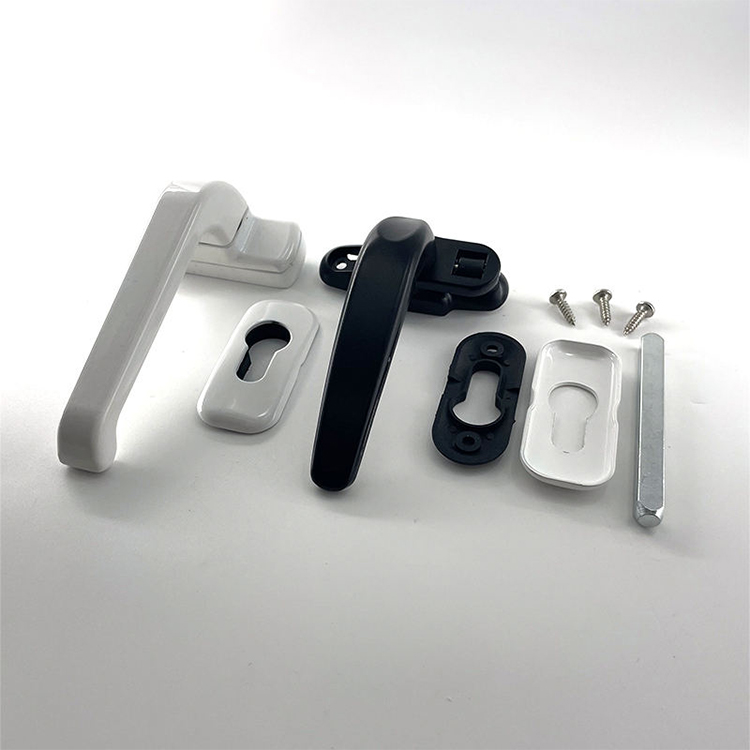
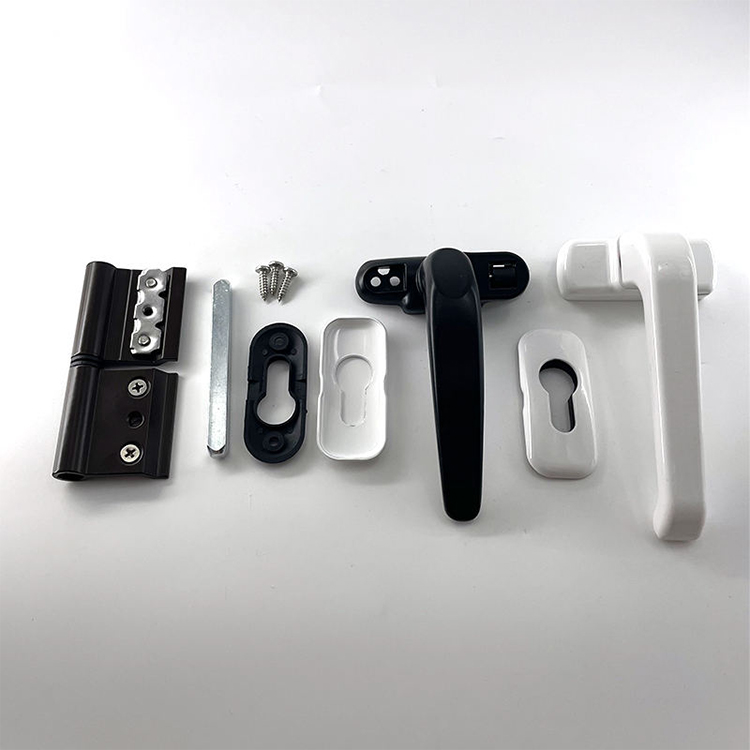
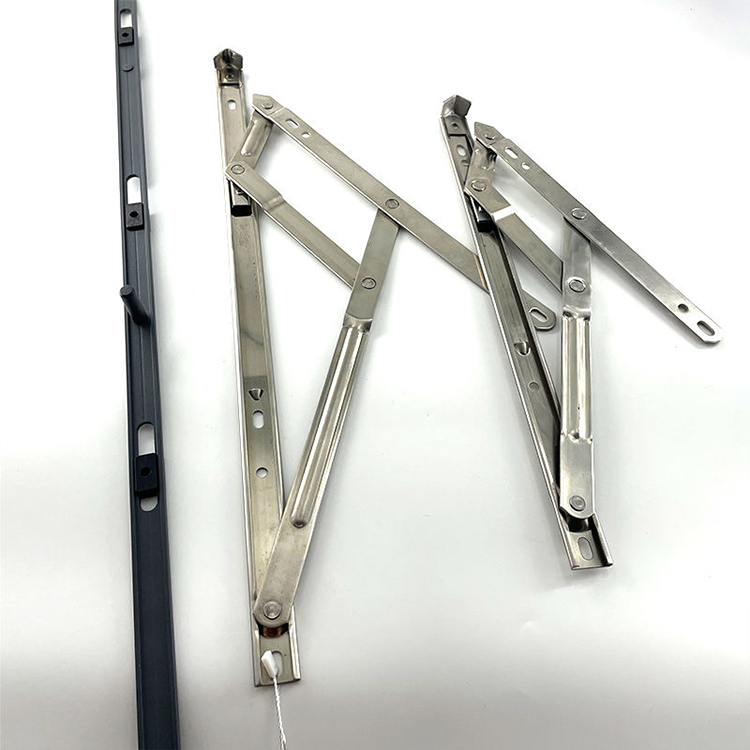
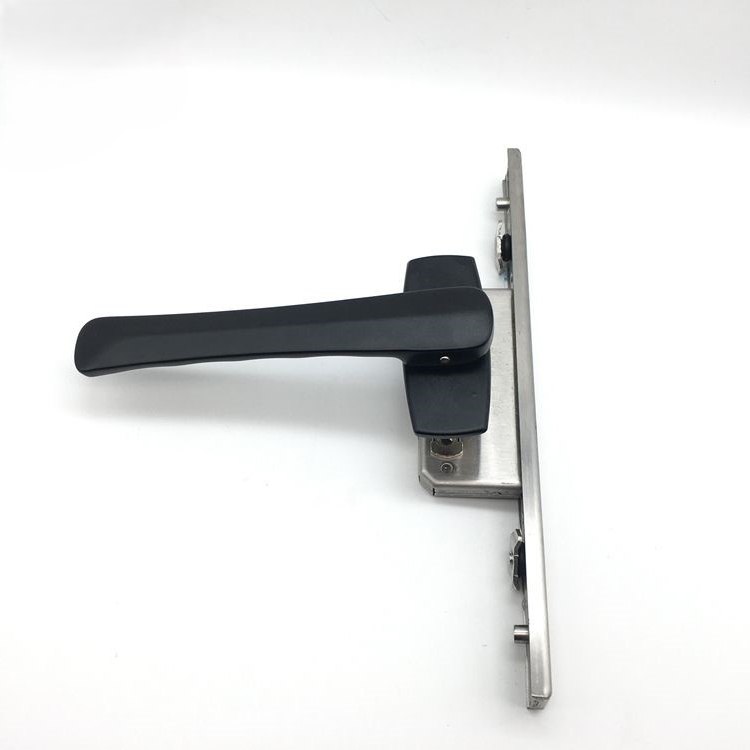
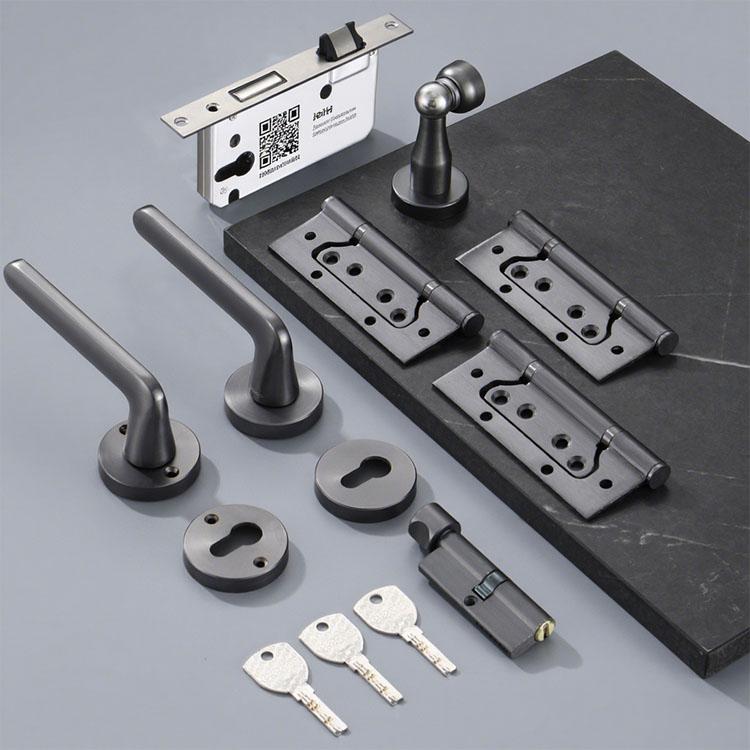
If you are sourcing for a brand, distributor, fabricator, or project pipeline, start with the product categories that actually carry risk. Chier’s window and door accessories category gives a useful map: multi-point locks, handles, hinges, gearboxes, latches, and finishing parts are not separate purchases; they are a connected operating chain.
Mục lục
Door and Window Hardware Is a System, Not a Shopping Cart
The phrase “door and window hardware” sounds tidy. It is not.
A working opening has force paths, tolerance stacks, user behavior, sealing pressure, security engagement, installation variation, surface exposure, and maintenance reality all fighting each other. When a buyer says, “Just quote the handle,” I hear a future warranty argument warming up in the background.
Look at the evidence. The U.S. Department of Energy says heat gain and heat loss through windows are responsible for 25%–30% of residential heating and cooling energy use. That statistic is usually used to sell better glass. Fine. But I think the industry hides something: energy performance also dies through bad sealing pressure, poor locking compression, distorted hinges, and window hardware parts that stop pulling the sash evenly against the frame.
A good IGU cannot save a lazy lock point.
ENERGY STAR also states that windows, doors, and skylights must meet U-factor and, where applicable, SHGC requirements based on climate zone, and that the current specification has been effective since October 23, 2023, according to its residential windows, doors, and skylights criteria. Those labels measure the unit, not your favorite accessory in isolation. That should make every hardware buyer nervous.
What I Check Before I Trust Any Door Hardware Accessories
I do not start with finish color. I start with abuse.
Can the handle survive repeated torque without wobble? Does the gearbox keep consistent engagement after cycle testing? Does the hinge hold geometry under actual sash weight, not brochure weight? Does the locking point compress the gasket evenly? Does the screw bite into reinforcement or just make everyone feel busy?
For handles, I want to see spindle compatibility, grip clearance, coating thickness, salt-spray expectation, and return-spring feel. For hinges, I want load rating, opening angle, friction behavior, screw pattern, material grade, and adjustment range. For locks and latches, I want engagement depth, keeper tolerance, anti-lift behavior, and whether the user can operate the sequence without thinking.
The user never says, “Your PA66-GF30 internal component has low dimensional stability.” The user says, “This window feels bad.”
That complaint can come from zinc alloy fatigue, 304 stainless corrosion staining, a weak aluminum 6063-T5 extrusion interface, or a keeper sitting 1.5 mm off where it should be. Same sound. Different root cause.
The Buying Matrix: Where Small Parts Attack the Whole Door or Window
A buyer who treats tay nắm cửa và cửa sổ as decorative hardware will eventually pay for that mistake through returns, not invoices. A buyer who treats door and window hinges as load-bearing geometry has a much better chance of shipping an opening that still feels right after the showroom gloss wears off.
Security Sells, But Alignment Decides
Here is the part many catalogs make vague: security is not created by one strong-looking lock.
The FBI’s 2019 burglary data reported that 55.7% of burglaries involved forcible entry, 37.8% were unlawful entries, and residential properties accounted for 62.8% of burglary offenses in that dataset, according to its burglary crime report. The FBI later released 2024 reported-crime data from more than 16,000 participating agencies, covering 95.6% of the U.S. population through NIBRS and Summary Reporting System submissions, in its 2024 Reported Crimes in the Nation release.
Now apply that to door and window fittings. A lock that does not engage cleanly is a decoration with a part number. A multi-point lock that needs excessive handle force will be left half-engaged by real users. A sash lock with poor keeper geometry may pass a casual showroom test and still fail the moment the sash shifts under temperature, frame movement, or installation error.
That is why I like system categories such as Chier’s hệ thống khóa đa điểm và hộp khóa và hộp số. They push the buyer to think beyond “one piece of metal” and toward engagement, force transfer, and repeatable operation.
The Multi-Point Lock Trap
More locking points do not automatically mean more security.
A three-point system with clean engagement, correct keeper placement, controlled handle force, and stable compression can outperform a five-point system that binds, drags, or depends on perfect installation conditions. I would rather buy a boring, well-toleranced lock set than a dramatic one that needs a technician with saint-level patience.
The hard question is simple: will the average user lock it fully every day?
If not, your security feature is theater.
Weatherstripping and Sealing Accessories: The Silent Profit Killer
Weatherstripping rarely gets respect in procurement meetings. It should.
The DOE tells homeowners to check windows for air leaks, caulk, weatherstrip, and confirm proper installation when improving window efficiency, as shown in its window update and replacement guidance. That advice sounds simple, but for manufacturers and sourcing teams it points to a bigger issue: sealing accessories are not repair tape. They are engineered pressure-control components.
EPDM, TPE, silicone, wool pile, brush seals, foam-backed seals, and co-extruded gaskets behave differently under UV, cold, compression set, humidity, and installer abuse. A seal that feels soft in the hand may collapse after months of compression. A brush seal that looks tidy can leak air if pile density, backing width, or carrier fit is wrong.
And once sealing fails, users blame the window.
Not the 0.8 mm gap. Not the wrong gasket hardness. Not the fact that the lock point never created enough compression at the corner. They blame the window brand. That is why “best door and window accessories” is the wrong question unless it is tied to system fit.
My Opinionated Rule for Seals
Never buy weatherstripping by material name alone.
Ask for compression recovery data, aging behavior, installation tolerance, corner treatment, UV exposure assumptions, and replacement strategy. If the supplier cannot explain how the seal behaves after compression, heat, cold, and repeated operation, they are not selling sealing accessories. They are selling strips.
Compliance Is Where Marketing Claims Go to Die
This is the section nobody loves because it slows down sales.
Good. Some sales deserve to be slowed down.
Window safety is not abstract. In April 2026, the U.S. Consumer Product Safety Commission reported that an estimated 5,600 children aged 12 and under were treated in emergency departments in 2024 after falling from windows; about one in three required hospitalization, and the agency knew of at least 25 deaths among children 12 and under from window falls between 2021 and 2023, according to its National Window Safety Week release.
That is why latches, restrictors, window stops, guards, and release hardware cannot be reduced to “accessories.” They sit at the intersection of safety, security, fire escape, building codes, and user behavior.
For wind-prone regions, ASTM E1996-20 covers exterior windows, glazed curtain walls, doors, and impact protective systems used in hurricane-prone geographic regions, and it provides the information required to conduct ASTM E1886 testing, according to the ASTM page for E1996-20. ASTM also notes the standard is aimed at helping applicable building-envelope elements remain unbreached during a hurricane, reducing interior damage and internal pressurization.
That is not a small-part conversation. That is a system-integrity conversation.
Chier’s own article on Tuân thủ các quy định về phụ kiện cửa sổ, quy định về lối thoát hiểm và tiêu chuẩn PAS 24 is useful here because it makes a point buyers often miss: egress performance and security performance do different jobs. A handle can feel strong and still be wrong for an escape opening. A restrictor can reduce fall risk and still require careful thinking about emergency release. A secure lock can become unsafe if it adds hidden steps during panic use.
How to Choose Door and Window Hardware Without Getting Played
I would not choose door and window hardware from photos. I would not choose it from a unit price column either.
Here is the buying process I trust.
Start With the Opening Type
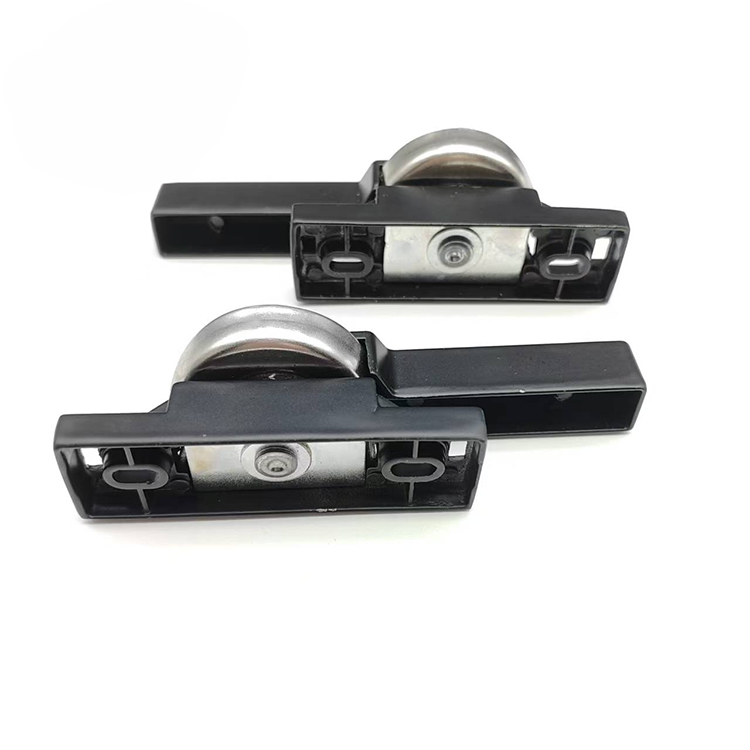
Casement, sliding, tilt-turn, lift-slide, awning, top-hung, side-hung, and narrow-frame aluminum systems do not punish hardware in the same way. A sliding door asks rollers, tracks, dampers, locks, and handles to work under panel weight and user impact. A casement window asks hinges, friction stays, handles, and lock points to preserve geometry under leverage.
Wrong hardware in the wrong opening type is not a mismatch. It is a scheduled failure.
Match the Hardware Chain
Do not buy a handle before checking the lock body. Do not buy the hinge before confirming sash weight. Do not buy the weatherstrip before knowing compression from lock points. Do not approve a latch before checking keeper placement. And do not approve any “equivalent” substitution unless the supplier can prove the geometry, material, coating, and test assumptions still hold.
The chain matters.
Demand Evidence, Not Vibes
Ask for cycle testing, salt spray expectations, coating process, material grade, torque range, drawing tolerances, packaging protection, and inspection points. For B2B supply, I would also want traceability by batch. Not because paperwork is fun. Because the day a failure appears across 2,000 units, traceability is the difference between a controlled fix and a warehouse panic.
This is where OEM and ODM support matters. If the project needs custom drawings, fitment validation, or profile-specific adjustment, a generic catalog vendor may not be enough. Chier’s Chương trình phần cứng OEM/ODM is relevant for buyers who need the hardware package shaped around profile, market, security level, packaging, and lifecycle instead of simply buying loose parts.
The Uncomfortable Bottom Line on Door and Window Accessories
A door or window system rarely fails in a heroic way.
It fails by millimeters. By friction. By a gasket that takes a compression set. By a hinge that sags just enough. By a handle that transmits too much force. By a keeper installed slightly wrong. By a gearbox that feels fine in a sample room and tired after repeated use.
That is why this is not really a door and window accessories buying guide. It is a warning.
The whole system is only as good as the least-respected part.
Câu hỏi thường gặp
What is door and window hardware?
Door and window hardware is the group of functional components that allows an opening to move, lock, seal, support load, resist weather, and remain usable over time, including handles, hinges, latches, locks, gearboxes, rollers, restrictors, keepers, fasteners, and weatherstripping. It should be evaluated as a complete operating system, not as loose decorative parts.
In practice, that means a handle is not “just a handle.” It has to match the lock body, user force, spindle size, finish exposure, and installation method. The same logic applies to every accessory in the system.
How do I choose door and window hardware for a project?
Choosing door and window hardware means matching every accessory to the opening type, sash or panel weight, security requirement, sealing target, climate exposure, user behavior, local code path, installation tolerance, and maintenance plan before comparing unit prices. The safest buying method is to validate the complete hardware chain under realistic operating conditions.
I would start with the opening type, then define the performance target: security, egress, corrosion resistance, smooth movement, acoustic sealing, thermal sealing, or heavy-use durability. After that, compare suppliers by evidence, not sales language.
What door and window accessories affect energy performance?
The door and window accessories that most affect energy performance are weatherstripping, compression seals, lock points, hinges, rollers, keepers, thresholds, and alignment hardware because they determine whether the finished opening closes evenly and limits air leakage. Glass matters, but poor hardware can ruin sealing pressure and turn rated performance into real-world discomfort.
This is where cheap parts get expensive. If lock points do not pull the sash evenly into the seal, or if hinges let the sash drop, even a good frame and glazing package can feel drafty.
Are multi-point locks better than single-point locks?
Multi-point locks are better when the door or window system is designed, fabricated, installed, and adjusted so every locking point engages cleanly with controlled handle force and consistent gasket compression. They are not automatically better if poor tolerances, weak keepers, bad alignment, or excessive operating force cause users to leave them partly engaged.
My view is simple: a properly fitted three-point lock beats a poorly fitted five-point lock. Count the engagement quality, not just the number of hooks, bolts, or cams.
What is the most overlooked part in door and window fittings?
The most overlooked part in door and window fittings is often the interface between components: handle-to-gearbox fit, lock-to-keeper engagement, hinge-to-frame screw bite, gasket-to-sash compression, and roller-to-track alignment. Buyers focus on visible parts, but hidden fit relationships usually decide movement, sealing, safety, and warranty behavior.
That is why I dislike sourcing by picture. Two parts can look almost identical and behave completely differently once they are installed into a real profile with real tolerances.
Final Thoughts: Buy the System, Not the Shiny Part
Stop asking only, “What is the price of this accessory?”
Ask what it does to the system.
If you are sourcing door and window hardware for a product line, project, or distribution program, build the RFQ around the full operating chain: handles, hinges, locks, latches, gearboxes, keepers, seals, rollers, dampers, fasteners, coatings, drawings, tolerances, test data, and field replacement logic.
Then make the supplier prove fit.
For buyers who need OEM-ready hardware packages rather than random parts, review Chier’s full door and window hardware product range and send the supplier a real opening profile, target market, lifecycle expectation, security requirement, and finish demand. The next step is not collecting prettier catalog pages. The next step is building a hardware set that survives the job.