Looking for hardware solutions that meet European / American standards?
Use this guided inquiry modal to move from a generic quote form to a clearer technical conversation. Buyers can choose whether they need pricing, CAD / 3D files, or OEM / ODM support before sharing contact details.
Compatibility-first design across door / window systems
Repeatable production with clear inspection checkpoints
Documentation and change control for long-running programs
Responsive engineering support for fit and field feedback
I have watched purchasers suggest for half a day over manage surface, container artwork, and logo depth while the joint specification– the component lugging sash weight, fighting framework motion, and determining whether the lock lines up after six months– was treated like an inexpensive line item. Why does this still take place?
Because joints look simple. A pin, a fallen leave, a friction arm, a moving track, maybe a concealed body. Fine. Yet in real windows and door systems, door and window hinges are not decor. They are tons paths, placement devices, corrosion threats, movement controls, and occasionally the hidden reason a costs system starts feeling inexpensive.
The tough truth? A hinge that is “good enough” on a sample table can end up being an obligation once it fulfills a lumber door that swells, a light weight aluminum framework that carries out vibration, a uPVC account with limited screw bite, or a seaside home window loaded with chloride down payments.
That is why I would certainly start with the real windows and door hinges classification, not an arbitrary directory screenshot. Then I would force every joint option with four questions: What product is the door or home window made from? What load is the hinge lugging? What atmosphere will strike it? What various other equipment must it collaborate with?
Table of Contents
Suit the Joint to the Product, or Pay for It Later
The product makes a decision the failure setting.
Timber moves. Light weight aluminum transfers anxiety. uPVC needs support technique. Steel doors punish weak pins and poor fasteners. Coastal stainless can still stain, pit, and humiliate everybody involved.
So why do so numerous RFQs still claim just “quote joint”?
Wood Doors and Lumber Windows
Wood is forgiving till it is not. It soaks up dampness, swells throughout grain, diminishes in dry seasons, and can squash around weak screw areas if the hinge leaf is too small or the pilot openings are negligent.
For wooden doors, I generally search for butt hinges, heavy-duty ball bearing joints, flexible 3D hinges, or concealed hinges relying on the weight and design target. For wood windows, friction keeps or butt-type window joints require rust protection, smooth travel, and screw geometry that does not divide the framework.
For the best joints for wooden doors, I care less concerning glossy coating and more concerning leaf density, screw length, knuckle quality, pin material, and whether the hinge can deal with seasonal activity without drawing the lock out of alignment.
Light Weight Aluminum Doors and Windows
Light weight aluminum is strong, tidy, and unforgiving. A severely matched hinge does not just droop; it transmits stress right into the account, edge joint, gasket line, lock point, and glass load path.
For light weight aluminum home window joints, friction stays, hidden hinges, side-hung joints, top-hung keeps, and stainless multi-link joints typically make sense. However the account geometry matters greater than the joint name. Screw bite, support, track width, opening up angle, sash weight, drainage, and galvanic get in touch with all require checking.
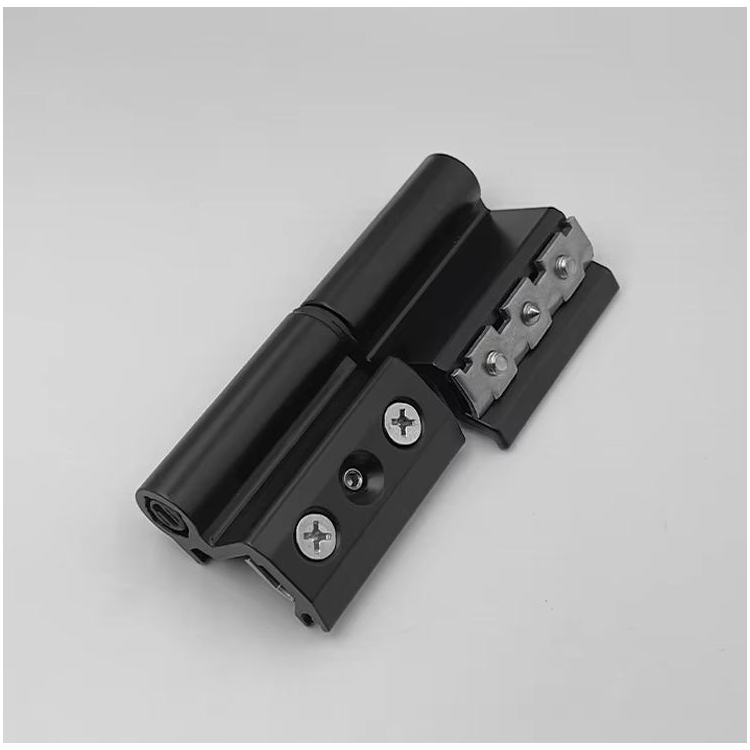
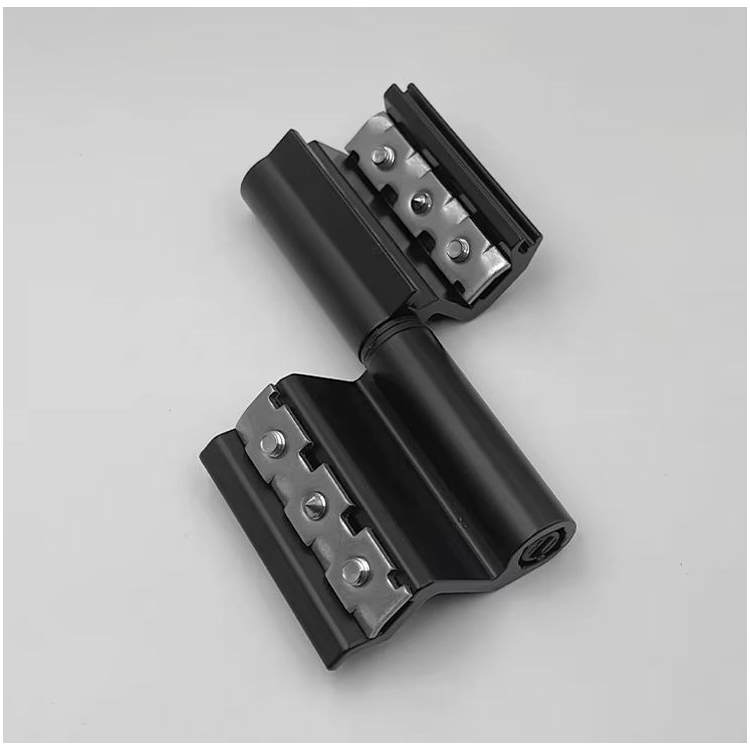
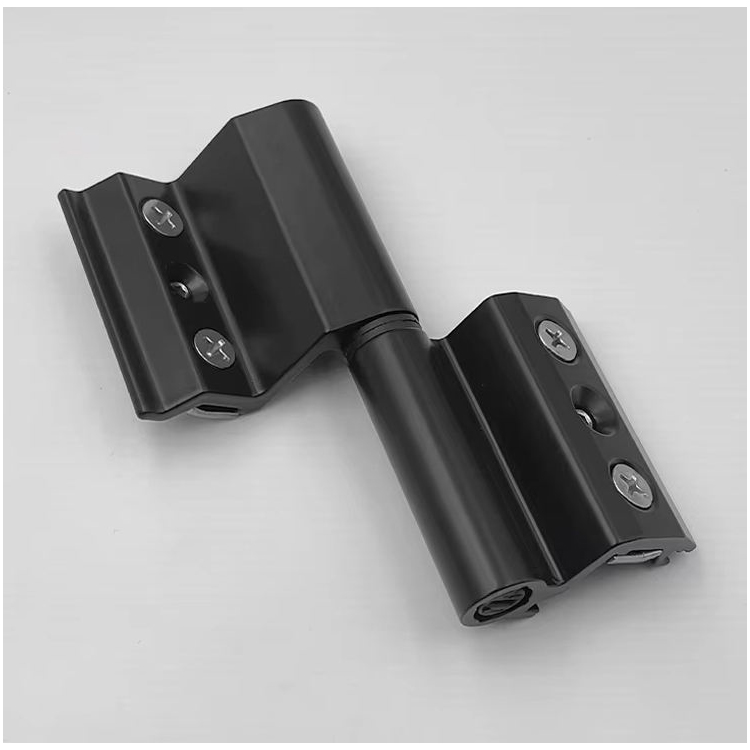
This is where an item like a SUS304 stainless window rubbing remain port joint comes to be pertinent for OEM purchasers who require repeatable window motion, corrosion resistance, and stable open-close habits across batches.
But do not get sentimental about SUS304. It works. It is not magic.
uPVC Windows and Doors
uPVC is where inexpensive hardware exposes weak design fastest. The account itself does not carry bolts like solid hardwood or steel, so the joint should collaborate with reinforcement, screw positioning, sash weight, and multi-point locking stress.
For uPVC home window joints, I desire adjustable friction remains, strengthened screw positions, suitable restrictors, and securing hardware that does not require the hinge to compensate for poor compression. A uPVC casement window with the wrong joint can feel fine throughout setup and then begin dragging once gasket pressure, thermal movement, and customer abuse join the party.
If the home window uses multiple locks, the hinge choice ought to be evaluated along with multi-point lock systems, due to the fact that hinge droop and lock misalignment frequently obtain criticized on the wrong component.
Steel Doors and Fire-Rated Assemblies
Steel doors are blunt tools. They are hefty, tight, and typically less forgiving of under-sized joint pins, loosened fasteners, or careless alignment.
For steel doors, I like heavy-duty stainless steel door hinges, round bearing hinges, weld-on joints, or licensed fire-door joints depending on the setting up. The joint has to match door mass, closer pressure, use regularity, and code needs. In access-controlled or high-security doors, hinge selection likewise impacts latch involvement and frame stress and anxiety.
And no, a thicker joint is not instantly much better. If the bolts, structure prep, and alignment are poor, much more metal just makes the wrong blunder louder.
The Material-by-Material Hinge Choice Matrix
Use this table prior to approving samples. Not after problems arrive.
Door/ Window Material
Finest Joint Instructions
Key Risk
What I Would Certainly Need Prior To Authorization
That is not concept. That is a hinge track coming to be a falling-object danger.
In December 2023, CPSC also posted a Pella Engineer Series casement window recall covering concerning 12,000 devices, plus added devices in Canada and Mexico, because the window sash could remove from the framework and autumn. Offered costs were detailed from $700 to $10,000 per window.
One joint error can travel via a costs product line like a report.
And if any person still assumes window equipment safety is a soft problem, CPSC has reported that drops from windows trigger concerning eight fatalities every year among kids five and more youthful, while an approximated 3,300 youngsters because age group are treated every year in U.S. emergency departments; about 34% needed hospitalization, according to CPSC window safety data.
So when I listen to “it is just joint hardware,” I understand I am listening to somebody who has never ever had to describe a field failure to a supplier, designer, insurance firm, or upset moms and dad.
Rust Is Not a Complete Issue. It Is a Requirements Problem
Salt wins slowly.
The Federal Highway Management’s corrosion research study directory explains the united state straight price of metallic deterioration at $276 billion annually, equivalent to 3.1% of 1998 UNITED STATE GDP. Yes, the number is older. No, the lesson has actually not expired.
Corrosion is not just corrosion on a noticeable joint leaf. It is a chemical attack on pins, screws, rivets, sliding tracks, finishing edges, and concealed user interfaces between stainless-steel, light weight aluminum, zinc alloy, and carbon steel.
For seaside tasks, I would certainly review any type of joint spec together with how to prevent corrosion in door and window hinges for seaside areas, since “stainless-steel door hinges” is also unclear. SUS304, 316, 316L, coated steel, light weight aluminum alloy, and zinc alloy are not interchangeable options.
My undesirable viewpoint: if a vendor can not call the joint body material, pin product, screw material, finishing process, salt-spray technique, and maintenance note, the joint is not specified. It is presumed.
And presumed hardware is expensive.
The Operating Force Test Buyers Fail To Remember
A hinge has to lug weight, yet it must likewise let people use the opening.
The 2010 ADA Criteria state that indoor hinged doors and entrances need to call for an optimum opening pressure of 5 extra pounds, or 22.2 N. The exact same section notes that spring joints should relocate from 70 levels to closed in at the very least 1.5 secs.
Why does that issue to pivot purchasers outside the U.S.? Due to the fact that running pressure is where negative alignment comes to be noticeable. A door that needs excessive force is not constantly a better issue. In some cases it is hinge friction. In some cases it is structure twist. Often the lock is combating the gasket because the hinge placement is incorrect.
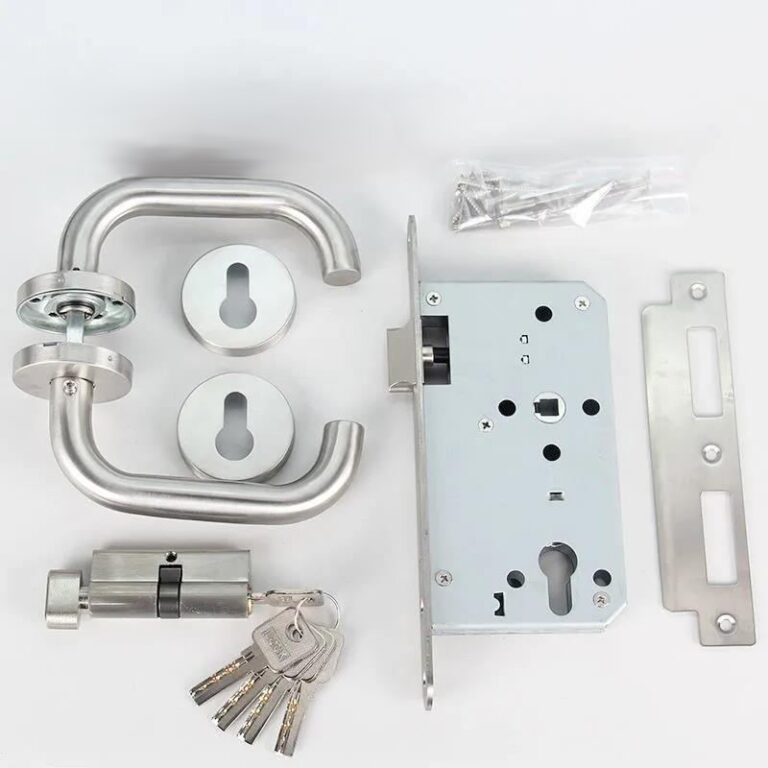
This is why I would never accept joints without inspecting the complete operating chain: hinges, handles, locks, caretakers, seals, screws, and structure resistances. The ideal hinge can still fall short inside the wrong system.
Modification logic: 2D or 3D adjustment, installer resistance, and area solution procedure.
Batch traceability: production date, assessment document, and change-control treatment.
Packaging control: no coating damage throughout ocean freight.
System fit: manages, locks, devices, restrictors, seals, and water drainage assessed together.
That last point issues most. If joint installation is wrong, the failure spreads out right into other equipment. Fschier’s overview on exactly how hinge installation mistakes create door and window equipment failure makes the same point: poor hinge placement, bad screw interaction, and structure distortion can silently ruin the entire opening.
Just How to Select Joints for Doors and Windows Without Getting Played
Begin with the opening, not the hinge.
For a wooden interior door, focus on weight, screw holding, coating sturdiness, and seasonal movement. For a light weight aluminum sash window, focus on track geometry, sash weight, rust, and friction control. For uPVC windows, focus on support, screw placement, and lock compression. For steel doors, focus on heavy tons, closer pressure, pin toughness, and qualification.
Then ask the hideous concern: What occurs after 20,000 cycles?
If the supplier has no solution, you have your solution.
The best windows and door pivot options are not constantly the most costly. But they are never ever the least documented. A severe hinge supplier should be able to review material quality, resistance, tons score, finish, corrosion danger, installation technique, and compatibility with the wider equipment bundle.
Pretty samples are easy. Dull evidence is harder.
FAQs
What are door and window hinges?
Windows and door joints are load-bearing equipment components that attach a door leaf or window sash to its structure while regulating motion, placement, opening angle, securing pressure, and long-lasting functionality. They may consist of butt hinges, rubbing remains, hidden joints, pivot joints, restrictor-compatible hinges, or adjustable joint systems depending on the product and opening up kind.
In plain English, pivots choose whether the opening really feels stable or exhausted. They likewise affect lock interaction, gasket compression, user pressure, corrosion exposure, and field maintenance.
How do I pick hinges for doors and windows?
Pick hinges for doors and windows by matching the hinge kind to the structure product, sash or door weight, opening up direction, rust exposure, bolt toughness, cycle-life target, and related hardware such as manages, locks, caretakers, seals, and restrictors. The appropriate joint should fit the whole system, not simply the screw holes.
I would certainly start with product and load first. After that I would certainly inspect deterioration, modification, profile compatibility, installment resistance, and examination proof prior to authorizing the sample.
What are the very best joints for wood doors?
The very best hinges for wood doors are usually heavy-duty butt joints, sphere bearing joints, flexible hinges, or concealed joints chosen according to door weight, density, usage frequency, coating demand, and screw-holding strength. For exterior wood doors, corrosion-resistant stainless-steel or well-coated hinges are generally more secure than low-grade plated equipment.
The blunder I see usually is under-sizing the joint fallen leave. Wood can hold screws well, however only if the hinge, screw length, pilot opening, and framework condition make sense.
Are stainless steel door pivots constantly far better?
Stainless steel door hinges are better in lots of damp, outside, and corrosion-prone applications, however they are not instantly the very best selection unless the quality, pin, screws, coating, direct exposure level, and maintenance strategy match the project. SUS304 may suit numerous general uses, while 316 is often better for hostile coastal exposure.
The expression “stainless-steel” is not enough. Ask for the grade, bolt match, rust test, and cleaning referral. Otherwise, you are purchasing a word, not a spec.
What hinges job best for uPVC windows?
The best hinges for uPVC home windows are usually adjustable rubbing stays or strengthened uPVC-compatible joints developed to work with the profile support, sash weight, screw positions, gasket compression, and locking system. The hinge needs to be selected around the whole window setting up since uPVC depends heavily on interior support and right fastening.
Affordable uPVC hinge options frequently stop working via sash decline, screw loosening, poor compression, or rubbing drift. The hinge needs assistance from the profile, not simply a matching hole pattern.
Why do aluminum home window pivots fall short?
Light weight aluminum home window pivots frequently fall short because of inadequate profile fit, weak screw engagement, galvanic rust, overloaded friction stays, blocked water drainage, wrong opening angle, or mismatch between sash weight and hinge score. Light weight aluminum systems look accurate, however small errors in joint geometry can produce tension throughout the structure, lock, gasket, and glass line.
My rule is straightforward: never ever accept light weight aluminum window hinges without the actual profile drawing. Magazine fit is not design fit.
Your Next Actions: Stop Getting Hinges Like Assets
Do not send out one more RFQ that claims just “windows and door joints.”
Send out the opening type, framework material, sash or door weight, drawing, exposure problem, target market, cycle need, deterioration assumption, coating demand, and relevant hardware list. Then request for the proof: tons information, product quality, bolt information, deterioration test, cycle test, and installment advice.
For OEM, ODM, circulation, or task sourcing, begin with Fschier’s windows and door hinges and build the remainder of the hardware bundle around the real opening– not around the most inexpensive hinge line in the spread sheet.