Looking for hardware solutions that meet European / American standards?
Use this guided inquiry modal to move from a generic quote form to a clearer technical conversation. Buyers can choose whether they need pricing, CAD / 3D files, or OEM / ODM support before sharing contact details.
Compatibility-first design across door / window systems
Repeatable production with clear inspection checkpoints
Documentation and change control for long-running programs
Responsive engineering support for fit and field feedback
I have seen hardware blamed for failures that were really born during installation, and the ugly part is that nobody wants to say it because blaming the hinge feels cleaner than admitting the frame was out, the fasteners were wrong, the sash weight was underestimated, or the installer “adjusted” the unit until the lock could barely survive its first season.
So why do door and window hardware failures keep getting treated like random bad luck?
They are not random. Most are mechanical debts. A badly placed hinge asks the handle, gearbox, latch, keeper, seal, and frame to pay interest every time the door or window opens. That is the hard truth behind hinge installation mistakes: the hinge does not fail alone. It recruits the rest of the system into failure.
The Lie Buyers Tell Themselves About Hinges
A hinge looks simple. Two leaves. A pin. Screws. Maybe a friction arm, slider track, concealed body, or multi-link stay. Fine.
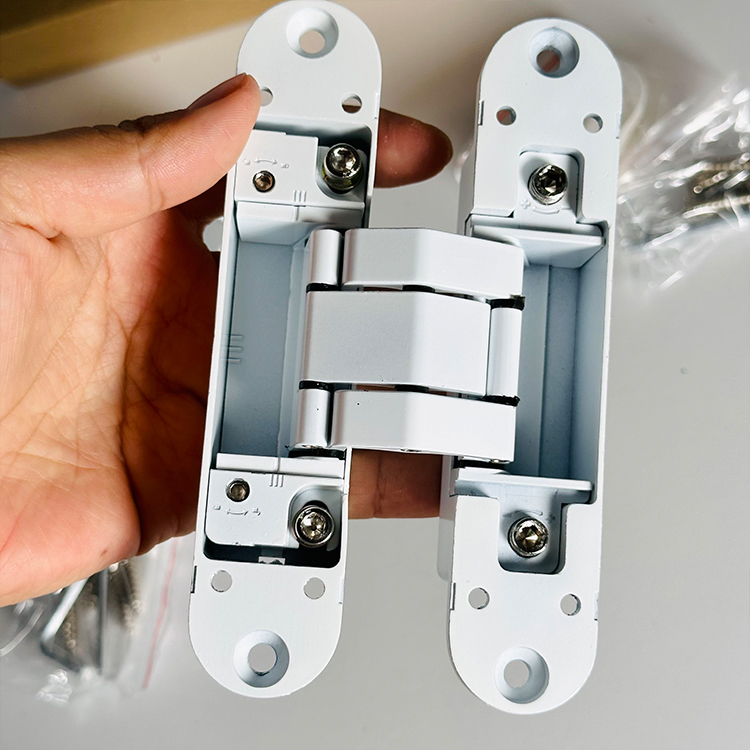
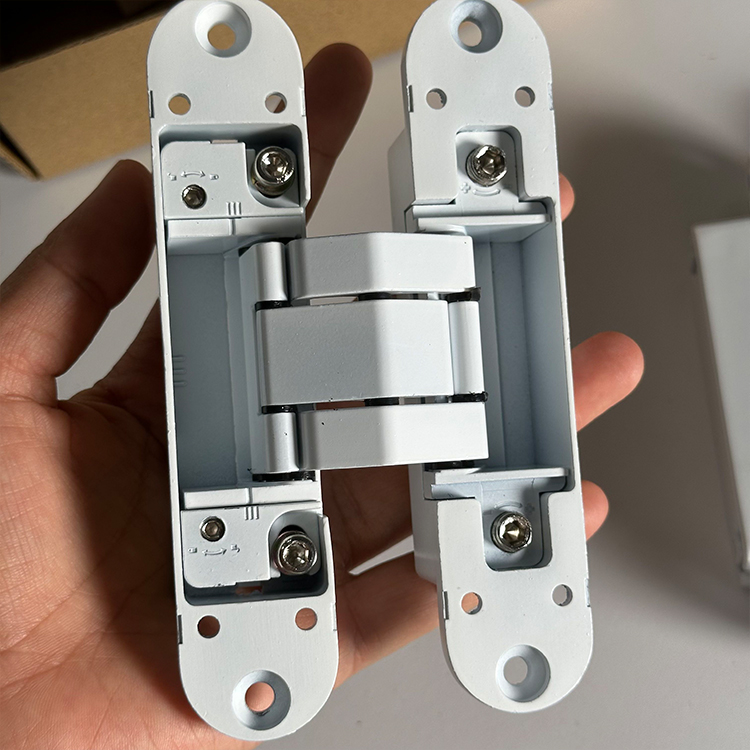
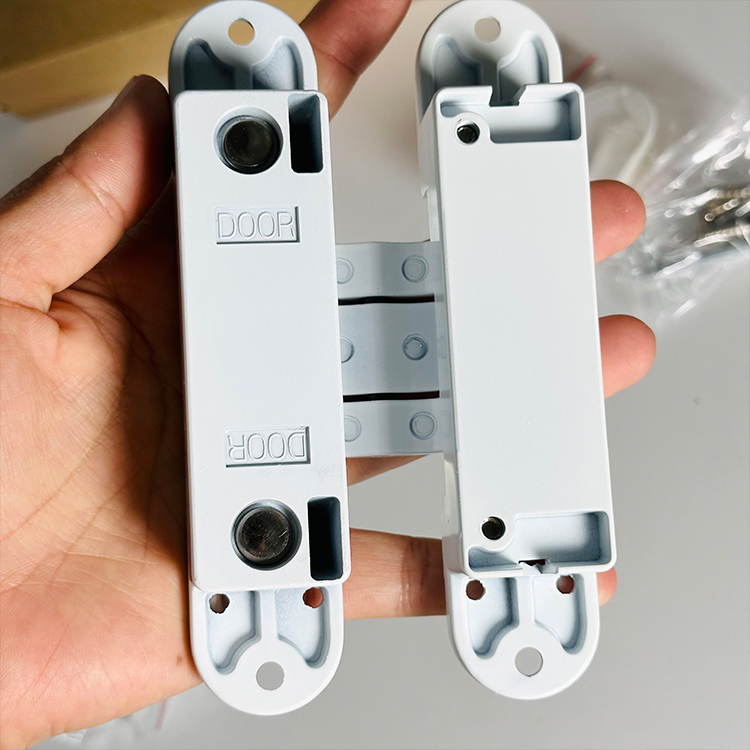
But in door and window hardware, the hinge is not “just a hinge.” It is a load path, an alignment tool, a movement controller, and sometimes the quiet reason a lock warranty gets rejected. On fschier.com, the door and window hinges category is presented beside handles, lock boxes, gearboxes, latches, and accessories for a reason: these parts are not independent decorations. They are one operating chain.
Here is my unpopular view: most hinge complaints are actually installation complaints wearing a product mask.
A weak hinge can fail, yes. A bad batch can fail. Corrosion can win. But when I investigate repeat door hinge problems, the pattern is usually less dramatic: poor shim control, misaligned hinge axis, under-driven screws, incorrect pilot holes, wrong hinge grade for sash weight, or a frame that was never square enough to deserve premium hardware.
And then everyone acts surprised.
The Force Does Not Disappear
When a door sags by 2 mm at the latch side, the lock does not see “2 mm.” It sees drag, compression loss, striker misalignment, increased handle torque, and repeated user abuse because people pull harder when hardware feels wrong. A multipoint system may still engage on day one, but each extra shove loads the gearbox, bends keepers, polishes contact points, and makes the customer think the product is cheap.
Windows are worse. With friction stays and casement hinges, a small hinge position error can shift the sash path enough to hurt weather sealing, restrict clear opening, or make the handle feel stiff. That is where SUS304 stainless window friction stay slot hinges matter: stainless material helps corrosion resistance, but material cannot rescue a hinge installed on the wrong geometry.
The hinge starts it. The system pays.
Table of Contents
Where Improper Hinge Installation Actually Breaks Hardware
The obvious failure is a loose hinge. The expensive failure is everything downstream.
Misaligned Hinges Turn Locks Into Stress Absorbers
A lock should lock. It should not correct geometry.
When hinges are out of plane, the sash or door leaf travels on a path the lock was never designed to accept. The latch starts scraping. The keeper gets polished into an oval. The user lifts the handle harder. The gearbox absorbs side load. Over time, a clean mechanism becomes gritty, then stiff, then “defective.”
That is how improper hinge installation becomes door hardware failure.
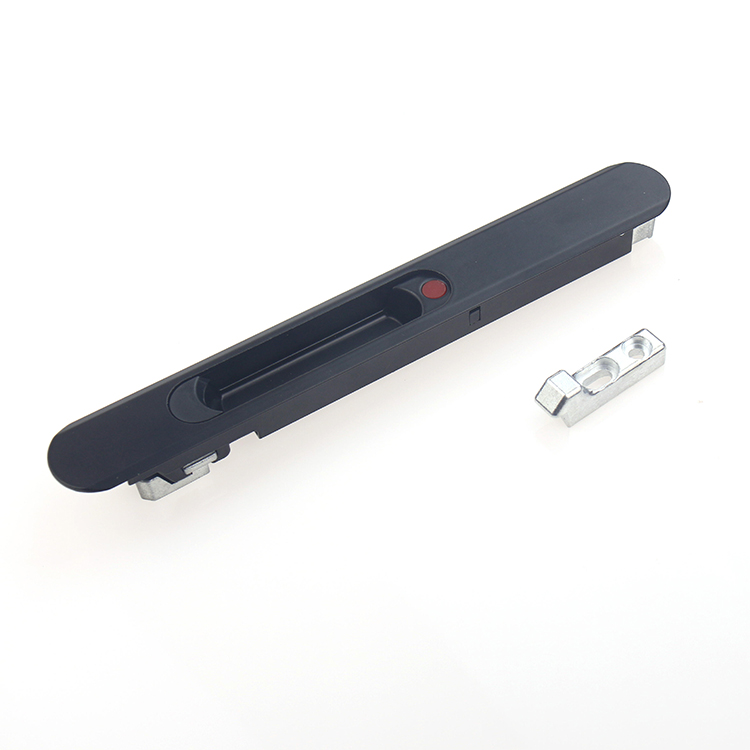
For buyers sourcing full systems, the fix is not just “buy a better lock.” It is to evaluate the hinge, latch, gearbox, handle, and accessory package together. The lock boxes and gearboxes category exists because transmission parts are exposed to the consequences of bad hinge geometry every day.
Screw Mistakes Are Not Minor
I know this sounds basic. It is not.
A hinge screw that misses reinforcement, bites into weak substrate, or enters an oversized pilot hole can hold during inspection and still fail after thousands of cycles. In aluminum, PVC, timber, and steel profiles, screw engagement is not a cosmetic detail. It decides whether load enters the frame properly or slowly chews the hinge pocket apart.
The worst installations often pass a casual hand test. The door opens. The window closes. The handle turns. Somebody signs off.
Then the warranty clock starts ticking.
Wrong Hinge Position Changes the Load Map
A door or window leaf behaves like a lever. Shift hinge spacing, hinge quantity, or hinge line position, and you change the bending moment. A heavy commercial door with underspecified hinges will sag. A casement sash with the wrong friction stay length may bind. A tall narrow unit with poor hinge distribution may twist enough to hurt compression seals.
This is why smart factories and project buyers should ask for drawings, fitment validation, and installation notes before bulk approval. Chier’s site points buyers toward OEM/ODM support because the hinge choice has to match the profile, load, opening angle, finish, packaging, and market requirement—not just the unit price.
Evidence From the Field: The Courtroom and the Injury Data
I do not trust articles that talk about hardware failure without evidence. So let’s bring in the uncomfortable material.
In the New York case Pavon v. Rudin, a cleaning worker alleged severe head, neck, and back injuries after a heavy interior door dislodged when the top pivot hinge broke or tore from the frame. The engineering affidavit raised the exact issues professionals should care about: the pivot hinge may have been insufficient for the load, improperly installed, or defective. That case matters because the court recognized a blunt principle: doors mounted on pivot hinges do not generally fall without someone’s negligence, such as improper installation, maintenance, or repair.
That is not blog drama. That is litigation language.
The safety data is just as sobering. The U.S. Consumer Product Safety Commission reported in its 2026 National Window Safety Week release that an estimated 5,600 children aged 12 and under were treated in emergency departments in 2024 after falling out of a window, and about one in three required hospitalization. No, that does not mean every case involved a hinge. But it does show why window hardware failure, opening control, restrictors, guards, stops, and installation behavior cannot be treated as casual finishing work.
Hardware gets legal fast.
CPSC has also documented hinge-related injury hazards at the product level. In a Childcraft recall, spaces between hinge parts created finger crushing and pinching risks when doors closed; two reports involved children’s fingers caught inside hinges, including one case requiring surgery. In another CPSC bi-fold door recall, moving door parts created entrapment hazards, with reported injuries including finger amputations.
Different products. Same lesson. Moving hardware punishes lazy design and lazy installation.
Failure Modes: What the Hardware Is Trying to Tell You
A failing door or window usually talks before it breaks. The problem is that people ignore the language.
Symptom on Site
Likely Hinge Installation Mistake
Hardware That Takes the Damage
What I Would Check First
Door drops at latch side
Hinge screws under-supported, wrong hinge size, poor frame fixing
Latch, keeper, handle spindle, lockcase
Screw bite, hinge leaf seating, frame plumb
Window handle feels stiff
Friction stay out of position, sash twisted, hinge track not parallel
Handle, gearbox, locking points
Sash reveal gaps, hinge track alignment, compression
Lock points do not engage cleanly
Hinge axis misaligned or sash sagging under load
Multipoint lock, corner drives, keepers
Diagonal measurements and lock point witness marks
Seal compression uneven
Door/window not square, hinge depth wrong, poor shimming
Weatherseal, latch, closing force
Compression pattern and hinge depth setting
Noise during opening
Hinge leaf not flush, screws rubbing, friction arm binding
Hinge pin, arm, track, fasteners
Screw heads, hinge pocket, arm travel path
Repeat warranty claims after 3–6 months
Installation passed static inspection but failed under cycles
Full hardware set
Cycle test, field photos, batch and installer data
This is where window and door accessories become more than add-ons. Keepers, corner drives, bolts, rollers, and dampers all reveal whether the hinge line is behaving. If these parts show uneven wear, do not start by blaming the accessory. Start by reading the geometry.
The Factory Sample Problem Nobody Likes Discussing
A sample can lie.
On a bench, the hinge feels smooth. The finish looks good. The handle movement feels acceptable. The buyer signs off after ten cycles and asks for price revision.
But the field does not care about your sample room. The field adds thermal movement, uneven masonry, rushed installation, slightly bowed frames, water exposure, packaging damage, and users who slam things because they are late for work. If the hinge strategy was built only around a showroom test, the first real project becomes the laboratory.
I have a hard rule: never approve a door or window hardware set until the hinge has been tested in the actual profile logic. Not a similar profile. Not “close enough.” The actual profile, reinforcement condition, screw path, sash weight, opening angle, seal stack, and lock engagement sequence.
This is also why window hardware compliance and egress review should not be separated from hinge installation. A casement escape window can look compliant on paper and still fail the practical test if the hinge geometry restricts opening, increases operating force, or makes the release sequence confusing under stress.
Compliance is physical.
The Installation Audit I’d Run Before Blaming the Hinge
I do not start with the catalog. I start with the failed opening.
Step 1: Photograph the Wear Marks
Look at latch faces, keepers, hinge leaves, screw heads, friction tracks, weatherseals, and frame corners. Wear marks are testimony. Bright polished streaks usually mean contact under load. Black dust can indicate rubbing or fretting. Torn seal corners may show the sash is traveling crooked.
Step 2: Measure the Reveals
Do not eyeball gaps. Measure them.
A 1.5 mm reveal difference may be manageable. A 3–4 mm diagonal error on a casement sash can become a lock engagement problem. In high-volume production, I would record top, middle, bottom, and diagonal measurements before adjusting hardware. Otherwise, the installer may “fix” the symptom and hide the cause.
Step 3: Check Fastener Bite and Reinforcement
Remove one suspect screw if needed. I know people hate doing this. Do it anyway.
If the screw is too short, stripped, angled, or biting only into thin wall material without reinforcement, the hinge is not secured; it is merely attached. That difference matters.
Step 4: Test the Full Operating Sequence
Open. Close. Lock. Unlock. Vent. Slam lightly. Pull upward at the handle. Push near the latch. Try the unit after minor settlement pressure. Record the handle force if the project is large enough to justify it.
Step 5: Separate Product Failure From Installation Failure
A product failure repeats across correctly installed units. An installation failure clusters by site, installer, profile batch, or opening type. If every unit on one elevation fails but the same hardware performs elsewhere, stop blaming the hinge supplier and look at exposure, frame installation, and adjustment records.
How to Fix Incorrectly Installed Hinges Without Creating a Second Failure
The fastest fix is often the worst fix.
Backing out screws, forcing the hinge leaf over, and re-driving into damaged material may make the door close today and fail worse later. Shimming a hinge without checking lock engagement can transfer stress into the gearbox. Tightening friction stays without aligning the sash can make the handle feel “secure” while increasing operating force.
For Doors
Start with the frame. Confirm plumb, square, and anchoring before touching the hinge. If the frame is moving, hinge adjustment is theater. Then check hinge count, grade, screw length, screw material, and whether the top hinge is carrying more load than designed. On taller or heavier doors, I want evidence for load capacity, not a sales promise.
For Windows
For casement and awning windows, verify the friction stay length, track position, sash arm position, opening angle, and reinforcement. With coastal or humid exposure, SUS304 stainless steel can help, but stainless is not magic. If the hinge arm binds because the track is mispositioned, the material grade only delays the complaint.
For Multipoint Lock Systems
Never adjust the lock first unless the hinge line is already proven. If the sash is sagging, moving the keepers may create a temporary closing path that destroys the original design intent. Review the hinge, then the lock points, then the keepers.
FAQs
What are the most common hinge installation mistakes?
The most common hinge installation mistakes are misaligned hinge axes, weak screw engagement, wrong hinge sizing, poor frame shimming, incorrect friction stay positioning, and failure to test the complete door or window hardware system after adjustment. These errors shift load into locks, handles, keepers, seals, and frames, causing premature failure.
In plain terms, the hinge may be the first visible suspect, but the real offender is often geometry. I would rather see an installer spend five extra minutes checking reveal gaps than spend six months answering warranty emails.
Why do door hinges fail after installation?
Door hinges fail after installation when the door weight, frame alignment, fastener support, hinge grade, and opening cycle demands do not match the hardware design. The failure may appear as sagging, loose screws, noisy movement, latch scraping, or full door separation, but the root cause is often poor load transfer.
The ugly part is that many failures are approved at handover because the door works once. Real proof comes after repeated cycles, seasonal movement, user force, and frame settlement.
How does window hinge failure affect locks and handles?
Window hinge failure affects locks and handles by changing the sash travel path, increasing closing force, disturbing seal compression, and forcing locking points to engage under side load. The user feels stiffness at the handle, but the gearbox, keepers, friction stays, and corner drives may already be absorbing damage.
That is why a stiff window handle should not be dismissed as “normal.” It is often a warning that the hinge path is wrong, the sash has moved, or the hardware set is fighting itself.
How do I fix incorrectly installed hinges?
Incorrectly installed hinges should be fixed by first checking frame square, sash or door weight, reveal gaps, screw bite, reinforcement, hinge position, and full lock operation before making any adjustment. The safest repair corrects the load path instead of simply moving hardware until the door or window closes.
Do not chase symptoms. If a door rubs, find out whether it sagged, twisted, shifted, or was installed wrong from the start. The repair method changes depending on the answer.
Can misaligned hinges cause door hardware failure?
Misaligned hinges can cause door hardware failure because they force the latch, keeper, handle spindle, lockcase, gearbox, weatherseal, and frame to compensate for a door leaf that no longer travels on the intended path. The result is higher operating force, accelerated wear, poor locking, and repeated service complaints.
This is why I dislike the phrase “minor misalignment.” In mechanical systems, small errors repeat thousands of times. Repetition turns minor into expensive.
Final Thoughts: Stop Buying Hinges Like They Are Isolated Parts
If you are a manufacturer, importer, distributor, or project buyer, stop treating hinge installation mistakes as a site nuisance. Treat them as a warranty risk, safety risk, and brand risk.
Before you approve the next door or window hardware package, ask for the boring evidence: hinge load assumptions, screw path, reinforcement notes, profile compatibility, lock engagement checks, corrosion context, cycle expectations, and installation guidance. Then test the complete opening, not just the shiny part in your hand.