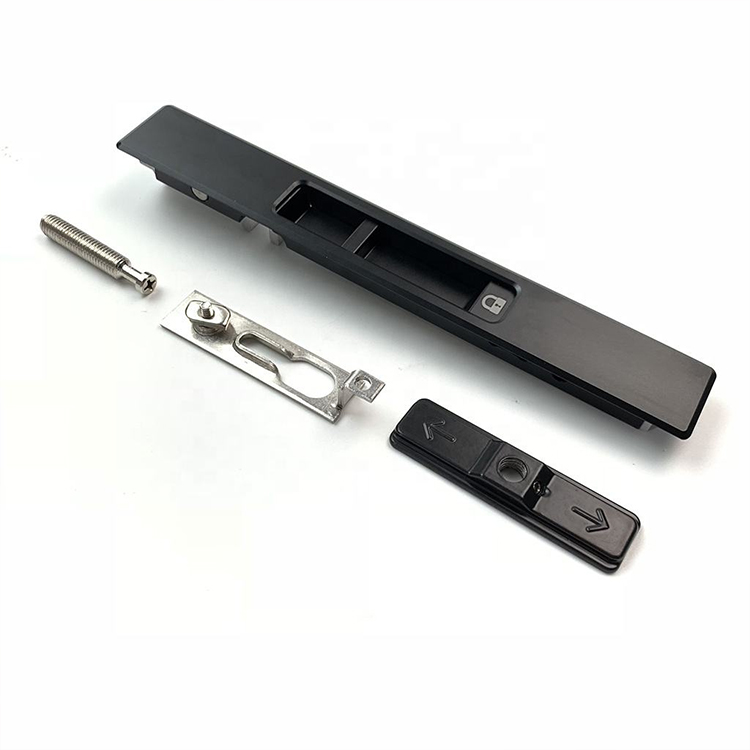
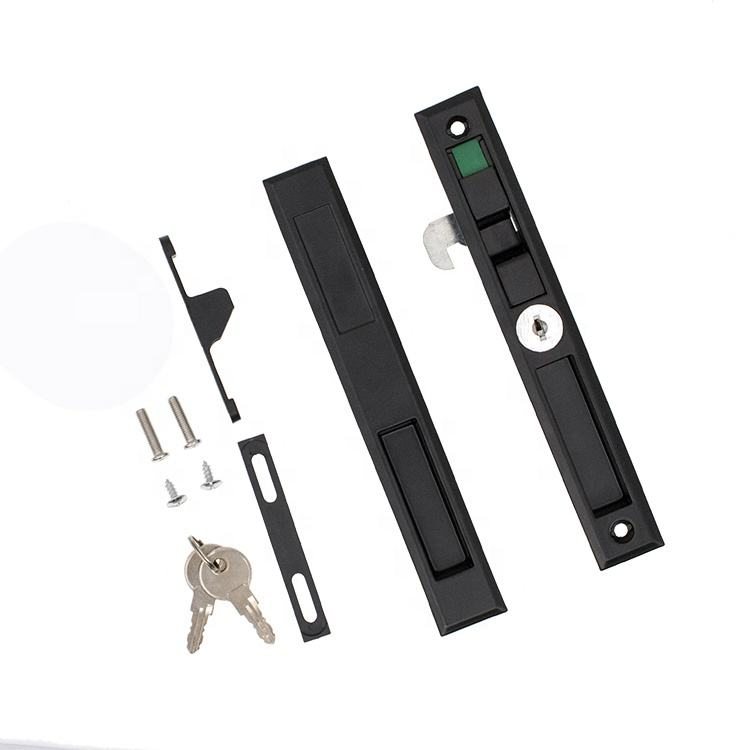
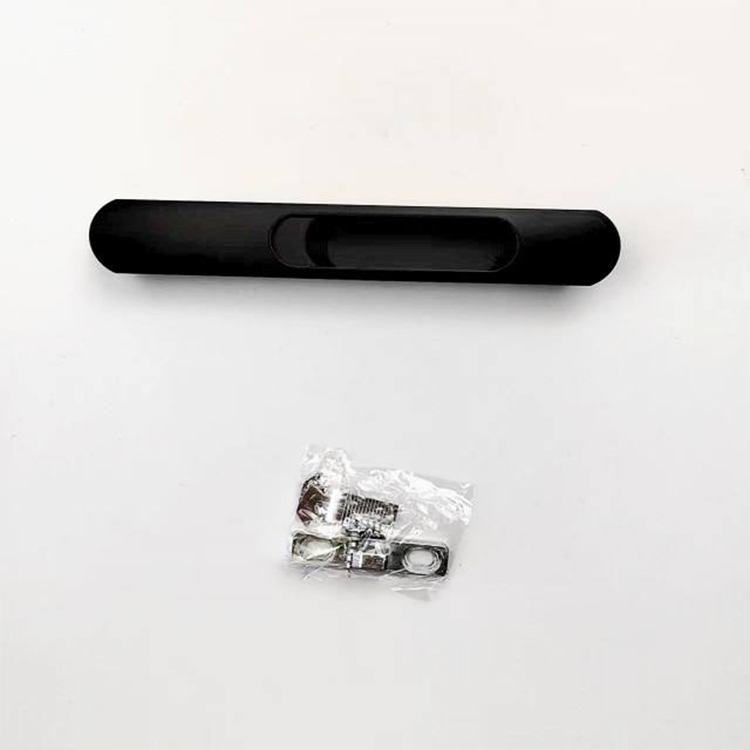
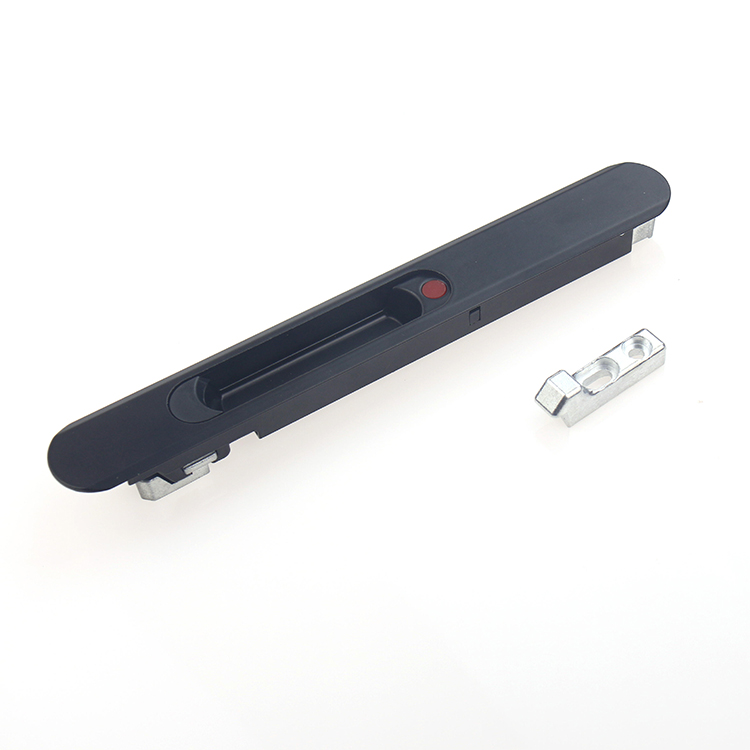
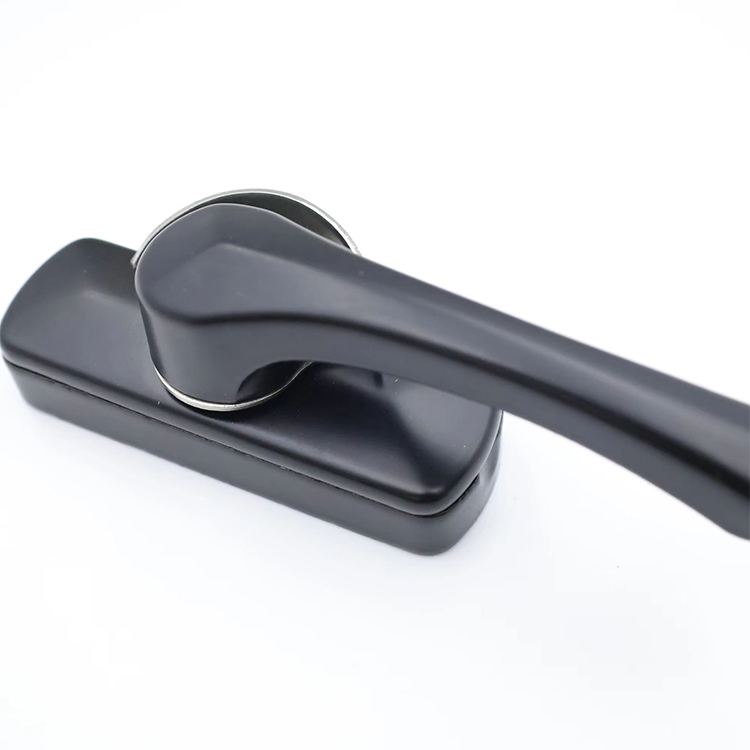
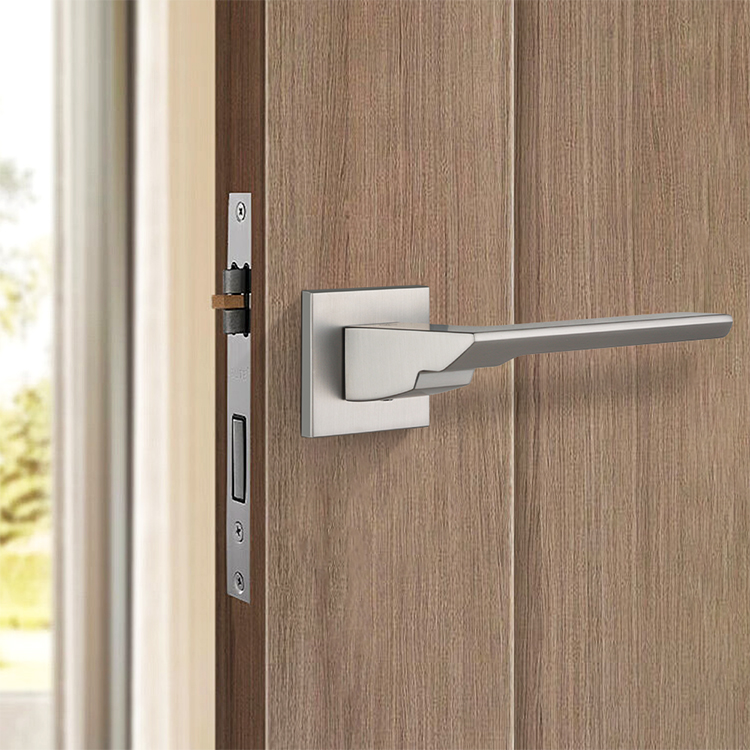
Looking for hardware solutions that meet European / American standards?
Use this guided inquiry modal to move from a generic quote form to a clearer technical conversation. Buyers can choose whether they need pricing, CAD / 3D files, or OEM / ODM support before sharing contact details.
Compatibility-first design across door / window systems
Repeatable production with clear inspection checkpoints
Documentation and change control for long-running programs
Responsive engineering support for fit and field feedback
I have handled enough failed hardware samples to know the pattern: the buyer sends a photo, the supplier matches the color, someone approves a “similar” latch, and six weeks later the installer is fighting a sash that will not compress, a keeper that sits 2 mm too low, or screws that bite into tired timber instead of sound material. Why does this still happen?
Because matching window locks for older windows is not a cosmetic job. It is geometry, wear, material, security, and user behavior packed into a part small enough to hide in your palm.
The first hard truth: older windows are rarely still “to drawing.” Timber has swollen and shrunk. Aluminum frames may have shifted. PVC profiles may have bowed under sun load. Hinges sag. Paint builds up. Previous repairs steal tolerances. A sash window lock or casement window lock that worked perfectly in 1998 may now sit on a sash that has lost its original alignment.
That is why I would start with the hardware category, not the catalog photo. If the window uses crescent-style hardware, compare the mechanism against a real crescent locks and window latches range before assuming any curved cam will do the same job. If the lock is tied to handle operation, review the door and window handles category as part of the same system, not as a separate decorative part.
And please do not skip the hinge.
A lock often gets blamed for a hinge problem. I have seen casement windows where the “bad lock” was only telling the truth: the sash had dropped, the friction stay was out of plane, and the handle was being forced to drag the sash into position like a winch. That is not security. That is slow mechanical abuse. For that reason, I would cross-check any lock replacement with the door and window hinges category before approving bulk replacement window locks.
Table of Contents
Start With the Window Type, Not the Lock Photo
Here is the industry shortcut I dislike: “Send me a picture of the old lock.”
A photo helps. It is not enough.
You need to identify the window type first because sash window locks, casement window locks, sliding sash locks, restrictors, keyed locks, and multi-point window locks solve different problems. On older windows, the lock is often compensating for wear elsewhere in the opening. Match the wrong function and you may create a window that looks closed but is not properly secured.
Measure twice first.
For sash windows, I check the meeting rail thickness, keeper height, cam throw, screw centers, sash overlap, and whether the two rails still meet squarely under light hand pressure; for casement windows, I check the handle spindle, gearbox interface, lock point travel, hinge sag, gasket compression, and whether the sash pulls evenly into the frame. Does that sound like too much work for a small part?
It is not. It is the work.
The Core Checks Before Ordering Replacement Window Locks
In 2026, the U.S. Consumer Product Safety Commission reported that an estimated 5,600 children aged 12 and under were treated in emergency departments in 2024 after falling from a window, and about one in three cases required hospitalization, according to the CPSC’s National Window Safety Week release. That data is not a sales slogan. It is a warning against treating window locks as casual accessories.
The CPSC also recommends window guards and window stops, including stops that limit openings to no more than 4 inches in child-risk settings. That does not mean every old window needs the same lock. It means safety function has to be named before product selection starts.
Singapore gives another useful lesson. The Building and Construction Authority and Housing & Development Board reported 46 fallen-window cases in the first 11 months of 2018, including 23 casement windows and 19 sliding windows, in a window safety advisory. I like that statistic because it punches through the lazy assumption that window risk is only about break-ins. Sometimes the danger is hardware neglect, frame wear, bad fasteners, or owners who never inspect moving parts until something drops.
So when someone asks for the best locks for old windows, my answer is slightly annoying: the best lock is the one that matches the aged opening, the user risk, the escape requirement, and the real installation condition.
Not the prettiest lock.
Not the cheapest lock.
Not the one that “looks close.”
Security Is Not Just a Stronger Lock
Security hardware sells easily. Escape hardware saves lives. The two must be balanced.
The Office for National Statistics reported that domestic burglary in England and Wales fell 22% to an estimated 327,000 incidents in the year ending December 2025, based on the Crime Survey for England and Wales, in its April 2026 crime bulletin. Lower burglary numbers do not mean weak window locks are acceptable. They mean better prevention, better hardware, and better risk habits still matter.
And here is where older windows become awkward. A keyed lock may improve resistance against casual opening, but it can be a poor choice on a required emergency escape window if the key is missing, hidden, or hard to use under stress. A heavy-duty sash lock may improve compression, but if the meeting rail is cracked or the keeper screws are loose, the extra force just attacks bad substrate.
This is why I would connect any matching decision to a wider window hardware compliance and egress review before approving a replacement program for schools, apartments, hotels, care homes, or multi-family projects.
The hard line is simple: security claims without installation evidence are marketing noise.
How I Inspect Old Window Locks Before Matching Them
I start with dirt.
That sounds low-tech, but grime tells you how the part has been used. A shiny wear mark on one side of the keeper means the cam is hitting off-center. Powdery white corrosion suggests aluminum or zinc alloy oxidation. Red rust around screws tells me the fastener stack is wrong. Cracked paint around a sash lock often means the lock has been over-tightened for years to force a warped sash shut.
Then I measure.
For replacement window locks, I want the screw center distance, lock body length and width, keeper base height, cam projection, cam rotation angle, screw diameter, screw depth, sash rail width, and frame clearance. On casement window locks tied to handles, I also want spindle size—commonly 7 mm square in many European-style systems, though older and regional systems vary—plus backplate dimensions, gearbox compatibility, and lock point travel.
But measurement still does not end the argument.
Older windows may need a controlled substitution instead of a direct copy. A 38 mm screw-center sash lock might be replaced by another 38 mm unit, but if the timber under the old screws is damaged, I may specify longer screws, pilot-hole repair, a reinforced keeper position, or a wider base plate. In aluminum systems, I care about thread engagement, wall thickness, and whether the screw is biting into profile reinforcement or thin unsupported metal.
For accessory-level fit issues—keepers, screws, corner drives, stops, packers, and small alignment parts—the window and door accessories category is often where the real fix sits. People obsess over the lock body. The keeper is often the quiet failure point.
Materials: The Cheap Part That Gets Expensive Later
“Zinc alloy” is not a specification. “Stainless” is not a specification. “Black finish” is definitely not a specification.
If I were matching old window locks for a humid, coastal, or high-condensation site, I would ask for the material stack in plain language: zinc alloy Zamak 3 or Zamak 5, aluminum alloy such as 6063-T5 where relevant, brass where period appearance matters, 304 stainless steel for standard corrosion resistance, or 316 stainless steel for harsher chloride exposure. I would also ask what coating system is used and whether the finish has any salt-spray, adhesion, or cycle-test evidence.
Aluminum protects itself with a thin aluminum oxide layer, Al₂O₃. That sounds good. But chloride, trapped moisture, bad pretreatment, damaged coating, and galvanic contact can still make hardware ugly fast.
For handles and lock-adjacent operating parts, the material selection guide for aluminum window handles is a useful internal reference because the same principle applies: material choice only works when it fits the load, finish, exposure, and user cycle.
My controversial opinion? Many “premium black” replacement locks fail because the finish was sold harder than the base metal was engineered.
The Matching Decision Matrix I Actually Trust
Window Condition
Best Match Direction
Avoid This Mistake
My Field Opinion
Timber sash, rails still square
Like-for-like sash window lock with verified keeper height
Choosing only by antique appearance
Keep the look, but do not ignore screw bite
Timber sash, loose meeting rail
Wider base lock, repaired screw holes, reinforced keeper
Installing stronger lock into weak timber
Fix the substrate before blaming the lock
Aluminum sliding window, worn latch
Matching latch plus track and keeper check
Replacing latch while ignoring roller wear
Sliding systems fail as a chain
Casement window with stiff handle
Check hinge sag, gasket compression, gearbox, and lock points
Lock plus window stop, restrictor, or guard review
Depending on insect screens
Screens are not fall protection
Egress opening
Lock that opens fast without hidden steps where required
Adding key-only security without code review
Escape logic must be obvious
How to Match Window Locks for Older Windows Without Guessing
Here is the process I would use if I were responsible for a real batch order, not a one-off repair from a hardware drawer.
First, identify the window type and opening duty. Is it a sash window, casement window, sliding window, or tilt-turn unit? Is it used daily or rarely? Is it in a bedroom, school, rental property, hotel, or coastal apartment?
Second, record every physical dimension. Do not trust memory. Do not trust “standard.” Older windows laugh at standard. Measure screw centers, lock body footprint, keeper height, sash overlap, rail width, frame clearance, and cam engagement.
Third, inspect the failure mode. Was the old lock broken, corroded, loose, stiff, misaligned, painted shut, stripped at the screws, or simply outdated? A broken part tells a story. Read it before replacing it.
Fourth, check safety. Does the window need child fall prevention? Does it serve as an emergency escape opening? Is there a local code or project standard that controls hardware operation? If yes, do not let a security upgrade create an escape problem.
Fifth, ask for samples before bulk purchase. For OEM or project work, use an engineering-led route such as OEM/ODM window hardware support when the old profile, drawing, or lock sample needs controlled adaptation. A $2 sample mistake is irritating. A 2,000-piece mistake is a procurement autopsy.
The Procurement Red Flags I Would Not Ignore
If a supplier cannot confirm screw centers, keeper compatibility, material, finish, fastener recommendation, and installation tolerance, I would slow the order down.
Yes, even if the price is good.
Especially if the price is good.
I also distrust listings that use every keyword at once: “universal window lock,” “fits all old windows,” “best security latch,” “sash casement sliding replacement lock.” Universal hardware exists in some categories, but old windows are too varied for blind confidence. A part can be universal in marketing and wrong in the frame.
For B2B buyers, I would ask for these items before approval:
Drawing with screw centers, body dimensions, cam throw, and keeper height
Material declaration for body, cam, spring, spindle, screws, and keeper
Finish description, not just color
Recommended screw type and minimum engagement depth
Cycle-test target, such as 10,000 or 25,000 cycles where relevant
Corrosion assumption, especially for coastal or bathroom windows
Packaging that prevents finish-on-finish abrasion
Batch traceability for repeat orders
This is not paperwork worship. It is warranty prevention.
FAQs
What should I check before buying replacement window locks for older windows?
Before buying replacement window locks for older windows, check the window type, screw-hole spacing, keeper height, cam or hook engagement, sash alignment, frame condition, material, finish, safety function, and whether the opening must support emergency escape or child fall prevention. These checks prevent cosmetic matches from becoming mechanical failures after installation.
After that, test the lock on the actual window, not just on a bench. Older frames may be warped, painted over, swollen, corroded, or previously repaired, so the installed feel matters more than catalog similarity.
Are sash window locks and casement window locks interchangeable?
Sash window locks and casement window locks are not interchangeable because sash locks usually secure meeting rails or sliding panels, while casement locks work with hinged sash movement, handles, gearboxes, friction stays, and compression points. Each lock type controls a different motion path and needs different keeper geometry.
A sash lock that looks strong may do nothing useful on a casement window. A casement handle lock may not solve sash rail security. Match the window movement first, then match the lock.
How do I measure old window locks correctly?
To measure old window locks correctly, record screw center distance, lock body footprint, keeper height, cam projection, engagement depth, screw diameter, screw length, sash rail width, frame clearance, and the position of any handle spindle or gearbox interface. Measurements should be taken from the installed window and the removed part.
I also recommend photographing the lock from the front, side, underside, and installed position. Include a ruler in the photo. It saves arguments later.
What are the best locks for old windows?
The best locks for old windows are the locks that match the original window type, current sash alignment, keeper position, material exposure, safety requirement, and installation substrate rather than simply copying the old part’s appearance. For many older windows, the best solution may include a new keeper, repaired screw holes, or hinge adjustment.
In plain terms, there is no honest universal winner. The right lock for an old timber sash may be wrong for a corroded aluminum sliding window or a sagging casement unit.
Can I install stronger window locks on older windows?
You can install stronger window locks on older windows only if the frame, sash, keeper area, screws, hinges, and escape requirements can support the added holding force and operating sequence. Stronger hardware installed into weak timber, thin aluminum, cracked PVC, or misaligned sash can create new failures.
A stronger lock should not become a crowbar against the window itself. Reinforce the weak point first, then upgrade the lock.
Do window locks help prevent child window falls?
Window locks can help reduce child window fall risk when they keep windows closed or work with window stops, guards, and restrictors, but they should not be treated as the only safety measure. Child safety depends on controlled opening distance, adult-operable emergency release, furniture placement, supervision, and correct hardware installation.
The CPSC specifically warns not to rely on screens for fall prevention. I agree. Screens keep insects out; they do not keep children safely inside.
Your Next Steps
If you are matching window locks for older windows, do not start with a catalog page. Start with the window.
Remove one sample. Measure it. Photograph it. Check the keeper. Test the sash alignment. Inspect the screws. Confirm whether the opening needs security, child safety, egress, or all three.
Then choose the replacement lock as part of a working system, not as a decorative spare part. For project buyers, distributors, and OEM teams, the safest move is to send the old lock, window profile details, screw-center measurements, keeper position, material requirement, finish target, and expected order volume to a hardware supplier that can review the whole assembly before production.