Looking for hardware solutions that meet European / American standards?
Use this guided inquiry modal to move from a generic quote form to a clearer technical conversation. Buyers can choose whether they need pricing, CAD / 3D files, or OEM / ODM support before sharing contact details.
Compatibility-first design across door / window systems
Repeatable production with clear inspection checkpoints
Documentation and change control for long-running programs
Responsive engineering support for fit and field feedback
I have watched slim-frame window systems get ruined by a handle that looked perfect in a rendering, passed the showroom test under clean lighting, and then felt miserable once installed against real gasket compression, real sash weight, real user hands, and real maintenance expectations. Why does this still happen?
Because too many buyers choose slimline window handles like they are jewelry. They are not. They are mechanical control points.
A compact handle has to sit on a narrow frame without visually bullying it, but it also has to give the user enough grip, enough torque, enough locked-state feedback, and enough clearance from the glass, reveal, screen, curtain track, or adjacent panel. That is the boring truth. And boring truth saves warranty money.
For a useful starting point, I would first compare the available door and window handles collection against the actual window system instead of asking a supplier for “something slim and black.” That phrase creates trouble. It tells the factory almost nothing.
A good compact window handle spec should answer six questions before anyone talks about color:
What is the frame depth and visible sightline?
Is the window casement, awning, tilt-turn, sliding, or lift-slide?
What is the spindle size, spindle length, and drive interface?
What is the operating force after glazing, gasket compression, and installation?
What is the finish exposure: coastal air, UV, cleaning chemicals, humidity, or indoor use only?
Is the handle purely decorative, locking, child-resistant, or part of a tested hardware package?
The hard truth: if the answer is “we’ll check after sampling,” the spec is already late.
Table of Contents
Start With Frame Geometry, Not Finish
Slim-frame systems are unforgiving. A chunky handle looks wrong. A tiny handle works wrong. The middle ground is where real engineering lives.
When choosing compact handles for slim-frame window systems, I start with projection, lever length, knuckle clearance, base footprint, fixing screw centers, and handle swing path. Matte black can wait. Champagne can wait. Brushed silver can wait.
The best low profile window handles usually do three things well. They keep the base narrow enough to respect the frame. They maintain enough grip area so the hand does not pinch. And they connect cleanly to the lock, spindle, or gearbox without forcing the installer into ugly compromises.
Hands expose lies.
If a compact lever forces the user into a fingertip pinch because the designer wanted a cleaner side elevation, the handle may look premium in photography, but the installed window will feel cheap every morning for the next ten years. Is that really a “minimalist” design, or just under-designed hardware?
For aluminum systems, the material conversation matters early. Chier’s own material selection guide for aluminum window handles makes the right distinction: the visible body, spindle, screws, springs, and wear points do not all need the same material. I agree with that logic. Aluminum can be excellent for the handle body, while stainless steel or properly specified steel components often make more sense inside the assembly.
The geometry numbers I would ask for
Here is the short list I would demand before approving slim frame window handles for production:
Specification Point
What I Want to See
Why It Matters
Handle projection
Low enough to avoid visual bulk, high enough for finger clearance
Prevents knuckle scrape and curtain/screen interference
Lever length
Matched to sash size and locking resistance
Controls torque without making the handle look oversized
Base width
Proportional to narrow frame sightline
Stops the backplate from overwhelming the slim profile
Screw center tolerance
Confirmed against extrusion and reinforcement
Reduces installation drift and loose fixing risk
Spindle engagement
Verified by drawing and sample fit
Prevents weak drive, rattling, or incomplete lock operation
Return action
Positive, repeatable, not lazy
Makes the window feel secure and well-built
Lock feedback
Clear open/closed position
Reduces misuse and safety mistakes
Finish system
Anodizing, powder coat, or plating matched to exposure
Prevents early chalking, peeling, staining, and corrosion
A compact handle is not automatically safer because it protrudes less. Sometimes it is worse.
The U.S. Consumer Product Safety Commission reported in its 2026 Window Safety Week release that an estimated 5,600 children age 12 and under were treated in emergency departments in 2024 after falling from windows, with about one in three requiring hospitalization; CPSC also noted at least 25 deaths among children age 12 and under from 2021 to 2023.
That is not a decorative issue. That is hardware behavior.
A compact locking handle must tell the user what state the window is in. Locked. Venting. Open. Not almost locked. Not maybe latched. Not “the lever is vaguely pointing downward so I assume we’re fine.”
I am suspicious of narrow profile window handles that hide too much. A recessed or ultra-flat handle can look clean, but if the user cannot feel the difference between secure engagement and partial engagement, the design has traded clarity for vanity.
The U.S. Access Board’s ADA operable parts guidance says operable parts should be usable with one hand, without tight grasping, pinching, or twisting of the wrist, and should not require more than 5 lbf of force to operate. Window hardware is not always governed by that exact clause in the same way as other building controls, but the design lesson is brutally useful: if your handle requires awkward wrist action, it is a weak design.
Where compact handle safety usually fails
The failure pattern is predictable.
First, the lever becomes too short. Then the user applies more force. Then the spindle or gearbox feels stiff. Then the installer blames the sash. Then the end user blames the window brand. Nobody blames the tiny handle that created the poor leverage in the first place.
I would be especially careful with:
children’s rooms
schools and student housing
hotels
senior living projects
high-rise apartments
coastal condominiums
rental housing with unknown maintenance habits
In these applications, “best handles for slim frame windows” does not mean the thinnest handle. It means the handle that gives safe, clear, repeatable use with the least confusion.
Energy, Air Leakage, and the Handle Nobody Talks About
Most people do not connect slimline window handles with energy performance. They should.
The U.S. Department of Energy says heat gain and heat loss through windows are responsible for 25%–30% of residential heating and cooling energy use, and it advises buyers to consider window type, design, labeling, warranties, and installation when selecting replacement or new-construction windows.
A handle does not create insulating glass performance by itself. Obviously. But a bad handle can compromise closing pressure, locking consistency, gasket compression, and user behavior. If the sash is not closing properly because the handle feels stiff, loose, confusing, or under-leveraged, the system may never perform the way the window brochure promised.
The DOE’s energy performance ratings guidance explains that windows, doors, and skylights gain and lose heat through conduction, convection, thermal radiation, solar radiation, and air leakage; it also notes that NFRC labels provide a way to compare energy properties.
So, yes, the handle matters. Not because it has a U-factor. It does not. It matters because it helps the sash do its job.
Tiny part. Big consequence.
If a compact handle cannot drive the locking points cleanly, or if the lever geometry makes full closure feel unpleasant, users will stop closing the window properly. Then the expensive glass, gasket, and profile system are forced to cover for a cheap hardware decision. Good luck explaining that in a defect meeting.
Handle Types for Slim-Frame Window Systems
Not every slim-frame system wants the same handle. That sounds obvious until you see how many procurement teams copy one handle across casement, awning, sliding, and lift-slide applications.
Here is my field-style comparison.
Handle Type
Best Fit
Main Advantage
Main Risk
My Opinion
Slim casement lever handle
Aluminum casement and awning windows
Good torque in a clean shape
Too-short levers feel stiff
Best all-around choice when proportioned correctly
Recessed flush handle
Sliding windows and panels
Very low projection
Poor finger clearance if badly shaped
Good for clean interiors, risky if the recess is too shallow
Fork-style compact handle
Specific casement lock systems
Strong mechanical connection
Compatibility limits
Useful when the system is designed around it
Integrated lock handle
Residential and commercial projects needing clear security
Combines grip and locking function
More internal parts to validate
Strong option if feedback is crisp
Minimal pull handle
Light sliding panels
Simple, quiet, low-cost
Not suitable for heavy operation
Fine for light use, weak for demanding openings
Child-lock handle
Schools, apartments, family housing
Adds safety control
Can annoy users if clumsy
Worth considering when risk is real
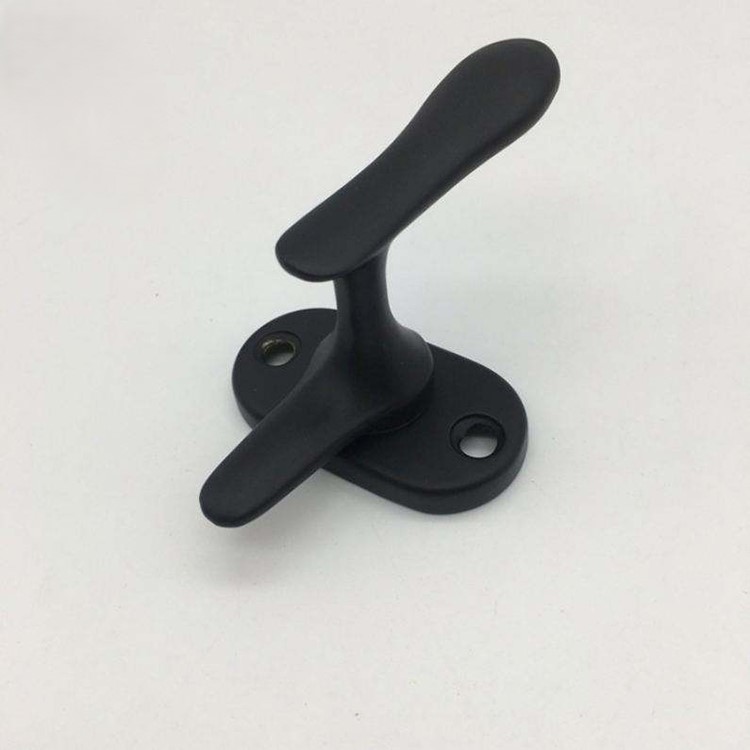
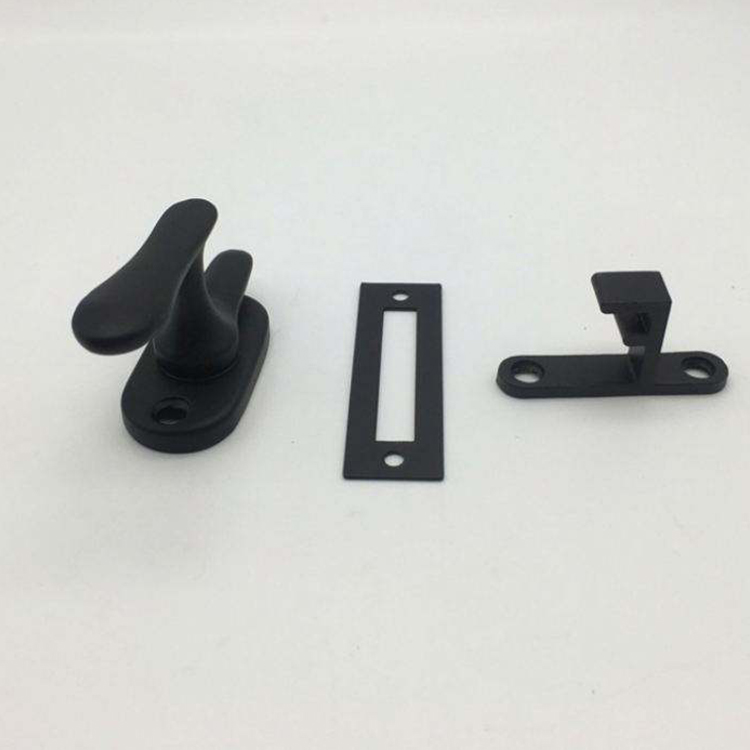
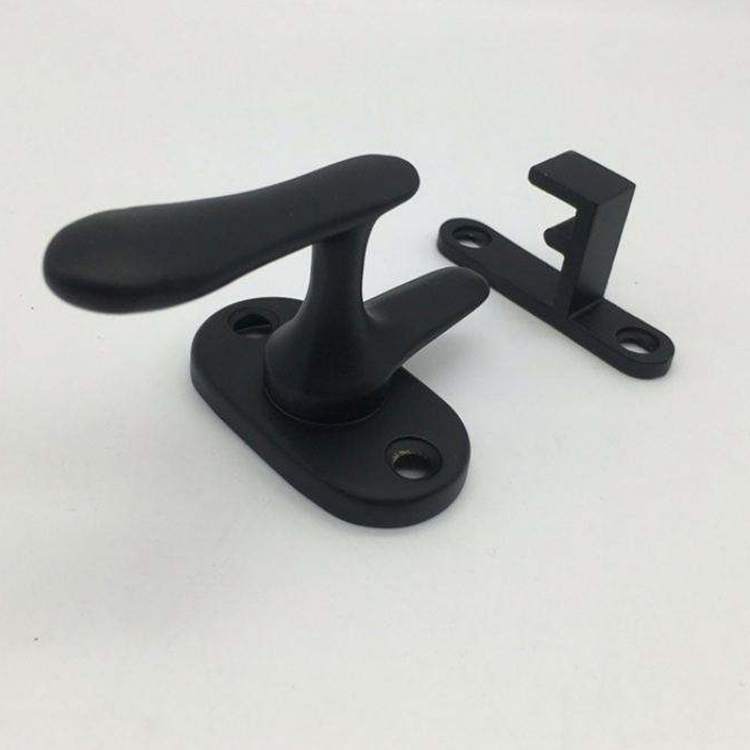
For a practical example, the Wholesale Slim Black Aluminum Casement Window Handle Lock fits the kind of product family I would evaluate for contemporary aluminum windows: slim profile, black finish, locking feel, and a shape intended not to overpower the frame.
But I would still test it. Always.
A product page can show intent. A sample on the exact window system shows truth.
Material and Finish: The Expensive Part Nobody Budgets Correctly
Aluminum window handles are not immune to market pressure. Pretending otherwise is lazy sourcing.
Reuters reported on January 8, 2026, that aluminium costs for U.S. consumers had risen 40% since June and moved above $5,200 per metric ton, with tight supply, tariffs, low inventories, and a record Midwest premium all pushing costs upward.
That matters for slimline window handles because compact hardware has less room for material waste, weak sections, bad threads, sloppy coating, and redesign after tooling. When aluminum prices move, bad suppliers quietly shave weight, simplify internal components, reduce coating discipline, or push substitutions that look harmless until returns start.
Here is the hard rule I use: never approve a compact handle without separating the visible material from the functional material.
A smart bill of materials may include:
6063-T5 or equivalent aluminum alloy for the visible handle body
SUS304 or properly treated steel for screws, springs, or wear-critical parts
zinc alloy only where section thickness, coating, and load are controlled
PA66 or engineered polymer only where heat, UV, and fatigue exposure are understood
anodized aluminum oxide layer, Al₂O₃, where the finish strategy supports it
powder coating with documented pretreatment, film thickness, adhesion, and salt-spray assumptions
Do not buy adjectives. Buy process evidence.
“Premium black finish” means nothing without coating type, pretreatment method, target thickness, adhesion test logic, corrosion test assumptions, cleaning chemical exposure, and production change control. I would rather approve a boring documented finish than a beautiful mystery finish.
For deeper supporting content, the internal guide on modern window handles for aluminum systems is a useful bridge because it connects handle geometry, grip feel, locking feedback, finish durability, and sourcing pressure in one cluster.
The Supplier Questions That Separate Adults From Catalog Sellers
A real compact window handle supplier should not panic when you ask for data.
If they do, notice it.
Before I would approve compact window handles for slim-frame window systems, I would ask the supplier for:
Drawings and fit data
Ask for 2D drawings, 3D files, screw center dimensions, spindle interface, base footprint, projection, lever swing path, and the recommended frame or gearbox compatibility. If the supplier cannot define the interface, they are selling shape, not system hardware.
Operating samples
Test the handle on the exact sash, not on a loose sample board. A handle that feels smooth in the hand can feel weak once it is driving a tight gasket seal or multi-point lock.
Finish evidence
Ask for coating process, anodizing or powder coat details, color tolerance, batch control, corrosion assumptions, and cleaning limitations. This is especially important for matte black aluminum window handles because black surfaces show scratches, oil, chalking, and coating defects faster than forgiving metallic finishes.
Batch consistency plan
A good first sample is not enough. Ask how the factory controls production drift. Tool wear, coating batches, spring force, screw quality, and packaging abrasion all matter over time.
OEM or ODM fit
If your system is proprietary, use OEM discipline. If you need a modified platform, use ODM engineering. Chier’s OEM/ODM hardware program is the correct kind of destination for that conversation because buyers can bring drawings, target standards, finishes, volumes, and packaging needs into one technical path.
My Approval Framework for Slimline Window Handles
I would not approve slimline window handles from a photo. I would not approve them from a finish chip. I would not approve them because a competitor used something similar.
Test grip, torque, knuckle clearance, wrist angle, one-hand operation, return feel, and lock-state feedback. Use different users. Small hands. Large hands. Older users. Tired users. People who do not care about your design intent.
Pass Three: Durability logic
Review material, screws, springs, spindle, coating, corrosion exposure, cycle expectations, packaging, and maintenance instructions. If the supplier talks only about color, stop the meeting.
Pass Four: Commercial risk
Check MOQ, tooling cost, lead time, reorder stability, private-label packaging, spare part policy, revision control, and whether the approved sample will match mass production.
This is where sourcing gets uncomfortable. Good.
Comfortable approvals create expensive surprises.
FAQs
What are slimline window handles?
Slimline window handles are compact, low-projection hardware designed to operate modern window systems without overwhelming narrow frame sightlines, while still providing enough grip, leverage, locking feedback, and material strength for safe daily use. They are commonly used on aluminum casement, awning, sliding, and other slim-frame window systems.
In plain language, they are handles that must look quiet and work hard. The mistake is treating “slimline” as a style label only. A proper slimline handle must be checked against the window’s frame geometry, lock mechanism, sash weight, operating force, finish exposure, and installation tolerance.
How do I choose compact window handles for slim-frame windows?
Choose compact window handles for slim-frame windows by matching the handle’s base size, projection, lever length, spindle interface, locking method, material, finish, and operating feel to the exact window system instead of selecting by appearance alone. The best choice balances narrow visual proportions with reliable mechanical control.
Start with the window drawing. Then test a sample on the actual sash. Pay close attention to finger clearance, wrist angle, lock feedback, and whether the handle can fully drive the locking points without feeling stiff or fragile.
Are low profile window handles strong enough?
Low profile window handles are strong enough when the compact shape is supported by correct material selection, wall thickness, spindle engagement, screw retention, spring quality, and tested compatibility with the window system. They become weak when suppliers reduce size without protecting the mechanical load path.
A low profile handle should not feel hollow, vague, sharp, or under-leveraged. If the handle must operate a tight casement sash or a multi-point lock, the lever geometry matters more than the catalog photo. Slim is acceptable. Weak is not.
What material is best for aluminum window handles?
The best material for aluminum window handles is usually a verified aluminum body combined with suitable internal components such as stainless steel screws, springs, spindles, or reinforced wear parts, depending on the load, climate, and lock system. The visible body and internal mechanism should be specified separately.
For many modern projects, aluminum offers a good balance of weight, formability, finish quality, and cost control. But the handle is an assembly, not a sculpture. The screws, spindle, spring, coating, and packaging can make or break long-term performance.
Do compact handles affect window safety?
Compact handles affect window safety because their grip shape, locking feedback, operating force, and compatibility with window stops, restrictors, or locks influence whether users close, secure, and control the window correctly. A slim handle can improve safety, but only when it makes secure operation obvious and repeatable.
The most dangerous compact handles are not always the weakest-looking ones. They are the confusing ones. If users cannot tell whether the sash is locked, partially engaged, or simply resting against the frame, the hardware has failed its communication job.
What should I ask a supplier before ordering slim frame window handles?
Ask a supplier for drawings, spindle specifications, screw centers, material grades, finish process, corrosion assumptions, operating samples, cycle-test logic, packaging method, batch-control rules, and confirmation that mass production will match the approved sample. A serious supplier should answer with data, not only product photos.
I would also ask whether the handle is OEM-ready, ODM-adjustable, or just a standard catalog item. That distinction matters when your slim-frame window system has tight tolerances, special finishes, private-label packaging, or long-term reorder requirements.
Final Thoughts: Specify the Handle Before It Specifies Your Failure
If you are choosing compact handles for slim-frame window systems, stop asking for the thinnest handle first.
Ask for the right handle.
Start with the window system. Confirm the frame geometry. Test the grip. Verify the spindle. Demand finish evidence. Check operating force. Challenge the supplier on batch consistency. Then choose the slimline window handles that make the whole system feel intentional, not just fashionable.
Your next step is simple: review the relevant door and window handles, compare material and finish requirements against your project exposure, and send the supplier your frame drawings, sash type, locking method, target finish, annual volume, and market requirements before approving samples. The handle may be compact. The decision should not be.