Looking for hardware solutions that meet European / American standards?
Use this guided inquiry modal to move from a generic quote form to a clearer technical conversation. Buyers can choose whether they need pricing, CAD / 3D files, or OEM / ODM support before sharing contact details.
Compatibility-first design across door / window systems
Repeatable production with clear inspection checkpoints
Documentation and change control for long-running programs
Responsive engineering support for fit and field feedback
The Dirty Secret Behind “Matching” Door and Window Handles
Most brands confuse similarity with unity.
That is the problem.
I have sat in product review meetings where a supplier lined up ten beautiful samples, all in matte black, all photographed under soft light, and the buyer nodded as if the design system had been solved; but once those same handles moved onto casement windows, lift-slide doors, balcony doors, tilt-turn systems, and narrow aluminum frames, the so-called family collapsed into a mess of awkward grip depth, different spring feel, inconsistent lock feedback, and finish mismatch under daylight.
So what exactly were they matching?
A unified handle design is not a color card. It is a controlled product language across geometry, grip, installation interface, operating force, locking behavior, finish chemistry, packaging, spare parts, and documentation. If your premium door handles and window handle design do not share those rules, you do not have a product family. You have a showroom illusion.
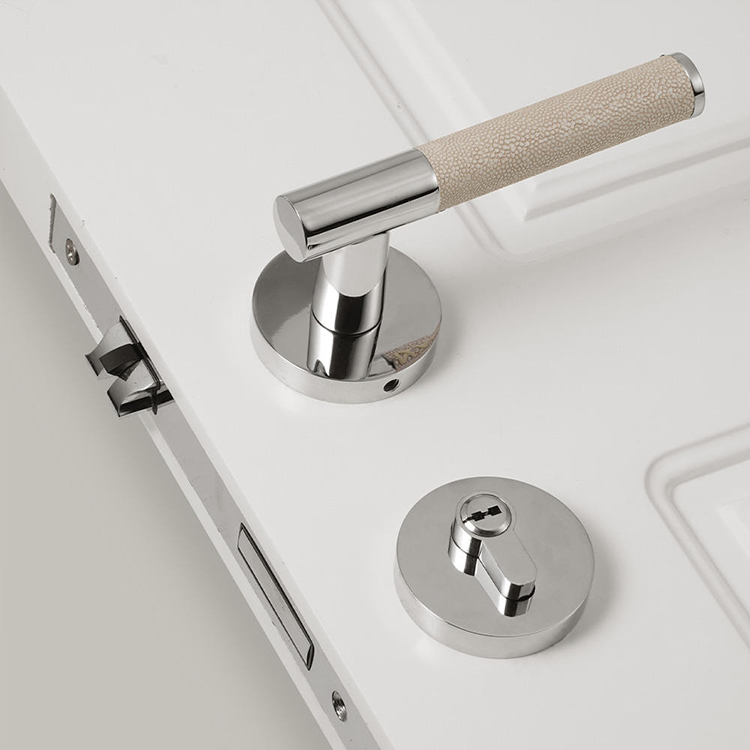
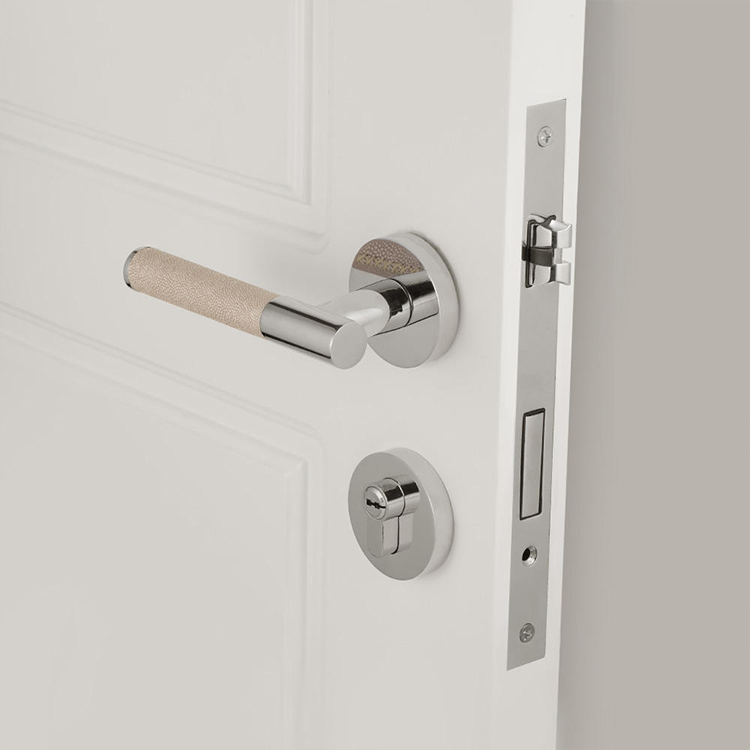
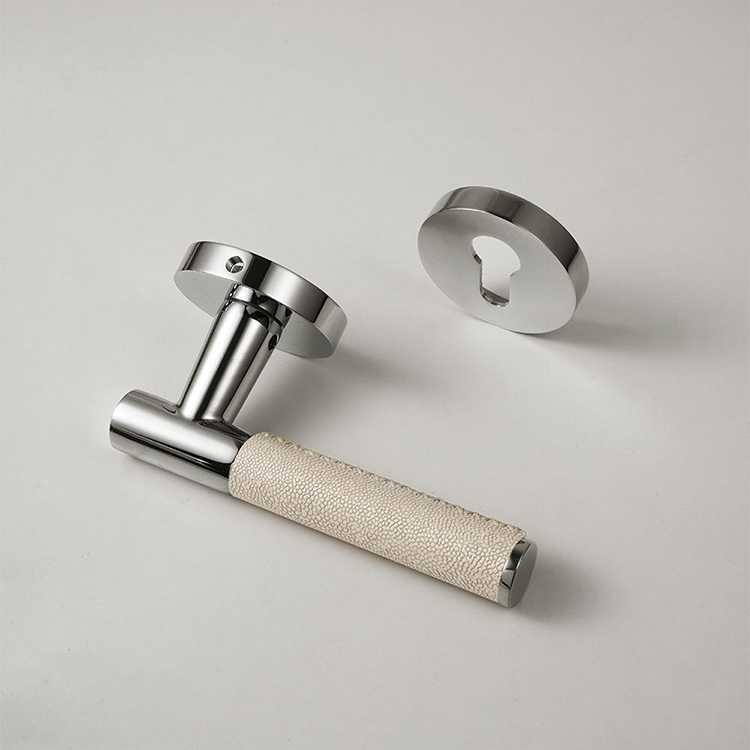
Start with the actual product family. The Door and Window Handles category is the right internal reference point because it shows the spread buyers usually underestimate: casement window handles, fork-style handles, sliding door handles, lift-slide handles, integrated lock handles, and private-label OEM versions. That spread is where weak design systems die.
Table of Contents
The First Rule: Build a Handle Platform, Not a Handle Collection
A handle platform is a shared design and engineering rulebook that lets different door and window handles look related, feel related, install predictably, and perform consistently across product lines without forcing one handle shape onto every opening type.
Here is my unpopular opinion: premium hardware brands should approve fewer handle shapes, not more. Variety looks exciting in a catalog. It becomes expensive in production.
A platform approach starts with six control points:
1. Shared Visual Grammar
The user should recognize the family before reading the SKU code. That means shared radius language, lever thickness, base shape, screw cover logic, edge softness, and finish depth.
But do not overdo it. A sliding door pull does not need to pretend it is a casement lever. A lift-slide handle does not need the same silhouette as a slim window fork handle. The family resemblance should be obvious without making every part mechanically stupid.
Use the Window & Door Hardware Design section as a content bridge here. It supports the wider idea that handle form is not decoration; it is part of the entire fenestration hardware system.
2. Shared Touch Logic
This is where many luxury door and window hardware programs fall apart. The handle looks premium, but the first touch feels cheap.
The grip should answer four questions:
Who is using it? How often? With how much force? In what body position?
The U.S. Access Board guidance for door and gate hardware says operable parts should allow one-hand operation, avoid tight grasping, pinching, or twisting, operate at 5 lbf maximum, and sit between 34 inches and 48 inches above the floor or ground in accessible routes; the broader 2010 ADA Standards for Accessible Design carry the same operating principle for accessible operable parts. (无障碍委员会)
That is not just legal language. It is a design warning. If your premium handle needs wrist torque, fingertip pressure, or a neat little pinch movement to work, it is probably hostile to older users, children, hospitality guests, and anyone carrying bags.
3. Shared Mechanical Interfaces
Pretty drawings do not keep callbacks away.
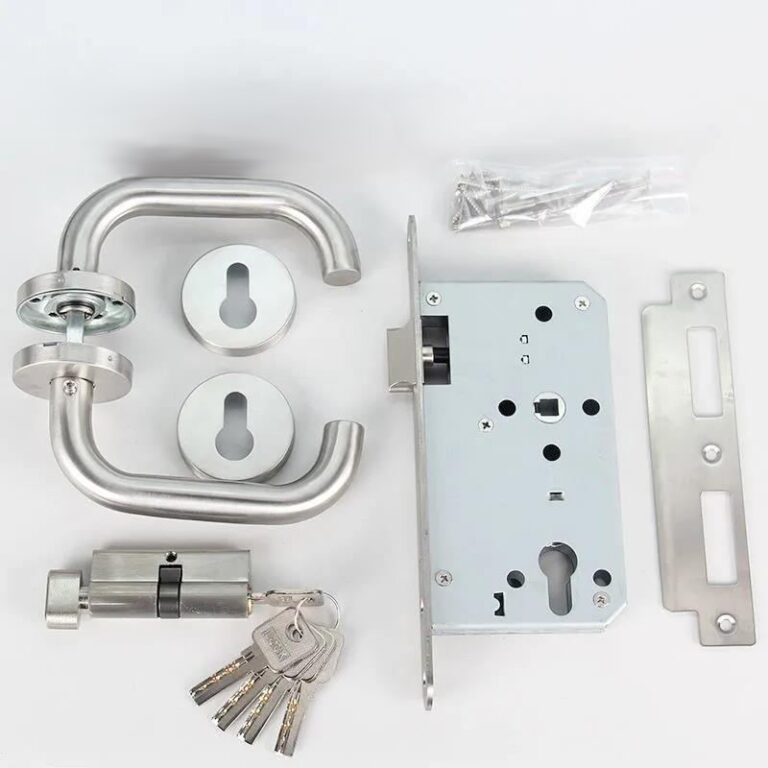
Your platform needs controlled dimensions for spindle size, screw spacing, base footprint, PZ center where relevant, lockcase compatibility, gearbox torque, handedness, projection from frame, and fastener package. The moment one product line uses a different hidden interface “just this once,” procurement loses discipline.
And yes, I blame brands as much as suppliers. Buyers often demand “same design, different system” without paying for the engineering work that makes that possible.
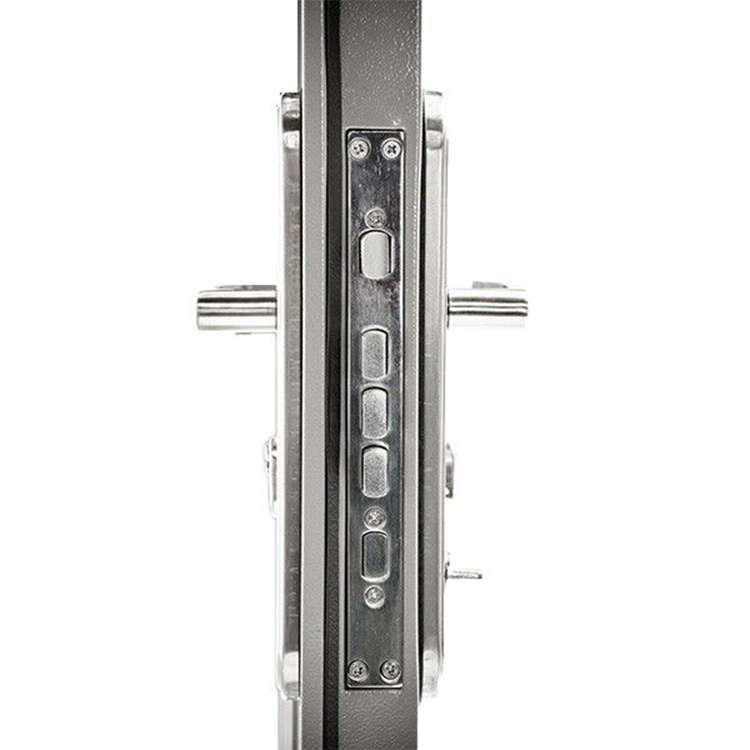
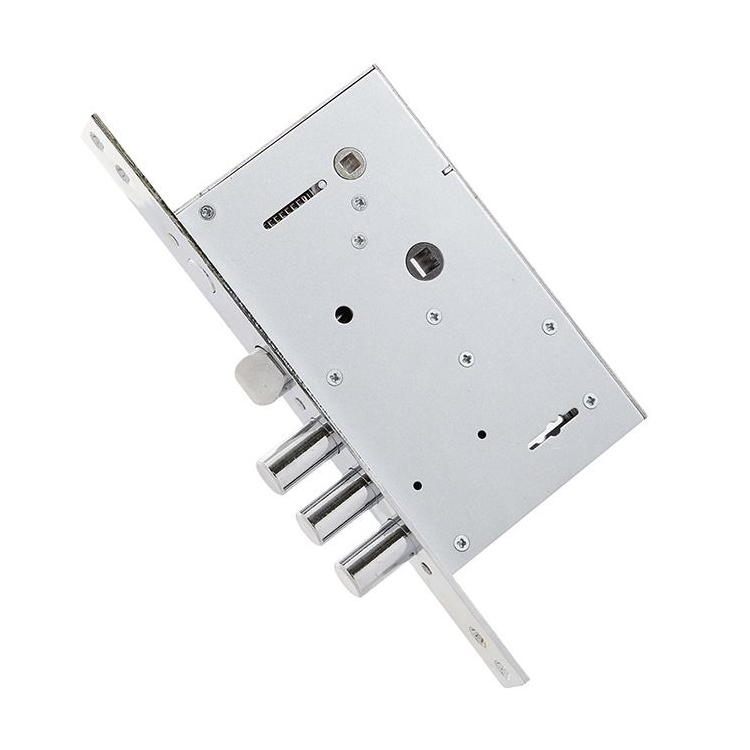
For multipoint door systems, this is not optional. A handle that feels excellent on a sample board can feel awful once door compression, gasket drag, keeper alignment, and gearbox resistance enter the equation. That is why internal linking to Multi-Point Lock Systems Engineering makes sense inside this article: handle unity has to include the locking system behind the faceplate.
A Hard Data Check: Why Unified Handle Design Is Not Cosmetic
The market is already telling us something. Hardware consolidation is not happening because investors love tiny metal parts. It is happening because door and window systems are becoming more integrated, more documented, and more margin-sensitive.
Reuters reported in April 2024 that Quanex agreed to buy UK door and window supplier Tyman in a deal valued at about $976 million, with expected run-rate cost synergies of $30 million by the second year. That is a loud signal: system control, SKU rationalization, and supplier integration now carry real financial weight in building products.
Small part. Big money.
The demographic data is just as blunt. The U.S. Census Bureau reported in June 2025 that the U.S. population aged 65 and older rose to 61.2 million from 2023 to 2024, while the under-18 population decreased to 73.1 million.
So, why are premium handle programs still approving tiny edges, stiff operation, low-feedback locks, and “minimal” grips that only work for young hands in a showroom?
And then there is corrosion. The Federal Highway Administration-backed corrosion cost study estimated total direct metallic corrosion costs in the U.S. at $276 billion per year, or 3.1% of 1998 GDP. The number is old, but the lesson is not: coating and material decisions punish lazy buyers over time.
The Unified Handle Platform Decision Matrix
Use this before approving the next “premium” sample.
Design Control Area
What to Standardize
What Can Vary by Product Line
What I Would Reject Immediately
Grip geometry
Core radius, edge softness, hand clearance, lever thickness
Length, projection, pull depth
Sharp minimalist shapes that feel good only in renderings
Finish system
Color target, gloss range, coating type, corrosion test expectation
Finish family by region or collection
“Matte black” with no ΔE tolerance or batch control
Mechanical interface
Spindle, screw spacing, base footprint, lock compatibility
Door/window-specific backplates
One-off interfaces that create spare-part chaos
Operating feel
Spring return, final lock feedback, torque range
Door compression resistance, sash weight
Handles with no clear locked/unlocked tactile signal
Product documentation
CAD, installation sheet, inspection points, revision history
Language, market-specific compliance notes
Samples approved without drawings and change control
Packaging and service
SKU naming, batch traceability, spare-part map
Retail/private-label artwork
Mixed cartons, vague labels, no reorder discipline
This is where OEM/ODM door and window hardware programs matter. A unified handle design needs engineering support, sampling control, scalable production, and revision discipline. Otherwise, your “premium line” becomes a pile of attractive exceptions.
Finish Is Not the Brand; Finish Is the Lie Detector
I do not trust finish samples by themselves.
A matte black handle can look expensive on day one and embarrass a brand after six months of salt air, UV exposure, hand oils, alkaline cleaners, or poor base-metal preparation. Satin nickel, brushed stainless, anodized aluminum, powder coating, PVD, and electrophoretic coating all behave differently. The finish is not a color. It is chemistry plus process control.
For aluminum window projects, connect readers to modern aluminum window handle design because aluminum frames expose weak proportions fast. Slim frames make bulky handles look cheap. Thin handles make high-use windows feel weak. The balance is narrow.
Here is the test I like: put the handle on the real frame, not a display board. Open it with wet hands. Open it with one hand. Open it at an awkward angle. Cycle it after the gasket has been compressed. Then inspect the finish under daylight, LED light, and shadow.
Luxury fails quietly at first.
Then warranty calls begin.
How to Create Consistent Hardware Design Without Killing Product Personality
A unified handle system should not make every SKU boring. It should make every SKU believable.
Keep the Same Design DNA
Use common visual DNA across the full range:
Same edge radius philosophy
Same base-to-lever proportion
Same finish naming system
Same lock indicator logic
Same screw concealment language
Same grip comfort standard
Let Function Change the Form
A casement window handle can be slim. A lift-slide handle needs authority. A sliding door pull needs hand clearance and grip confidence. An integrated lock handle needs visible security logic.
That is not inconsistency. That is honest design.
The internal article on integrated window lock and handle designs is a useful support link here because integrated handles are exactly where brands overpromise. They want cleaner lines, fewer parts, and easier selling points. Fine. But integration also concentrates failure risk.
The Supplier Questions I Would Ask Before Signing Anything
Do not ask only, “Can you make this?”
Ask better questions.
Can you maintain finish consistency across 20,000 units? Can you provide CAD and 3D files before tooling lock? Can you define acceptable torque range after 10,000 cycles? Can you keep screw packs, spindle lengths, and rosette dimensions traceable by SKU? Can your packaging survive export handling without mixing left-hand and right-hand variants? Can your team support private-label changes without quietly changing material or coating?
This is why a door and window hardware download library is not just a nice website section. For serious buyers, drawings, certificates, installation guidance, CAD files, finish options, and maintenance documents are the evidence layer behind premium claims.
No evidence, no trust.
A Practical 7-Step Framework for Unifying Premium Door and Window Handles
Step 1: Map Every Opening Type
List casement windows, awning windows, sliding windows, lift-slide doors, hinged doors, balcony doors, tilt-turn systems, cabinet sliders, and project-specific profiles. Do not start with handle pictures.
Step 2: Define the Brand Handfeel
Choose the target feel: soft, mechanical, firm, quiet, high-security, architectural, minimal, or commercial-grade. Then translate that feeling into measurable details: grip radius, spring return, torque band, projection, and lock feedback.
Step 3: Create a Shared Finish Standard
Define color with measurable tolerances, not adjectives. “Black” is not a specification. “Matte black, controlled gloss, target ΔE range, coating system, corrosion test requirement, batch approval process” is closer.
Every handle should have a family code, product type code, finish code, lock compatibility code, market code, and revision code. It sounds dull. Dull saves money.
Step 6: Test on Real Assemblies
Do not approve handles on foam boards. Test them on real doors and windows with actual seals, actual hinges, actual lock bodies, actual screws, and actual installers.
Step 7: Document Every Change
Supplier change control is where premium brands either act like professionals or gamblers. Material substitutions, spring changes, screw changes, coating changes, and packaging changes must be documented before shipment.
FAQs
What are Door and Window Handles in a premium product line?
Door and Window Handles are the visible and touchable operating hardware used to open, close, lock, pull, slide, or control doors and windows, and in premium product lines they must combine appearance, ergonomic comfort, mechanical compatibility, finish durability, safety expectations, and repeatable OEM production quality.
In plain terms, they are not accessories. They are the user’s first physical contact with the product. If the handle feels weak, stiff, sharp, loose, or inconsistent, the entire door or window system feels cheaper than the brochure promised.
How do you unify handle design across premium doors and windows?
You unify handle design across premium doors and windows by creating a shared platform for visual language, grip geometry, finish standards, mechanical interfaces, lock feedback, documentation, and supplier change control while allowing each opening type to keep the form needed for its real function.
Do not force one shape everywhere. A casement handle, sliding pull, and lift-slide handle can belong to the same family without being identical. The goal is consistent hardware design, not mechanical cosplay.
What is the biggest mistake in luxury door and window hardware design?
The biggest mistake in luxury door and window hardware design is treating finish and silhouette as the whole design while ignoring operating force, hand clearance, lock compatibility, corrosion behavior, spare-part discipline, installation tolerance, and long-term reorder consistency across the full product family.
I know this sounds harsh, but it is true. A beautiful handle that creates field failures is not premium. It is expensive decoration attached to an engineering debt.
What makes premium door handles different from standard handles?
Premium door handles differ from standard handles through tighter control of material selection, ergonomic grip, finish consistency, mechanical fit, spring feel, lock compatibility, corrosion resistance, packaging discipline, and supplier documentation rather than through appearance alone or heavier weight alone.
Weight can help perception, but it is not proof. I would rather approve a well-engineered aluminum or zinc alloy handle with verified coating and stable fit than a heavy handle with sloppy tolerances and mystery finish chemistry.
What is the best handle design for premium doors and windows?
The best handle design for premium doors and windows is a platform-based design that feels intuitive in one hand, matches the frame system visually, works with the lock or gearbox, survives environmental exposure, allows repeatable installation, and can be documented across SKUs, finishes, markets, and production batches.
The best design is usually quieter than buyers expect. It does not scream for attention. It feels right, works every day, and does not create warranty noise.
Final Thoughts: Stop Approving Pretty Samples
If you want to unify handle design across premium door and window product lines, stop treating the handle as a catalog item.
Treat it as a system.
Start with your full product map, define the shared design DNA, control the finish chemistry, standardize the hidden interfaces, test on real assemblies, and demand documentation before approving production. Then work with a supplier that can support Door and Window Handles as a long-term platform, not a one-time sample order.
Your next step is simple: review your current handle range, mark every inconsistent grip, finish, screw pattern, lock interface, and undocumented variant, then send the cleaned-up specification to an OEM/ODM partner before the next product launch turns small hardware into a large warranty problem.