Looking for hardware solutions that meet European / American standards?
Use this guided inquiry modal to move from a generic quote form to a clearer technical conversation. Buyers can choose whether they need pricing, CAD / 3D files, or OEM / ODM support before sharing contact details.
Compatibility-first design across door / window systems
Repeatable production with clear inspection checkpoints
Documentation and change control for long-running programs
Responsive engineering support for fit and field feedback
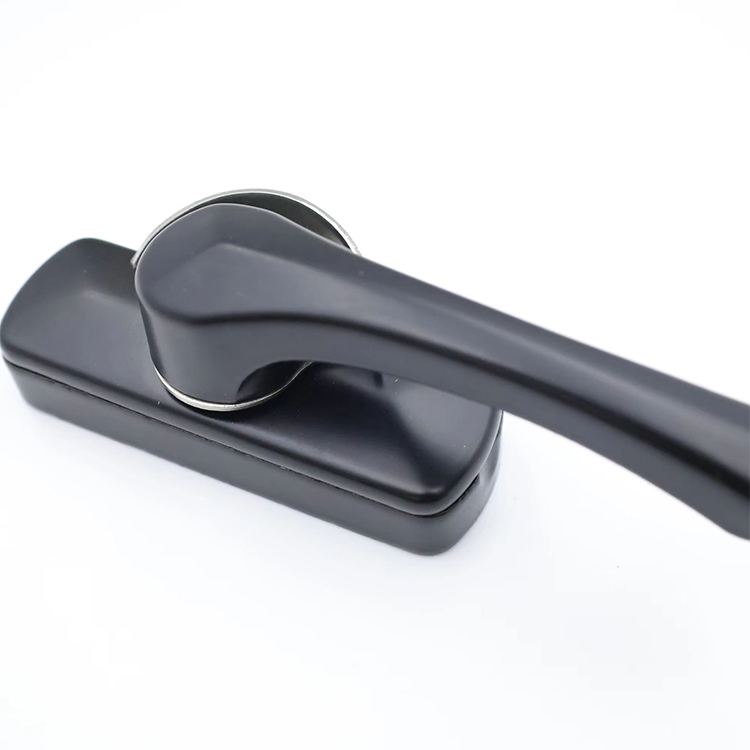
I have watched too many teams sign off on aluminum window handles because the rendering looked sharp, the matte black finish looked expensive, and the lever line looked “architectural,” only to discover later that the grip was awkward, the return spring felt lazy, the spindle tolerance was sloppy, and the whole handle turned daily use into a small irritation that became a big callback. Why are we still rewarding hardware that photographs better than it performs?
My view is blunt: modern window handles for aluminum frames should be designed from operating logic first and visual language second. That means the handle has to match sash weight, opening type, gasket compression, locking sequence, user strength, cleaning exposure, and the compliance story of the opening, not just the mood board.
What Actually Makes Aluminum Window Handles Modern
Geometry before decoration
Start with force.
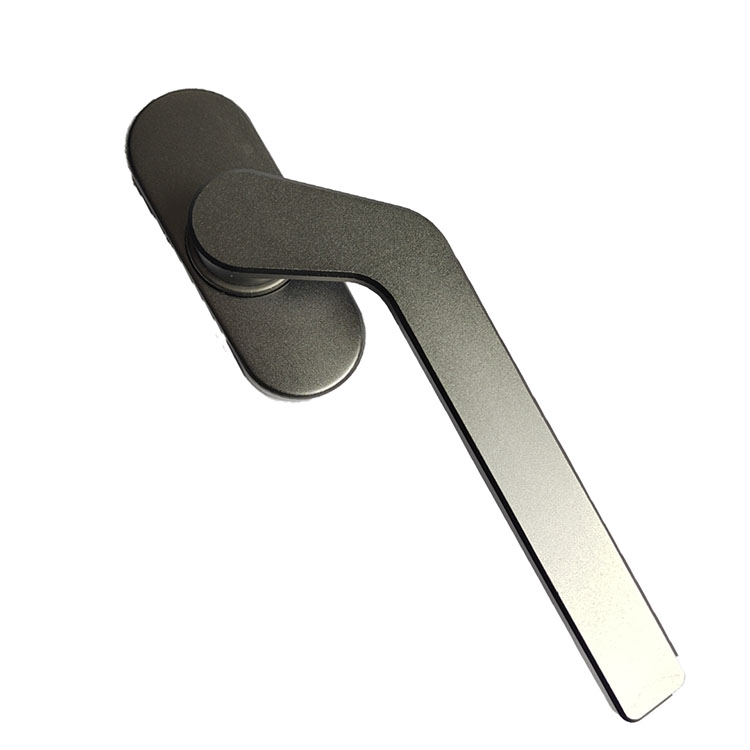
A good contemporary window handle design uses low visual bulk, yes, but it also uses a grip section that tells the hand where to land, a neck transition that does not create a pressure point, and a lever length that gives enough torque without making the handle look clumsy on a narrow aluminum profile. Do you want a modern silhouette, or do you want a modern silhouette that still works in February with cold fingers and a tight compression seal?
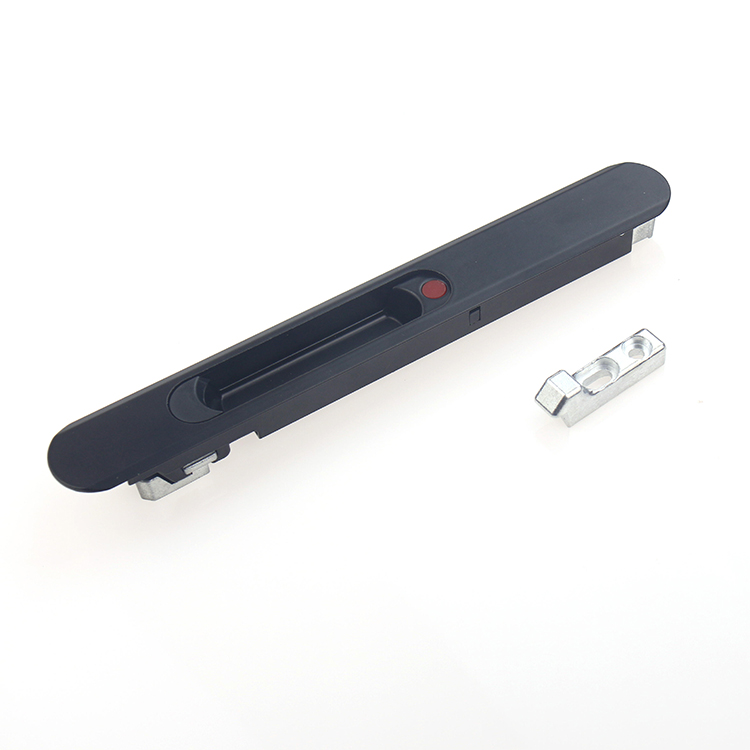
For casement and awning systems, I usually prefer a lever profile with controlled flattening on the thumb side, rounded contact edges, and a projection that stays disciplined instead of exaggerated. For sliding systems, minimalist window handles work best when they respect finger clearance and panel overlap instead of pretending every slim profile is automatically elegant.
The handle has to speak the frame’s language
Aluminum is honest.
If the frame is slim, the handle should not look swollen. If the frame uses crisp rectangular sightlines, the handle should not suddenly become soft and ornamental. If the system is selling calm, technical precision, the handle should not introduce fake “luxury” curves that belong in a different decade. So why do so many so-called modern window handles still look like leftovers from generic die-cast catalogs?
This is why I usually match the handle body to the aluminum system with a restrained palette: matte black, natural anodized silver, dark bronze, graphite, or a tight powder-coated custom color that actually belongs to the façade package. Modern does not mean cold. It means edited.
Ergonomics are not optional
Hands decide everything.
The U.S. ADA standards say operable parts should be usable with one hand and should not require tight grasping, pinching, or twisting, with a maximum activation force of 5 pounds, or 22.2 N. I know window hardware is not always judged under the same clause as a door set, but the principle is still dead useful: if your aluminum window handle demands awkward wrist action, sharp finger pressure, or too much force, the design is already behind. ADA’s 2010 standards make that plain.
And safety is not abstract. CPSC’s window-fall campaign says 9 children die and thousands are injured in falls from windows each year, which is exactly why I refuse to treat handle shape, locking feedback, and opening control as decorative details. A modern aluminum window hardware package has to make safe behavior obvious.
The Spec Sheet I Would Actually Approve
Cheap minimalism fails.
The handle that lasts is usually the one with tighter thinking, not louder styling, and that means writing a spec that covers alloy choice, fixing hardware, finish thickness, spindle interface, return feel, and misuse tolerance before anyone starts arguing about whether the lever should be 2 mm thinner for the brochure shot. Why keep pretending beauty and engineering are enemies?
Here is the comparison I would use before approving the best window handles for aluminum systems:
Design Element
Bad “Modern” Choice
Better Modern Choice
Why It Wins
Lever profile
Extremely thin lever with sharp underside
Slim lever with softened contact radius and thumb landing
Feels cleaner in the hand and reduces fatigue
Body material
Unverified cast body with vague alloy note
Specified aluminum body such as 6063-series or equivalent with controlled machining/tolerances
Better fit, consistency, and finish behavior
Spindle interface
Loose-fit square spindle with visual wobble
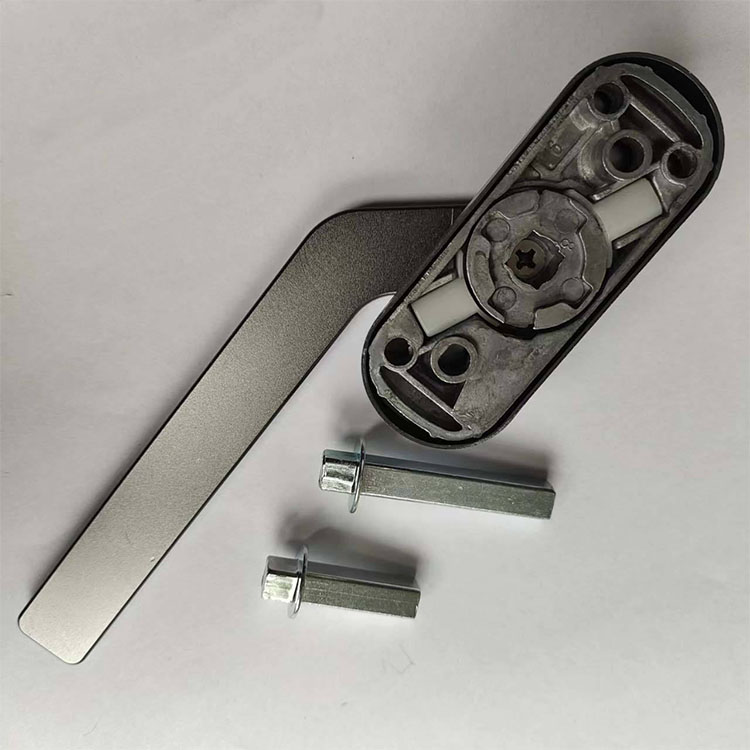
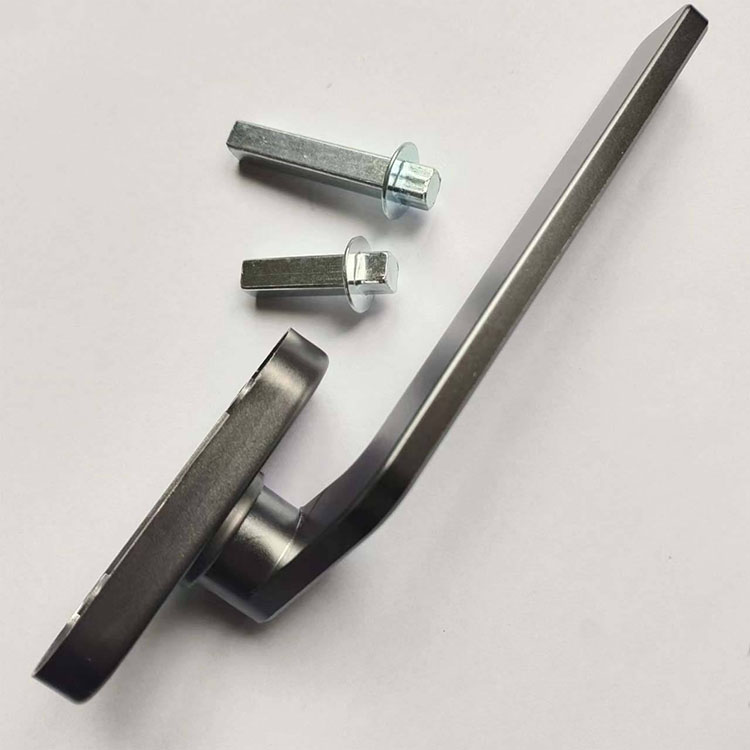
Tight spindle fit matched to actual lock/gearbox platform
Stops early play and sloppy return
Fixings
Generic plated screws
304 stainless fasteners or verified corrosion-matched fixings
Better resistance in humid and coastal environments
Finish
Fashion-first coating with weak prep
Qualified anodized or powder-coated finish matched to exposure
Holds appearance longer under cleaning chemicals and skin oils
Return action
Soft or lazy spring feel
Crisp return with clear stop positions
Better user confidence and less perceived cheapness
Safety logic
Locking sequence hidden or confusing
Clear locked/unlocked feedback and restrictor compatibility where needed
Reduces unsafe use and service complaints
Serviceability
Decorative cap system that slows field replacement
Clean concealed fixing with realistic maintenance access
Saves labor after installation
My baseline for aluminum window handles is simple: the handle should feel solid without being heavy, return cleanly without snapping like a trap, and maintain visual discipline across at least 25,000 to 50,000 real cycles in the intended opening category. If it cannot do that, I do not care how “minimalist” it looks.
The Hard Cost Nobody Wants to Talk About
Metal prices bite.
Reuters reported on January 21, 2026 that U.S. aluminium buyers were paying a 68% premium over the London Metal Exchange price for physical metal, with the all-in price above $5,000 per ton, and Reuters then reported on April 2, 2026 that the U.S. kept a 50% tariff on commodity imports while changing how derivative products are treated, including reduced 15% or 25% rates for some categories. That is not background noise. That hits handle bodies, base plates, fasteners, machining decisions, and MOQ math. Read Reuters on the January 2026 aluminium premium and Reuters on the April 2026 tariff changes.
That is why I do not separate design from sourcing. The best modern window handles are not just well drawn. They are engineered for material reality. When I see teams specify exotic finishes, over-complicated bases, or unnecessary secondary machining on a cost-sensitive aluminum system, I know somebody is about to pay for vanity twice.
There is a smarter play. EPA says aluminum can be recycled using less than 5 percent of the energy needed to make the original product, which is one reason recycled-content strategies are not just a green talking point but a manufacturing and procurement advantage when the finish and structural tolerance allow it. The EPA reference is old, but the underlying message still holds: aluminum rewards sensible reuse.
Where Modern Aluminum Window Hardware Usually Goes Wrong
Mistake one: making the handle too small to feel premium
Tiny is not refined.
I keep seeing “minimalist” handles that reduce the grip area so aggressively that the user has to pinch instead of hold, which makes the opening feel cheaper, harder, and less stable even when the mechanism behind it is decent. Is that really modern, or is it just thin for the sake of looking thin?
Mistake two: ignoring the opening, then blaming the handle
The handle is often innocent.
A modern window handle can only behave as well as the sash geometry, friction stays, lockbox, gasket compression, and installation tolerance allow, which is why I do not trust isolated hardware claims without assembly thinking. Premium brands are not immune either: CPSC’s December 21, 2023 recall alert on Pella Architect Series casement windows covered about 12,000 units sold for roughly $700 to $10,000 per window because the sash could detach from the frame and fall. One detachment was enough to expose the risk.
That case is a hard reminder. Handle design has to be part of system design. Not a decorative afterthought glued onto a compliance problem.
Mistake three: choosing finish by showroom light
Showrooms lie beautifully.
A black finish that looks rich under indoor LED lighting can turn blotchy under sunscreen, salt air, alkaline cleaners, and constant skin contact if the pretreatment and coating stack are weak, which is why I trust boring finish documentation more than glamorous sample boards every single time. Why would I sign a finish schedule before I see the prep and exposure logic?
For modern window handles in coastal or high-humidity projects, I usually lean toward anodized aluminum or a genuinely qualified powder coat, and I want the screw and spring story checked too, not just the visible body. Corrosion never attacks only the part the architect sees.
FAQs
What makes a window handle modern?
A modern window handle is an operating component for aluminum windows defined by clean geometry, controlled visual bulk, comfortable one-hand use, durable finish performance, and proper lock compatibility with the actual sash and frame system rather than by decoration, ornate detailing, or trend-driven styling alone.
In practice, that means restrained forms, better grip logic, clearer lock feedback, and tighter integration with the profile system. Modern is not a color. It is disciplined function.
What is the best material for modern aluminum window handles?
The best material for modern aluminum window handles is a verified aluminum body and matching hardware package that balances strength, corrosion resistance, finish stability, machining quality, and sourcing reliability for the exact opening type, climate exposure, and service life expected in the installed aluminum system.
I usually prefer aluminum-based bodies for aluminum systems because the visual and material language stays coherent, but the full answer always includes springs, screws, inserts, spindle fit, and coating quality.
How do I choose the best window handles for aluminum systems?
The best window handles for aluminum systems are chosen by matching lever geometry, spindle interface, locking method, finish stack, user force, sash weight, climate exposure, and maintenance expectations to the exact frame platform, instead of choosing the prettiest silhouette and hoping the gearbox, gasket load, and hand feel work themselves out later.
I would start with the opening type, then the user, then the environment, then the finish. Color belongs near the end, not the start.
Do minimalist window handles reduce safety or durability?
Minimalist window handles do not reduce safety or durability by default; they reduce safety or durability only when slim visual proportions are achieved by cutting grip area, weakening material sections, softening return action, or hiding confusing lock logic inside a handle that was optimized for appearance rather than real use.
Slim can be excellent. Fake slim is where the trouble starts.