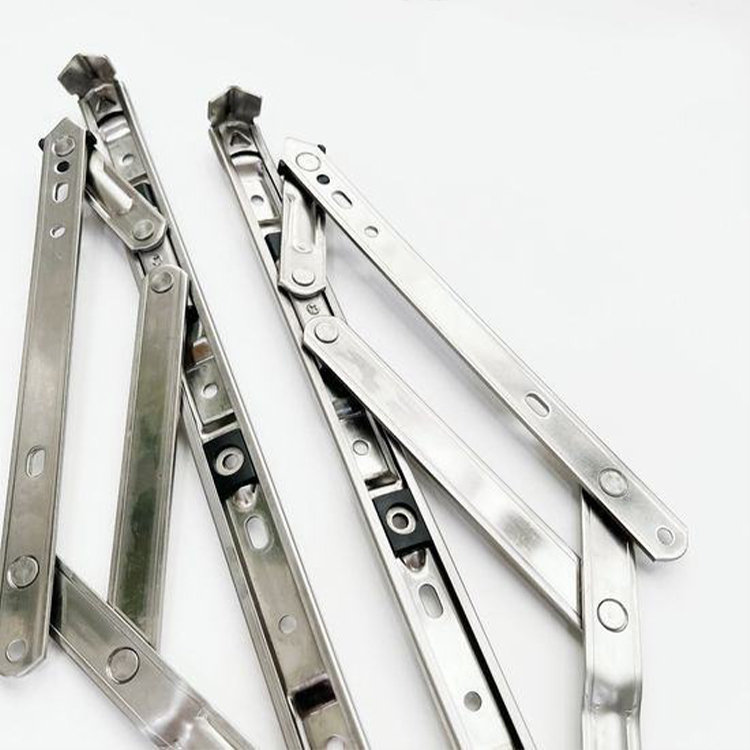
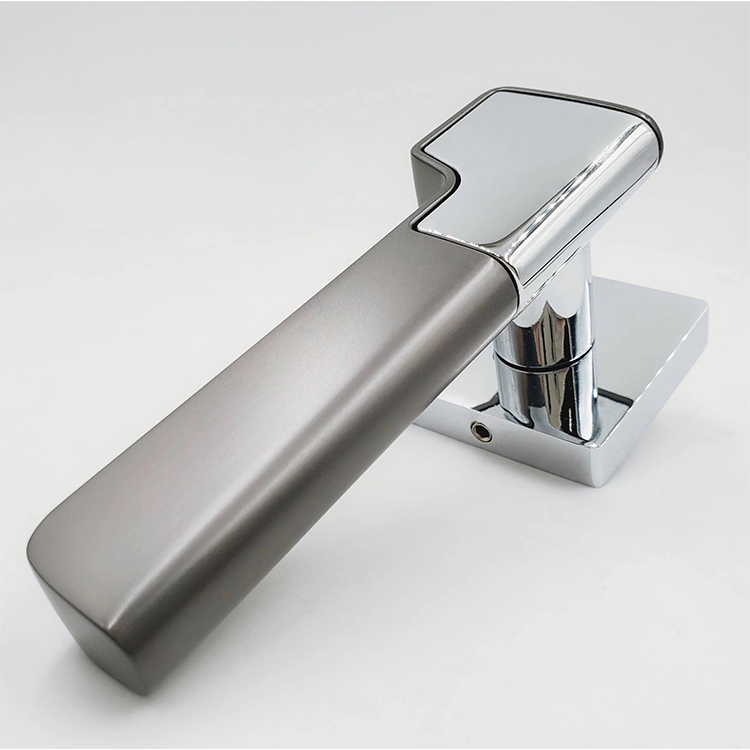
Looking for hardware solutions that meet European / American standards?
Use this guided inquiry modal to move from a generic quote form to a clearer technical conversation. Buyers can choose whether they need pricing, CAD / 3D files, or OEM / ODM support before sharing contact details.
Compatibility-first design across door / window systems
Repeatable production with clear inspection checkpoints
Documentation and change control for long-running programs
Responsive engineering support for fit and field feedback
I have watched too many purchasing teams compare window hardware quotes as if they were buying identical steel washers, when the real differences were hiding in corrosion resistance, tolerance control, revision discipline, service-part continuity, and whether the hardware would still feel decent after 20,000 cycles and one ugly winter. What are they really buying?
I am not saying every project needs a premium bill of materials. I am saying the market is big enough, and expensive enough, that lazy sourcing gets punished fast: Harvard’s Joint Center for Housing Studies says home improvement and repair spending rose from $404 billion in 2019 to $611 billion in 2022, is expected to stay above $600 billion through 2025, and that replacement projects such as roofing, windows, and HVAC accounted for 49 percent of improvement expenditures in 2023.
Costs still move.
And they move even when a salesman swears his quote is “stable,” because Reuters reported that Drewry’s World Container Index jumped 41 percent week over week to $3,527 per FEU in June 2025 and was up 70 percent over four weeks, while NAHB says roughly $14 billion of the $194 billion in goods used in new U.S. residential construction in 2025 came from imports, and tariffs tend to get passed through to buyers. You think the “budget” quote is cheap if the freight, tariff, and re-order math is fake?
So here is my blunt view: premium vs budget window hardware is not really a style choice. It is a risk-allocation choice.
Table of Contents
Premium vs Budget Is Really About Failure Tolerance
Premium window systems buy you evidence, not bragging rights
Premium buyers often tell themselves they are paying for a nicer handle. That is cute. What they are really paying for is a tighter evidence chain, better surface discipline, lower tolerance drift, cleaner fit between sash and frame, longer service life, and a lower chance that a field team starts filing “mystery” complaints six months after install.
I would push those buyers toward a sourcing flow that starts with window hardware sourcing strategy and then moves straight into hardware compliance for aluminum windows and doors, because premium systems fail in public and at higher dollar values. When the window line is wood, fiberglass, thermally broken aluminum, or a large-format coastal unit, I want proof on finish logic, operating geometry, and approved assembly behavior before I care about cosmetics.
Budget window systems should cut variation, not standards
Budget does not have to mean junk.
But it does mean you stop pretending every SKU deserves its own special trim, finish, spindle, screw pack, and hinge family, because that is how low-cost programs quietly turn into high-warranty programs with a fake smile on their face. Why create complexity you cannot police?
My rule is simple: if the project is budget, simplify the geometry, standardize the part families, keep the visible hardware honest, and obsess over installation tolerance. That is why I would send specifiers to frame tolerances that prevent hardware binding long before I let them argue over decorative upgrades. A cheap handle on a stable opening can survive. An expensive handle on a bad opening still feels broken.
The Sourcing Table I Would Use Before Signing Any PO
Match the hardware to the promise, not the mood board
Where Cheap Quotes Turn Toxic
The recall file nobody likes to mention
Premium branding does not save bad mechanics.
On December 21, 2023, the CPSC recall notice on Pella Architect Series Casement Windows said the sash could detach from the frame and fall, and the recall covered about 12,000 units sold for between $700 and $10,000 per window. That is the point most people miss: expensive windows are not protected by their own price tags.
Freight and tariff pressure make fake savings look smart for about ten minutes
I do not trust a low quote that cannot survive a second spreadsheet.
A supplier who cannot discuss landed cost under freight swings, import pressure, carton efficiency, and repeat-order logic is not giving you a budget solution; he is renting you a future excuse. That is why I look at master carton density, mixed-SKU rules, and reorder stability almost as hard as I look at the part itself.
Climate exposure punishes lazy sourcing faster than any audit
Weather keeps receipts.
According to NOAA’s 2024 climate assessment, the U.S. had 27 weather and climate disasters above $1 billion in 2024, with $182.7 billion in losses, and NOAA’s long-range summary shows the five-year average from 2020 through 2024 reached 23.0 events per year versus 9.0 across 1980 through 2024. So no, I do not treat finish chemistry, seal compression, or exposure class as “premium extras” anymore.
And this is where the sourcing conversation gets real. If the opening is heading into salt air, strong UV, freeze-thaw, or wind-driven rain, I would rather have a plain-looking part with honest durability than a pretty one with fragile plating and a sales brochure full of adjectives.
How I Would Source the BOM in Real Life
First, freeze the opening logic
Start with the window type, sash size, handing, operator type, and target market. Casement, awning, sliding, tilt-turn, wood, vinyl, fiberglass, and aluminum systems do not deserve the same hardware assumptions, and I am tired of seeing buyers act shocked when a “universal” solution turns out to be anything but universal.
Then, split visible hardware from hidden hardware
Buyers stare at the visible parts because they are easy to argue about.
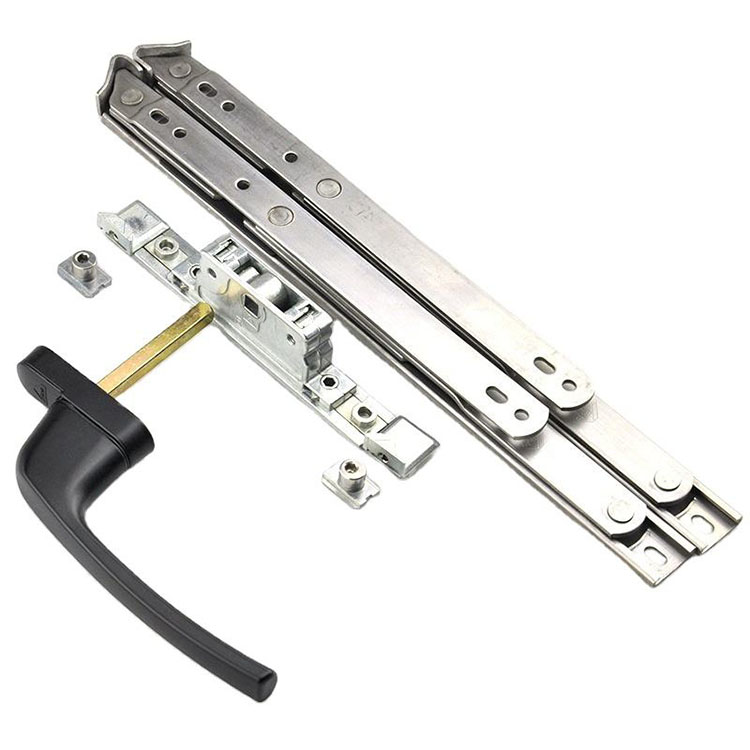
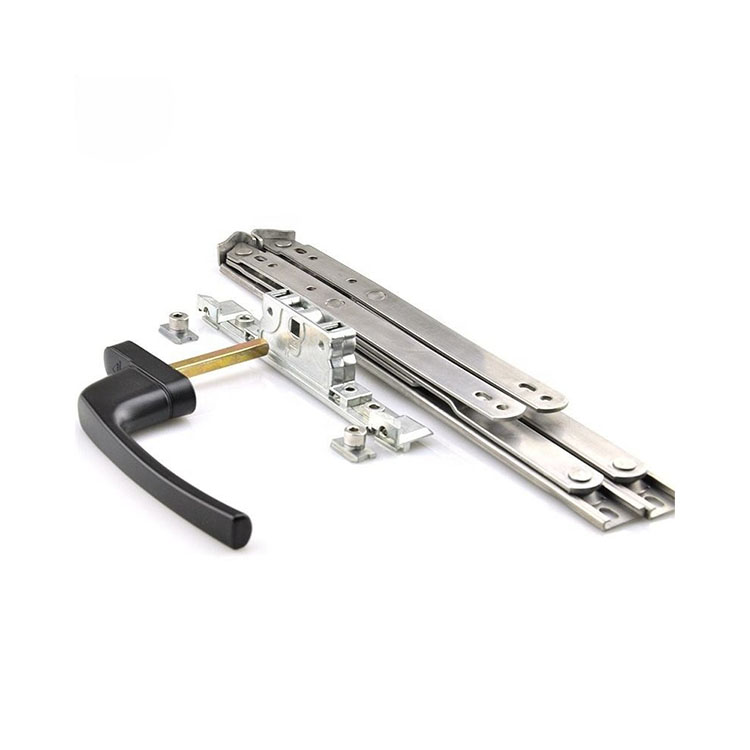
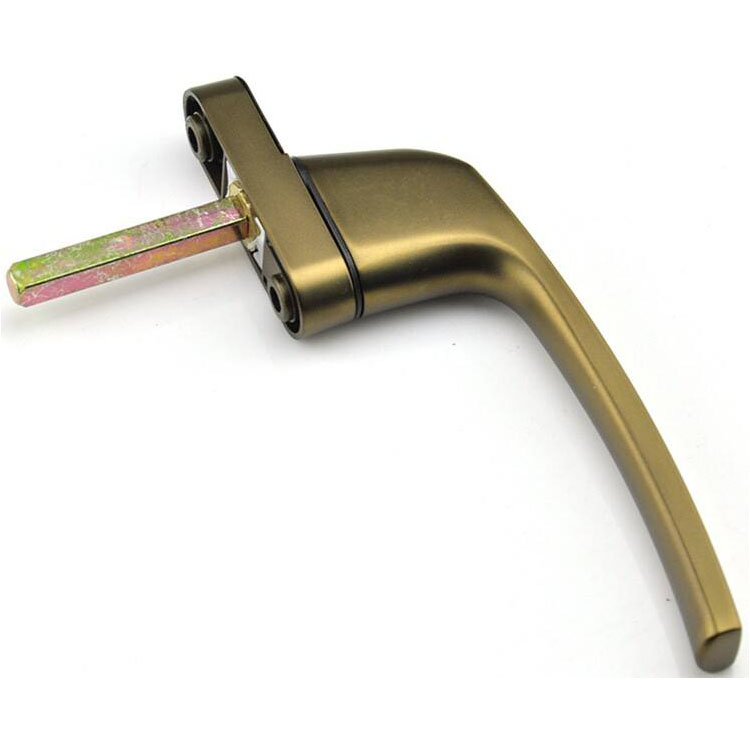
I care just as much about the hidden parts because that is where friction, sag, corrosion, and call-backs usually start, which is why I like building the RFQ around the exact families inside door and window handles and multi-point lock systems instead of letting the supplier improvise from a vague mood board. Want fewer surprises?
Then, force part identification before you talk volume
Wrong parts kill margin.
That is why I would make the service team live inside visual part ID guides for window and door hardware teams before signing any replacement or continuity program, because misidentification burns money in quotes, pick tickets, warranty calls, and site labor. The market loves to blame freight. I have seen wrong-part chaos do just as much damage.
Then, decide where premium spend actually earns its keep
I would pay up for premium hardware in four situations: larger or heavier sash loads, higher cycle counts, coastal or severe-weather exposure, and premium-brand lines where user feel is part of the sale. Everywhere else, I would cut finish vanity, cut unnecessary variants, and put the saved money into documentation, tolerance control, and spare-part logic.
Finally, screen the supplier like you expect trouble
Ask for drawings. Ask for BOM logic. Ask for finish stack. Ask for compatibility notes. Ask for replacement-part continuity. Ask what happens when you need the same locking point, keeper, spindle, or restrictor 24 months later.
And yes, I would absolutely make them explain how the program will be launched and controlled through an OEM/ODM hardware program if custom tooling, private labeling, or long-running SKU governance are part of the deal.
FAQs
What is the difference between premium and budget window hardware?
Premium window hardware is a higher-control package built around tighter tolerances, stronger corrosion protection, longer cycle life, better operating feel, clearer compatibility, and more reliable service-part continuity, while budget window hardware is a cost-managed package that can still perform well when the design is simplified, standardized, and honestly specified. I do not treat “premium” as luxury; I treat it as more failure tolerance.
How do I source budget window hardware without raising warranty risk?
To source budget window hardware without raising warranty risk, narrow the SKU count, lock the geometry early, use proven finishes instead of decorative upgrades, keep handle and lock families consistent across the line, and require documented revision control, replacement-part availability, and basic corrosion expectations before production begins. Cheap becomes dangerous when the buyer tolerates ambiguity.
When should I pay for premium window hardware?
You should pay for premium window hardware when the opening must handle higher daily cycles, wider sash sizes, stricter security or egress duties, darker exterior finishes that increase thermal movement, coastal exposure, or a premium user experience, because those conditions magnify every weakness hidden inside a supposedly acceptable low bid. Premium spend has to defend a real risk, not a designer’s ego.
What materials make sense for coastal or high-humidity window systems?
For coastal or high-humidity window systems, the safe default is corrosion-aware hardware built around better substrate selection, compatible fasteners, sensible separation of dissimilar metals, and finish systems chosen for real chloride exposure, because salt air turns weak plating, mixed-metal shortcuts, and lazy fastener choices into sticky operation and ugly call-backs fast. I would rather undersell a coastal spec than oversell one.
What should I send suppliers in a serious RFQ?
A serious window hardware RFQ should include the window type, profile drawings, sash dimensions, handing, finish requirements, locking logic, target market, compliance targets, climate exposure, annual volumes, packaging rules, and photos of any legacy parts, because vague requests force suppliers to guess and buyers usually end up paying for those guesses later. If the RFQ is thin, the quote is usually fiction.
Your Next Move
Stop buying adjectives.
Build two hardware schedules for the same project: one disciplined premium schedule and one disciplined budget schedule, then force every supplier to quote against the same geometry, the same finish assumptions, the same service-part rules, and the same compliance path. That is how you learn who is selling hardware and who is selling fog.