Looking for hardware solutions that meet European / American standards?
Use this guided inquiry modal to move from a generic quote form to a clearer technical conversation. Buyers can choose whether they need pricing, CAD / 3D files, or OEM / ODM support before sharing contact details.
Compatibility-first design across door / window systems
Repeatable production with clear inspection checkpoints
Documentation and change control for long-running programs
Responsive engineering support for fit and field feedback
The Uncomfortable Reality Concerning Hinge Samples
Samples lie.
I have actually seen a hinge really feel smooth in a conference area, look clean under soft lighting, and still come to be a warranty grenade after the buyer ultimately installed it on a genuine sash, with actual gasket compression, actual screws, genuine resistances, and a genuine installer that did not have time to infant the item.
So why do buyers still accept door and window joints by hand feel?
Since it is easy. Because the sample is free. Due to the fact that the supplier states “typical size” as if that phrase has ever saved anybody from area failure.
Below is my difficult viewpoint: many stopped working joint programs are not triggered by one negative hinge. They are caused by a lazy tasting quick. The purchaser asks for “top quality hinges,” the provider sends whatever looks closest, and both sides claim the missing out on design data will somehow appear prior to mass production.
It typically does not.
If you are sourcing Window Hinges for OEM, ODM, wholesale, job supply, or a private-label hardware line, the sample request have to read like a design record, not a purchasing note. You require lots data, dimensions, product confirmation, finish needs, opening up angle, screw pattern, rust target, service-life assumptions, and the exact framework or sash application.
That is not excessive. That is adult supervision.
Begin With the Application, Not the Hinge
The worst sentence in joint sourcing is: “Please send your best hinge.”
Best wherefore?
A 12 kg light weight aluminum casement sash is not a 70 kg entrance door. A seaside villa window is not an inland apartment window. A hidden hinge in a premium system is not a loose-pin butt hinge for a fundamental energy door. And a friction stay running at 90 ° with wind exposure is not the same pet as a door joint biking under closer force.
Before tasting door and window joints, validate the actual use instance handwritten:
This is where the money is lost. Not in the device cost. In the ambiguity.
Table of Contents
Load Capacity: The Number That Gets Mistreated A Lot Of
Door pivot tons capacity is not a decor for the catalog. It is the first serious filter.
Yet I do not depend on naked tons ratings. I would like to know the examination configuration. Was the hinge tested vertically or in the installed alignment? Was the door mass focused? Existed two hinges, 3 hinges, or one hinge making believe to be a hero? Was the tons static, cyclic, or abusive? Was the structure reinforced?
A 50 kg ranking can suggest 5 various things depending on the fixture.
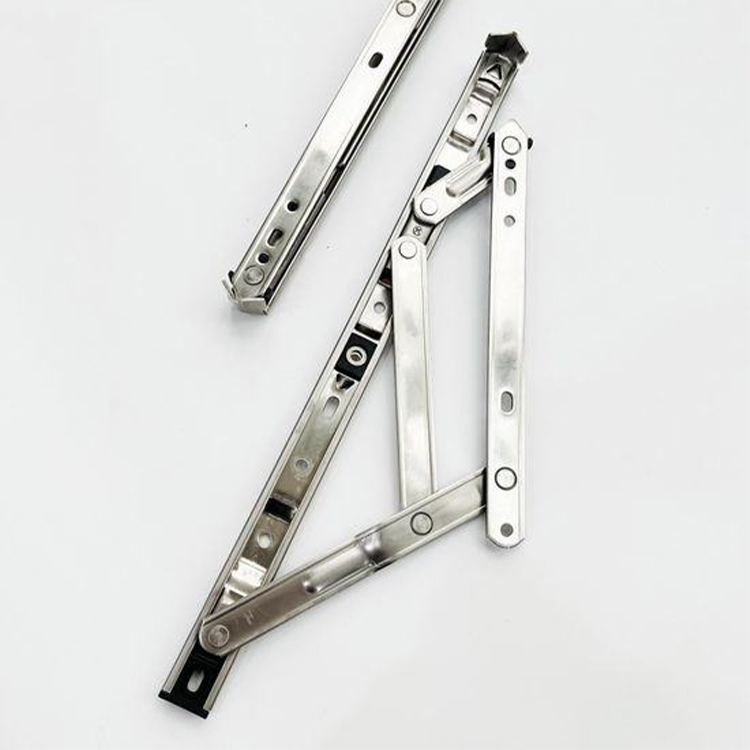
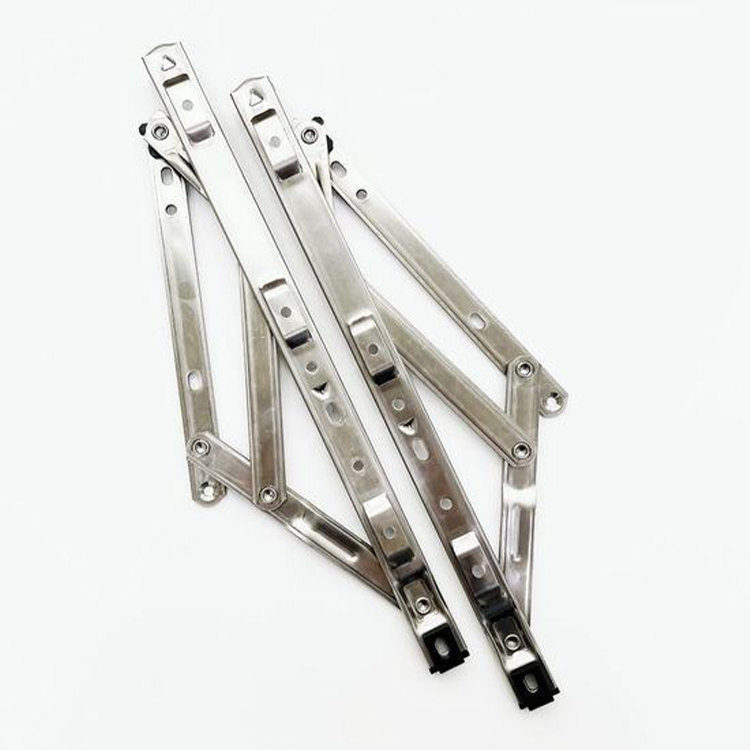
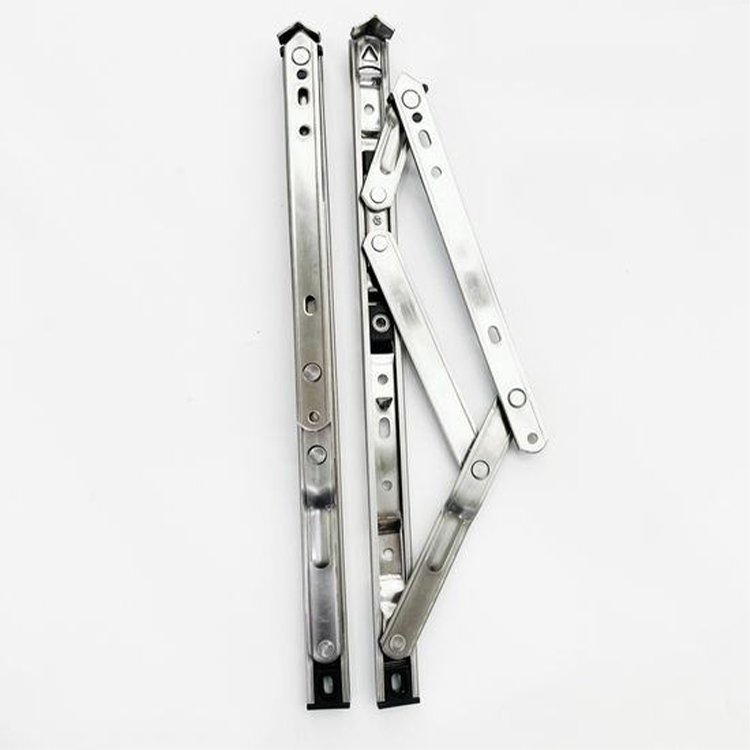
For home window hinge specs, the problem obtains sharper. A casement sash draws, twists, vibrates, and obtains punished by wind, individual force, gasket stress, and deterioration. That is why a product like a SUS304 stainless home window friction remain slot hinge ought to not be evaluated only by its stainless label. I would certainly desire the sash weight range, opening angle, track size, arm density, rivet top quality, slider actions, and corrosion test proof prior to approving the sample.
And of course, I would certainly request pictures after screening. Pretty records are low-cost.
Product and End Up: Stainless-steel Is Not a Magic Spell
I hear this constantly: “Use stainless steel, then not a problem.”
No. Not fairly.
SUS304 can be a good choice for many windows and door equipment applications because its chromium material aids create a protective Cr2O3 passive layer. However seaside air, chloride contamination, inadequate passivation, mixed-metal contact, low-grade fasteners, and economical polishing can still develop awful results. SUS316 might be much better for harsher chloride exposure due to the fact that molybdenum boosts matching resistance, but it also transforms cost and sourcing schedule.
And carbon steel? It can function when the covering system is straightforward. Zinc plating, electrophoresis, powder finish, dacromet-style coverings, and passivation all have a place. Yet the finishing must match the task environment.
Ask these before tasting:
What is the base product: SUS304, SUS316, Q235 steel, zinc alloy, light weight aluminum alloy, or mixed building and construction?
What is the surface procedure: passivation, zinc plating, powder finishing, electrophoresis, PVD, or painting?
What salt spray target is promised: 96 hours, 240 hours, 480 hours, or higher?
Is the salt spray test neutral salt spray under ASTM B117-style reasoning or one more method?
Are the screws made from the exact same corrosion-risk class as the hinge?
Will the black surface survive screw installation without edge cracking?
Does the vendor specify red rust, white corrosion, blistering, peeling, and functional rust independently?
The economical joint does not remain cheap after the initial container returns as a corrosion claim.
Geometry: The Sample Has To Fit the System, Not the Purchaser’s Creativity
This component is boring. Good.
For joint tasting criteria, geometry is where serious buyers separate themselves from directory browsers. You need the illustration. Not a screenshot. Not “comparable to this.” The real illustration.
Verify these measurements prior to tasting door and window hinges:
Door hinge specifications to validate
Open up length and shut width
Fallen leave thickness
Knuckle size
Pin diameter
Countersink angle
Screw opening size
Screw opening spacing
Edge range
Mortise deepness
Backset relationship to the door stop
Clearance between door, structure, gasket, and limit
Lots per joint when making use of 2, three, or four hinges
Anti-lift or security-pin demand
Fire-rated or non-fire-rated application
Home window joint requirements to validate
Track length, typically 8 inch, 10 inch, 12 inch, 14 inch, or personalized
Opening up angle, often 45 °, 60 ° -, 90 °, or 110 ° Optimum sash size and elevation
Sash weight variety
Pile height
Arm density
Rivet diameter
Slider product and friction habits
Screw type, such as ST4.2, ST4.8, M5, or project-specific bolt
Water drainage and water-path problem
Restrictor or child-safety need
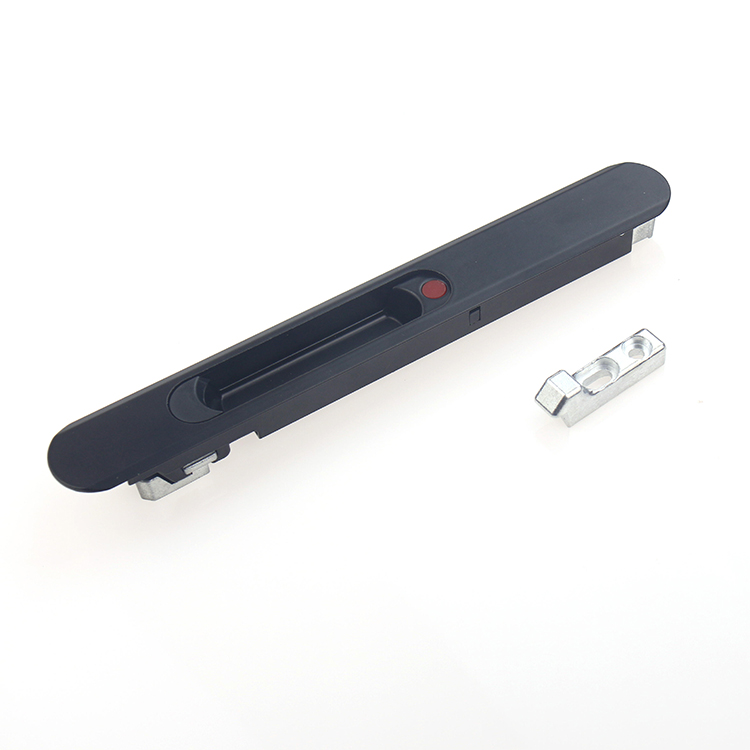
Locking factor positioning with takes care of, keepers, and transmissions
I would certainly attach this review with the wider system early, especially if the hinge affects locking compression. Chier’s lock boxes and gearboxes group is not a different universe from hinges. If the joint drops the sash by 2 mm after biking, the transmission and caretaker may be blamed even when the hinge triggered the geometry drift.
That is the unsightly component of hardware sourcing: the incorrect component typically obtains charged.
Safety And Security Proof: Recalls Are the Sector’s Public Autopsy News
The market has actually already shown what happens when hinge and sash-control threats are dealt with casually.
In April 2025, the United State Consumer Item Safety and security Commission announced an AmesburyTruth Ashland sash window joint track recall including concerning 200,000 10-inch and 14-inch two-bar joint tracks. The reported danger was candid: the steel moving arm can disengage from the hinge track, permitting the window sash to fall.
That should make every buyer pause.
In December 2023, CPSC additionally revealed a Pella Engineer Series casement window recall including concerning 12,000 systems in the U.S., plus additional units in Canada and Mexico. The hazard once again entailed a sash that might detach from the structure and loss. Retail prices were detailed between $700 and $10,000 per window.
A joint is little. The claim is not.
CPSC’s 2026 Window Security Week launch reported an estimated 5,600 children aged 12 and under treated in emergency departments in 2024 after falling from windows, with about one in three needing a hospital stay and at the very least 25 deaths amongst youngsters age 12 and under from 2021 to 2023. Read the CPSC home window safety and security data and after that tell me “window equipment is only a commodity.”
It is not.
Also door hardware produces ugly injury documents. An OSHA investigation summary described an upkeep worker whose wet hand slipped into a door hinge joint while closing a roll-up truck door, causing a major finger injury and amputation-related document language. The OSHA evaluation information is not regarding building joint sourcing, but the lesson transfers: moving hardware produces pinch, crush, and influence dangers when style and handling are not regulated.
This is why I dislike vague distributor guarantees. Security does not care about sales language.
Examining Prior To Experiencing: Request For Misuse, Not Cinema
A sample that has actually never been abused is simply a guess with product packaging.
Prior to accepting Window Hinges for sampling, call for a test evidence bundle. If the distributor has no proof, request a pre-sampling test strategy. If they can not explain the examination plan, you are not sourcing hardware; you are acquiring hope.
I would certainly ask for:
Cycle test record: 25,000, 50,000, 100,000 cycles, or project-defined target
Load-bearing report: precise sash or door mass, hinge amount, component positioning
Running force data: prior to examination, throughout examination, and after test
Droop dimension: upright decrease after cycling, in mm
Corrosion evidence: salt spray hours and post-corrosion function
Material verification: stainless quality, finishing density, firmness if pertinent
Failure photos: fractures, red corrosion, bent arms, pin migration, track disengagement
Set traceability: whole lot number, evaluation document, and production day
The hinge service-life testing guide on fschier.com is worth linking internally right here due to the fact that it matches the factor customers keep missing: a cycle number without tons, component, rust context, and failing requirements is virtually ineffective.
Read that once more.
A hinge that “passes 50,000 cycles” under a toy tons might stop working early on a heavy sash with a rigid gasket and inadequate screw bite. A hinge that comes on a dry lab might bind after coastal exposure. A hinge that endures biking might still move sufficient to trash lock engagement.
Examining need to copy the system.
Tasting Quantity: One Set Is Not a Sample Strategy
One set proves nearly nothing.
For a serious buyer, I would certainly not sample less than:
3 pieces for dimension evaluation
3 items for setup trial
3 pieces for cycle screening
3 items for deterioration direct exposure
3 items retained as golden samples
1 stuffed collection for logistics and classifying evaluation
That suggests 15 to 20 items minimum for a significant hinge tasting testimonial. For bigger OEM programs, 50 to 100 pieces is not unreasonable when the hinge impacts safety and security, lock function, export compliance, or guarantee threat.
Also ask whether the sample is handmade, pilot-run, or mass-production supply. This issues. I have seen stunning handmade examples followed by careless manufacturing because the supplier quietly altered tooling, rivet pressure, screw sourcing, polishing approach, or coating vendor.
The sample needs to stand for the manufacturing approach.
Fasteners and Reinforcement: The Hinge Is Just as Truthful as the Screw Attack
Customers stress over hinge material and neglect the screw path.
Poor concept.
A solid joint mounted with weak screws into a slim, in need of support profile is simply a more powerful bar for ruining the frame. Prior to sampling, validate screw kind, screw length, pilot hole, reinforcement plate, string engagement, and tightening up torque.
Request:
Screw size and product
Screw coating compatibility
Advised pilot opening size
Minimum substratum density
Reinforcement requirement
Pull-out examination information
Installment torque range
Whether thread-locking substance is required
Whether the joint permits modification after installation
Whether installers can access all screws without damaging the coating
This is also where window and door devices matter. Packers, keepers, restrictors, corner drives, bolts, rollers, and reinforcement components determine whether the joint functions as developed. The hinge does not live alone.
It never has.
Installment Resistance: The Silent Killer of Windows And Door Hardware
A hinge can be well made and still fail in a negative installation.
But purchasers despise that response since it produces liability. It implies the drawing, installer guide, pilot openings, structure tolerance, and evaluation technique all issue. It implies the sourcing team can not throw a joint right into production and walk away.
The fschier.com write-up on hinge setup errors triggering windows and door equipment failing makes the point directly: hinge failing usually hires the remainder of the system right into failure. I concur with that, and I would certainly go further. Installation resistance must be part of the tasting review, not something uncovered after the very first field problem.
Confirm:
Optimum enabled structure out-of-square
Door or sash diagonal tolerance
Joint axis placement resistance
Shim placement
Screw torque
Screw sequence
Adjustment approach
Post-install operating pressure
Lock engagement after hinge installation
Examination factors after 1 day and after cycle screening
A hinge sample authorized without installment instructions is not authorized. It is simply admired.
Product packaging and Labeling: Dull Till It Prices You a Container
I have actually opened up containers where left-hand and right-hand joints were combined, screws were missing out on, safety film tarnished the finish, black hinges rubbed versus each various other, and labels gave no batch traceability. Everyone wished to discuss unit rate. Nobody intended to speak about just how the warehouse would recognize the problem great deal.
That is in reverse.
Before tasting, verify product packaging:
Single-piece bag or set product packaging
Anti-scratch splitting up
Screw pack included or different
Left/right labeling
Barcode or QR code
Whole lot number
Manufacturing date
Assessment stamp
Container weight
Dampness control
Export container strength
Pallet strategy
Private-label box need
For mass purchase, product packaging is not aesthetic. It is guarantee evidence.
The Pre-Sampling Checklist I Would Really Use
Below is the list I would certainly put in the RFQ prior to accepting samples.
If a vendor can not address these, do not punish them with negotiation movie theater. Simply admit they are not all set for your task.
Window Hinges Are System Components, Not Magazine Precious jewelry
The very best hinges for doors and windows are not constantly one of the most expensive joints. They are the joints that match the system.
That implies they carry the right load, endure the intended environment, fit the structure account, preserve lock alignment, withstand rust, install repeatably, and come with sufficient proof to protect the choice 6 months later on when somebody asks why this component was accepted.
For purchasers constructing a full line of product, I would not review joints alone. I would examine them with deals with, locks, gearboxes, locks, devices, seals, and account illustrations on the table. Chier’s item structure sustains that reasoning: door and window takes care of, lock boxes and transmissions, hinges, locks, locks, and devices all influence the very same opening system.
And the system is what clients experience.
Not the hinge in your hand. Not the magazine picture. Not the vendor’s promise.
The system.
FAQs
What criteria should be verified before sampling Window Hinges?
Prior to sampling door and window hinges, verify the application, sash or door weight, hinge kind, material grade, finish, dimensions, opening angle, screw pattern, corrosion target, cycle-life demand, installation approach, profile compatibility, product packaging, and test paperwork so the sample mirrors the real product system rather than a generic brochure part.
Afterwards, ask for drawings, load data, salt spray evidence, and post-test pictures. I would certainly not authorize a hinge sample based on surface coating or hand feel alone.
Exactly how do I choose the right door joint requirements for a job?
Door hinge requirements should specify door weight, door height, hinge quantity, leaf size, density, knuckle size, pin design, screw pattern, mortise deepness, surface, product, fire-rating requirement, opening angle, closer force, and structure support so the hinge can bring the door without drooping, binding, or harming the lock alignment.
For hefty doors, I would certainly additionally validate whether the system needs 3 hinges, four joints, ball-bearing hinges, protection pins, or enhanced plates. Do not let “sturdy” change numbers.
What window hinge requirements matter most before tasting?
Home window hinge requirements must define sash weight, sash size and elevation, track size, arm thickness, opening angle, stack elevation, rivet high quality, slider behavior, screw size, rust resistance, rubbing torque, restrictor demands, and compatibility with handles, locks, gaskets, and drainage courses prior to the buyer approves physical examples.
For casement systems, I would concentrate tough on track involvement and anti-drop actions. The 2025 CPSC hinge-track recall showed how unsafe sash-control failure can come to be.
What material is best for windows and door joints?
The best hinge product relies on the environment, load, rate target, finish, and deterioration risk; SUS304 stainless steel benefits numerous general applications, SUS316 is stronger against chloride-heavy direct exposure, carbon steel can work with a tested coating, and light weight aluminum or zinc alloy may fit lighter-duty or design-specific hardware.
My rule is easy: pick material by danger, not by slogan. “Stainless” is inadequate unless the quality, passivation, screw compatibility, and rust test target are verified.
How many hinge examples should buyers request?
Buyers need to request enough hinge samples for measurement examination, installment test, cycle screening, rust direct exposure, product packaging testimonial, and golden-sample retention, which often implies a minimum of 15 to 20 pieces for a significant job and even more for OEM programs with security, export, or warranty exposure.
One set just tells you whether the joint exists. It does not tell you whether manufacturing will certainly be repeatable.
What is the very best hinge sturdiness examination approach?
The best hinge resilience examination method recreates the real installation conditions: proper sash or door weight, frame profile, screw involvement, gasket pressure, opening angle, running pressure, rust direct exposure, and individual movement pattern, after that measures cycle life, sag, wear, looseness, bolt retention, and post-test safety and security.
A bench test works for testing. It is not nearly enough for last authorization when the hinge influences sash control, door positioning, or user security.
Last Thoughts: Send a Better Experiencing Short
Do not request for “good door and window hinges.”
Request for the hinge that matches your system.
Send out the vendor your sash or door weight, frame account, drawing, opening up angle, target material, coating, rust requirement, cycle-life target, screw information, product packaging requirements, and market compliance assumptions. After that demand CAD files, examination evidence, batch-control info, and installment support before you authorize samples.
If you are sourcing for an OEM line, representative program, or project pipe, start with the Window Hinges category, contrast the available hinge structure against your real application, and prepare a technological RFQ as opposed to a price-only query.