Looking for hardware solutions that meet European / American standards?
Use this guided inquiry modal to move from a generic quote form to a clearer technical conversation. Buyers can choose whether they need pricing, CAD / 3D files, or OEM / ODM support before sharing contact details.
Compatibility-first design across door / window systems
Repeatable production with clear inspection checkpoints
Documentation and change control for long-running programs
Responsive engineering support for fit and field feedback
A multi-point door lock that feels smooth on an example board can come to be a stiff, noisy, corrosion-stained responsibility once it is installed right into a slim light weight aluminum account, delivered via moist sea products, coupled with a mismatched deal with set, and offered into a market where the customer anticipates criteria paperwork, secure product packaging, and replacement compatibility five years later on. So why do so many sourcing groups still start with the catalog image?
I’ll claim the hideous part first: lots of export buyers do pass by Multi-Point Door Locks. They pick a rate, then invest the following two years clarifying area grievances.
That is backwards.
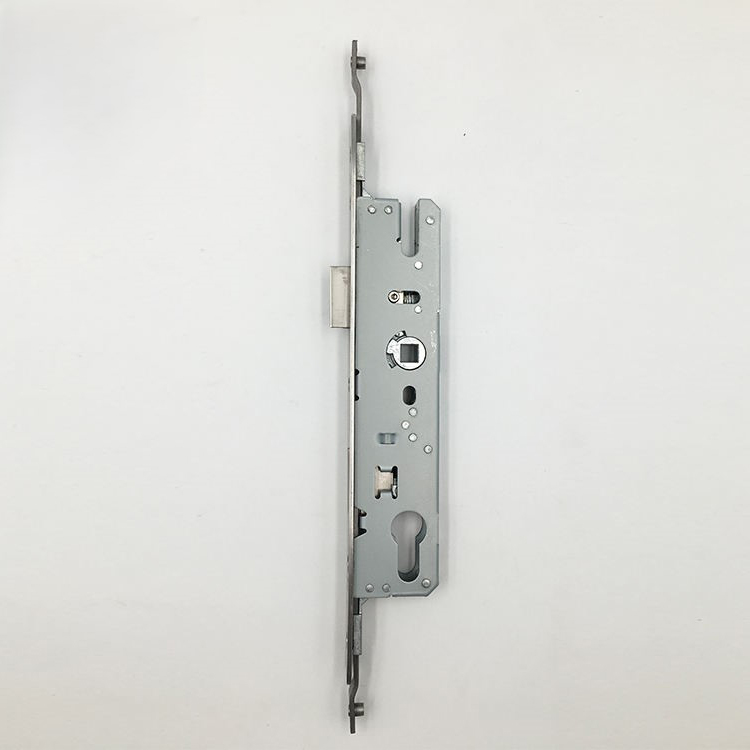
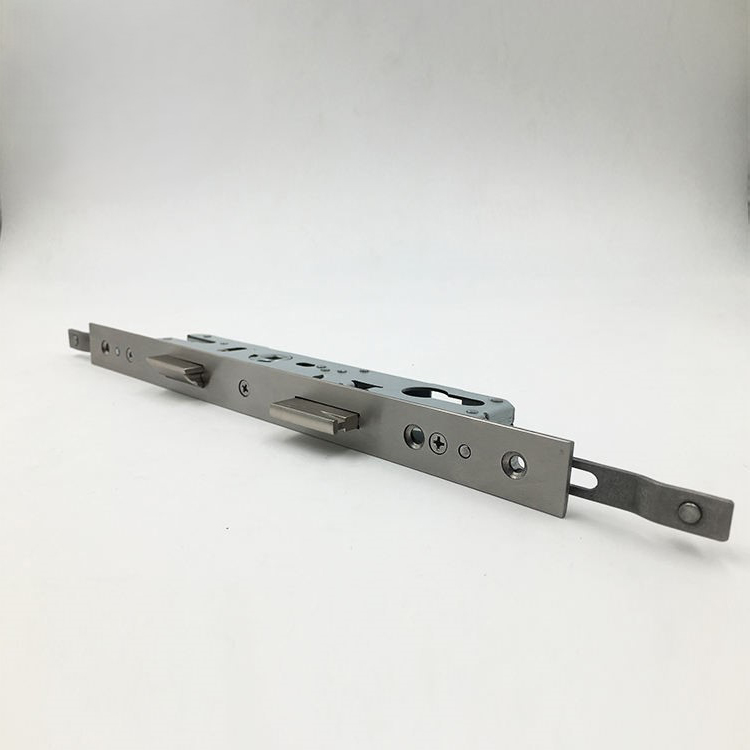
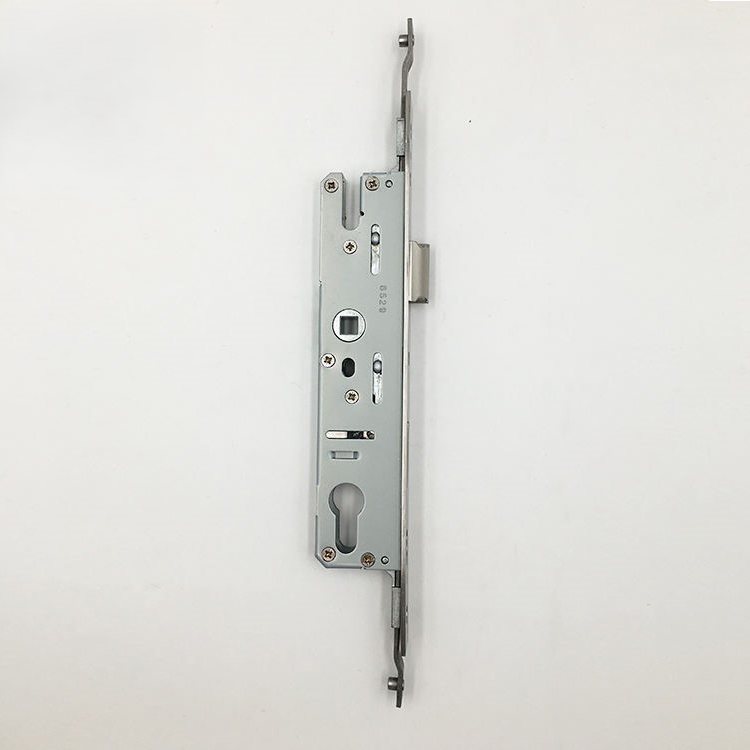
For export markets, the lock is not just a lock. It is a mechanical system, a conformity data, a logistics product, a warranty trigger, and a brand-risk things. A major multipoint securing system needs to match the door account, backset, PZ center, faceplate size, spindle size, cylinder type, locking-point design, caretaker geometry, deterioration class, cycle target, and target-market documents.
And yes, the uninteresting information matter more than the brochure.
For customers who are still mapping product family members, I would certainly begin with the supplier’s multi-point lock systems classification, after that move swiftly right into the engineering keeps in mind behind dependable multi-point lock systems for light weight aluminum doors. The factor is basic: export failing seldom starts at the visible lock face. It begins at the interface.
Table of Contents
The Actual Look Intent Behind “Exactly How to Select Multi-Point Door Locks”
The person browsing “Exactly how to choose multi-point door locks” is rarely requesting for a homeowner-level acquiring guide.
They are normally an importer, OEM purchaser, task specifier, door manufacturing facility, aluminum system house, distributor, or sourcing supervisor trying to avoid 4 details problems: non-compliant hardware, tight operation, area replacement mayhem, and distributor drift after the first container.
That makes the intent mostly business investigation, not pure details. The purchaser wishes to know what to specify prior to asking for samples. They also wish to know which vendor insurance claims are risk-free to trust fund.
Here is my policy: if a distributor speaks about “finest multipoint locks for outside doors” before inquiring about door elevation, account depth, environment exposure, cycle target, and destination market, I become questionable.
Because “finest” is not global.
A three-point door lock system for a domestic uPVC entryway door in a mild inland climate is not the exact same animal as a commercial door multipoint locking system for a coastal aluminum access, a high-cycle apartment hallway, or an export program targeting EU and United States representatives.
Criteria Make A Decision the Shortlist Before Rate Does
The criteria documents is where weak vendors begin sweating.
For Europe and UK-linked specification job, EN 15685 is currently inevitable in the conversation. The BS EN 15685:2024 magazine access explains the existing 2024 criterion as covering item attributes, category, marking, examinations, analysis, and sampling methods for mechanically run multipoint locks and locking plates. That matters since it presses customers away from unclear “heavy duty” language and towards testable insurance claims.
But do not puzzle “standard exists” with “product is automatically market-ready.” The European Compensation’s CPR harmonised requirements web page describes exactly how harmonised standards under Law (EU) No 305/2011 are released through Official Journal references and linked to affirmation and CE-marking paths. In plain English: export conformity is not decoration on a carton. It is a regulated documentation course.
For North American tasks, multipoint systems often rest next to various other lock and door-hardware assumptions. The ANSI/BHMA A156.13-2022 mortise lock recap is not a multipoint criterion, but it is still beneficial since it demonstrates how severe equipment purchasers think: operational force, strength tests, cycle tests, finish examinations, and dimensional standards. BHMA notes, as an example, that Grade 1 locks need to pass 1,000,000 cycles with a 10 lb load, and lever-operated locks should open up with a maximum torque of 28 in-lbf.
That number matters.
If your supplier can not go over cycle testing, torque, spring return, latch retraction force, corrosion exposure, and dimensional reports, you are not buying design. You are getting steel with hope connected.
The Evidence No One Desires in the Sales Meeting
Safety and security customers love dramatic language. The data is quieter.
Eurostat reported 1,197,932 police-registered burglary offences in the EU in 2024, down 2.6% from 2023 however still up 9.0% compared with 2021 after the pandemic dip. That does not verify a specific lock protects against robbery, but it does verify the group still sits inside an actual property-risk market, not an advertising and marketing fantasy. See Eurostat’s 2024 criminal activity stats.
In the United States, the FBI claimed its 2024 reported-crime release covered more than 14 million criminal offenses submitted by over 16,000 law-enforcement agencies, representing 95.6% population coverage through NIBRS and the Recap Coverage System. Once more, this does not turn a weak lock right into a solid one. But it reminds exporters why protection declares attract attention in fully grown markets. See the FBI 2024 reported crimes release.
Then there is the safety side, which secure sellers prefer and also. The CPSC Stanley lockset recall entailed about 70,000 door locksets since latches could fall short and avoid the door from being unlocked from within, producing an emergency situation entrapment danger. The products were cost about $170 to $320, verifying that rate and quality language do not get rid of design risk by themselves.
Tough fact: a poor lock does not simply stop working to shield the door. It can trap individuals, trigger remembers, damages representatives, and drag the importer right into troubles the factory thought would remain overseas.
The Requirements Heap I Would Certainly Need Before Sampling
Do not ask for a quote first.
Request drawings.
Before authorizing samples, I would certainly demand a full requirements pile: door profile illustration, lockcase drawing, backset, PZ dimension, spindle dimension, faceplate size, lock body deepness, cylinder type, handing, locking-point travel, caretaker measurements, screw settings, coating system, salt-spray target, packaging method, carton decrease reasoning, and replacement-part control.
Small misses out on ended up being big expenses.
If a 92 mm PZ handle is shipped for an 85 mm PZ lock body, no one cares that the surface is beautiful. If the gearbox stroke does not match the hook toss, the installer will certainly criticize the lock. If the keeper has no change range, the door factory will certainly criticize the structure. If the faceplate finish chips during last adjustment, the coastal customer will condemn the brand.
That is why the transmission conversation belongs early. For mechanical format and transmission threat, the lock boxes and gearboxes group ought to be treated as part of the very same sourcing choice as the lock strip itself.
Customer’s Checklist for Multi-Point Door Locks
Choice Location
What I Would certainly Need
Why It Issues in Export Markets
Standard route
EN 15685:2024, 24, neighborhood task requirements, or buyer-specific method
Stops obscure “high security” claims from changing testable performance
Door kind
uPVC, aluminum, timber, steel, composite, lift-slide, entry door, commercial door
Lock geometry modifications with account deepness, rigidity, and installation technique
Locking points
Hooks, rollers, deadbolts, tongues, shoot bolts, or mixed format
Extra factors can include friction if the structure and poles are badly managed
Transmission
Smooth drive, regulated reaction, examined spring return, right spindle interface
The transmission is where manage feel, failure danger, and customer issues usually begin
Caretaker system
Adjustable, enhanced, corrosion-resistant, matched to locking-point travel
Weak keepers turn a strong lock into false confidence
Export programs fall short when variation drift makes old stock incompatible
The “Extra Locking Factors” Misconception Is Expensive
More points can be even worse.
I recognize that seem like heresy in sales meetings, but a five-point lock with weak rod support, poor keeper positioning, and harsh gearbox transmission can do worse than an effectively engineered three-point door lock system with clean engagement and steady frame support.
The lock is not magic.
A multipoint locking system functions just when each point lands where it should, with enough interaction depth, without compeling the handle, twisting the sash, scratching the faceplate, or pressing the gasket beyond factor. The best system is not the one with the longest list of hooks. It is the one that still operates after the door has resolved, the gasket has matured, the installer has adjusted the keeper twice, and the customer has pounded it for a year.
For commercial door multipoint securing system tasks, I would certainly also divide three questions that lazy requirements often blend together:
What offers safety and security?
Hooks, bolts, cyndrical tube defense, reinforced caretakers, frame tightness, screw bite, and confirmed assault resistance give security. Not marketing copy.
What gives securing?
Right roller pressure, gasket compression, sash straightness, frame tolerances, limit style, and controlled closing force offer securing.
What gives toughness?
Gearbox wear surface areas, rod guidance, springtime top quality, corrosion control, lubrication approach, and cycle screening give toughness.
When suppliers blur those three responses, customers lose leverage.
Export Market Fit: EU, UK, US, and Coastal Projects Are Not the Very same
The target market determines the lock.
For EU and UK-oriented programs, I would put EN 15685 multipoint locks, 24 doorset assumptions, CE/UKCA course conversations, statement data, and setup paperwork into the sourcing short prior to rate settlement. A lock that can not sustain the documentation path may still be physically useful, however it is readily weak.
For United States buyers, I would ask whether the lock is being offered right into property substitute, door-factory OEM, industrial light weight aluminum doors, or supplier stock. The evidence package might require ANSI/BHMA-adjacent thinking, project submittals, surface testing, packaging longevity, or private-label traceability.
For seaside markets, I stop trusting “stainless” as a single word. Is it 201, 304, or 316? Which parts are stainless? Which parts are zinc alloy? Which screws touch light weight aluminum? Exists galvanic isolation? Does the faceplate keep protection after reducing or adjustment? Has the vendor examined after salt exposure or prior to assembly?
One warning: salt-spray hours are not a religion. They are a testing tool. A part can endure ISO 9227-style exposure and still fall short in the area if water sits behind the caretaker, mixed steels touch without seclusion, or product packaging traps dampness throughout a 35-day sea delivery.
What I Would Ask the Provider Prior To Putting a Trial Order
The supplier’s solution issues much less than the means they respond to.
Ask these questions and listen for numbers, not slogans:
Can you give 2D drawings for the lockcase, faceplate, keepers, hooks, rods, and transmission?
Can you verify PZ, backset, pin size, screw centers, cylinder type, faceplate size, and door thickness array?
Can you support the location market with EN 15685:2024, 24-related task demands, ANSI/BHMA-style performance thinking, or buyer-specific tests?
Can you reveal cycle-test targets and assessment checkpoints?
Can you clarify which materials are made use of in the hook, screw, gearbox fan, springtime, faceplate, screws, and keepers?
Can you give deterioration logic for coastal or humid markets?
Can you secure alterations so substitute components fit after repeat orders?
Can you give product packaging specifications, barcode labels, container marks, pallet plans, and moisture-control actions?
Can you support OEM or ODM adjustments without silently transforming the working geometry?
If the provider responses with “yes, good quality,” I would certainly leave.
For custom-made export programs, use the OEM/ODM multipoint lock program as the following inner step, and call for the customer data to consist of drawings, testing expectations, and repeat-order controls. For technological documentation, the download center for CAD, manuals, drawings, and certifications need to be connected in the purchaser journey before the quotation type, not after the sale.
A Practical Option Matrix for Export Customers
Utilize this as a first-pass filter prior to tasting.
Export Customer Type
Recommended Lock Direction
Threat to Watch
My Blunt Viewpoint
Door manufacturing facility supplying EU projects
EN 15685 multipoint locks with complete drawing and documents pack
Missing out on standard route, weak DoP/DoC logic, bad installation overview
Do deny without documents placement
US door and window brand
Multipoint securing system with solid fitment data and repeatable product packaging
Evaluate the entire opening, not the loosened lock
Residential replacement channel
Standardized three-point door lock system with common PZ/backset choices
SKU explosion, incompatible old door profiles
Compatibility beats novelty
Premium light weight aluminum door brand name
Custom-made lockcase, caretaker, handle, and transmission bundle matched to profile
Slim stile weak point, gasket compression, thermal movement
Designer the door and lock with each other
The Distributor Red Flags I Would Certainly Not Ignore
The first red flag is “universal fit.”
Absolutely nothing is global in a multipoint door lock as soon as the door account, caretaker line, handle established, cylinder, gasket, and market documents are genuine.
The 2nd warning is silence on transmission design. If the provider can not clarify the transmission, fan, springtime return, pole coupling, and travel sequence, the item may look finished while the engineering is still unfinished.
The 3rd warning is material haze. “Stainless-steel” can mean the noticeable strip, one screw, the hook, or absolutely nothing valuable whatsoever. Request for part-by-part product disclosure.
The 4th red flag is no change-control technique. Export purchasers obtain shed when set two is “somewhat boosted” and unexpectedly does not match the stocked replacement parts.
The 5th warning is requirements cinema. A logo on a PDF is not the same as a legitimate certification, existing standard reference, evaluated setup, and product-family match.
Multi-point door locks are door locking systems that secure a door at two or even more frame settings through one central operating action, usually making use of a deal with, cylinder, gearbox, rods, hooks, bolts, rollers, or fire bolts to enhance perimeter holding, compression, alignment, and forced-entry resistance. They prevail in uPVC, light weight aluminum, lumber, composite, and business door systems.
For export purchasers, the vital factor is not the variety of securing factors. It is whether the system matches the target door profile, climate direct exposure, compliance course, and repeat-order needs.
Just how do I choose multi-point door locks for export markets?
You pick multi-point door locks for export markets by matching the lock system to the destination standard, door product, account geometry, backset, PZ dimension, pin dimension, locking-point design, rust exposure, cycle target, product packaging demands, and documentation package before contrasting unit price. The correct lock is an examined fit, not a common directory thing.
Beginning with market needs initially. EU and UK tasks might need EN 15685:2024, PAS 24-related doorset thinking, and affirmation documents. US customers may concentrate extra on job submittals, performance testing, finish sturdiness, and private-label traceability.
What standards apply to multi-point door locks for export markets?
The primary criteria and needs for multi-point door locks depend on location market and application, however customers commonly assess EN 15685:2024 for mechanically run multipoint locks, 24 for enhanced-security doorsets in the UK, and ANSI/BHMA-style performance assumptions for North American door equipment. Job specs may include more stringent needs.
Do not ask just, “Is it licensed?” Ask whether the tested arrangement matches the precise lock, keeper, cylinder, take care of, door kind, and market insurance claim being marketed.
Are three-point door lock systems sufficient for exterior doors?
A three-point door lock system can be enough for exterior doors when the gearbox, hooks or bolts, caretakers, structure support, cyndrical tube defense, setup tolerances, and deterioration package are properly crafted for the door type and market demand. Inadequately lined up five-point systems can perform even worse than well-controlled three-point systems.
The obsession with factor matter is just one of the sector’s laziest practices. Request engagement deepness, keeper toughness, take care of force, cycle information, and frame compatibility instead.
What is the very best multipoint lock for exterior doors?
The very best multipoint lock for outside doors is the system that fits the precise door profile, security expectation, climate exposure, usage cycle, compliance course, take care of established, cylinder kind, and solution method without developing too much operating pressure or replacement-part complication. “Best” modifications by market, door material, and customer danger.
For a seaside light weight aluminum door, I would focus on corrosion layout and keeper support. For a commercial entry, I would certainly prioritize cycle screening, handle pressure, egress logic, and transmission toughness. For a distributor, I would certainly prioritize compatibility and SKU control.
Last Thoughts: Select the Lock Like You Have the Service warranty
Do not buy the most beautiful example.
Pick Multi-Point Door Locks the means a guarantee manager, conformity officer, installer, and distributor would certainly choose them: by geometry, requirements path, corrosion reasoning, gearbox habits, caretaker stamina, product packaging, documents, and revision control.
Send out the vendor your door account, target audience, backset, PZ facility, pin dimension, door elevation, door material, cylinder type, locking-point choice, environment direct exposure, expected cycle level, product packaging needs, and conformity assumption. Then ask for drawings, example screening, and a created change-control plan.
Prepared to relocate from directory thinking to export-ready spec? Begin with the multi-point lock systems classification, review the OEM/ODM program, and demand the drawings, CAD data, manuals, certificates, and product packaging details from the download facility prior to approving your next container.