Looking for hardware solutions that meet European / American standards?
Use this guided inquiry modal to move from a generic quote form to a clearer technical conversation. Buyers can choose whether they need pricing, CAD / 3D files, or OEM / ODM support before sharing contact details.
Compatibility-first design across door / window systems
Repeatable production with clear inspection checkpoints
Documentation and change control for long-running programs
Responsive engineering support for fit and field feedback
I have seen expensive aluminum doors fail because a designer treated the lock like a decorative insert instead of a load-bearing mechanical system, and once you combine a flexible sash, tight weather seals, poor keeper positioning, mixed metals, and an under-tested gearbox, the “premium” door starts behaving like a cheap sample rack after one winter. Who pays for that mistake?
Usually the buyer. Sometimes the installer. Almost never the person who wrote the vague specification.
Here is my blunt position: a reliable multi point locking system for aluminum doors is not created by adding more locking points. It is created by controlling force, alignment, corrosion, travel, tolerance, and user abuse at the same time.
That is why I would never design the lock in isolation. I would start with the door profile, frame stiffness, handle geometry, seal compression, gearbox stroke, rod support, keeper engagement, and cycle target. For buyers comparing suppliers, Foshan Chier’s multi-point lock systems page is the right internal starting point because it frames the lock as part of a door and window hardware system, not as a lonely metal part. Foshan Chier’s site describes these systems as secure, durable locks for doors and windows, and its product category is positioned for B2B supply in US and European markets.
Table of Contents
Start With the Load Path, Not the Catalog Photo
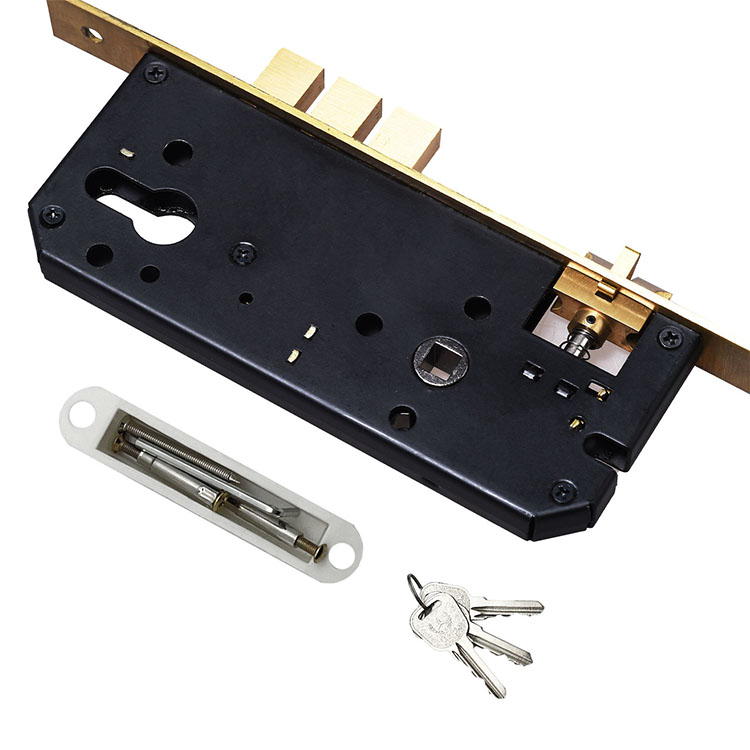
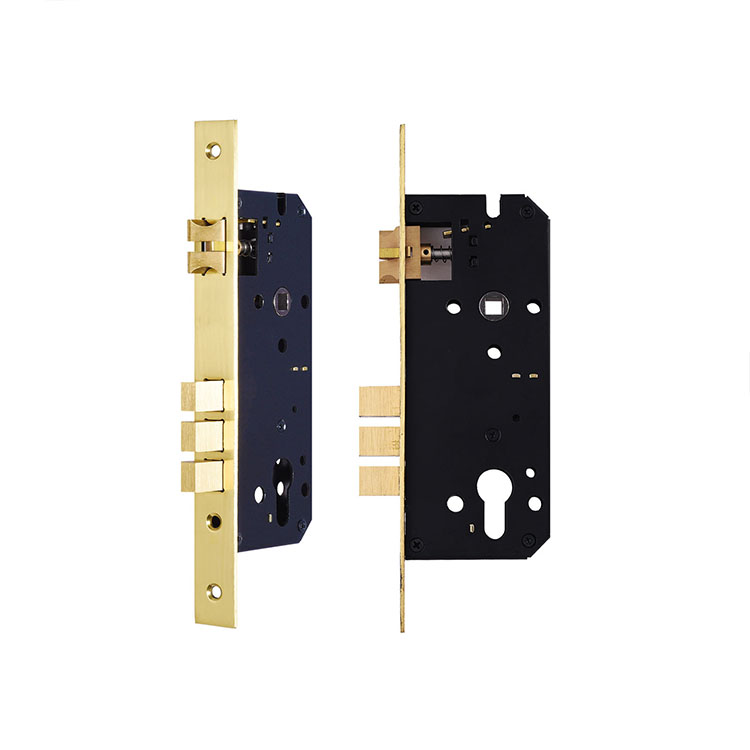
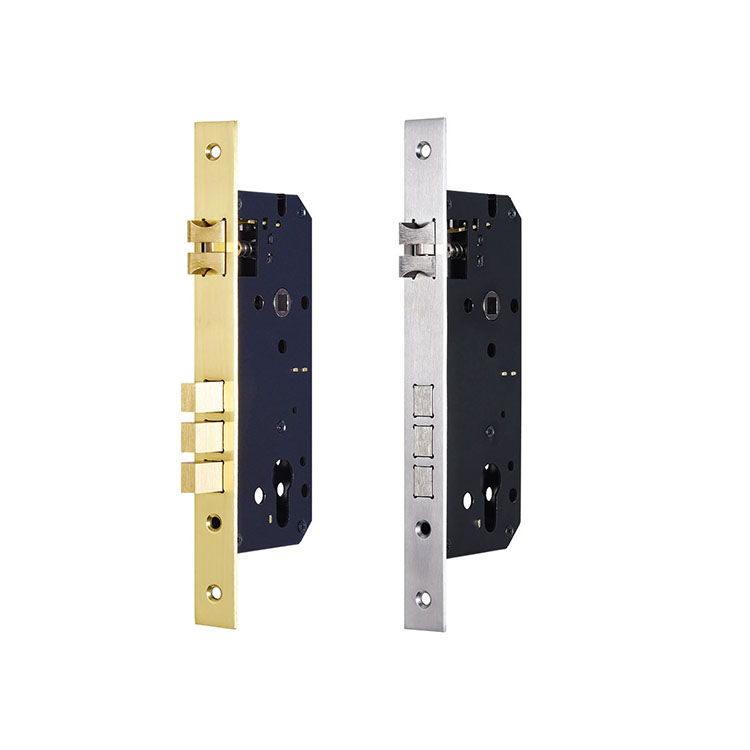
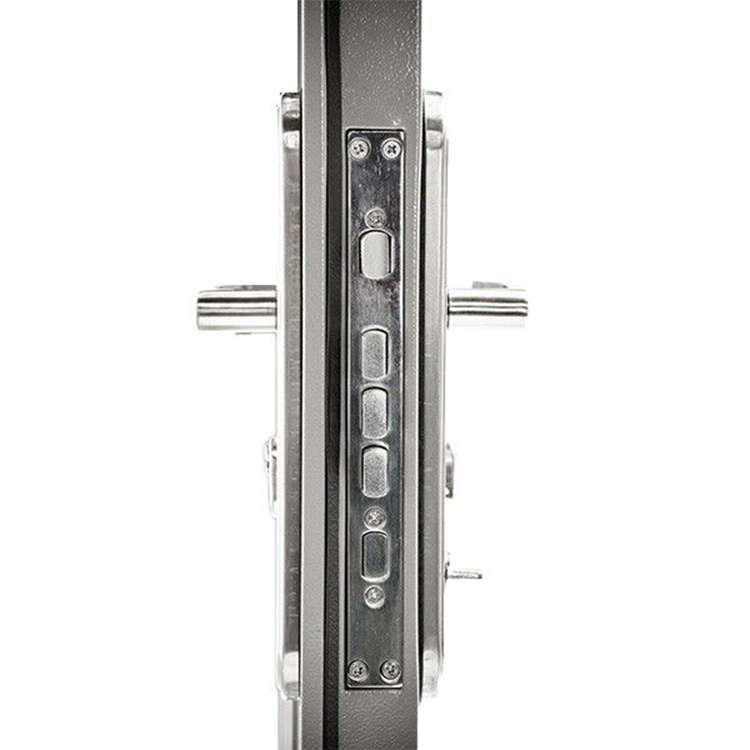
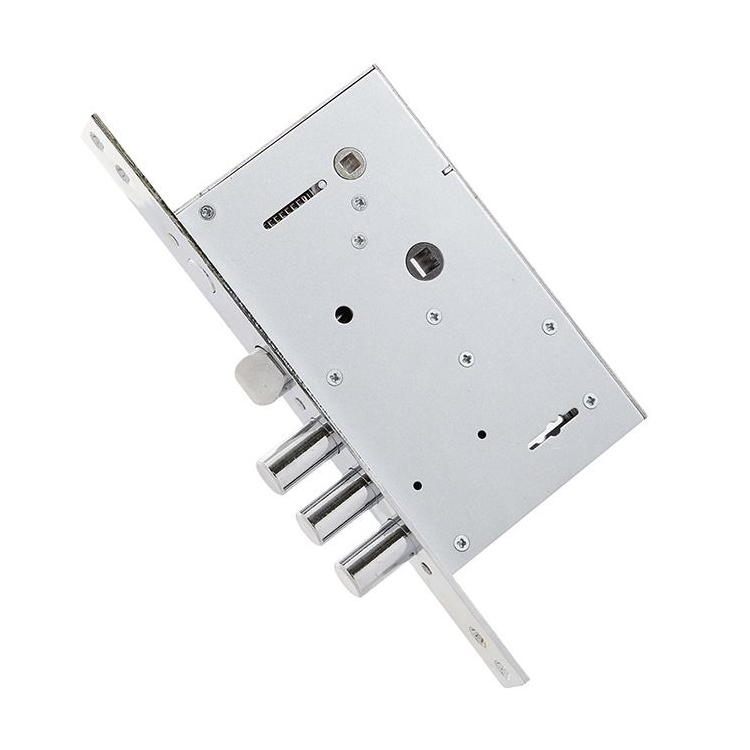
A multipoint door lock works by moving several locking elements—hooks, bolts, rollers, tongues, or shoot bolts—through a central gearbox and linkage system so the door secures at multiple points along the frame.
That sounds simple. It is not.
On an aluminum door, the load path usually runs from the handle spindle into the gearbox, through vertical rods or transmission bars, into locking points, then into keepers fixed to the frame. Every one of those interfaces can steal force. Every one can bind. Every one can become a warranty case.
I do not care how nice the handle feels on day one. I care how it feels after 50,000 cycles, after the frame has moved 1.5 mm, after the EPDM gasket has hardened, after coastal moisture has attacked exposed fasteners, and after an impatient user has slammed the lever while the door is half-latched.
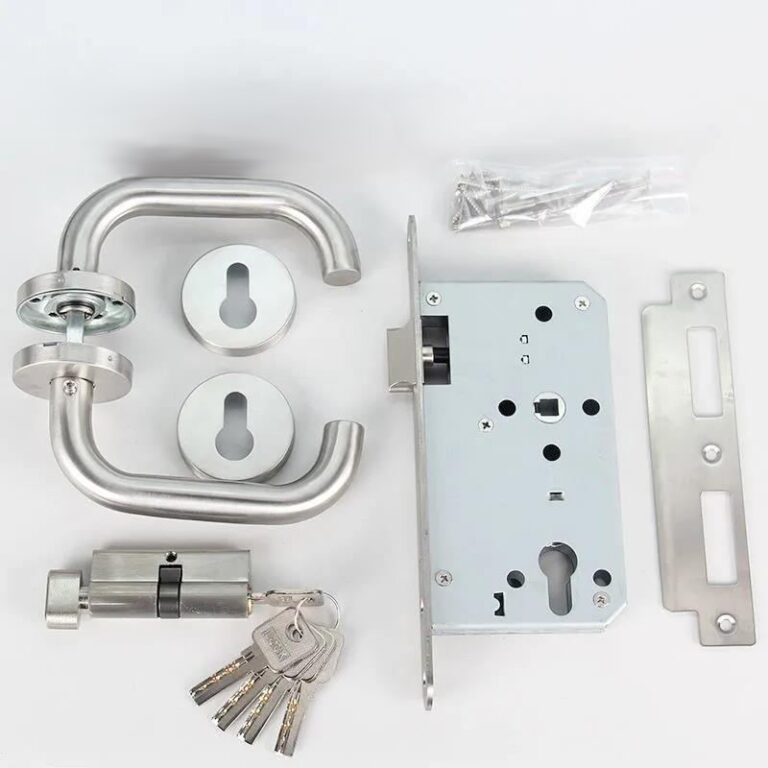
The gearbox is where the lie usually hides. If you are sourcing an aluminum door lock system, spend real time on the lock body, drive cam, follower, spring return, deadbolt throw, and screw retention. The deeper design conversation belongs with lock boxes and gearboxes, because that is where smooth showroom motion either becomes repeatable field performance or turns into grinding, handle sag, and angry service calls. Foshan Chier lists lock boxes and gearboxes as durable transmission parts for secure hardware, which fits the engineering logic of multipoint systems.
The Five Loads I Actually Care About
The first is operating torque. If the user needs to force the handle, the system is already losing.
The second is seal compression. Over-compressed seals can make a technically correct lock feel defective.
The third is frame deflection. Aluminum is light and efficient, but it does not forgive sloppy keeper placement.
The fourth is vertical rod stability. Unsupported rods bow, rattle, scrape, and eventually punish the gearbox.
The fifth is abuse load. People do not operate doors like lab technicians.
The Engineering Stack: What Separates a Serious Lock From a Callback Machine
A reliable multipoint lock system for aluminum doors needs a controlled stack of parts. Not a beautiful stack. A controlled one.
Stainless or treated fasteners with isolation strategy
Mixed metals without barrier planning
Galvanic corrosion and loose hardware
Handle interface
Correct spindle length and lever return
Poor spindle fit or weak spring return
Loose feel and early wear
Testing
Cycle, corrosion, misuse, and assembly checks
Single sample approval
Mass production surprises
Here is the hard truth: “more points” can make the lock worse.
A three-point system with accurate keeper engagement may outperform a five-point system with poor rod guidance. I have watched teams add locking points to impress a buyer, then create more friction, more tolerance stack-up, and more installation sensitivity. That is not engineering. That is decoration with moving parts.
For formal validation, I would tie the design to test standards checklists for multi point lock qualification before approving tooling. Foshan Chier’s own internal cluster points readers from multipoint lock design into testing standards, misuse tolerance, compliance, and frame tolerance content, which is the correct path for a skeptical buyer.
Corrosion Is Not a Finish Problem. It Is a Design Problem
Aluminum doors invite mixed-metal decisions. Stainless screws. Zinc-coated parts. Steel reinforcement. Brass cylinders. Powder-coated aluminum. Maybe a 304 stainless faceplate. Maybe 316 if the buyer knows enough to ask.
This is where bad specifications become expensive.
The NIST corrosion-resistance study explains the basic physics clearly: galvanic corrosion needs anodic and cathodic sites, an electrical path, and an electrolyte; remove one and corrosion drops sharply. The same report notes that stainless steel is cathodic to aluminum and warns that joint design should avoid moisture and debris collection.
So, for aluminum door hardware, I want the design to answer these questions before production:
Which metals touch?
If stainless steel, aluminum, zinc alloy, carbon steel, and brass are all present, the design needs isolation, coatings, drainage, or controlled contact areas. Do not leave this to the installer.
Where does water sit?
If the lower locking point traps water near the threshold, corrosion testing in a clean lab is not enough. Add salt, cleaning chemicals, and real drainage behavior.
Are coated parts still protected after adjustment?
Adjustable keepers are useful. But if adjustment scratches the coating and exposes raw metal, the “corrosion-resistant” claim becomes theater.
The security lock for aluminum doors is often sold with a macho vocabulary: anti-pry, heavy duty, high security, premium, reinforced. Fine. But burglary risk is not a slogan.
Reuters reported that 2024 FBI data showed US property crime fell 8.1%, with burglaries down 8.6%, but that does not mean door security stopped mattering; it means buyers should stop confusing general crime trends with product-level resistance. A professional buyer still needs forced-entry logic, keeper strength, frame reinforcement, and cylinder protection because an aluminum door fails as an assembly, not as a brochure claim.
I would design for pry resistance at the keeper zone first. Not the shiny lock face.
A multipoint door lock can spread load vertically, which is useful, but the frame must be able to accept that load. Thin keepers screwed into weak aluminum without reinforcement are a bad joke. Hooks can help resist separation. Shoot bolts can help compression and positioning. Deadbolts can help localized holding. But none of it matters if screws strip, keepers deform, or the door slab twists.
So ask for test evidence. Ask for drawings. Ask for screw pull-out logic. Ask what happens when the door is 2 mm out of square.
And ask loudly.
Accessibility and Egress: Where Smart Locks Get People Into Trouble
A reliable door locking mechanism is not only supposed to keep the wrong person out. It must let the right person out.
This is where I get blunt with product teams: if a lock makes egress harder, your security story is incomplete.
The U.S. Access Board says door and gate hardware under ADA guidance should allow one-hand operation, avoid tight grasping, pinching, or twisting, operate with 5 lbf maximum force, and sit 34 to 48 inches above the floor. That matters for handle design, thumbturn geometry, latch operation, and the force needed to move the full multipoint mechanism.
Emergency behavior is even less forgiving. In 2021, the CPSC announced a dormakaba recall involving about 2,400 delayed egress locks after reports that the lockset could fail to open, creating an entrapment hazard; the notice also said the firm had received 56 incident reports.
No, that recall is not about every multipoint lock. But the lesson is bigger: door hardware that fails closed is not just inconvenient. It can become a life-safety problem.
Tolerances: The Silent Killer of Aluminum Door Hardware
Tiny gaps matter.
A multipoint lock can be designed beautifully and still fail when the door fabricator, frame supplier, installer, and site conditions each add “just a little” deviation. One millimeter at the hinge side. Another at the threshold. A little bow in the sash. A little paint build-up near the keeper. Suddenly the user is lifting the handle with two hands.
That is why I would write tolerance assumptions into the design package. Not verbally. Not in a meeting. In the drawing.
Use frame tolerances that prevent hardware binding as the kind of internal reference that belongs in this conversation. The issue is not whether the CAD model works. The issue is whether production, shipping, installation, gasket compression, and thermal movement still allow the lock to work.
My Working Tolerance Checklist
I want minimum and maximum keeper adjustment range stated in millimeters.
I want door sash squareness limits.
I want allowable frame twist.
I want gasket compression force measured.
I want screw torque ranges.
I want a field adjustment method that does not require a specialist with three hours and a bad temper.
And I want misuse testing. Real misuse. That includes partial closure locking attempts, handle over-force, repeated slamming, and locking while the door is misaligned. The supplier’s engineering conversation should connect naturally to misuse-tolerant multi point locks for real users, because users do not read manuals before yanking a handle.
How I Would Design the System Step by Step
Step 1: Define the Door Before Defining the Lock
Start with door height, width, sash weight, profile series, wall thickness, reinforcement zones, threshold design, gasket type, and target market. A 2,400 mm balcony door and a high-cycle commercial aluminum entrance are not the same animal.
Step 2: Choose Locking Points by Function, Not Ego
Use hooks where separation resistance matters. Use rollers where compression control matters. Use shoot bolts where vertical engagement helps. Use deadbolts where localized locking strength is needed.
But never add points without calculating friction and tolerance stack-up.
Step 3: Design the Gearbox Around Real Handle Force
If the gearbox needs excessive torque to drive all points under gasket pressure, the system is wrong. Handle force should stay comfortable, repeatable, and accessible.
Step 4: Reinforce the Keeper Zones
The keeper is not a decorative strike plate. It is a load receiver.
Use proper backing, screw length, screw pattern, and adjustment range. If the frame cannot hold the keeper, the lock count is irrelevant.
Step 5: Control Corrosion at Every Interface
Specify stainless grade, zinc coating, passivation, powder coating, drainage holes, isolation washers, nylon guides, and salt-spray expectations based on the environment. Coastal projects should not be treated like dry interior projects.
Step 6: Validate the Assembly, Not Just the Lock
Test the lock in the actual aluminum profile. Test it with real gaskets. Test it after adjustment. Test it after cycling. Test it after corrosion exposure. Test it after misuse.
The product should survive reality.
What Buyers Should Demand From a Supplier
If a supplier cannot discuss drawings, tolerances, gearbox materials, keeper adjustment, corrosion logic, cycle testing, and packaging protection, I would not trust them with a serious aluminum door lock system.
Pretty samples are cheap.
Repeatable production is expensive.
For OEM and ODM buyers, the better conversation is not “what is your best multipoint lock for aluminum doors?” The better question is: “Can you prove this multipoint lock system works in my profile, with my gasket, under my climate exposure, for my cycle target, and with my compliance route?”
That is the question that separates manufacturers from catalog traders.
FAQs
What is a multipoint lock system for aluminum doors?
A multipoint lock system for aluminum doors is a coordinated door locking mechanism that secures the sash to the frame at several points through one handle, cylinder, or gearbox action, improving compression, alignment, and forced-entry resistance when the door profile, keepers, rods, and frame are engineered as one assembly. The design only works well when locking points engage cleanly without excessive handle force.
How does a multi point locking system for aluminum doors improve security?
A multi point locking system for aluminum doors improves security by spreading holding force across multiple frame locations instead of relying on one latch area, making prying, sash separation, and localized deformation harder when the keepers, fasteners, and aluminum frame reinforcement are strong enough to absorb the attack load. The lock alone is not the whole defense.
What is the best multipoint lock for aluminum doors?
The best multipoint lock for aluminum doors is the system that matches the door profile, sash height, frame stiffness, seal compression, climate exposure, usage cycle, compliance needs, and installation tolerance, rather than the one with the most locking points or the most polished handle sample. “Best” is a fitment result, not a catalog label.
Why do multipoint door locks bind after installation?
Multipoint door locks bind after installation because the locking points, rods, gearbox, keepers, frame, gasket, and hinges no longer share the same geometry under real site conditions, causing friction or misalignment that the handle must fight during locking. Binding is usually a tolerance and adjustment failure, not a mystery defect.
Which materials work best for an aluminum door lock system?
The best materials for an aluminum door lock system are corrosion-controlled combinations of stainless steel, treated steel, zinc alloy, engineering plastics, and coated or anodized aluminum, selected according to contact risk, moisture exposure, wear load, and galvanic behavior. The material choice must include drainage, isolation, coating durability, and replacement access.
How should a reliable door locking mechanism be tested?
A reliable door locking mechanism should be tested as a full assembly with the real aluminum profile, gasket, keeper layout, handle, cylinder, rods, fasteners, and frame tolerances, then checked through cycle testing, corrosion exposure, forced-operation abuse, adjustment trials, and egress-force review. Testing only the loose lock body is not enough.
Final Thoughts: Build the Lock Like You Will Own the Warranty
A reliable multipoint lock system is not magic. It is disciplined engineering.
Design the aluminum door, frame, keepers, gearbox, rods, seals, fasteners, and handle as one mechanical system. Demand drawings. Demand tolerance ranges. Demand corrosion logic. Demand cycle evidence. Demand misuse testing. And before approving a supplier, ask them to prove the lock works inside your real aluminum profile—not in a polished sample on a trade-show table.
For OEM buyers, fabricators, and door brands that want fewer callbacks and stronger technical confidence, the next step is simple: send the door profile, target market, lock function, cycle requirement, and climate exposure to a hardware team that can review the full system before production. Start with Foshan Chier’s multi-point lock systems and push the discussion toward drawings, test evidence, and application-specific design—not generic “best lock” promises.