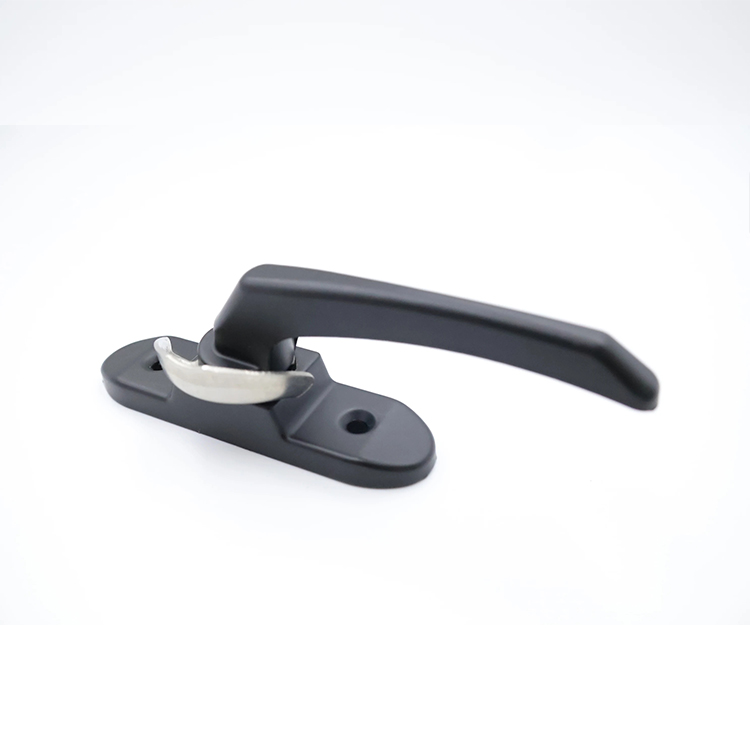
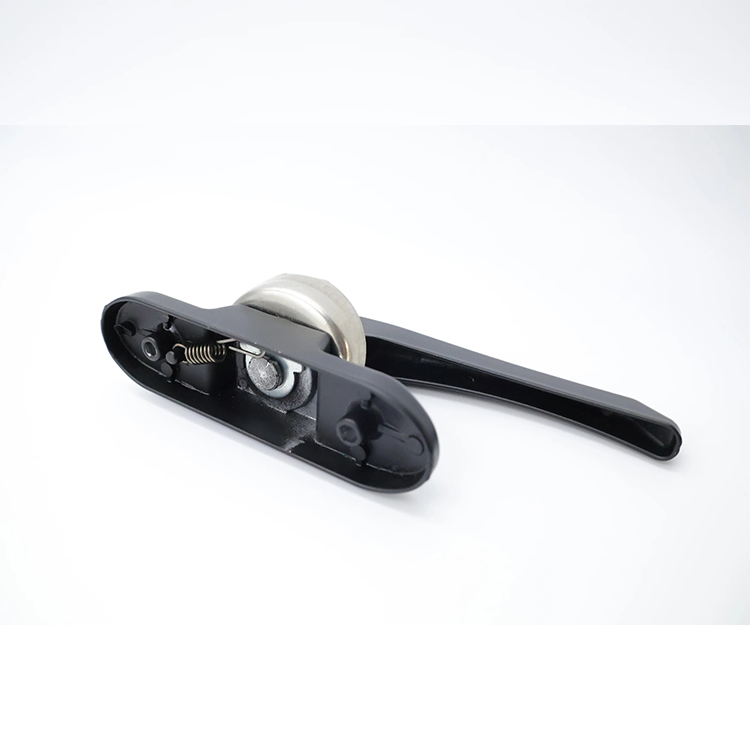
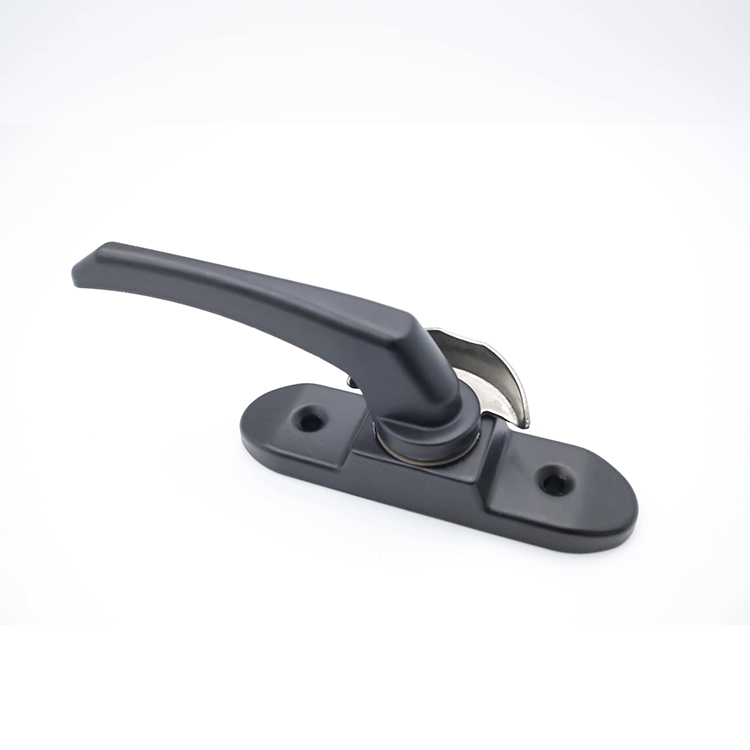
Looking for hardware solutions that meet European / American standards?
Use this guided inquiry modal to move from a generic quote form to a clearer technical conversation. Buyers can choose whether they need pricing, CAD / 3D files, or OEM / ODM support before sharing contact details.
Compatibility-first design across door / window systems
Repeatable production with clear inspection checkpoints
Documentation and change control for long-running programs
Responsive engineering support for fit and field feedback
Even when one cam, sweep, handle, or multipoint mechanism affects both outcomes, the engineering pass-or-fail criteria remain different: security asks whether an intruder can separate the sash from the frame, while sealing asks whether the gasket maintains controlled contact through pressure, movement, wear, and repeated operation.
Why pretend otherwise?
I take a hard line on this because the industry often sells “tight closing” as proof of security and “heavy-duty locking” as proof of weather performance. Neither claim survives serious inspection. A stiff handle may signal over-compressed weatherstripping, poor keeper alignment, or gearbox drag. A smooth, airtight sash may still have shallow cam engagement and weak screws.
One window. Two jobs.
One Window, Two Failure Modes
Window lock security protects the opening against unauthorized movement. Window weather sealing controls unwanted air and water passage around the operable sash. The systems touch at the closing interface, but they solve different risks.
The security risk remains measurable. The Bureau of Justice Statistics’ March 2026 report estimated 782,100 burglaries in the United States during 2024, equal to 230.0 offenses per 100,000 residents. That rate fell from 255.6 in 2023, but a lower national rate does not make weak keepers, shallow engagement, or unsupported fasteners acceptable.
The sealing risk is also measurable, but with different evidence. The U.S. Department of Energy’s air-sealing guidance distinguishes caulk for stationary gaps from weatherstripping for moving parts such as operable windows and doors; it also says these air-sealing measures can often pay for themselves within a year or less. That is an energy and envelope argument, not a forced-entry argument.
CHIER’s guide to sash, cam, crescent, espagnolette, and multipoint window locks reaches the same practical conclusion from the hardware side: lock names alone do not reveal keeper alignment, seal pull-in, operating clearance, or performance after the sash moves by 1–2 mm.
That distinction should control the entire specification.
What Window Lock Security Actually Has to Resist
A secure window lock creates a continuous load path from the moving sash into the fixed frame. I do not judge that load path by finish, lever weight, audible clicks, or the presence of a key. I judge it by what fails first.
The chain usually includes:
The handle, lever, or actuator
The spindle, fork, rod, or gearbox
The cam, hook, bolt, sweep, or mushroom pin
The keeper or strike
The keeper screws and lock screws
Reinforcement inside the aluminum, uPVC, timber, or composite profile
The sash and frame sections carrying the load
A strong lock mounted into thin, unsupported profile walls is not a strong assembly. It is a strong-looking component attached to a weak substrate.
Security Is About Engagement, Not Just Closure
For sash locks and crescent locks, I want the minimum engagement depth at the worst expected tolerance, not a photograph of the nominal sample. For sliding windows, I want anti-lift control as well as lateral latching. For casement windows, I want to know whether rollers merely compress the gasket or whether undercut mushroom cams engage reinforced keepers that resist sash separation.
This is why buyers should compare actual window sash lock configurations and window latch mechanisms instead of treating every small closure device as interchangeable. A latch can hold a panel shut during normal use without providing meaningful resistance to prying, lifting, or forced separation.
And more points are not automatically safer. A three-point system with full engagement, reinforced keepers, controlled screw anchorage, and reasonable operating force can outperform a seven-point system that misses its upper keeper, binds at the bottom corner, or encourages users to leave the handle partially engaged.
That is the hard truth.
Keyed Does Not Automatically Mean Stronger
A keyed window lock may improve access control, child resistance, or unauthorized operation. It does not automatically improve the metal load path. The cylinder can control who operates the mechanism while the keeper, screws, cam geometry, and profile reinforcement still determine how well the assembly resists force.
Security also has a human limit. The U.S. Consumer Product Safety Commission warns that when window guards are used, at least one window in each room should remain easy to use for fire escape. Local codes vary, but the design lesson is plain: making a window harder to open is not acceptable when it also traps the occupant.
What Window Weather Sealing Is Designed to Control
Window weather sealing manages air leakage, wind-driven water, drafts, noise paths, dust, and local condensation risk around the sash perimeter. The lock can supply pull-in force. The gasket creates the seal.
That order matters.
Common sealing materials include EPDM rubber, silicone rubber, thermoplastic elastomer, or TPE, foam profiles, brush pile, and hybrid fin seals. Their performance depends on section shape, material hardness, recovery, compression range, corner joints, surface friction, temperature, ultraviolet exposure, and the groove or carrier that holds them.
Weatherstripping is not passive forever. The Department of Energy’s window technology guidance states that air-leakage rates vary with the type and quality of weatherstripping and seals, and generally increase over time through operational use. A window that passed when new can drift as seals take a set, hardware wears, and alignment changes.
Compression Must Be Controlled
Too little compression leaves discontinuous contact. Too much compression raises handle torque, increases gearbox load, distorts flexible profiles, accelerates gasket set, and may stop the mechanism from reaching full lock engagement.
So a hard-closing window is not automatically a well-sealed window.
It may be badly adjusted.
I would reject any specification that says “tight seal” without defining the gasket, the approved compressed condition, the keeper adjustment range, and the operating-force limit. The lock should bring the sash into the seal consistently. It should not be used as a clamp to correct a twisted frame, a bowed sash, or an oversized gasket.
For projects targeting better air performance, CHIER’s article on using multipoint locks for energy and air-tightness targets is useful because it treats locks as compression-control hardware while still admitting that hardware cannot rescue bad geometry.
Window Lock Security vs Weather Sealing: Engineering Comparison
May distribute resistance, but adds alignment and friction risks
May improve perimeter compression, but can over-compress or bind
Best evidence
Assembly-level load, cycle, manipulation, and fastener testing
Air and water testing before and after cycling, plus gasket and drainage inspection
Common sales mistake
“It has a key, so it is secure”
“It closes hard, so it is airtight”
The overlap is real, but narrow. Both systems depend on alignment, repeatable closing motion, keeper position, frame stiffness, and maintenance. Their acceptance criteria should still remain separate.
Where Locks and Seals Help—or Hurt—Each Other
A lock affects weather sealing when it changes sash position or gasket compression. A seal affects security when its resistance changes operating force or prevents the lock from reaching full engagement. That interaction is where bad specifications hide.
Secure but Leaky
Picture a heavy crescent lock with long screws into reinforced aluminum. The sweep fully captures the keeper and resists separation, yet the meeting rails bow between locking locations and the brush pile no longer contacts at the upper corner.
The window is secure. It still leaks.
Tight but Weak
Now picture a basic cam latch pulling a lightweight sash firmly into fresh EPDM. The perimeter feels quiet, the draft disappears, and the handle closes smoothly. But the keeper is fixed with two short screws into thin vinyl skin, and the sash can be lifted enough to clear the cam.
The window seals. It is not secure.
Over-Compressed and Partially Locked
The worst case fools everyone. An installer moves the keeper inward to stop a draft, the gasket compresses heavily, handle torque rises, and the cam stops before full travel even though the lever appears closed.
That is false confidence.
CHIER’s multi-point window locking design guide is relevant here because the real system includes gearbox travel, keeper accuracy, rod motion, sash stiffness, seal compression, and the user’s ability to complete the locking action. One wrong adjustment can degrade both outcomes.
The Specification Trap: One Hardware Line, Two Missing Requirements
Many schedules contain a single line such as “locking handle with weather seal.” That wording is almost useless.
I want two requirement sets.
Security Requirements
Specify the opening type, threat model, locking action, minimum engagement, anti-lift need, keeper material, keeper reinforcement, screw diameter and penetration, profile substrate, locked-state indication, key behavior, emergency release, corrosion exposure, and evidence from the complete assembly.
Do not accept “stainless steel” without a grade. SUS304 and SUS316 are not the same coastal discussion. Do not accept “multipoint” without the point locations, keeper design, operating travel, and failure behavior. Do not accept “heavy duty” at all.
Weather-Sealing Requirements
Specify the gasket material, profile drawing, corner method, nominal gap, approved compression range, friction assumptions, drainage path, air and water target, operating-force limit, thermal movement, and performance after cycling.
The common 7 mm spindle and 43 mm fixing centers used on many European-style espagnolette handles are conventions, not universal laws. Spindle length, fork geometry, backset, travel, and keeper layout still have to match the actual profile.
A 1–2 mm alignment change can alter cam engagement, seal compression, and handle torque at the same time. That is why I ask for tolerance drawings rather than perfect-sample dimensions.
How I Would Approve the Window System
The approval sequence should be blunt and repeatable.
Define the opening and risk. Record sash type, dimensions, material, accessibility, occupancy, egress status, exposure, and expected use cycles.
Map the security load path. Trace force from the sash through the lock, keeper, screws, reinforcement, and frame.
Map the sealing line. Trace the complete gasket perimeter, corners, drainage, pressure equalization, and compression points.
Set separate acceptance criteria. Security receives engagement, strength, anti-lift, manipulation, and egress requirements. Sealing receives air, water, compression, operating force, and drainage requirements.
Test the assembled window. Component certificates cannot reveal poor keeper position, unsupported screws, sash bow, corner gaps, or incompatible weatherstripping.
Cycle it, then test again. Wear changes seals, alignment, gearbox drag, and user behavior. New-sample performance is only the starting condition.
Freeze the approved configuration. Control drawings, gasket supplier, material grade, screw length, keeper revision, finish stack, and inspection method.
What Is the Difference Between Window Lock Security and Weather Sealing?
Window lock security is the resistance of a sash, keeper, fasteners, and frame interface to unauthorized opening, while weather sealing is the control of air and water leakage through continuous gasket contact, drainage, and compression; one protects against intrusion, the other protects the building envelope, although the same hardware may influence both.
A lock can support seal compression, but that overlap does not merge the two jobs. Each needs its own materials, failure analysis, acceptance criteria, and test evidence.
Do Window Locks Affect Weather Sealing?
Window locks can improve weather sealing when their cam, sweep, roller, or multipoint action pulls an aligned sash evenly into correctly sized weatherstripping, but they do not create a seal by themselves and can make performance worse when keeper position, gasket thickness, sash stiffness, or adjustment forces are wrong.
Uniform pull-in helps. Excessive pull-in damages seals and can stop full engagement.
What Are the Best Window Locks for Security?
The best window locks for security are mechanisms matched to the opening type, sash geometry, keeper reinforcement, fastener substrate, egress rules, and expected attack method, with enough engagement to resist lifting, prying, separation, or manipulation without relying on appearance, handle weight, keying, or the number of locking points alone.
For accessible windows, I would prioritize reinforced keepers, proven anchorage, anti-lift control, visible full engagement, and simple occupant operation.
Can Window Weatherstripping Improve Security?
Weatherstripping improves comfort and energy performance by reducing air and water leakage at movable window joints, but it is not a security component because foam, brush pile, EPDM, silicone, or TPE seals do not reinforce keepers, strengthen fastener anchorage, prevent sash lifting, or reliably resist forced separation.
At most, a seal changes friction and closing force. Treating that resistance as burglary protection is a category error.
How to Improve Window Security Without Damaging the Seal?
Window security should be improved by correcting sash alignment, reinforcing the keeper and fastener substrate, selecting the right lock geometry, confirming emergency egress, and then setting only the compression needed for continuous seal contact, rather than overtightening cams or keepers until the handle becomes stiff and the gasket takes a permanent set.
Measure first. Adjust second. Then verify that the lock reaches full travel and the weather seal remains continuous around the entire perimeter.
Your Next Step: Specify Two Systems, Not One Claim
Stop asking whether a window lock is “secure and airtight.” Ask for two answers.
For security, request the lock drawing, minimum engagement, keeper design, fastener specification, reinforcement detail, anti-lift logic, egress behavior, cycle target, and assembly-level strength evidence.
For sealing, request the gasket drawing, material, compression range, corner construction, drainage route, operating-force limit, and air and water performance before and after cycling.
Then put both on the same profile drawing.
For OEM, private-label, or system-development work, send CHIER the sash and frame sections, opening dimensions, gasket data, keeper locations, target market, exposure class, and required evidence through the OEM/ODM window hardware program. Do not approve the lock from a front-view image. Do not approve the seal from a hand-feel test. Approve the complete window as two coordinated design tasks.