Looking for hardware solutions that meet European / American standards?
Use this guided inquiry modal to move from a generic quote form to a clearer technical conversation. Buyers can choose whether they need pricing, CAD / 3D files, or OEM / ODM support before sharing contact details.
Compatibility-first design across door / window systems
Repeatable production with clear inspection checkpoints
Documentation and change control for long-running programs
Responsive engineering support for fit and field feedback
I have watched too many buyers treat OEM/ODM window hardware partnerships like a price sheet exercise, when the real fight sits elsewhere—tooling ownership, tolerance discipline, alloy consistency, surface-finish repeatability, and the supplier’s willingness to survive the boring work of process control after the sample approval champagne is gone. Want the hard truth?
If your hardware sourcing model depends on “a reliable factory” without defining how drawings change, who pays for mold rework, what happens when 304 stainless is swapped for a cheaper input, or how spring-cycle fatigue is tested at production speed, you do not have a partnership. You have a future claims file.
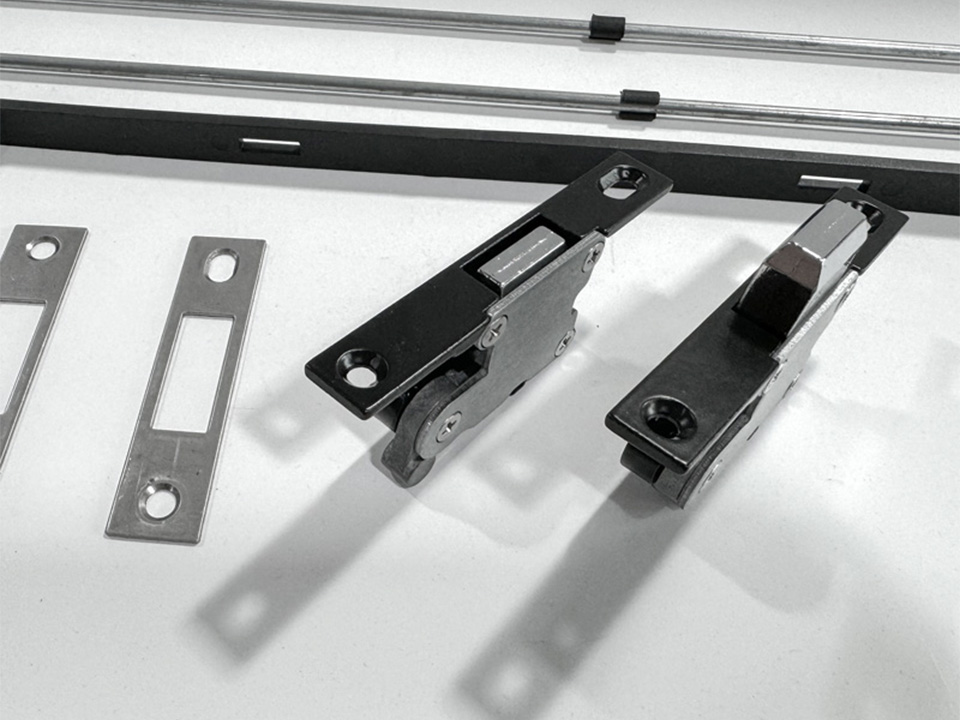
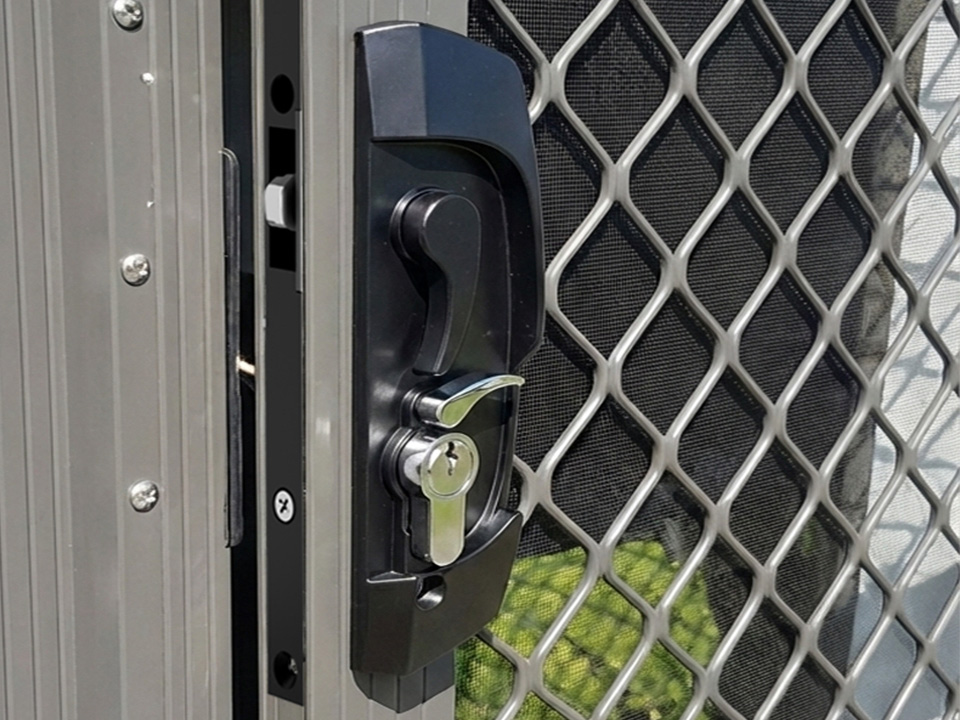
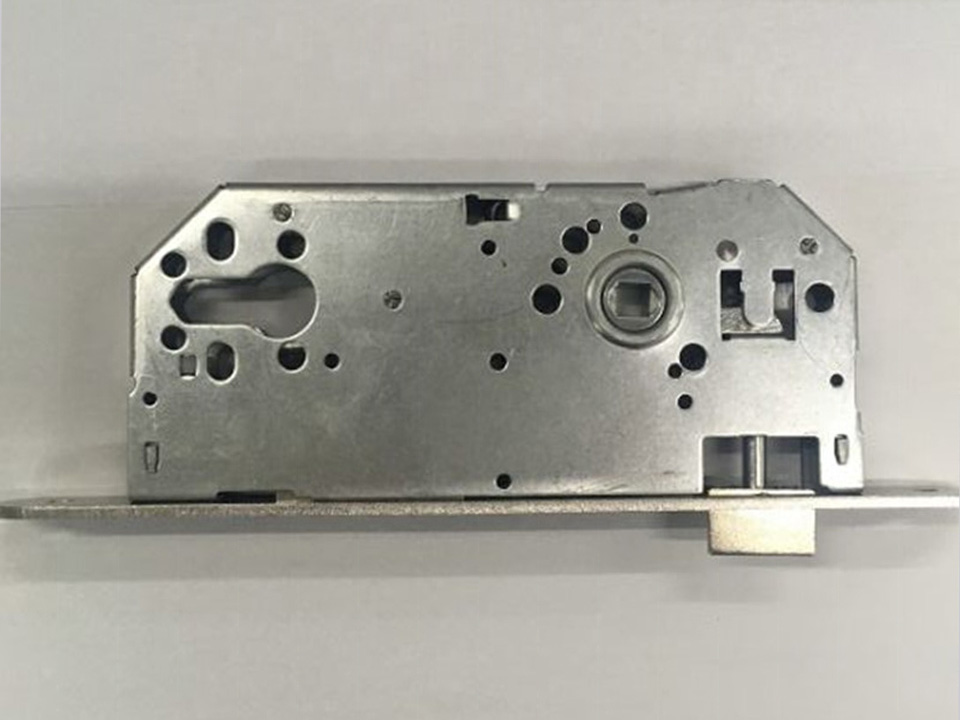
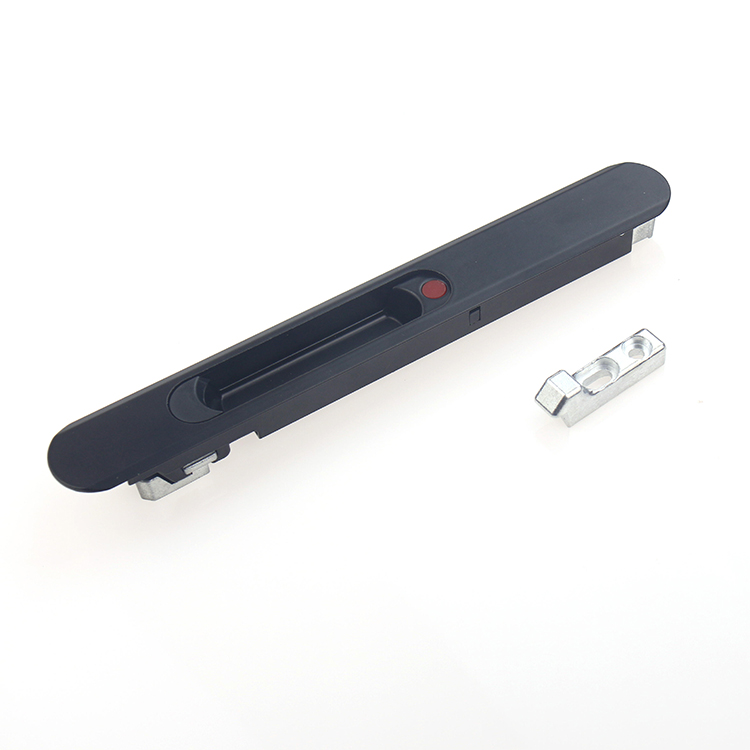
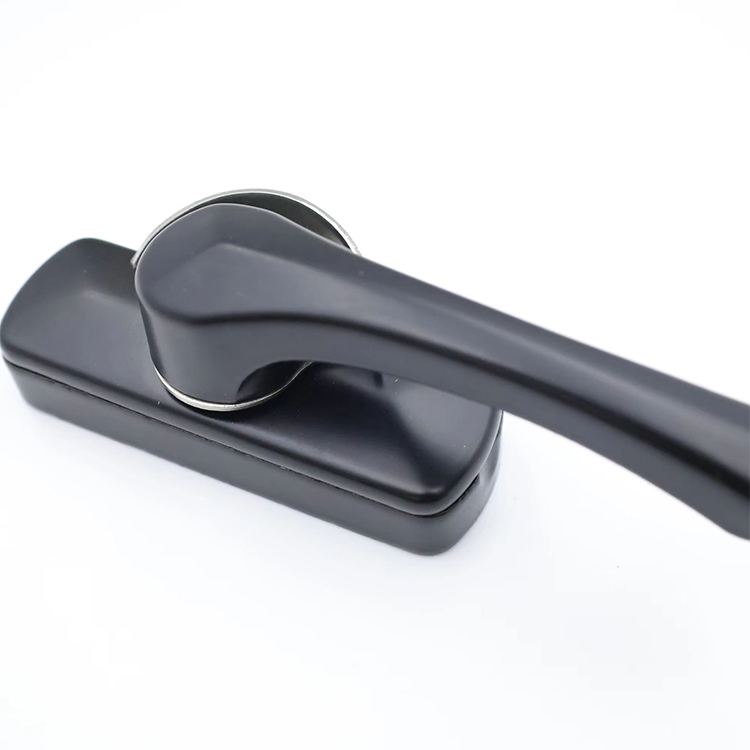
Because window hardware is not a decorative side category. It is a failure-sensitive system. Hinges, friction stays, latch locks, crescent handles, rotary locks, flush pulls, dampers—these parts live in coastal humidity, UV exposure, repetitive opening cycles, installation abuse, and margin pressure from every side of the chain. A weak partner does not merely slow you down. A weak partner contaminates your product line.
Table of Contents
Why Most OEM/ODM Window Hardware Partnerships Break at the Same Three Stress Points
A supplier quotes aggressively, approves the first drawing pack, ships decent pilot samples, and then the cracks appear once monthly output moves from 2,000 sets to 20,000, because the factory that looked stable during sampling often splits into two personalities: the sales-facing plant you meet, and the production reality you only discover when rejects rise, lead times slip, and “minor substitutions” become a routine excuse. Sound familiar?
First, buyers confuse OEM and ODM authority. In OEM, you should control the spec. In ODM, the supplier controls more of the engineering baseline, which sounds efficient until you realize your product moat may be sitting inside someone else’s CAD files, someone else’s sub-supplier network, and someone else’s revision history.
Second, quality language stays soft. “High quality,” “salt spray tested,” “good raw material,” “strict inspection”—none of that protects you. I want exact grade references, test methods, dimensional tolerances in millimeters, torque ranges in N·m, coating thickness in μm, and life-cycle targets like 25,000 or 50,000 open-close cycles.
Third, commercial terms ignore scale mechanics. Everyone negotiates unit price. Not enough teams negotiate tooling amortization, minimum order step-ups, scrap allocation, expedited freight liability, and capacity reservation when demand jumps 40% in peak season.
That is where scalable hardware supply chain strategy either earns respect or dies quietly.
OEM vs. ODM: The Difference Buyers Pretend Is Small and Learn Is Expensive
An OEM window hardware supplier manufactures to your drawings, tolerances, materials, and branded requirements, while ODM window hardware solutions usually begin with the supplier’s existing engineering platform, which you customize around finish, dimensions, branding, or minor functional details rather than building from zero. That sounds neat on paper, but what happens when differentiation matters?
My bias is simple: if the hardware directly affects your market identity, your warranty cost, or your dealer reputation, I lean OEM. If the product is closer to a standardized accessory with low engineering novelty and fast commercialization pressure, ODM can work. But only if you control the exit path.
Exit path matters more than most buyers admit. Can you move tooling? Can you port drawings? Can another plant qualify the same spring force, zinc alloy chemistry, anodized coating appearance, and packaging format in under 90 days? If the answer is no, your “partnership” is dependency dressed up as speed.
Model
Best Use Case
Main Advantage
Hidden Risk
My View
OEM
Proprietary handles, locks, hinges, friction systems
Better control over spec, IP, and positioning
Higher development time and tighter engineering burden
Best for long-term brands
ODM
Fast launch of proven formats
Lower development cost and faster sampling
Weak product moat and supplier dependency
Fine for tactical expansion
Hybrid OEM/ODM
Base platform from supplier with your engineered revisions
Balanced speed and differentiation
Ownership ambiguity if contracts are loose
Often the smartest model
The Supplier Scorecard I’d Use Before Signing Anything
I do not care how polished the factory presentation looks if the supplier cannot answer plain operational questions with numbers, names, and documents, because window hardware manufacturing partnership quality is rarely exposed by the catalog—it is exposed by process discipline, engineering memory, and how the factory behaves when something goes wrong at 6:40 p.m. on a Friday. That is the real interview.
Engineering control: Who owns drawings, revision logs, PPAP-style approvals, and deviation sign-offs? If a supplier cannot produce a disciplined engineering change path, I assume future confusion.
Materials control: I want declared inputs. SUS304 vs. SUS201. ADC12 vs. alternate die-cast grades. Powder coating vs. anodizing. Spring steel spec. Fastener grade. No fog.
Tooling control: Who paid, who owns, where tooling is stored, how preventive maintenance is logged, and what rework threshold triggers approval.
Sub-supplier transparency: Springs, screws, castings, extrusions, cylinders, keys, dampers, surface treatment. Many “factories” are really assemblers with variable sub-supplier quality. That is not automatically bad. Hidden dependence is bad.
Capacity logic: Daily rated output, real peak output, bottleneck station, overtime assumptions, backup shifts, and average lead time at 70% and 90% utilization.
Complaint behavior: Ask for real examples. Not vague promises. I want to hear how a batch issue was isolated, contained, reworked, and financially settled.
Hardware Sourcing That Actually Scales: Build Around Failure, Not Hope
My rule is blunt: if your hardware sourcing strategy assumes perfect forecasts, stable metals pricing, and no dimensional drift across lots, then your strategy is fantasy, because scale introduces noise everywhere—tool wear, labor shifts, incoming material variance, carton compression failures, mislabeled finishes, and demand spikes that push the supplier into uncontrolled subcontracting. Why build a model that collapses the moment reality arrives?
I would structure the deal in five layers.
The first layer is specification density. Every SKU gets a live technical package: material, finish code, surface performance target, dimensional tolerance, function test, packaging standard, and inspection AQL. No orphan products. No “same as last time.”
The second layer is dual accountability. Commercial and technical teams must both sign off. Buyers alone often optimize for cost. Engineers alone often overbuild. You need tension there.
The third layer is ramp logic. Do not jump from sample approval to peak PO volume. Run a pilot batch, then a controlled first production lot, then a stress order where the supplier must hit lead time and defect targets under actual load.
The fourth layer is economic honesty. Fixed pricing without metal clauses is often fake stability. I would rather negotiate transparent triggers tied to alloy or stainless movements than get ambushed by quality fade six months later.
The fifth layer is transfer readiness. A scalable hardware supply chain can survive a factory problem. If the entire program is locked to one supplier’s tribal knowledge, it is not scalable.
The Contract Clauses That Separate Real Partnerships From Procurement Theater
I get irritated when people say the relationship matters more than the contract, because in manufacturing, “relationship” usually means things are fine until freight surcharges rise, reject rates climb above 2.5%, or a top customer threatens a chargeback and suddenly everyone starts rereading the words they skimmed at kickoff. Why leave the hard parts unwritten?
At minimum, I want these clauses locked down:
Tooling ownership and retrieval rights Engineering change procedure with written approval thresholds Material substitution prohibition without prior consent Quality failure protocol, including containment within 24 to 48 hours Warranty cost allocation Confidentiality plus non-circumvention for custom SKUs Forecast status language so estimates do not become legal traps Late delivery remedies and expedited logistics responsibility Audit rights for factory and major sub-suppliers
And here is a hard truth many importers do not like hearing: if your OEM/ODM partnership only works when everything is informal, it is probably not a partnership worth scaling.
The Economics of Scale: Where Margins Disappear
The standard buying mistake is obvious—teams chase a lower ex-works price, celebrate a 6% savings, and then quietly absorb bigger losses through slower lead times, defect sorting labor, emergency air shipments, duplicated packaging runs, and version confusion across SKUs, all of which can erase that headline win faster than a procurement dashboard will admit. Have you ever seen a “cheap” supplier turn very expensive by quarter two?
And the leakage tends to show up in the same places: raw-material downgrades, finish inconsistency, packaging failure, weak carton labeling discipline, non-standard fasteners, late-stage assembly bottlenecks, and undocumented revisions between batches.
This is why the best OEM/ODM partnership model for window hardware is not the one with the lowest unit cost. It is the one with the lowest total volatility.
A supplier charging $0.18 more per lock set may still be the stronger choice if they can hold 98.8% pass rate at shipment, keep lead time inside a 35-day production window, maintain finish consistency across matte black lots, and support demand surges without pushing your order into a mystery subcontractor.
That is scale economics. Not brochure economics.
What I’d Put in the First 120 Days of a New Partnership
But not stupidly, because the first 120 days decide whether your window hardware manufacturing partnership becomes an operating advantage or a recurring internal argument, and those first months should be treated like a structured validation campaign rather than a purchasing milestone, with every batch used to test the supplier’s engineering memory, communication quality, defect reaction speed, and real willingness to operate under discipline. That is the test.
My 120-day framework looks like this.
Days 1–15: finalize master specs, drawings, finish boards, inspection checklists, packaging standards, and tooling register. Days 16–30: sample validation, function tests, fit checks, corrosion testing plan, and packaging drop test. Days 31–60: pilot production with lot traceability and documented corrective actions. Days 61–90: first scaled PO with lead-time stress and incoming inspection against agreed AQL. Days 91–120: commercial review—pricing logic, scrap trends, defect causes, and capacity roadmap.
If the supplier cannot perform disciplined reporting by then, I would not increase exposure. I do not care how friendly they are.
FAQs
What is an OEM/ODM window hardware partnership?
An OEM/ODM window hardware partnership is a manufacturing arrangement in which a buyer works with a supplier to produce window handles, locks, hinges, friction stays, dampers, or related parts under either buyer-controlled specifications (OEM) or supplier-led base designs customized for the buyer (ODM), with agreed commercial, technical, and quality controls.
In plain terms, OEM gives you more engineering control, while ODM gives you more speed. I usually prefer OEM for parts that affect warranty risk, installation performance, or brand identity.
How do you structure OEM/ODM partnerships that scale?
A scalable OEM/ODM partnership is built on dense specifications, clear ownership of drawings and tooling, written change control, measurable quality standards, realistic ramp plans, and commercial terms that account for demand swings, material cost shifts, and warranty exposure rather than relying only on low quoted unit prices.
That means you need more than a supplier quote and a sample approval. You need revision logs, material restrictions, life-cycle tests, inspection rules, and transfer options if the factory underperforms.
What is the best OEM/ODM partnership model for window hardware?
The best OEM/ODM partnership model for window hardware is usually a hybrid structure in which the supplier provides a proven base platform, but the buyer controls critical dimensional, material, finish, branding, and validation requirements so speed does not erase differentiation or weaken the ability to switch suppliers later.
I like hybrid when the product is not starting from zero but still needs commercial protection. It cuts development drag without handing your moat to the factory.
Why does hardware sourcing fail after the first successful order?
Hardware sourcing often fails after the first successful order because early samples are controlled tightly, while scaled production introduces tool wear, sub-supplier inconsistency, labor variation, undocumented substitutions, and schedule pressure that expose weaknesses in contracts, testing, communication, and factory process control.
This is why I distrust “the sample looked great” as a sourcing argument. Pilot success proves possibility. It does not prove repeatability.
What should buyers audit in a window hardware manufacturing partnership?
Buyers should audit engineering revision control, tooling ownership, material declarations, finish consistency, sub-supplier visibility, cycle-life testing, corrosion performance, packaging standards, complaint response time, and real production capacity at both normal and peak utilization rather than relying on catalog claims or sales presentations.
If I had to reduce it further, I’d say this: audit what can hurt you at scale, not what looks impressive in a meeting room.
Strong partnerships are engineered, not wished into existence.
If you are serious about building OEM ODM window hardware partnerships that scale, stop buying parts one PO at a time and start designing a supply system that can survive volume, defects, delays, and margin pressure without falling apart. That is the standard I would hold. And frankly, so should you.