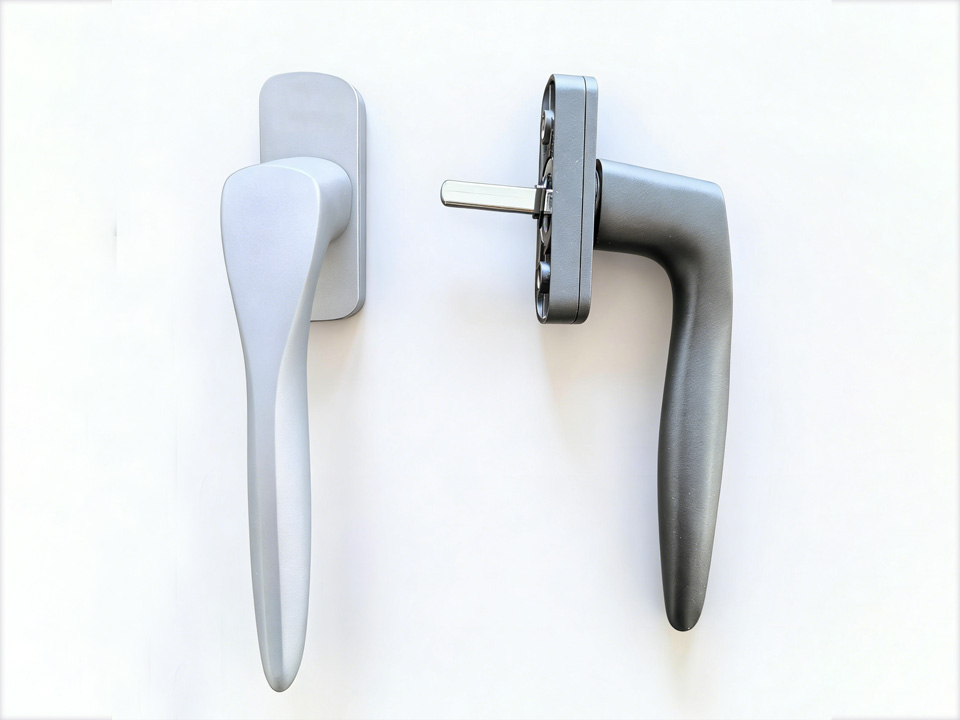
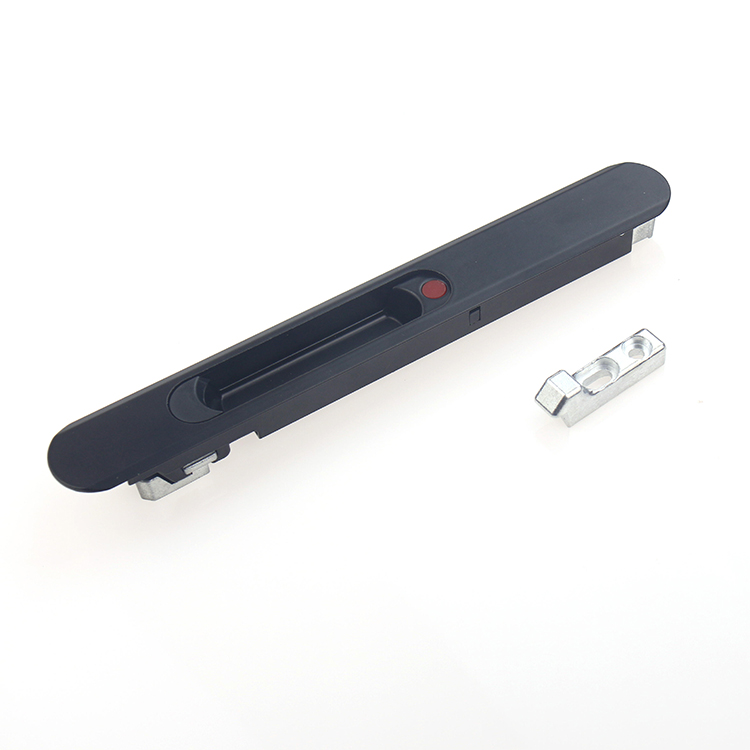
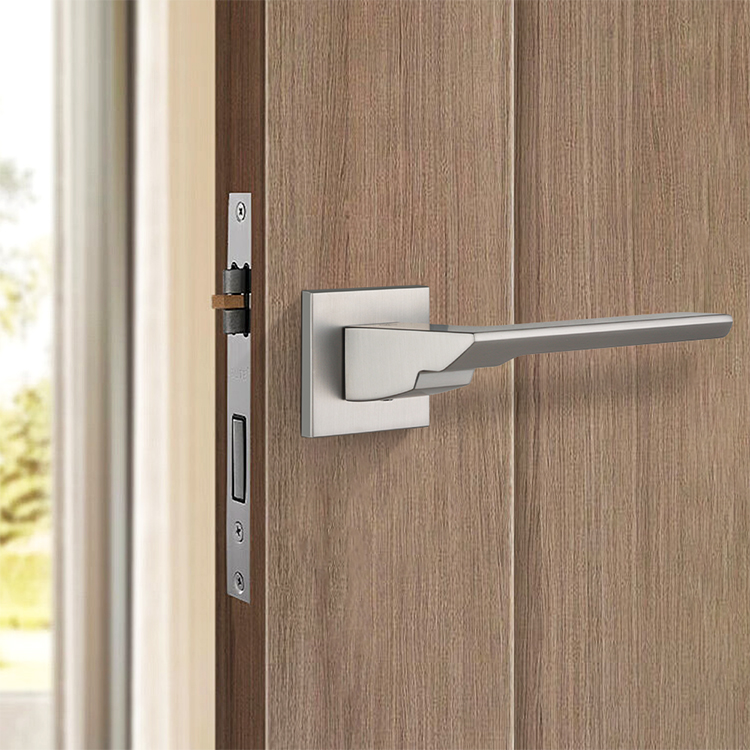
Looking for hardware solutions that meet European / American standards?
Use this guided inquiry modal to move from a generic quote form to a clearer technical conversation. Buyers can choose whether they need pricing, CAD / 3D files, or OEM / ODM support before sharing contact details.
Compatibility-first design across door / window systems
Repeatable production with clear inspection checkpoints
Documentation and change control for long-running programs
Responsive engineering support for fit and field feedback
A buyer gets a clean quotation, a decent-looking sample, a lead time that seems aggressive but still believable, and a factory rep who says all the right things about QC, salt spray, cycle testing, zinc thickness, and packaging specs—then ninety days later the hardware arrives with inconsistent spindle tolerances, downgraded fasteners, carton markings that don’t match the packing list, and just enough cosmetic polish to hide the bigger problem until installation crews start calling from site. Then what?
Here’s the ugly truth: in hardware sourcing, the invoice almost never tells you where the risk actually lives. Buyers obsess over unit price. I frankly believe that’s amateur hour. The real leakage starts upstream—in tooling ownership, in alloy substitutions, in outsourced sub-assemblies, in undocumented plating adjustments, in a supplier’s cash-flow panic two weeks before shipment.
And yes, window hardware is especially vulnerable. Why? Because it looks simple. A friction stay, a latch lock, a flush handle, a crescent lock—small parts, tidy drawings, repeatable specs. That’s the trap. These are tolerance-sensitive, finish-sensitive, corrosion-sensitive components, and one “minor” material swap can turn a 50,000-cycle claim into a warranty bonfire.
From my experience, the most dangerous factories aren’t the obviously bad ones. They’re the polished ones—the plants that know how to stage a line walk, hand you the right sample bin, and talk fluently about ISO systems while quietly farming out die-casting, screws, springs, or coating to whichever workshop is cheapest that month. It happens. Constantly.
If you’re sourcing window hardware overseas, you’re not buying a part. You’re buying a chain of promises.
Table of Contents
The risk nobody budgets for: invisible subcontracting
Let’s start where the stories usually begin and where most audits fail. A supplier shows you one facility. Fine. But the lock body may be cast in one shop, the spring sourced from another, the keyed cylinder purchased from a third, and the black finish done by a plating house you never visited. That split isn’t automatically bad. Hidden split is.
I’ve watched buyers approve a production partner for a premium-looking casement program, only to discover later that the corrosion complaints weren’t caused by assembly at all—they were triggered by outsourced finishing that shaved microns off the coating build and shortened field life in coastal installs. Nobody sees that on day one.
That’s why I care less about the showroom sample and more about process lineage. If I were buying OEM stainless window friction stay slot hinges, I wouldn’t stop at opening force and geometry. I’d ask who stamps the arm, who supplies the rivet, who sets passivation parameters, and whether the supplier can prove 304 versus “304-like” stainless with actual batch traceability. Not a sales PDF. Real traceability.
Because once hidden subcontracting enters the picture, your neat supplier relationship turns into a shadow network. And shadow networks break quietly—until they don’t.
Material downgrade is where margin theft gets dressed up as “engineering flexibility”
A buyer signs off on SUS304, ADC12, zinc alloy grade specs, nylon insert details, spring steel hardness, or powder coat thickness. Production starts. Then commodity prices move, cash gets tight, or the supplier decides the buyer “won’t notice.” So the factory doesn’t always fake the whole product. That’s too obvious. It trims at the edges: thinner wall sections, mixed fastener lots, lower chromium content, cheaper cylinders, softer springs, altered gasket compounds.
Until it doesn’t. Then you get field returns that look random at first—stiff action in week six, premature play in the pivot, lock tongue wear, finish blooming after salt exposure, keys binding in cold weather, latch rebound under repeated use. Buyers call these quality issues. I call them procurement failures wearing a quality mask.
The same logic applies if you’re sourcing custom aluminum window handle locks or keyed aluminum crescent window latch locks. These aren’t decorative trinkets. They’re load-bearing touchpoints, user-facing mechanisms, and often the first thing an end customer blames when a window “feels cheap.” That feeling destroys repeat business faster than most spreadsheets admit.
Tooling control is the hard truth buyers keep dodging
Let me be blunt: if the factory controls the tooling and you don’t have crystal-clear ownership terms, you’re negotiating from your knees.
I’ve heard every variation. “Don’t worry, the mold is dedicated.” “We can reserve the tooling for you.” “This geometry won’t be used elsewhere.” Fine words. But when disputes hit—late delivery, exclusivity conflict, pricing reset, MOQ pressure—the question becomes painfully simple: who actually owns the steel, the drawings, the revision history, and the right to move production?
And here’s where things get messy in window hardware sourcing abroad. Small hardware programs often don’t look large enough to trigger legal paranoia, so buyers skip the hard documentation. Bad move. The supplier then treats your handle base, latch profile, escutcheon shape, or internal lock cam like reusable production capacity rather than protected IP. Suddenly a “custom” product starts appearing in suspiciously similar forms across the market.
The paperwork risk is boring. It’s also expensive.
Nobody brags about documentation. They should.
A shipment can be mechanically sound and still turn into a cash-eating mess because the documents are sloppy, incomplete, inconsistent, or strategically vague. Product descriptions that are too generic. Carton labels that don’t align with commercial invoices. Packaging declarations missing material details. Test reports that describe a cousin product, not the shipped one. Country-of-origin handling that invites questions. Bills of lading that don’t match downstream warehouse intake logic. This stuff sounds administrative—until the container stalls.
And the cost isn’t just demurrage or delay. It’s also internal labor, damaged customer confidence, installation schedule pressure, and the awkward conference call where everyone pretends the issue is “temporary” while your launch window evaporates.
On day one, the quoted lead time may actually be achievable. That’s the trick. The schedule only becomes fiction later, when raw materials tighten, plating queues back up, labor shifts, the supplier prioritizes a larger customer, or a component from a sub-vendor misses its slot. Then the factory starts feeding you half-truths: “assembly is complete,” “packing is underway,” “goods are almost ready.”
Almost ready. Dangerous phrase.
In hardware sourcing, “production complete” can mean bodies are cast but cylinders aren’t installed. Or handles are assembled but keys aren’t cut. Or finished goods exist but the export cartons haven’t passed drop testing. Or—my personal favorite—the goods are “complete” except for the surface finish your customer actually specified.
So I don’t trust verbal milestone updates. I trust production stage evidence tied to dates, quantities, and components. Not glamour shots. Not a random pallet photo. Real production logic.
Quality failures often start in the finish, not the function
People love cycle-test numbers because they look scientific. I get it. But I’ve seen more grief caused by finish systems than by mechanism design.
Black hardware is a perfect example. Matte black sells. It also exposes weak finishing discipline. If pretreatment is inconsistent, if coating thickness floats, if cure control drifts, or if surface prep gets rushed to hit dispatch, the part can pass a casual visual check and still disappoint in the field. Finger-marking, edge wear, rub-off, corrosion creep around contact points—it all shows up later, right where users touch the product.
The supplier’s financial stress can become your defect rate
Buyers don’t ask enough about this because it feels intrusive. I think that’s naive.
A factory under financial pressure behaves differently. It stretches payables. It delays raw-material purchases. It consolidates production runs. It substitutes packaging. It leans on cheaper vendors. It postpones maintenance. None of that appears on the quotation sheet. But you’ll feel it—in missed dates, odd quality drift, sudden MOQ rigidity, or a bizarre insistence on deposit timing.
And here’s the nasty part: financial stress often shows up before obvious operational collapse. The supplier still answers emails. Samples still look fine. The problems leak slowly. Then one shipment goes sideways, and the buyer acts surprised.
What the smartest importers do differently
They don’t “trust but verify.” Cute phrase. Too soft. They map, document, test, and trap failure points before production scales.
They ask for batch-level raw material evidence. They define approved sub-suppliers where it matters. They lock drawing revisions. They inspect pre-finish and post-finish samples. They verify packaging specs against warehouse reality. They separate pilot orders from commercial ramp-up. They don’t let a sales rep manage technical ambiguity.
And they know certain components deserve disproportionate attention. For example, if I were building a program around custom stainless steel sliding door latch locks and ultra-narrow sliding door double hook locks, I’d put extra pressure on lock geometry, spring behavior, strike compatibility, and coating consistency because narrow-profile hardware gives you less forgiveness in the field. Less room. Less margin for error.
That’s how grown-up sourcing works.
Where the real risk usually hides
Risk Area
What Buyers Usually Check
What I Check First
Why It Matters
Material spec
Stated grade on quotation
Batch traceability, independent material consistency, sub-component origin
Small substitutions create delayed field failures
Subcontracting
Final assembler address
Full process map by component and finish
Hidden vendors create uncontrolled variability
Tooling
Sample approval
Ownership terms, revision control, transfer rights
“Custom” designs can be trapped or reused
Lead time
Promise date
Stage-by-stage capacity logic and component readiness
What are hidden supply chain risks in window hardware sourcing abroad?
Hidden supply chain risks in window hardware sourcing abroad are the non-obvious operational, material, compliance, and subcontracting failures that don’t appear in the initial quotation or sample approval but later cause shipment delays, product defects, warranty claims, cost overruns, or loss of control over quality and tooling.
But that neat definition misses the sting. In practice, it’s the stuff nobody says out loud: the outsourced plating line you never visited, the downgraded spring steel buried inside the lockset, the “temporary” vendor substitution, the mislabeled cartons that jam customs review, the factory that looks stable until one container goes late and everything unravels.
How do I reduce supply chain risk when sourcing abroad?
Reducing supply chain risk when sourcing abroad means building controls before mass production starts: verify material traceability, map subcontractors, lock drawing revisions, define packaging and documentation standards, inspect at multiple production stages, and document tooling ownership so the supplier cannot shift terms after your program scales.
I’d add one more thing—stop treating the first approved sample like a victory. It isn’t. It’s just the opening argument. The real work begins when production pressure, cash stress, and scheduling conflicts hit the supplier at the same time.
Why is window hardware especially risky to source internationally?
Window hardware is especially risky to source internationally because it combines small-part manufacturing with tight tolerances, visible finishes, moving mechanical interfaces, corrosion exposure, and frequent use cycles, which means minor deviations in alloy, coating, spring force, or machining can create outsized field failures and warranty blowback.
That’s the bit many buyers underestimate. A hinge or latch looks simple on paper. It isn’t. One cheap screw, one thin coating pass, one sloppy die-cast run—and suddenly the installed product feels wrong in the customer’s hand. That’s where reputations die.
What is the biggest mistake buyers make in hardware sourcing?
The biggest mistake buyers make in hardware sourcing is treating unit price as the main decision variable while ignoring process control, subcontracting transparency, tooling leverage, and documentation discipline, even though those hidden factors usually determine the true landed cost and long-term failure rate.
I’ll say it plainly: saving $0.18 on a handle set means nothing if the finish fails, the lead time slips three weeks, and your distributor starts questioning every shipment after that. Cheap isn’t cheap when the downstream damage lands on your balance sheet.
How many suppliers should I compare before choosing an overseas hardware factory?
Comparing at least three qualified overseas hardware suppliers is the practical minimum because it lets you benchmark price, specification discipline, communication quality, lead-time realism, and manufacturing depth, while exposing which factory is genuinely capable and which one is just presenting polished samples and aggressive promises.
Still, three quotes alone won’t save you. I’ve seen buyers compare numbers, ignore process differences, and choose the slickest salesperson in the room. Bad habit. Compare systems, not just pricing.
If you’re serious about hardware sourcing—not browsing, not price fishing, but actually trying to avoid the mistakes that come back as defects, delays, and ugly customer calls—then build your supplier screen around traceability, subcontracting visibility, finish discipline, and tooling control from day one. That’s where the money is saved. Not on the first quote. On the problems you never have to pay for.