Looking for hardware solutions that meet European / American standards?
Use this guided inquiry modal to move from a generic quote form to a clearer technical conversation. Buyers can choose whether they need pricing, CAD / 3D files, or OEM / ODM support before sharing contact details.
Compatibility-first design across door / window systems
Repeatable production with clear inspection checkpoints
Documentation and change control for long-running programs
Responsive engineering support for fit and field feedback
I’ve sat in too many product meetings where everyone got hypnotized by a matte swatch, a slick render, and a “premium” sample board, while nobody—literally nobody—wanted to get into the ugly stack underneath: alloy choice, de-smut, conversion coat, film build, cure window, edge coverage, and the stupid little fastener pairing that ends up starting the rot. Then what? We act surprised?
Here’s the ugly truth. A lot of defective finishes in window hardware are bought on purpose. Not because anyone says that out loud, obviously, but because the RFQ rewards the cheapest nice-looking answer for the first 90 days, not the one that still behaves after chloride exposure, packaging rub, installer abuse, and a damp winter.
From my experience, the failure pattern is almost boring. Cheap die-cast body. Thin black finish. Pretreatment that’s barely hanging on. One mixed-metal interface nobody documented. One coastal job. Done. The finish starts looking chalky, then bruised, then ugly—and by that point everybody wants to blame cleaning chemicals, weather, or “end-user misuse.” I frankly believe that’s cover. Most window hardware finish failure starts on paper, not on site.
And the compliance side? It’s getting nastier, not softer. The EPA says around 44,000 facilities carry out metal-finishing operations covered by its effluent rules, and the agency is already moving on PFAS-related revisions tied to chromium electroplating under 40 CFR Part 433. That’s not just plant-manager trivia anymore. Finish choice now drags environmental risk, wastewater headaches, and procurement scrutiny right behind it.
Table of Contents
Where window hardware corrosion actually starts
Not in the rain.
Well—not only there. I always look at the bits nobody photographs for the catalog: cut edges, spindle bores, knuckles, spring chambers, stamped corners, rivet stacks, screw seats, and those cramped little geometry changes where coating pullback leaves a film so skinny you can practically insult it into failing.
That’s why I don’t get too excited when someone waves around a salt-fog number and says, “We passed 500 hours.” Passed what, exactly? A flat coupon? A polished sample? Because a real part—one with corners, pockets, burrs, and assembly scars—plays a much meaner game.
And when people casually say “stainless,” I wince a little. Because stainless window friction stay hinges can be a strong answer—but only if we stop pretending all stainless is the same animal. 304 and 316 aren’t interchangeable in real chloride exposure. Neither are the rivets, sliders, and fasteners buried inside the assembly. One cheap component in the stack and the whole system starts ratting itself out.
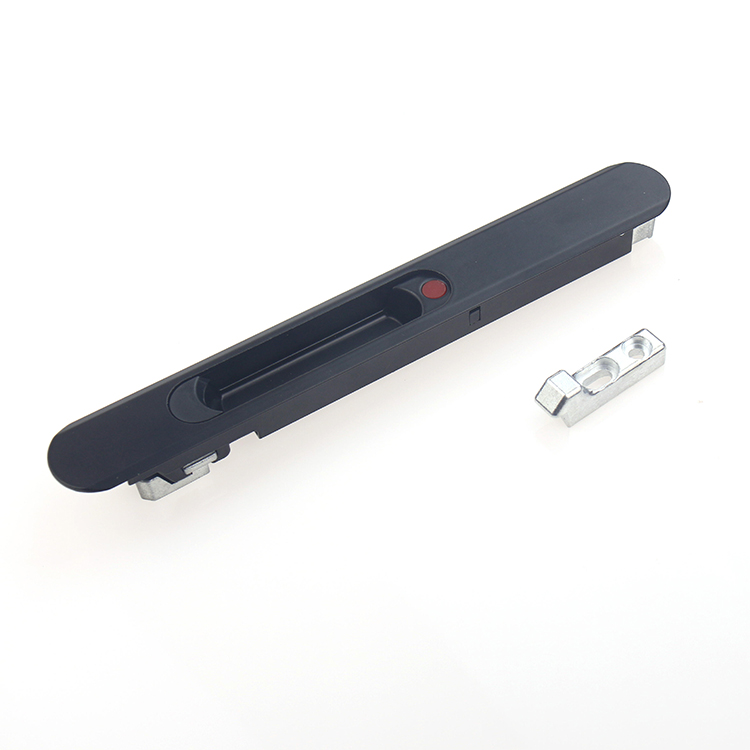
Then there’s metal sliding door soft-close damper hardware. Dampers are sneaky. Mixed materials, enclosed cavities, condensation, motion cycles, trapped grime—it’s basically a stress test disguised as a convenience feature.
And no, environment labels don’t save you if they’re vague. A 2024 field study on 2024 aluminum alloy exposed in the South China Sea logged ISO 9223 corrosivity at CX, with average temperature around 27 °C, peaks above 35 °C, and relative humidity averaging 77% and reaching 85%. That’s the kind of exposure that crushes brochure-grade optimism in a hurry.
The chemistry nobody wants to discuss
Finishing is chemistry. And chemistry doesn’t care about marketing.
People still dance around chromium like it’s just a branding issue. It isn’t. Chrome systems got popular because they worked—full stop. But the regulatory mood has shifted, and pretending otherwise is lazy. EPA’s 2024 IRIS review says hexavalent chromium, Cr(VI), has long been used to prevent rust and corrosion in operations like chrome plating, and California’s Hexavalent Chromium MCL took effect on October 1, 2024 at 10 µg/L, with phased compliance stretching into 2028 depending on system size. That changes supplier math, period.
So what replaces the old bad habits? Not buzzwords. Not “nano.” Not some sales rep telling you the line is “marine-ready.” It’s the dull stuff—the stuff people skip because it isn’t sexy. Clean substrate. Controlled rinse. Stable pretreatment. Measured film build. Verified cure. Isolation washers where needed. Real lot data. Actual edge review under magnification. Boring wins.
I’ve seen so-called premium finishes flake early because the line was rushed before a holiday shipment. I’ve also seen unglamorous, tightly controlled production run for years with almost no field noise because the processor cared about conductivity, oven drift, adhesion checks, and pack-out damage. Same market. Totally different attitude.
Why processing details beat brochure claims
Microstructure bites.
And it bites hardest when buyers think alloy family alone tells the story. It doesn’t. A 2024 study on 3003 aluminum alloy in acidic salt spray found that after four days, hot-extruded material showed about 42 pits/cm² and 156.0 μm maximum corrosion depth, while the homogenized state came in around 17 pits/cm² and 108.9 μm. Same broad metal conversation. Different processing state. Very different mess.
That’s why I get annoyed when someone asks for the “best finish for window hardware” like there’s one magic answer hiding in a catalog code. There isn’t. The substrate condition matters. The prep line matters. The cure matters. Even the way the part is handled between line-side QC and final pack-out matters. Small stuff? Maybe. Until it isn’t.
And let’s stop pretending finish failure is merely cosmetic. The recall trail says otherwise. In December 2023, CPSC posted a recall involving about 12,000 Pella Architect Series casement windows because the sash could detach and fall. A month earlier, CPSC posted a recall involving about 1,900 MI Windows and Doors sliding glass doors due to a serious injury hazard. Those notices weren’t written as corrosion lectures, sure—but that’s beside the point. Once hardware integrity, retention, or movement goes sideways, the bill gets big fast.
What I would actually spec
I’m not sentimental about finishes. I’m interested in survival.
If the project is inland, reasonably dry, and design-driven, anodized aluminum can be a good fit on visible trim parts—assuming the sealing is real and not just claimed. If the project is coastal, high-condensation, or just plain unforgiving, I’d push hard toward stainless in the moving and load-bearing guts, and I’d start grilling the supplier on every hidden component in the stack. Every one.
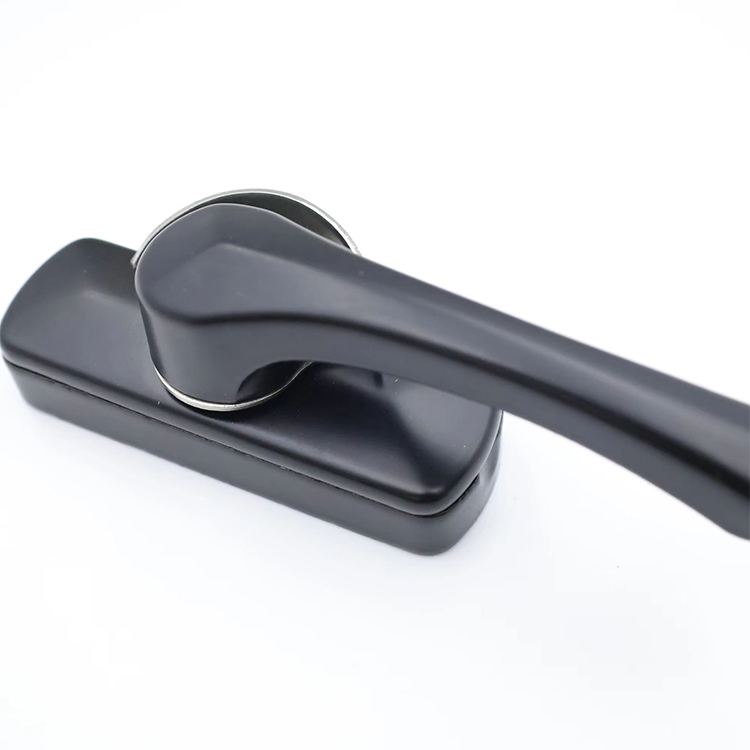
Because here’s the trap. Matte black sells. It photographs well. It makes mediocre hardware look expensive for exactly long enough to get through sign-off. Then the field starts talking.
Finish or Material System
Where I’d Use It
Typical Failure Pattern
My Read
Anodized aluminum
Visible handles, interior-facing or moderate exterior exposure
Edge fade, poor seal performance, color variation lot-to-lot
Strong when pretreatment and sealing are disciplined
Polyester powder coat on aluminum
Exterior decorative parts needing color flexibility
Chipping at edges, underfilm creep from cut points, UV chalking on cheap systems
Good value if film build and cure are controlled
Electroplated black zinc or similar on die-cast parts
Low-cost hardware, sheltered use
Early red rust, blistering, cosmetic breakdown around sharp edges
I only trust it in mild environments
304 stainless steel
General exterior hinges and stays
Tea staining in chlorides, mismatch with lower-grade fasteners
Better than plated parts, not magic near salt
316 stainless steel
Marine, coastal, high-condensation projects
Surface staining if neglected, cost pushback
Usually the right pain to pay for
Hybrid assembly with mixed metals
Sliding systems, dampers, locks with springs and inserts
Galvanic attack at interfaces, hidden corrosion in cavities
Requires design discipline, not just finish choice
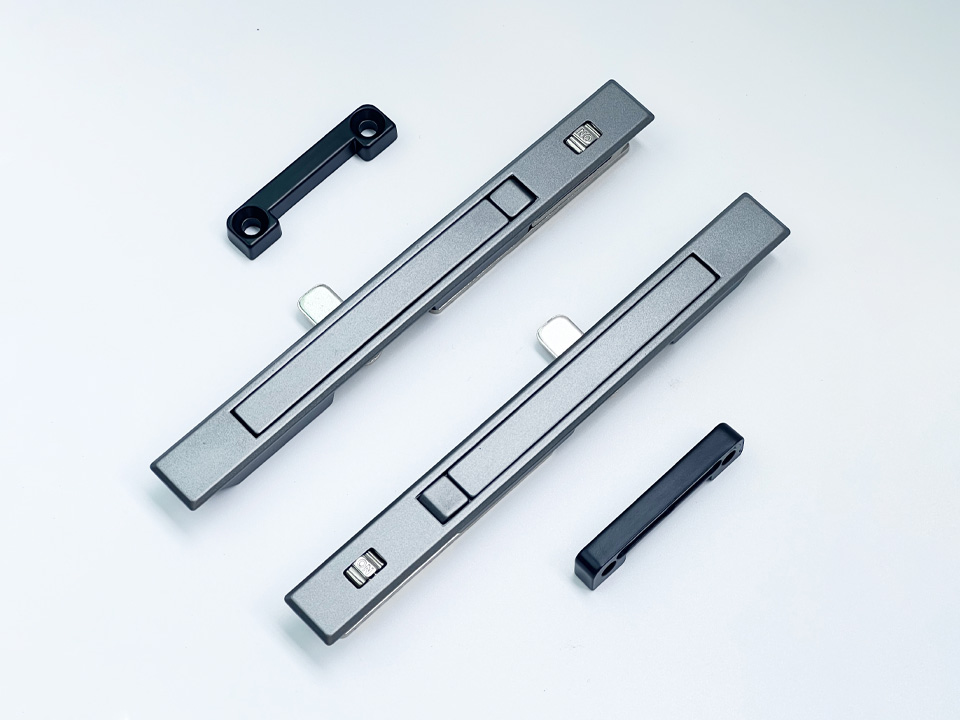
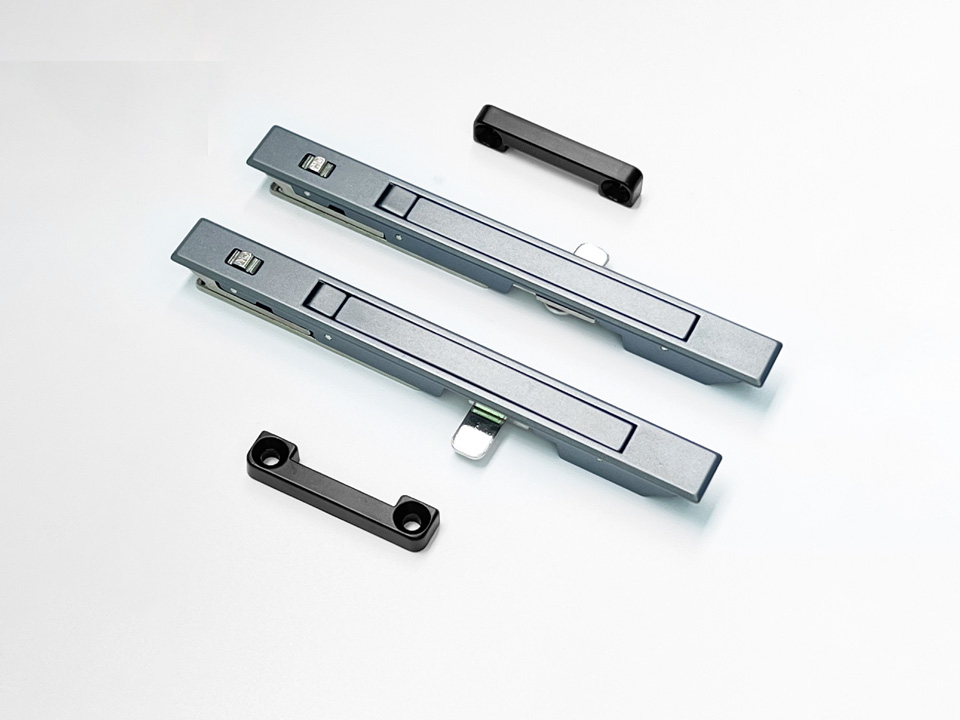
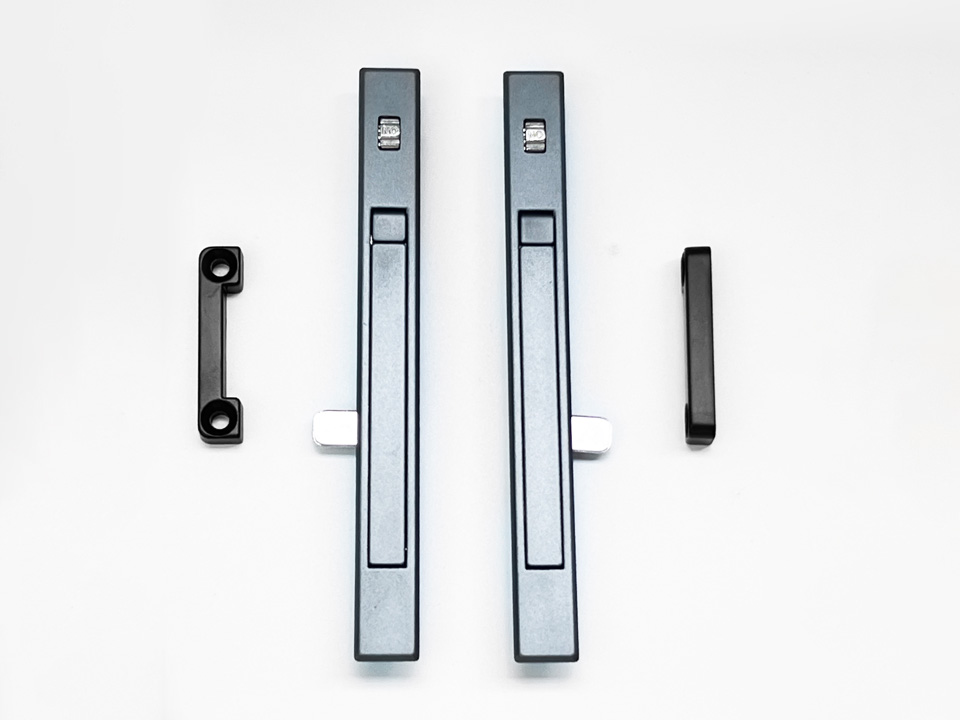
My own rule is pretty blunt. If the part carries load, controls sash movement, traps moisture, or hides a spring, I stop obsessing over decorative finish language and start asking harder questions about metallurgy, isolation, and service life. That’s exactly why I’d split the spec: let the face parts satisfy the architect, and let the working core behave more like stainless window friction stay hinges or better-protected spring latch lock sets for sliding windows, where the internals can’t afford to be soft.
How to prevent defective finishes in window hardware without lying to yourself
This part’s simple. Not easy—simple.
First, classify the environment honestly. Inland suburbia is not a marine façade. A covered balcony is not exposure protection if condensation hangs around every morning. Second, stop using one finish logic for everything. Decorative trim and mechanical hardware do not live the same life. Third, write the whole stack into the spec: substrate, pretreatment, coating family, target thickness, cure range, adhesion test, corrosion test, edge criteria, and mixed-metal controls.
Then do the thing people skip—inspect the actual part. Not the polished sample. Not the coupon. The real assembly, with its awkward corners, its burrs, its hidden cavities, its little sins. That’s where the truth lives.
And I’d add one more thing, because hardly anyone says it out loud: make the supplier disclose every dissimilar-metal interface. Every screw. Every rivet. Every spring. Every insert. If they get cagey, that tells you something.
The industry still loves easy copy—“corrosion proof,” “marine grade,” “architectural finish,” all that. Fine. Show me the cross-section. Show me the film build data. Show me the cure profile. Show me the edge pullback. Show me the spring spec. Otherwise, I’m looking at theater. Expensive theater.
FAQs
What causes window hardware corrosion?
Window hardware corrosion is the electrochemical breakdown of handles, hinges, locks, stays, fasteners, and internal springs when moisture, oxygen, chlorides, acidic residue, poor pretreatment, coating voids, or metal-to-metal incompatibility breach the finish and expose the substrate or create galvanic attack at the interface. In real projects, I usually trace it back to one of three things: the wrong base material, a weak finish stack, or a mixed-metal assembly that was never isolated properly. Rain gets blamed a lot. Spec mistakes deserve more of the blame.
What is the best finish for window hardware?
The best finish for window hardware is the finish-and-substrate package that matches the real exposure class, protects edges and cavities, stays compatible with nearby metals, and holds adhesion and barrier performance after handling, installation, cleaning, condensation cycling, and long-term chloride exposure in service. So no, I don’t trust one-word answers here. A visible aluminum handle may do well with anodizing or a properly built powder system, while hinges, stays, and concealed moving parts often deserve stainless and much stricter component matching.
How do you prevent defective finishes in window hardware?
Preventing defective finishes in window hardware means controlling the whole failure chain before production even starts: substrate choice, surface prep, pretreatment chemistry, coating build, oven cure, fastener compatibility, cavity drainage, packaging abrasion, and inspection on the real assembled part instead of pretty flat lab coupons. From my experience, most “production issues” are really specification holes that nobody wanted to pay attention to early enough. If the drawing leaves blank spaces, cost pressure fills them. And cost pressure is ruthless.
Does salt spray testing prove long-term field durability?
Salt spray testing is an accelerated screening method that helps expose pores, thin film build, coating discontinuities, and weak pretreatment, but it does not predict exact outdoor life across different climates, installation habits, maintenance quality, geometry, drainage, or mixed-metal assemblies with hidden moisture traps. I still want the test. I just don’t worship it. Coupon results can flatter a finish that falls apart on a real part, especially when cavities, edges, rivets, and trapped moisture start doing what they always do.
If you want fewer callbacks, fewer ugly claims photos, and fewer “how did this premium finish fail so fast?” emails, stop buying for launch-day appearance alone. Spec the substrate, spec the process, spec the interfaces—and make the supplier prove the stack can survive real service, not just a clean sample board.