Looking for hardware solutions that meet European / American standards?
Use this guided inquiry modal to move from a generic quote form to a clearer technical conversation. Buyers can choose whether they need pricing, CAD / 3D files, or OEM / ODM support before sharing contact details.
Compatibility-first design across door / window systems
Repeatable production with clear inspection checkpoints
Documentation and change control for long-running programs
Responsive engineering support for fit and field feedback
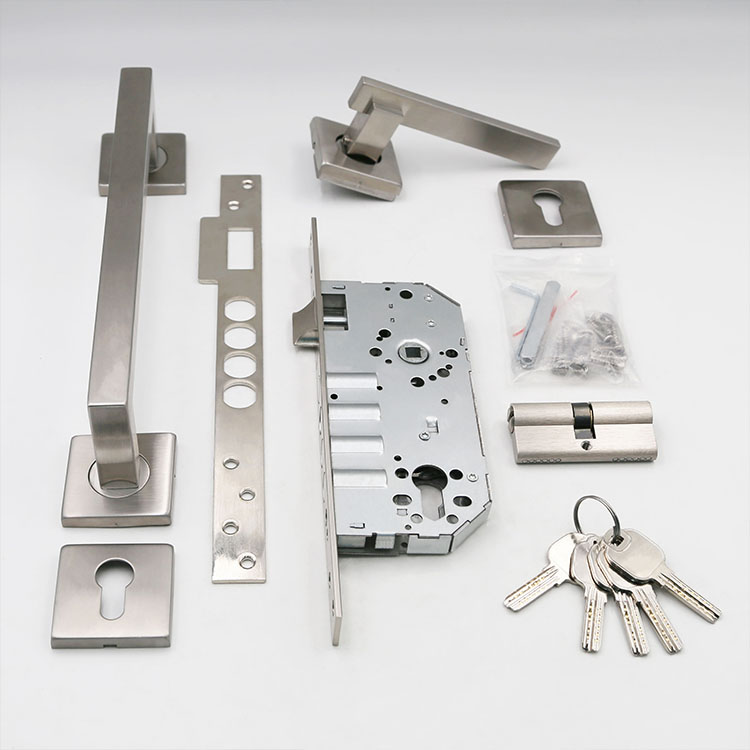
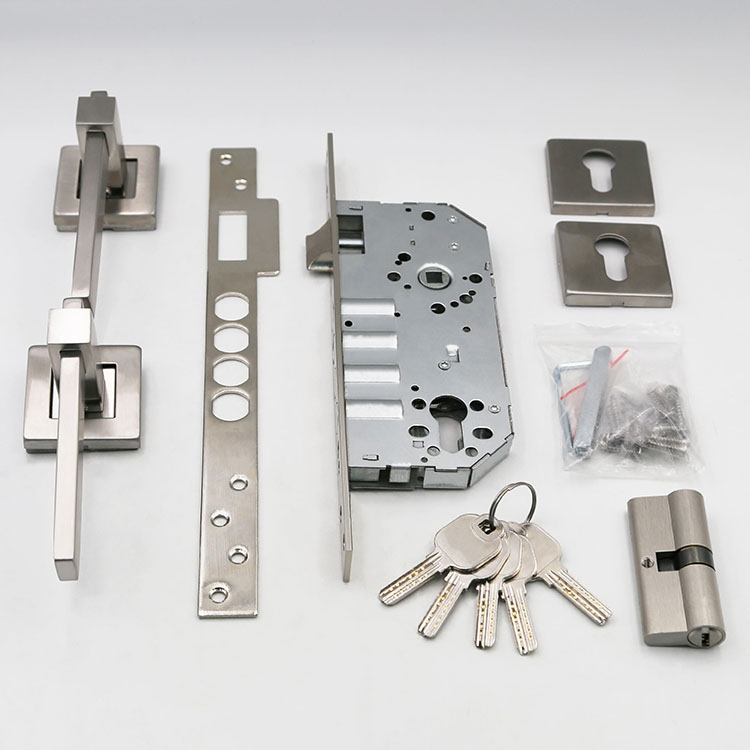
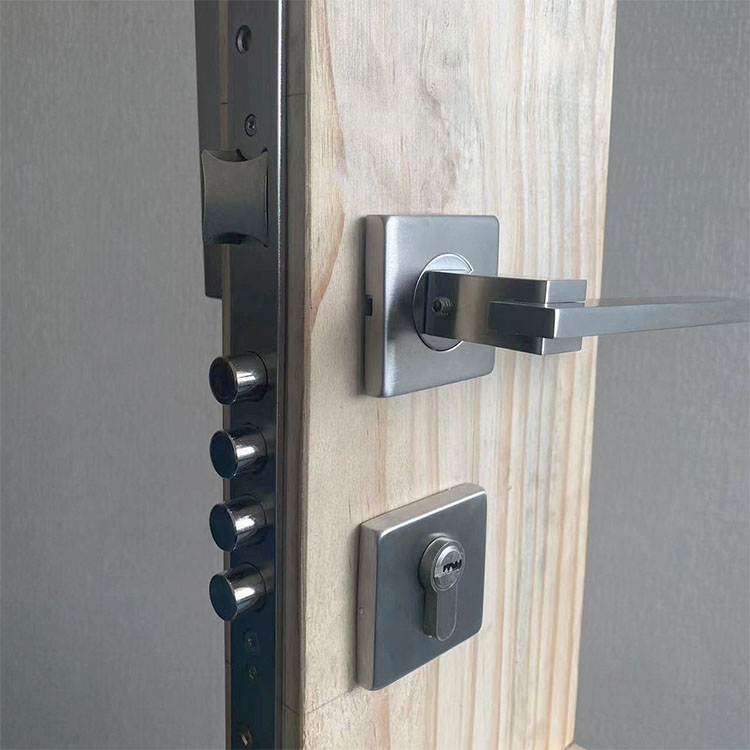
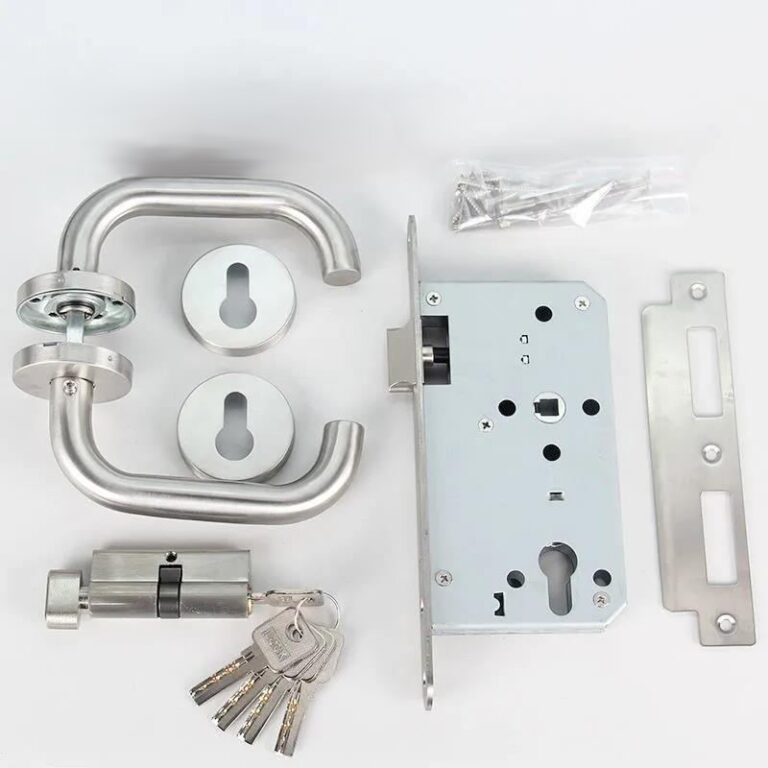
I know that sounds harsh, but it is the quickest way to explain why so many replacement multipoint door handles fail in the field: the buyer treats the handle as visible trim, while the door treats it as a mechanical actuator connected to a gearbox, hooks, rollers, deadbolts, compression points, weather seals, and user force.
So what should you actually choose first: the finish or the lock geometry?
Start with the lock. Always. A multipoint door handle is not a decorative part that happens to turn. It is the user-facing control for the whole locking strip, and if the handle does not match the PZ measurement, spindle size, screw centers, handing, backplate width, and lockcase behavior, the door may still “fit” while quietly destroying the gearbox.
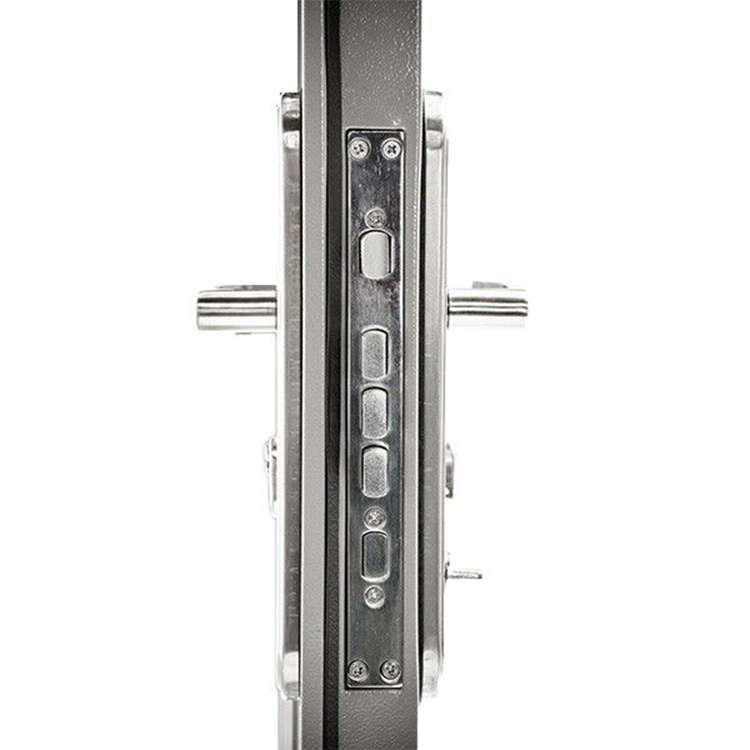
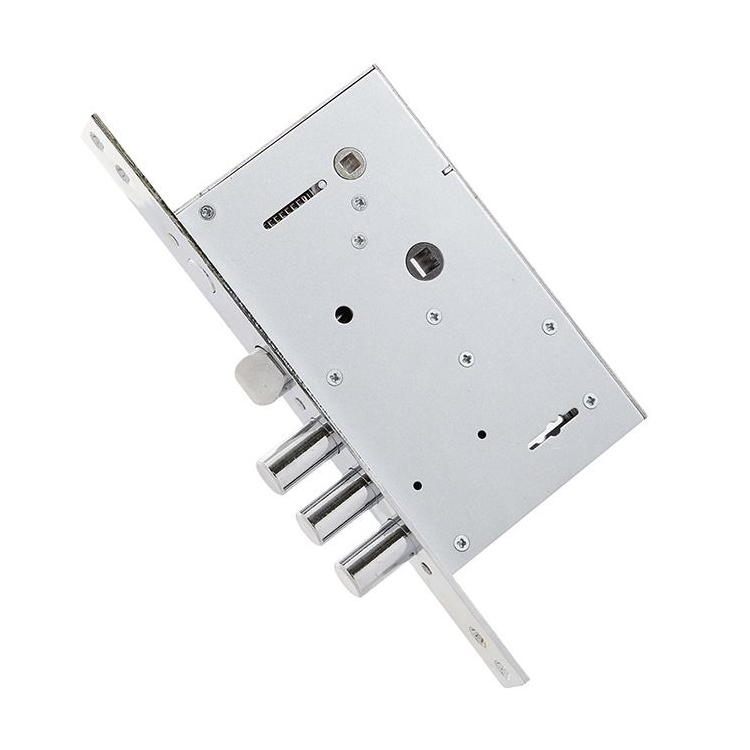
For B2B buyers, fabricators, and importers, I would begin with the actual door and window handles catalog only after confirming the lock platform. Then I would cross-check the product against the multi-point lock systems it has to operate. That order matters. Handle-first sourcing is how cheap decisions become warranty noise.
Table of Contents
The Dirty Spec Sheet: Measurements That Decide Whether the Handle Works
The first fight is measurement discipline, because most “wrong handle” purchases are not dramatic failures; they are 2 mm, 4 mm, or 8 mm mistakes that make the lever sag, bind, rub the cylinder, miss the fixing posts, or overload a tired lockcase. The handle may look correct in a product image. It may even mount to the door. Then the user lifts it once and the truth arrives.
PZ Measurement Is Not Optional
PZ measurement is the distance from the center of the handle spindle to the center of the key cylinder or lock barrel. In many uPVC and aluminum multipoint systems, common PZ centers include 68 mm, 70 mm, 72 mm, 85 mm, 90 mm, and 92 mm, but “common” is not the same as “safe to assume.”
I dislike assumptions here. They are expensive.
If the existing lockcase is built around a 92 mm PZ and someone buys an 85 mm replacement because the backplate looked similar online, the handle is not “almost right.” It is wrong. And if the installer forces the issue, the damage may shift into the cylinder alignment, escutcheon clearance, or gearbox movement.
Screw Centers and Backplate Width Matter More Than Buyers Admit
Fixing screw centers are the distance between the upper and lower fixing screws. Backplate width is the physical width of the handle plate that must cover the old footprint without fouling the frame, gasket, or cylinder.
On retrofit jobs, screw centers can decide whether the old holes are reusable. On OEM jobs, they decide whether the door prep, reinforcement, and batch production jigs stay consistent. This is why I push buyers toward a documentation-first workflow through the Download Center for drawings, manuals, and specs before approving a volume order.
Do the boring work. It saves money.
Lever Lever, Lever Pad, Inline, Offset: Choose the Function Before the Finish
A lever lever multipoint door handle has a lever on both sides of the door. A lever pad handle usually has an internal lever and an external pad, often used where outside operation should be limited after the door closes. Inline handles align both levers on the same spindle axis. Offset versions do not.
This is not a styling menu. It is an access-control decision.
If the door is used in a residential patio entry, a lever lever multipoint handle may feel natural. If it is a communal entrance, back door, utility door, or semi-secure access point, lever pad geometry may be the better choice. But here is the trap: not every lockcase accepts every operating mode. Some systems require split spindles. Some require solid spindles. Some need lift-to-lock action. Some use key-wind deadlocking. Some punish the wrong spring cassette.
The U.S. Department of Justice’s 2010 ADA Standards for Accessible Design state that door hardware on accessible routes must comply with operable-parts rules, with hardware placed 34 to 48 inches above the finish floor; the same standards say operable parts should work with one hand and not require tight grasping, pinching, or wrist twisting. That is not a design suggestion for public-facing projects. It is a compliance signal.
And yes, this affects multipoint door handles. If the user has to lift a stiff lever to engage hooks because the lock strip, gasket compression, and handle geometry fight each other, the handle may pass a catalog review and still fail human use.
Compatibility Table: What I Check Before Approving Multipoint Door Handles
Spec Item
What It Means
Common Mistake
My Hard Rule
PZ measurement
Center of spindle to center of cylinder
Guessing 92 mm because it is common
Measure the existing lockcase or drawing
Spindle size
Square bar that transfers lever force
Using 7 mm where 8 mm is required
Match spindle to gearbox hub exactly
Screw centers
Distance between handle fixing screws
Buying by backplate shape only
Confirm center-to-center dimension
Backplate width
Plate coverage and frame clearance
Covering old holes but hitting gasket
Check door stile, seal, and cylinder space
Lever type
Lever lever, lever pad, inline, offset
Choosing based on appearance
Match access control and lock operation
Handing
Left/right orientation where applicable
Assuming reversible when it is not
Confirm before bulk order
Spring support
Handle return and lever stability
Relying on tired gearbox springs
Use sprung handles when the system needs it
Finish system
Coating or surface treatment
Choosing matte black without corrosion data
Match finish to climate, salt, UV, and touch wear
The Security Myth: A Strong Handle Cannot Save a Bad Lock System
Here is the unpopular view: a premium handle on a weak or worn multipoint lock is mostly theater.
The handle can improve grip, return feel, durability, and appearance. It can reduce operating force if geometry and spring support are right. But it cannot rescue a failing gearbox, a warped slab, a misaligned keep, or a door that needs a shoulder shove before the hooks line up.
The FBI reported that more than 16,000 agencies covering 95.6% of the U.S. population submitted 2024 crime data, covering over 14 million criminal offenses, and Reuters’ summary of the FBI release noted that property crime fell 8.1% and burglaries fell 8.6% in 2024. Good news, yes. But lower national burglary numbers do not mean a poor door specification becomes acceptable on a specific project, especially where doors face repeated abuse, weather movement, or careless installation.
Security lives in the assembly. Handle. Cylinder. Lockcase. Gearbox. Hooks. Rollers. Keeps. Frame reinforcement. Installation tolerance.
That is why I would pair handle selection with the lock boxes and gearboxes category instead of pretending the handle alone tells the full story.
Air Tightness, Compression, and the Handle Force Nobody Wants to Discuss
A multi-point lock system does more than resist entry. On many modern doors, it also helps pull the slab into the gasket at several points, improving compression and reducing leakage paths. That means the handle is being asked to do two jobs: operate the lock and help create closure pressure.
This is where bad sourcing gets ugly.
If the gasket is too aggressive, the door is bowed, or the keep positions are poorly set, the user feels it through the handle. They lift harder. The lever droops sooner. The gearbox wears faster. The supplier blames the installer. The installer blames the door. The owner blames everybody.
The U.S. Department of Energy’s 2024 IECC residential analysis discusses air-leakage changes including 4.0 ACH50 for climate zones 0 through 2, and an adjusted path keeping 3.0 ACH50 for climate zones 3 through 5 and 2.5 ACH50 for climate zones 6 through 8; it also lists reduced fenestration U-factors in climate zones 4 and 5 from 0.30 to 0.28. That is why I do not treat handles, locks, gaskets, and door alignment as separate conversations on performance projects. The door either closes as a system, or it does not. DOE 2024 IECC Energy Savings Analysis.
Materials and Finishes: Matte Black Is Not a Performance Specification
Matte black sells.
But I have a problem with how the industry sells it. Too many buyers ask for “black handle” when they should ask for coating method, substrate, salt-spray target, UV exposure, adhesion, scratch resistance, cleaning chemical tolerance, and batch-to-batch color control.
For multipoint door handles, common material routes include aluminum alloy, zinc alloy, stainless steel, and mixed assemblies with steel spindle or fixing components. Each has trade-offs. Aluminum is light and corrosion-friendly when treated well. Zinc alloy casts clean shapes but can disappoint in harsh exposure if the coating stack is weak. Stainless can be excellent, but not every stainless grade behaves the same near coastal salt.
A pretty failure is still a failure.
If the project is coastal, high-touch, commercial, or export-driven, I would not approve finish from a photo. I would ask for material declaration, coating process, corrosion test route, sample batch, packaging method, and field-cleaning assumptions. For buyers dealing with EU and U.S. routes, the fenestration hardware compliance guide is the page I would connect to this decision because finish, documentation, and assembly evidence belong in the same file.
Retrofit vs. New Build: The Rules Change Fast
Replacement multipoint door handles are a different business from new OEM handle selection.
In a retrofit, the existing door controls the decision. You measure what is there: PZ, screw centers, spindle, backplate footprint, cylinder position, handedness, door thickness, and visible wear. You do not “upgrade” blindly. You first avoid making the existing system worse.
In new OEM or ODM development, the process should be cleaner. The handle, lockcase, cylinder, keeps, door profile, gasket, and intended market should be designed together. This is where an OEM/ODM engineering review earns its keep, especially when the buyer wants a private-label handle that must survive repeatable production rather than one attractive sample.
The hard truth? A sample can lie.
A single sample can feel smooth because it was hand-adjusted, over-lubricated, or assembled by the best technician in the building. A production batch tells the real story: tolerances, spring consistency, finish repeatability, screw strength, packaging damage, and whether the handle still returns cleanly after the lock has been cycled under load.
My Field Checklist Before Choosing Door Handles for Multipoint Locks
Measure First
Confirm the PZ measurement, screw centers, spindle size, backplate width, cylinder type, door thickness, and fixing method before discussing finish. If you do not have the measurements, you do not have a spec. You have a guess wearing a purchase order number.
Match the Lock Operation
Check whether the lock is lift-to-lock, key-wind, split-spindle, solid-spindle, lever lever, lever pad, inline, or offset. The wrong operating logic can make a technically “compatible” handle miserable to use.
Test User Force
Operate the lock with the door open and closed. If the handle feels fine open but stiff closed, the problem may be compression, keeps, hinges, slab bow, or gasket pressure—not the handle alone.
Demand Documentation
Ask for drawings, material details, finish information, packaging specs, and sample-control records. If the supplier can only send beauty images, I would slow the project down.
Think Like a Warranty Department
The best multipoint door handles are not the ones that win the showroom. They are the ones that still sit straight, return cleanly, resist corrosion, protect the gearbox, and remain easy to replace five years later.
FAQs
What are multipoint door handles?
Multipoint door handles are lever or pull handle sets designed to operate a door lock that secures the door at several points, usually through a gearbox connected to hooks, rollers, bolts, or deadlocking points along the door edge. They must match the lock’s PZ measurement, spindle, screw centers, and operating style.
In plain terms, they are not generic handles. They are mechanical controls for a larger locking assembly.
How do I measure PZ on a multipoint door handle?
PZ measurement is the center-to-center distance from the square handle spindle hole to the center of the key cylinder or euro profile lock barrel, and it is one of the main dimensions that decides whether replacement multipoint door handles will fit correctly. Measure from the exact centers, not the visible edges.
Do not round casually. A 92 mm PZ handle does not replace an 85 mm PZ handle just because the backplate looks close.
Are uPVC door handles the same as multipoint door handles?
uPVC door handles often work with multipoint locks, but the terms are not identical because “uPVC door handle” describes the door material while “multipoint door handle” describes compatibility with a multi-point locking mechanism. Many uPVC, composite, aluminum, and patio doors use multipoint systems.
That distinction matters for SEO and sourcing. The material tells you the door type; the lock tells you the handle geometry.
What is the best door handle for a multi-point lock system?
The best door handle for a multi-point lock system is the one that matches the lockcase geometry, PZ center, spindle size, fixing centers, handing, door thickness, user force, finish exposure, and compliance requirements of the exact door assembly. There is no universal best handle across all multipoint locks.
My rule is simple: match the system before choosing the style.
Why does my multipoint door handle feel stiff?
A stiff multipoint door handle usually means the handle is fighting friction somewhere in the system, such as misaligned keeps, door bow, gasket compression, worn gearbox parts, wrong spindle engagement, weak spring return, or incorrect handle-to-lock compatibility. The handle may be the symptom, not the root cause.
Test the handle with the door open first. If it operates smoothly open and stiffly closed, inspect alignment and compression before replacing parts.
Send the Door Profile Before You Buy the Handle
Do not source multipoint door handles from photos, finish names, or “looks similar” guesses.
Send the door profile, lockcase drawing, PZ measurement, spindle size, screw centers, door thickness, cylinder type, target market, finish exposure, and expected cycle demand before approving the handle. If this is a replacement job, measure the existing hardware. If this is an OEM project, align the handle with the full lock system before tooling, packaging, or volume pricing.