Bạn đang tìm kiếm các giải pháp phần cứng đáp ứng các tiêu chuẩn của châu Âu và Mỹ?
Hãy sử dụng cửa sổ pop-up hướng dẫn này để chuyển từ một biểu mẫu yêu cầu báo giá chung chung sang một cuộc trao đổi kỹ thuật cụ thể hơn. Khách hàng có thể lựa chọn xem họ cần thông tin giá cả, tệp CAD/3D hay hỗ trợ OEM/ODM trước khi cung cấp thông tin liên hệ.
Thiết kế ưu tiên tính tương thích cho các hệ thống cửa và cửa sổ
Sản xuất có thể lặp lại với các điểm kiểm tra rõ ràng
Việc lập tài liệu và kiểm soát thay đổi đối với các chương trình chạy dài hạn
Hỗ trợ kỹ thuật linh hoạt để đáp ứng các phản hồi về sự phù hợp và thực tế
Lấy mẫu: mẫu thử + kiểm tra độ phù hợp + kiểm tra chức năng
Hãy nói chuyện với sếp của chúng tôi
Số 8 Khu Phát triển Nam Sanjian, Bajia, Jinsha, Thị trấn Danzao, Quận Nanhai, Thành phố Foshan, Tỉnh Quảng Đông, Trung Quốc
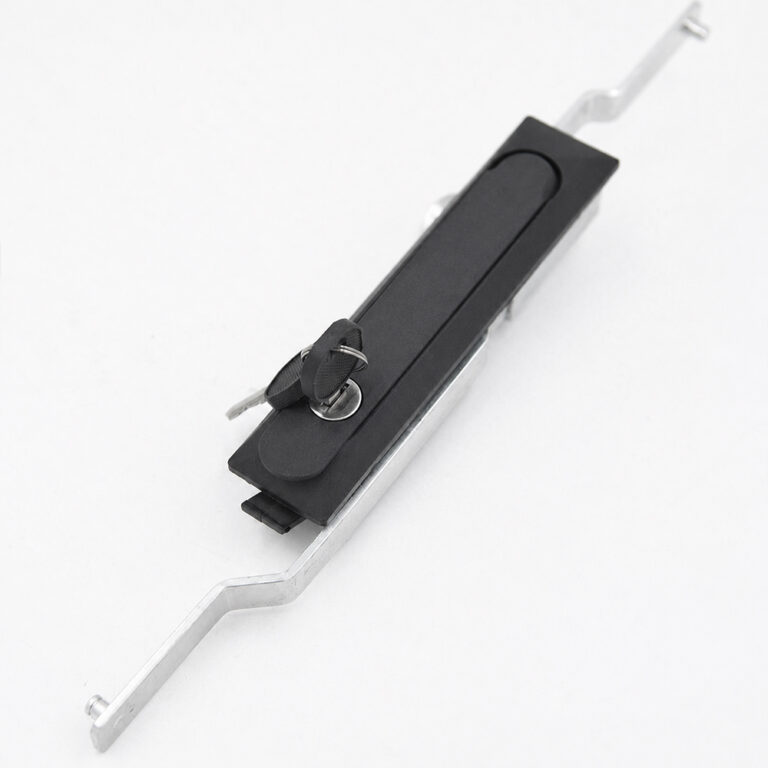
A lock only performs half of its job inside the door. The other half happens in the frame, where a keeper or strike plate decides how far each latch, hook, roller or bolt travels, where it stops and what load it meets on the way. That is why a well-made lock can still bind, rattle or fail to pull the door tight when it is paired with the wrong mating part. For procurement managers, door fabricators, distributors and OEM buyers, the practical question is not only “which lock?” but “which lock and which keeper, specified together?” This article explains what keepers do, how the main types differ, which specification details matter, and what to send a supplier so the quotation covers both sides of the door.
Keeper vs Strike Plate: Are They the Same Thing?
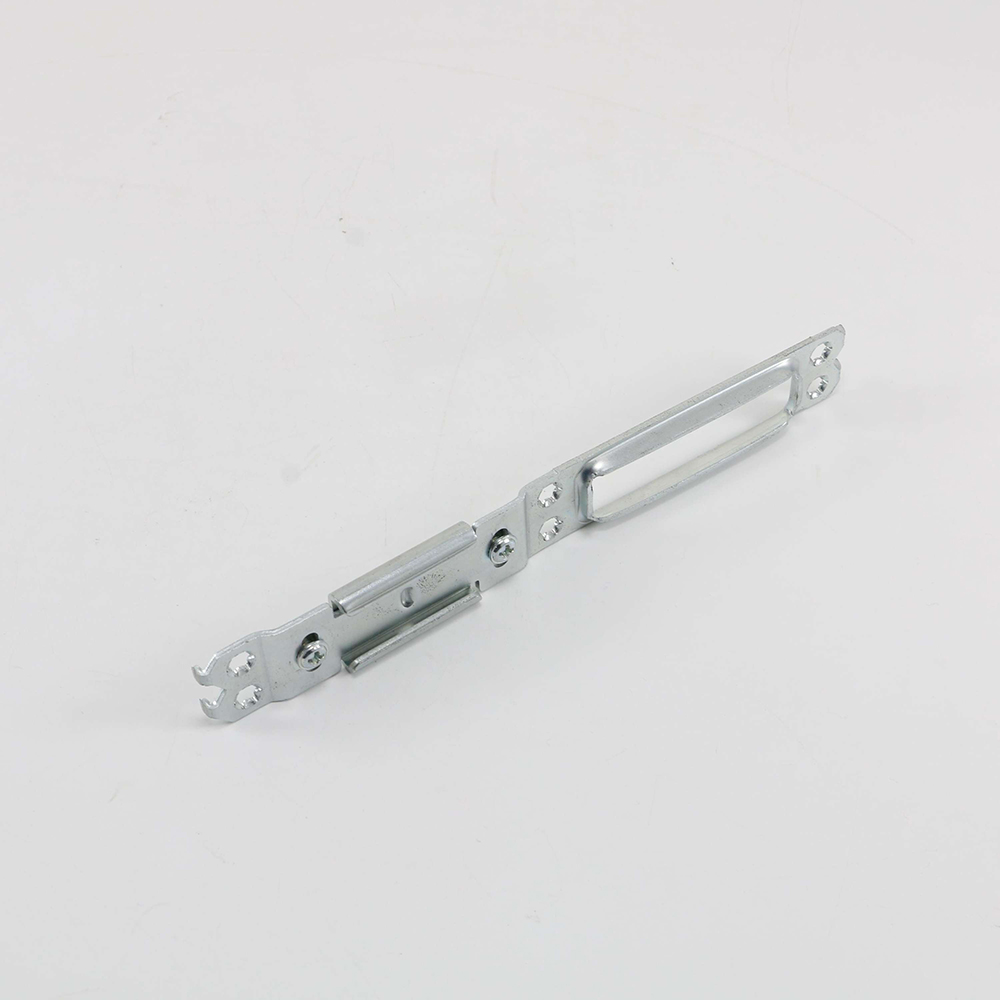
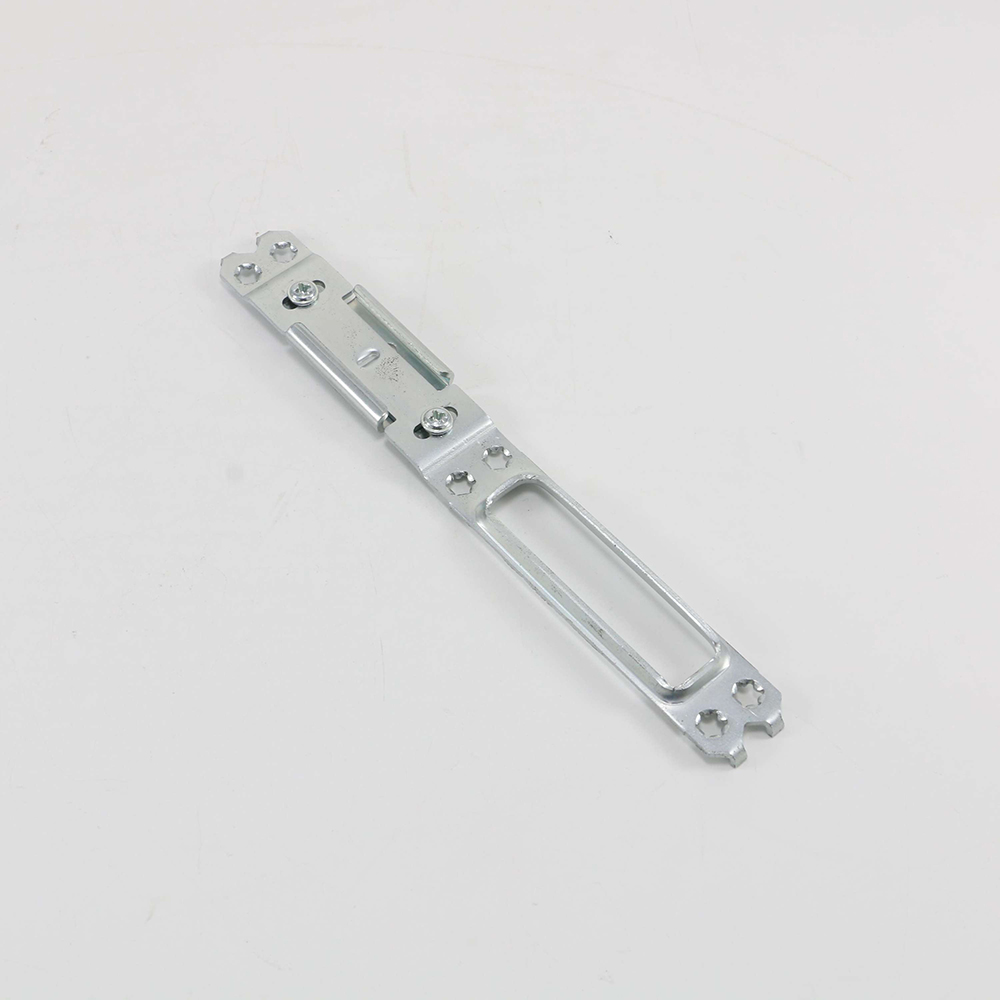
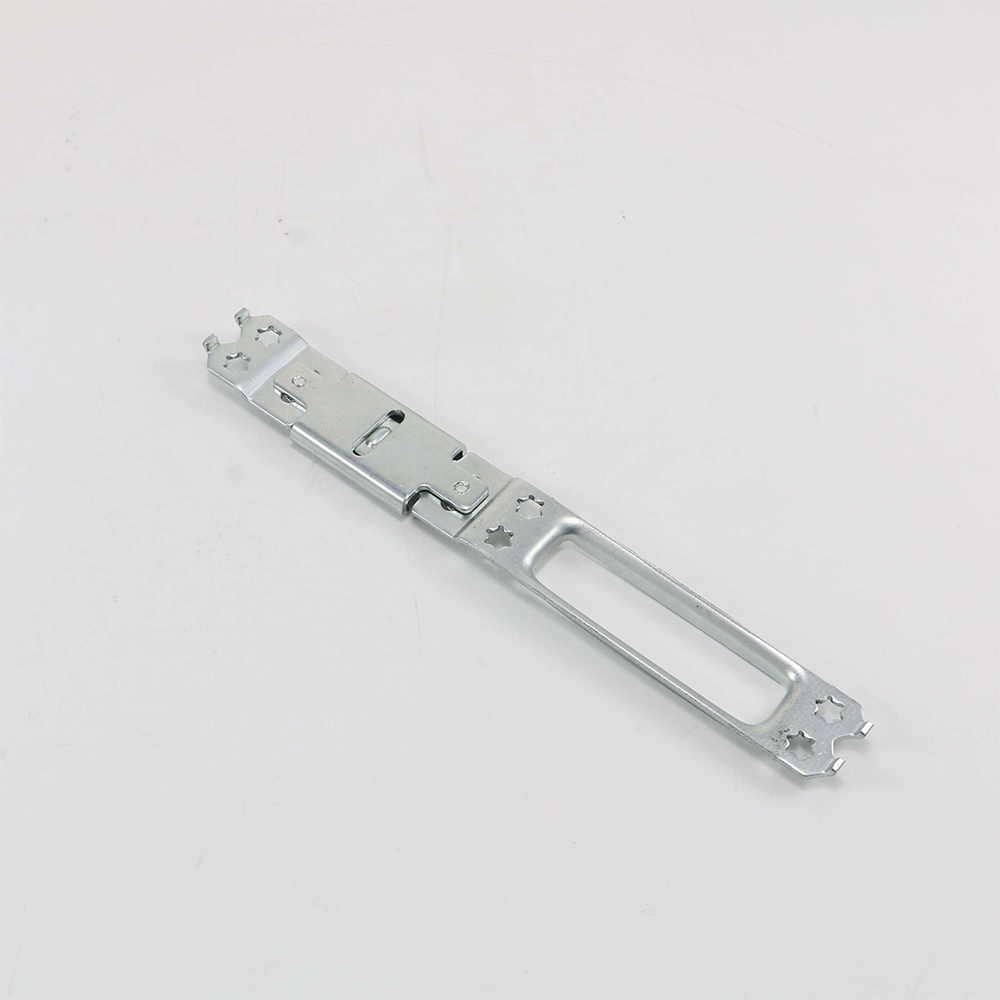
In most buying conversations, yes. A keeper, also called a keep, strike or receiver, is the frame-side component that accepts the moving part of a lock. “Strike plate” is the common term for the flat metal plate with an opening for a latch or bolt. “Keeper” and “keep” are more common in European and UK multipoint terminology, where one lock may need several different frame-side parts.
The distinction matters in two situations:
Single-point hardware usually needs one strike plate for the latch and, where fitted, one opening for the deadbolt.
Multipoint hardware can need a latch keeper, a deadbolt receiver, hook keepers, roller or mushroom-cam keepers and shootbolt receivers, each shaped for a different motion.
Some designs add a recessed box behind the plate. CHIER’s four-bolt mortise lock with a matching keeper set is an example of that layout. The product page describes four projecting round bolts and a spring latch, with a separate strike plate and recessed keeper box shown for the frame side. The page also states that buyers should verify bolt spacing, projection and keeper alignment, and that direct replacement compatibility should not be assumed.
What the Keeper Actually Controls
A keeper is not a passive hole. It determines four things that buyers notice only when they go wrong.
Engagement. The keeper sets how much of the latch, hook or bolt sits behind a retaining surface. A bolt that bottoms out in a shallow receiver never reaches full projection. A hook that meets the edge of its keeper instead of entering it adds friction rather than restraint.
Pull-in and compression. On systems with rollers or mushroom cams, the keeper position and ramp geometry determine how firmly the door leaf is drawn toward the weatherstrip. The lock supplies the movement, but the keeper decides where that movement ends. Anyone adjusting seal pressure should read CHIER’s guide to multipoint lock compression adjustment first, because compression is a setting to tune within a range, not a number to maximise.
Handle and key effort. When several locking points enter several keepers at once, small misalignments add together at the lever. A mechanism that moves freely on a bench can feel heavy once the door is closed.
Wear and noise. A keeper with too much clearance lets the door rattle and the latch hammer against metal. One with too little clearance scrapes, polishes and eventually deforms. Both shorten service life.
Keeper Types in a Multipoint System
Different locking elements need different keepers. The table below summarises the main combinations. It is a qualitative guide, not a set of dimensions, because actual values depend on each lock design.
Four Specification Factors That Decide Whether a Keeper Works
1. Position and datum
Every keeper position should be traceable to the same reference as the lock. If the lock is dimensioned from one end of the faceplate and the keepers are dimensioned from the frame head, small differences between the two systems accumulate. Longer strips add more positions to align, so datum accuracy matters more as strip length grows. CHIER’s overview of multipoint lock faceplate types makes the same point from the lock side: for new OEM or ODM designs, the faceplate geometry should be fixed early because the door-edge pocket, the keeps and the gearbox space all depend on it.
Buyers should ask: from which datum is each keeper position measured, and is that the same datum used on the lock drawing?
2. Projection, depth and clearance
Hooks, rollers and bolts have defined projections. The keeper must offer enough depth and lateral clearance to accept them through the full operating range, including seasonal movement of the door. Verify these with the supplier against the actual lock drawing. Do not infer them from a photograph.
The trade-off is between tightness and tolerance for movement. A very tight fit reduces rattle on a new door but leaves little room for hinge settlement or thermal change. A generous fit tolerates movement but can weaken seal pull-in. The right answer depends on door material, size, hinge arrangement and weatherstrip.
3. Substrate, reinforcement and fixing
A keeper transfers load into the frame. If the frame section is thin, unreinforced or fixed with short screws into soft material, the keeper becomes the weak point regardless of lock quality. Standards recognise this. ASTM F476, a test method for the security of swinging door assemblies, treats the strike and jamb as part of the door assembly under test, alongside the hinge, lock and door. In the UK, Titon’s explanation of PAS 24 describes it as a full-system standard rather than a component test, with frames, seals, sashes and handles expected to work together.
The practical reading is that a keeper cannot be assessed alone. Ask whether the frame material, reinforcement and fixing method are part of the specification, and whether any claimed test result applies to the complete doorset or only to the lock.
4. Adjustable or fixed
Some keepers and cams can be adjusted after installation, and others cannot. Adjustment helps with commissioning and later settlement, but it adds parts and can loosen under load. As one product-specific example, HOPPE’s roller multipoint instructions describe an eccentric cam on each roller point that allows ±1 mm of adjustment on HLS 9000 and HLS 2000 systems. That range is specific to those products. It shows that adjustment windows are small, which is why keeper accuracy at the start still matters.
Why a Better Lock Will Not Rescue a Mismatched Keeper
The common assumption is that upgrading the lock fixes a door that locks badly. Sometimes it does. But when the keeper is misplaced, shallow or from a different system, a new lock inherits the same problem.
This applies when the old lock and new lock share headline dimensions such as backset and PZ but differ in hook position, projection or roller profile. It also applies when a generic keeper is substituted at the last moment. The new mechanism is then blamed for resistance that originates on the frame side.
There are limits to this view. If the gearbox is worn, the strip is bent or the handle spindle is wrong, the lock is the problem and no keeper change will help. The point is only that lock and keeper should be evaluated as a pair, and that a quotation covering the lock alone is incomplete for any multipoint system.
Keeper Faults Often Mistaken for Lock Failure
Before replacing a gearbox, separate frame-side resistance from mechanism faults. The open-door test is the quickest first step: operate the handle and key with the door fully open, then repeat with the door closed. CHIER’s explanation of how multipoint locks work, from gearbox to keepers uses the same comparison. If the lock is smooth open and stiff closed, suspect alignment, keeper position or seal pressure before the gearbox.
Then check whether the door itself has moved. Several keepers showing contact on the same relative edge usually indicate whole-door sag rather than several independent keeper errors. Moving each keeper to follow a dropped door only hides the cause. The article on telling door sag from true lock failure sets out contact-marking and reveal checks for this.
For buyers, the useful point is commercial. Some returns labelled as lock defects turn out to be installation or alignment faults. A supplier who documents keeper position and clearance up front gives you a way to separate those cases.
Sourcing Models: Lock Only, Matched Set or Coordinated System
Sourcing model
Ưu điểm
Risks
Phù hợp nhất với
Lock only, keepers sourced separately
Flexibility; can reuse existing frame parts
Mismatch in position, projection or profile; split responsibility when problems arise
Like-for-like replacement with confirmed dimensions
Lock supplied with matching keeper set
Keeper geometry reviewed with the lock; single point of responsibility
Set may not suit a different frame profile without review
New door programmes and distributor ranges
Coordinated OEM/ODM development
Lock, keepers, faceplate and door sections designed together
Longer development, drawings and sample approval needed
Door system manufacturers with their own profiles
Here is an illustrative scenario, not a real customer case. A distributor adds a multipoint lock to its range and buys keepers from a different supplier to save on unit cost. The hooks land close to their keepers but not centrally. Installers push the handle harder, a few complain about stiff operation, and returns follow. The saving on the keeper line is small beside the cost of those returns, the installer time and the damage to the distributor’s reputation. Total landed cost includes the cost of failures, not just the invoice price.
Quantitative claims about returns need real data from your own channel, so treat the scenario as a prompt for risk review, not a statistic.
Người mua cần nêu rõ những thông tin gì trước khi yêu cầu báo giá?
To get a quotation that covers both sides of the opening, prepare the following:
Lock drawing or reference sample: with locking-point positions, projections and operating sequence.
Door and frame sections: including material, wall thickness, reinforcement and available cavity.
Keeper requirement: type for each locking point, plate or box format, and fixing method.
Handing and opening direction: inward or outward, left or right.
Adjustment needs: fixed or adjustable keepers, and any compression range required.
Finish and corrosion expectations: state the test requirement rather than a general claim.
Test and compliance targets: such as PAS 24 or a market-specific standard, and whether they apply to the complete doorset.
Quantity forecast and packaging: whether keepers ship with or separate from locks, and how they are labelled.
Photographs: full strip, both sides of the gearbox, every locking point and every keeper.
Ask the supplier to confirm in writing which keeper corresponds to which lock position, and to flag any assumption it has made about the frame.
Câu hỏi thường gặp
Is a keeper the same as a strike plate?
Mostly. Keeper, keep, strike and receiver all describe the frame-side part that accepts a latch, hook, roller or bolt. “Strike plate” usually means the flat plate with an opening, while multipoint systems often need several keeper types.
Can I use any keeper with a multipoint lock?
Usually not. Each hook, roller or bolt has its own projection, shape and position, so the keeper must be matched to that lock. A visually similar keeper from another system can cause binding, rattle or incomplete engagement.
Why is my multipoint lock stiff only when the door is closed?
Resistance that appears only when the door is closed usually comes from the frame side: misaligned keepers, door sag or excess seal pressure. Test the lock with the door open first to rule out the gearbox, handle or spindle.
Do more locking points need more keepers?
Yes. Every additional hook, roller, bolt or pin needs its own receiver, positioned and reinforced correctly. More points only help when each one aligns with its keeper and the door and frame can carry the load.
Are adjustable keepers better than fixed ones?
Not always. Adjustable parts help with commissioning and later door movement, but add complexity and usually allow only small changes. Fixed keepers can suit controlled OEM production where the door and frame are manufactured to consistent tolerances.
What should I send a supplier to match a keeper?
Send the lock drawing or sample, door and frame sections, keeper type and layout, the measurement datum, handing, finish, quantity and photographs of the strip, gearbox and every keeper. Do not rely on backset and PZ alone.
Does a keeper affect weather sealing?
Yes, on systems with rollers or cams. Keeper position helps set how firmly the door is drawn against the weatherstrip. The seal itself still depends on the gasket, frame and threshold, so adjust within the lock’s range and avoid overloading the handle.