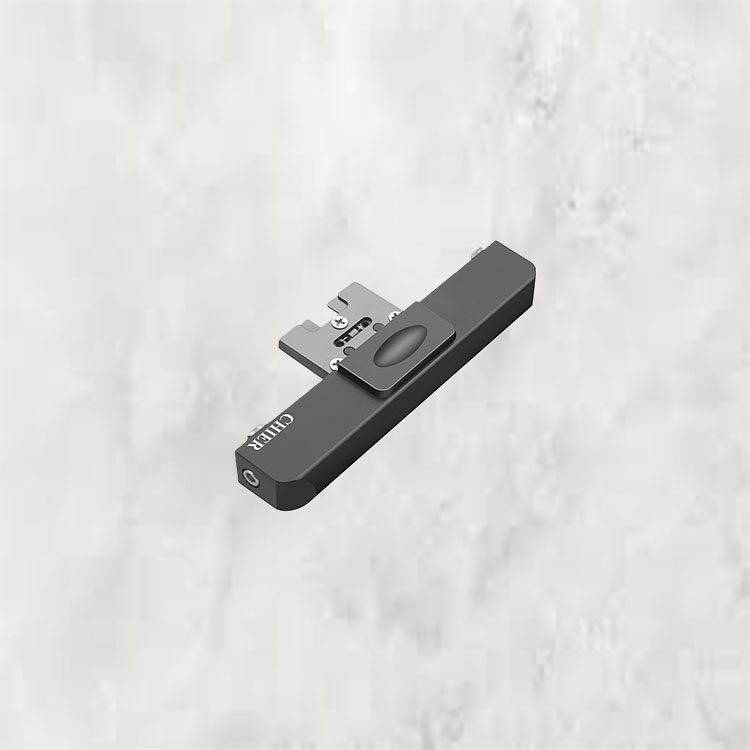
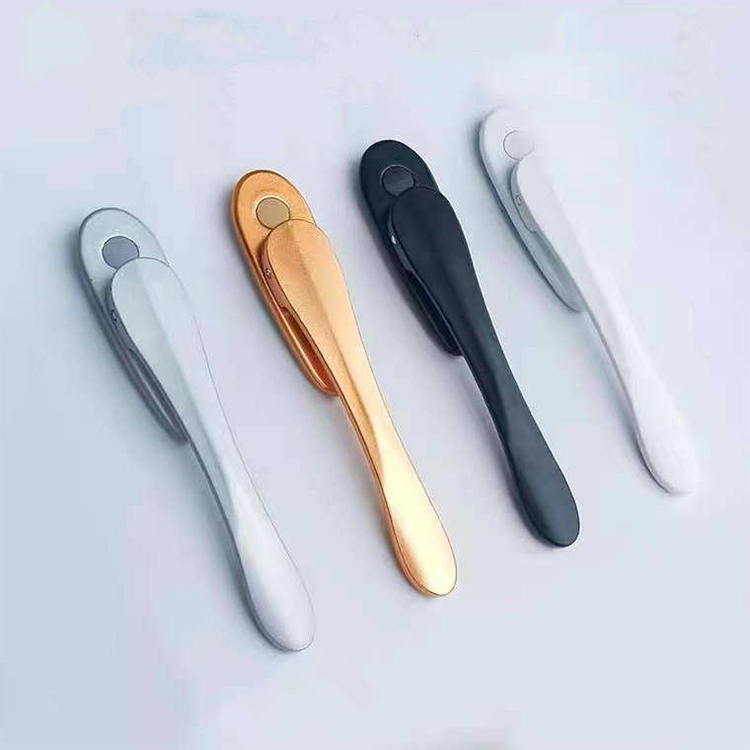
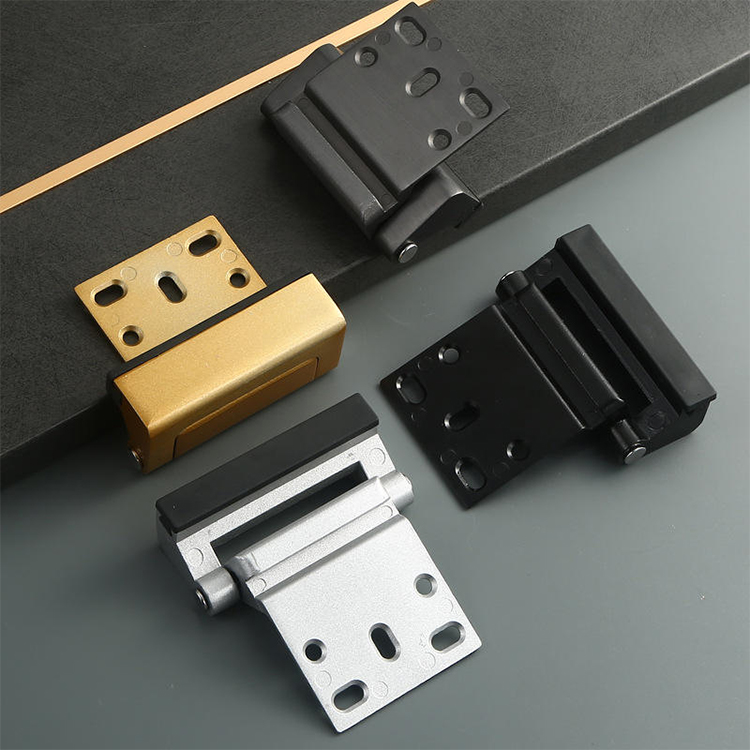
Looking for hardware solutions that meet European / American standards?
Use this guided inquiry modal to move from a generic quote form to a clearer technical conversation. Buyers can choose whether they need pricing, CAD / 3D files, or OEM / ODM support before sharing contact details.
Compatibility-first design across door / window systems
Repeatable production with clear inspection checkpoints
Documentation and change control for long-running programs
Responsive engineering support for fit and field feedback
The industry keeps mixing two rulebooks that were never meant to be merged
Different beasts.
I keep seeing submittals, catalog copy, and even some consultant notes blur fire door compliance and fenestration hardware compliance into one generic “opening hardware” discussion, even though fire doors sit inside a listing-and-inspection regime while fenestration hardware sits inside a performance-and-operability regime tied to the exact assembly, the exact code path, and the exact use case on site. Why do smart teams still fall for that shortcut?
The rulebooks are not cousins. They are different species.
Fire door compliance is listing-driven, self-closing, and inspection-heavy
Life safety first.
A fire door assembly is treated by code as an opening protective, not a decorative access point, which is why NFPA 80 fire door guidance says doors must be inspected and tested after installation and at least annually, while OSHA says openings into an exit must be protected by a self-closing fire door and that the fire door, frame, and hardware must be listed or approved by a nationally recognized testing laboratory and kept in proper working order. That is not marketing fluff. That is a maintenance obligation with teeth.
And here is the part suppliers hate admitting: on the fire-door side, paperwork is not a formality added after the sale. It is the sale. If the closer does not close, if the latch does not latch, if the label path is muddy, or if the hardware choice breaks the listed assembly logic, you are not in a gray area. You are in failure.
Fenestration hardware compliance is assembly-performance and egress-operation work
Completely different.
The fenestration side is usually governed by a performance standard and local building code triggers, not an NFPA 80-style annual inspection culture; NAFS-22 is the North American Fenestration Standard for windows, doors, and skylights, and WDMA describes NAFS as a performance-based standard that covers total unit, material, and component requirements rather than treating one isolated handle or hinge as magically compliant by itself. Meanwhile, the IRC’s emergency escape and rescue provisions require windows serving that purpose to open by normal operation and, in the operational rule, from inside without keys, tools, or special knowledge.
That is why I distrust the phrase “PAS 24 handle” or “compliant window latch” when it is thrown around without assembly context. A window handle does not pass life-safety by sounding expensive. It passes when the finished unit actually opens, clears, restrains, or protects the way the code and tested assembly require.
Where the compliance split shows up in the real world
Issue
Fire door hardware
Fenestration hardware
Core rule logic
Listed life-safety opening protective
Performance-rated opening assembly
Main references
NFPA 80, OSHA exit-route rules, local fire/building code
NAFS, IRC/IBC egress rules, local window/fall/safety rules
What gets judged
The rated assembly, its label path, and working self-closing/latching behavior
The finished window or non-fire-rated door assembly, including operability, performance, and safety devices
Inspection culture
Acceptance plus periodic inspection and maintenance
Product testing/certification and field verification, but usually not annual NFPA 80-style inspection
Bad assumption
“This hardware looks rated”
“This handle or restrictor is compliant by itself”
Typical failure
Door does not close, latch, or stay within listed assembly logic
Window does not open correctly, clear egress, restrain safely, or match tested assembly behavior
That table is the short version, and I still think most teams need it taped above the spec desk because the fire-door side is a listed, maintained barrier system while the fenestration side is a tested, use-specific operating system. Mix those models, and you end up reviewing the wrong evidence.
What the bodies count after the paperwork fails
The Bronx case should have ended the lazy debate
Seventeen dead.
Reuters’ reporting on the Twin Parks fire said New York authorities investigated self-closing doors that failed to function properly when the January 2022 Bronx fire killed 17 people, including eight children; after that, the New York City Council tightened fire-safety legislation and reinforced that self-closing doors in multiple dwellings are an “immediately hazardous” issue, while HPD’s guidance states plainly that doors left open let fire and smoke spread through hallways and apartments. Do we really need a harsher lesson than that?
I have zero patience for the old industry shrug here. When a fire door closer is treated as a minor accessory instead of a life-safety device, people do not lose a warranty argument. They lose time, containment, and sometimes breath.
The background numbers are ugly enough without the headlines
Still worse.
The U.S. Fire Administration’s multifamily fire data says the United States saw an estimated annual average of 106,700 multifamily residential building fires from 2017 to 2019, causing about 400 deaths, 3,875 injuries, and $1.7 billion in property loss. That is exactly why I get annoyed when people call fire-door compliance “paperwork.” Paperwork is what stands between routine maintenance and public disaster.
Fenestration failures are quieter, but they are not small
Less dramatic. Still costly.
On the window side, the code fight is different, but the consequences are not imaginary: CPSC’s window-fall safety alert warns that every year thousands of young children are killed or injured in falls from windows, and the agency tells consumers to use window guards or window stops, especially in bedrooms. Then look at product reality: CPSC’s 2023 MI Windows recall said tilt latches could cause window opening control devices to malfunction on about 25,000 units, and the 2023 Pella casement recall covered about 12,000 windows because the sash could detach and fall. The hard truth? Fenestration hardware mistakes often look “minor” right up until gravity joins the meeting.
Where spec writers and buyers usually get burned
Mistake one: calling both categories “compliance hardware”
Bad label.
I would stop using that phrase unless the sentence immediately explains which code path applies, because fire door compliance asks, “Is this listed, self-closing, maintained, and still behaving like a rated opening protective?” while fenestration hardware compliance asks, “Is this exact assembly still meeting performance, egress, restriction, and safety requirements in the installed condition?” Those are not sibling questions.
Mistake two: assuming hardware claims transfer across assemblies
It doesn’t.
I see this constantly with fire-rated door hardware vs window hardware: someone swaps a closer, latch, restrictor, hinge, or handle because the dimensions look close, then acts shocked when the compliance story collapses under inspection, recall history, or field operation. On the fschier side, this is exactly why hardware compliance for aluminum windows and doors and window hardware compliance and egress rules are the right internal companions to this article. They force the reader back to assembly logic instead of part-number superstition.
Mistake three: ignoring the operator and the opening type
That shortcut fails.
A fire door can die on closing and latching behavior. A window can die on net clear opening, release logic, restrictor behavior, or the way a child-safety device interacts with emergency escape requirements. That is why the right internal product-support links are not generic “shop now” fluff but technical context like multi-point lock systems, door and window handles, and climate-ready multi-point locks. Geometry and operating logic beat brochure adjectives every time.
FAQs
What is fire door compliance?
Fire door compliance is the documented condition in which a rated door assembly, including frame, closer, latch, hinges, glazing, and labels, is installed, maintained, and inspected as a listed life-safety opening protective under rules such as NFPA 80 and related building or workplace code provisions. I treat it as a system that must still work on the worst day, not a product badge that looked good at submittal.
What is fenestration hardware compliance?
Fenestration hardware compliance is the condition in which window or non-fire-rated door hardware is matched to a tested and code-acceptable assembly so the finished unit meets egress, fall-prevention, structural, air-water, operating, or security requirements under standards such as NAFS and local building codes. In plain English, the handle is never the whole story; the assembled opening is.
Does NAFS make a window or door fire-rated?
No, NAFS does not make a window or exterior door fire-rated; it is a performance standard for windows, doors, and skylights, while fire ratings come from separately listed and tested opening-protective assemblies governed by fire-door rules, labels, and inspection obligations on a different code track. This is the confusion I would remove first in any training session.
Can you swap hardware and keep compliance?
Not safely by assumption: swapping hardware only stays compliant when the replacement matches the tested or listed assembly, preserves operating and safety functions, and does not break the code path that got the opening approved in the first place. That sentence sounds obvious, yet half the field still behaves as if visual similarity were proof.
Which side is stricter, fire door or fenestration?
Fire door compliance is stricter in the life-safety sense because it is listing-driven, label-sensitive, and subject to acceptance and periodic inspection, while fenestration compliance is broader and more variable because it depends on opening type, occupancy, code use case, and assembly performance target. I would never let a team use one review template for both.
Your next step
Start smaller.
Pull one real opening schedule, split every line into two buckets — rated opening protectives and fenestration assemblies — and then review each bucket against the right evidence set instead of one lazy master checklist. For this topic cluster, I would send readers next to hardware compliance for aluminum windows and doors, window hardware compliance and egress rules, and climate-ready multi-point locks. If a spec writer cannot tell you which rulebook governs which opening by line item, the schedule is not ready.