Looking for hardware solutions that meet European / American standards?
Use this guided inquiry modal to move from a generic quote form to a clearer technical conversation. Buyers can choose whether they need pricing, CAD / 3D files, or OEM / ODM support before sharing contact details.
Compatibility-first design across door / window systems
Repeatable production with clear inspection checkpoints
Documentation and change control for long-running programs
Responsive engineering support for fit and field feedback
But I have sat through enough factory reviews, warranty calls, and spec-room arguments to know that the handle is no longer a decorative afterthought; it is now where architecture, accessibility, finish chemistry, maintenance cost, and brand perception all collide in one part people touch every single day.
Why are so many buyers still treating it like jewelry?
That mistake is getting expensive. Reuters reported that U.S. construction spending rebounded in October, likely because of renovations, and Harvard’s Joint Center for Housing Studies said homeowners spent $22 billion on windows and doors in 2023, with energy-related projects taking 34% of owner improvement spending. In plain English, more openings are being replaced, more hardware is being re-specified, and more bad handle choices are getting exposed in real buildings rather than on pretty sample boards.
If you want a fast read on where manufacturers are already pushing the category, start with Chier’s door and window handles collection and its window & door hardware design articles. The signal is obvious: slimmer profiles, cleaner bases, more matte finishes, more project-minded language, and less tolerance for generic “universal” hardware nonsense.
Table of Contents
Minimalism won, but cheap minimalism is a trap
Slim sells.
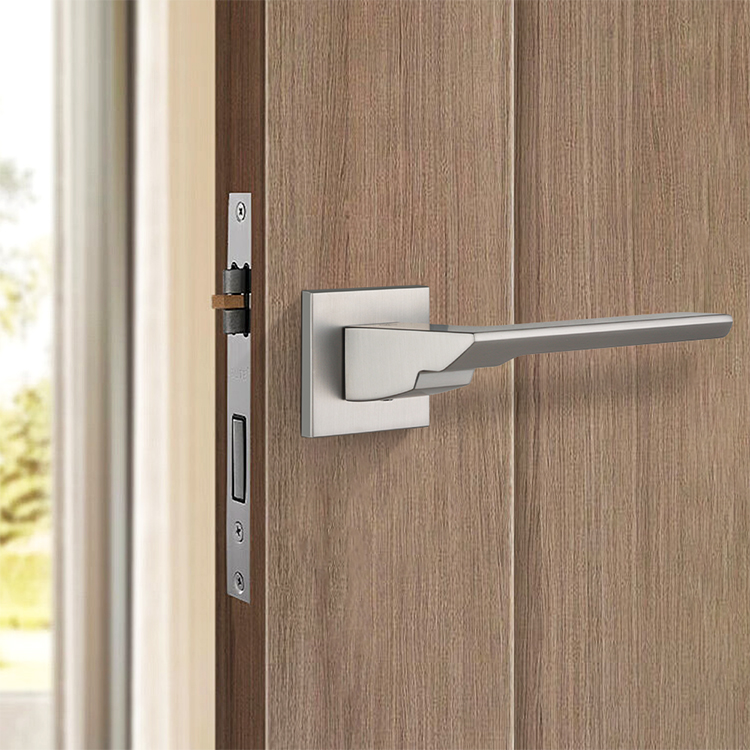
And yes, the visual trend is real: modern door handles now favor longer lever lines, lower visual bulk, concealed fasteners, rectangular roses or elongated backplates, and finishes that photograph well in black, silver, graphite, or brushed tones, because architects want calm surfaces and brands want hardware that does not scream for attention.
But what happens when the “minimalist” handle is just a weaker handle wearing makeup?
That is the part the glossy catalogs leave out. A modern profile only works when the metallurgy, spring return, wall thickness, spindle fit, and fixing geometry are sorted first. I keep seeing handles that look refined and fail like discount bin hardware because somebody cut mass, skipped testing, or assumed powder coat could hide bad casting. My rule is simple: if the handle feels hollow, wobbles at the rose, or returns lazily in a sample room, it will not get better after 50,000 cycles.
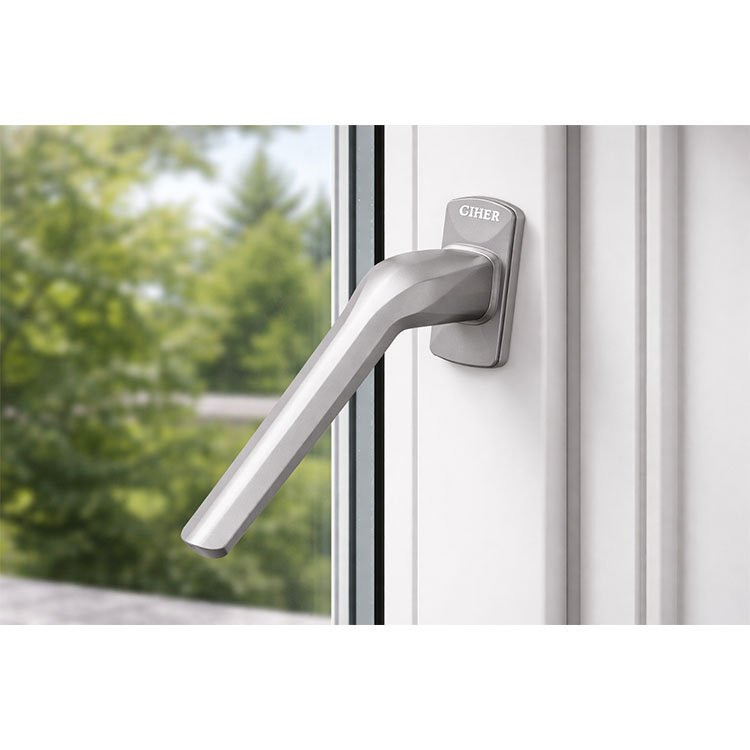
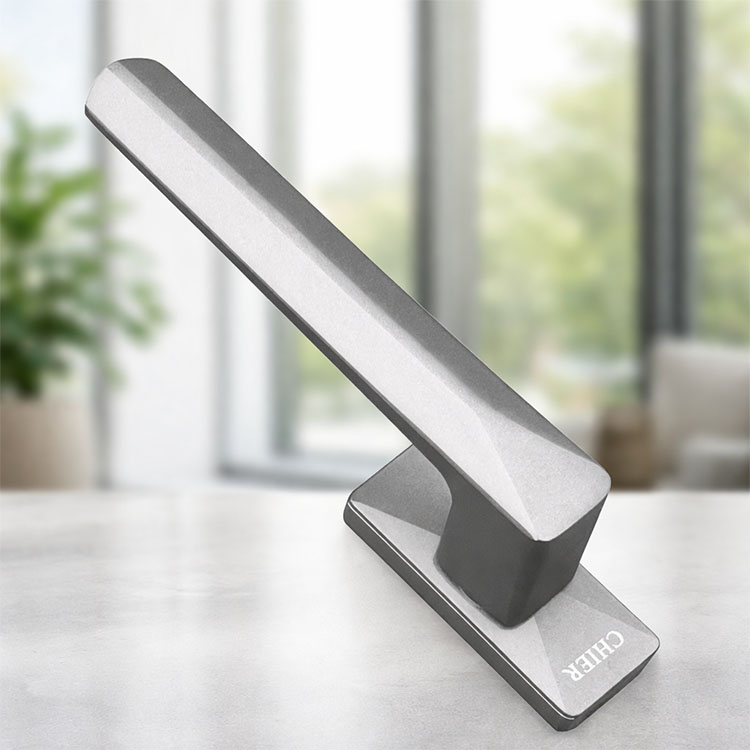
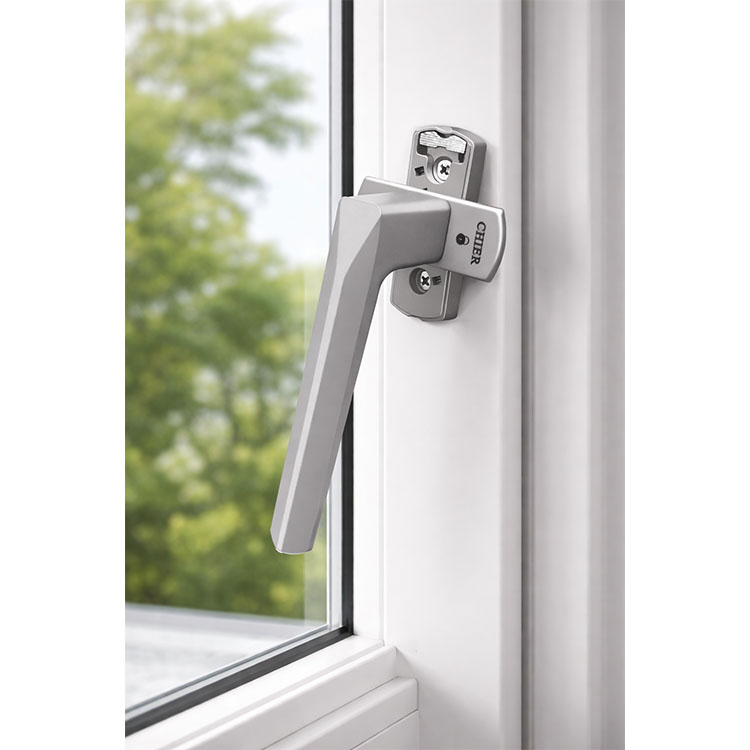
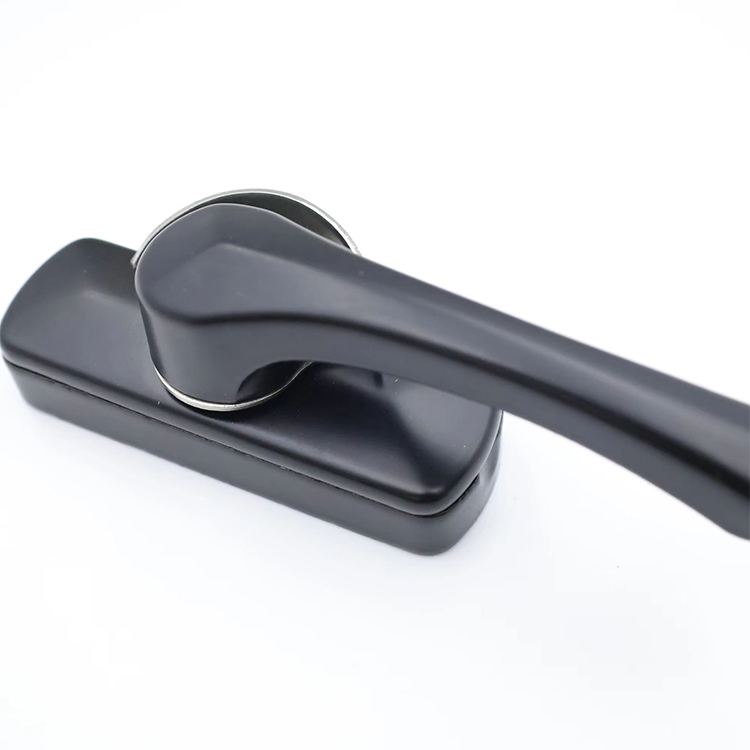
The better examples on Chier’s site tell you what the market is rewarding. The modern black aluminum casement window handle is positioned around crisp geometry and matte appearance, while the matte black dual-height lever door handle pushes concealed screw fixing, Euro cylinder compatibility, and a longer backplate that reads premium without becoming fussy. That is where contemporary door handles are headed: less ornament, more discipline.
The real shift is tactile, not visual
Feel matters.
Most specifiers talk about appearance first because that is the easy meeting, yet the smarter buyers are now judging grip comfort, lever travel, return consistency, locking feedback, and the way a finish behaves under skin oils, cleaning chemicals, and repetitive use, which is exactly why so many modern window handles are getting broader thumb support and more controlled edges instead of random sculptural flourishes.
Would you rather impress an architect for five seconds or avoid a callback for five years?
The knob fantasy is dying, and accessibility is why
Knobs lost.
This is not a culture-war take or a Pinterest take; it is a legal and functional one. Under the 2010 ADA Standards, operable parts must be usable with one hand, must not require tight grasping, pinching, or twisting of the wrist, and generally must operate at 5 pounds (22.2 N) maximum force. That is a direct reason lever forms keep eating the market.
And enforcement is not theoretical. In a Department of Justice settlement with the City of Quincy, Massachusetts, knob hardware had to be replaced with hardware easy to grasp with one hand and not requiring tight grasping, pinching, or twisting. I will say the quiet part out loud: if you are still pitching knobs as the “classic” answer in public or commercial settings, you are not being traditional. You are being lazy.
The compliance side of handle design is also getting more exacting. Chier’s hardware compliance guide for aluminum windows and doors makes the right point: NAFS, PAS 24, EN 15685, and local egress requirements are not interchangeable slogans, and the tested BOM has to match the installed assembly. The homepage’s standards section also points buyers toward EN 15685, EN 12209, and ANSI/BHMA A156.13, which tells you where serious conversations now live: not in moodboards, but in test scope, lock prep, corrosion reports, and verification data.
Modern window handle design is becoming age-aware
People changed.
Homeowners are staying put longer, public buildings are under more scrutiny, and hospitality projects increasingly want hardware that looks current without punishing older hands, arthritic wrists, or rushed users carrying bags, phones, or coffee. That is why the best modern door handles look simpler but work easier.
Isn’t that what good design was supposed to do all along?
Finishes are where the lies usually start
Color seduces.
Yet the hard truth is that door and window hardware finishes are now doing more work than the shape itself, because the finish has to carry the visual language of the opening while also surviving abrasion, sweat, cleaners, UV, salt, and the abuse that nobody mentions during procurement.
So which finishes are actually earning their keep?
Matte black is still the volume winner because it plays well with aluminum frames, narrow sightlines, and minimalist interiors. But finish choice is getting more technical, especially in coastal and high-touch projects. NOAA says annual high-tide flooding occurrences have increased 5- to 10-fold since the 1960s in several U.S. coastal cities, and its broader guidance warns that recurrent high-tide flooding damages infrastructure over time. That matters because exposed handles, escutcheons, strikes, and keepers in salt-heavy environments are not facing an aesthetic problem. They are facing chemistry.
This is why I do not automatically buy the “marine-grade” sales pitch unless someone shows me the alloy, the coating stack, and the test context. In exposed coastal work, I usually lean toward 316 or 316L stainless for high-touch, hard-to-replace parts, and I use coated steel only when the exposure is genuinely lower-risk and replacement is easy. Chier’s coastal hardware material comparison makes the same uncomfortable point: coated steel has a place, but not as a cheap excuse for exposed hardware you will regret later.
Antimicrobial finishes are no longer a fringe idea
Hospitals noticed.
A PubMed-indexed clinical study on copper alloy surfaces reported an 83% reduction in bacteria on copper alloy components and a 58% reduction in infection rates in patient rooms using copper components versus standard materials. I am not saying every office tower now needs copper handles tomorrow morning. I am saying the old idea that finish is only visual is dead, especially in healthcare, senior living, education, and transit-adjacent environments.
The spec sheet that separates adults from brochure collectors
Specs decide.
And this is where modern trends in door and window handle design stop being fashionable and start being profitable, because the buyers who win are the ones checking spindle geometry, fixing centers, lock compatibility, corrosion class, cycle testing, and revision control before they approve anything that looks “clean.”
Why do so many teams still approve hardware from a render?
Trend
What buyers think they are getting
What usually goes wrong
What I would spec instead
Minimalist door handles
A cleaner visual line
Thin sections, weak spring return, sloppy spindle fit
Verify cycle life, return force, and fixing stability before approving samples
Matte black finishes
A premium modern look
Chipping, uneven texture, poor edge coverage
Ask for coating stack details, abrasion data, and real-use cleaning guidance
Contemporary long-backplate levers
A more upscale silhouette
Wrong lock prep, poor Euro cylinder alignment, door thickness mismatch
Confirm lock platform, cylinder cutout, handing, and backplate geometry
Modern window handles with slim bases
Narrow-sightline compatibility
Fastener exposure, base flex, installation drift
Check concealed fixing design, base rigidity, and exact frame interface
Coastal “outdoor” hardware
Corrosion resistance
Marketing language without alloy disclosure
Demand material grade, exposure logic, and test evidence before sign-off
Compliance-labeled hardware
Easy project approval
Tested assembly does not match installed BOM
Match hardware schedule to exact standard, opening type, and tested configuration
The manufacturers that are taking this seriously are already talking like engineers, not decorators. Chier’s OEM/ODM hardware workflow lays out a process that starts with requirements, moves through drawing review and DFM, then prototype samples, verification checks, pilot run, and controlled mass production. That is the right order. Pretty comes later. Repeatability comes first.
What I think the next wave really looks like
Less noise.
I think the next few years belong to five handle directions: slimmer lever geometry with honest ergonomics, finish systems selected by exposure rather than trend hysteria, more concealed fixing, more assembly-specific compliance paperwork, and more project buyers demanding proof before approving private-label hardware.
And the flashy stuff?
It will still exist. It always does. But the market is getting meaner, and I mean that in a good way. Bad hardware is easier to spot now. Designers want calm forms. Buyers want lower warranty exposure. Codes want accessible operation. Coastal projects want better materials. Healthcare buyers want cleaner surfaces. So the winning handle is no longer the one that looks modern in a showroom. It is the one that still looks modern after heat, salt, cleaners, hands, and time have had their say.
FAQs
What are modern door handles?
Modern door handles are hardware sets defined by cleaner geometry, lower visual bulk, better ergonomics, concealed fixing, and finish systems matched to current architectural palettes, often combining minimalist styling with accessibility, corrosion resistance, and lock compatibility rather than treating the handle as a purely decorative add-on. In practice, that means lever-led designs, tighter profiles, and fewer fake “luxury” details.
How to choose door and window handles?
Choosing door and window handles means matching the handle to opening type, user force, lock platform, exposure conditions, finish durability, and code requirements, then confirming that spindle geometry, fixing centers, cycle life, corrosion testing, and replacement logistics all fit the exact frame system you are actually buying. Start with the opening, not the color.
What finish is best for modern door handles?
The best finish for modern door handles is the finish that survives the building’s real abuse, which usually means anodized aluminum, quality powder coat, PVD, or 316-grade stainless in exposed or coastal conditions, not whatever sample board looked expensive under showroom lighting for five seconds. A pretty failure is still a failure.
Are minimalist door handles durable?
Minimalist door handles are durable only when the slim profile is backed by sound metallurgy, sensible wall thickness, proper spring return, tight tolerances, and a finish stack suited to the environment, because a thin-looking handle can be engineered well or engineered like a lawsuit waiting to happen. Slim is not the enemy. Bad engineering is.