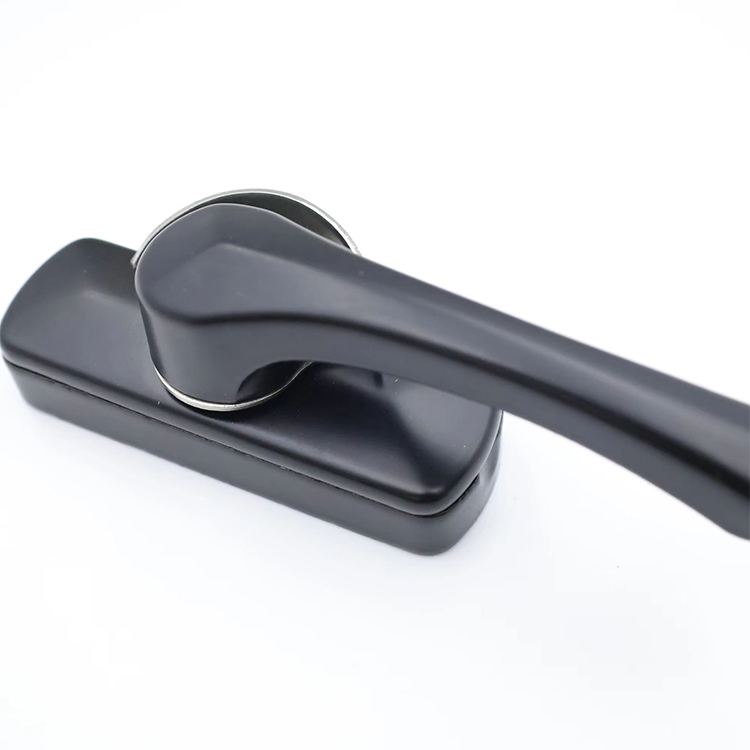
Looking for hardware solutions that meet European / American standards?
Use this guided inquiry modal to move from a generic quote form to a clearer technical conversation. Buyers can choose whether they need pricing, CAD / 3D files, or OEM / ODM support before sharing contact details.
Compatibility-first design across door / window systems
Repeatable production with clear inspection checkpoints
Documentation and change control for long-running programs
Responsive engineering support for fit and field feedback
I have seen a lot of specifications treat lock case material thickness like a little investing in explanation, when that “little” number determines how the situation wall surface responds to spindle torque, latch shock, deadbolt side tons, caretaker misalignment, pry anxiety, screw pull, door bang, and deterioration tiredness over years of daily use.
So why do purchasers still say over finish shade initially?
Here is my blunt view: a weak lockcase is not normally weak because the directory claimed the wrong thing. It is weak due to the fact that the sourcing group approved an illustration without asking where the steel is really stressed out. The outside wall surface, cover plate, latch opening, fan pocket, rivet factors, screw managers, and faceplate are not equivalent. A 1.2 mm lockcase can surpass a careless 1.5 mm lockcase if the geometry is smarter. Yet a 0.8 mm situation spruced up with black finish and “premium” language? I would not trust it in a high-use door.
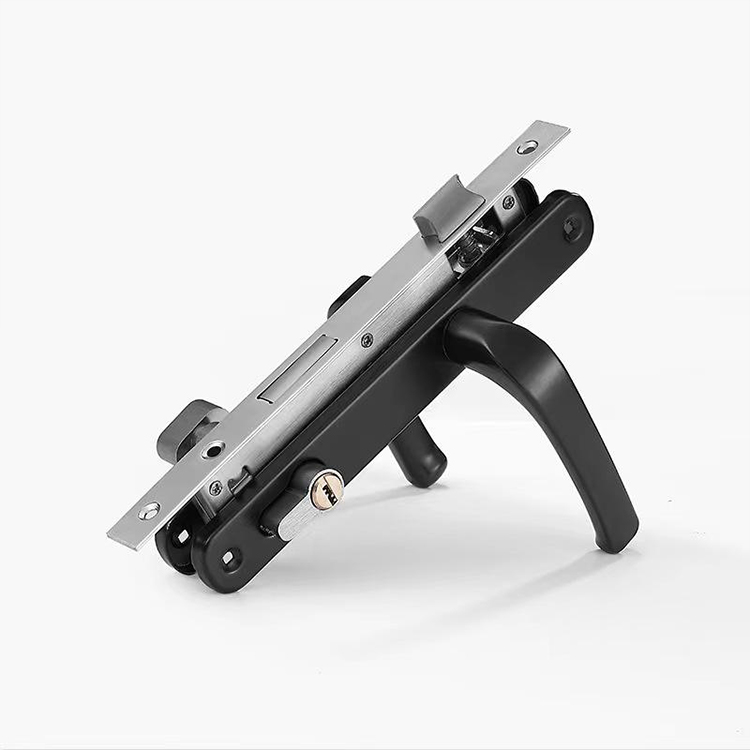
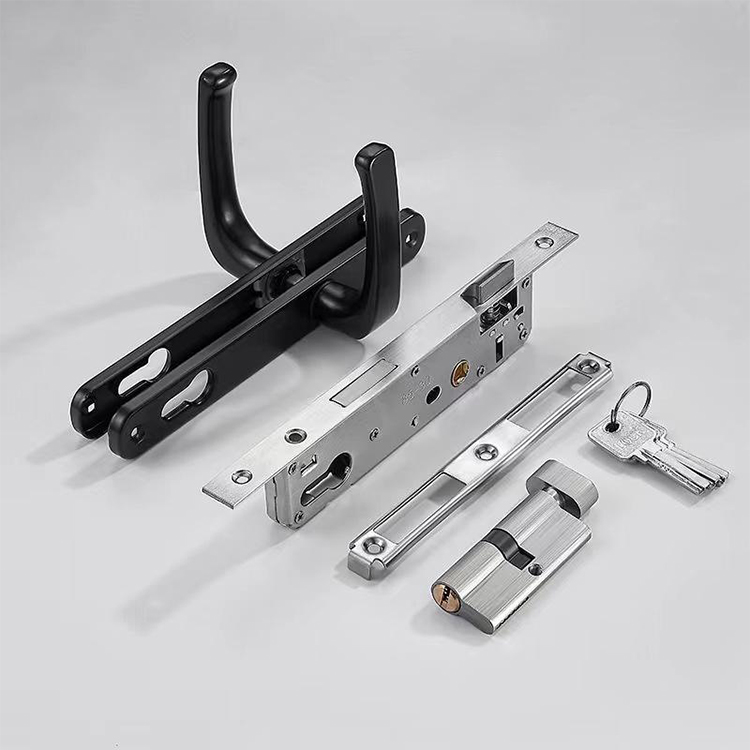
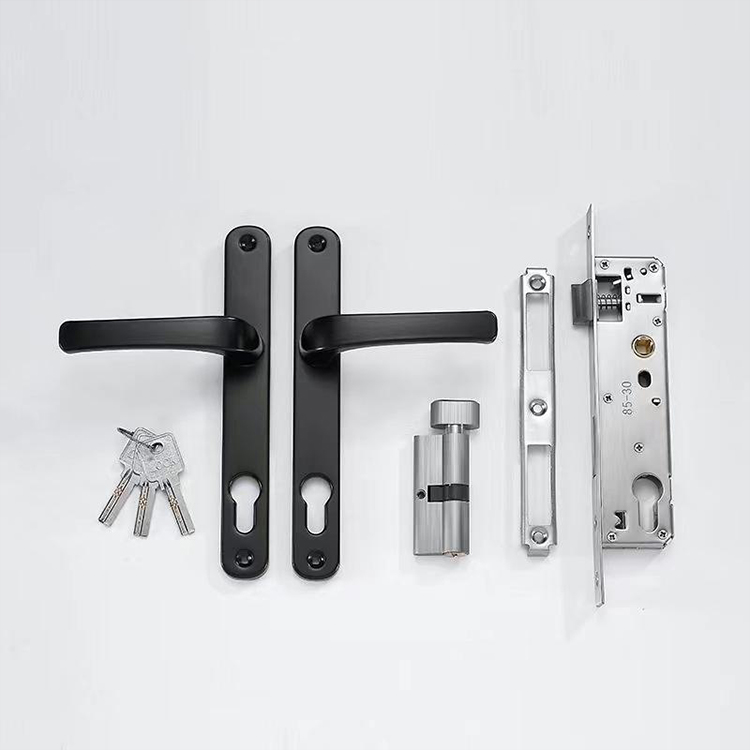
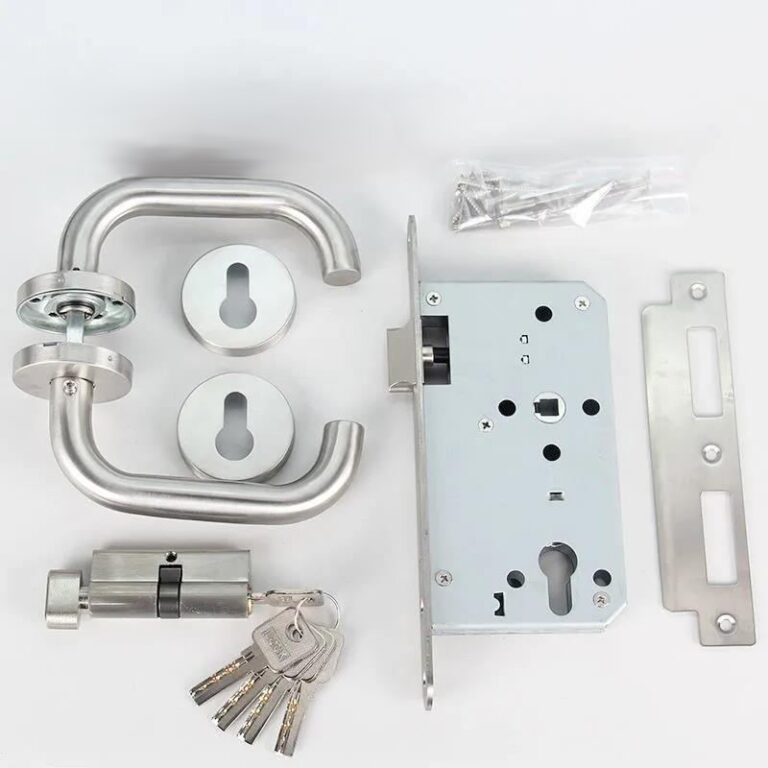
For any individual comparing real hardware households, start with the distributor’s lock boxes and gearboxes instead of judging a lock by the manage photo. The gearbox is where lots transfer becomes either regulated engineering or sluggish mechanical shame.
What Thickness Really Does Inside a Lockcase
Lock body density matters because a lockcase is a worried real estate, not a decorative covering. It maintains interior components lined up while force actions through the manage, cyndrical tube, spindle follower, latch, deadbolt, hook, roller, spring pack, rivets, and fastening factors. When the instance flexes, the mechanism starts lying to the customer: the handle still steps, but the components no more fulfill at the angles the illustration promised.
Steel remembers misuse.
A thicker situation typically provides much better tightness, particularly versus flexing and local deformation. The mechanics are not mystical. In basic beam concept, flexing resistance depends greatly on area geometry; MIT OpenCourseWare keeps in mind for auto mechanics of products show the rectangle-shaped area moment of inertia as proportional to height cubed, which is why tiny thickness adjustments can have outsized effects in flexing actions: MIT mechanics referral.
But do not oversimplify this into “thicker is always better.” That is salesman math. A thick but inadequately marked lockcase with sharp inner corners, careless rivets, weak cover interaction, bad tolerances, and low-grade steel can still twist, bind, and rust. Density gets margin. It does not buy intelligence.
The Data: Burglars Strike Openings, Not Advertising And Marketing Claims
The market suches as research laboratory language since it sounds clean. Real forced entrance is unclean.
The FBI’s historical burglary information programs why physical door equipment still should have severe design interest. In the FBI’s 2019 theft recap, 55.7% of robberies entailed forcible entry, 37.8% were unlawful entries, and 6.5% were attempted physical access; estimated theft residential property losses got to $3.0 billion, with an ordinary loss of $2,661 per offense: FBI break-in data.
That does not indicate every burglary is solved by a thicker lockcase. Any individual who states that is offering concern. However it does mean the lock body, strike, caretaker, structure, screws, and door account must be dealt with as a force path. One weak component welcomes the following failure.
The Bureau of Justice Stats made the point in an extra physical means: in forcible and attempted physical household thefts, damaging or removing a door was one of the most typical entry method reported in its victimization launch: BJS family theft findings. That line ought to make hardware purchasers uneasy. If the door is the strike surface, the lockcase is not a separated part. It becomes part of the failing tale.
Table of Contents
Lockcase Thickness Comparison: What I Would In fact Approve
The table listed below is not a global requirement. It is a sourcing fact check. Precise worths rely on steel grade, marking depth, instance shape, faceplate layout, door profile, coating, lots path, and examination need.
Bends easily around cutouts and screw factors; restricted misuse margin
I would prevent it for exterior doors or business use
1.0 mm
Basic domestic lock body thickness
Acceptable only when geometry is compact and tons are moderate
Penalty for light doors, high-risk for heavy panels
1.2 mm
Better property and light industrial lockcases
Noticeably better tightness and positioning control
Reasonable minimum for severe daily-use equipment
1.5 mm
Hefty gauge steel lock situation applications
More powerful resistance to contortion, far better screw-area support
My preferred beginning point for requiring doors
2.0 mm+
High-security or industrial-style real estates
High stiffness, yet expense, forming problem, and fit restrictions rise
Worth it just when the whole door system warrants it
Here is the catch: purchasers typically contrast 1.2 mm vs 1.5 mm as if the instance wall is the only variable. It is not. A lockcase with enhanced corners, radiused intermediaries, managed cover fit, and far better steel can beat a thicker but crude housing. I want thickness, yes. Yet I desire evidence much more.
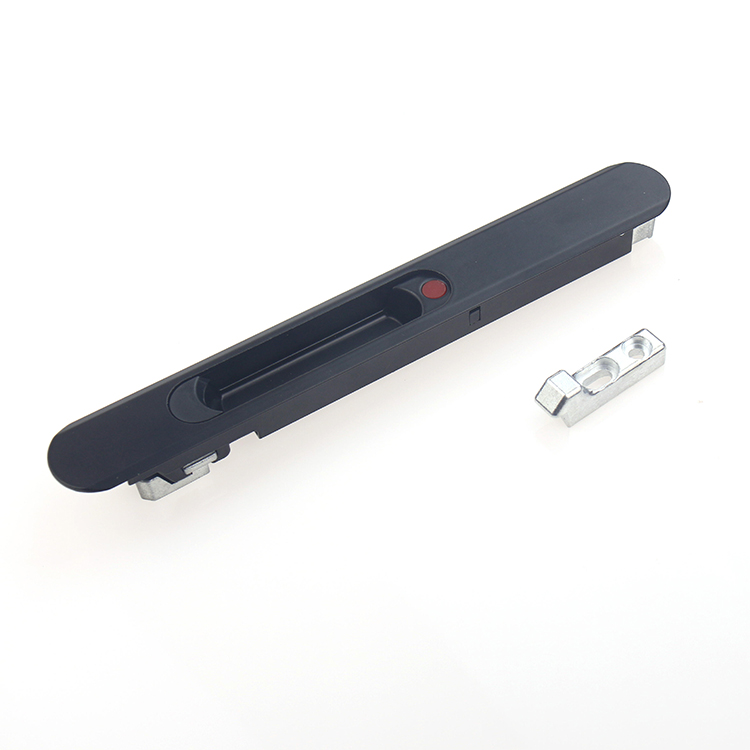
For slim light weight aluminum systems, look thoroughly at items such as an ultra slim sliding door dual hook lock, because narrow accounts create a horrible compromise: the lock should remain small without turning the door stile into a weak channel. For corrosion-sensitive applications, a stainless steel sliding door latch lock makes more feeling than an economical layered component acting it can make it through moisture.
Product Grade Defeats Aesthetic End Up Whenever
I do not care just how stunning the faceplate looks if the base metal is incorrect.
For mortise lock instance material, the usual candidates are carbon steel, galvanized steel, zinc alloy, 304 stainless-steel, and 316 stainless-steel. Each belongs. Carbon steel can be strong and economical when shielded well. Galvanized steel helps with rust resistance but still depends on coating quality and cut-edge security. 304 stainless-steel is common for basic deterioration resistance. 316 stainless steel, with molybdenum in its chemistry, earns its maintain around salt air, pool environments, coastal tasks, and chloride exposure.
But stainless is not magic either. A thin stainless lockcase can still bend. A lovely 304 cover can still hide a weak inner transfer plate. A 316 element can still stop working if the hook tons is focused around a severely punched opening.
This is why I like engineering-led pages such as lockcase frameworks for high-security door remedies. The severe concern is not “What is the most effective lockcase product for toughness?” The major concern is: which product, density, geometry, surface treatment, and examination plan fit this door?
Criteria Do Not Respect Your Brochure
A lockcase ought to be evaluated as component of a performance system, not applauded as a loose metal box.
ANSI/BHMA A156.13-2022 for mortise locks and locks includes operational examinations, strength tests, safety tests, cycle tests, surface tests, and dimensional criteria: ANSI/BHMA A156.13-2022 review. That matters due to the fact that a lockcase can look tough and still stop working repeatability, security, or coating expectations.
For export customers, this is where I obtain suspicious. If a distributor claims “high strength” but can not review cycle targets, torque habits, latch load, deadbolt throw, instance deformation, covering density, salt-spray expectations, and drawing resistances, I stop listening. Nice words are totally free. Failed containers are not.
The 2025 Pella recall is a helpful caution although it was not about lockcase density. The United State Consumer Item Security Payment introduced a recall of Pella moving outdoor patio doors and windows with automatic tones because available button-cell or coin batteries went against government safety demands under Reese’s Legislation: CPSC Pella recall. My takeaway is more comprehensive: door and window equipment is evaluated as a system after installation, not as a single eye-catching SKU on a quotation sheet.
Where Lockcases Really Fail
The majority of failures are burning out.
A lockcase rarely announces, “I am as well slim.” Rather, the take care of starts really feeling harsh. The lock drags. The hook does not completely involve. The pin opening expands oval. The cover plate rattles. The bolt massages. Screws loosen up. The door shuts, however not confidently. After that the customer blames installment, the installer blames the profile, and the supplier quietly changes the attracting six months later.
The common weak zones are foreseeable:
Latch and screw cutouts where steel has been gotten rid of
Rivet and screw areas where tons concentrates
Spindle fan pockets under manage torque
Corners where stamping produces tension concentration
Thin cover layers that allow inner equipment movement
Faceplate-to-case joints that loosen under repeated slamming
Hook or screw transfer zones in multi-point systems
That is why I would never ever accept a lockcase alone. I would check it against multi-point lock systems, the caretaker layout, the strike plate, the framework product, the screw bite, and the surrounding window and door devices. A solid lockcase linked to a weak caretaker is still a weak opening.
The Specification I Would Certainly Demand Before Experiencing
Prior to I let a supplier quote a job, I want the monotonous records. Not prestige photos. Not “warm sale” language. Documents.
Request for these items:
Lock situation material density by part: case wall, cover, faceplate, inner transfer plates
Material grade: carbon steel, galvanized steel, 304 stainless, 316 stainless, zinc alloy, or hybrid building
Case deepness, backset, PZ facility, pin size, faceplate width, and placing opening design
Cycle test target: 50,000, 100,000, 200,000, 500,000, or 1,000,000 cycles depending upon market
Salt-spray or corrosion expectation for seaside, moist, or business direct exposure
Latch and deadbolt tons behavior
Hook toss and keeper engagement deepness for gliding or multi-point systems
Tolerance pile for light weight aluminum profile fitment
Change-control rules after example approval
And indeed, I would ask for teardown images. A distributor that refuses to reveal the within the lockcase is asking you to buy depend on by the carton.
For OEM buyers, this is where OEM/ODM hardware advancement ought to be linked to attracting testimonial, fitment checks, and production assessment. A personalized lockcase is not custom-made since the logo changed. It is personalized because the design matches the door system.
FAQs
What is lock situation product thickness?
Lock situation product density is the measured wall or plate scale of the metal real estate, cover, faceplate, and stress-bearing sections that hold the lock, deadbolt, pin fan, springs, hooks, and bolts in alignment while the door soaks up torque, bang pressure, pry tons, and long-cycle wear. In useful sourcing, it should be inspected by part, not referred to as one unclear number.
Does thicker lockcase product constantly indicate more powerful lockcase stamina?
Thicker lockcase product normally improves tightness and effect resistance, however it does not instantly make a lock stronger unless the steel grade, heat therapy, geometry, welds, rivets, screw employers, case depth, keeper style, and door profile are additionally crafted to carry the lots together. Density is a stamina multiplier just when the remainder of the system is sincere.
What is the most effective lockcase material for strength?
The very best lockcase material for strength is usually correctly developed steel or stainless steel, chosen by exposure and load, with 304 stainless for basic corrosion resistance, 316 stainless for chloride-heavy coastal use, and heavy gauge carbon steel where protected interior strength issues greater than salt resistance. The wrong thickness or geometry can still ruin any type of product option.
Just how does lock body density influence door lock protection?
Lock body density impacts door lock safety by lowering flex, maintaining inner parts aligned, boosting resistance to distortion around the latch and screw openings, and assisting the case make it through duplicated forced-entry lots without allowing the mechanism bind, split, or transfer stress right into weak screws. It works best with a solid caretaker, frame, and door profile.
Exactly how should manufacturers confirm lockcase toughness prior to bulk orders?
Makers should verify lockcase longevity by inspecting drawing callouts versus incoming coil or sheet certifications, after that confirming finished parts with calipers, micrometers, coating-adjusted dimension guidelines, devastating teardown examples, and routine audits after layering, marking, fascinating, welding, and setting up throughout manufacturing. Cycle testing and deterioration testing ought to be connected to the location market.
Last Thoughts: Stop Buying Lockcases Like Ornamental Steel
Right here is the difficult fact: lock instance material density influences strength, yet it is not a magic number you can paste into a spec and neglect. A severe lockcase is a load-bearing, alignment-controlling, corrosion-exposed mechanical housing. Treat it this way.
Before authorizing your next mortise lock instance, sliding lock body, or hefty scale steel lock instance, request for the drawing, product certification, thickness map, examination target, rust strategy, and fitment evaluation. After that compare the lockcase with the real door profile, keeper, bolts, manage force, and market demand.
If you are sourcing door and window hardware for a genuine project, send the extrusion illustration, door kind, annual quantity, target audience, and performance demand to the supplier before requesting device price. Beginning with the lockcase. The service warranty generally does.