Looking for hardware solutions that meet European / American standards?
Use this guided inquiry modal to move from a generic quote form to a clearer technical conversation. Buyers can choose whether they need pricing, CAD / 3D files, or OEM / ODM support before sharing contact details.
Compatibility-first design across door / window systems
Repeatable production with clear inspection checkpoints
Documentation and change control for long-running programs
Responsive engineering support for fit and field feedback
And when they fail inside premium door and window systems, they generally reveal a chain of lazy decisions: a hinge picked for finish rather than tons, a hidden body forced into a superficial structure, a black finishing accepted without salt-spray evidence, or a vendor that speaks about “costs” however can not produce a genuine drawing. So why do buyers still authorize joints from a product image?
I have a hard viewpoint right here: most hinge issues are not hinge problems. They are system troubles putting on a hinge costume.
The premium market is pressing cleaner sightlines, slimmer aluminum accounts, larger glass panels, larger protected units, matte black surfaces, coastal-grade hardware, and quieter movement. Penalty. But the joint has to carry the expense. In door and window equipment, the joint is not design. It is the load course, the placement referral, the motion controller, and usually the first part blamed when the lock, take care of, seal, or sash begins misbehaving.
That is why I would begin with a full windows and door equipment product map prior to I also talk about surface fads. Joints, manages, lock boxes, multi-point locks, locks, keepers, and devices are not different acquisitions. They are one mechanical chain.
The Costs Joint Pattern Nobody Intends To Admit
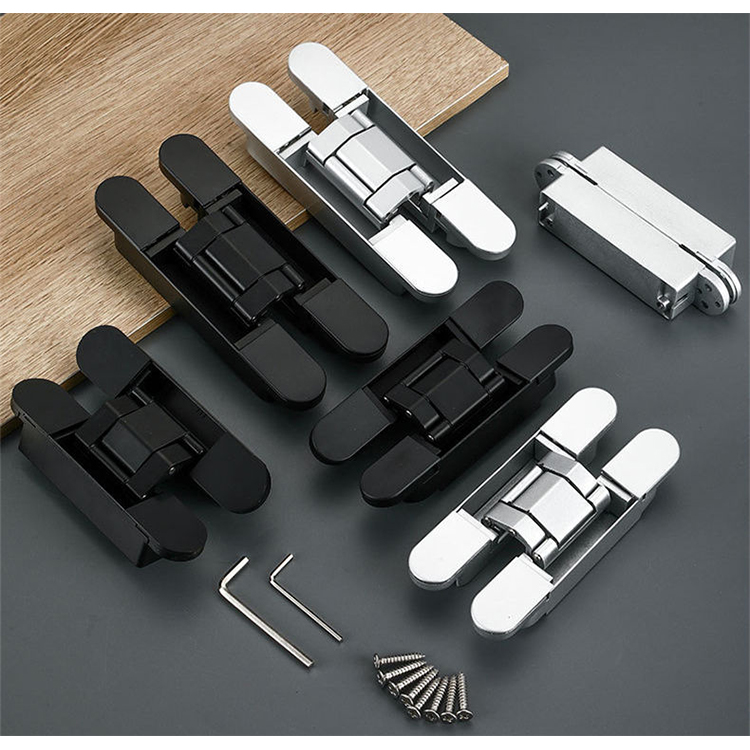
The sector likes concealed joints due to the fact that they photograph well. Designers like the tidy edge. Developers like the display room result. Customers like claiming “minimal.” However hidden joints are not automatically far better.
They are less flexible.
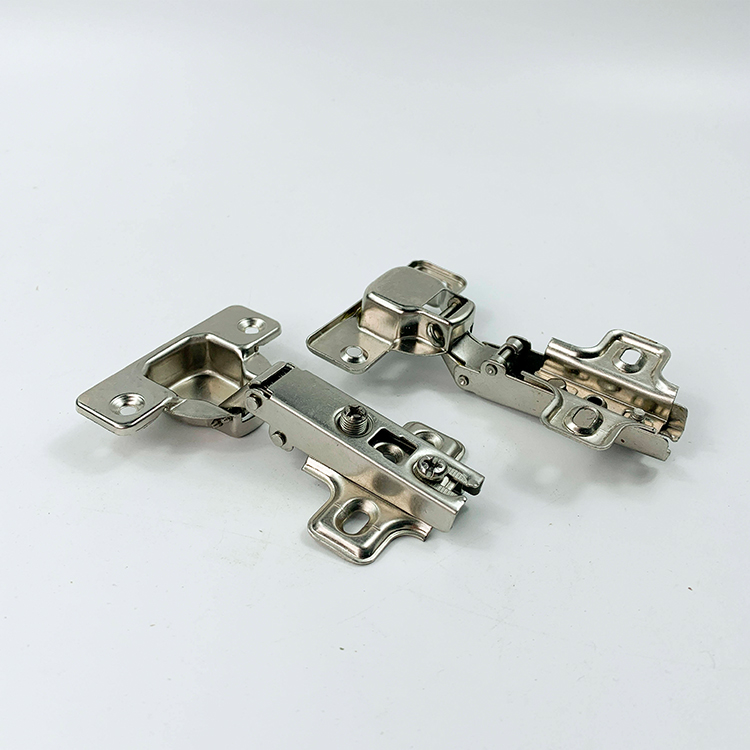
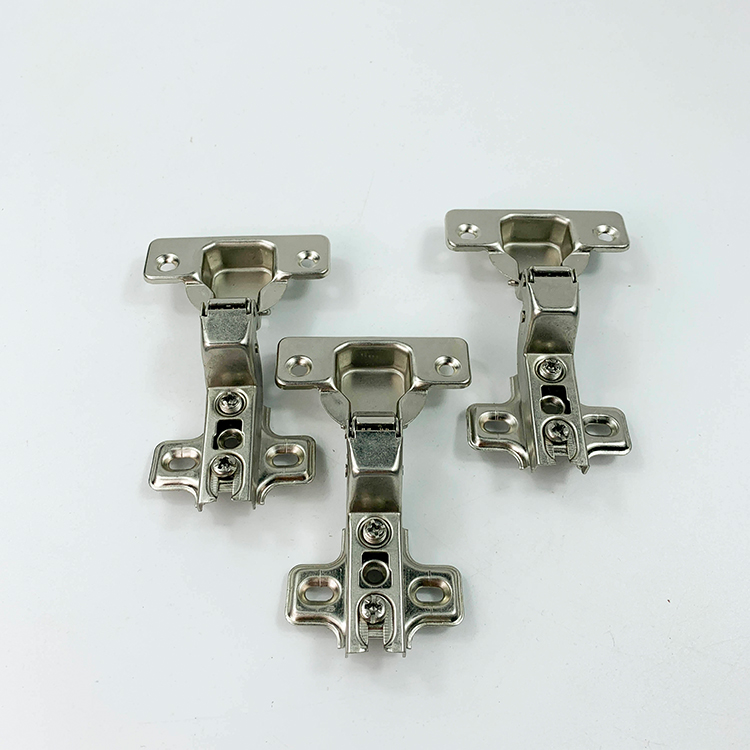
A visible butt hinge offers you space, access, and a clear load path. A hidden hinge requests specific account depth, support, screw engagement, gasket clearance, turn geometry, modification gain access to, and long-term solution preparation. Put that hinge into the incorrect light weight aluminum section and the “premium” door comes to be a future service warranty data.
This is specifically unpleasant in thermally damaged systems, where the account is currently divided by a polyamide thermal barrier and the equipment need to not crush, bridge, or deteriorate the shielding zone. Chier’s conversation of window equipment assimilation in thermally broken door accounts gets one thing right: the hardware envelope often determines what can really be produced, not vice versa.
The difficult reality? A hinge trend is only a pattern if the framework can survive it.
Why Door and Window Equipment Is Currently a Power and Conformity Concern
The hinge is not detailed on the power label. However it influences the components that make the tag credible.
If a joint droops by 1.5 mm, gasket compression adjustments. If gasket compression adjustments, air leakage modifications. If air leak adjustments, the window or door no longer acts like the system sold on paper. The U.S. Department of Energy mentions that heat gain and warm loss via home windows account for 25%– 30% of property heating and cooling down energy usage. That number is not concerning hinges straight, however it describes why sloppy equipment positioning has consequences beyond customer feel.
The cash is real too. The united state Demographics Bureau reported that U.S. domestic construction investing in 2024 got to $917.9 billion, up 5.9% from 2023. Costs door and window systems are being defined into a market where callbacks, field repairs, and replacement labor are extremely expensive.
And then there is ease of access. The 2010 ADA Standards call for door equipment operable components to be placed 34 inches to 48 inches over the completed flooring and to abide by operability policies that stay clear of tight grasping, pinching, or turning of the wrist, according to the DOJ ADA Requirements for Accessible Layout. Hardware layout is not just taste. It can come to be lawful exposure.
Table of Contents
The 6 Hinge Design Trends That Really Issue
1. Hidden Hinges Are Relocating From High-end Information to Engineering Threat
Hidden joints are expanding since premium systems want cleaner exposes and nonstop structure lines. Yet I do not rely on a concealed hinge unless I see the section illustration, fixing facilities, adjustment range, sash weight restriction, opening up angle, and setup sequence.
A hidden hinge without solution access is not elegant. It is a catch.
For superior door joints, the concern is not “Can we hide it?” The inquiry is “Can we change it after the building steps, the gasket kicks back, and the user has slammed it 20,000 times?”
2. Stainless Friction Remains Are Becoming the Quiet Hero of Window Solutions
Casement, awning, and projected home windows need regulated motion, not simply rotation. That is why stainless rubbing remains matter. They distribute motion via linked arms, hold the sash position, and minimize unrestrained slamming.
For humid, coastal, or high-condensation projects, I would look carefully at a SUS304 stainless window friction stay joint before authorizing cheaper layered hardware. SUS304/AISI 304 stainless-steel creates a chromium oxide layer, Cr ₂ O THREE, that aids resist corrosion. Is it magic? No. Chloride exposure can still strike it. Yet it is a much more truthful beginning point than mystery-plated carbon steel.
3. Matte Black Equipment Is Still Hot, but Bad Finish Is a Scam
Matte black appearances pricey till the corner chips, the screw head beams via, or the deal with and hinge discolor at various rates.
Premium customers usually ask for black hinges, black handles, black lock fronts, and black devices. Penalty. But the coating system need to be specified: powder finishing, anodizing, electrophoresis, PVD, plating stack, covering density, bond examination, abrasion behavior, and deterioration data. I desire the coating on the joint to match the surface reasoning on the take care of, because combined aging looks cheap fast.
This is where Chier’s web content on contemporary aluminum home window handle design connects straight to hinge design. Aesthetic grammar matters. Yet mechanical evidence matters much more.
4. Flexible Joints Are Defeating Fixed Joints in Costs Projects
Premium systems are seldom mounted in perfect conditions. Frameworks move. Wall surfaces are not right. Glass is heavier than the sales example. Installers improvise.
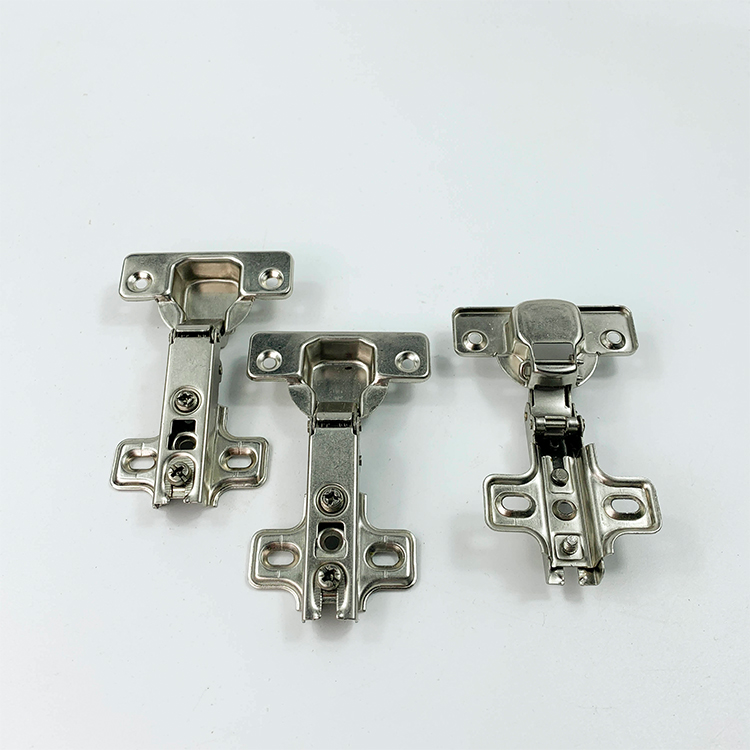
So adjustable joints are ending up being more valuable, particularly where tasks require great control over compression, reveal, and lock involvement. A hinge with 2D or 3D adjustment can conserve a job from awful shimming, re-drilling, or forcing the lockcase to make up for sash drift.
Yet modification is not a permit for sloppy construction. It is a modification tool, not a replacement for proper resistances.
5. Load Information Is Changing “Heavy Duty” Advertising And Marketing
“Heavy duty” is among the most mistreated expressions in architectural equipment.
I desire real data: fallen leave or sash weight, hinge amount, opening angle, screw requirements, substratum thickness, support assumptions, test cycles, deterioration exposure, and failure requirements. If the hinge provider can not clarify the examination arrangement, I think the case was written by advertising and marketing.
Chier’s article on hinge setup errors creating door and window hardware failure makes the exact same unpleasant factor: a badly placed hinge drags the manage, transmission, latch, caretaker, seal, and structure right into the failing. That is the real cost.
6. Documentation Is Coming To Be a Costs Function
This sounds uninteresting. Great.
Costs customers ought to request CAD, technological illustrations, load advice, surface options, installation notes, and compliance disclosures before tasting. Chier’s download facility for hinge drawings and tons assistance is precisely the kind of inner source a serious buyer must utilize before committing to mass production.
A pretty joint sample on a workdesk shows practically absolutely nothing. A hinge that fits the real area, survives cycle testing, stands up to corrosion, keeps gasket stress, and continues to be serviceable after installation proves a lot more.
Hinge Trend Comparison for Costs Door and Window Systems
Screw bite, load ability, sash weight, thermal-break area
Bolt pull-out, frame distortion, hinge flex
Integrated hinge-lock systems
Better securing and security control
Lockcase geometry, caretaker alignment, hinge axis, compression path
Handle stiffness, latch bounce, air leak
The Supplier Questions I Would Ask Before Approving Costs Door Hinges
I would not start with cost. That frustrates purchasing teams, yet it conserves money later.
Ask these concerns prior to authorizing any costs hinge package:
What is the tested sash or door weight per joint established?
What cycle count was evaluated: 50,000, 80,000, 100,000, or one more requirement?
Was the hinge examined inside an actual profile or on a simplified component?
What material is made use of: SUS304, SS316, zinc alloy, aluminum alloy, or plated steel?
What is the finishing system and corrosion examination method?
What bolts are assumed?
Can the joint be readjusted after installation?
Can the joint be serviced without getting rid of the entire door or window system?
Does the hinge maintain gasket compression and lock placement?
Are CAD files, installation advice, and batch traceability readily available?
For OEM customers, I would likewise inspect Chier’s more comprehensive window hardware conformity sources because superior jobs in the U.S. and EU do not award vague paperwork.
My Difficult View on “Premium” Equipment
Premium does not indicate concealed.
Costs means the door still closes easily after the structure works out. It means the handle does not combat the lockcase. It indicates the hinge does not wear away under coastal humidity. It means the gasket still seals. It means the installer has modification area. It implies the vendor can reveal illustrations as opposed to adjectives.
But right here is the unpleasant part: customers usually create the issue themselves. They demand slimmer structures, much heavier glass, cheaper hinges, shorter preparations, black surfaces, coastal toughness, low operating force, and no noticeable equipment. Then they act shocked when the system whines.
Hardware has physics. Neglect it, and physics invoices you later on.
FAQs
What are Hinge Design patterns in costs door and window systems?
Hinge layout fads in premium door and window systems are the existing design and aesthetic changes that shape just how hinges bring lots, hide hardware lines, control movement, withstand rust, maintain securing pressure, and support modern light weight aluminum, steel, hardwood, or composite profiles in business and premium domestic tasks. The biggest patterns currently are hidden hinges, stainless rubbing keeps, matte black coatings, adjustable hinge bodies, slim-profile equipment, and documentation-led sourcing.
Exactly how do I pick hinges for windows and doors?
To select joints for doors and windows, match the joint to sash or fallen leave weight, opening angle, account geometry, fastener bite, rust direct exposure, called for cycle life, ease of access restrictions, gasket compression, and offered solution space before you contrast surface, price, or directory digital photography. Afterwards, demand drawings, test information, material qualities, coating specifications, and setup guidelines from the vendor.
Are hidden joints best for costs door systems?
Hidden joints are best when the project requires tidy sightlines and shielded hardware without compromising tons ability, adjustability, water drainage, thermal-break stability, examination accessibility, or sensible upkeep clearance throughout long-lasting solution. They are not best when the structure is also shallow, the support is weak, or the installer can not get to the modification factors.
What is the most effective product for superior door joints?
The best product for premium door hinges is the alloy and coating system that makes it through the task atmosphere, generally SUS304/AISI 304 stainless-steel for basic corrosion resistance, SS316/AISI 316 for seaside chloride exposure, or crafted aluminum and zinc assemblies just when tons information, coating thickness, and salt-spray proof support the case. Do deny by product name alone.
What records should a hinge distributor provide?
A serious hinge vendor ought to offer dimensioned drawings, load assistance, material quality, coating spec, cycle-test method, corrosion-test evidence, installment instructions, batch traceability, and sample fitment assistance because costs windows and door hardware stops working when tiny undocumented assumptions are increased across hundreds or hundreds of devices. If documentation is missing, the risk has actually not disappeared; it has relocated to your project.
Last Thoughts: Stop Purchasing the Joint, Beginning Buying the System
If you are sourcing premium door and window equipment, do not authorize a hinge due to the fact that it looks clean, black, slim, or “European.” Ask for the drawing. Ask for the load data. Request the rust evidence. Ask exactly how the hinge collaborates with the manage, lockcase, gasket, caretaker, and structure.
Then examination it on the actual system.
For OEM customers, suppliers, and job specifiers, the following step is simple: review the hinge package versus your real profile geometry, operating weight, coating direct exposure, and conformity market before tasting. Beginning with the door and window pivots category, contrast it with your complete equipment chain, and request technological files before the first production order.
Due to the fact that the most inexpensive joint is seldom the most affordable hinge after the callback.