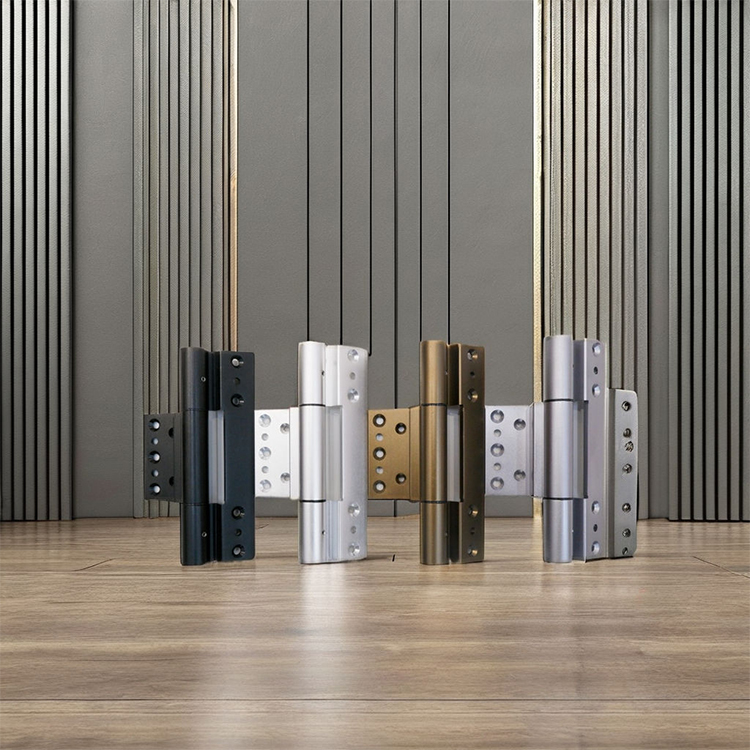
Looking for hardware solutions that meet European / American standards?
Use this guided inquiry modal to move from a generic quote form to a clearer technical conversation. Buyers can choose whether they need pricing, CAD / 3D files, or OEM / ODM support before sharing contact details.
Compatibility-first design across door / window systems
Repeatable production with clear inspection checkpoints
Documentation and change control for long-running programs
Responsive engineering support for fit and field feedback
When an installer must draw the leaf withdraw, hunt for a shim, redrill a smashed pilot hole, and then say with the lock keeper because the reveal still looks crooked, the joint has currently stolen margin from the work. And for what?
I will state the peaceful component: lots of “negative hinge” complaints are not product failings. They are resistance failures. The structure is a little off. The sash weight was guessed. The lockcase was treated like a different world. The screws were driven as if light weight aluminum, uPVC, wood, and steel all behave similarly.
They do not.
That is why Adjustable Hinges matter. They do not make a poor structure excellent, and they do not forgive a lazy specification. Yet they provide installers a regulated improvement home window after the door or window is currently placed. That is the distinction between change and revamp.
The U.S. Bureau of Labor Stats reported that single-family residential building labor efficiency increased 6.1% in 2024, while multiple-family residential building fell 12.8% in the exact same year. That divided issues due to the fact that it verifies a difficult truth: performance is not some wonderful industry-wide state of mind. It relies on job control, repeatability, and field implementation.
If a hinge saves ten minutes on one opening, nobody joys. If it conserves ten minutes across 1,000 doors, the procurement group unexpectedly understands mathematics.
What Flexible Hinges In Fact Change on Site
Adjustable door hinges move the installer’s job from “eliminate and remake” to “install and tune.” That sounds basic. It is not tiny.
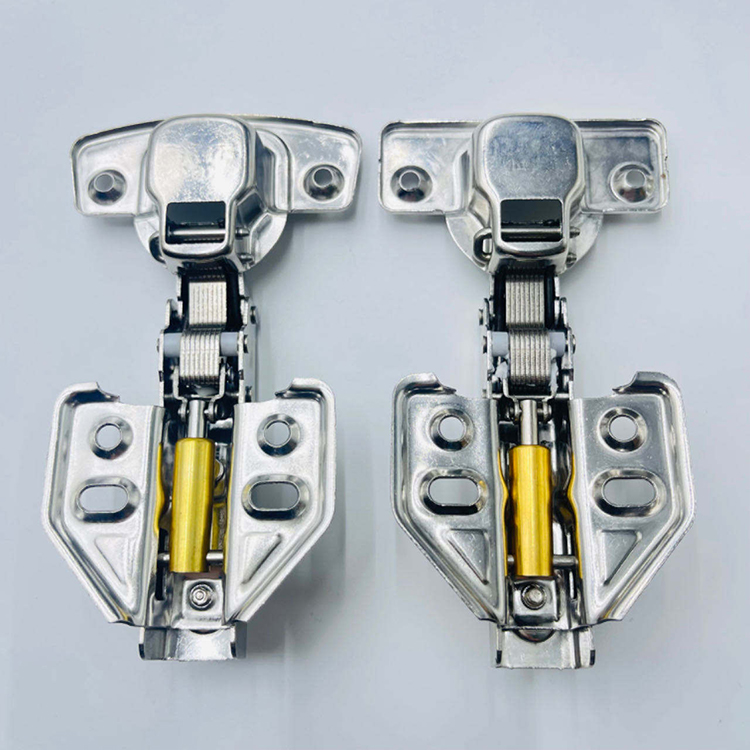
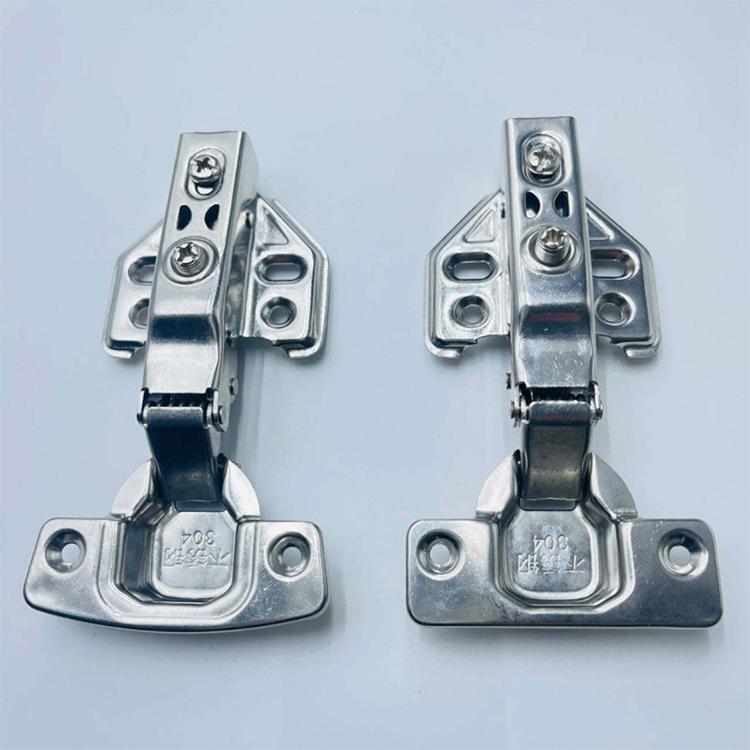
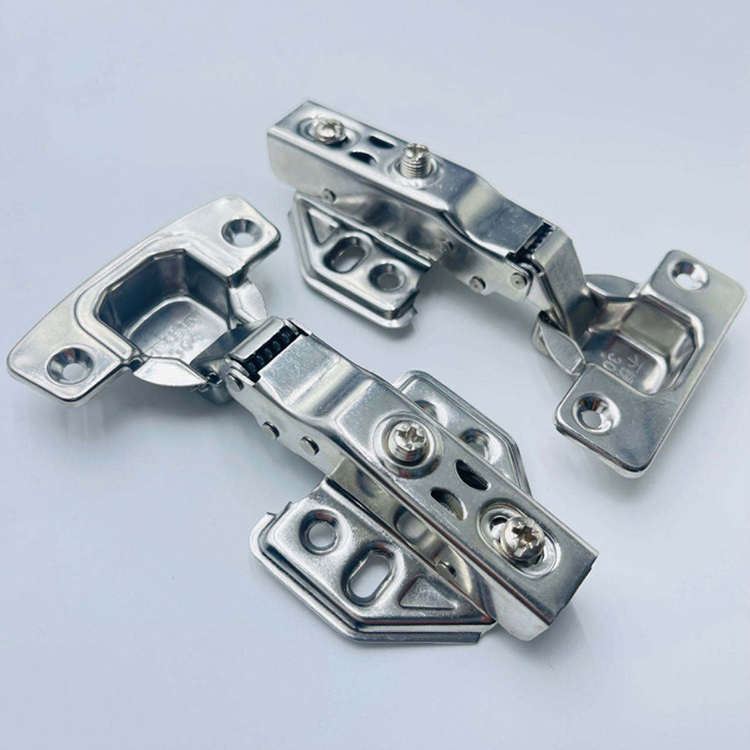
A conventional fixed hinge offers you one sincere opportunity: placement, drill, fasten, hope. If the expose is incorrect, the installer begins bargaining with shims, screw openings, framework packers, strike plates, and in some cases pure denial. A 3D adjustable hinge adjustments that series due to the fact that the installer can deal with 3 typical axes after taking care of:
Upright elevation adjustment
Horizontal side-to-side positioning
Depth or compression adjustment against the seal
This is exactly how adjustable hinges work in the real world. They give the installer mechanical control over the last 1 mm to 3 mm of fit, depending on hinge style, load, profile, and screw involvement. In door and window hardware, that last couple of millimeters frequently decides whether the lock involves cleanly or feels like a guarantee case waiting to happen.
For a complete equipment package, I would not deal with joints as a lonely SKU. I would begin with the site’s door and window hinges category, then examine exactly how the hinge connects with lock boxes and gearboxes and the surrounding framework accessories.
The joint carries the alignment problem. The lock pays the penalty when the hinge gets it wrong.
Table of Contents
The Performance Remains In Less Touches, Not Faster Hands
Right here is where buyers usually fool themselves. They ask, “Just how quickly can the installer fit the hinge?” Incorrect inquiry.
The far better concern is: the number of times does the installer have to touch the opening before it passes?
NIST has actually long argued that building productivity has to be determined at task, task, and market levels, not simply via unclear result numbers. That is specifically just how joint setup performance should be judged. A joint is not effective because it looks brilliant in a directory. It is effective when the same crew can set up, align, examination, and move on with less improvements. Check out the NIST building performance study.
Installment Aspect
Repaired Hinges
Flexible Hinges
Real Website Influence
Structure tolerance
Needs near-perfect positioning
Permits controlled modification after mounting
Fewer shims, fewer redrilled holes
Door expose
Depending on piercing precision
Tunable up and down and flat
Cleaner gaps, faster approval
Seal compression
Typically changed indirectly
Depth adjustment can tune pressure
Much better closing feeling and less seal drag
Lock engagement
Strike plate often takes the blame
Hinge can remedy sash setting prior to lock modification
Much less anxiety on lockcase and transmission
Callback risk
Higher when frameworks relocate after setup
Lower when post-install tuning is feasible
Much better guarantee control
Installer ability space
More depending on specific craft
Extra repeatable across teams
Easier standardization on big projects
That table is the component lots of manufacturing facilities and purchasers act not to see. Installment performance is not about the hinge alone. It has to do with decreasing the number of rehabilitative actions around the joint.
The Best Adjustable Joints for Easy Setup Are Not Constantly one of the most Complicated
I like 3D adjustable hinges. I likewise question over-engineered equipment sold to hide bad preparation.
An excellent adjustable joint ought to do 4 things well: bring the actual load, adjust without harming the account, hold its setup after cycling, and continue to be functional after paint, dust, seal stress, and daily misuse. If it can refrain from doing those things, the “adjustable” tag is decor.
The most effective flexible hinges for easy installation usually share these characteristics:
Clear accessibility to change screws after installing
Stable screw interaction in the real structure material
Repeatable vertical, side, and depth motion
Compatibility with concealed or visible hardware formats
Corrosion-resistant material such as SUS304 or SUS316 where direct exposure requires it
Recorded lots guidance, not a sales person’s “not a problem”
End up control for powder layer, PVD, anodizing, passivation, or electroplating
The BHMA A156.1-2025 requirement for butts and joints consists of cycle tests, lateral and vertical wear tests, rubbing tests, toughness tests, surface examinations, and dimensional requirements. It additionally keeps in mind that a Grade 1 joint have to pass 2.5 million opening and closing cycles on a specified door weight. That is the kind of performance language buyers must appreciate. See ANSI/BHMA A156.1-2025 Butts and Pivots.
My tough guideline: never ever authorize adjustable door pivots from a loosened sample alone. Request for lots information, change range, screw specification, profile illustration, coating examination, salt spray target, cycle target, and packaging method. After that ask what takes place after modification screws are reset three times.
That response informs you greater than the brochure.
Concealed Adjustable Joints Are Where the Installer’s Mistakes Obtain Costly
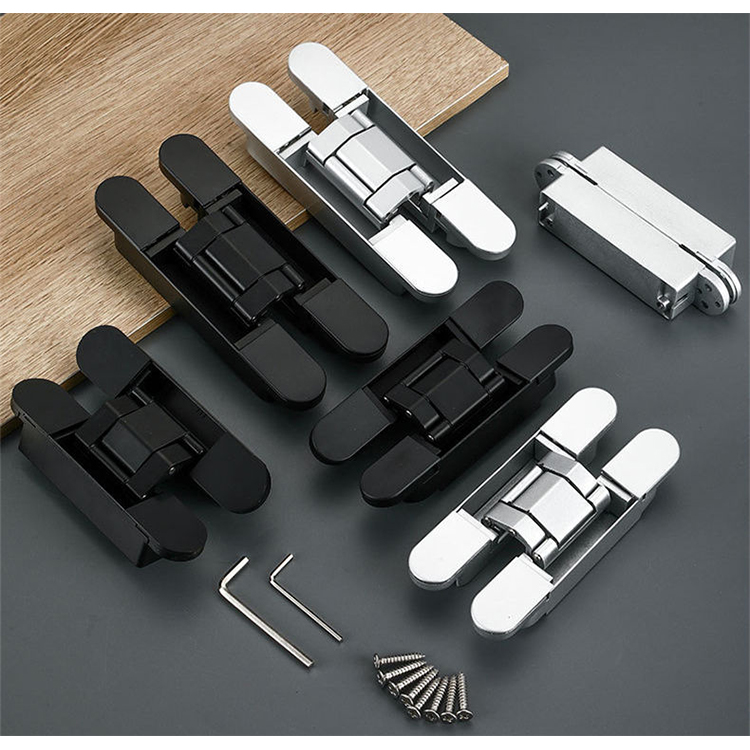
Hidden flexible joints look tidy. They likewise leave much less space for careless job.
With a visible butt hinge, the installer can commonly see the trouble: leaf placement, screw angle, space drift, knuckle bind. With concealed hinges, the difficulty might hide inside the profile pocket up until the door rejects to rest correctly. That is why concealed flexible joints require far better pre-install preparation, not much less.
For OEM projects, the smartest move is to examine drawings and lots advice before sampling. The site’s technological downloads and tons advice are the kind of resource purchasers need to use prior to they request for samples. Not after.
A hidden 3D adjustable joint must be dealt with as an engineered user interface between the door fallen leave, structure account, fasteners, gasket, lockcase, and installer access course.: if the change screw is difficult to get to after the panel is installed, you did not buy an efficiency item. You purchased a future debate.
Door Placement Equipment Has Lawful and Access Consequences
This is where the topic quits being “equipment talk” and comes to be threat monitoring.
The 2010 ADA Specifications need door openings on accessible paths to provide a 32-inch minimum clear width, gauged with a swinging door open 90 degrees. See the 2010 ADA Specifications for Accessible Design.
Now attach that to hinges.
In a DOJ volunteer conformity contract involving The Irish Shanti, the toilet door was discovered to have a 28 3/4-inch clear passage size, below the 32-inch demand, and the agreement gone over swing-clear joints as component of a different modification course.
That is not simply a restaurant story. It is a warning to anyone specifying door equipment without considering final clearance, swing geometry, and field change.
A joint can affect clear opening. A hinge can influence swing. A joint can affect lock positioning. And when the structure fails access evaluation, nobody cares that the hinge looked penalty in a display room.
Just How to Install Flexible Hinges Without Producing a New Issue
So, exactly how to set up adjustable hinges correctly?
Start with measurement, not drilling. Confirm the door or sash weight in kilograms, opening up angle, frame product, screw bite, gasket compression, and lock engagement placement before the very first opening is made. If the job uses aluminum profiles, uPVC chambers, steel reinforcement, or lumber frameworks, the bolt plan have to alter with the substrate.
After that comply with a regimented series:
Validate the hinge version, lots rating, handedness, opening up angle, and finish.
Mark the hinge setting from the approved illustration, not from memory.
Drill pilot openings according to screw size and substrate.
Mount the joint without requiring the door into position.
Inspect expose space at top, lower, hinge side, and lock side.
Adjust vertical placement first, after that lateral alignment, then deepness compression.
Examination lock interaction before proclaiming the joint finished.
Cycle the door or home window numerous times and reconsider the setting.
This is the component installers dislike hearing: modification is not a permit to mount casually. It is a regulated modification procedure. If the joint is gotten used to make up for a frame that is severely out of square, the system may close today and fall short later on.
For sourcing groups dealing with custom-made programs, the OEM/ODM development procedure should be utilized early, particularly when drawings, DXF files, STEP documents, private-label packaging, or lasting batch consistency are entailed.
Do not contract out design judgment to the installer’s screwdriver.
Why Adjustable Hinges Reduce Service Warranty Noise
Guarantee claims hardly ever get here as tidy design reports. They arrive as emotional complaints.
“The door went down.”
“The deal with is tight.”
“The lock does not capture.”
“The window scrubs.”
“The installer claims the hardware is bad.”
I have actually found out to equate those problems into mechanical inquiries. Did the joint carry the actual load? Was the structure square? Was the gasket compression excessive? Did the lockcase align prior to or after the joint was adjusted? Were the screws attacking right into genuine structure or cosmetic material?
The website’s write-up on joint installation mistakes and hardware failure makes the exact same factor: hinge errors do not stay inside the joint. They spread out anxiety into takes care of, transmissions, latches, caretakers, seals, and structures.
That is why Adjustable Hinges boost installation performance beyond the very first install. They lower second damage. They secure the lock. They lower the chance that a solution team will go back to “fix” a door that must have been straightened appropriately the first time.
FAQs
What are adjustable hinges?
Adjustable joints are door or window joints made with built-in vertical, horizontal, and deepness adjustment factors, enabling installers to correct placement, disclose spaces, compression, and sash placement after the leaf or sash is installed, without eliminating the whole system from the framework. They are utilized to boost fit, decrease rework, and make last adjusting extra controlled.
In functional terms, adjustable door hinges help connect the void in between manufacturing facility drawings and website reality. Structures move. Accounts differ. Installers make little mistakes. An excellent flexible hinge provides the project a mechanical correction path before those tiny mistakes come to be callbacks.
Exactly how do adjustable joints improve installment efficiency?
Adjustable joints improve installation performance by relocating final positioning from damaging rework right into regulated adjustment, so installers can correct small frame variation, door sag, seal stress, and lock interaction using adjustment screws instead of eliminating joints, packing structures, redrilling openings, or replacing equipment. The result is fewer touches per opening.
That matters most on repeat setups: apartment doors, resort spaces, institution structures, office doors, moving systems, light weight aluminum windows, and OEM door programs where the same tiny error can repeat hundreds or thousands of times.
What are 3D flexible hinges?
3D flexible hinges are hinges that permit three-direction change: vertical motion for elevation, lateral activity for side-to-side expose control, and deepness movement for compression against the frame or seal. This three-axis control helps installers tune the door or home window after mounting while maintaining the hinge fixed to the profile.
A 3D adjustable hinge is especially useful where lock interaction, gasket pressure, and tidy disclose lines all have to be controlled at the exact same time. But the modification range need to match the door weight, framework framework, and bolt stamina.
Are concealed adjustable hinges better than visible flexible hinges?
Concealed flexible hinges are much better when the project requires a clean hidden-hardware appearance, tighter aesthetic lines, and post-install tuning inside a modern-day light weight aluminum, uPVC, hardwood, or composite system. They are not immediately much better for every work due to the fact that they require much more precise directing, account compatibility, and installer gain access to.
Noticeable adjustable joints can be less complicated to inspect and solution. Hidden joints can look costs however penalize poor preparation. The right option depends on the frame system, door weight, usage cycle, deterioration direct exposure, maintenance access, and look target.
Just how do I choose the most effective flexible joints for very easy installation?
The best adjustable joints for easy installation are hinges that match the real door or sash weight, framework material, opening angle, fastener approach, deterioration exposure, surface need, and change accessibility needed on site. A hinge is only “easy” when it remains adjustable after installing and stable after duplicated usage.
Do not choose by magazine picture. Request for tons assistance, CAD drawings, change array, material quality, finish examination, screw specification, product packaging technique, and cycle-test expectations. If the provider can not respond to those inquiries, the joint may be very easy to purchase and expensive to mount.
Final Ideas: Make the Hinge Do Its Share
Flexible Hinges improve installation performance because they provide installers a regulated means to fix the final fit. That is the entire tale. Not magic. Not marketing. Mechanical control.
However right here is the warning I would certainly provide any kind of significant buyer: adjustable joints do not rescue weak specs. They compensate great specifications. If you provide exact illustrations, actual lots data, opening angle, framework details, lockcase setting, coating needs, and cycle assumptions, flexible door hinges can save labor and minimize solution noise.
If you send out a vague RFQ and really hope the factory hunches properly, you are worthy of the callback.
Your following action is straightforward: prior to approving hinges for a door or home window program, review the joint group, contrast the complete hardware system, download and install the technological documents, and send out the vendor an actual installation brief. If the job requires personalized fitment, surface control, private-label packaging, or long-running reorder uniformity, begin the OEM/ODM discussion prior to sampling begins.