Looking for hardware solutions that meet European / American standards?
Use this guided inquiry modal to move from a generic quote form to a clearer technical conversation. Buyers can choose whether they need pricing, CAD / 3D files, or OEM / ODM support before sharing contact details.
Compatibility-first design across door / window systems
Repeatable production with clear inspection checkpoints
Documentation and change control for long-running programs
Responsive engineering support for fit and field feedback
An aluminum door hinge can look clean in a magazine, really feel smooth in a purchaser’s hand, make it through a careless display room swing test, and still end up being the component that transforms a premium aluminum door system into a loud, sagging, misaligned warranty documents 6 months after installation. So why do so many buyers still select joints like they are choosing an attractive cap?
I do not depend on joint option based upon surface coating alone. I do not rely on “heavy duty” without a rated lots. And I definitely do not depend on provider asserts that neglect the door leaf weight, joint spacing, frame profile, bolt bite, closer force, gasket compression, and installment resistance.
That is the difficult truth: aluminum door joints are not simply motion hardware. They are load-bearing alignment controls.
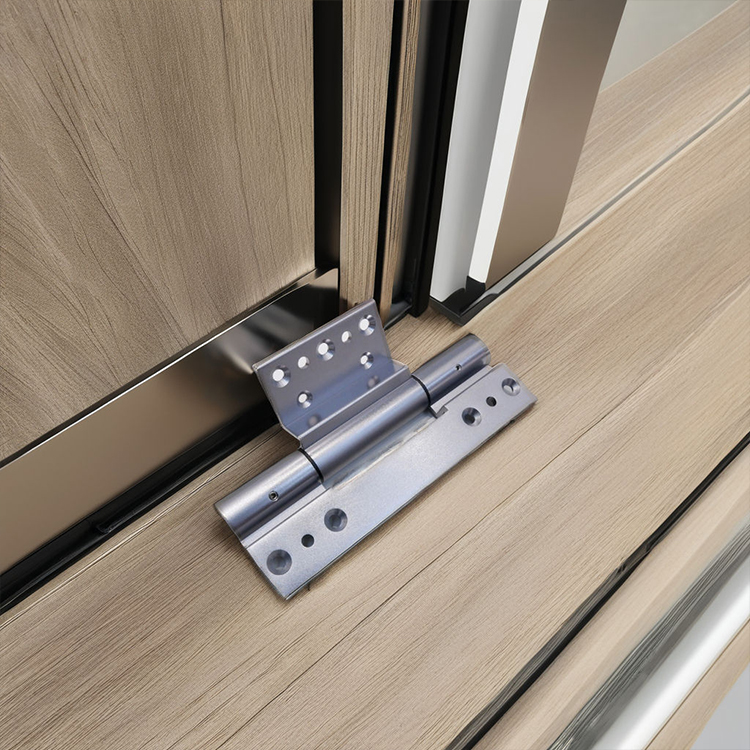
For B2B buyers constructing total windows and door systems, I would certainly start with the real Door and Window Hinges group and then contrast the hinge choice versus the wider windows and door hardware product variety. Hinges do not live alone. They battle with deals with, lockcases, gearboxes, seals, screws, and framework resistances everyday.
What Light Weight Aluminum Door Hinges Truly Have to Do
Light weight aluminum door pivots must sustain the door leaf, maintain alignment, control swing activity, resist rust, safeguard the lock user interface, and keep the opening usable after thousands or numerous cycles. A joint that only “opens up and shuts” is not shown. It is just acting today.
The united state Gain access to Board’s ADA criteria offer purchasers a helpful truth check. Guidebook door openings on available paths need a 32-inch minimum clear opening, and indoor hinged doors are typically limited to 5 pounds of opening force, omitting lock retraction force, under ADA Phase 4 door needs. That number issues. If the joint, closer, gasket, and structure battle each other, the user pays the price.
And fire doors? Different game. NFPA claims fire doors must be checked and tested after installment and at least annually afterwards, according to its NFPA 80 fire door FAQ. That does not mean every light weight aluminum door hinge is a fire-door joint. It means buyers must quit blending average equipment language with rated-assembly language.
Here is my candid filter: if the door is public-facing, high-traffic, coastal, security-sensitive, fire-rated, accessibility-relevant, or linked to a branded OEM system, the hinge requires evidence. Not adjectives.
Table of Contents
The Option Table I Desire Every Buyer Used
Choice Element
What to Verify
Numbers or Entities to Request
Warning
Door leaf weight
Real door mass, not “conventional size”
kg/lb, center of mass, glass density, reinforcement layout
Provider provides load rating without fixture details
ANSI/BHMA A156.1, EN 1935, 200,000+ cycles for serious usage, 2,500,000 cycles for Quality 1 butt hinges where applicable
“Passed cycle examination” without any load, no angle, no record
Frame compatibility
Light weight aluminum account, wall surface thickness, support
6063-T5 profile, screw interaction deepness, pilot opening
Works on sample frame just
Lock interaction
Lock alignment after cycling
Space change, sash drop, caretaker engagement
Joint authorized before lock is examined
Paperwork
Technical drawings, CAD, assessment plan
DXF, STEP, PDF, set traceability, QC records
Provider sends out photos instead of illustrations
The table looks boring. Excellent. Dull is where professional sourcing saves money.
Load Precedes, Since Gravity Never Works Out
The first serious inquiry is not “What is the best light weight aluminum door joint?” The very first major question is: what tons is the hinge actually bring?
A 25 kg interior light weight aluminum door, a 65 kg porch door, and a 120 kg industrial light weight aluminum entry door are not cousins. They are different mechanical instances. The joint count, hinge spacing, fastener approach, support, and birthing surface area should transform with them.
For strong aluminum joints, I desire these numbers prior to any kind of example leaves the factory:
Door leaf weight in kg and lb
Door height, width, and thickness
Hinge amount and spacing
Frame profile attracting
Reinforcement approach inside the aluminum framework
Screw product, dimension, and engagement depth
Opening angle, usually 90 °, 110 °, 135 ° -, or 180 ° Door more detailed pressure, if made use of
Seal and gasket compression
Target cycle count and market standard
The ANSI/BHMA A156.1-2025 criterion for butts and hinges covers cycle tests, lateral and upright wear, rubbing, strength, coating, product, and dimensional demands. That checklist is a courteous means of stating: a joint is not accepted because it swings well once.
I would certainly combine any kind of hinge authorization procedure with a real screening conversation, particularly the kind detailed in Chier’s overview on exactly how to examine the service life of windows and door pivots. The uneasy point is straightforward: check the hinge as set up, not nude on a bench.
Material: Light weight aluminum Is Not the Whole Tale
Aluminum door hinges can be made from aluminum alloy, stainless-steel, zinc alloy, carbon steel with finishing, or mixed-material assemblies depending upon the usage situation. The expression “aluminum door joint” commonly defines the door system, not constantly the joint material itself. That difference matters.
For light weight aluminum frame door pivots, mixed-metal get in touch with is where silent failures begin. Light weight aluminum naturally creates an Al ₂ O two oxide layer, which aids rust resistance, however chloride-heavy air, entraped moisture, and galvanic call can penalize weak styles. NIST’s magazine on light weight aluminum and aluminum alloys discusses that appropriately alloyed and dealt with light weight aluminum can withstand water, salt, and environmental aspects, but the phrase “effectively treated” is doing a lot of job.
My pecking order is not romantic:
Indoor low-risk doors: coated steel or aluminum alloy might serve if lots is modest.
Moist residential or resort tasks: SUS304 hardware begins to make even more sense.
Coastal, poolside, marine, or high-salt projects: SUS316, passivated stainless, or far better corrosion-tested systems deserve top priority.
Commercial heavy-use doors: birthing layout and bolt retention matter as high as product name.
Fire-rated or code-sensitive doors: make use of provided hardware within the checked assembly, not magazine substitutions.
Do deny words “stainless” without asking which parts are stainless. Fallen leave? Pin? Rivet? Bearing? Screw? Washing machine? So the visible components are updated, the hinge is wearing an outfit.
Rust Resistance: The Complete Is Not Decoration
Deterioration immune door joints are not produced by paint. They are created by material choice, surface prep work, layer system, water drainage, compatible bolts, and practical environmental screening.
I have a solid viewpoint here: black equipment has made the industry lazier. Customers love the matte black sample, the product manager likes the lifestyle image, and no one intends to discuss salt spray, edge insurance coverage, screw-hole deterioration, pin staining, or layer density. However corrosion does not care about the state of mind board.
For aluminum door hinges made use of in moist or coastal markets, request:
Product packaging method to prevent transit scratches
Set traceability for surface great deals
If the hinge is part of an OEM or private-label program, make use of the OEM/ODM hardware manufacturing process early. A coating problem is not just a surface area problem. It comes to be a reorder problem, a color-drift issue, a service warranty problem, and often a brand issue.
What Dimension Light Weight Aluminum Door Joint Do I Required?
You require an aluminum door hinge size that matches the door weight, door height, door size, frame reinforcement, opening up angle, website traffic level, and fastener interaction. For usual doors, 3.5-inch to 4.5-inch joints may function, but hefty or high aluminum doors typically require bigger hinges, more joints, thicker leaves, or constant hinge remedies.
That is the clean solution. The straightforward solution is messier.
For a regular indoor light weight aluminum door, three joints are typically used. For taller or larger doors, four joints may be smarter. For vast doors or doors with closers, do not presume the third joint amazingly addresses the lots course. It might just spread out a negative decision over even more equipment.
A practical sizing short should consist of:
Door leaf weight
Door elevation and size
Door thickness
Frame extrusion drawing
Reinforcement information
Hinge backset and screw-hole pattern
Opening angle
Usage course: residential, hotel, school, office, medical facility, public entryway
Environmental exposure
Conformity expectation
For groups that need drawings, lots guidance, CAD, finish choices, or information sheets, the download center for door and window hardware is a better starting point than thinking from item photos.
The Study Customers Should Not Disregard
The most useful case studies are not extravagant. They are remembers.
In December 2023, the U.S. Customer Product Safety and security Payment announced a recall of regarding 12,000 Pella Designer Collection casement windows due to the fact that the sash might remove from the structure and fall, with afflicted windows cost approximately $700 to $10,000 each according to the CPSC Pella recall notification. No, that is not the same as a standard aluminum door hinge failing. Yet it instructs the same lesson: relocating façade and opening equipment can produce costly safety exposure when accessory and support group stop working.
The lawful and safety lesson is not refined. When a moving sash or door fallen leave detaches, the industry quits discussing “good operation” and begins talking about remedy, repair work, injury danger, distributor notices, and traceability.
That is why I do not like bargain-bin hinge sourcing. Saving cents on a joint can put bucks, claims, and customer depend on in jeopardy.
How to Select Aluminum Door Hinges Without Getting Fooled
The best light weight aluminum door joints are not constantly the thickest, shiniest, or most inexpensive hinges. The best joint is the one that matches the mounted door system, passes reasonable load and cycle screening, resists the target atmosphere, and features vendor paperwork strong sufficient to make it through a guarantee disagreement.
Below is the procedure I would certainly utilize.
Step 1: Specify the Door System
Beginning with the door, not the hinge. Validate light weight aluminum account, glass or panel weight, support, hardware set, lock type, more detailed, threshold, weather condition seal, and target audience.
Action 2: Pick the Hinge Family Members
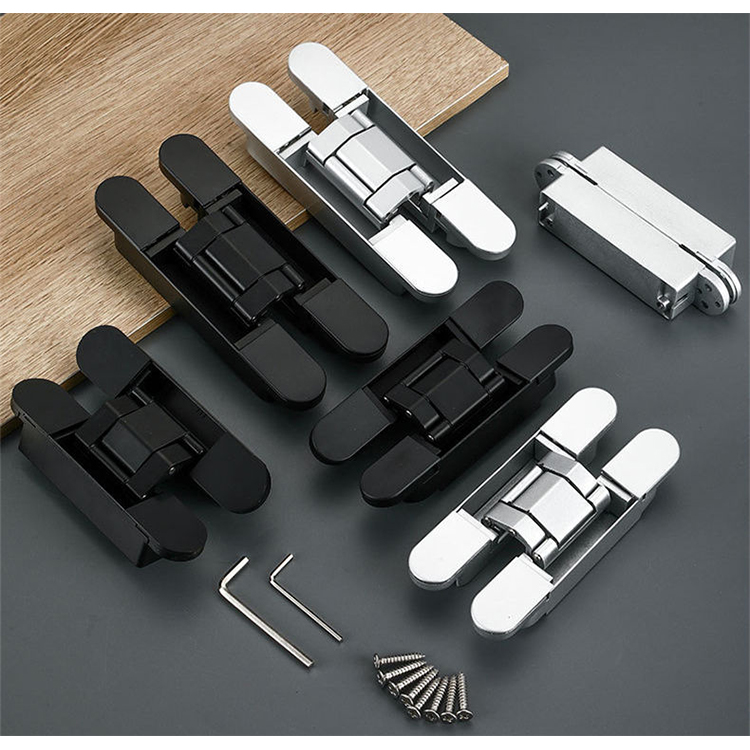
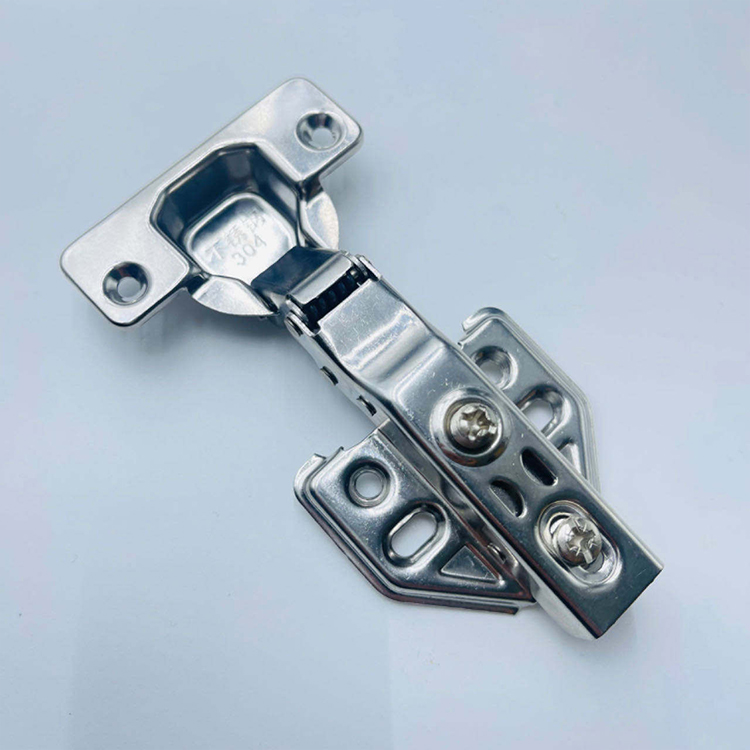
Butt joints, hidden hinges, pivot hinges, friction joints, continual joints, and durable joints behave differently. If you are collaborating with friction or stay-style hinge products, assess the real SUS304 stainless home window friction remain slot joint page as an instance of exactly how material, motion, and OEM fit need to be gone over with each other.
Action 3: Demand Tons Data
A distributor that can not mention rated load, fixture arrangement, door mass, and joint spacing is not offering you engineering proof. They are giving you a story.
Tip 4: Check Rust Logic
For coastal or damp markets, I want product and surface evidence. SUS304 is common. SUS316 is more powerful in chloride-heavy direct exposure. Aluminum alloy can operate in lower-risk applications when appropriately dealt with. Covered carbon steel can be fine inside and disappointing outdoors.
Step 5: Examination With the Lock and Structure
The hinge may pass alone and fail as part of the door. That is not a contradiction. It is the reason system screening exists.
Step 6: Lock the Spec
Last authorization needs to include drawings, product quality, coating, screw requirements, cycle examination target, rust need, product packaging, labeling, evaluation standards, and revision-control rules. For compliance-sensitive light weight aluminum systems, set the joint testimonial with a broader window equipment compliance check.
My Solid Viewpoint on Economical Joints
Affordable hinges are not always bad. Unclear joints misbehave.
A low-cost joint with clear load restrictions, honest product disclosure, secure production, and correct application can be a smart acquisition. A “costs” hinge without test information, no product traceability, and no illustration discipline is simply a pricey wager.
The marketplace has actually educated customers to request price initially. I think that is backwards. Request the proof initially, then negotiate price. If the evidence is weak, the discount rate is a trap.
FAQs
What are light weight aluminum door joints?
Aluminum door hinges are load-bearing hardware parts made use of to connect a light weight aluminum door fallen leave to its frame while permitting controlled swing motion, alignment, and closing action. Depending on the application, they might be made from light weight aluminum alloy, stainless steel, coated steel, or mixed materials matched to door weight, deterioration direct exposure, and website traffic level.
In functional sourcing language, the joint must be selected for the set up door system, not simply the visible framework product. A heavy aluminum-framed glass door might need stainless or sturdy bearing hardware also if the door itself is aluminum.
How do I choose light weight aluminum door joints?
You pick aluminum door hinges by matching joint type, size, material, lots rating, corrosion resistance, opening angle, screw interaction, and cycle efficiency to the real aluminum door system. The appropriate option depends upon door mass, structure profile, use frequency, closer force, lock placement, exposure setting, and applicable requirements.
Do not start with cost. Start with the door drawing, fallen leave weight, frame support, hardware collection, and target audience. After that demand technical illustrations, test evidence, coating information, and sample approval requirements before mass acquiring.
What size aluminum door joint do I need?
The light weight aluminum door hinge size you need depends upon the door’s elevation, width, weight, density, structure reinforcement, traffic degree, and opening up angle. Several common doors make use of 3.5-inch to 4.5-inch hinges, yet taller, bigger, much heavier, or closer-equipped light weight aluminum doors might require bigger hinges, thicker fallen leaves, more hinges, or continuous joints.
A safe sizing choice must include real door weight, not an aesthetic guess. For commercial or sturdy applications, confirm joint count, spacing, screw dimension, tons ranking, and post-cycle sag limits before accepting the spec.
Are stainless-steel joints much better than light weight aluminum hinges for aluminum doors?
Stainless-steel hinges are usually better for aluminum doors in heavy-use, moist, seaside, business, or corrosion-sensitive applications because SUS304 and SUS316 can supply stronger corrosion resistance and sturdiness than several standard light weight aluminum or coated-steel joint alternatives. However the very best material still relies on lots, setting, coating, fasteners, and checked assembly performance.
Aluminum alloy hinges can work in lower-risk applications when effectively created and treated. The dangerous faster way is assuming the visible product name informs the entire tale. Pins, screws, washers, rivets, and bearings matter as well.
What makes a door hinge rust immune?
A corrosion immune door hinge makes use of appropriate base products, compatible pins and fasteners, protective surface treatment, controlled covering high quality, and environmental testing matched to the installment website. For aluminum doors, deterioration resistance frequently relies on stainless grade, anodizing or powder layer, passivation, salt spray proof, drain, and lowered galvanic threat in between mixed metals.
For coastal job, I would decline “anti-rust” as a spec. Ask for the quality, coating procedure, ASTM B117 or comparable examination information, and post-corrosion functional outcomes.
What is the very best aluminum door joint for strong usage?
The very best heavy duty light weight aluminum door joint is a joint system with verified load ability, solid bearing layout, appropriate screw interaction, durable material, deterioration defense, and cycle-test evidence matched to the actual door weight and web traffic level. It might be a heavy-duty butt joint, hid hinge, pivot joint, or continual joint relying on the framework and door design.
For high-traffic doors, I desire tons records, cycle reports, failing requirements, and installation illustrations. “Sturdy” printed on a magazine page is insufficient.
Your Next Steps
Do not accept aluminum door pivots since the example really feels smooth.
Send out the distributor a real brief: door weight, light weight aluminum profile drawing, hinge matter, opening up angle, finish need, corrosion exposure, cycle target, market criterion, lock hardware, closer usage, product packaging requirements, and yearly volume. After that request for illustrations, lots data, corrosion proof, product confirmation, and examination controls.