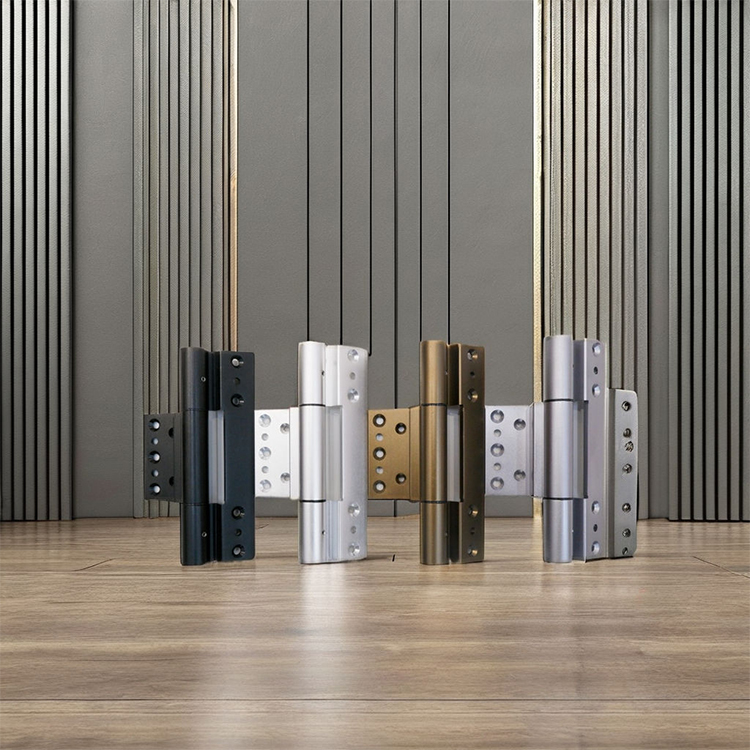
Looking for hardware solutions that meet European / American standards?
Use this guided inquiry modal to move from a generic quote form to a clearer technical conversation. Buyers can choose whether they need pricing, CAD / 3D files, or OEM / ODM support before sharing contact details.
Compatibility-first design across door / window systems
Repeatable production with clear inspection checkpoints
Documentation and change control for long-running programs
Responsive engineering support for fit and field feedback
The Pretty Joint Is Typically Where the Lie Starts
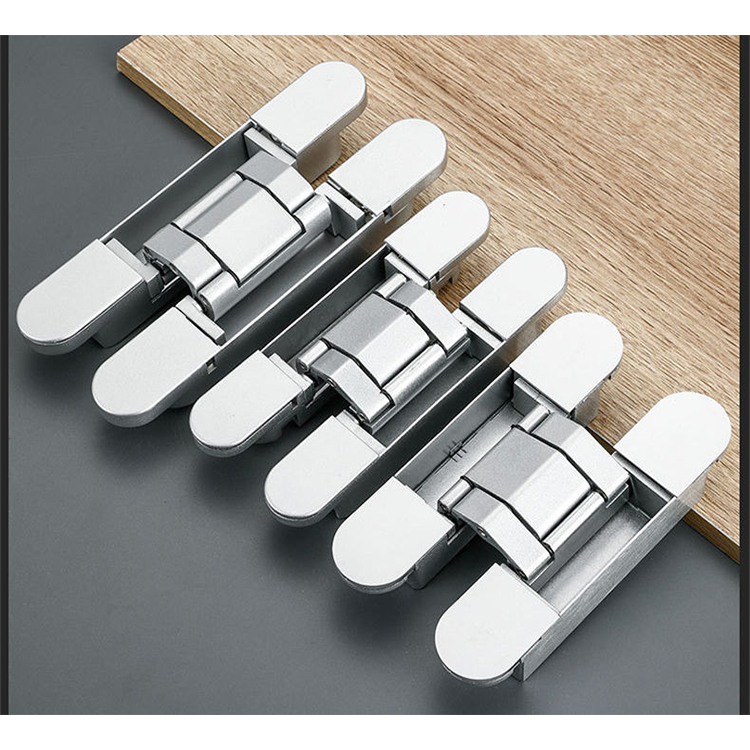
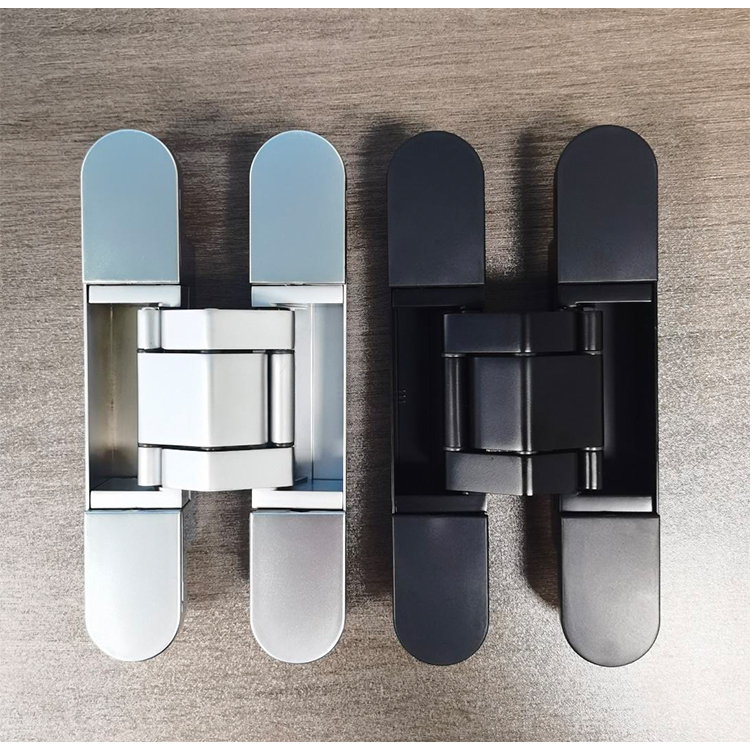
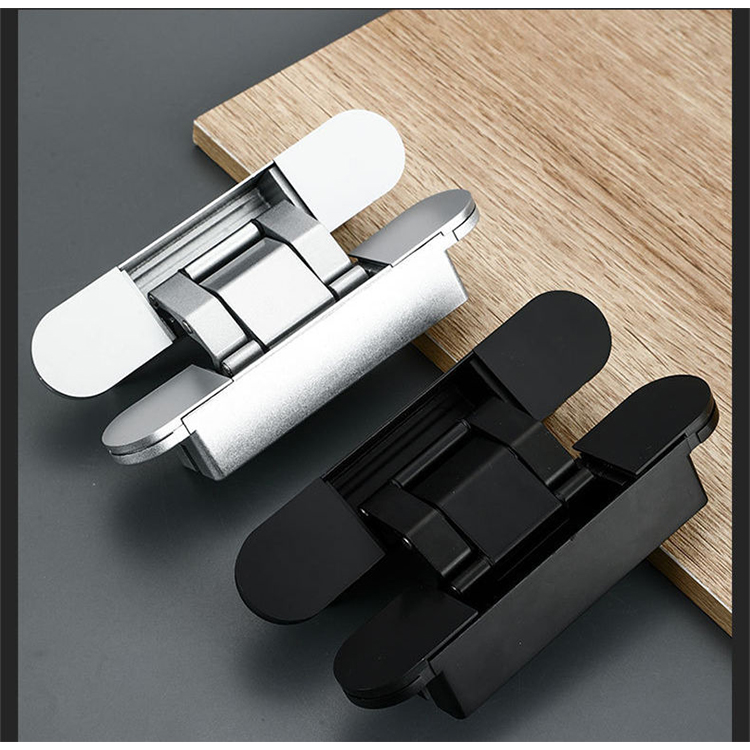
Concealed hardware offers.
However the filthy fact is that most Hidden Hinges issues do not begin inside the joint body; they start in the light weight aluminum profile, the milling pocket, the screw engagement, the wall surface density, the thermal break geometry, and the careless presumption that “close adequate” on a CNC drawing will certainly in some way come to be precise after anodizing, powder coating, transportation, website boring, and installer improvisation.
So why do buyers still request for joint costs prior to sending out the account area?
I have watched this blunder too many times. A gorgeous flush light weight aluminum door example shows up. The invisible joints look pricey, the reveal line is tidy, the magazine image is ideal. Then the door starts rubbing after 3,000 cycles, the sash goes down 1.5 mm, the securing points deal with the caretakers, and every person condemns the hinge vendor. In some cases the hinge is guilty. Usually, the account handling was guilty first.
For customers working with light weight aluminum windows and door systems, begin with the real windows and door hinges group, not a random joint screenshot from a trade convention conversation. The joint is not precious jewelry. It is a lots path.
What Account Handling Actually Implies for Concealed Hinges
Account processing for Concealed Hinges implies machining the door sash and framework account so the joint body, fixing screws, adjustment device, rotation axis, cover clearance, and load-bearing surface areas fit the examined geometry without damaging the aluminum section or interrupting the door’s sealing, securing, drainage, and long-term placement.
That appears monotonous. Good. Dull is where guarantee expenses go to die.
For aluminum account hid joints, the processing job usually includes CNC milling, pocket cutting, drilling, tapping, reinforcement plate prep work, countersinking, deburring, surface defense, and fitment evaluation. The goal is not simply to “make space” for the hinge. The objective is to preserve mechanical stability while hiding the hardware.
Right here is my blunt rule: if the profile illustration does not show joint pocket depth, hinge axis position, screw type, screw attack deepness, reinforcement technique, gasket clearance, layer allowance, and change variety, it is not a production illustration. It is an illustration with self-confidence.
And confidence does not hold a 90 kg door leaf.
Table of Contents
The Actual Risk: Small Machining Mistakes Come To Be Large Area Failures
A concealed hinge pocket is a small injury in the profile. Cut it badly, and the profile sheds tightness exactly where the load is being transferred. Cut it too shallow, and the hinge rests proud. Suffice also deep, and screw bite collapses. Miss the axis, and the door does not swing properly also if every screw is limited.
The United State Consumer Product Safety Commission has actually cautioned for several years that hundreds of children are treated in emergency situation departments after home window drops; in one CPSC release, the company cited regarding eight fatalities and roughly 3,300 injuries amongst children five and younger each year from home window drops. That is not a hinge figure, however it is a reminder that window equipment is not attractive metal. It controls human accessibility, movement, and risk. Check out the CPSC caution below: CPSC window safety warning.
The very same frame of mind uses inside the manufacturing facility. OSHA’s machine-guarding guidance claims relocating maker parts can create crushed fingers, amputations, burns, or loss of sight, which dangerous equipment functions need to be safeguarded when they can injure operators. Profile handling for concealed hinge machining needs is commonly done on saws, CNC facilities, drilling terminals, punch tools, and transmitting components. If your handling strategy disregards driver safety, it is not specialist production. It is good luck with billings. See OSHA’s guidance right here: OSHA maker securing overview.
And in 2025, OSHA renewed its National Emphasis Program on amputations in making for another 5 years. That matters since door and window hardware manufacturing facilities commonly stabilize repetitive machining threats till an injury or assessment pressures focus.
The Machining Requirements I Would Not Waive
Pocket Accuracy Comes Before Joint Brand Name
I do not care how well-known the joint brand is if the pocket is incorrect.
For hidden hinge account processing, I want the milling pocket controlled against the hinge supplier’s illustration, not duplicated from an old task. Also within concealed hinges, a 3D flexible design, a furniture-style concealed hinge, a heavy-duty architectural hinge, and a slim-frame light weight aluminum door hinge can call for various pocket depths, opening clearances, screw patterns, and reinforcement logic.
Common control points I would require prior to sampling:
Joint pocket size and width examined after finish, not only after raw machining
Pocket depth managed within the joint manufacturer’s resistance band
Turning axis lined up across all hinge settings
Burrs removed without rounding load-bearing sides
Screw holes pierced vertical to the taking care of surface
Tapped strings checked with go/no-go evaluates where threading is utilized
Support plates positioned before final fitment, not “added if needed”
Cover caps and adjustment access validated after the sash is put together
If the light weight aluminum wall is slim, the screw does not amazingly become architectural because the example really feels tight on the first day. In numerous slim aluminum accounts, specifically narrow-frame doors, the fixing location may need a support plate, embedded support, rivet nut, threaded insert, or a revamped extrusion wall surface. I prefer to have a slightly less classy account than a hidden hinge that remove under duplicated use.
For 6063-T5 or 6061-T6 light weight aluminum accounts, the processing plan need to define whether the bolt is entering into raw aluminum, steel reinforcement, stainless insert, or a cast/zinc joint plate. Mixing stainless fasteners, light weight aluminum, zinc alloy, seaside direct exposure, and inadequate coating damages is how galvanic deterioration creeps into the assembly.
Hard reality: rust is commonly bought at the quote phase.
Finishing Allocation Have To Be Included Prior To Production
Powder finishing and anodizing change the fit.
A hinge pocket that really feels excellent before ending up can become tight after coating build-up. A concealed hinge that needs change access can come to be annoying when covering bridges an edge or thickens a cover fit. This is why I distrust example authorizations done on incomplete raw aluminum unless the customer is just checking harsh geometry.
For export programs, request finished examples in the genuine color, real finish density, real gasket, genuine fastener, and genuine lock set. Then open and close the door. Gradually. Noisally. Consistently.
Handling Data Table: What to Control Prior To Approving Concealed Hinges
Processing Location
What to Inspect
Practical Target or Evidence
Failing Signs And Symptom If Overlooked
Hinge pocket milling
Size, size, depth, edge span, monotony
Verify against hinge drawing after finishing
Hinge rests happy, cover does not close, door rubs
Axis placement
Top, middle, and lower hinge centerline
Usage jig or CNC information control throughout all joint pockets
Specify screw type, pilot hole, torque, insert or backing plate
Screws loosen, hinge changes, sash drops
Profile toughness
Remaining wall surface density after pocket reducing
Check section drawing and tension area prior to machining
Profile fractures, flex increases, pivot remove
Gasket and lock interaction
Compression, keeper positioning, take care of pressure
Examination with the complete hardware collection mounted
Door feels rigid, multipoint lock misaligns
Surface area protection
Deburring, coating side protection, deterioration danger
Check cut edges and coating damages under light
White corrosion, finish peel, customer complaints
Installment repeatability
Fixture, jig, QC document, operator training
Use controlled process sheets and assessment checkpoints
Test passes, automation falls short
This is where the sector suches as to act “finest hidden hinges for aluminum doors” is an item question. It is not. It is a system inquiry.
Specifications and Test Language Buyers Should Use
If a provider talks just regarding “smooth opening” and “superior feeling,” request for examination language.
BHMA’s ANSI/BHMA A156.1 criterion for butts and hinges includes cycle examinations, side and vertical wear tests, friction tests, strength tests, surface tests, and dimensional requirements. That does not instantly cover every concealed hinge layout or every light weight aluminum profile problem, however it offers purchasers the proper perspective: hinges need to be judged by quantifiable efficiency, not brochure adjectives.
For hidden joints utilized in door systems, I would certainly ask the provider for:
Cycle test target, such as 100,000, 200,000, 500,000, or greater relying on responsibility course
Door leaf weight rating with hinge amount plainly mentioned
Maximum door height and width
Opening angle, such as 90 °, 105 °, 120 ° -, or 180 ° Adjustment range in X, Y, and Z instructions
Salt spray examination hours, particularly for seaside markets
Product statement: 304 stainless-steel, 316 stainless-steel, zinc alloy, light weight aluminum alloy, or combined building and construction
Layer and coating compatibility with the last door profile
Installation torque referral
Replacement and solution gain access to approach
If fire-rated doors are entailed, stop guessing. Concealed joints must be validated as part of the fire door assembly, not presumed acceptable since the hinge looks thick. A concealed joint can be solid and still be wrong for a fire-rated opening.
It will certainly show you the blunder eventually: flex around the pocket, damaged covering at the hinge side, screw helping to loosen, gasket over-compression, expose drift, or lock misalignment. Narrow-frame systems are worse due to the fact that designers get rid of visible mass, after that anticipate hidden equipment to lug the same load inside less material.
I such as slim accounts. I do not such as unethical slim profiles.
When a customer sends out only the door render and asks for concealed hinge installation requirements, the responsible answer is: send the area illustration. Send out the sash weight. Send out the door size. Send the opening angle. Send out the locking system. Send the finish. Send the market requirement. Send the annual volume. Send out the problem history if this is a substitute program.
That is not provider arrogance. That is fundamental engineering.
This is additionally why hidden joint sourcing must get in touch with the full system. The hinge communicates with lock boxes and gearboxes, multipoint locks, manages, gaskets, strikes, drainage courses, fasteners, and installment tools. A joint can be mechanically sound and still create a bad door if the transmission traveling, caretaker setting, and gasket compression deal with the joint axis.
Just How to Refine Profiles for Concealed Hinges Without Creating Warranty Debt
Begin with the joint drawing, but do not finish there.
I would certainly develop the authorization process in this order:
Verify door kind: casement, entrance, porch, interior light weight aluminum door, commercial door, or slim-frame system.
Confirm fallen leave size and weight: width, height, glass density, panel framework, and anticipated customer tons.
Validate joint amount: 2 joints may look cleaner, yet three hinges typically regulate lots and expose much better.
Validate account area: wall thickness, chamber format, thermal break, screw access, and drainage.
Validate machining information: where the CNC recommendations the account, and exactly how finish influences the last pocket.
For custom programs, this is specifically where OEM/ODM equipment growth earns its cash. Any individual can price quote a hinge. Less suppliers can manage the account, joint, machining, testing, packaging, and reorder security as one system.
My Field Checklist Prior To I Trust Hidden Hinges
Here is the list I use when a vendor or customer informs me the concealed joint is “prepared.”
Short answer: prove it.
Lengthy answer: I want to see the hinge set up in the real aluminum profile, with the final finish, final screws, final gasket, last lock, and last door weight, then I desire the door opened, closed, changed, eliminated, re-installed, and examined for marks, activity, and helping to loosen.
The checklist:
Does the door open to the promised angle without frame get in touch with?
Does the reveal stay also after duplicated procedure?
Is there modification left after the door is aligned?
Are all repairing screws obtainable without destroying the surface?
Are cut edges shielded after CNC processing?
Does the gasket compress without requiring the handle?
Does the lock involve without training or dragging the door?
Are hinge covers stable after vibration and use?
Can the installer repeat the outcome on website without manufacturing facility techniques?
Is the examination document connected to set number and profile variation?
If the response is no, do not approve mass production.
For customers exporting to Europe or The United States and Canada, set this with a wider fenestration hardware compliance testimonial prior to you produce a product line that looks premium but acts like a prototype.
The Acquiring Mistake No One Wishes To Admit
Numerous buyers request for surprise hinges due to the fact that the door looks cleaner.
Penalty. However concealed hinges are not an aesthetic upgrade unless the profile was designed for them. They require a lot more precise machining, stronger inner assistance, cleaner assembly technique, and much more straightforward screening than lots of noticeable joints. A visible butt hinge can forgive a lot. An unseen hinge conceals the mistake until the door starts whining.
And doors whine expensively.
If you desire hidden hinges, stop dealing with the hinge as a solitary SKU. Treat it as a machining-and-system choice. The profile has to be refined for the hinge; the joint needs to be selected for the account; the installer needs to receive a repeatable approach; and the supplier has to support the attracting review before manufacturing.
That is the distinction in between hidden equipment and hidden obligation.
FAQs
What are profile processing demands for concealed joints?
Account processing needs for concealed hinges are the machining, support, boring, touching, deburring, layer, and inspection regulations needed to make the door or structure profile accept concealed hinges securely, properly, and continuously without weakening the aluminum area or troubling swing, securing, locking, drainage, or long-lasting positioning.
In functional terms, this indicates the joint pocket should match the hinge drawing, the screw connection need to have enough bite, the turning axis have to remain consistent, and the last covered profile must be examined with the complete door equipment system.
Just how do concealed joints vary from concealed hinges and unnoticeable hinges?
Hidden joints, hidden joints, and unseen hinges typically explain equipment designed to vanish when the door is closed, however the terms are often made use of freely across furnishings, interior doors, light weight aluminum systems, and building doors, so purchasers have to validate load rating, opening angle, adjustment variety, profile compatibility, and installment technique.
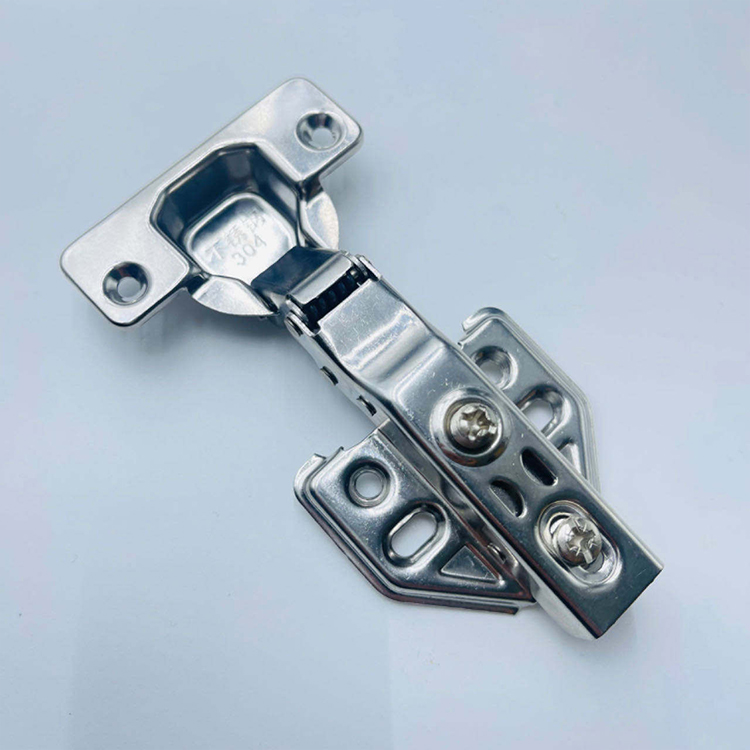
I do not trust the name alone. A cupboard concealed hinge and a durable light weight aluminum account concealed hinge may both be “unnoticeable,” yet their lots paths, pocket needs, screw systems, and security expectations are entirely different.
What tolerances matter most in concealed joint profile handling?
One of the most sensitive tolerances in hidden joint account processing are hinge pocket deepness, pocket size, pocket position, hinge-axis positioning, screw-hole area, perpendicular boring, layer allowance, and staying wall density after machining, due to the fact that little mistakes in these locations can create rubbing, expose drift, weak screw holding, or failed change.
If I had to choose just 3, I would see pocket deepness, axis alignment, and screw involvement. Those are the places where an attractive example comes to be an ugly service warranty data.
Can concealed hinges be used on aluminum profile doors?
Concealed hinges can be utilized on light weight aluminum profile doors when the account area has sufficient interior room, wall stamina, reinforcement, screw assistance, machining accessibility, and gasket clearance to bring the door weight while maintaining the required opening angle, modification array, sealing efficiency, lock positioning, and coating defense after processing.
The vital phrase is “when the profile enables it.” If the extrusion was never created for a concealed joint pocket, forcing one right into the section can compromise the door precisely where the lots is concentrated.
Exactly how do you process accounts for hidden joints?
To process accounts for hidden hinges, suppliers ought to start from the hinge illustration, verify the light weight aluminum profile area, create CNC milling and drilling programs, prepare support or inserts, deburr cut sides, shield the coating, put together the actual door hardware set, and check the completed example under lots before mass production.
The bad version is reducing initially and describing later. The specialist version is attracting testimonial, machining strategy, sample validation, QC checklist, set traceability, and regulated modification management.
What triggers hidden hinge installment failing?
Concealed joint installation failure is usually caused by wrong pocket measurements, weak screw involvement, missing out on reinforcement, poor axis placement, layer accumulation, frame distortion, incompatible gaskets, lock imbalance, incorrect fastener torque, or using a joint that was selected by look instead of door weight and account geometry.
The hinge obtains blamed due to the fact that it shows up throughout repair work. But the genuine reason is typically concealed inside the profile, which is specifically why concealed hinge machining demands should be determined before manufacturing tooling is approved.
Your Next Action: Send the Drawing Prior To You Buy the Joint
If you are intending aluminum account concealed joints for a new door or window system, do not begin with price.
Begin with proof.
Send the account section, sash or door weight, opening dimension, finish demand, target audience, securing system, gasket format, and expected annual volume. Request a joint suggestion only after the machining method, reinforcement plan, and assessment checkpoints are clear. If you already have complaints from field installations, send out those as well. The fastest means to solve a hidden joint issue is to stop hiding the information.