هل تبحث عن حلول أجهزة تلبي معايير الاتحاد الأوروبي/الولايات المتحدة؟
بدلاً من ملء استمارة استفسار طويلة، اختر الموضوع الذي يهمك أولاً وسنرشدك إلى الخطوة التالية الصحيحة.

المقابض تحكي قصصًا.
عندما يبدأ مقبض النافذة في الاهتزاز أو الترهل أو الالتصاق أو الانفصال عن قاعدته، غالبًا ما تكون هذه الحركة المرئية هي العرض الأخير لخلل بدأ في مكان آخر: داخل مقبس المحور، أو خلف لوحة التثبيت، أو على طول حافة الجناح، أو في صندوق التروس الذي يتحمل حملاً زائداً.
لماذا لا تزال الصناعة تُصوِّر هذه المشكلة على أنها مشكلة تتعلق ببرغيين فقط؟
موقفي واضح وصريح: لا تشد مقبض النافذة أبدًا قبل أن تعرف سبب ارتخائه. فقد يخفي مفك البراغي العلامات الظاهرة لمدة أسبوع، في حين تستمر الخيوط المتآكلة، أو انخفاض إطار النافذة، أو التآكل، أو المقاومة المفرطة للقفل في إتلاف الآلية.
الآثار المترتبة على السلامة ليست مجرد افتراضات نظرية. في 7 أبريل 2026، أفادت لجنة سلامة المنتجات الاستهلاكية الأمريكية أن ما يقدر بنحو 5,600 طفل في سن 12 عامًا أو أقل تلقوا العلاج في أقسام الطوارئ إثر سقوطهم من النوافذ في عام 2024. واحتاج حوالي ثلثهم إلى دخول المستشفى. كما سجلت لجنة سلامة المنتجات الاستهلاكية (CPSC) ما لا يقل عن 25 حالة وفاة بين عامي 2021 و2023، حيث وقعت 80% من مايو إلى أكتوبر.
المقبض ليس بحد ذاته واقياً أمانياً. لكن المقبض الذي لم يعد يغلق الفتحة أو يقفلها أو يتحكم فيها بشكل صحيح يتطلب اهتماماً فورياً.
لا يقتصر دور مقبض النافذة على توفير نقطة إمساك ليدك فحسب. ففي النوافذ ذات الأجنحة المتحركة، أو النوافذ القابلة للإمالة والدوران، أو النوافذ المزودة بقفل «إسبانيوليت»، يقوم المقبض بنقل القوة التي يبذلها المستخدم عبر عمود مربع أو واجهة تروس إلى جسم القفل، أو سكة التشغيل، أو الكامات، أو البكرات الفطرية، أو الخطافات، أو نقاط القفل الأخرى.
الرافعة الظاهرة ليست سوى الجزء الأمامي.
يمكن أن يتراوح سعر مقبض بديل رخيص ما بين 8 و20 جنيهًا إسترلينيًّا تقريبًا في سوق التجزئة بالمملكة المتحدة، في حين أن التوجيهات المنشورة لعام 2025 حددت تكلفة الاستبدال الاحترافي من حوالي 40 جنيهًا إسترلينيًّا فما فوق. ويغري هذا الفارق في السعر الناس باستبدال المقبض على الفور. لكن استبدال مقبض بقيمة 15 جنيهًا إسترلينيًا دون التحقق من طول المحور، ومسافات البراغي، ومقاومة القفل، ومحاذاة المصراع يُعد توفيرًا زائفًا.
قبل طلب أي شيء، حدد الطبقة التي تعطلت:
تلك الطبقة الرابعة هي التي تتسبب في أكبر قدر من عمليات الاستبدال غير الضرورية.
الدليل التفصيلي لـ منع الانغلاق في أقفال النوافذ متعددة النقاط ويشير إلى نفس المشكلة الميكانيكية: فكل من انحناء المفصلات، وتشوه الإطار، والمقابض المشدودة، والأختام المضغوطة بشكل مفرط، وملحقات التثبيت الملوثة، والتآكل، كلها عوامل يمكن أن تجبر المقبض على تحمل المقاومة الناتجة عن أجزاء أخرى.
لذا توقف عن إلقاء اللوم على الذراع.
يرجى الرجوع إلى هذا الجدول قبل التعامل مع براغي التثبيت.
| الأعراض | الأسباب الأكثر احتمالاً | اختبار تشخيصي سريع | الإجراء الأول الصحيح | توقف عن استخدام النافذة عندما |
|---|---|---|---|---|
| تتحرك قاعدة المقبض مقابل الإطار | براغي مفكوكة، خيوط ملولبة متآكلة، حديد تسليح ضعيف، لوح قاعدة متصدع | ثبّت الذراع في مكانه وحرك القاعدة فقط | قم بإزالة الأغطية وفحص ثبات التثبيت | ينفصل القاعدة، أو تدور البراغي بحرية، أو يتشقق المقطع الجانبي |
| الذراع يتمايل لكن القاعدة تظل ثابتة | تآكل مقبس المحور، ارتخاء تثبيت المحور، تآكل المتابع، تآكل داخلي في المقبض | أمسك القاعدة وحرك الذراع من جانب إلى آخر | قم بإزالة المقبض وفحص تثبيت المحور | يمكن للرافعة أن تدور دون تحريك القفل |
| تدلي المقبض بعد التحرير | تعطل زنبرك الرجوع، تآكل مزلاج التثبيت، تحميل زائد على علبة التروس، كسر في مانع الحركة الداخلي | اختبر المقبض الذي تم إزالته بعيدًا عن النافذة | استبدل المقبض إذا كان لا يزال يتدلى خارج النافذة | لم يعد في وضع محدد، سواء كان مفتوحًا أو مغلقًا |
| لا يمكن استخدام المقابض إلا عندما تكون النافذة مغلقة | اختلال محاذاة الحافظ، انخفاض الجناح، انضغاط الحشية، تشوه الإطار | حرك المقبض مع فتح النافذة، ثم إغلاقها | ضمان المحاذاة الصحيحة قبل استبدال الأجزاء | يتطلب ذلك استخدام قوة كبيرة أو طحنًا أو ثنيًّا |
| يمكن التعامل مع العصي في كل من الوضعين المفتوح والمغلق | تلف علبة التروس، والتآكل، والتلوث، وانحناء سكة التوجيه | قم بإزالة المقبض واختبر الآلية بحذر | فحص علبة التروس ومكونات نظام الدفع | يحدث التواء في المغزل أو قفزه أو توقفه فجأة |
| تتخلخل البراغي بشكل متكرر | طول المسمار غير مناسب، خيوط المسمار تالفة، اهتزاز، حركة القاعدة، سطح تثبيت غير مناسب | تحديد موضع المسمار ومراقبة حركته | قم بتصحيح نظام التثبيت، لا تكتفِ بضبط عزم الدوران فقط | ترتفع رؤوس البراغي أو تتسع فتحات التثبيت |
| يمكن تدوير المقبض لكن النافذة تظل مغلقة | محور مكسور، ومتابع متآكل، وأسنان علبة التروس تالفة | أزل المقبض وافحص دوران المحور | استبدال مكون محرك الأقراص التالف | لا يمكن تأمين النافذة أو فتحها بأمان |
| تأثيرات قاسية بعد هطول الأمطار أو التعرض للظروف الساحلية | تلوث الكلوريد، والتآكل، وتلف الطلاء، وزيوت التشحيم الملوثة | افحص البراغي والمحور والقضبان والوصلات المخفية | قم بتنظيفها وتجفيفها، وتقييم مدى التآكل، ثم قم بتزييتها بشكل صحيح | يظهر صدأ أحمر، أو مكونات متشققة، أو أجزاء متصلبة |
هناك تحذير واحد أهم من البقية: لا تحاول إجبار مقبض عالق على الحركة. فإذا كان الجناح غير محاذي بمقدار 1–2 مم، فإن استخدام قوة رافعة إضافية قد يحول مشكلة هندسية قابلة للتصحيح إلى تلف في المتابع، أو انحناء القضيب، أو تعطل صندوق التروس.
دليل الموقع حول تفاوتات الإطار التي تمنع ربط الأجهزة وهذا أمر مفيد هنا لأن سلاسة التشغيل تعتمد على تحرك الإطار، والجزء المتحرك، ومثبتات الإطار، والمفصلات، والقفل على طول المحاور المقصودة. ولا يمكن للمقبض أن يعوض إلى ما لا نهاية عن الانحراف الهيكلي.
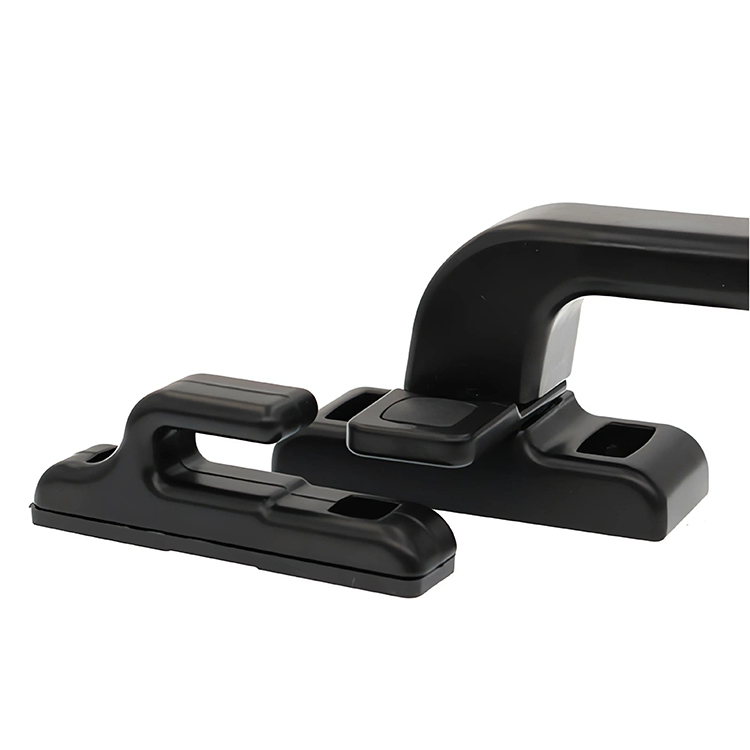
الاهتزاز ليس عيبًا واحدًا.
إذا تحركت اللوحة الأساسية بالكامل باتجاه إطار النافذة، فهذا يعني أن نظام التثبيت معطل. أما إذا بقيت اللوحة ثابتة بينما يتأرجح الذراع حول محور العمود، فهذا يعني أن جسم المقبض أو ملاءمة العمود أو متابع القفل قد تعرضوا للتآكل.
قم بإزالة أغطية البراغي الزخرفية دون إتلاف الطلاء. قم بتثبيت المقبض، ثم افحص كلا المثبتين.
أنت تبحث عن:
لا يكون التثبيت فعالاً إلا عندما تظل الخيوط والسطح الأساسي سليمين. لا تقم بتركيب برغي أكبر حجمًا تلقائيًّا. فقد يؤدي استخدام مثبت أكبر من اللازم إلى تشقق المقطع البوليمري، أو إتلاف التعزيزات، أو التداخل مع علبة التروس، أو ترك مسافة حافة ضئيلة جدًّا حول الثقب.
ولا تفرط في استخدام مانع انزلاق الخيوط الدائم على المسمار. قد تكون منتجات تثبيت الخيوط منخفضة القوة مناسبة لبعض التجميعات المعدنية، لكنها لا ينبغي أن تحل محل التداخل الصحيح للخيوط، وطول المسمار المناسب، وسطح التثبيت المستقر.
قم بفك المقبض وفحص العمود. تستخدم التصاميم الشائعة لأقفال الإسبانيوليت عمودًا مربعًا مقاس 7 مم، وغالبًا ما تستخدم مسافات تثبيت تبلغ 43 مم، لكن كلمة “شائعة” لا تعني أنها عالمية. قم بقياس المكون الفعلي.
تأكد من:
إن دليل تصنيف مقابض النوافذ EN 13126-3:2023 يقدم معايير مرجعية مفيدة. وتمثل فئات المتانة H1 وH2 وH3 5,000 و10,000 و20,000 دورة تشغيل مختبرية، في حين أن اختبار فئة الاستخدام يأخذ في الاعتبار أيضًا اللعب الحر والتشوه وعزم الدوران وقوة التوصيل. ولكن حتى المقبض من فئة H3/180 يمكن أن يتأرجح بعد تركيب غير سليم أو مقاومة مفرطة من علبة التروس.
يتم التحكم في دورات المختبر، أما المباني فلا.
يتدلى مقبض النافذة إلى أسفل عن موضعه الأفقي أو الرأسي المقصود بعد أن يتركه المستخدم. غالبًا ما يفترض الناس أن زنبرك الرجوع قد تعطل، وأحيانًا يكون هذا التشخيص صحيحًا.
اختبره جيدًا.
أزل المقبض وحركه بعيدًا عن النافذة. إذا كان لا يزال يتدلى، أو يبدو غير ثابت، أو لا يصل إلى مواضع النقر الصحيحة، أو يسقط بفعل ثقله، فمن المحتمل أن تكون مجموعة المقبض قد تعرضت للتآكل الداخلي.
ولكن إذا كان المقبض يعمل بشكل طبيعي بعد إزالته، فربما تكون آلية القفل هي التي تدفعه خارج موضعه.
هذا الاختلاف مهم.
قد يؤدي عدم محاذاة المصراع إلى تحميل الكامات ضغطًا زائدًا على مساندها. كما أن الحشية المشدودة قد تزيد من عزم الدوران اللازم للإغلاق. وقد يعيق سكة التوجيه المتآكلة حركة المصراع. أما صندوق التروس البالي فقد يتوقف بدقة بين الموضعين، مما يترك الذراع معلّقًا كما لو أن الزنبرك قد تعطل.
اطرح ثلاثة أسئلة:
يشير نمط “نعم، نعم، نعم” إلى وجود محاذاة أو حواجز أو أختام أو مشكلة في تحميل القفل، وليس إلى وجود عيب في المقبض.
وهذا هو السبب أيضًا الذي يجعل من الضروري أن يقوم المشترون بتقييم كل شيء أنظمة مقابض الأبواب والنوافذ حسب نوع المحرك، وواجهة المحور، وهندسة التثبيت، ونظام الفتح المقصود، بدلاً من اختيار قطعة بديلة بناءً على اللون والشكل الخارجي فقط.
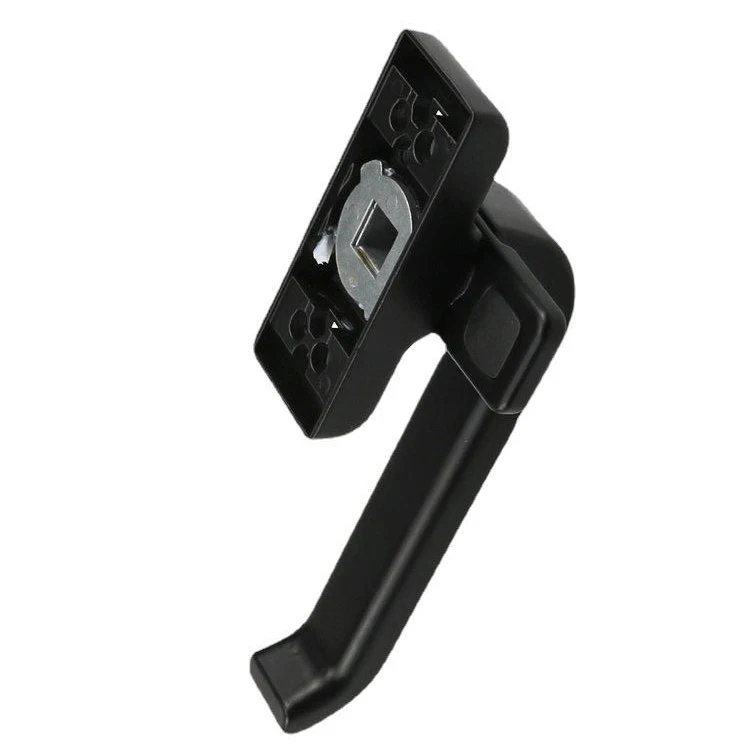
القوات تخفي الأدلة.
عندما يتحرك المقبض بحرية أثناء فتح النافذة، لكنه يصبح صعب الحركة عند إغلاق الجناح، فهذا يشير عادةً إلى وجود مقاومة عند نقاط القفل. وتشمل الأسباب الشائعة انخفاض الجناح، أو تشوه الإطار، أو إزاحة قفل الإطار، أو انتفاخ الخشب، أو الأوساخ، أو الطلاء، أو تلف الأختام، أو تآكل المفصلات.
لماذا نستبدل برنامج المراسلة؟
استخدم تسلسل العزل التالي:
أدر المقبض ببطء حتى يكتمل حركته بالكامل. راقب الكامات القفلية، والقضبان، والخطافات، أو اللسانات.
إذا انغلق الآلية وهي غير ملامسة للإطار، فقم بفحص المقبض، والمحور، وعلبة التروس، وقضيب التوجيه، ومسار التلوث.
ارفع المصراع برفق دون لويه، ثم اختبر المقبض مرة أخرى.
إذا كان الضغط الخفيف يجعل المقبض أسهل في الدوران، فهذا يعني أن تآكل المفصلة أو انخفاض المصراع قد أدى إلى ابتعاد القفل عن موضع تثبيته.
استخدم قلمًا قابلًا للإزالة أو طباشيرًا أو مادة نقل على نقاط القفل لتحديد المكان الذي يبدأ فيه التلامس. لا تقم بصقل أو تلميع أجزاء القفل بشكل عشوائي. فقد تؤدي إزالة أي مادة إلى ضعف التثبيت، أو ضغط غير متساوٍ للمادة المانعة للتسرب، أو حدوث ثغرة أمنية.
يحمل الهواء الساحلي أملاح الكلوريد، بما في ذلك كلوريد الصوديوم (NaCl). ويمكن للرطوبة أن تؤدي إلى تراكم هذه الرواسب حول البراغي، والزنبركات، ومآخذ المحاور، والطلاءات التالفة، والمفاصل المعدنية المخفية.
قم بتنظيف الآلية باستخدام منتج معتمد من قبل الشركة المصنعة للنافذة أو الأجزاء المعدنية. تجنب معالجة كل قفل لزج باستخدام رذاذ اختراق متعدد الأغراض. فقد تؤدي بعض المنتجات التي تحتوي على نسبة عالية من المذيبات إلى إزالة الشحوم الموجودة، أو جذب الأوساخ، أو إتلاف أنواع معينة من البلاستيك، أو ترك الآلية جافة بعد تبخر المذيب.
يقلل التشحيم من الاحتكاك. لكنه لا يصلح القضبان الملتوية، أو التروس البالية، أو المسامير المترهلة، أو الخيوط المتآكلة، أو الإطار غير المستوي.
تُعد قضية سلامة النوافذ في هارينجي لعام 2019 مثالاً يبعث على التأمل. فقد اكتشف المحققون خللاً في آلية «الإمالة والدوران» أدى إلى تداخل وضعَي التشغيل، في حين أن نقص الصيانة — ولا سيما التشحيم — ربما يكون قد منع المصراع من الانغلاق تلقائيًا على المحدد. وخلص الطبيب الشرعي في عام 2020 إلى أن الحادث المميت ما كان ليحدث لو تم تعطيل فتح النافذة ريثما يتم إصلاحها بشكل دائم.
هذا هو الموقف المتشدد: لا ينبغي أن تظل آلية الإغلاق أو التقييد المعيبة قابلة للتشغيل بشكل عادي بينما ينتظر شخص ما وصول قطع الغيار.
عادةً ما تنقسم المثبتات السائبة إلى أربع مجموعات.
هذه هي الحالة الأبسط. قم بفكها، وافحص الخيوط والفتحة، وتأكد من صحة الطول والقطر، ثم أعد تركيبها وفقًا لمتطلبات عزم الدوران المحددة من قبل الشركة المصنعة.
لا تعتمد على التخمين في تحديد عزم الدوران. فقد تؤدي البراغي الصغيرة المستخدمة في التثبيت إلى إتلاف طبقة البوليمر أو الركيزة الرقيقة المصنوعة من الألومنيوم قبل أن تشعر بأنها “مشدودة بشكل صحيح” عند استخدام مفك يدوي.
لقد تعطل الخيط أو مادة الاستقبال. سيؤدي الشد المتكرر إلى توسيع الثقب.
قد يتطلب الإصلاح استخدام ملحق إصلاح معتمد، أو تعزيز بديل، أو أداة تثبيت هندسية مختلفة، أو تغيير الموقع بما يتوافق مع تصميم المنتج، أو استبدال المكون التالف. ويعتمد الاختيار الصحيح على مادة الإطار وبنية الجدار.
قد يبدو المسمار محكم الربط في حين تظل قاعدة المقبض غير محكمة، وذلك لأن طرف المسمار قد وصل إلى قاع ثقب أعمى أو لامس أحد المكونات الداخلية.
قارن طول المسمار بما يلي:
تسمح القوالب الرقيقة، أو الفواصل البوليمرية اللينة، أو الجدران الرقيقة، أو التجاويف غير المدعمة بالحركة حتى عندما تظل البراغي محكمة الربط.
هذه مشكلة تتعلق بالتصميم أو الواجهة. فزيادة عزم الدوران غالبًا ما تؤدي إلى تشويه القاعدة، أو تشقق الطلاء، أو سحب رأس المسمار إلى داخل اللوحة.
للحصول على مجموعة أوسع من المكونات، فإن مورد لتصميم تجهيزات النوافذ والأبواب يربط بين المقابض والمفصلات والأقفال والمزالج والمثبتات وهندسة الإطار. وتُعد هذه النظرة النظامية أكثر فائدة بكثير من التعامل مع كل ذراع منفصل باعتباره قطعة غيار معزولة.
قم بإصلاح المقبض عندما يكون العطل محدودًا وواضحًا، ويكون هيكله سليمًا. واستبدله عندما تتآكل مكوناته الداخلية أو تتشقق. وقم بإحالة المهمة إلى مستوى أعلى عندما تكون هناك شكوك بشأن السلامة أو القفل أو المحاذاة أو سلامة الهيكل.
تنص هيئة الصحة والسلامة في المملكة المتحدة على أنه ينبغي عمومًا أن يقتصر فتح النوافذ التي تشكل خطر السقوط في مرافق الرعاية الصحية والاجتماعية على 100 ملم أو أقل، على أن تكون أجهزة التقييد قابلة للفك فقط باستخدام أداة خاصة أو مفتاح. كما تستخدم إرشادات موقع GOV.UK عتبة الـ 100 ملم عند مناقشة أجهزة التقييد الثابتة ووسائل الحماية من السقوط بموجب الوثيقة المعتمدة O.
تختلف الالتزامات القانونية ومتطلبات الهروب من الحريق باختلاف المباني. لا تقم أبدًا بتركيب مقبض يُغلق بالمفتاح، أو جهاز تقييد، أو تثبيت دائم دون التحقق من الطريقة المتوقعة لهروب شاغلي المبنى في حالة نشوب حريق.
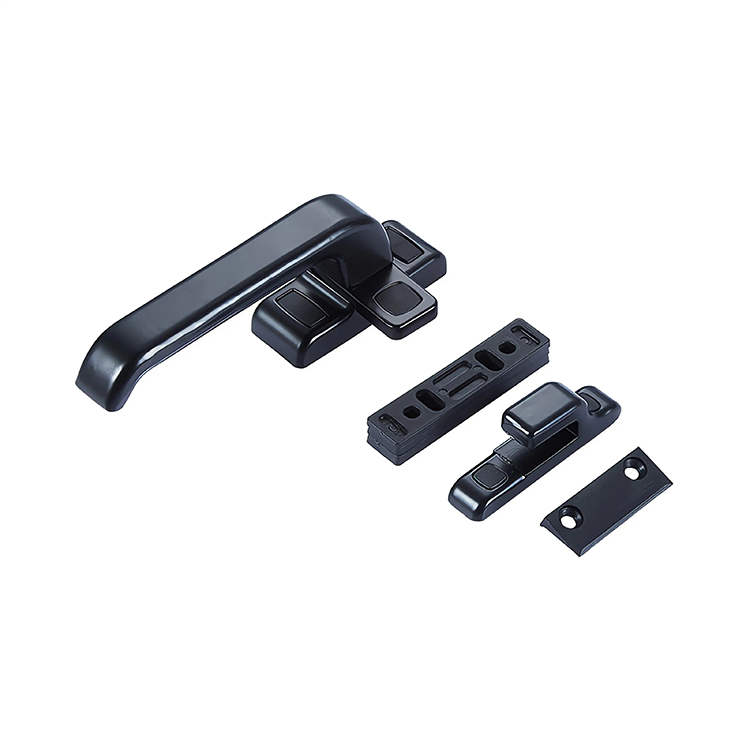
مقبض النافذة المتأرجح هو مجموعة رافعة تعاني من تلاعب قابل للقياس من جانب إلى آخر أو دوران ناتج عن براغي تثبيت مفكوكة، أو مواد تثبيت متآكلة، أو تجويف عمود دوران متآكل، أو انخراط عمود دوران ضحل، أو انثناء لوحة القاعدة، أو تآكل داخلي في علبة التروس؛ ويعتمد الإصلاح الصحيح على تحديد أي جزء من أجزاء التوصيل يتحرك عندما تكون النافذة غير محملة.
ثبّت لوحة القاعدة على الإطار وحرك الذراع بشكل منفصل. تشير حركة القاعدة إلى نقاط التثبيت. أما حركة الذراع وحده فتشير إلى المقبض أو المحور أو متابع القفل.
مقبض النافذة المتدلي هو رافعة لم تعد تبقى في وضع السكون المقصود لها، وذلك لأن زنبرك الرجوع أو مزلاج التثبيت أو المحور أو وصلة العمود أو صندوق التروس المرتبط بها لا يستطيع الحفاظ على الزاوية المصممة؛ ويسمح اختبار المقبض بعد إزالته بالتمييز بين عطل داخلي في المقبض والمقاومة الناتجة عن آلية النافذة.
عادةً ما يحتاج المقبض الذي يتدلى خارج النافذة إلى الاستبدال. أما المقبض الذي يعمل بشكل طبيعي خارج النافذة، فيتطلب فحص القفل، ومثبتات الإغلاق، ومحاذاة الجناح، وضغط مانع التسرب.
يتم إصلاح مقبض النافذة العالق من خلال تحديد ما إذا كانت المقاومة ناتجة عن المقبض، أو العمود الدوار، أو علبة التروس، أو نقاط القفل، أو المثبتات، أو المفصلات، أو الأختام، أو التلوث، أو التآكل، أو محاذاة إطار النافذة، ثم معالجة السبب الجذري دون الضغط على الذراع بالقوة أو إزالة مادة المثبت قبل قياس نمط التلامس.
اختبر الآلية مع ترك الجناح مفتوحًا. إذا كان يتحرك بحرية، فركز على محاذاة الجناح وتلامسه مع الإطار. أما إذا ظل صعب الحركة، فافحص مكونات نظام التشغيل.
يمكن إحكام ربط مقبض النافذة المفكوك بأمان شريطة أن تظل البراغي المناسبة، واللولبات، وفتحات التثبيت، ولوحة القاعدة، ومواد الإطار، والمسافات الداخلية سليمة دون أي تلف؛ لكن إحكام الربط لا يُعد إصلاحًا صالحًا عندما تدور البراغي بحرية، أو تتسع فتحات التثبيت، أو يتشقق المقطع الجانبي، أو تؤدي مقاومة الآلية إلى فك أدوات التثبيت بشكل متكرر.
استخدم مفك براغي يدوي للتحكم في العملية. توقف عندما يتم تثبيت القاعدة بإحكام. لا تحاول تعويض تلف الخيوط بزيادة عزم الدوران.
يجب استبدال مقبض النافذة المعيب عندما يتعطل ذراعه أو زنبركه أو مزلاج التثبيت أو مقبسه أو زر القفل أو قطعة الصب أو واجهة المحور، في حين يجب إصلاح مشاكل المحاذاة أو التثبيت أو علبة التروس بشكل منفصل؛ لأن تركيب مقبض جديد على آلية مقاومة غالبًا ما يؤدي إلى إتلاف القطعة البديلة دون معالجة العطل الأصلي.
اختر المقبض الجديد بناءً على القياسات وواجهة التشغيل، وليس المظهر. تأكد من مقطع العمود، وطول العمود، ومراكز التثبيت، واتجاه اليد، واتجاه الدوران، والبروز، ونوع القفل، ومواصفات البراغي.
ابدأ بالنافذة الأسوأ.
افتحه. أغلقه. ادعم الجناح. افصل المقبض. افحص المحور. افحص البراغي. ضع علامة على نقاط التلامس الخاصة بالقفل. سجل المكان الذي تبدأ فيه المقاومة.
ثم اتخذ قرارًا واحدًا: إما إحكام الربط، أو إعادة المحاذاة، أو التشحيم، أو استبدال المقبض، أو إصلاح قاعدة التثبيت، أو فحص علبة التروس.
لا تستمر في إجباره على ذلك.
بالنسبة للمشاريع التجارية أو برامج الاستبدال أو مواصفات الشركات المصنعة للمعدات الأصلية (OEM)، يرجى الاطلاع على ما هو متاح مقبض النافذة وتكوينات الأجزاء المعدنية وتوثيق المواصفات الدقيقة للملف، والمغزل، ومراكز البراغي، ونوع المصراع، وآلية القفل، وظهور التشطيب، ومتطلبات الأداء قبل الموافقة على العينة.
ينبغي أن يؤدي إصلاح مقبض النافذة إلى أكثر من مجرد استعادة المظهر. بل يجب أن يعيد الحركة المتحكم فيها، والتثبيت المتين، والإحساس الواضح بالقفل، والتشغيل الآمن، والثقة في أن الدورة التالية للمقبض ستحقق بالضبط ما يتوقعه المستخدم.