Looking for hardware solutions that meet European / American standards?
Use this guided inquiry modal to move from a generic quote form to a clearer technical conversation. Buyers can choose whether they need pricing, CAD / 3D files, or OEM / ODM support before sharing contact details.
Compatibility-first design across door / window systems
Repeatable production with clear inspection checkpoints
Documentation and change control for long-running programs
Responsive engineering support for fit and field feedback
Here is the direct answer: EN 12209 covers mechanically operated locks and locking plates that are not multipoint locks, while EN 15685 covers mechanically operated multipoint locks and their coordinated locking plates.
The split matters.
A supplier may describe almost any long-faceplate product as a “multipoint lock,” but the applicable European standard depends on how many locking interactions exist, how far apart they are, whether they are linked, and whether one central mechanism controls them—not on the wording printed in a catalog.
So, is a four-bolt lock automatically covered by EN 15685?
No. And that is where expensive mistakes begin.
EN 15685 vs EN 12209: The 30-Second Comparison
Question
EN 12209:2024
EN 15685:2024
Main product scope
Mechanically operated locks and their locking plates, excluding multipoint locks
Mechanically operated multipoint locks and their locking plates
Typical product
Single-point mortice lock, rim lock, latch or localized lockcase
Central gearbox connected to hooks, bolts, mushrooms, rollers or clenching points
Operating layout
Locking action remains within one localized area
Two or more qualifying interaction points are linked and centrally controlled
Multipoint geometry
Excluded
At least two interaction points, normally more than 200 mm apart in the locked or thrown position
Locking plates included?
Yes
Yes, including coordinated plates or keepers used with the multipoint assembly
Mechanical cylinders included?
No
No
Electromechanical cylinders included?
No
No
Door handles included?
No
No
Window locks included?
No
No
Padlocks, safe locks and furniture locks included?
No
No
Whole fire-door performance certified?
No
No
Current European edition
EN 12209:2024
EN 15685:2024
The official scopes are unusually direct. BSI’s EN 12209:2024 scope expressly excludes mechanically operated multipoint locks, while BSI’s EN 15685:2024 scope sends ordinary mechanically operated locks back to EN 12209.
That mutual exclusion is the heart of the EN 15685 vs EN 12209 decision.
What the EN 12209 Standard Actually Covers
EN 12209:2024 is titled “Building hardware — Mechanically operated locks and locking plates — Characteristics and test methods.”
It applies to mechanically operated locks and their corresponding locking plates when those products are supplied as a complete product by one manufacturer or assembled from compatible subassemblies intended to work together.
In practical purchasing language, EN 12209 normally covers products such as:
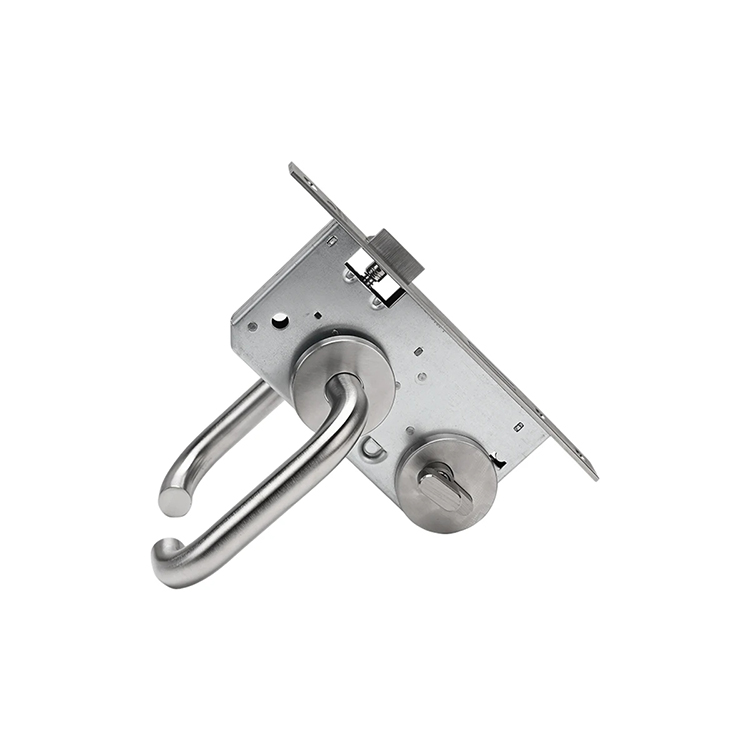
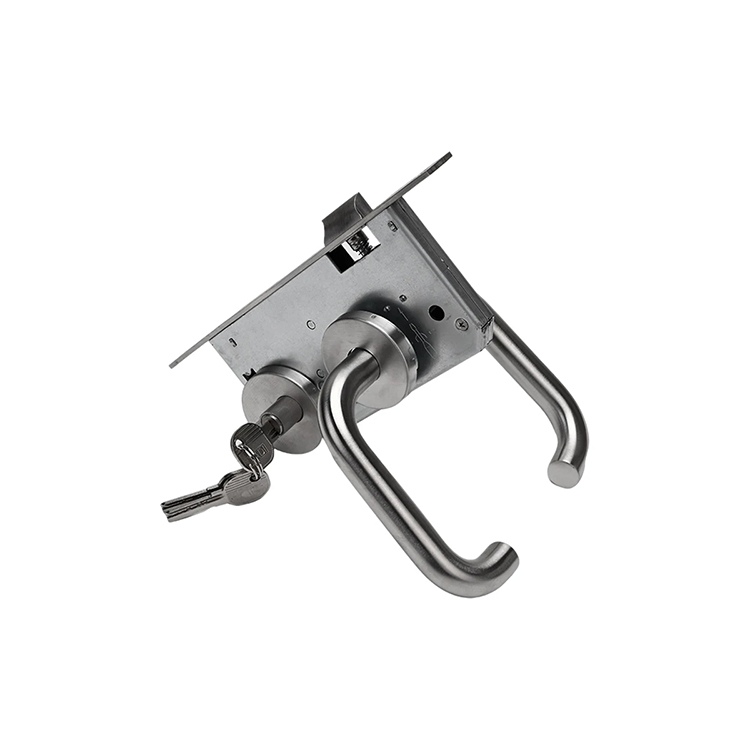
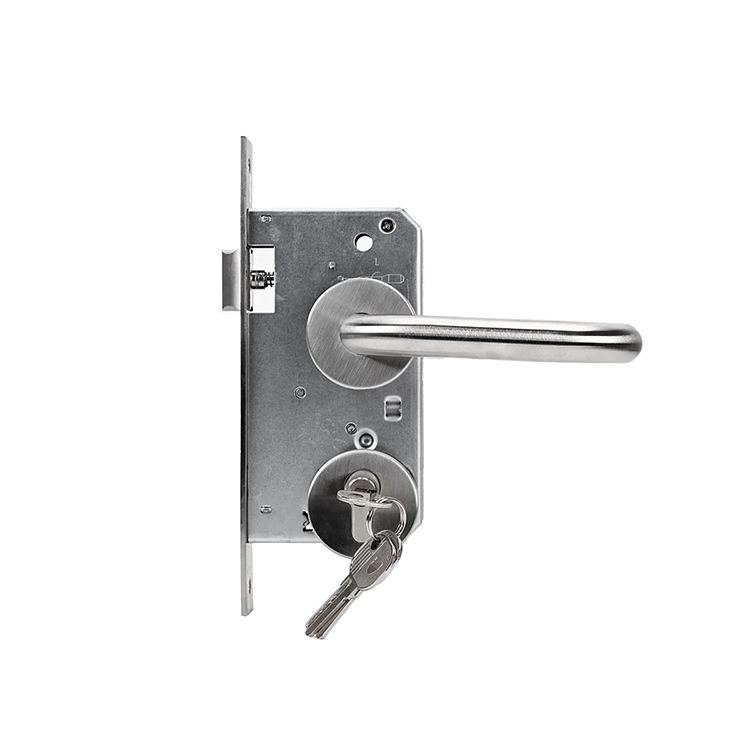
Mortice locks with a latch bolt and deadbolt in one localized lockcase
Mechanically operated rim locks
Mechanical latches
Lever locks
Cylinder-operated mechanical locks
Mechanical lockcases used with a separate strike or locking plate
Calling EN 12209 a “single-point lock standard” is useful shorthand, and professional industry coverage uses that description. Technically, however, buyers should focus on the mechanism and geometry, not merely count visible bolts.
A lock can contain a latch and deadbolt without becoming a multipoint lock. If those elements operate in one localized lockcase and do not create the distributed, centrally controlled configuration defined by EN 15685, EN 12209 remains the more likely standard.
What EN 12209 Tests
The 2024 edition addresses product characteristics and test methods associated with:
Category of use
Operating torque
Latch and bolt strength
Durability
Door mass and closing force
Corrosion resistance
Extreme-temperature operation
Mechanical security
Locking-plate resistance
Key-related security for applicable lever locks
Suitability classifications for fire- and smoke-control doors
This is real engineering work.
But it does not mean that a lock tested to EN 12209 makes any door automatically secure, fire-rated, insurance-approved or legally compliant. The standard evaluates defined characteristics of the lock and locking plate. It does not validate your complete door leaf, frame, hinges, glazing, seals, fasteners, installation tolerances and supporting structure.
The CE-Marking Trap Around EN 12209:2024
Here is a hard truth many sales documents avoid: the newest technical standard is not automatically the standard that supports a CE or UKCA marking claim.
When the 2024 editions were announced, the Guild of Architectural Ironmongers reported that BS EN 12209:2024 replaced the withdrawn 2016 edition for technical use, while BS EN 12209:2003 remained the cited harmonised and UK-designated edition for CE and UKCA marking purposes at that time. The same report stated that EN 15685:2024 was not yet harmonised or designated. The GAI’s report on the two lock standards explains this awkward split.
Standards publication and regulatory citation are separate events.
Always check the current EU harmonised-standard list, the current UK designated-standard list and the target market’s transitional rules before placing CE, UKCA or other conformity language on a declaration, label or datasheet.
What the EN 15685 Standard Covers
EN 15685:2024 is titled “Building hardware — Requirements and test methods — Multipoint locks, latches and locking plates — Characteristics and test methods.”
It is the dedicated multipoint lock standard.
Under EN 15685, a multipoint lock is not simply a lock with several pieces of metal visible on its faceplate. It is a centrally controlled lock with at least two qualifying interaction points—security, anti-separation or clenching points—where at least two points are more than 200 mm apart in the locked or thrown position.
That definition changes the buying conversation.
Consider a typical entrance-door assembly:
One central gearbox
One handle or cylinder input
One upper hook bolt
One central deadbolt
One lower hook or mushroom
Separate frame keepers
Connecting rods or a continuous mechanism
A long faceplate
When one operation drives the distributed locking points, you are looking at the kind of system EN 15685 was written to assess.
Buyers comparing actual configurations can review the available multipoint door lock range alongside the relevant standard, rather than trying to classify a product from a generic name such as “mortise lock.”
EN 15685 Covers the Coordinated System
This point is often missed.
EN 15685 covers multipoint locks that are:
Manufactured and placed on the market as an entire product by one producer; or
Assembled from subassemblies made by more than one producer, provided those subassemblies are designed to be used together.
That second route matters for OEM programs. A gearbox, extension rail, hook module and locking plate sourced from unrelated catalogs do not become a compliant EN 15685 system merely because an assembler managed to connect them.
Compatibility must be designed.
The standard’s classification structure addresses ten areas, including category of use, durability, door mass and closing force, fire- and smoke-door suitability, safety, corrosion and temperature, locking-point security, key identification where relevant, anti-separation security and clenching performance.
For practical engineering issues behind those tests, the site’s multipoint lock engineering resources provide useful context on geometry, compression, operating force and system integration.
What Counts as a Locking Point?
EN 15685 recognizes more than ordinary rectangular deadbolts.
A qualifying multipoint system may use:
Hook bolts
Claw bolts
Mushroom cams
Shoot bolts
Roller or compression points
Anti-separation points
Anti-lifting devices
Clenching points that draw the door toward the frame
Combined security and compression points
This is why simply asking, “How many bolts does it have?” is a weak sourcing question.
A better question is: Which points interact with which keepers, how are they controlled, how far apart are they, and what function does each point perform?
The Borderline Products Buyers Regularly Misclassify
The standards look clean on paper. Product catalogs are not.
Here are the configurations that cause the most confusion.
A Latch and Deadbolt in One Lockcase
This is normally an EN 12209 product, not an EN 15685 multipoint lock.
Two moving components do not automatically equal two distributed locking points. A conventional latch and deadbolt positioned close together in one central mortice case remain a localized locking arrangement.
Four Bolts Packed Into One Central Case
Still not automatically EN 15685.
The number four sounds impressive in a quotation, but EN 15685 looks for a centrally controlled distributed system in which qualifying points meet the standard’s spacing and interaction definition. Four bolts grouped within one compact case may remain within EN 12209 territory.
If the central gearbox drives hooks or other qualifying points located more than 200 mm apart, and the components are intended to work as one coordinated assembly, the product fits the multipoint concept far more clearly.
Separate Top and Bottom Surface Bolts
Not necessarily EN 15685.
If each bolt is operated independently, the arrangement may not satisfy the “centrally controlled” requirement. The complete door may use several locking devices, but that does not automatically make each device part of an EN 15685 multipoint lock.
Electromechanically Operated Locks
These generally send the specification toward EN 14846, not EN 12209 or EN 15685 alone.
A mechanical lock does not become electromechanical just because it is used with an electronic access-control credential elsewhere in the door. But when electrical energy controls or assists the locking or release function inside the lock, the applicable standards route changes.
Cylinders, Handles and Door Furniture
Both standards exclude cylinders and handles.
Depending on the product, related standards may include:
EN 1303 for cylinders for locks
EN 1906 for lever handles and knob furniture
EN 15684 for mechatronic cylinders
EN 16867 for mechatronic door furniture
EN 179 for emergency-exit devices
EN 1125 for panic-exit devices
A complete specification may therefore contain several standards at once. That is normal.
The lock category is only one layer of the assembly. Buyers can compare the wider product families in the window and door lock catalog before building the final test and documentation matrix.
Window Locks
Both EN 12209:2024 and EN 15685:2024 expressly exclude locks for windows.
Do not force a window locking mechanism into a door-lock standard because it has a gearbox, rods or several cams. Fenestration hardware follows its own product-standard routes, which vary by operating type and function.
The site’s fenestration hardware compliance guides are a better starting point for separating door hardware, window hardware and complete-system requirements.
Why a Standard Number Does Not Prove the Door Will Work
I distrust specification sheets that place one EN number beside a product photo and call the compliance discussion finished.
That is paperwork theater.
A lock can pass controlled laboratory tests and still fail in the field because the production faceplate drifts, the keepers are mispositioned, the profile wall flexes, the gasket load is excessive, the screws are weak or the installer has to lift the door to turn the key.
Which standard covers that installation error?
Neither one.
EN 12209 and EN 15685 assess defined product characteristics under defined test conditions. They do not replace:
Door-system design validation
Profile compatibility checks
Keeper-position tolerances
Fastener assessment
Door-leaf and frame testing
Cycle testing in the actual assembly
Corrosion assessment for the final material combination
Fire-resistance testing of the complete doorset
Factory production control
Installation inspection
Maintenance planning
The UK government’s independent review of construction-product testing warned that up to two-thirds of construction products sat outside effective regulation and described serious gaps in testing, labelling, marketing and enforcement. The official executive summary also stresses that designers and builders must choose the right product for the intended job.
A separate 2025 government study described construction-product standards as an “extremely complex ecosystem” and concluded that improving testing would require a comprehensive, system-level approach. The MHCLG research findings support what competent hardware engineers already know: one test certificate cannot carry an entire door assembly.
Fire Doors: Where Overclaiming Becomes Dangerous
Both standards contain classifications connected with intended use on fire- and smoke-control doors. Neither standard assesses the lock’s contribution to the fire resistance of every specific doorset in which it might later be installed.
Read that twice.
A fire-door claim depends on evidence for the relevant assembly, which may include the door construction, frame, intumescent protection, glazing, seals, hinges, closer, lock preparation, fixing method and permitted hardware variations.
A lock classification can support the evidence chain. It does not replace it.
In England, responsible persons in multi-occupied residential buildings above 11 metres must use best endeavours to check flat entrance doors annually and check communal fire doors quarterly. The UK government’s Regulation 10 fire-door guidance makes the operational point plainly: fire-door safety continues after the product leaves the factory.
So when a supplier says, “The lock is EN 12209 tested, therefore the door is fire-rated,” I would reject the statement and request the full supporting evidence.
CE, UKCA and the 2026 Regulatory Position
The regulatory environment has also moved.
Regulation (EU) 2024/3110, the revised Construction Products Regulation, entered into force on January 7, 2025, with most provisions applying from January 8, 2026. The European Commission says the regulation modernises the 2011 framework and adds stronger safety, sustainability and product-information requirements. The Commission’s announcement on the revised CPR provides the broader legal context.
But do not jump from “new CPR” to “every 2024 EN standard now supports CE marking.”
It does not work that way.
Manufacturers must confirm:
Whether the relevant standard and edition are harmonised in the EU
Whether the standard and edition are designated in Great Britain
Which transition provisions apply
Whether a notified or approved body is required
Which Assessment and Verification of Constancy of Performance route applies
Whether an ETA or UK technical assessment route is available
Which Declaration of Performance or conformity documents are required
Which product characteristics may legitimately be declared
Current British government guidance confirms that CE marking remains accepted for construction products placed on the Great Britain market and explains the separate UK-approved-body route for UKCA marking. The official Construction Products Regulation guidance should be checked before making market-access claims.
And there is another moving part: BSI listed draft amendments for both EN 12209:2024 and EN 15685:2024 in May 2026. That does not cancel the published 2024 editions, but it is a warning against freezing technical files and assuming the standards will remain untouched.
How to Choose the Correct Standard Before Testing
Use this decision sequence.
Step 1: Confirm the Operating Principle
Is the lock entirely mechanical, or does electrical energy control or assist locking and release?
If it is electromechanical, investigate EN 14846 and any related access-control or door-furniture standards before proceeding.
Step 2: Map Every Door-to-Frame Interaction
Mark the latch, deadbolt, hooks, rollers, mushrooms, shoot bolts, anti-lift elements and compression points.
Do not rely on a product name.
Step 3: Measure the Point Spacing
Confirm whether at least two qualifying interaction points are more than 200 mm apart in their locked or thrown position.
Step 4: Confirm Central Control
Check whether one central lockcase, gearbox, handle or key operation controls the distributed points.
Independent surface bolts are not the same as a centrally controlled multipoint lock.
Step 5: Define the Supplied Product
Record exactly what is included:
Gearbox
Faceplate
Extension pieces
Connecting rods
Hooks or bolts
End points
Keepers or locking plates
Fasteners
Cylinder
Handles
Installation instructions
The scope of the tested product must match the scope of the product sold.
Step 6: Confirm the Intended Door
Document the door material, profile, mass, dimensions, opening direction, gasket load, fire or smoke function, exposure category, expected traffic and required service life.
Step 7: Verify the Market Route
EU, Great Britain and Northern Ireland do not share one identical conformity route.
Check the exact standard edition against the live regulatory list before printing a marking or signing a declaration.
Step 8: Control Production
A passing prototype is not enough if mass production changes the steel grade, coating thickness, rivet, spring, gearbox tolerance or keeper geometry.
For custom projects, the safest route is to treat standard selection as part of the initial OEM and ODM hardware development process, not as paperwork added after tooling has been completed.
The Specification Language I Would Use
For an ordinary mechanical lock:
Mechanically operated lock and coordinated locking plate to EN 12209:2024, with classification suitable for the stated category of use, durability, door mass, corrosion exposure, security function and fire/smoke application where applicable. Regulatory marking shall use the edition currently cited or designated for the destination market.
For a mechanical multipoint lock:
Centrally controlled mechanically operated multipoint lock, including all declared locking points, connecting elements and coordinated locking plates, to EN 15685:2024. The tested configuration shall match the supplied assembly, point layout, operating method, keeper arrangement and intended door application.
For either product, I would add:
Component conformity shall not be presented as evidence of complete doorset security, fire resistance, smoke control, weather performance or regulatory compliance unless supported by separate assembly-level evidence.
That final sentence prevents a surprising amount of nonsense.
FAQs
What is the difference between EN 15685 and EN 12209?
EN 12209 applies to mechanically operated locks and locking plates that do not meet the definition of a multipoint lock, while EN 15685 applies to centrally controlled mechanical lock systems with at least two qualifying interaction points, including points positioned more than 200 mm apart in the locked or thrown condition.
The standards deliberately exclude each other. The correct choice depends on the lock’s functional geometry, not its product name, faceplate length or advertised bolt count.
Which standard applies to multipoint door locks?
EN 15685 is the European standard for mechanically operated multipoint door locks and their coordinated locking plates when at least two qualifying security, anti-separation or clenching points are centrally controlled and meet the required spacing definition, including at least two points located more than 200 mm apart when locked or thrown.
A central gearbox driving upper and lower hooks is a typical example. An ordinary mortice lock with a latch and nearby deadbolt usually remains within EN 12209.
Does EN 12209 cover a lock with both a latch and deadbolt?
EN 12209 can cover a mechanical lock containing both a latch and a deadbolt when those elements form a localized, non-multipoint locking arrangement rather than a distributed system with centrally controlled interaction points meeting the EN 15685 definition and spacing requirements.
Counting moving components is therefore not enough. The lockcase layout, point spacing, central control and interaction with the frame determine the likely standard.
Can EN 15685:2024 be used for CE marking?
EN 15685:2024 provides technical characteristics and test methods for mechanical multipoint locks, but publication of the standard does not by itself establish a CE-marking route; manufacturers must verify whether the edition is currently harmonised, cited or supported by an applicable European Technical Assessment route for the target product and market.
When the standard was announced in January 2025, industry guidance stated that it was not yet harmonised or UK-designated. Always verify the live regulatory lists because that status can change.
Does EN 12209 compliance prove that a fire door is compliant?
EN 12209 compliance demonstrates defined performance characteristics of the tested mechanical lock and locking plate, including any applicable fire- or smoke-door suitability classification, but it does not prove the fire resistance, smoke control, self-closing performance or legal compliance of the complete installed doorset.
The final door still requires appropriate assembly-level evidence, compatible hardware, correct preparation, installation control and maintenance.
How do I choose between EN 12209 and EN 15685?
Choose EN 12209 when the product is a mechanically operated non-multipoint lock, and choose EN 15685 when one central mechanism controls at least two distributed security, anti-separation or clenching interactions that satisfy the multipoint definition and spacing requirement.
Start by drawing the mechanism and keeper positions. Do not start with the supplier’s product title.
Does EN 15685 cover window multipoint locks?
EN 15685 does not cover locks for windows, even when the window mechanism uses a gearbox, connecting rods and several locking cams; window hardware must be assessed under the standards applicable to its operating type, product category and intended performance rather than being forced into the door-lock standard.
The same window-lock exclusion appears in EN 12209.
Send the Geometry, Not the Marketing Name
Before requesting a quotation or laboratory test, prepare one technical pack containing:
A lock drawing
Backset and handle-to-cylinder centres
Faceplate dimensions
Every locking-point position
The distance between points
Keeper drawings
Operating sequence
Door profile
Door mass and dimensions
Material and coating
Fire or smoke requirements
Corrosion exposure
Target market
Required conformity marking
Expected annual cycles
Production inspection plan
Then ask the supplier one blunt question:
“Show me why this exact configuration falls under EN 12209 or EN 15685, and show me the evidence for the edition and market route you intend to claim.”
A competent manufacturer will answer with drawings, classifications, reports and scope statements.