Looking for hardware solutions that meet European / American standards?
Use this guided inquiry modal to move from a generic quote form to a clearer technical conversation. Buyers can choose whether they need pricing, CAD / 3D files, or OEM / ODM support before sharing contact details.
Compatibility-first design across door / window systems
Repeatable production with clear inspection checkpoints
Documentation and change control for long-running programs
Responsive engineering support for fit and field feedback
I have seen buyers replace handles, swap gearboxes, and complain about “bad hardware” when the real problem was a sash landing a little low, a keeper set a little tight, a seal compressed a little too hard, and a frame that had already drifted out of the polite fiction shown on the shop drawing. Why do we still act surprised when a multi-point window lock starts fighting back after the geometry has already gone bad?
An espagnolette window lock can feel premium on day one and still become a grinding, sticky mess six months later if the sash drops, the rods stop landing in sequence, or the compression line goes uneven across the weather seal. And when that happens, what exactly is the handle supposed to save?
Table of Contents
The boring mechanics that decide whether a casement window multi-point lock survives
Misalignment eats the mechanism first
Millimeters matter.
When a casement window multi-point lock starts binding, I look at hinge sag, keeper position, and sash-to-frame relationship before I look at the handle, because a lock that only engages when you lift the sash by hand is already telling you the problem is positional, not mystical. That is also why fschier’s window hardware compliance and egress rules guide fits this article so naturally: once operability gets worse, safety arguments start showing up fast.
Moisture changes more than people admit
Wood moves. Frames move.
Ohio State University Extension’s guide on dimensional changes in wood products is painfully clear on the point the industry keeps trying to talk around: wood acclimates to its surroundings, dimensional problems are directly related to moisture content, and even indoor equilibrium moisture content shifts with relative humidity. I do not care how nice the brochure sounds; if the surrounding material swells or twists, your window lock not lining up is not a mystery, it is physics.
That is why I tell people to stop treating a sticky lock as a single-part defect. If the window is timber, timber-clad, or attached to a frame system living through wet-dry swings, seasonal movement can shift the exact landing points the lock was designed to hit. And if you ignore that for one season too long, how to fix a jammed multi-point window lock turns into how to pay for a replacement callout?
Corrosion lies slowly
Smooth becomes stubborn.
The National Park Service notes in its preservation guidance that window hardware, including chains, hinges, fasteners, and casement operators, often needs to be cleaned and lubricated, and it makes the unglamorous point that many assemblies only behave again after the hardware is removed, cleaned, and reattached in the correct original position. That lines up with what I see in the field: the lock did not “suddenly fail”; it spent months collecting drag until someone finally noticed. Fschier’s climate-ready multi-point lock engineering piece and its article on preventing finish and corrosion failures in window hardware belong in this conversation for exactly that reason.
Bad lubrication is its own failure mode
Spray first, regret later.
I have watched people drown a binding lock in the wrong aerosol, push grit deeper into the mechanism, wet the dust, soften nearby finish, and then complain that the window lock mechanism is not working. But if you contaminate the moving points and never correct the alignment, what did you think the lubricant was going to do?
My rule is blunt: clean first, inspect second, lubricate only the intended moving metal interfaces with the manufacturer-approved product, and never use lubricant to hide a sash that is already dropping out of line. That is maintenance. The other thing is denial.
What the recalls and injury data say when the sales copy shuts up
Recalls are honest.
They do not flatter anybody, they do not pose for product photography, and they reduce the whole problem to hazard, unit count, and remedy. Want a cleaner education than that?
According to the U.S. Consumer Product Safety Commission’s April 2026 Window Safety Week release, an estimated 5,600 children age 12 and under were treated in emergency departments in 2024 after falling from windows, about one in three of those cases required hospitalization, and CPSC is aware of at least 25 child deaths from window falls between 2021 and 2023. That is why I get impatient when people treat operability as a side issue. It is not a side issue. It is the job.
The legal file is not pretty either. Reuters reported in 2015 that a federal judge in South Carolina gave preliminary approval to a settlement in multidistrict litigation involving claims that windows made by MI Windows & Doors were prone to leak, and Reuters separately reported litigation over allegedly faulty Pella windows that homeowners said caused serious damage. My point is not that every sticky lock becomes a lawsuit. My point is simpler: when assembly performance slips for long enough, the conversation stops being about service and starts being about liability. See Reuters on the MI Windows litigation and Reuters on the Pella test-case ruling.
There is also the code angle people forget until inspection day. The Minnesota Department of Labor and Industry’s 2020 Residential Code fact sheet says emergency escape and rescue openings must be readily openable without special knowledge or effort, which is a polite way of saying a binding window is not just annoying, it can be noncompliant. So why do teams still treat a stiff handle like a customer-service note instead of a warning signal?
The table I use before I blame the lock
I like boring tables.
They stop people from telling themselves fairy tales.
What you feel in the field
What is usually happening
First thing I check
Smart fix
Handle gets stiff in the last 10 to 20 degrees
Lock points are meeting keepers late or seal compression is too high
How I stop a jammed multi-point window lock from becoming a replacement job
Do less first.
If the window is jammed, do not muscle the handle harder, do not lean on the sash like you are closing a swollen garden gate, and do not start ordering parts because the mechanism “feels dead.” Why break a gearbox that might only be protesting a 1 to 2 mm alignment error?
I work in this order. First, unload the sash by supporting it gently and checking whether the handle frees up when the weight comes off the lock line. Second, look for the ugly simple stuff: grit in the keepers, overspray, corrosion bloom, bent rods, or a hinge that is no longer carrying square. Third, test whether each locking point meets cleanly without forcing. Only after that do I talk about replacing the espagnolette, handle spindle, or gearbox.
And here is my least popular opinion: preventive maintenance beats heroic repair every time. A serious maintenance cycle for a multi-point window lock means checking alignment after seasonal movement, cleaning keepers and contact points before grit hardens, verifying even seal compression, and refusing lazy substitutions that change spindle size, hinge path, or locking geometry after the original system was set. That is not exciting. It is profitable.
FAQs
What causes a multi-point window lock to bind?
A multi-point window lock binds when the sash, frame, gearbox, rods, keeps, and handle stop moving on the same axis, which usually happens because of hinge sag, frame distortion, swollen timber, dirt in the keepers, over-compressed weather seals, corrosion, or a bad hardware substitution after installation. Once that alignment chain breaks, the mechanism starts absorbing stress it was never meant to carry.
How do you prevent window lock binding?
You prevent window lock binding by keeping the frame square, the sash aligned, the locking points clean, the hardware lightly lubricated with the manufacturer-approved product, and the seal compression even, while checking that no seasonal swelling, corrosion, or site adjustment has changed the geometry of the original tested assembly. In plain English, maintenance works only when alignment and operating force are checked with it.
What is an espagnolette window lock?
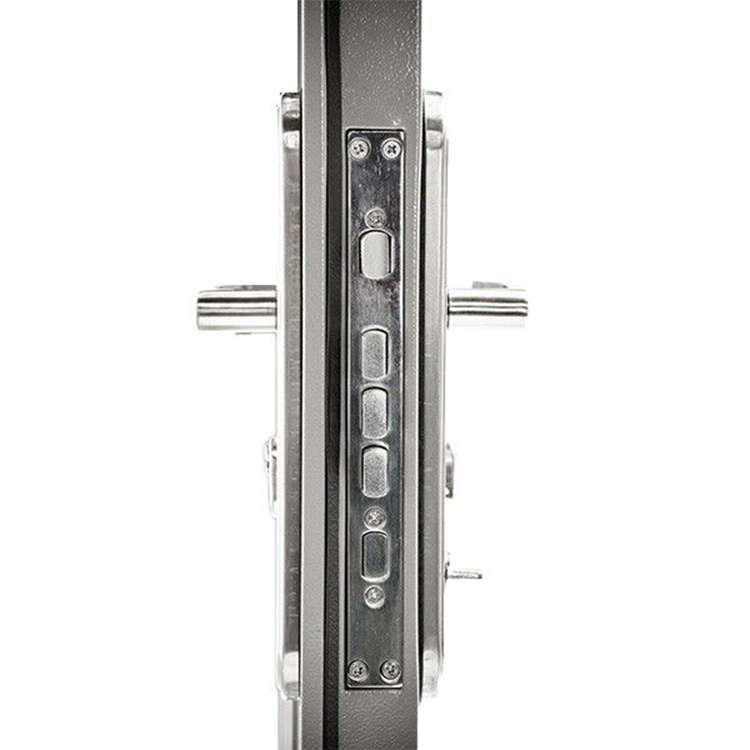
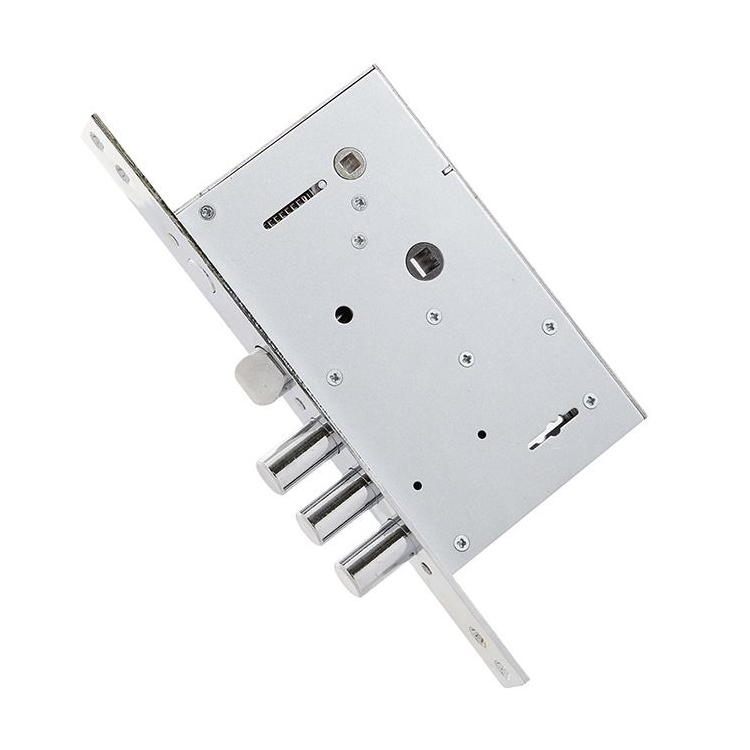
An espagnolette window lock is a handle-driven locking system that moves a central gearbox and elongated rods or mushroom cams to engage multiple keeps along the sash, so one turning action pulls the window into the frame at several points instead of relying on a single latch. That multi-point action improves compression and security, but it also means misalignment shows up faster.
Why is my window lock not lining up?
Your window lock is not lining up when the sash has dropped, the hinges have worn, the keeps were set too tight or slightly off-position, the frame has moved, or the material has swollen enough that the cams no longer meet the striking points in the sequence the mechanism was designed to follow. If you have to lift, shove, or twist the sash to lock it, stop pretending the handle is the villain.
What should I do if the window lock mechanism is not working?
The right first response when a window lock mechanism is not working is to stop forcing the handle, support the sash, inspect the keeps, hinge side, gearbox travel, and debris path, then restore alignment before replacing parts, because many “failed” locks are really geometry problems wearing mechanical clothes. That order saves gearboxes, avoids stripped spindles, and tells you whether the fault is mechanical or positional.