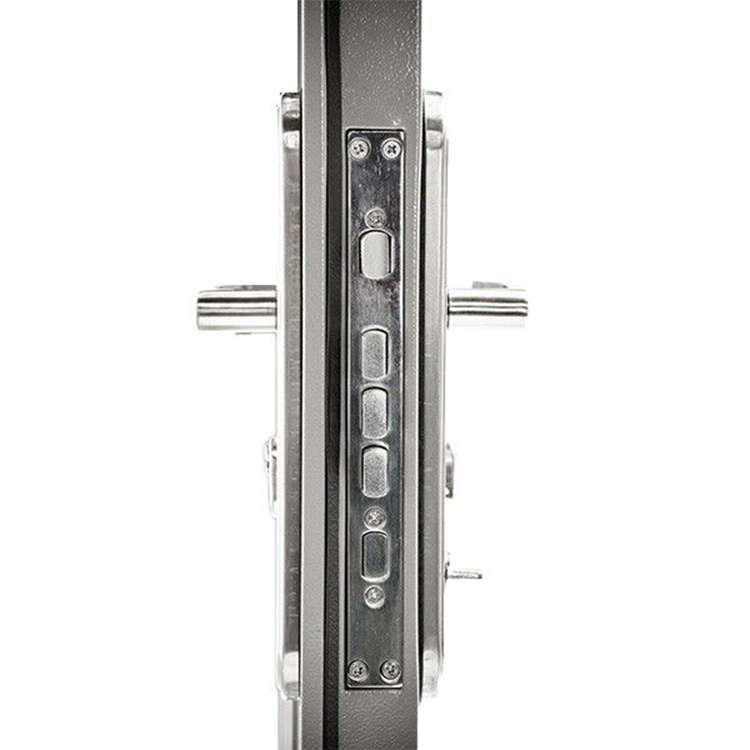
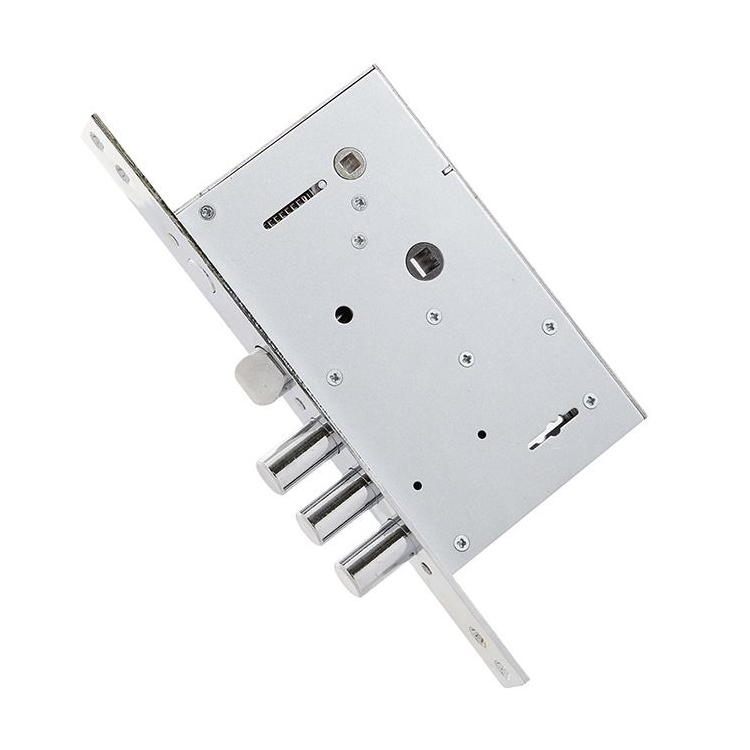
Looking for hardware solutions that meet European / American standards?
Use this guided inquiry modal to move from a generic quote form to a clearer technical conversation. Buyers can choose whether they need pricing, CAD / 3D files, or OEM / ODM support before sharing contact details.
Compatibility-first design across door / window systems
Repeatable production with clear inspection checkpoints
Documentation and change control for long-running programs
Responsive engineering support for fit and field feedback
Cold Weather Does Not Break Good Multi-Point Locks. It Exposes Bad Ones
Cold exposes lies.
When a multipoint locking system leaves the warm sample room and lands in Winnipeg, Oslo, Harbin, northern Germany, or a ski-resort project where wet snow, road salt, thermal movement, and bored occupants all attack the same door, the difference between engineered hardware and catalog hardware becomes painfully visible. Why are we still approving locks by handle feel at 20°C?
I’ll say the quiet part out loud: most “cold weather door locks” fail because buyers treat material and lubrication as afterthoughts. They ask for a nice finish, a competitive price, and a smooth first sample. But the real winter question is uglier: will the hooks, rollers, shoot bolts, keepers, gearbox, springs, faceplate, screws, and lubricant still behave after 3 winters of condensation, dust, chloride, and freeze-thaw movement?
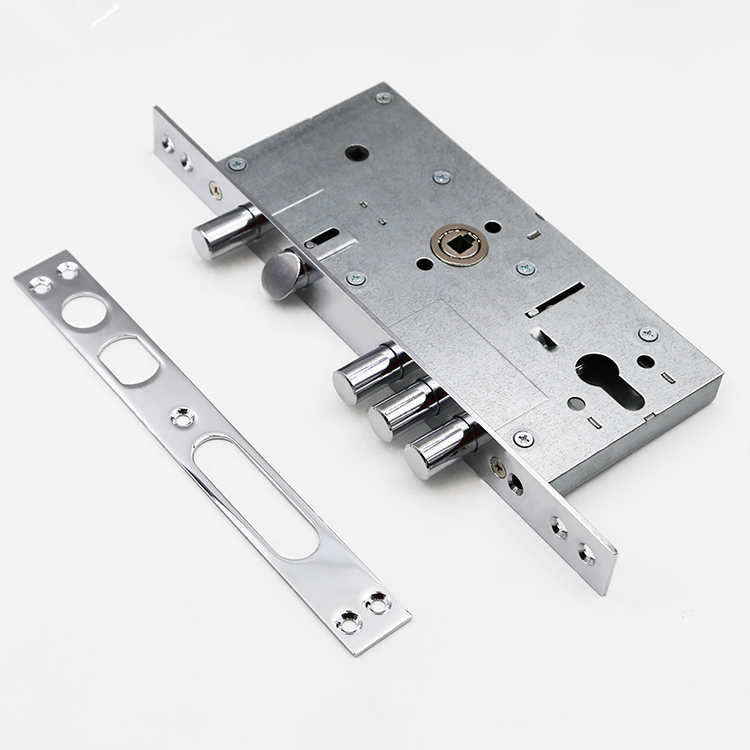
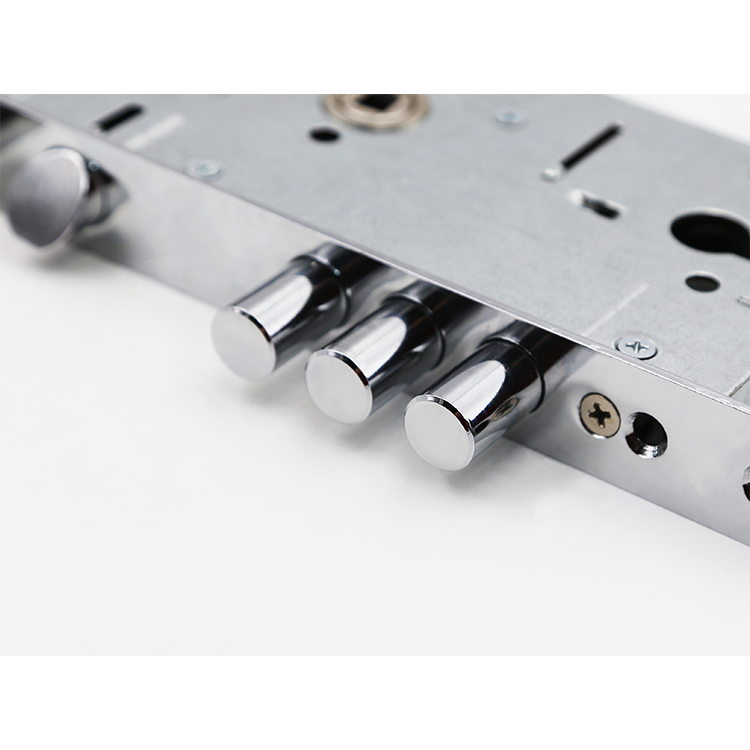
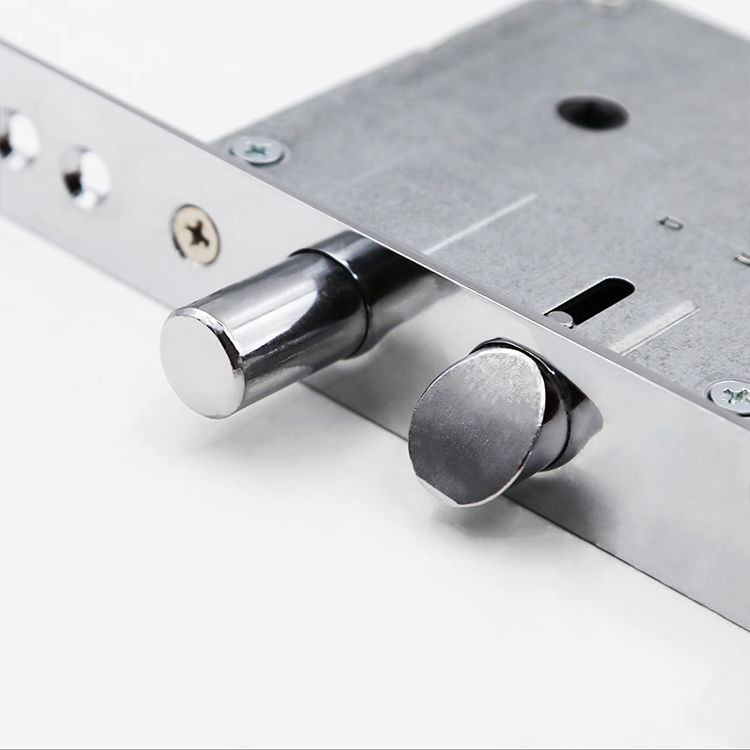
That is where climate-ready multi point locks for cold and coastal projects become more than a marketing phrase. The better design logic is simple: keep the slab aligned, keep gasket compression even, resist corrosion, allow seasonal keeper adjustment, and stop pretending a lock body can fix a warped frame. Fschier’s own climate-ready lock guidance defines these systems around freeze-thaw resistance, salt exposure, stiffness control, corrosion-resistant materials, and adjustable hardware components.
The Material Stack: Where Winter Lock Design Actually Wins or Fails
The lazy spec says “zinc alloy,” “stainless steel,” or “powder-coated.” The serious spec names the alloy family, coating stack, fastener pairing, test exposure, and acceptable service condition after cycling.
This matters because winter is not just cold. It is water. It is chloride. It is abrasive grit. It is a user pulling the handle harder because the door seal has stiffened. It is a child slamming a door when the keeper is already misaligned by seasonal frame movement.
According to the U.S. Department of Transportation’s archived FHWA corrosion cost study, the direct cost of corrosion in the United States was estimated at $276 billion per year, equal to 3.1% of 1998 U.S. GDP. That is not door-hardware data, but it is the macro warning label for every buyer who still treats corrosion as a cosmetic problem.
Here is the hard truth: if a multi-point lock is going into a cold-climate exterior door, “bright plated” is not enough. I want to know the base metal, passivation, plating thickness, coating adhesion, fastener material, galvanic pairing risk, salt spray record, and whether the lubricant becomes a dirt trap below freezing.
Table of Contents
My Material Scorecard for Cold-Climate Multi-Point Locks
Component Area
Better Cold-Climate Choice
What I Distrust
Winter Failure Mode
Spec Note I Would Demand
Faceplate and exposed strike parts
304 or 316 stainless steel, or tested coated steel
Vague “stainless finish” claims
Red rust, staining, rough engagement
Grade, finish process, salt exposure report
Gearbox housing
Zinc alloy or steel with proven coating and drainage logic
Thin plating over cheap casting
Internal corrosion, torque rise
Cycle test after humidity/corrosion exposure
Hooks, rollers, shoot bolts
Hardened steel with corrosion-resistant coating, or stainless where appropriate
Soft metal with decorative plating
Wear flats, galling, weak throw
Load and cycle data, not showroom smoothness
Springs and small pins
Stainless or properly protected spring steel
Unknown spring wire
Weak return, sticky handle feel
Low-temperature return-force test
Screws and fasteners
Compatible stainless or coated fasteners
Mixed metals without galvanic review
Rust bleed, seized screws
Fastener chemistry matched to substrate
Cylinder-adjacent moving interfaces
Dry film or controlled low-residue lubricant
Heavy oil sprayed into everything
Dust paste, freezing drag
Lubricant type, service interval, cleaning rule
The strongest systems are not always exotic. They are disciplined. A decent material stack, correctly paired and documented, will beat a “premium” sample that hides weak screws, mystery plating, and no maintenance logic.
Lubrication: PTFE, Graphite, Grease, and the Dirty Secret Nobody Puts in the Brochure
I am not anti-grease. I am anti-wrong-grease.
In a cold-weather multipoint locking system, lubrication must reduce friction without collecting enough dust, metal fines, moisture, and construction debris to become grinding paste. That is why PTFE lock lubricant, dry graphite lock lubricant, and other dry-film approaches keep coming up in professional discussions. But they are not magic powders.
NASA’s technical literature is useful here because it refuses the simplistic “solid lubricant good, oil bad” story. The NASA Technical Reports Server record on solid lubricants dispersed in mineral oils notes that graphite, MoS₂, and PTFE in plain mineral oil did not generally improve lubricant effectiveness in some low-speed, room-temperature contacts. Translation for door hardware people: chemistry must match the interface, load, surface finish, and service environment.
Graphite deserves extra suspicion in very dry cold. NASA’s solid-lubricant research explains that graphite has a layered crystal structure and can work as a powder or bonded lubricant, but it is not automatically lubricative in every condition; it normally needs adsorbed moisture or another condensable vapor to perform well.
So, should you use dry graphite lock lubricant? Sometimes. In a key cylinder, many technicians still prefer it because it avoids oily residue. In a multipoint lock gearbox, I would be far more careful. Graphite can migrate, stain, bridge debris, and behave differently depending on humidity, surface condition, and contact design.
The Lubricant Decision I Would Actually Make
Lubricant Type
Where It Can Make Sense
Where I Would Avoid It
Cold-Climate Risk
My Opinion
PTFE dry film
Sliding metal interfaces, light-duty service points, clean assemblies
Dirty mechanisms with no cleaning plan
Film loss over time
Good when specified, not sprayed blindly
Dry graphite
Cylinders or selected low-load interfaces
Exposed gearboxes, damp grit zones
Humidity-dependent behavior, staining
Useful but overrated
Silicone-based lubricant
Rubber-adjacent areas, weatherseal-friendly zones
Load-bearing metal wear zones
May not handle metal pressure well
Fine for seals, not a lock cure
Low-temperature grease
Enclosed gear or sliding parts when manufacturer-approved
Open tracks, dusty jobsites
Thickening, dirt capture
Best only when controlled
General penetrating oil
Emergency freeing of stuck parts
Routine cold-climate maintenance
Washout, residue, dirt paste
I would ban it from planned service specs
Best lubricant for door locks in cold climates? The honest answer is not one bottle. It is a compatibility decision: material pair, surface roughness, load, temperature range, exposure, and cleaning interval.
Compression, Air Leakage, and the Multipoint Lock’s Real Job
A multi-point lock is not just a security part. In cold climates, it is a compression tool.
The Department of Energy’s weatherstripping guidance says weatherstripping is used to seal air leaks around movable components such as doors and operable windows, and it also warns that weatherstripping must withstand friction, weather, temperature changes, and wear while still allowing the door or window to open freely. That is exactly the battlefield where a good multipoint locking system earns its keep.
I like Fschier’s article on using multi point locks to hit energy and air-tightness targets because it frames the lock as part of the gasket, threshold, frame, and blower-door conversation, not as a decorative add-on. That is the right mental model. In cold climates, the lock has to pull the door into the seal repeatedly without making operation feel like a gym exercise.
But here is my unpopular view: an over-aggressive multipoint lock can make the door feel “secure” while quietly chewing through hinges, keepers, seals, and user patience. More compression is not always better. Controlled compression is better.
Chloride, Freeze-Thaw, and the Corrosion Trap
Winter projects are often chloride projects in disguise.
Road salt gets tracked into vestibules. Coastal winter air brings chloride mist. Parking garages push wet salt vapor onto door hardware. Meltwater finds the lowest seam, then freezes inside the least forgiving mechanism. And then someone blames the lock.
The GAO report on highway bridge corrosion is not about door locks, but its pattern is painfully relevant: corrosion practices vary by environment, and exposure to sea water and deicing chemicals changes maintenance behavior. GAO also reported that states wanted better information on which corrosion practices work under which conditions. That is exactly the same evidence gap I see in hardware sourcing: buyers ask for “corrosion resistant” instead of defining exposure and proof.
For multi-point locks, I would separate cold-climate exposure into three buckets:
Inland Freeze-Thaw
This is the market where stiffness, condensation, and seasonal frame movement dominate. The lock needs low-temperature operation, adjustable keeps, stable rods, and lubricant that does not thicken into drag.
Salted Urban Winter
This is worse. The lock faces wet chloride, grit, boots, cleaning chemicals, and indoor-outdoor humidity cycling. I would upgrade exposed metals, fasteners, and coatings before I spend one more dollar on a prettier handle.
Cold Coastal
This is the nasty one. Chloride plus wind-driven rain plus thermal movement will expose cheap plating fast. Here, I would borrow heavily from the logic behind thermally broken door profile hardware integration: geometry, substrate thickness, barrier location, corrosion exposure, fixing centers, and serviceability must be checked together, not separately. Fschier’s thermally broken profile guidance is blunt that hardware cannot be treated as an accessory when it affects anchorage, sealing pressure, service access, and thermal-barrier integrity.
The Specification Sheet I Would Trust
If I were approving multi-point locks for a cold-climate door program, I would ask for proof before I asked for a better price.
Not vibes. Proof.
The internal documentation path should be boring and complete: drawings, body depth, backset, PZ center, keeper geometry, strike adjustment range, compatible profiles, finish stack, fastener list, lubrication instruction, and service interval. Fschier’s download center for CAD/BIM files, manuals, drawings, certificates, and packaging specs is exactly the kind of place a buyer should use before arguing about price, because undocumented compatibility is where winter warranty claims are born.
I would also connect the procurement team with the fenestration hardware compliance guide before approving claims like “tested,” “certified,” or “weather resistant.” Fschier’s compliance section repeatedly frames testing as assembly-level proof rather than label collecting, which is the right direction for serious buyers.
Minimum Cold-Climate Submittal Package
Required Evidence
Why It Matters
What Weak Suppliers Usually Send
Material declaration
Confirms alloy, coating, fastener pairing
“Stainless color” or “zinc alloy”
Salt exposure report
Shows corrosion behavior, not finish beauty
A single photo of a clean sample
Low-temperature operation test
Reveals torque rise and sticky movement
Room-temperature cycle claim
Cycle test after exposure
Shows combined aging effect
Separate cycle and corrosion claims
Lubrication instruction
Prevents bad maintenance habits
“Lubricate when needed”
Keeper adjustment range
Handles seasonal movement
Generic installation drawing
Spare-part traceability
Supports winter service
No replacement logic
This is also where multipoint door lock ODM factory support matters for brands that need repeatable programs rather than one-off catalog buying. The OEM/ODM page positions the offering around multipoint lock systems and door/window hardware programs designed to reduce quality drift, installation rework, and reorder risk.
How to Lubricate Multi-Point Locks in Winter Without Making Them Worse
Most winter lock maintenance advice is bad because it starts with the spray can. Start with diagnosis.
If the handle is stiff, ask what changed. Did the gasket freeze? Did the slab bow? Did the keeper shift? Did the threshold ice up? Did construction dust enter the gearbox? Did someone already flood the cylinder with oil?
Here is my field-order logic:
Check door alignment before lubricant.
Inspect gasket compression and threshold contact.
Verify that hooks, rollers, and bolts enter keepers without side loading.
Clean exposed dirt before adding anything.
Use only the lubricant type approved for the lock interface.
Never mix random oil, graphite, silicone, and grease into the same mechanism.
Record the service action, because winter callbacks without notes become folklore.
The biggest mistake is spraying penetrating oil into a cold-weather door lock and calling it preventive maintenance. It may free the mechanism today. It may also attract dirt, thin existing grease, move debris deeper, and create a sticky mess when the temperature drops again.
FAQs
What are multi-point locks in cold climates?
Multi-point locks in cold climates are door locking systems that engage several points along the frame while using low-temperature-tolerant materials, corrosion-resistant finishes, and appropriate dry or low-viscosity lubrication so the door seals, rods, hooks, rollers, gearboxes, and keepers keep moving through freeze-thaw cycles. They are not only security parts; they also help maintain gasket compression and door alignment.
What is the best lubricant for door locks in cold climates?
The best lubricant for door locks in cold climates is a manufacturer-approved lubricant matched to the lock interface, usually a dry PTFE film, selected dry graphite use, or controlled low-temperature grease depending on whether the part is a cylinder, sliding contact, enclosed gearbox, seal-adjacent area, or exposed mechanism. Random oil spraying is not a maintenance plan.
Is PTFE lock lubricant better than dry graphite lock lubricant?
PTFE lock lubricant is often better for clean sliding interfaces where a low-residue film is needed, while dry graphite lock lubricant can be useful in cylinders or selected low-load areas but may perform inconsistently depending on humidity, contamination, and mechanism geometry. The better choice depends on load, exposure, surface finish, and service access.
Why do cold weather door locks become stiff?
Cold weather door locks become stiff when low temperatures, moisture, frame movement, seal compression, corrosion, dirt, and poor lubrication combine to increase operating torque across the cylinder, gearbox, rods, hooks, rollers, and keepers. The lock may be blamed, but the real cause is often door alignment, gasket drag, or chloride contamination.
Are corrosion-resistant lock materials worth the added cost?
Corrosion-resistant lock materials are worth the added cost when the door faces freeze-thaw cycles, deicing salt, coastal air, wet vestibules, or commercial traffic because corrosion increases friction, weakens small parts, stains finishes, seizes fasteners, and turns minor maintenance into warranty replacement. Cheap hardware is expensive when winter exposure is real.
Your Next Steps
Do not approve multi-point locks for cold climates from a photo, a sample handle pull, or a one-line “corrosion resistant” claim. Ask for the material stack, lubricant instruction, keeper adjustment range, low-temperature operation proof, corrosion evidence, CAD drawings, and service-part plan before you sign the purchase order.
If your project involves exterior aluminum doors, thermally broken profiles, cold coastal exposure, or OEM-scale supply, use Fschier’s internal resources on climate-ready multi point locks, air-tightness performance, and CAD/BIM documentation before final specification. Then send the supplier a real exposure profile: temperature range, chloride risk, door size, profile section, gasket type, cycle target, finish requirement, and maintenance expectation. That is how you buy winter hardware like a professional, not a tourist.