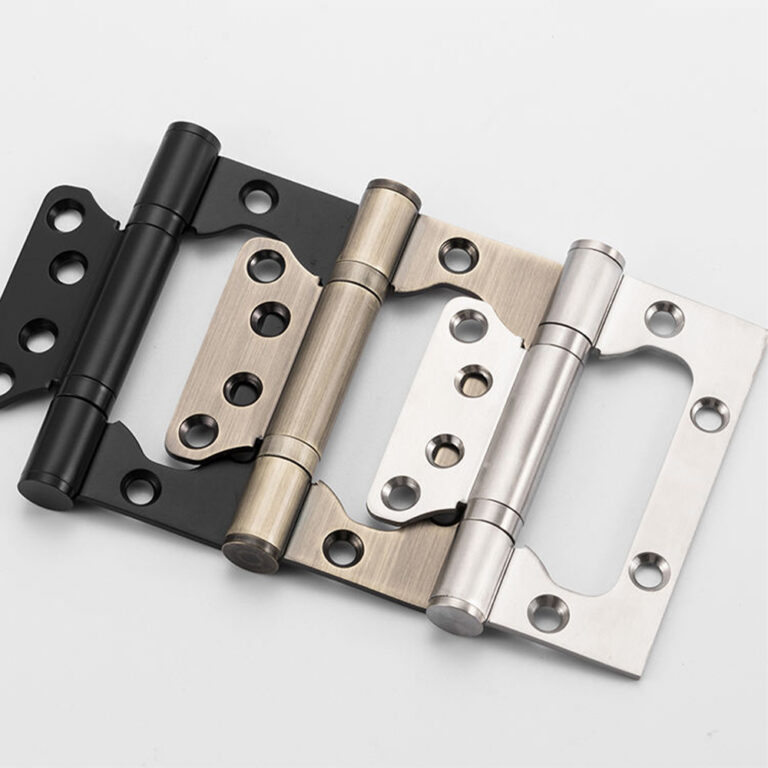
Looking for hardware solutions that meet European / American standards?
Use this guided inquiry modal to move from a generic quote form to a clearer technical conversation. Buyers can choose whether they need pricing, CAD / 3D files, or OEM / ODM support before sharing contact details.
Compatibility-first design across door / window systems
Repeatable production with clear inspection checkpoints
Documentation and change control for long-running programs
Responsive engineering support for fit and field feedback
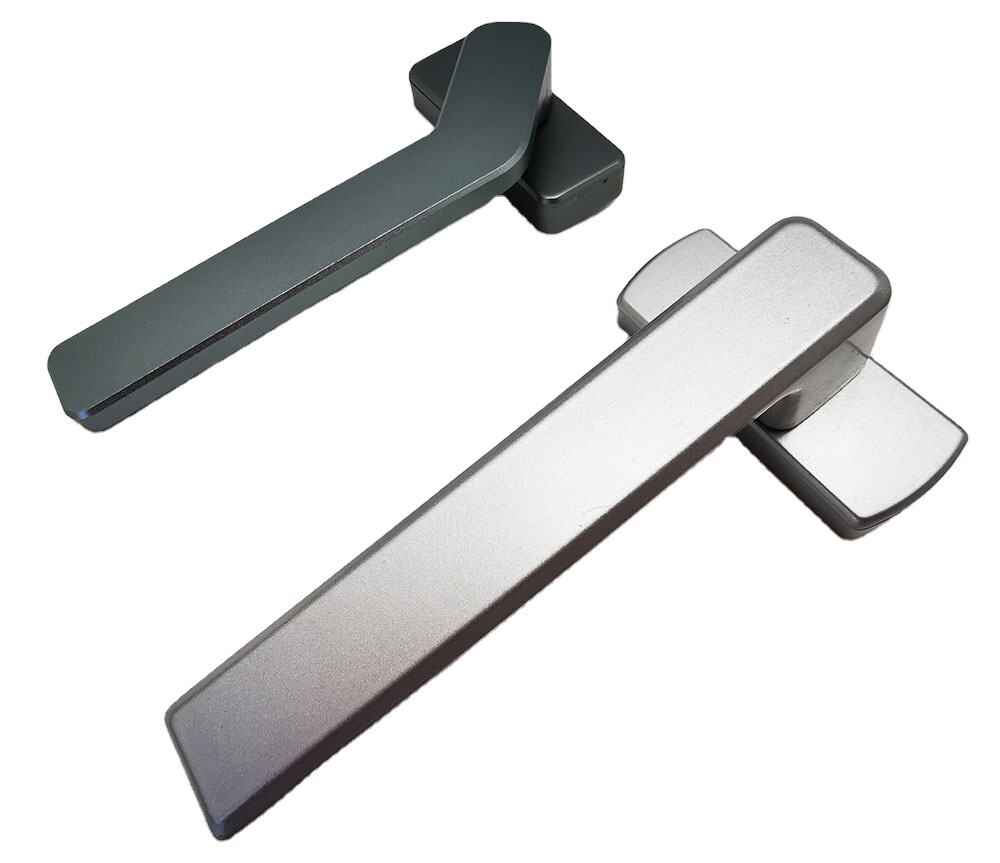
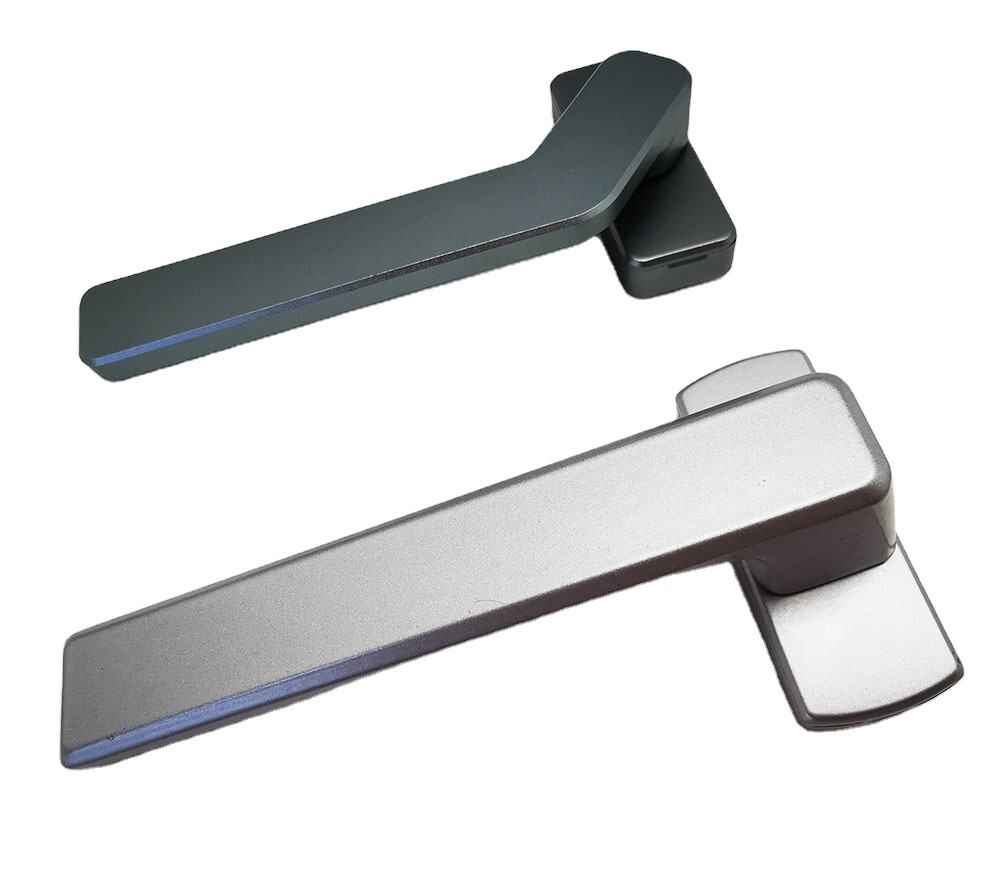
Powder coating and anodizing both protect aluminum handles, but they work differently and fail differently. Anodizing converts the outer layer of the aluminum into a hard oxide, which suits extruded aluminum and parts where thin, uniform finishes matter. Powder coating bonds a cured polymer film to the surface, which suits cast aluminum, wide color ranges, and textured or opaque finishes. For door and window handles, the better choice usually depends on the aluminum alloy, the handle’s fit tolerances, the color requirement, and the installation environment, not on which finish sounds more premium. This guide explains how to decide, what to write into a specification, and how to verify the result before mass production.
Which Finish Is Better for Aluminum Handles?
Neither finish is universally better. The most reliable first filter is the substrate.
Extruded aluminum such as 6063 or 6061: Both finishes are technically feasible. Anodizing is often preferred when a metallic appearance, tight dimensional control, or a thin hard surface is the priority.
Die-cast aluminum such as A380 or ADC12: Powder coating is usually the more practical route, because high-silicon casting alloys generally anodize poorly.
Handles that need unusual colors, textures, or a solid opaque black or white: Powder coating offers the wider range.
Handles that must match anodized window or door profiles: Anodizing may be the better visual match, but only if the handle alloy can produce the same look.
That last point is where many sourcing projects go wrong. A buyer approves a silver anodized aluminum profile, then asks for a “matching” die-cast handle. If the two parts have different alloys, they can anodize to visibly different tones even in the same bath.
How Anodizing and Powder Coating Differ on a Handle
Anodizing: an oxide grown from the metal
In anodizing, the part is made the anode in an electrolytic bath, and the aluminum surface converts to aluminum oxide. Because the oxide is part of the metal rather than a film on top, it does not peel the way a paint film can. Before sealing, the oxide is porous, and that porosity is what allows dyeing. Sealing then closes the pores.
Architectural anodizing is commonly divided into classes by minimum coating thickness. According to Linetec’s architectural anodize data sheet, Class I is 0.7 mil (18 microns) or greater, while Class II is a minimum of 0.4 mil (10 microns). A decorative handle for a sheltered interior door may not need the thicker class, but a handle on an exterior opening is a different discussion.
Powder coating: a cured polymer film
Powder coating applies dry resin-and-pigment powder with an electrostatic charge, and the part is then oven-cured so the powder flows into a continuous film. Performance depends heavily on surface preparation, pretreatment, film thickness, and cure control. The polymer layer sits on the surface, so it adds thickness to every coated area and can chip at edges or impact points if adhesion or design is poor.
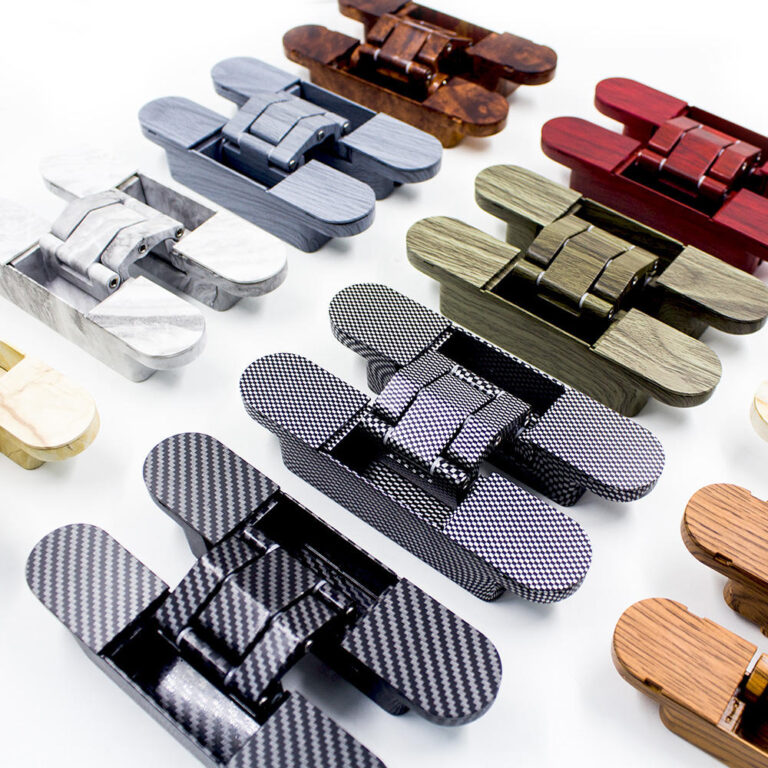
Powder is available in gloss, satin, matte, fine-texture, and metallic effects, and the color can be matched to a reference such as a RAL number. A RAL number alone does not define gloss, texture, thickness, or corrosion performance, so it is a color direction, not a finish specification.
Start With the Substrate: Extruded vs Die-Cast Aluminum
The alloy and forming method often decide the question before design preferences enter the discussion.
The Aluminum Anodizers Council’s guidance on specifying anodized aluminum describes 6xxx-series alloys such as 6063 as having excellent response to anodizing. It also explains that the alloys with the best casting characteristics contain up to about 12 percent silicon, and that high-silicon alloys do not anodize well, because silicon does not dissolve readily in aluminum and can leave a gray or black surface. The same source notes that casting alloys with lower silicon and iron levels tend to anodize better.
For handle sourcing, this has three practical consequences:
Die-cast handles in common casting grades are usually powder coated, not decoratively anodized. If a supplier offers to anodize an ADC12 or A380 handle, ask to see sample parts and the alloy certificate before accepting the offer.
Mixed assemblies need a plan. A handle may include an aluminum body, a stainless steel screw, a zinc or steel spindle, and a polymer cover. Anodizing treats only the aluminum, while powder coating cannot be applied indiscriminately to parts that carry threads, springs, or moving surfaces.
Casting quality affects powder coating too. Porous castings can outgas during curing and leave pinholes, according to a coating shop’s guidance on powder coating versus anodizing. That is a casting-quality issue as much as a coating issue, so ask how castings are inspected before finishing.
Powder Coating vs Anodizing: Side-by-Side Comparison
The table below compares the two finishes on the factors that most often affect handle purchasing. It is qualitative guidance, not a set of measured specifications. Actual results depend on alloy, process, and the supplier’s controls.
Decision factor
Anodizing
Powder coating
Typical substrate fit
Extruded aluminum (6xxx series); low-silicon castings in some cases
Extruded and cast aluminum; also works on steel and other metals that tolerate curing
Color and look
Metallic, translucent surface. Dyed colors are possible but the palette is narrower
Wide color, gloss, and texture range; opaque coverage
Effect on substrate defects
Thin and translucent, so die lines, scratches, and weld or alloy variation can show
Opaque film can hide minor surface defects, though pinholes and orange peel can appear
Dimensional effect
Thin layer, but it still changes dimensions; masking or allowances may be required
Adds film thickness; threads, pivots, and lock-engagement surfaces need masking or allowance
Wear and abrasion
Hard surface layer, generally strong against scratching
Can chip or wear at edges and contact points depending on system and adhesion
Repair and refinishing
Local touch-up is difficult; refinishing usually means stripping and reprocessing
Can be touched up or recoated, though color and gloss matching need control
Batch consistency risk
Alloy, temper, and process variation can shift shade between lots
Pigment and cure variation can shift color and gloss; usually easier to control to a defined color target
Corrosion considerations
Depends on thickness, sealing quality, and alloy
Depends on pretreatment, film thickness, cure, and edge coverage
Typical specification references
AAMA 611 for architectural anodized aluminum extrusions and panels
AAMA 2603, 2604, and 2605 for organic coatings on aluminum extrusions and panels
Where Each Finish Fails on Handles
Most handle finish complaints come from avoidable mismatches between the finish and the handle’s design or environment.
Fit problems from added film thickness
A powder film adds material to every coated surface, which matters on pivot bores, spindle holes, thread starts, and the surfaces where a handle seats against a rose or backplate. If masking is not specified, the coating may bind a moving joint or prevent a screw from seating. Anodizing also changes dimensions, though by a smaller margin, so it still needs to be defined on the drawing.
Shade variation in anodizing
Anodized color depends on the alloy, temper, surface preparation, bath conditions, and dyeing. Two handles from different lots, or a handle and its mating profile, may not match. Dyed anodized colors also vary in lightfastness: organic dyes generally fade faster than inorganic coloring, so buyers of exterior handles should ask for lightfastness evidence rather than assuming that all anodized colors are stable.
Visible substrate defects under anodizing
Because the oxide layer is thin and translucent, scratches, die lines, and material variation can remain visible. Handles that require a flawless uniform surface may need additional polishing or blasting before anodizing, which adds process steps and cost.
Chipping and edge failures in powder coating
Powder coating relies on adhesion to a prepared surface. Sharp edges, thin film at corners, poor pretreatment, and trapped gases can all weaken protection. The areas to inspect are edges, screw holes, the inside of recesses, and any spot where an installer’s tool may touch the handle.
Cleaning and construction damage
Both finishes can be damaged by aggressive cleaners, cement or plaster splashes, and abrasive pads during construction. Ask the supplier for written care and cleaning guidance, particularly for projects where the handle is installed before final building cleaning.
Is Anodizing Always More Durable Than Powder Coating?
No. The common assumption is that because anodizing becomes part of the metal, it must outperform a surface film. That is true for chipping and abrasion in many cases, but durability in service is broader than that.
An anodized handle with a thin Class II-type layer, poor sealing, or a high-silicon casting substrate may perform worse than a well-prepared, well-cured powder-coated handle. A thicker powder coating is not automatically better either, because excess film can compromise fit and can crack or chip at edges.
The practical conclusion is that the coating system matters more than the label. “Anodized” and “powder coated” are only categories. Thickness, pretreatment, sealing, cure, substrate quality, and test evidence determine whether a specific handle meets the application.
Do AAMA 611 and AAMA 2604 Apply to Handles?
Buyers often see AAMA references in finish discussions. The standards are useful benchmarks, but their scope should be understood.
The Fenestration and Glazing Industry Alliance (FGIA) describes AAMA 2603, 2604, and 2605 as a “good, better, best” category of factory-applied organic coatings on aluminum extrusions and panels, and the 2026 editions were released in May 2026. For anodizing, AAMA 611-26 governs the testing and performance of anodic coatings on architectural aluminum extrusions and panels.
Both families are written for extrusions and panels. They do not automatically cover a die-cast handle with an internal mechanism, and passing a coating test does not qualify the complete handle for function or service life. If a project requires one of these standards, write the exact standard and edition into the specification and ask the supplier whether testing was done on the actual handle, on a representative coupon, or on neither. Treat a supplier’s claim that a finish “meets AAMA” as incomplete until that is answered.
Finish Choice for Coastal and High-Humidity Projects
Coastal exposure raises the cost of an under-specified finish. Chloride deposits, wet-dry cycles, trapped moisture, and dissimilar-metal contact can all attack coated aluminum, especially at edges, scratches, and fastener interfaces.
On salt spray testing specifically, the abstract of ISO 9227:2022 states that the standard does not set the exposure period for a given product and that the tests are not intended to rank materials or predict long-term corrosion resistance. A line such as “1,000-hour salt spray” therefore needs a named test method, specimen condition, and written failure criteria. A passing result also does not mean the handle will last a specific number of years.
How to Approve a Finish Before Mass Production
A color chip or an attractive sample is not an approved finish. A workable approval process contains four parts:
A defined finish system. Name the substrate, pretreatment, coating or anodic class, sealing method where relevant, color reference, gloss range, and texture.
A signed finish master. Both parties retain a sealed approved sample. For color-critical projects, agree on the viewing light and an instrumental color-difference limit.
Function checks on finished parts. Test fit, spindle engagement, thread condition, and operating feel after finishing, not only on raw parts.
Production-sample verification. Compare mass-production samples with the signed master and the original drawing.
A simple illustrative scenario shows why this matters. A distributor requests “matte black aluminum casement handles” from three factories. One quotes powder-coated die-cast handles, another quotes black-anodized extruded handles, and a third quotes a wet-paint finish. The unit prices are not comparable, because the substrate, durability, repair options, and color stability are all different. The scenario is hypothetical, but the confusion is common when the finish is described only by color name.
What to Include in the RFQ and BOM Finish Line
An accurate quote requires a finish specification, not a color name. Include the following where relevant:
Substrate and alloy: Determines whether anodizing is feasible and what appearance to expect.
Forming method: Extrusion, die casting, or machining affects porosity, surface quality, and pretreatment.
Finish type and system: Anodized with a specified class and seal, or powder coated with a specified chemistry and pretreatment.
Color reference and tolerance: A color code, a physical master, and any ΔE limit.
Gloss and texture: These change both appearance and the visibility of defects.
Thickness range: The supplier should state the range and measurement method.
Masked areas: Threads, pivot bores, and contact surfaces.
Adhesion and corrosion tests: The method, sample condition, and failure criteria.
Environment and target market: Interior, exterior, coastal, or high-use commercial.
Packaging protection: Finished surfaces are easily damaged in transit, so specify interleaving, bagging, or trays as needed.
Place these details in the hardware BOM for an aluminum door or window system, so the finish is tied to the part number and revision rather than described only in emails. Include order quantity and the number of color variants as well, because the economics of finishing change with batch size and color changes.
What Should You Verify Before Selecting a Supplier?
Ask any potential handle supplier these questions before approving a quote:
Which alloy and forming method will the handle use, and can this be confirmed in writing?
Is finishing performed in-house or subcontracted, and who controls the quality?
What incoming casting or extrusion inspection happens before finishing?
Which finish test reports exist for the actual handle or a representative sample?
How are color and gloss controlled between lots?
Which areas are masked, and how is fit checked after finishing?
What retained samples are kept for production comparison?
A manufacturer’s finish options page is a starting point, not proof of capability. For example, the OEM door and window handle manufacturer page lists powder coating, anodizing, and custom color matching among available finish options. Buyers should still request the sample evidence and specification details above, so a finish claim can be matched to the exact handle.
Frequently Asked Questions
Is anodizing or powder coating better for aluminum door and window handles?
Neither is universally better. Anodizing often suits extruded aluminum where a thin metallic finish is wanted, while powder coating suits cast aluminum and projects needing wider color and texture choices. The substrate, tolerances, and environment should decide.
Can die-cast aluminum handles be anodized?
Sometimes, but results are often poor. High-silicon casting alloys do not anodize well and can look gray or sooty. Buyers should ask for a sample on the actual alloy and consider powder coating for common die-cast grades.
Which finish lasts longer outdoors?
It depends on the full system. Anodizing resists chipping, but dyed colors can fade and thin layers may not suit harsh exposure. Powder coating can perform well with proper pretreatment, thickness, and cure. Ask for test evidence on the actual handle.
Does powder coating affect handle fit?
Yes. Powder adds film thickness to coated surfaces, so threads, spindle holes, and pivot areas may need masking or dimensional allowance. Anodizing also changes dimensions slightly, so check fit on finished samples either way.
Does a RAL color number fully define a powder-coated finish?
No. A RAL number identifies color direction only. A finish specification should also define gloss, texture, pretreatment, thickness range, adhesion, corrosion testing, and the approved master sample.
Is a salt spray test result enough to approve a handle finish?
No. Salt spray tests detect coating defects under defined conditions but do not predict service life or rank materials reliably. Request the test standard, hours, sample condition, and failure criteria, and combine results with fit and appearance checks.