Looking for hardware solutions that meet European / American standards?
Use this guided inquiry modal to move from a generic quote form to a clearer technical conversation. Buyers can choose whether they need pricing, CAD / 3D files, or OEM / ODM support before sharing contact details.
Compatibility-first design across door / window systems
Repeatable production with clear inspection checkpoints
Documentation and change control for long-running programs
Responsive engineering support for fit and field feedback
The Lockcase Is Where Safety Claims Either Endure or Pass Away
Pretty hardware exists.
I have seen too many high-security door systems offered around finishes, bar form, cylinder branding, and “premium feel,” while the real decision factor sits hidden inside the edge of the door: the mortise lockcase, the transmission, the fan, the bolt geometry, the screw employers, the rod interface, and the way the whole door lock body acts after abuse, corrosion, warm, inadequate installation, and 100,000 hideous human cycles. So why do customers still deal with the lockcase like a hidden commodity?
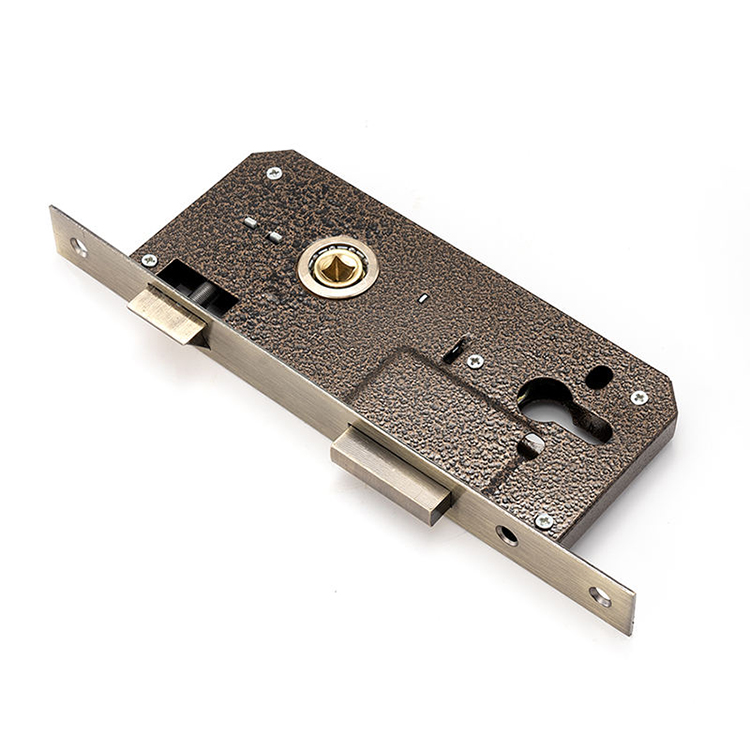
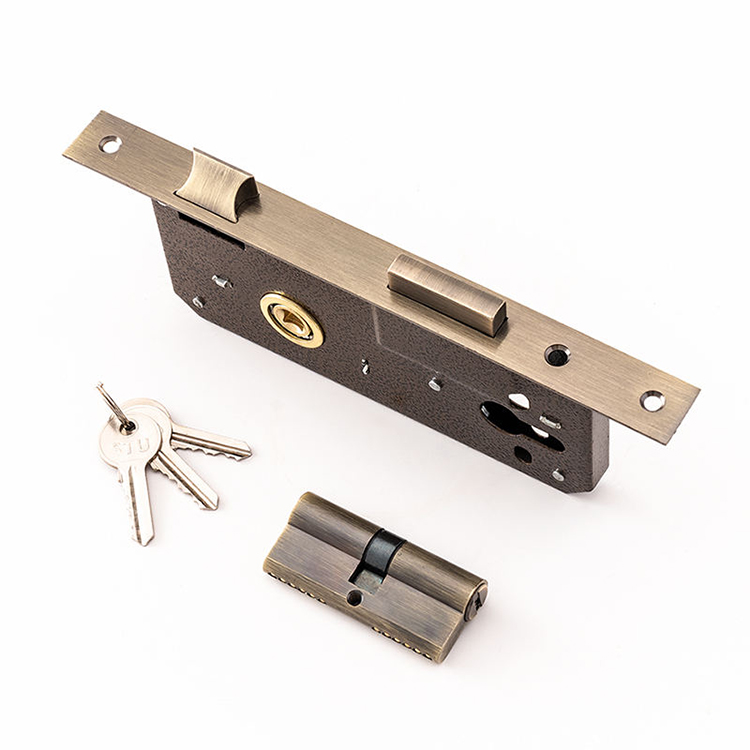
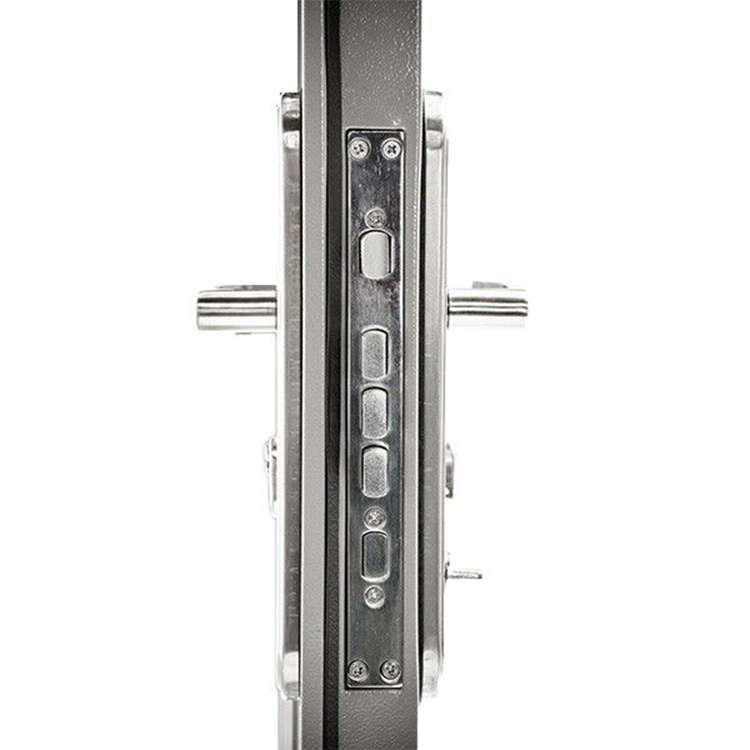
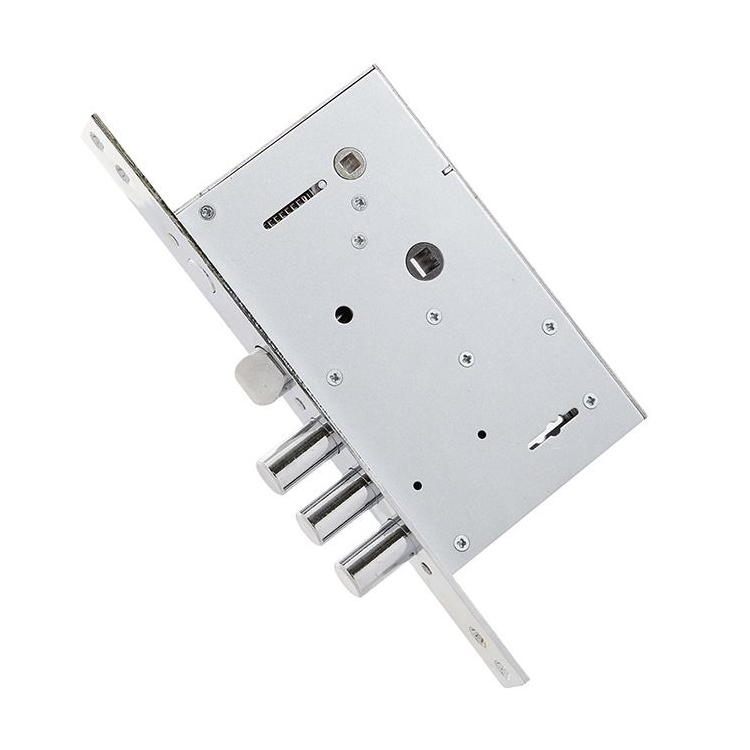
A mortise lockcase is not simply a box inside the door. It is the mechanical command center of the protection door. It determines just how force travels from the take care of or essential cylinder into the lock, deadbolt, hooks, rollers, shoot bolts, or rods. In a high-security door lockcase, that internal transfer issues more than the deal with coating and greater than the brochure image.
Here is my blunt viewpoint: if a provider can not clarify the lockcase framework with drawings, lots paths, cycle presumptions, rust bundle, and failing modes, they are not selling safety and security. They are marketing vocabulary.
For purchasers building aluminum, steel, armored, or composite doors, I would begin with the design classifications at Fschier’s Lock Boxes and Gearboxes section, after that cross-check the system reasoning against their Multi-Point Lock Systems resources. That inner pairing issues due to the fact that a mortise lock instance rarely fails alone. It falls short with the structure, caretaker, poles, hinges, account depth, and installation tolerance.
And the outdoors is not obtaining softer. The FBI reported that its 2024 crime statistics drew from more than 16,000 agencies covering 95.6% of the united state population, while Reuters summed up the exact same FBI launch by keeping in mind that residential property criminal activity dropped 8.1% and break-ins dropped 8.6% in 2024. That decrease is genuine, but it does not make physical security unimportant; it increases bench for evidence-based spec due to the fact that customers currently have less patience for weak cases dressed as “superior protection.” FBI 2024 Reported Crimes and Reuters FBI 2024 criminal activity record both indicate the exact same truth: safety and security choices ought to be data-aware, not fear-driven.
Table of Contents
Quit Asking “Is It Strong?” Ask Where the Force Goes
“Strong” slouches.
A lockcase structure for a high-security door system ought to be evaluated by just how it moves load, withstands forced motion, protects placement, and keeps the door useful from the within under regular and emergency situation conditions, since genuine assaults and actual failings do not care whether a component was called durable in a brochure. What exactly is the lockcase doing when the door is kicked, levered, knocked, distorted, or operated by someone that does not comprehend the mechanism?
I consider five areas first.
1. Case Deepness, Backset, and Stile Truth
A much deeper lockcase can allow more powerful interior geometry, longer screw traveling, far better spring format, and a lot more steady fan assistance. However depth is not automatically far better. In aluminum or narrow-stile profiles, excessive case deepness can interfere with thermal breaks, reinforcement chambers, drain paths, or screw lines.
For a mortise lockcase, the backset is not just a number. A 25 mm, 30 mm, 35 mm, 45 mm, or 60 mm backset adjustments take care of clearance, cyndrical tube position, torque feel, keeper positioning, and the quantity of steel left around the pocket.
Slim stile. Big assurance.
That is the catch: a door brand name wants a slim architectural profile, the protection group desires long screw forecast, the sales group wants a smooth manage feeling, and the manufacturing facility is left trying to fit a significant armored door lock mechanism into a profile that was never ever honest regarding its readily available dental caries. That obtains blamed later on? Normally the lock distributor.
2. Bolt Geometry and Interaction Depth
Bolt shape matters. Rectangle-shaped deadbolts, hook bolts, mushroom rollers, round shoot bolts, and twin hooks all withstand different types of assault.
A fundamental latch mainly holds the door closed. A deadbolt resists straight opening pressure. A hook screw fights separation between sash and frame. A multipoint securing system spreads out engagement along the side of the door, which can enhance compression, alignment, and tear resistance when the keepers are set up appropriately.
Yet there is a difficult truth right here: more securing factors do not instantly mean even more safety.
If the central transmission is weak, the poles bend, the keepers are misaligned, or the door fallen leave bows under tons, a five-point lock can really feel remarkable and still carry out like a severely disciplined single-point lock. I prefer to accept a well-tested three-point system than an attractive seven-point beast with sloppy affiliation.
3. Fan Toughness and Manage Abuse
The fan is where handle torque ends up being interior movement. If it uses, splits, complete, or creates play, the individual feels it first as looseness. Later, the lock might not retract cleanly. After that the service call shows up.
The ANSI/BHMA A156.13-2022 mortise lock standard works here because it does not deal with a mortise lock as a visual item. It consists of functional, toughness, security, cycle, coating, and dimensional examinations; BHMA’s very own equipment emphasize says Grade 1 locks need to pass 1,000,000 opening-and-closing cycles with a 10 pound lots, and it referrals aggressive screening such as 1,200 in-lbf locked bar torque. ANSI/BHMA A156.13-2022 Mortise Locks is not marketing poetry. It is a buyer’s filter.
That does not suggest every international door project requires ANSI Grade 1 equipment. It indicates severe buyers should ask standard-shaped inquiries: What is the cycle target? What lots was applied? What torque was determined? What fell short initially? Was the examination done on a solitary lockcase or the full assembly?
4. Rod and Transmission User Interface
In a multipoint securing system, the lockcase comes to be a transmission. It drives rods, hooks, rollers, or auxiliary bolts via the door side. That makes the link factors hazardous if they are under-designed.
I wish to see tidy pole coupling, managed traveling, low backlash, and no secret parts that rely on manufacturing facility good luck. If the system requires ideal positioning to feel smooth on day one, it will most likely really feel terrible after delivery, setup, settlement, and actual usage.
Fschier’s short article on design a reputable multi-point lock for aluminum doors is a strong inner follow-up due to the fact that it deals with the lock as a system rather than an item photo. That is the best mindset for any customer reviewing mortise lockcase structures for high-security door systems.
5. Egress Behavior and Inside Release
Safety without departure is bad design.
The CPSC recalled about 70,000 Stanley industrial door locksets in 2016 since latches might stop working and stop the door from being opened from the inside, producing an emergency entrapment threat. CPSC Remember 17-038 is specifically the sort of case buyers should bear in mind when they ask for “more powerful securing.” More powerful for whom? Against what? Under what emergency situation condition?
NFPA-related advice summed up by CTIF makes the very same life-safety factor in plain language: outside departure doors may be locked from the outside to regulate entry, but from the inside, passengers have to have the ability to leave without a secret, device, or unique understanding. NFPA school safety door locking guidance using CTIF should be read by anybody trying to incorporate high safety and security with legal exit actions.
The Lockcase Framework Comparison Customers Really Need
Most comparison tables are created to buy groups. This set is for individuals who have to live with service warranty claims.
My recommended course for severe B2B door brand names
The awkward final thought is easy: there is no best lockcase for high-security door systems in the abstract. There is just the very best lockcase framework for a details door leaf, framework, market, compliance target, customer type, environment, responsibility cycle, and service design.
My RFQ List Before I Trust a Mortise Lockcase Vendor
I do not trust fund unclear self-confidence.
When I review a mortise lockcase supplier, I want evidence before price. Not a speech. Not an example wrapped in foam. Evidence.
Request these things prior to authorizing the lock body:
Lockcase illustration with instance depth, backset, faceplate dimension, pin facility, cylinder facility, fixing points, bolt forecast, and travel.
Exploded sight showing fan, springtime, equipment, pole coupling, lock, deadbolt, and anti-friction components.
Product checklist for case, faceplate, lock, deadbolt, fan, springtimes, screws, and poles.
Surface area therapy details: zinc plating, passivation, electrophoresis, powder finishing, stainless quality, salt-spray target, or surface test reference.
Cycle-test report, with real tons and operating approach.
Compatibility statement for door thickness, account type, handing, cyndrical tube kind, handle pin size, and keeper set.
Emergency egress reasoning for inside operation.
Change-control process for future material, springtime, plating, or subcontractor alternatives.
Product packaging approach that protects rods, faceplates, and moving parts during export.
Failure history or corrective-action recap from production.
This is where Fschier’s OEM/ODM hardware program comes to be relevant. Their site defines drawing review, DFM, tasting, verification, pilot run, and mass production as a structured process, which is specifically what a custom-made mortise lockcase task requires if the purchaser is not just purchasing generic stock hardware.
Catalogs reveal clean renders. Field failings show reality.
Binding
Binding happens when the lockcase, poles, bolts, keepers, hinges, and framework stop sharing the exact same geometry. The take care of feels heavy. The customer lifts harder. The fan experiences. The transmission puts on. Then somebody condemns the lock.
Occasionally the lock was never ever the first trouble.
Incorrect Locking
Incorrect locking is worse because the customer thinks the door is protected. A hook might show up involved while barely touchdown in the keeper. A deadbolt may predict however not seat deeply sufficient. A multipoint system may provide a comforting handle movement while one supporting point is floating.
That is why I like witness marks, examination doors, and post-installation examination. They expose lies.
Corrosion Inside the Instance
Everyone sees rust on a faceplate. Almost nobody sees deterioration inside the lock body till activity comes to be harsh.
For coastal markets, swimming pool structures, high-humidity storehouses, and cleaning-chemical direct exposure, the buyer needs to ask about stainless steel qualities such as SUS304 or SUS316, zinc-nickel plating, electrophoretic covering, oil compatibility, spring material, and galvanic pairing. A lockcase can look costly and still rot from the within.
Too Much Deal With Force
A high-security door needs to not call for a bodybuilder to run it. If typical individuals start knocking, training, or double-pumping the take care of, the system is currently requesting for damages.
BHMA’s A156.13 highlight referrals operational force and smooth egress, including lever-operated locks opening with a maximum torque of 28 in-lbf in its instance. That number belongs in engineering conversations since user feeling is not just comfort. It is an early caution signal.
Unsafe Safety And Security Add-Ons
A lockcase can be ruined by after-market “protection enhancements.” Barricade devices, improvisated dogging, added screws, mismatched electrical launches, and field-drilled plates can break fire-door actions or catch passengers.
ASIS’s 2024 fire-door alteration evaluation, pointing out NFPA principles, states that fire doors must have the ability to open up, close, and lock firmly, and warns that alterations protecting against locking can create life-safety hazards. ASIS fire door adjustment evaluation is not almost fire doors; it is a warning against amateur protection tinkering.
The Hard Requirements I Would Certainly Place In Front of a Vendor
Right here is the sort of language I would use for a severe project:
The mortise lockcase will be selected according to the specific door profile, door thickness, backset, lock facility, cylinder format, deal with spindle dimension, caretaker geometry, operating cycle target, corrosion direct exposure, user group, egress requirement, and market criterion. The vendor will supply dimensional illustrations, material requirements, cycle-test evidence, corrosion-performance evidence, setting up compatibility notes, and change-control confirmation prior to sample approval.
Short. Unfriendly. Valuable.
Do not write “high quality mortise lockcase.” That implies absolutely nothing. Create the numbers. Compose the criterion. Write the door mass. Compose the cycle target. Create the bolt estimate. Compose the keeper depth. Compose the test problem. Write whether the inside launch should work without key, tool, battery, network, or unique expertise.
The Department of Justice’s 2025 SunSetter enforcement news is not a lockcase situation, however it is a useful warning for any kind of building-product vendor: the court got a $9.25 million civil charge about claimed failure to prompt record faulty awning covers impacting regarding 270,000 products. DOJ SunSetter CPSC enforcement announcement shows how item safety and security issues can come to be enforcement issues when firms do not treat threat reporting seriously.
That is why I push for traceability. If the spring vendor adjustments, I want to know. If the faceplate alloy changes, I need to know. If the oil changes, I want to know. Small modifications inside a door lock body can end up being big failures in the area.
Exactly how to Choose a Lockcase for Protection Doors Without Getting Played
Beginning with the door, not the lock.
A high-security door system is a chain: slab, support, lockcase, cyndrical tube, handle, joints, poles, caretakers, seals, structure, bolts, installation, and user behavior. The mortise lockcase is central, however it can not rescue a weak chain.
My useful sequence looks like this:
First, define the risk. Burglary hold-up? Forced-entry resistance? Occupant safety and security? Fire-door stability? Hotel-room personal privacy? Institution lockdown? Coastal rust? High-cycle commercial usage?
Second, specify the door building and construction. Steel, light weight aluminum, timber, composite, slim stile, thermal break, sliding, swing, inward opening, exterior opening, fire-rated, smoke-rated, or armored.
Third, pick the lockcase structure. Single-point, deadbolt-latch, hook-bolt, central gearbox, multipoint, or customized reinforced case.
Fourth, verify the user interface. Examine backset, instance depth, faceplate, pin, cylinder, rods, keeper placement, screw purchase, and installment resistance.
If you are sourcing for a door brand or representative, this is where the more comprehensive Fschier items directory can help map adjacent elements such as deals with, hinges, lock boxes, and devices. I would pass by the mortise lockcase alone, due to the fact that the manage collection, keeper, hinge positioning, and accessory bundle all change exactly how the last door acts.
Frequently asked questions
What is a mortise lockcase?
A mortise lockcase is the boxed mechanical lock body installed inside a prepared pocket in the door edge, consisting of the lock, deadbolt or transmission components that transfer handle or cylinder activity into securing activity. In high-security door systems, it manages bolt movement, customer feel, positioning resistance, and a lot of the actual resistance versus required entry.
An excellent mortise lockcase ought to be selected by dimensions and tested efficiency, not by appearance. The vital information are backset, case deepness, faceplate size, spindle center, cylinder facility, bolt forecast, material, cycle score, corrosion resistance, and compatibility with the door profile.
Exactly how do I pick a lockcase for security doors?
To select a lockcase for protection doors, match the mortise lockcase structure to the door material, structure style, threat level, duty cycle, conformity requirement, and user egress needs before comparing price or finish. The best lock body should fit the account, involve the keeper properly, stand up to abuse, and stay functional after duplicated procedure.
For a high-security door lockcase, I would ask for illustrations, cycle-test information, rust data, and installment resistances. I would additionally examine the lockcase with the actual take care of, cyndrical tube, keeper, poles, joints, and door frame instead of approving it as a loose example.
Is a multipoint locking system better than a single mortise lock situation?
A multipoint securing system is better than a solitary mortise lock instance when the door is high, adaptable, subjected, or requires more powerful boundary compression, yet just if the main gearbox, rods, caretakers, and structure are engineered as one system. A lot more locking points can boost safety, yet poor placement can make them weaker in method.
I such as multipoint systems for premium entry doors, light weight aluminum doors, and doors where securing pressure matters. Yet I do not like economical multipoint systems contributed to weak profiles. They produce rubbing, binding, service warranty claims, and incorrect self-confidence.
What lockcase structure is best for armored door lock systems?
The most effective lockcase structure for armored door lock devices is normally a reinforced mortise lockcase or main transmission with strong boltwork, safeguarded case wall surfaces, secure fan support, managed bolt forecast, and confirmed keeper interaction. It must match the steel support, structure strike area, cyndrical tube security, and emergency-release need of the door.
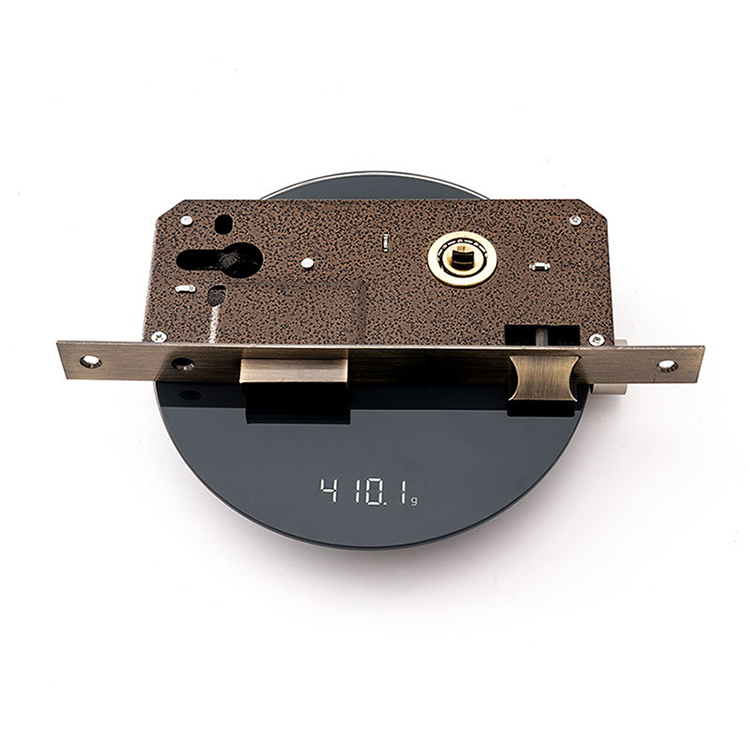
Do not buy an armored door lock mechanism by weight alone. Weight can indicate strength, but it can likewise conceal rough operation, weak springtimes, poor machining, and bad geometry. The test report matters greater than the handshake.
What information should a provider supply prior to I approve a high protection door lockcase?
A provider must provide dimensional illustrations, material requirements, bolt estimate data, operating-cycle evidence, corrosion-test details, compatibility notes, packaging information, evaluation checkpoints, and change-control terms prior to you authorize a high protection door lockcase. Without that evidence, the buyer is accepting danger rather than buying developed security.
I would certainly also ask for failed-test notes. Excellent distributors know what failed during development. Weak vendors make believe nothing ever before stopped working. I trust the initial team a lot more.
Last Thoughts: Make the Lockcase Earn Its Place in the Door
Do not approve a mortise lockcase since it really feels hefty in your hand.
Approve it because the lockcase structure fits the door profile, the gearbox logic is clean, the bolt engagement is measurable, the keeper placement is sensible, the inside release is risk-free, the corrosion plan matches the marketplace, and the supplier can confirm repeatable manufacturing.
Your following step is straightforward: send your door profile drawing, door thickness, target audience, backset requirement, safety target, cycle expectation, and lock function brief to an engineering-led supplier prior to you freeze the hardware schedule. If you are constructing an OEM or ODM program, start with Fschier’s OEM/ODM hardware growth procedure and request a lockcase testimonial based upon your genuine door system, not a brochure assumption.