Looking for hardware solutions that meet European / American standards?
Use this guided inquiry modal to move from a generic quote form to a clearer technical conversation. Buyers can choose whether they need pricing, CAD / 3D files, or OEM / ODM support before sharing contact details.
Compatibility-first design across door / window systems
Repeatable production with clear inspection checkpoints
Documentation and change control for long-running programs
Responsive engineering support for fit and field feedback
The Ugly Truth About Door Hinges Nobody Puts in the Catalog
Hinges lie.
I have seen beautiful door hinges arrive in perfect foam packaging, pass a quick hand-feel test, and still become a warranty problem after six months because nobody asked the brutal questions: What is the real sash or door weight? What is the opening angle? What coating is under the top finish? What happens after salt exposure, gasket drag, installer abuse, and 80,000 tired human cycles?
That costs money.
The hard truth is simple: door hinges and window hinges are not decorative metal parts. They are load-bearing mechanical joints that decide alignment, sealing pressure, user feel, safety, and service life. So when a supplier says “heavy duty,” I do not smile. I ask for load data, test method, material grade, fastener assumptions, corrosion exposure, and failure criteria.
Why? Because the market is full of hinges that look strong on a product page and behave weakly inside a real door or window system.
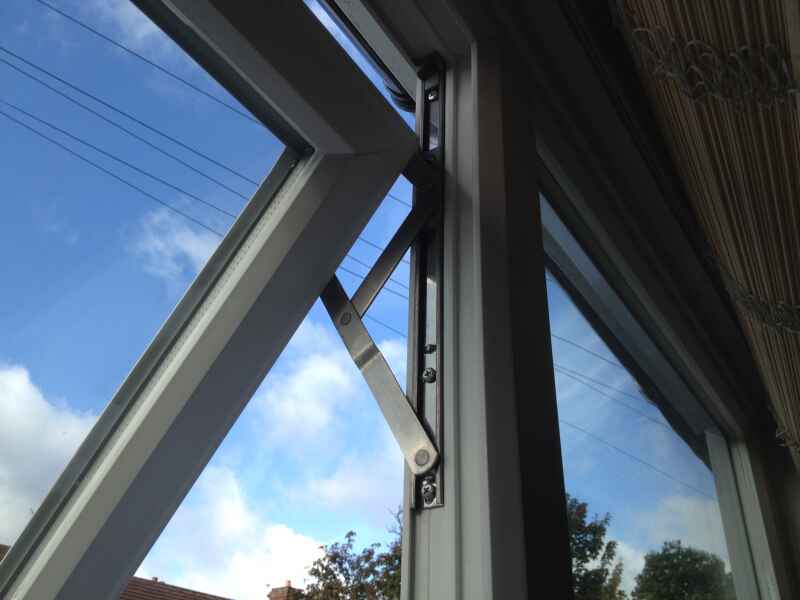
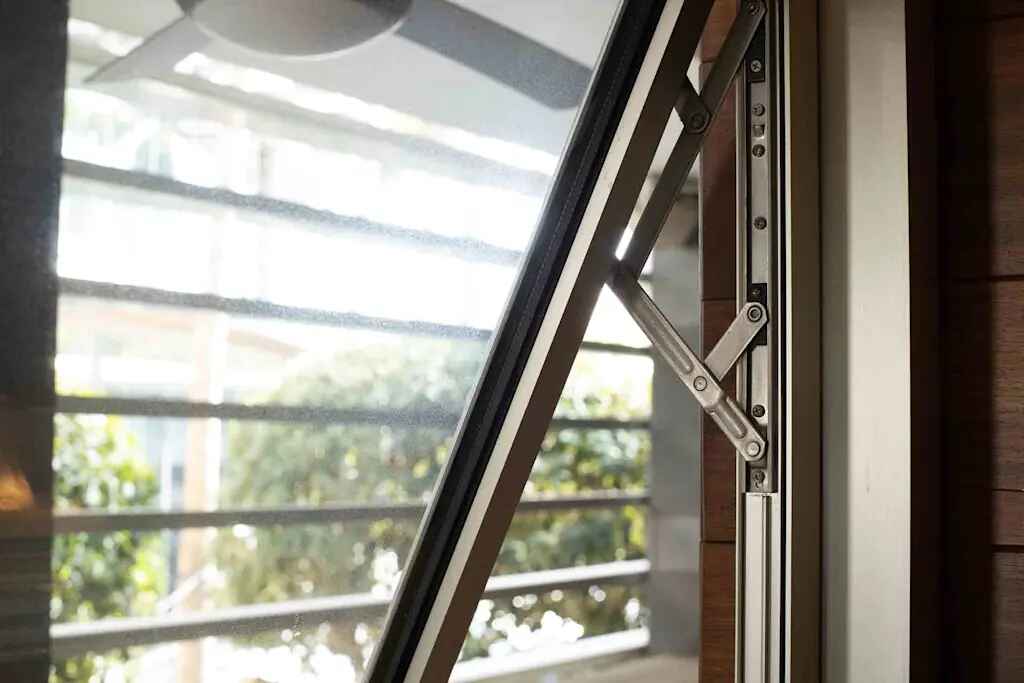
A useful starting point is the actual door and window hinges category from Chier, because the site positions hinges as part of a wider door and window hardware system rather than isolated catalog trim. The category currently points buyers toward a stainless window friction stay hinge, which matters for casement, awning, and projected window systems where load, movement control, and corrosion resistance meet in one small assembly. Chier’s own hinge category describes hinges as sturdy, smooth-operating hardware for doors and windows, and its product listing shows a stainless friction stay as the main hinge product in that category.
Table of Contents
Load Comes First: Stop Buying Hinges by Appearance
Load comes first.
I do not care how clean the finish looks if the hinge cannot hold geometry under real weight. A 35 kg casement sash, a 60 kg aluminum door leaf, and a 120 kg commercial entrance door do not punish hinges in the same way. They create different bending moments, screw pull-out risks, pin wear, frame distortion, and closing-force problems.
Here is the part many buyers hate hearing: hinge load capacity is not just the “maximum weight” printed on a line card. It is a system number. The hinge count, hinge spacing, door height, sash width, frame material, screw bite, gasket compression, wind load, opening limiter, and user behavior all change the load path.
A sample can feel good. A building can destroy it.
If you are sourcing heavy duty door hinges, demand these numbers before you talk about price:
Buying Check
What I Want to See
Why It Matters
Rated door or sash weight
kg per hinge set, not vague “heavy duty” language
Prevents undersized hinges from sagging after installation
Test cycle count
50,000 / 80,000 / 100,000+ cycles with load attached
Separates display-room smoothness from service life
Opening angle
90°, 120°, 180°, or project-specific angle
High opening angles increase stress on pins, arms, and fasteners
A strong hinge on weak screws is still a weak system
Frame material
Aluminum, timber, PVC, steel, composite
Screw holding and deformation behavior change by substrate
Post-test tolerance
Sag, play, operating force, corrosion, noise
“Still moving” is not the same as “still acceptable”
This is where internal technical content helps. Chier’s hinge service life testing protocol frames hinge testing as a controlled abuse program: load, repeated movement, frame tolerance, corrosion exposure, fastener stress, and post-test function all need to be checked together. That is the right attitude. A hinge does not live alone on a bench. It lives inside a moving, aging, badly treated opening.
Corrosion Resistance: The Finish Is Not the Material
Rust is honest.
A buyer may forgive a slightly expensive hinge. They will not forgive brown staining, seized movement, swollen fasteners, or pitting around screw holes on a coastal project where the supplier promised “anti-rust.” Corrosion resistant hinges are not made by marketing language. They are made by material choice, surface treatment, process control, and realistic environmental matching.
For most door and window hinge buying decisions, I look at three levels:
Zinc Alloy, Carbon Steel, and Plated Hinges
These can work in controlled indoor use, low humidity, and cost-sensitive projects. But in wet rooms, coastal zones, aggressive cleaning environments, or exterior window applications, cheap plating becomes a timer. Once the coating is scratched at the knuckle, screw hole, cut edge, or sliding contact point, corrosion starts where inspection teams rarely look.
SUS304 / AISI 304 Stainless Steel
SUS304 stainless steel is the practical middle ground for many window hinges, especially where humidity and normal exterior exposure are expected. It contains chromium and nickel, forms a passive oxide layer, and generally resists atmospheric corrosion better than plated carbon steel.
That said, SUS304 is not magic. Chloride exposure can still attack it. Salt air is rude.
Chier’s SUS304 stainless window friction stay slot hinge is positioned for humid or coastal environments, with a multi-link structure intended to hold position smoothly and reduce uncontrolled slamming. That product positioning makes sense for casement window systems where motion control and corrosion resistance are both part of service life, not separate features.
SS316 / AISI 316 Stainless Steel
For harsher marine exposure, swimming-pool buildings, chemical cleaning environments, and high-value coastal installations, SS316 deserves serious consideration because molybdenum improves chloride resistance. It costs more. It should. The cheap decision often shows up later as rust bleed, stuck screws, callbacks, and angry project managers.
The broader cost of corrosion is not a niche complaint. A U.S. Federal Highway Administration corrosion study estimated the direct cost of metallic corrosion in the United States at $276 billion per year, or 3.1% of 1998 U.S. GDP, and also noted indirect costs such as lost time, outages, delays, failures, and litigation. The FHWA corrosion report is not about hinges specifically, but the lesson applies perfectly: corrosion is rarely just a surface problem; it becomes a service, safety, and liability problem.
Service Life Is Where Supplier Claims Go to Die
I distrust clean claims.
“Passed 100,000 cycles” sounds impressive until you ask what load was attached, what angle was used, whether the hinge was installed in the actual profile, whether the fasteners matched production, whether corrosion exposure came before or after cycling, and what counted as failure.
A serious hinge service life test should include:
1. Baseline Inspection
Before testing, document dimensions, coating thickness, pin play, screw fit, arm movement, friction force, noise, and operating smoothness. Photograph everything. Measure everything. A hinge that starts out inconsistent will not become honest after 50,000 cycles.
2. Installed Load Test
Use the real door leaf or sash weight, or a test fixture that accurately reproduces it. For window hinges, this means sash size, center of gravity, opening angle, friction arm geometry, and gasket load. For door hinges, this means leaf weight, hinge spacing, frame substrate, and closing force.
3. Cycle Testing
Run cycle tests at agreed counts: 25,000 for low-demand internal use, 50,000 for baseline residential durability, 80,000 to 100,000 for stronger B2B expectations, and higher where project specs demand it. But never accept cycle count without load and inspection data.
4. Corrosion Exposure
For corrosion resistant hinges, ask for salt spray or cyclic corrosion data. A typical neutral salt spray setup often uses 5% sodium chloride solution at 35°C, but do not pretend salt spray hours translate cleanly into real-world years. They do not. Salt testing is better used for comparing materials, coatings, and production consistency.
5. Retest After Corrosion
This is where things get interesting. A hinge that cycles smoothly before corrosion may become stiff, noisy, or loose after exposure. The better test sequence is not “cycle or corrosion.” It is cycle, corrode, inspect, cycle again, then measure operating force, play, sag, and surface damage.
The uncomfortable point: service life is not proven when the hinge still moves. Service life is proven when the hinge still carries load, holds alignment, resists corrosion, and stays acceptable for the user after abuse.
Window Hinges Are Not Door Hinges in Smaller Clothing
This mistake is everywhere.
Door hinges usually manage vertical leaf weight around a relatively predictable swing axis. Window hinges, especially friction stays on casement and awning windows, often carry the sash while also controlling opening angle, friction, wind behavior, cleaning access, and compression back into the frame.
That is a lot of responsibility for a part buyers still try to quote by photo.
A window hinge must deal with:
Sash width and height
Glass weight
Wind load
Stay arm geometry
Locking-point pull-in
Weatherstrip compression
Handle force
Child safety and opening restriction
Cleaning and maintenance access
Corrosion from exterior exposure
The safety angle is not theoretical. In December 2023, the U.S. Consumer Product Safety Commission announced a recall of about 12,000 Pella Architect Series casement windows because the sash could detach from the frame and fall, creating an injury hazard. The recall also covered about 305 units sold in Canada and about 10 in Mexico, with affected windows sold from January 2021 through July 2023 for between $700 and $10,000 per window. The CPSC Pella recall is exactly the kind of case that should make hardware buyers more suspicious of under-tested hinge systems.
And there is a second safety layer: windows are used around children. The CPSC reported that an estimated 5,600 children aged 12 and under were treated in emergency departments in 2024 after falling out of a window, with about one in three requiring hospitalization; CPSC also noted at least 25 deaths among children 12 and under from window falls between 2021 and 2023. CPSC’s 2026 window safety release is not a hinge procurement manual, but it is a reminder that window hardware is not harmless trim.
The Buying Matrix I Actually Trust
Here is how I would shortlist door hinges and window hinges before approving samples.
Use Case
Better Hinge Direction
Material Priority
Test Priority
Red Flag
Interior residential door
Butt hinge or concealed hinge matched to leaf weight
Plated steel or stainless, depending on budget
Smooth swing, screw retention, sag after cycling
“Universal” hinge with no weight rating
Exterior aluminum door
Heavy duty door hinges with verified load rating
SUS304, SS316, or high-grade coated steel
Load, corrosion, door closer interaction
Supplier ignores closer force and frame thickness
Coastal window
Stainless friction stay or corrosion resistant window hinge
SUS304 minimum; SS316 for harsh exposure
Salt exposure plus post-corrosion cycling
“Stainless color” instead of stainless grade
Large casement window
Multi-link friction stay matched to sash dimensions
SUS304 / SS316
Sash load, opening angle, wind behavior
No sash width and height data requested
Commercial entrance
Heavy duty ball bearing or engineered hinge system
Stainless or tested coated steel
High cycle count, impact, closer load
Rated per hinge, but sold as a vague set
OEM hardware program
Custom hinge matched to profile and lock system
Project-specific
Repeatability, drawings, tolerance control
No batch inspection or revision control
I would also read Chier’s article on hinge installation errors before blaming the hinge alone. The site’s blog summary makes the correct point: many door hinge problems and window hinge failures begin with bad alignment, poor screw engagement, wrong load assumptions, rushed adjustment, or hardware installed without checking the full system.
The Supplier Questions That Separate Engineers from Resellers
Ask rude questions.
A real hinge supplier should be able to answer these without hiding behind “standard product” language:
Load and Geometry
What door or sash weight is the hinge set rated for? What is the maximum sash width? What is the recommended hinge spacing? What opening angle was tested? What happens when the door closer adds closing force? What is the allowed sag after cycling?
Material and Corrosion
Is it SUS304, SS316, zinc alloy, carbon steel, or aluminum alloy? Is the pin the same grade as the leaf or arm? What coating process is used? Is salt spray data available? Are cut edges, screw holes, pivots, and rivets protected?
Service Life
How many cycles were tested? At what load? On what fixture? Was corrosion exposure included? Was operating force measured before and after testing? What counts as failure: fracture, visible corrosion, sag, noise, stiffness, loose screws, or only total breakage?
Production Control
Can the factory keep the same material grade, rivet force, arm thickness, hole position, finish, packaging, and marking across repeat orders? This is where many low-cost suppliers quietly fail. The sample is one truth. The 30,000-piece order is another.
For broader sourcing programs, Chier’s door and window accessories buying guide is worth using as an internal companion article because it treats handles, hinges, locks, seals, keepers, rollers, dampers, fasteners, and coatings as one operating chain. That is how professional buyers should think.
My Hard Rule: Never Buy Hinges Without the System
Here is my unpopular opinion: the “best hinges for doors and windows” do not exist in the abstract.
There is only the best hinge for a specific door leaf, sash size, frame material, corrosion zone, usage frequency, user type, locking system, gasket pressure, installation method, service expectation, and warranty risk. Anything else is catalog theater.
If you are choosing door hinges for a project, start with the opening. Not the photo. Not the finish. Not the cheapest quotation.
Give the supplier:
Door or sash weight in kg
Width and height in mm
Frame material and wall thickness
Opening angle
Indoor, outdoor, coastal, bathroom, or chemical exposure
Target cycle count
Required finish
Screw and fastener requirements
Lock, handle, closer, restrictor, or friction stay interface
Then ask for a hinge recommendation with evidence.
For OEM and distributor buyers, the safer route is to review the full door and window hardware product range and build a package around the whole operating system rather than buying hinges in isolation. The products page positions Chier’s range around multi-point locks, handles, hinges, gearboxes, and accessories for B2B supply in U.S. and European markets, which fits the kind of system-level sourcing mindset this category needs.
FAQs
What are the best hinges for doors and windows?
The best hinges for doors and windows are load-rated, corrosion-resistant, installation-compatible hinge systems matched to the exact door leaf or sash weight, frame material, opening angle, environmental exposure, usage frequency, and service-life target rather than chosen only by appearance, price, or a generic “heavy duty” label.
In practice, that means a stainless friction stay may be right for a coastal casement window, while a heavy duty butt hinge or engineered concealed hinge may be better for a tall entrance door. The best choice depends on the system.
How do I choose door and window hinges?
To choose door and window hinges, confirm the door or sash weight, opening size, frame material, hinge spacing, expected cycle count, corrosion environment, fastener type, lock or handle interaction, and post-installation service requirements before comparing finishes, supplier prices, or catalog descriptions.
My rule is simple: if the supplier does not ask for weight, size, frame, and environment, they are guessing. And if they are guessing, you are carrying the warranty risk.
What hinge load capacity do I need?
The hinge load capacity you need is the verified working load of the complete hinge set under your actual door or sash geometry, including width, height, center of gravity, hinge spacing, frame strength, fastener engagement, opening angle, gasket pressure, and any closer or wind load.
Do not buy from a supplier who gives only “per hinge” capacity without explaining the full installed set. A hinge does not fail on a spreadsheet. It fails on the frame.
Are stainless steel hinges always corrosion resistant?
Stainless steel hinges are generally more corrosion resistant than plated carbon steel hinges, but their real performance depends on stainless grade, surface finish, chloride exposure, crevice design, fastener material, cleaning chemicals, drainage, and whether the hinge uses SUS304, SS316, or mixed-metal components.
SUS304 is useful for many humid and exterior applications. SS316 is stronger for chloride-heavy marine exposure. Cheap “stainless-look” finishes are not a substitute for real material disclosure.
How long should door hinges last?
Door hinges should last through the project’s expected duty cycle, which may mean 50,000 cycles for lower-demand residential use, 100,000 cycles or more for stronger commercial or OEM expectations, and longer where doors are heavy, public-facing, exposed, or linked to safety and security functions.
But cycle count alone is not enough. Ask whether the hinge was tested under load, after corrosion exposure, and with realistic fasteners and frame geometry.
Why do window hinges fail?
Window hinges fail when sash weight, wind load, corrosion, poor screw engagement, bad alignment, incorrect friction stay sizing, weak rivets, coating breakdown, or forced handle operation slowly damages the hinge system until the sash drops, binds, rattles, or stops sealing correctly.
The failure often gets blamed on the visible hinge. In reality, the lock, gasket, frame, screws, and installer may all be involved.
Final Thoughts: Buy Evidence, Not Hinge Theater
Do not buy hinges like trim.
Buy them like load-bearing, safety-relevant mechanical hardware that has to survive weight, weather, installers, users, salt, dirt, gasket pressure, and time. Ask for the material grade. Ask for the load rating. Ask for the cycle test. Ask for corrosion evidence. Ask what happens after the test, not just whether the hinge still moves.
And then make the supplier prove fit.
For project buyers, OEM teams, distributors, and window or door brands, the next step is clear: send your door or window profile, sash or leaf weight, target environment, finish requirement, and cycle-life expectation to Chier, then compare hinge options against the full hardware system—not against a pretty catalog photo. Start with the door and window hinges category and build the specification from real load, corrosion resistance, and service-life evidence.