Looking for hardware solutions that meet European / American standards?
Use this guided inquiry modal to move from a generic quote form to a clearer technical conversation. Buyers can choose whether they need pricing, CAD / 3D files, or OEM / ODM support before sharing contact details.
Compatibility-first design across door / window systems
Repeatable production with clear inspection checkpoints
Documentation and change control for long-running programs
Responsive engineering support for fit and field feedback
The Uncomfortable Fact: Most Deal With Purchasers Ask the Incorrect Question
Light weight aluminum wins weight. Zinc wins detail. Customers shed when they treat the product name as a guarantee instead of asking exactly how the handle is cast, coated, set up, tested, loaded, and duplicated after the very first order.
Samples fool purchasers.
When a sourcing team compares light weight aluminum vs zinc alloy deals with by holding two display room components under office lighting, they commonly miss out on the hideous variables that determine field performance: finish thickness, die-casting porosity, screw-boss toughness, spindle fit, hand feel, salt exposure, account compatibility, container abrasion, and the vendor’s ability to keep the exact same finish throughout reorder number 7, 12, and 25.
So what are we actually selecting?
Right here is my blunt answer. Select light weight aluminum alloy manages when weight, exterior direct exposure, deterioration perception, and modern slim profiles matter more than dense hand feel. Select zinc alloy handles when sharp information, compact geometry, ornamental plating, indoor usage, and tight die-cast features matter more than weight.
That sounds straightforward. It is not.
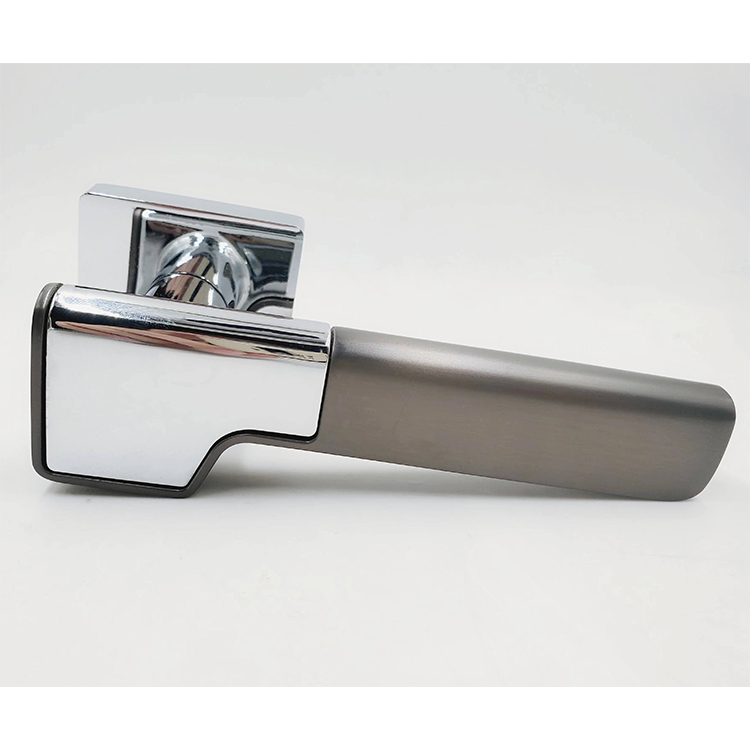
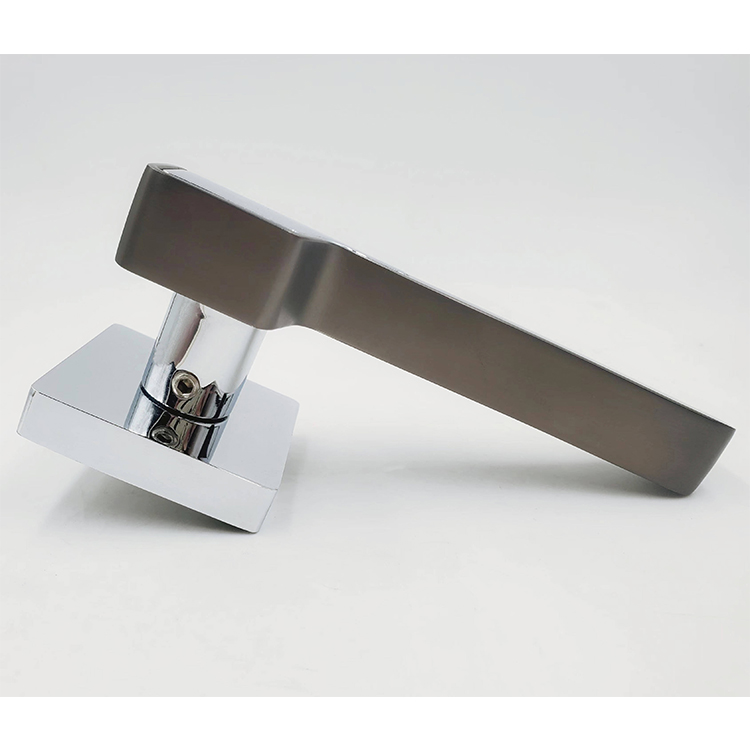
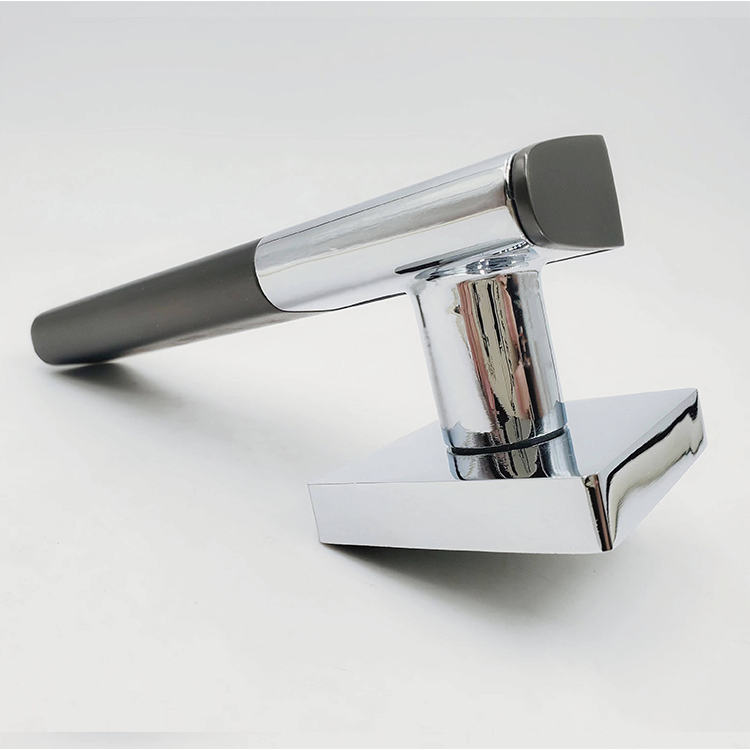
On an actual OEM program, the very best product for manages is rarely the “ideal steel” alone. It is the steel that fits the door or home window system, the finishing procedure, the yearly volume, the installation behavior, and the purchaser’s service warranty threat. If you are constructing a complete item family, begin with a serious vendor category such as windows and door manages instead of comparing loosened samples from five unrelated manufacturing facilities.
Light Weight Aluminum vs Zinc Alloy Handles: The Quick Customer Decision
The key keyword phrase here is light weight aluminum vs zinc alloy handles, however the purchasing decision is broader than a keywords. It is a production-risk choice.
Customer Question
Aluminum Alloy Handles Of
Zinc Alloy Deals With
My Judgment
Weight
Light; pure light weight aluminum density has to do with 2.7 g/cm six according to NIST-hosted light weight aluminum recommendation information
Heavy; NIST provides zinc density at regarding 7.133 g/cm five Light weight aluminum wins for large bars and sliding systems
Hand feel
Can feel premium if wall surface density and geometry are best
Normally dense and strong in the hand
Zinc wins for portable premium-feel pulls
Fine information
Good, but slim attractive detail may need better tooling control
Superb for sharp die-cast information and compact forms
Zinc wins for elaborate shapes
Rust story
Solid buyer perception, especially with anodizing or powder finish
Depends greatly on plating or layer quality
Aluminum generally sells easier outdoors
Die-casting resistance
Great, but part size and geometry matter
NADCA notes zinc alloys permit thinner areas and closer dimensional resistances than lots of usual die-casting alloys
Zinc wins for precision functions
Typical applications
Window manages, sash manages, sliding door handles, exterior-facing systems
Cupboard draws, small locks, ornamental handles, interior doors and window parts
I do not trust “aluminum is premium” as a blanket claim. I also do deny the lazy insurance claim that zinc alloy handles are low-cost by default. Some aluminum deals with are hollow-looking, brittle-feeling disappointments. Some zinc die-cast manages really feel costly, mount cleanly, and survive years inside your home without dramatization.
Yet there is a difficult line: if the handle goes outdoors, near coastal air, on premium aluminum home windows, or into a project where engineers will certainly inspect every surface area, I lean light weight aluminum unless the zinc layer spec is shown. Not assured. Proven.
Table of Contents
What the Raw Product Information States, and Why Customers Need To Care
Material markets are not background sound any longer. They leakage right into preparations, quotation credibility, distributor justifications, and MOQ pressure.
The USGS 2025 Mineral Product Summaries calls its annual record the earliest wide source of 2024 world mineral manufacturing information. In the aluminum phase, USGS reported globe aluminum smelter production at roughly 72 million statistics loads for 2024 and kept in mind significant U.S. aluminum investments, including $500 million for a brand-new smelter, $75 million for a low-carbon light weight aluminum casting plant, and $67.3 million for a low-waste recycling facility.
That is not facts. It tells customers that light weight aluminum is linked to energy policy, recycling capacity, tolls, and nationwide manufacturing method.
Zinc has a different profile. In the USGS 2025 zinc sheet, the estimated worth of zinc extracted in the United States in 2024 was $2.4 billion, while refined zinc web import dependence was noted at 73% of obvious usage. That matters since zinc alloy handles might look like a basic closet manage products decision, however zinc pricing and supply are still subjected to worldwide concentrates, smelters, and fine-tuned metal circulations.
And after that there is waste. The EPA aluminum material-specific information records that in 2018, the U.S. generated regarding 3.89 million lots of aluminum in metropolitan strong waste, reused regarding 670,000 loads, and landfilled about 2.66 million bunches. If your brand name markets “sustainable equipment” yet never ever asks about scrap healing, alloy partition, or finish rework, the story is slim.
Difficult truth: purchasers enjoy recycled-content language till it forces them to pay for documentation.
Where Light Weight Aluminum Alloy Handles Of Make Much More Sense
Light weight aluminum alloy manages make one of the most sense when the task needs light weight, modern appearance, exterior trustworthiness, or compatibility with aluminum door and window systems. In plain English: light weight aluminum is the safer sell when the take care of need to look building, stay light, and match slim frames.
For lots of sash window, lift-slide, and balcony door programs, aluminum feels like the natural selection because the framework system is currently light weight aluminum. The customer can speak about a meaningful door take care of material comparison: aluminum account, aluminum manage, powder-coated or anodized finish, managed color, lighter shipping weight, and cleaner architectural positioning.
Thin light weight aluminum handles can really feel economical. Poor pass away spreading can show porosity after layer. Sharp sides can subject finish weak point. Extra-large hollow areas can seem dead when tapped. And if the vendor changes finish vendor between sets, matte black can move from clean satin to messy grey.
I would certainly pick aluminum alloy handles for:
Exterior-Facing Window and Door Solutions
Use light weight aluminum when deals with rest on casement windows, gliding doors, porch doors, and premium light weight aluminum accounts where visual uniformity matters.
Big Manages Where Weight Issues
A huge zinc deal with can feel glamorous initially, after that become a shipping, installment, and sash-balance issue. Light weight aluminum maintains mass under control.
Projects Marketing Modern Minimalism
Slim light weight aluminum deals with fit the current market preference: matte black, satin silver, sparkling wine, cleaned finishes, hidden screws, straight lines, and lighter aesthetic mass.
Customers That Need a Cleanser Sustainability Tale
Aluminum has a strong recycling narrative, but buyers should still ask for scrap control, alloy traceability, finish rejection rates, and whether layer rework is tracked.
Where Zinc Alloy Handles Of Still Beat Aluminum
Zinc alloy manages are not the bad guy. Poor zinc deals with are the villain.
The NADCA Item Requirements Specifications for Die Castings describe zinc die spreadings as having strong castability, completing characteristics, close dimensional resistance capacity, and thinner cast sections than various other frequently used die-casting alloys. NADCA likewise keeps in mind that typical Zamak alloys have nominally 4% aluminum plus small magnesium enhancements, which is why the term “zinc alloy” is not just pure Zn in method.
This is where zinc earns its place.
If a buyer needs a portable get rid of sharp edges, screw bosses, lock functions, thin ribs, branding information, plating brightness, and a dense costs feeling, zinc alloy manages can outperform aluminum in the purchaser’s hand. That is especially real for interior closet deals with, sliding cabinet locks, small window latches, attractive pulls, and integrated lock-handle bodies.
Take a look at the useful logic behind a personalized slim gliding door handle with lock for closets. The manage is not just a grasp. It is a little system, a visible trim part, and a tactile item. Zinc can make sense there due to the fact that the customer desires small mass and tidy information.
However there is a catch.
Zinc alloy manages real-time or die by finishing. Inexpensive layering will certainly betray them. Weak powder coating will chip at edges. Poor cleansing prior to covering will create bubbling. Bad packaging will certainly massage through the coating before the item also gets to installment.
My guideline is easy: use zinc inside unless the provider can reveal finish evidence for the actual atmosphere.
The End up Is the Lie Detector
I have actually seen way too many sourcing choices spruced up as “worldly strategy” when the actual problem was finish control.
A buyer says, “We want light weight aluminum due to the fact that zinc corrodes.” Perhaps. Yet what layer? What salt-spray target? What substrate preparation? What edge distance? What screw get in touch with area? What cleansing chemistry? What product packaging separator? What evaluation source of light?
One more buyer claims, “Zinc feels more premium.” Fine. But is the coating nickel-chrome, powder covered, repainted, electrophoretic, or plated copper-nickel-chrome? Is the part exposed to damp hands, cleaners, bathroom moisture, coastal air, or UV? Is the manage mounted beside dissimilar metal fasteners?
Plating blistering, white corrosion, edge rub, covering peel, caught cleansing deposit, inadequate pretreatment, bubbling around screw openings.
The metal matters. The procedure matters extra.
Price: The Number on the Quote Is Not the Actual Cost
The most affordable handle is commonly the most costly one in the building.
A zinc alloy manage might have a reduced part price for portable, high-detail die spreading due to the fact that zinc can fill thin areas well and hold information. But it might cost more in delivery weight, layering control, and corrosion issues if used in the wrong setting.
An aluminum alloy handle might look a lot more costly at the unit-price degree, but it can reduce weight, support outside positioning, and straighten much better with aluminum framework systems. Yet aluminum can likewise penalize careless style: more machining, even more coating denies, more contortion danger in thin areas, and more visible casting problems if the tool is poor.
Below is the sourcing examination I would certainly use before authorizing either material.
Do not ask, “Which is cheaper?” Ask:
What Is the Yearly Volume?
Under 5,000 systems annually, tooling amortization and configuration discomfort may matter more than steel cost. From 20,000 to 100,000 devices annually, issue price and process repeatability begin to dominate. Above 100,000 units annually, small distinctions in rejection price, packaging damages, and finishing rework ended up being serious money.
What Is the Failure Mode?
For cabinet manage products, the common failures hang screws, surface rub, layering bubbles, and busted employers. For doors and window manages, the failures are wobble, pin mismatch, inadequate springtime return, covering rust, and profile interference.
What Does the Vendor Control In-House?
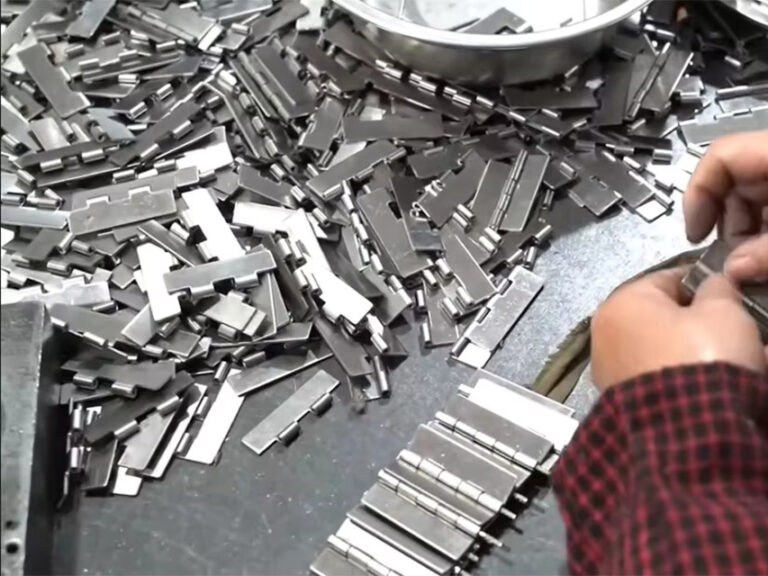
A provider that manages drawing review, DFM, assessment, packaging, and OEM/ODM documents is safer than a directory trader with wonderful photos. FS Chier’s OEM/ODM hardware manufacturing positioning matters below because the actual issue is repeatability, not one quite sample.
Can the Same Distributor Match the Family?
When takes care of, pivots, locks, and locks are sourced independently, surface drift ends up being common. For a full line of product, I would attach this post with a broader sourcing overview on matching handles, hinges, and locks for unified line of product.
My Purchaser Choice Framework
If you require one tidy guideline, use this:
Select light weight aluminum alloy manages for outdoor-facing, lightweight, architectural, frame-matched, contemporary door and window systems. Choose zinc alloy manages for interior, small, thorough, ornamental, dense-feel, die-cast parts where plating or coating is snugly regulated.
Here is the more stringent variation.
Select Aluminum If You Appreciate
Lightweight, aluminum home window compatibility, outside assumption, rust marketing, slim contemporary profiles, larger takes care of, powder-coated framework matching, and reduced mass on moving panels.
That last sentence is the part many buyers miss. After that they condemn the steel.
Frequently asked questions
What are light weight aluminum vs zinc alloy handles?
Aluminum vs zinc alloy manages is a buyer-side product comparison between lightweight light weight aluminum alloy hardware and larger zinc-based die-cast hardware, normally judged by corrosion exposure, hand feeling, finish system, tooling business economics, dimensional tolerance, order volume, and whether the handle will certainly be made use of on closets, doors, windows, or moving panels.
In functional sourcing terms, light weight aluminum is normally better for big, exterior-facing, or frame-matched window and door manages. Zinc alloy is generally far better for portable, detailed, indoor, decorative, or integrated lock-handle components. The best solution relies on the use setting, not the product name alone.
Are zinc alloy deals with long lasting?
Zinc alloy deals with are long lasting hardware components made from zinc-based die casting alloys, frequently Zamak with nominal light weight aluminum and magnesium additions, that do well in indoor doors, home windows, and closets when plating, powder coating, screw-boss design, and installation geometry suit tons, moisture, and anticipated service cycles.
The powerlessness is normally not the zinc itself. It is poor ending up, thin layer, entraped cleansing deposit, weak packaging, or using an indoor-grade zinc deal with in a damp or coastal setting. Request for layer examinations before trusting the example.
Are light weight aluminum Alloy Handles of much better than zinc alloy handles?
Aluminum alloy handles are normally much better for exterior-facing, weight-sensitive, or corrosion-exposed applications due to the fact that aluminum’s low density and oxide habits support lighter equipment, but the result still depends upon alloy quality, wall density, covering chemistry, bolts, and the purchaser’s salt-spray and cycle-test requirements.
For cupboard draws or compact indoor lock takes care of, zinc may be the smarter choice due to the fact that it gives a larger feel and sharper die-cast detail. For light weight aluminum home windows, gliding doors, and premium exterior systems, light weight aluminum often makes the stronger business disagreement.
Do zinc alloy handles feel larger than aluminum handles?
Zinc Alloy Handles of usually feel larger than light weight aluminum deals with due to the fact that zinc has a lot higher thickness, so a zinc die-cast pull or lever typically provides a strong, exceptional hand really feel also when the component is small, thin-walled, and created with attractive plating or powder coating.
This is why zinc prevails in ornamental pulls and compact takes care of. However weight can come to be a disadvantage on huge door manages, moving systems, and export deliveries where mass impacts freight, installation, and lasting operation.
What should purchasers ask before approving light weight aluminum or zinc Alloy Handles of?
Buyers should ask a take care of supplier for alloy quality, finishing specification, salt-spray target, cycle-test approach, screw pull-out data, attracting tolerance, surface master sample, packaging plan, and pre-shipment inspection criteria prior to accepting aluminum or zinc alloy manages for bulk production.
I would likewise ask whether the same vendor can keep deals with, hinges, locks, and accessories aesthetically consistent across repeat orders. The initial sample is simple. The 5th shipment is where weak suppliers reveal themselves.
Your Following Actions: Stop Buying the Example, Beginning Buying the System
If you are determining between aluminum alloy deals with and zinc alloy manages, do not authorize the material from an image, a quote sheet, or one sleek sample.
Request for illustrations. Request for the alloy. Request finish information. Ask for packaging information. Ask how the take care of works with the lock, joint, profile, and fasteners. Then ask what adjustments in between sample production and mass production.
For B2B purchasers building cabinet, door, or window hardware lines, the most safe following action is to shortlist the manage type initially, after that force the material choice with atmosphere, weight, finish, tolerance, and lifecycle screening. Testimonial the readily available windows and door deal with product range, contrast it versus your system needs, and request a material-and-finish suggestion before locking the order.