Looking for hardware solutions that meet European / American standards?
Use this guided inquiry modal to move from a generic quote form to a clearer technical conversation. Buyers can choose whether they need pricing, CAD / 3D files, or OEM / ODM support before sharing contact details.
Compatibility-first design across door / window systems
Repeatable production with clear inspection checkpoints
Documentation and change control for long-running programs
Responsive engineering support for fit and field feedback
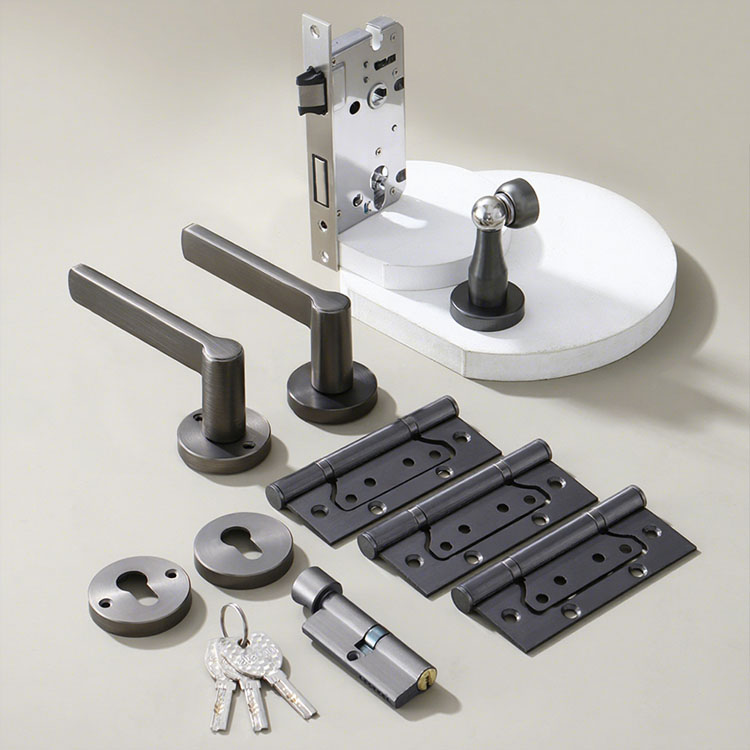
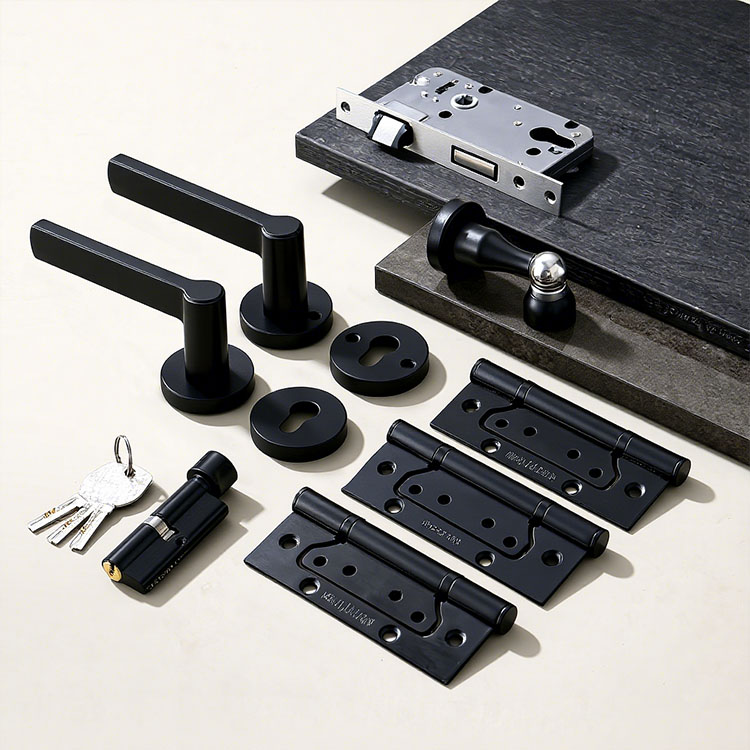
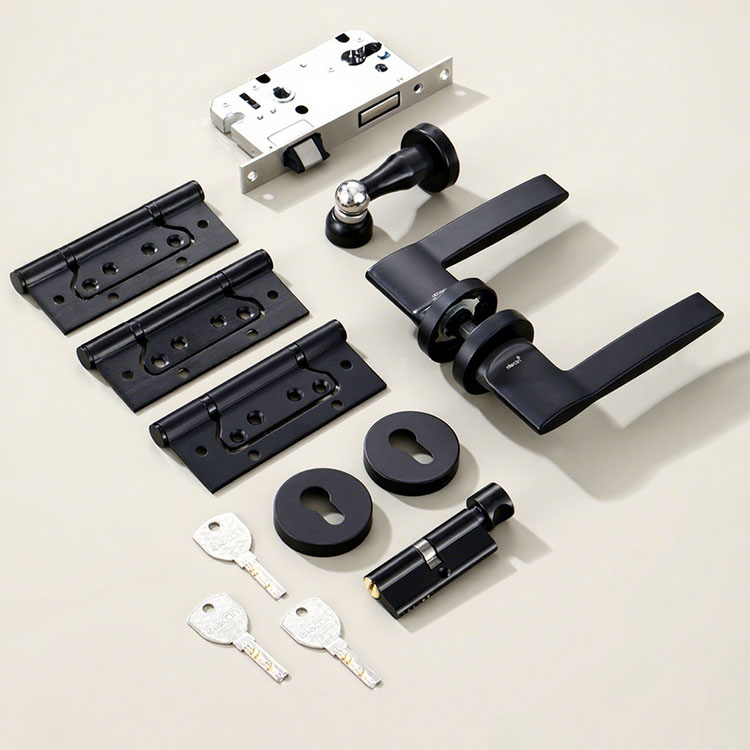
That is all the buyer sees, yet behind those three visible decisions sits the real cost stack: spindle fit, hinge load path, lock prep, finish chemistry, torque, packaging control, batch traceability, and the ugly question nobody likes asking early enough, which is whether the “matching” set was engineered as one family or merely photographed together for a sales page. Why do so many teams still buy it like décor?
I have watched this go wrong more than once. A sourcing team falls in love with a matte-black handle, picks a hinge from another factory, buys a cheaper lock body from a third, and then acts surprised when the coating ages at different speeds, the hand feel changes between SKUs, and service teams start carrying three screw patterns, two spindle lengths, and one permanent headache. That is not a unified product line. That is procurement drift.
A unified hardware line is not a color story; it is a controlled mechanical and visual system in which the handle family, hinge family, lock family, base material, finish code, fixing pattern, handing logic, and validation documents all belong to one disciplined BOM architecture, even when the line spans premium, mid-tier, and value SKUs. Why pretend finish matching alone solves it?
My blunt view is this: the best cabinet hardware supplier is usually not the one with the fattest catalog. It is the one that can prove family-level consistency across visible parts and hidden parts, and then keep that consistency after reorder number 12, not just sample round one. FS Chier’s own site telegraphs that correctly by separating categories but tying them back to engineering, inspection, OEM/ODM control, and document packs instead of just posting beauty shots.
And there is a hard market reason to care. According to the U.S. Census Bureau and HUD, March 2025 housing starts ran at a seasonally adjusted annual rate of 1,324,000 units, while building permits hit 1,482,000 and completions 1,549,000, which means buyers are sourcing into a market that still punishes delays, substitutions, and field failures with almost no patience at all; high-volume demand does not forgive sloppy hardware families. U.S. Census new residential construction data makes that painfully clear.
The sourcing sequence I would actually use
First, freeze the visible language
Start with the parts customers touch and compare side by side: pull geometry, lever length, rosette profile, escutcheon shape, gloss target, and finish code. But I would not stop there, because visible harmony dies fast when the substrate stack is inconsistent. A black finish on zinc alloy, anodized aluminum, and low-grade stainless does not age the same way. You know that. I know that. So why do teams still spec “matte black” as if it were one thing?
Then, standardize the hidden mechanics
The hidden family matters more. I would lock down spindle sizes, fixing centers, keeper logic, hinge load bands, lockcase or gearbox interface, handing rules, and serviceability before I argued over new trim. If you skip that step, your coordinated cabinet hardware becomes a service parts trap within six months. BHMA’s Certified Products Directory says certified builders hardware is verified by independent third-party laboratories for cycle, operational, strength, security, and finish performance requirements. That is the baseline. Not the brochure.
Then, force the evidence chain
I do not accept “tested to standard” as a serious answer. I want the exact standard, grade, configuration, sample scope, finish scope, and assembly scope. On multipoint systems, the ANSI/BHMA A156.37-2025 multipoint lock summary says the standard covers operational, strength, cycle, and security tests, and FS Chier’s own qualification write-up gets even more specific: Grade 1 lever-operated locks open at a maximum 28 in-lbf with no latching load, Grade 1 products are tested to 1,000,000 cycles with a 10-pound axial load, and bolt strength is tested at 1,350 pounds with all points engaged. That is the kind of language I trust because weak hardware hates numbers.
Then, test the finish like you expect the finish to fail
Most finish discussions are soft. I do not buy soft. The BHMA finish standard summary states that architectural hardware finishes are evaluated through salt spray, UV, perspiration, hardness, and humidity testing, and that actual usage still varies with installation, maintenance, and environment. That matters because “matching cabinet hardware” only stays matched if the finish system survives chloride exposure, handling oils, cleaning chemicals, and freight abrasion.
Decision area
What I would standardize
What I would allow to vary
Why I care
Handles
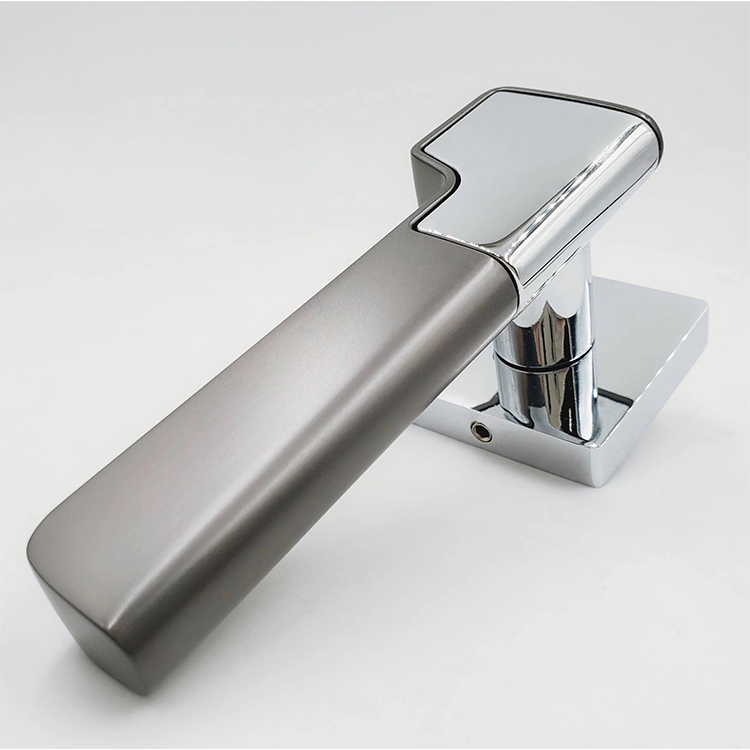
Base geometry, fixing centers, spindle interface, finish code
Length, grip detail, decorative profile
Customers spot mismatch here first
Hinges
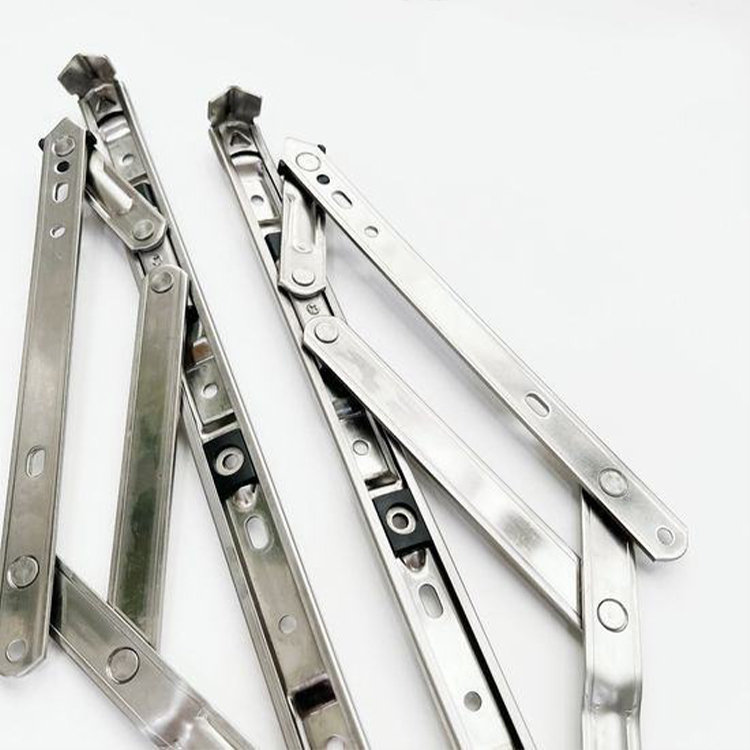
Load class, material grade, hole pattern, opening angle
Cover shape, finish sheen
Hinge drift causes sag, bind, and false “lock failures”
The cleanest recent reminder came on April 3, 2025, when the U.S. Consumer Product Safety Commission announced that AmesburyTruth recalled about 200,000 Ashland casement window hinge tracks because the metal sliding arm could disengage from the hinge track and allow the sash to fall; the affected units had been sold to residential and commercial window manufacturers in boxes dated April 2024 through December 2024. That is not a branding problem. That is a sourcing and validation problem.
And the wider lesson is even uglier. CPSC’s FY 2024 annual report says the agency completed 333 cooperative voluntary recalls, with 166 handled through its Fast-Track program, which is a polite way of saying the market is full of manufacturers who discovered too late that their proof chain was weaker than their sales copy. Want the hard truth? A supplier who cannot document family-level control is asking you to finance their learning curve.
I also think too many buyers misunderstand what “matching” means in the field. Matching is not just finish and silhouette. Matching means the hinge load band supports the sash or door mass, the lock body or gearbox sits in the same tolerance logic as the handle prep, the keepers land where they should, and the whole set survives geometry that is never as neat on site as it looked in CAD. FS Chier’s own article on frame tolerances makes the point I wish more suppliers would say out loud: standard steel door and frame work is built around a nominal 1/8-inch clearance, and rough openings should be at least 3/16 inch larger than the frame on all three sides where cast-in-place frames are not used. When those numbers disappear, “bad hardware” becomes the lie teams tell themselves.
Where unified product lines actually earn margin
One supplier.
Not always, but often, and especially when you are trying to launch a coordinated line across multiple SKUs without teaching your after-sales team to become archaeologists of old screw packs and finish lots. Why invite cross-factory drift unless there is a real commercial reason?
I would split the buying decision into four buckets. One: visible hardware language, where the handles must read like one family. Two: structural movement, where hinges must be selected by mass, cycle expectation, and opening behavior, not by whichever quote came back fast. Three: security mechanics, where locks and gearboxes must be validated as a working system. Four: governance, where drawings, revision control, sample sign-off, and replacement parts discipline decide whether the line survives its own success. FS Chier’s OEM/ODM hardware program leans into exactly that governance argument by emphasizing revision control, DFM, packaging, and long-running SKU control, and its download center for CAD, drawings, and certificates supports the paper trail serious buyers need.
This is also where I get opinionated about materials. If the project touches coastal exposure, high humidity, or aggressive cleaning routines, I want an explicit conversation around AISI 304 versus AISI 316, coating build, pretreatment, and salt-spray scope under ASTM B117. I do not accept vague “corrosion resistant” language anymore. Too many people treat chemistry like a footnote and then act shocked when batch two comes back with different behavior than batch one.
And yes, I would build the content architecture around that buying logic too. One post like this should pull readers naturally into supporting reads on global hardware sourcing strategy and window & door hardware design, because good SEO here is not about stuffing “cabinet hardware supplier” into every paragraph. It is about proving topical authority the same way a real supplier proves a product family: with structure, consistency, and evidence.
The documents I would demand before any PO
I keep this list simple because complexity is where suppliers hide. I want assembly drawings with revision dates, finish specifications, substrate declarations, cycle and corrosion test references, packing specs, part-identification rules, replacement-part logic, and signed sample approvals tied to exact SKU codes. No fog. No hand waving. No “same as last time” nonsense.
If a supplier hesitates, I assume the matched set is not really matched. And if the supplier cannot show how the handle family, hinge family, and lock family live together across one BOM tree, I assume I am being sold coordination theater rather than a unified hardware program.
FAQs
What is a unified hardware product line?
A unified hardware product line is a controlled family of handles, hinges, locks, finishes, fixing patterns, materials, and validation rules that share one design language and one compatibility logic across multiple SKUs, openings, or price tiers, so the range scales without creating hidden fit, finish, or service conflicts.
In plain English, it means the products belong together mechanically, visually, and operationally, not just in the catalog photo.
How do I source matching handles, hinges, and locks without raising warranty risk?
Sourcing matching handles, hinges, and locks without raising warranty risk means freezing the visible design language, standardizing the hidden interfaces, verifying test scope by exact configuration, and controlling revision, finish, and packaging data so the full family performs as one system in production, installation, and service.
I would approve the family only after drawings, sample sign-off, finish data, and compatibility notes all agree.
Should one cabinet hardware supplier make every part in the line?
One cabinet hardware supplier should make every part in the line when unified finish control, hidden-part compatibility, stable reorders, and lower after-sales complexity matter more than tiny quote differences, because family-level consistency usually beats fragmented buying unless a specialist part truly needs a separate source.
My bias is simple: split sourcing only when the technical upside is real and documented.
What proof should I require before approving a matched hardware family?
The proof you should require before approving a matched hardware family is a document set that ties exact SKUs to drawings, revision history, material and finish specifications, test references, assembly notes, packaging rules, and replacement-part logic, so the approved sample can be traced to mass production without guesswork.
If the paper trail is vague, the product line is not ready, no matter how polished the sample board looks.
Your next steps
Start smaller.
Pick one opening type, one finish family, one hinge load band, one lock architecture, and one replacement-parts logic, then force the supplier to prove that those pieces belong to the same controlled system before you expand the line into new sizes, new trims, or new markets. Why scale confusion?
If you are building or rewriting this topic for FS Chier, I would send commercial readers straight into the OEM/ODM hardware program when they need a factory partner, the technical download center when they need drawings and certificates, and the window hardware compliance guide when they need to pressure-test supplier claims. That is the conversion path I trust because it follows real buyer behavior instead of pretending one more glossy product page will close a technical sale.