Looking for hardware solutions that meet European / American standards?
Use this guided inquiry modal to move from a generic quote form to a clearer technical conversation. Buyers can choose whether they need pricing, CAD / 3D files, or OEM / ODM support before sharing contact details.
Compatibility-first design across door / window systems
Repeatable production with clear inspection checkpoints
Documentation and change control for long-running programs
Responsive engineering support for fit and field feedback
I have looked at enough submittals, samples, and “modern” hardware launches to know the trick by heart: the supplier sells the silhouette, the buyer falls for the finish, and nobody asks whether the handle actually gives clean leverage, safe control, low wrist strain, or sane replacement logic once the unit is installed and abused for 24 months.
Why do we keep rewarding that?
Here is the hard truth: fork handles and lever handles are not cousins you can casually swap in a mood board. A fork handle belongs to a tighter control problem, usually around casement or similar window operation, where geometry, locking feedback, stop angle, and sash behavior matter more than visual drama. A lever handle belongs to a broader hand-motion problem, often on doors and some window sets, where force, wrist angle, return feel, and accessibility decide whether the hardware is good or just expensive.
A fork handle looks simple, which is exactly why weak teams get lazy with it. They make the grip too thin, the edge break too sharp, the projection too timid, or the locking feel too vague, and then they act surprised when users start over-torquing, mis-closing, or treating the handle like a stubborn tool instead of a control interface.
That is not design. That is negligence in a nicer font.
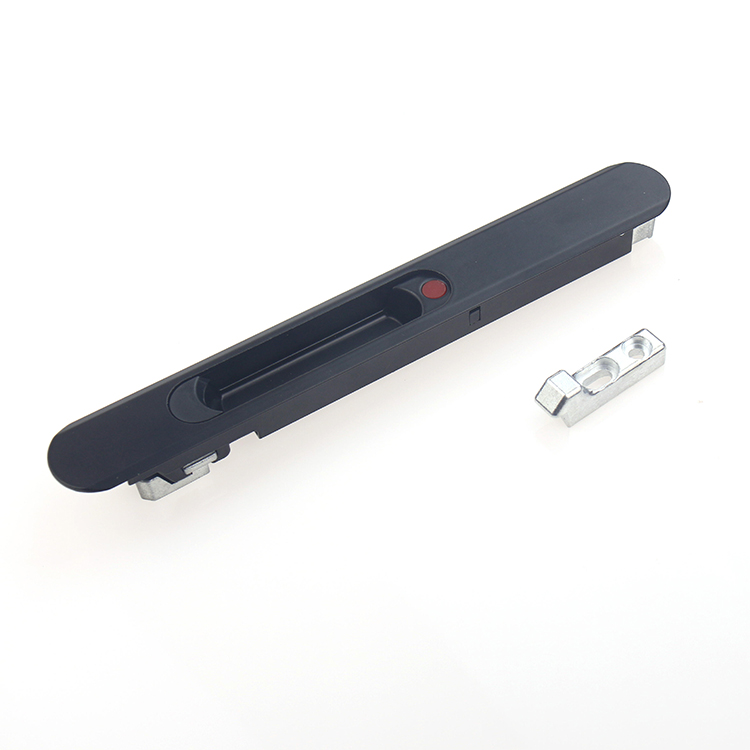
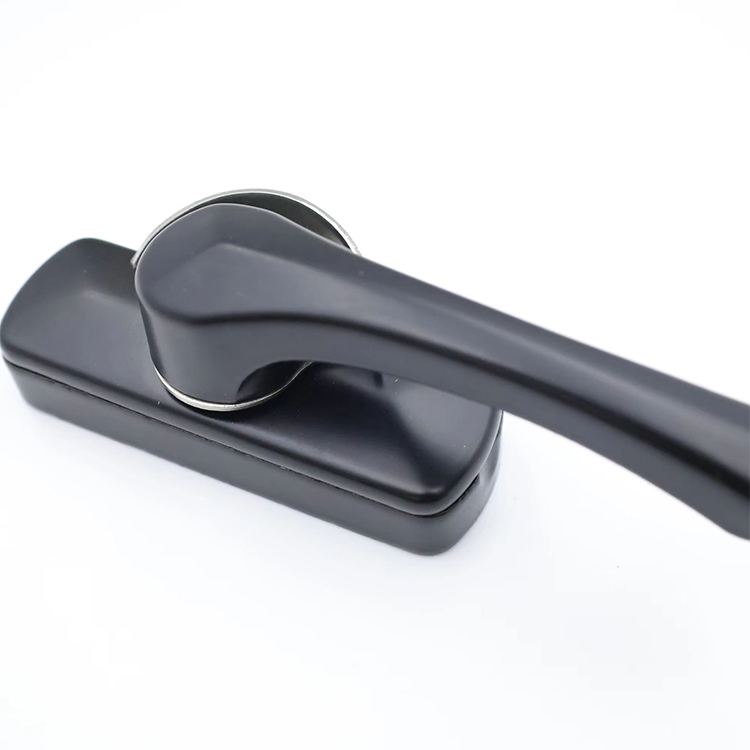
For a live internal reference, the custom black casement window fork handle is the right kind of example because it frames the product around controlled operation, durable metal construction, and comfortable grip instead of fake luxury language. If you want the broader thinking behind that, the companion piece on modern window handles for aluminum systems says the quiet part out loud: good handle design starts with force, frame language, and ergonomics, not decoration.
Window hardware is also a safety device whether the catalog admits it or not. The U.S. Consumer Product Safety Commission’s April 2026 notice says an estimated 5,600 children age 12 and under were treated in emergency departments in 2024 after falling from windows, about one in three were hospitalized, and the agency is aware of at least 25 deaths from 2021 through 2023. That is why I distrust fork handles that feel vague, slippery, or overcomplicated on first touch.
Fork handle replacement is where the fantasy ends
This is where buyers get hurt.
A fork handle replacement is never just a finish match. It is an interface match. You are checking opening type, handing, fixing centers, stop angle, profile clearance, locking interface, and how the user’s thumb and palm actually approach the part under load. Miss one of those, and the replacement may still “fit” the photo while failing the opening.
So when someone asks me about fork handle replacement, I ignore the color first and inspect the motion path second. Always. If the sash fights the hand, the handle loses.
Lever handles expose lazy thinking even faster
The real argument is force, not fashion
Lever handles get talked about like style objects.
That is nonsense, and the law has been trying to tell the industry so for years. The U.S. Access Board’s ADA guidance on operable parts says operable hardware must work with one hand, avoid tight grasping, pinching, or twisting of the wrist, and require no more than 5 lbf, or 22.2 N, of force. The same guidance explicitly accepts lever-shaped handles and rejects knobs that require a full grip and wrist twist. That is not a design preference. That is the baseline.
The aging-user argument is just as blunt. The CDC’s February 2024 Data Brief found arthritis affected 18.9% of U.S. adults in 2022, and the rate hit 53.9% among adults 75 and older. That is why “best lever handles for accessibility” is not fluff content to me. It is a practical spec question for hotels, apartments, healthcare-adjacent housing, and any brand that expects older users to keep buying and using the product.
Good lever handles do not beg for attention
The better lever handles feel obvious.
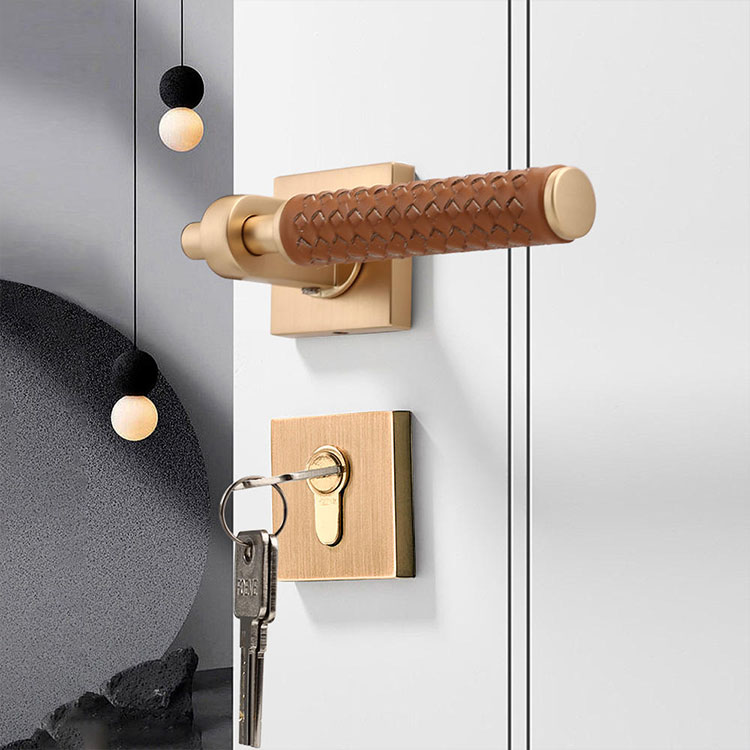
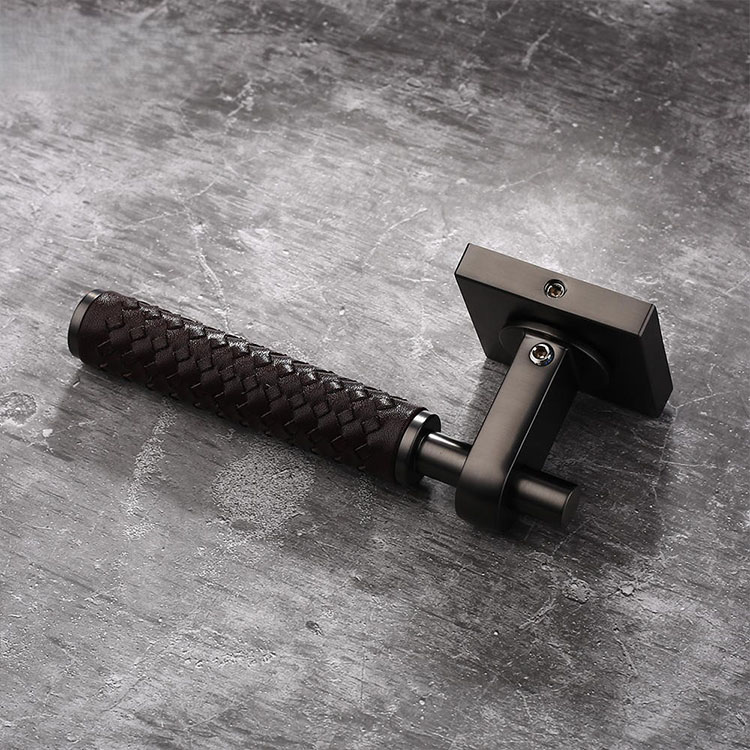
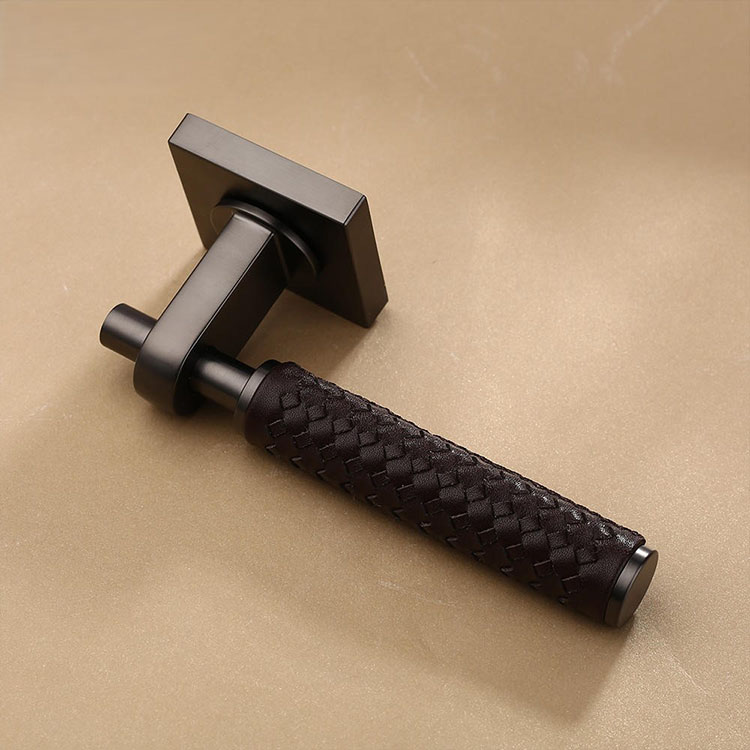
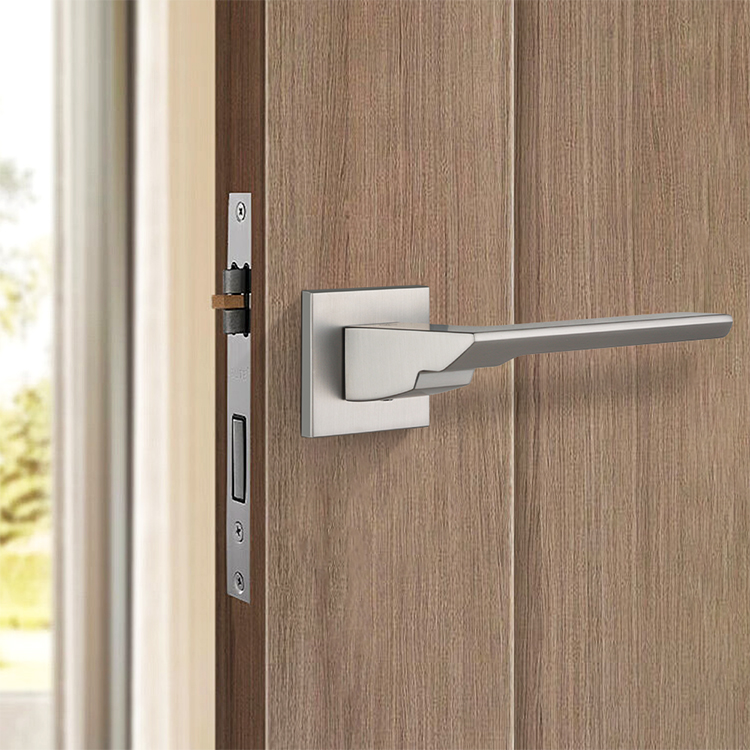
They give the hand a clear landing zone. They return cleanly. They do not force finger gymnastics. And they do not pretend that a thin profile automatically means premium engineering. On FSCHIER’s side, the matte black dual-height lever door handle is a useful internal example because it pairs a long backplate, concealed screw fixing, Euro-cylinder backplate logic, and a grip profile meant for repeated daily use. That is the right conversation. Not ornament. Not fake luxury. Function first.
The spec sheet I would actually sign
I like clean tables.
Not because they look smart, but because they force people to stop hiding behind adjectives.
Design factor
Fork handles
Lever handles
My non-negotiable rule
Primary use case
Casement or similar window-control applications
Doors and higher-frequency hand-operated openings
Match the handle to the opening logic before you discuss finish
User force path
Shorter motion, tighter control zone
Longer travel, broader palm and finger engagement
The hand should understand the motion in under one second
Accessibility pressure
Moderate to high, depending on sash resistance and locking feel
Very high, especially in public, residential, and aging-user settings
If the wrist has to fight, the design is wrong
Replacement risk
High when fixing centers, stop angle, or interface are ignored
High when backplate, cylinder prep, return spring, or handing are ignored
Important, but secondary to force and return behavior
A pretty failure is still a failure
Best material direction
Well-finished aluminum or metal body with disciplined geometry
Aluminum, stainless, or equivalent with stable return hardware
Material choice has to match environment, not showroom lighting
I would also force one ugly question into every review meeting: what happens on a bad day? Cold hands, wet hands, older hands, rushed hands, gloved hands, or the wrong installer with the right screwdriver. That is the test most beautiful handles fail.
Where projects actually lose money
The callback usually starts with something “small”
Tiny mistake. Big bill.
Most handle programs do not collapse because someone chose the wrong trend. They collapse because someone ignored the boring things: spring return, fixing tolerance, spindle fit, coating pretreatment, part identification, or the way the handle interacts with the rest of the assembly after hinges, locks, and sash compression enter the picture.
Want the uncomfortable version?
That is why I would naturally weave this article toward the fenestration hardware compliance guide and the piece on premium vs. budget window hardware sourcing. The site is strongest when it treats hardware as a system problem, not a catalog problem, and that is exactly how serious buyers think once they have paid for enough field failures.
Finish is not the story people think it is
Black sells. Silver lasts. That is the lazy version.
The real finish conversation is abuse profile, cleaning chemistry, coastal exposure, skin oil, frequency of contact, and whether the coating stack is honest about what it can survive. I do not care how seductive the matte sample looks under showroom lighting if the handle starts polishing on touch points, chalking near salt, or telegraphing wear around the fastener zone six months after handover.
And yes, buyers still get fooled by this.
Site authority should follow user intent, not vanity
A site like FSCHIER should not force readers to guess their next step. It already has the right assets. A serious reader who lands on this article should be able to move naturally from conceptual guidance into the door and window handles catalog, inspect a fork-style window handle example, compare that with a lever-handle product page, and then escalate to the OEM/ODM hardware program when the discussion turns from style to production reality. That is how internal linking should work: not as decoration, but as decision support.
FAQs
What is a fork handle?
A fork handle is a compact window-operating handle, usually used on casement or inward-opening systems, that engages the sash mechanism through a defined forked or geared interface and is designed to give controlled opening, closing, and locking feedback without the longer hand travel typical of door lever hardware.
In practice, I look for grip clarity, stop-angle discipline, fixing accuracy, and clean closing feedback. If those four things are weak, the handle is weak, no matter how tidy it looks in a product shot.
What is a lever handle?
A lever handle is a one-hand-operated handle that converts modest user force into rotational movement, making it easier to use than a round knob and better suited to accessibility, high-frequency traffic, and users with reduced grip strength, limited wrist motion, or inconsistent hand control.
That is why lever handles keep winning in serious specifications. They are not fashionable because designers say so. They are common because the hand likes them and the code world respects them.
How do I choose the best lever handles for accessibility?
The best lever handles for accessibility are models that can be operated with one hand, avoid tight grasping or wrist twisting, deliver consistent spring return, stay within low operating force, and present a grip shape that still feels obvious when the user is tired, older, gloved, or in a hurry.
I would also reject any lever handle that looks slim but feels sharp, vague, or unstable under pressure. Bad ergonomics wearing a matte-black finish is still bad ergonomics.
What matters most in a fork handle replacement?
A fork handle replacement should be chosen by matching opening type, hand orientation, fixing centers, projection, sash profile compatibility, locking interface, and stop angle before you even look at finish, because a visually similar part can still create binding, weak clamping, unsafe opening behavior, or immediate installation rework.
This is where cheap replacements become expensive. The part that “looks close enough” is often the part that starts the next service call.
Your Next Move
Stop guessing and spec the handle like it matters.
First, decide whether the opening is really asking for fork-handle control or lever-handle accessibility. Second, check the operating force, wrist angle, return feel, and replacement geometry before you approve any finish. Third, move the reader or buyer to the right next page: the door and window handles catalog for selection, the modern handle design article for concept framing, the compliance guide for risk control, and the OEM/ODM program when the project turns into a real production brief.
That is the difference between buying hardware and buying fewer future problems.