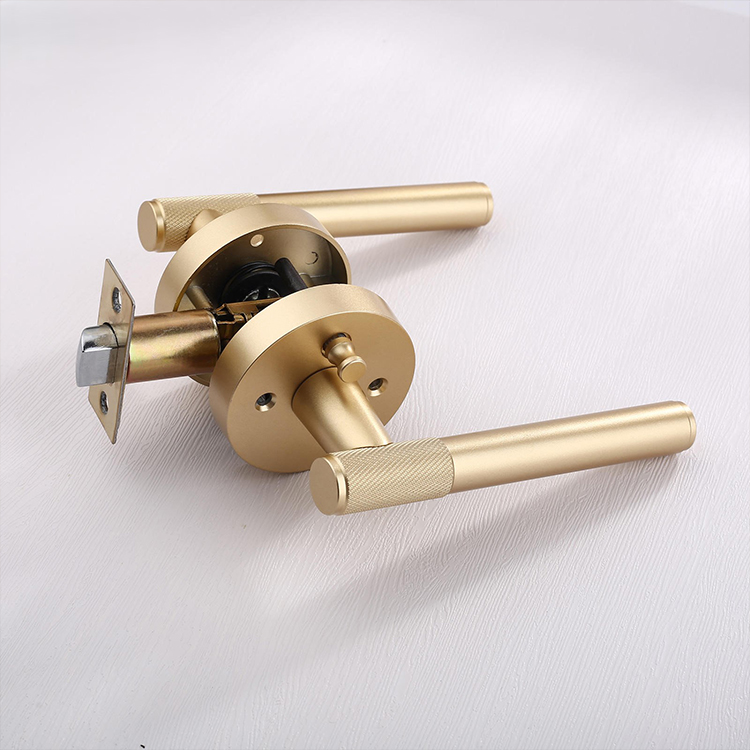
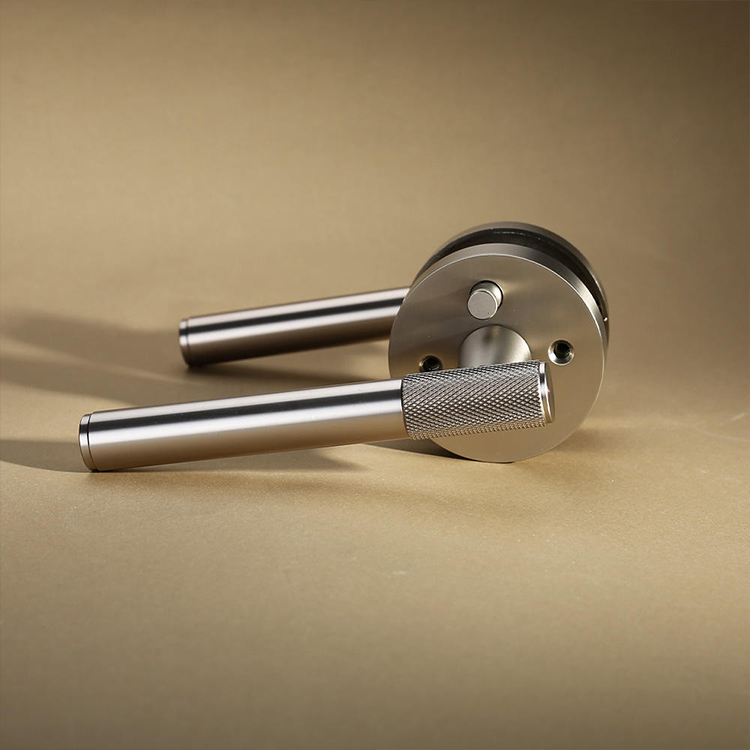
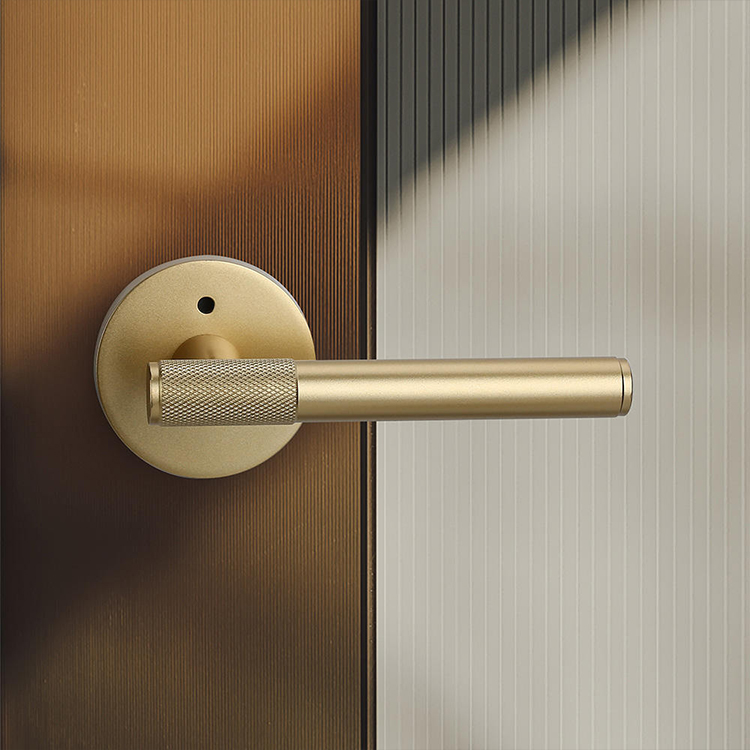
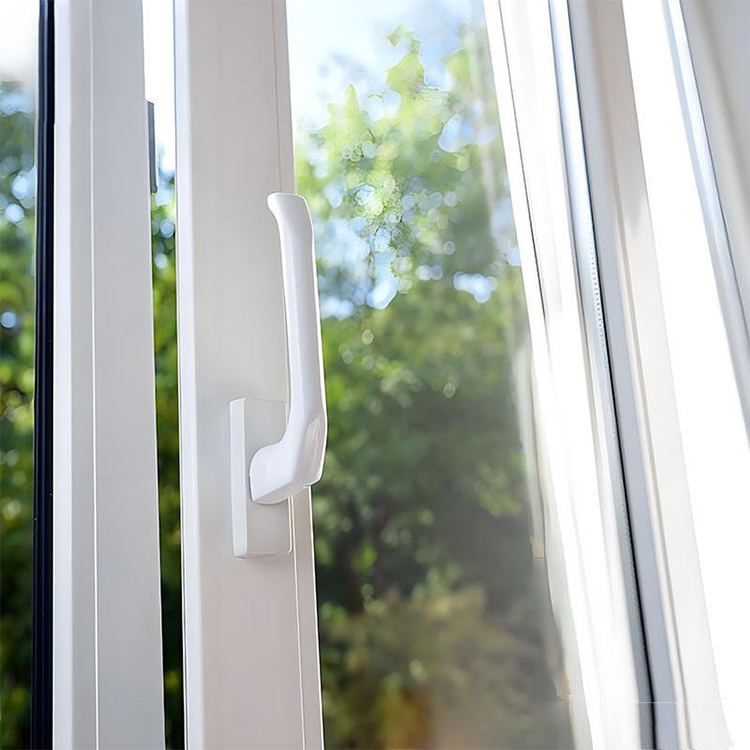
Looking for hardware solutions that meet European / American standards?
Use this guided inquiry modal to move from a generic quote form to a clearer technical conversation. Buyers can choose whether they need pricing, CAD / 3D files, or OEM / ODM support before sharing contact details.
Compatibility-first design across door / window systems
Repeatable production with clear inspection checkpoints
Documentation and change control for long-running programs
Responsive engineering support for fit and field feedback
I have seen too many handles blamed on “bad users” when the real cause was a lazy specification: undersized screws, soft fixing bosses, sloppy spindle engagement, over-compressed gaskets, weak surface treatment, and a frame profile that was never tested with the actual hardware package. Why does the industry keep pretending a loose door handle is a homeowner problem?
A loose door handle is usually the visible end of a system failure. The same is true for a loose window handle, especially on aluminum, uPVC, sliding, casement, and tilt-turn systems where the handle is not just a pull point. It is a torque lever. It talks to the spindle. The spindle talks to the gearbox or latch. The latch talks to the keeper. The keeper talks to the frame.
And the frame may already be lying.
When buyers choose from a door and window handles product category based only on shape, finish, or unit price, they often miss the real question: will this handle stay tight after thousands of operations, seasonal expansion, screw compression, cleaning chemicals, and human abuse?
I’ll say the hard part plainly: many “wobbly door handle” complaints are manufactured at the purchasing desk, not at the job site.
Table of Contents
What Actually Makes a Door or Window Handle Come Loose?
A handle becomes loose when the fixing system loses preload, alignment, or material support between the handle base, screws, spindle, lock body, sash, panel, or frame. That can happen slowly through repeated operation, vibration, wear, corrosion, compression of soft materials, poor screw engagement, bad installation, or a mismatch between handle design and the door or window system.
That is the clean answer.
Now here is the dirty one: the handle usually loosens because several small failures stack up until the user finally feels movement.
1. Screw Preload Loss: The Quiet Beginning
A screw does not “hold” because it is present. It holds because it was tightened into a material that can keep clamp load.
If the screw bites into weak uPVC, thin aluminum, poor zinc alloy, soft timber, or a tired repair hole, the connection may feel firm on day one and still start walking loose months later. Every pull, twist, slam, and latch movement adds a small load cycle. Over time, the screw loses bite.
This is why “door handle screws loose” is not a complete diagnosis. It is a symptom.
NASA’s Marshall Space Flight Center sponsored a serious vibration study on bolted connections in 1994, and the report identified variables such as hole tolerance, initial preload, joint configuration, fastener size, thread pitch, locking devices, and mating-surface lubrication as factors in loosening behavior. That was aerospace testing, not a cheap apartment handle, but the physics do not become polite just because the hardware is smaller. See the NASA/MSFC experimental analysis of thread movement in bolted connections.
2. Spindle Wear and Square-Hole Slop
The spindle is where many handles lose their dignity.
In a typical lever handle or casement window handle, the spindle transfers rotation from the handle to the latch, lock body, or gearbox. When that square bar is undersized, poorly hardened, badly aligned, or fitted into a worn follower, the lever starts to move before the mechanism responds.
That dead zone feels cheap. It also gets worse.
A good window handle quality review should ask about spindle fit, screw retention, spring return, locking feedback, corrosion resistance, and system compatibility. A glossy black finish tells you almost nothing about those items.
3. Handle Mechanism Wear Inside the Base
Some loose handles are not loose at the screws. The failure is inside the handle body.
Springs fatigue. Plastic bushings deform. Zinc alloy sockets wear. Return mechanisms lose snap. The lever droops. The base plate remains tight, but the user still feels wobble.
That distinction matters because tightening the visible screws may do nothing. I have watched maintenance teams waste half a day chasing screws when the actual fault was an internal return spring and a worn spindle receiver.
But the invoice still said “adjust handle.”
4. Frame Movement and Gasket Pressure
Doors and windows are not static objects. They move with heat, humidity, load, wind pressure, settlement, and daily use.
Aluminum expands. uPVC creeps. Timber swells. Gaskets compress. Sliding panels rack when rollers wear. Casement sashes pull against hinges and friction stays. If the handle is also part of a locking system, every misalignment forces the user to apply more torque.
More torque means more stress at the fixing points.
This is where window and door accessories become more than add-ons. Hinges, locks, gearboxes, rollers, latches, dampers, keepers, and handles behave as one operating chain. If one part is wrong, the handle often takes the blame.
The Evidence: Handles Fail Like Mechanical Joints, Not Decorations
I trust data more than showroom claims.
The Builders Hardware Manufacturers Association says Grade 1 locks under ANSI/BHMA A156.2-2022 must pass one million opening-and-closing cycles with a 10-pound axial load applied. The same summary also references aggressive safety and security tests, including locked-lever torque and impact directions in the standard’s scope. You can read the BHMA A156.2-2022 locks and latches summary.
That number matters because it exposes the lie behind cheap hardware language. If a supplier cannot discuss cycle testing, torque, preload, screw retention, coating exposure, or replacement stability, then “durable” is just a brochure word.
For window hardware, safety context is not abstract either. The U.S. Consumer Product Safety Commission reported that an estimated 5,600 children age 12 and under were treated in emergency departments in 2024 after falling from windows, and about one in three required hospitalization. The same CPSC notice says it was aware of at least 25 deaths among children age 12 and under from window falls between 2021 and 2023. That does not mean a loose window handle causes every fall. It does mean window operation, locking, restriction, and maintenance deserve adult supervision, not bargain-bin thinking. See the CPSC 2026 Window Safety Week release.
Corrosion is the other quiet killer. A NIST corrosion study on materials for the United States Botanic Garden Conservatory warned that small anodic fasteners should not be used as key structural elements in certain dissimilar-metal pairings, noting that aluminum fasteners holding stainless steel can corrode rapidly in the wrong condition. That lesson lands directly in coastal window hardware, poolside doors, humid bathrooms, and exposed balcony systems. See the NIST corrosion resistance report.
The Usual Failure Points, Ranked by How Often Buyers Ignore Them
Screw engagement depth, fixing boss material, hole damage
Worn spindle
Lever moves before latch responds
Undersized spindle, soft metal, worn follower
Spindle fit, square-hole tolerance, lock body wear
Drooping lever
Handle does not return cleanly
Spring fatigue, worn bushing, internal mechanism wear
Return spring, nylon bushing, internal lever cassette
Loose window handle on uPVC
Handle rotates too easily or feels sloppy
uPVC creep, screw pull-out, gearbox wear
Screw holes, gearbox resistance, sash alignment
Stiff handle becoming loose later
User forces operation repeatedly
Keeper misalignment, gasket compression, sash drop
Locking points, gasket pressure, hinge adjustment
Corroded screws or base
Brown staining, white oxidation, rough movement
Moisture, chloride exposure, dissimilar metals, bad coating
Fastener grade, coating damage, drainage behind base
A wobbly door handle is rarely a one-part failure. It is a mechanical confession.
Why uPVC Window Handles Loosen Faster Than Buyers Expect
uPVC is useful. I am not anti-uPVC.
But uPVC is not magic. It can creep under load, soften with heat, fatigue around screw holes, and hide internal reinforcement issues until the handle starts moving. When a uPVC window handle becomes loose, the user often assumes the handle is bad. Sometimes it is. Often the screw is biting into damaged plastic, weak reinforcement, or an already-stressed gearbox.
Here is the field test I like: operate the handle with the sash open, then closed.
If it feels smooth while open but stiff while closed, the handle is probably fighting alignment, gasket pressure, or locking-point engagement. If it feels loose in both positions, suspect the handle base, screws, spindle, or internal mechanism. That little difference saves a lot of fake repairs.
For sliding windows and doors, a custom OEM sliding window flush lock handle must be checked not only for appearance but for smooth locking, screw support, panel thickness, and repeat operation. Flush hardware looks clean. It can also hide service problems when the pocket, keeper, or lock throw is not controlled.
The Finish Trap: Black Handles, Pretty Samples, Ugly Returns
The market loves matte black. I do too.
But finish is where purchasing teams get seduced. A black handle can look premium in a sample box and still fail in the field because the substrate, pretreatment, film thickness, fastener pairing, and cleaning exposure were never properly specified.
The better way is to treat the finish as one layer in the total material stack. That includes aluminum alloy, zinc alloy, stainless steel spindle, screw grade, spring material, bushings, coating, packaging, and the chemical environment after installation.
A serious material selection guide for aluminum window handles should talk about alloy, pretreatment, coating class, corrosion risk, and fastener pairing. If the supplier only says “powder coated black,” I would push back.
Hard.
Because when the coating fails around the screw boss, moisture gets behind the base. When moisture sits behind the base, corrosion starts. When corrosion starts, screw retention and handle feel degrade. The customer calls it a loose window handle. The root cause may be a weak finish system that let the joint decay.
Integrated lock handles are popular because they reduce visual clutter and simplify operation. One motion can move the handle, engage the lock, and signal open or closed status. That is good design when the system is controlled.
But when it fails, it fails loudly.
An integrated unit can combine the lever, spindle, latch tongue, keeper interface, lock body, screw bosses, spring return, child-safety feature, surface coating, and sometimes a restrictor interface. That means one loose part can affect comfort, security, weather sealing, and replacement access at the same time.
How to Fix a Loose Door Handle Without Making It Worse
A loose door handle should be repaired by diagnosing whether the movement comes from the screws, spindle, latch body, handle spring, mounting plate, or door material before tightening or replacing parts. Blindly driving bigger screws into a damaged hole can split timber, deform uPVC, strip aluminum, misalign the latch, and make the next repair more expensive.
Start simple.
Open the door. Hold the handle base. Move the lever. If the base moves, check the fixing screws and mounting plate. If the base stays still but the lever wobbles, check the spindle and internal handle mechanism. If the latch feels stiff, check alignment before blaming the handle.
For a basic loose door handle repair, I would follow this order:
Remove the cover plate or screw caps without scratching the finish.
Check whether the screws are loose, stripped, too short, or biting into damaged material.
Inspect the spindle for rounding, undersizing, corrosion, or poor engagement.
Test the latch or lock body separately with the handle removed.
Check door alignment, latch strike position, and gasket pressure.
Replace the handle set if the spring cassette, follower, or spindle receiver is worn.
For repeated failures, change the fixing method or upgrade the hardware system.
The mistake is tightening first and thinking second.
How to Prevent Handle Loosening in OEM and Project Sourcing
If you are sourcing for a factory, distributor, developer, or private-label program, stop asking for “the best price for this handle.”
Ask better questions:
What is the substrate: aluminum, zinc alloy, stainless steel, or hybrid?
What is the spindle material and tolerance?
What screw size, length, material, and head type are supplied?
What is the recommended substrate thickness?
Has the handle been tested on the actual profile?
What cycle-test evidence exists?
What corrosion exposure is assumed?
What happens if the lock body or gearbox is substituted later?
Are replacement parts controlled by batch, drawing, and finish code?
For design-led projects, it also helps to review current door and window handle design trends without mistaking trend for performance. Slim profiles, black finishes, and hidden fixings are attractive, but they must still survive torque, cleaning, weather, and tired users.
Pretty hardware sells the first unit. Reliable hardware sells the second order.
FAQs
Why does my door handle keep coming loose?
A door handle keeps coming loose because the fixing system is losing grip, preload, or alignment between the handle base, screws, spindle, latch body, and door material. The repeated movement may come from stripped screw holes, poor spindle fit, worn springs, latch resistance, soft substrate, door misalignment, or low-grade hardware.
The first check is whether the base plate moves. If yes, inspect screws and fixing holes. If the lever moves but the base stays firm, inspect the spindle, spring cassette, and latch follower.
What causes a loose window handle?
A loose window handle is caused by worn screws, damaged uPVC or aluminum fixing points, spindle wear, gearbox resistance, sash misalignment, corrosion, or repeated force from stiff locking points. The handle may be the part you touch, but the real issue often sits inside the lock transmission, keeper alignment, gasket pressure, or frame tolerance.
Test the handle with the window open. If it operates smoothly open but stiff closed, alignment is probably involved. If it feels loose in both positions, inspect the handle and fixing points first.
How do I fix a loose door handle?
To fix a loose door handle, identify whether the movement comes from the handle base, screws, spindle, latch body, or internal spring mechanism before tightening anything. Remove the cover plate, inspect screw bite, check spindle engagement, test the latch separately, and repair stripped fixing holes or replace worn parts as needed.
Do not simply use larger screws unless the door material and handle base can accept them. Oversized screws can damage timber, deform uPVC, or create new alignment problems.
Are loose door handles a security risk?
Loose door handles can be a security risk when the movement affects latch engagement, lock operation, spindle control, or the user’s ability to close and secure the door properly. A cosmetic wobble is annoying, but a loose handle connected to a worn lock body, weak spindle, or misaligned latch can reduce practical security.
For entrance doors, balcony doors, rental units, schools, and commercial spaces, I would treat repeated handle looseness as a hardware-system warning, not a minor maintenance item.
Why do uPVC window handles become loose?
uPVC window handles become loose because the fixing screws may lose bite in plastic, internal reinforcement may be weak or missing, the gearbox may become stiff, or the sash may fall out of alignment and force users to apply excess torque. Heat, age, repeated use, and previous over-tightening can worsen the problem.
If the screw holes are stripped, simply tightening the screws will not last. The repair may require proper packers, replacement screws, reinforcement checks, or replacement of the handle and gearbox.
When should I replace instead of repair a wobbly door handle?
You should replace a wobbly door handle when the internal spring, spindle receiver, lever bearing, mounting plate, or latch follower is worn beyond adjustment. Tightening screws only helps when the fixing points are the source of movement; it will not repair metal wear, cracked bases, rounded spindles, or weak return mechanisms.
In commercial or high-use settings, replacement is often cheaper than repeated callouts. I would rather replace one bad handle properly than tighten the same failing unit every month.
Final Thoughts: Stop Treating Loose Handles as Small Problems
A loose door handle is not just an irritation. A loose window handle is not just a maintenance ticket. Both are warning signs from a mechanical system that has lost control somewhere between user force, fastener preload, material strength, alignment, corrosion resistance, and hardware compatibility.
So here is the practical move: inspect the whole operating chain before buying, repairing, or replacing the visible handle.
If you are sourcing for a project, audit the handle together with the lock, spindle, screws, frame profile, sash weight, gasket pressure, finish system, and replacement plan. If you are repairing one unit, test open versus closed, check screw bite, inspect the spindle, and do not force a stiff lock until you know why it is stiff.
For OEM, wholesale, or project-based supply, start with the full Foshan Chier door and window handles range and match the handle to the actual opening system before approving samples. The cheapest handle is rarely cheap after the second service call.